 3D ROOM
 (0)
(0) English
 عربى
عربى
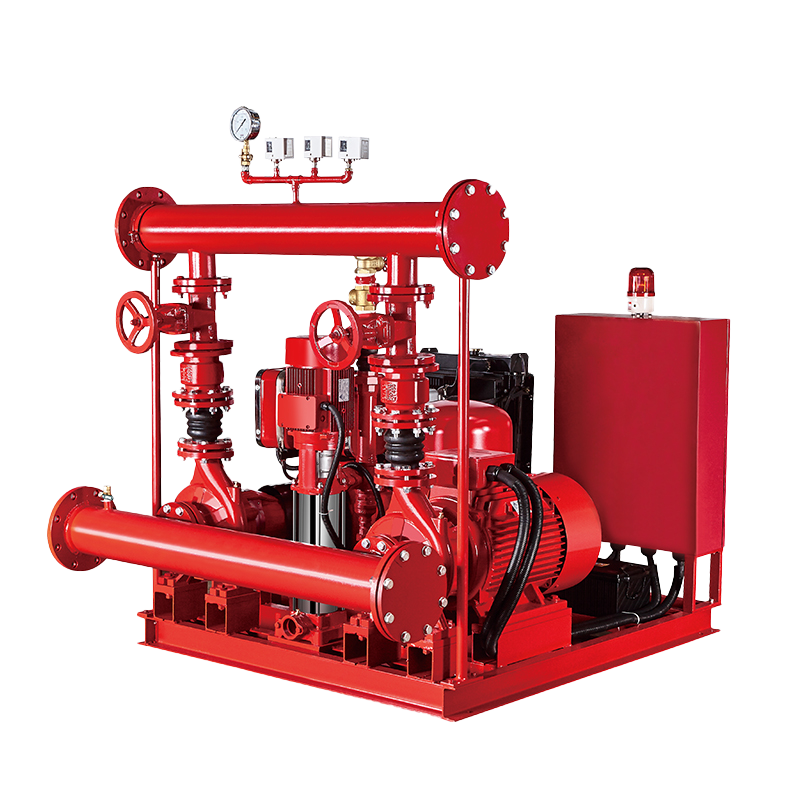 Fire Pump and System
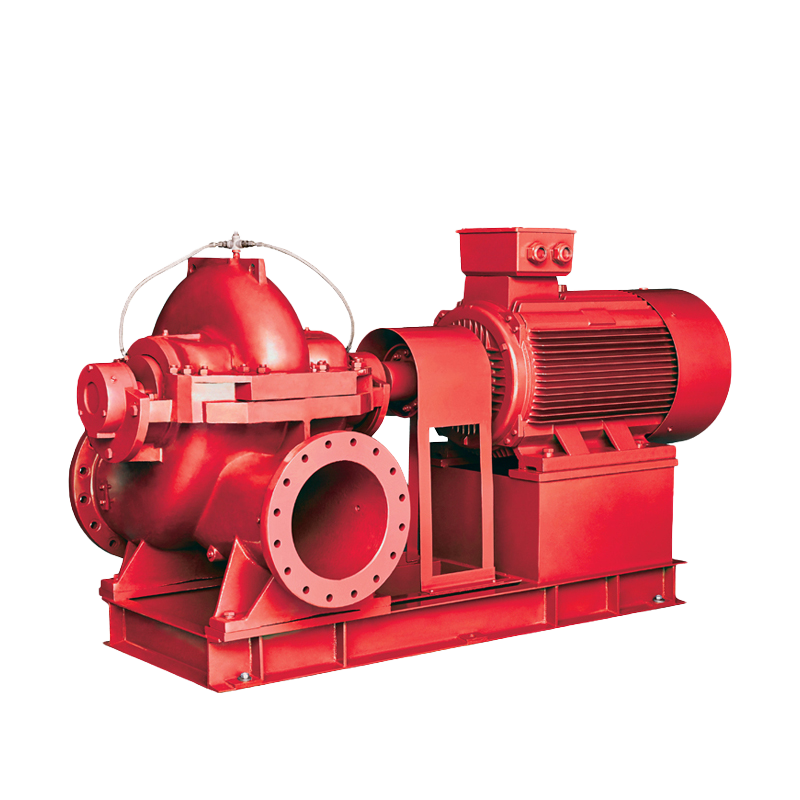 Split Case Pump
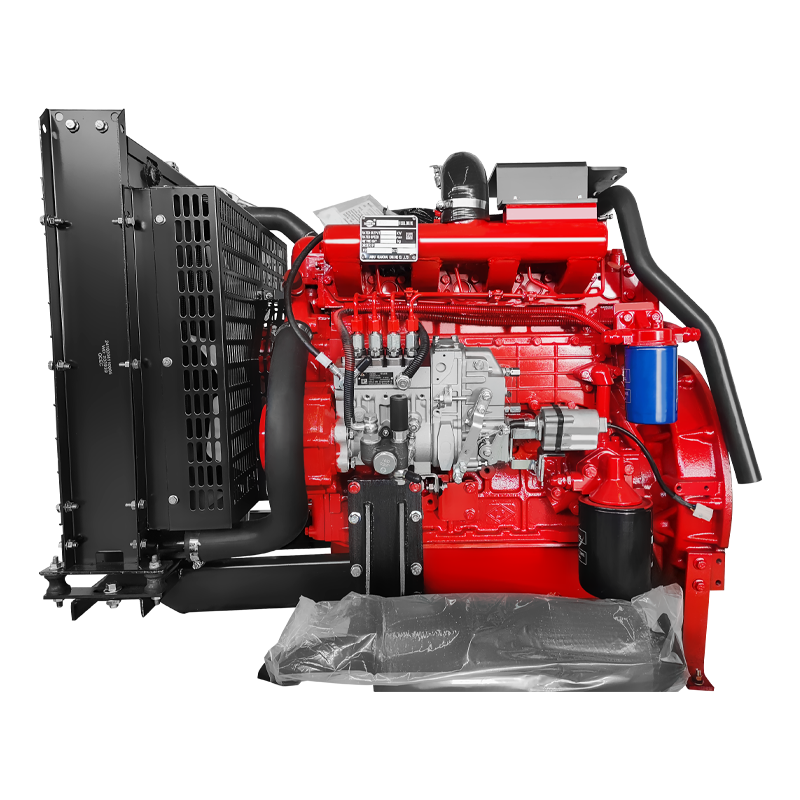 Engine and Pump
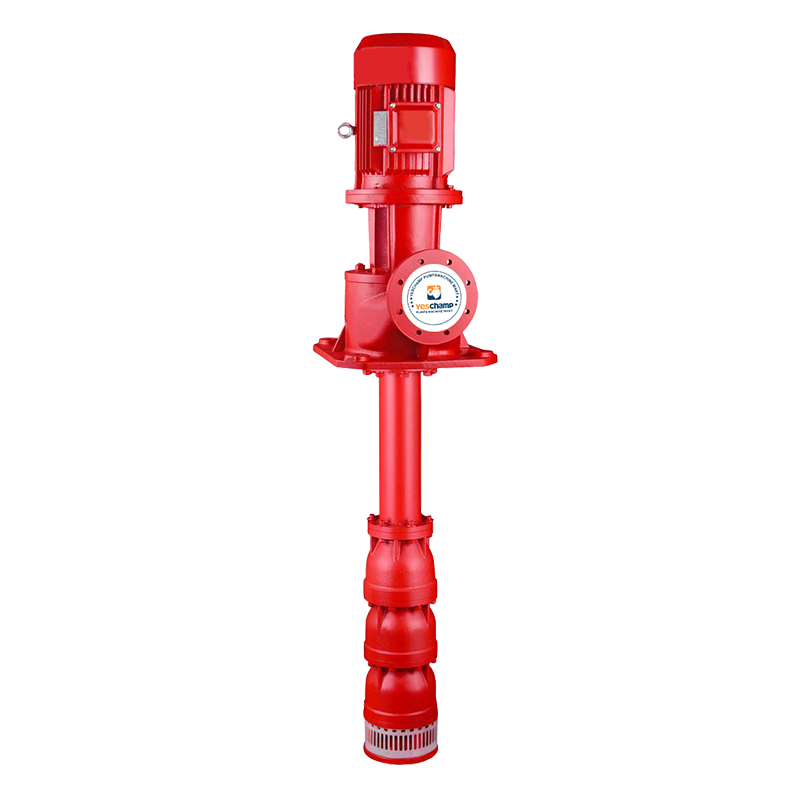 Long Shaft Pump
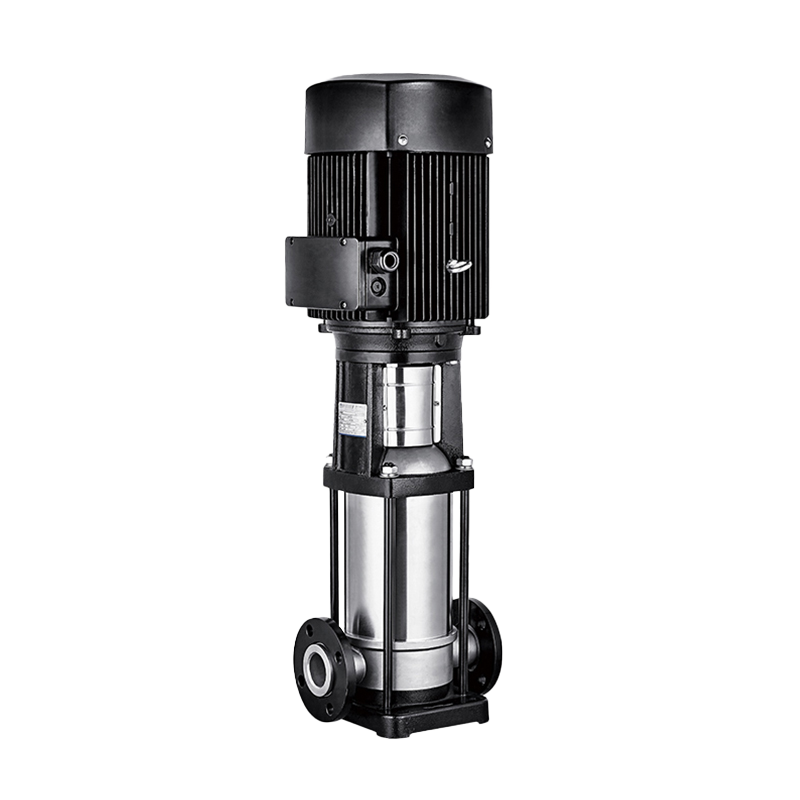 Multistage pump
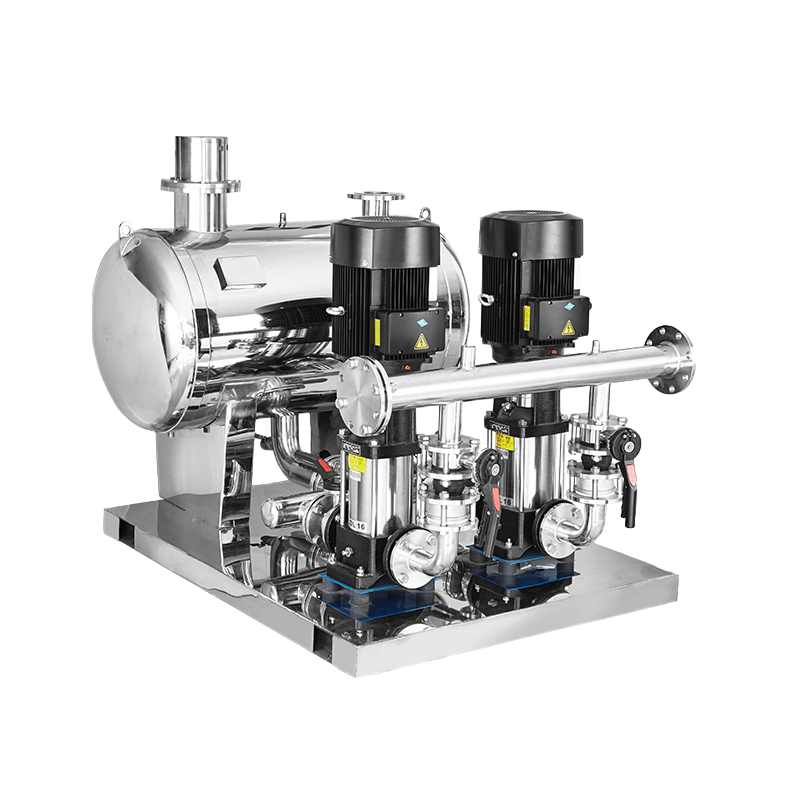 Water Supplier System
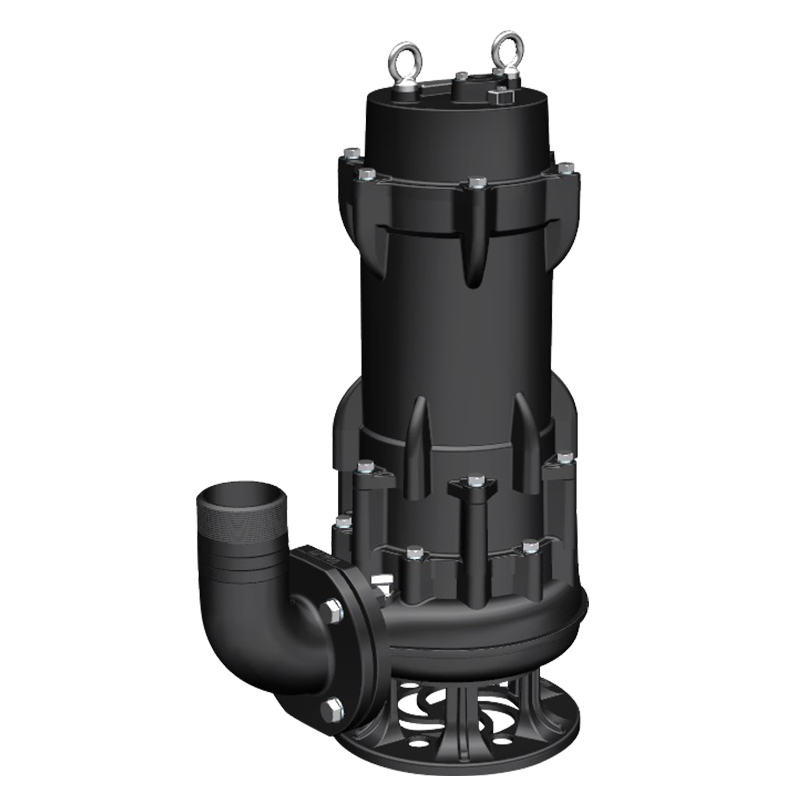 Sewage Pump
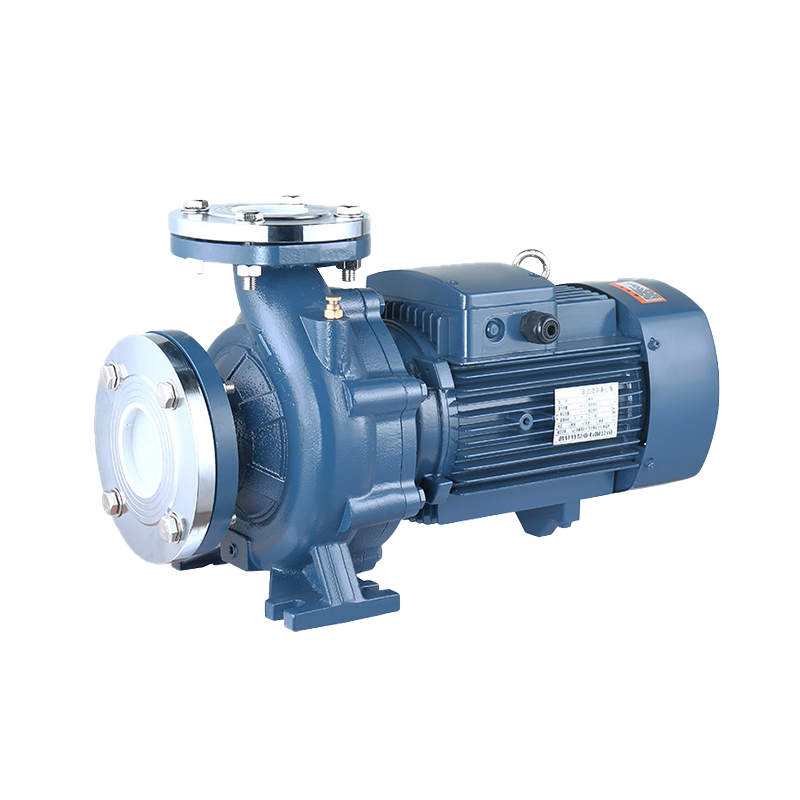 Industrial Pump
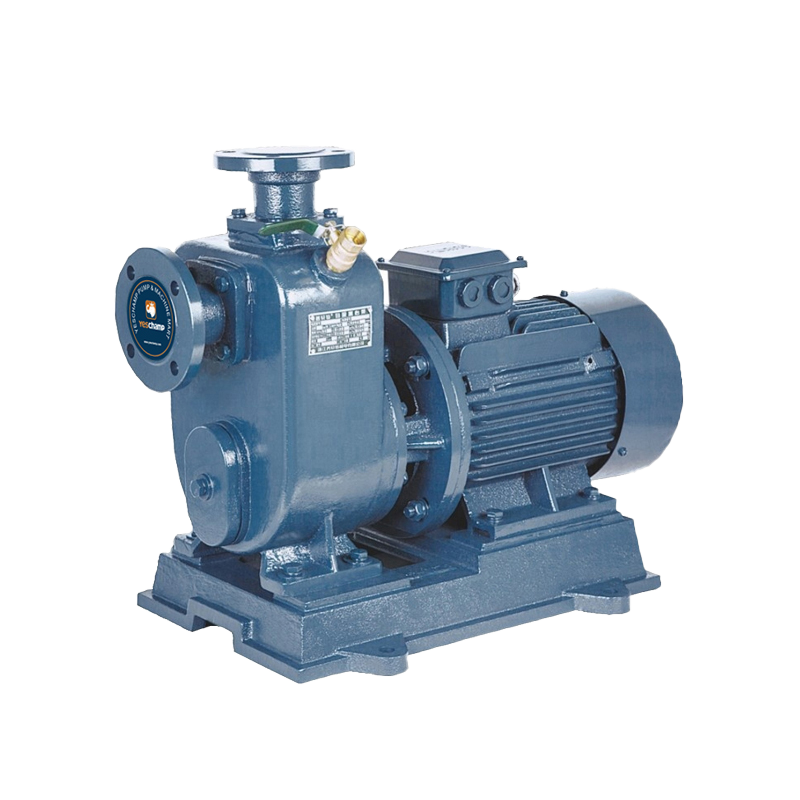 Self-Priming Pump
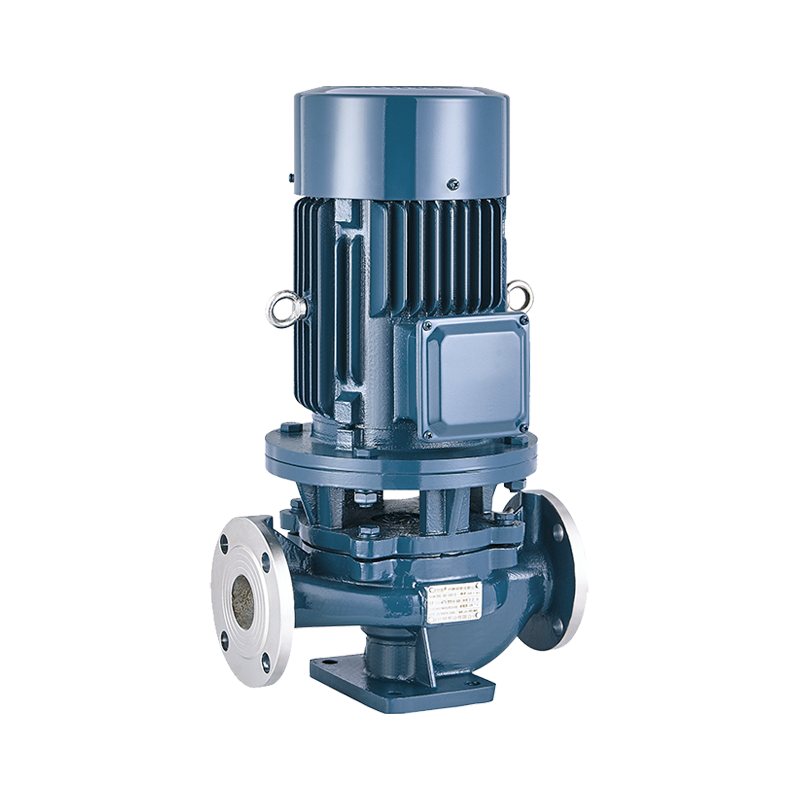 Inline Pump
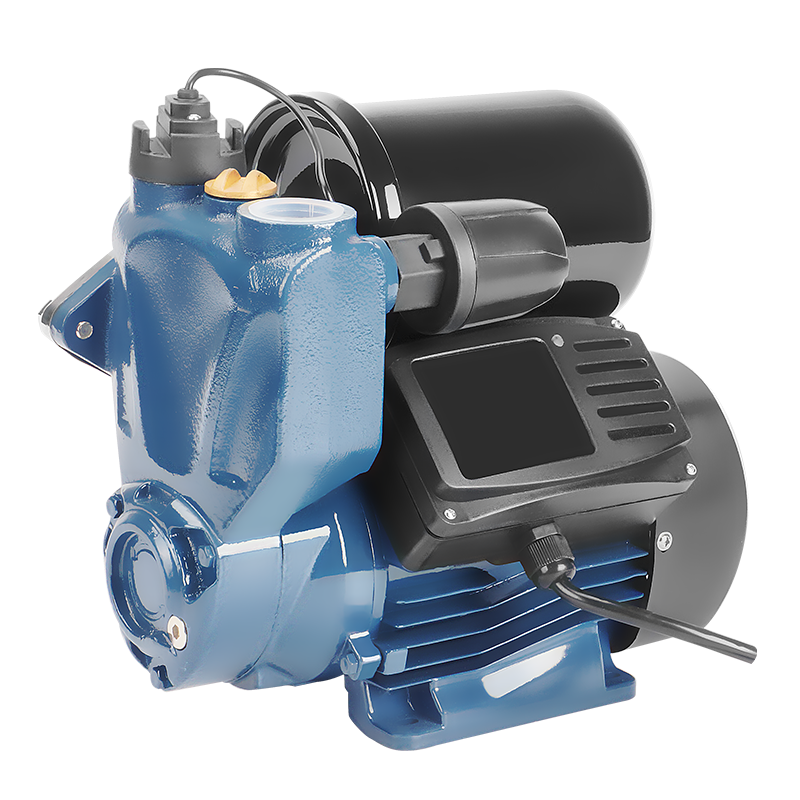 Domestic Pump
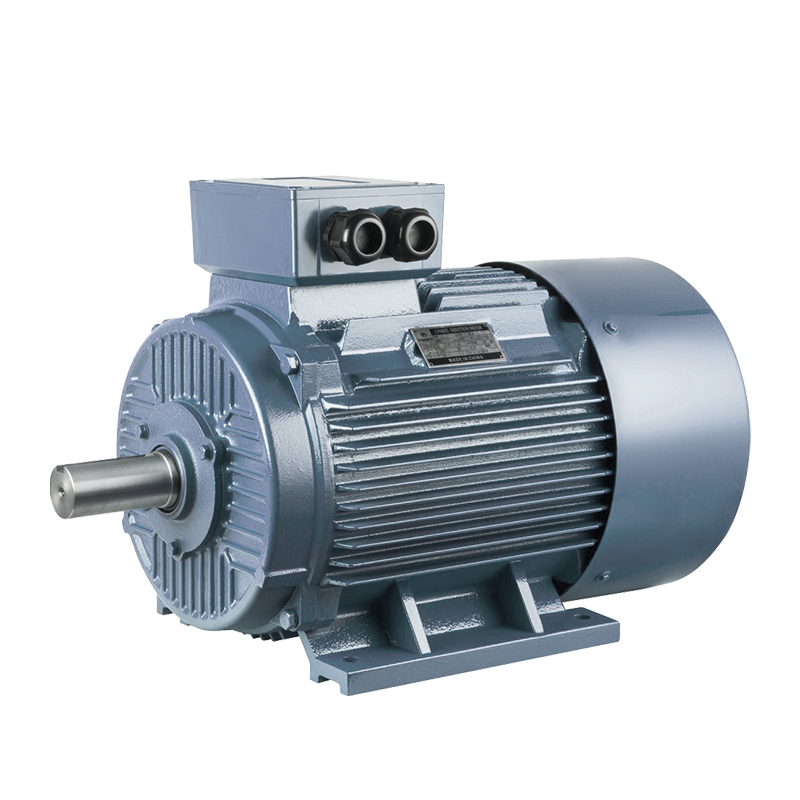 Electric Motor
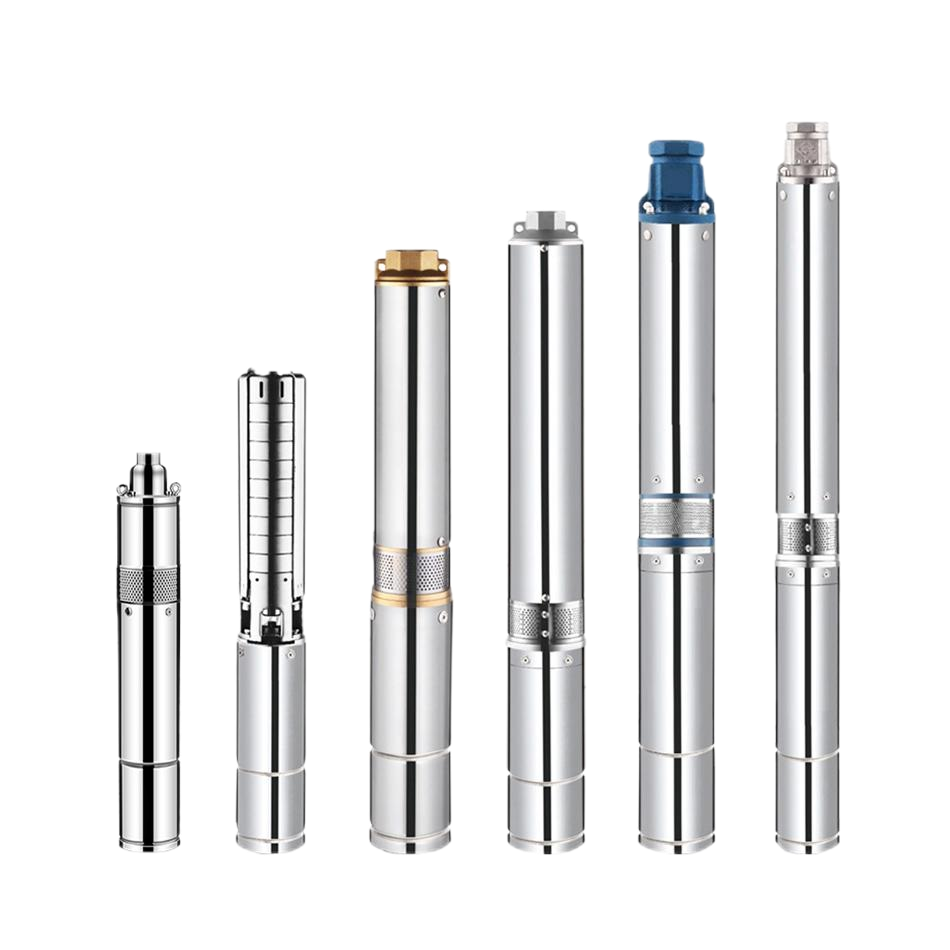 Borehole Pump
In an era where safety standards are evolving rapidly and technology is reshaping industries, a robust fire fighting system is no longer just a regulatory requirement—it’s a critical investment in protecting lives, assets, and business continuity. As we move through 2026, the integration of AI, IoT, and smart monitoring into fire suppression technologies has revolutionized how we detect, prevent, and combat fires.
Whether you manage a high-rise commercial building, an industrial facility, a marine vessel, or a data center, understanding the latest advancements in fire fighting systems is essential for staying compliant, efficient, and secure.
Why Modern Fire Fighting Systems Matter More Than Ever
Fire incidents can cause catastrophic damage within minutes. According to global safety reports, early detection and automated suppression can reduce fire-related losses by up to 70%. In 2026, with stricter regulations from bodies like NFPA, ISO, and local fire authorities, having a certified, intelligent fire fighting system is mandatory for most commercial and industrial operations.
Beyond compliance, modern systems offer:
Real-time monitoring via cloud-connected dashboards
Predictive maintenance using AI-driven analytics
Faster response times through automated alerts and suppression
Reduced false alarms thanks to multi-sensor fusion technology
Key Types of Fire Fighting Systems in 2026
Choosing the right system depends on your environment, risk profile, and operational needs. Here are the most effective and widely deployed types:
1. Automatic Sprinkler Systems
The backbone of most building fire protection strategies. Modern wet pipe, dry pipe, and pre-action sprinkler systems now integrate flow sensors and pressure monitors that send instant notifications to facility managers and fire departments.
Best for: Offices, warehouses, hotels, and residential complexes.
2. Foam Fire Suppression Systems
Designed for flammable liquid fires (Class B), foam systems create a blanket that smothers flames and prevents re-ignition. In 2026, eco-friendly, fluorine-free foams are becoming the standard due to environmental regulations.
Best for: Airports, petrochemical plants, fuel storage facilities, and hangars.
3. Gas-Based Suppression Systems (Clean Agent)
Ideal for sensitive environments where water or foam could cause damage. Systems using FM-200, Novec 1230, or CO₂ extinguish fires by interrupting the chemical reaction without leaving residue.
Best for: Data centers, server rooms, museums, and control rooms.
4. Water Mist Systems
A high-efficiency alternative to traditional sprinklers, water mist uses fine droplets to cool flames and displace oxygen. These systems use significantly less water, minimizing collateral damage.
Best for: Heritage buildings, tunnels, marine engines, and compact spaces.
5. Intelligent Fire Alarm & Detection Systems
The “brain” of any fire fighting system. Today’s detectors combine heat, smoke, flame, and gas sensing with AI algorithms to distinguish between real threats and nuisance alarms (like cooking smoke or dust).
Best for: All facilities—especially those requiring 24/7 monitoring.
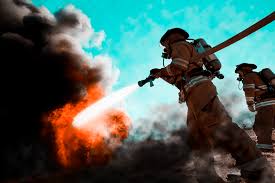
How to Choose the Right Fire Fighting System for Your Facility
Selecting the optimal system requires a thorough fire risk assessment. Consider these factors:
Type of Occupancy:
Is it residential, commercial, industrial, or marine?
Fire Hazards Present:
Are there flammable liquids, electrical equipment, or combustible solids?
Environmental Sensitivity:
Will water or chemical residues cause unacceptable damage?
Budget and Lifecycle Costs:
Include installation, maintenance, and potential upgrade paths.
A state-of-the-art fire fighting system is more than equipment—it’s a promise to employees, customers, and stakeholders that safety is your top priority. With technological advancements making systems smarter, faster, and more reliable than ever, there has never been a better time to upgrade or install a comprehensive fire protection solution.
Don’t wait for a disaster to reveal gaps in your defense. Proactive investment in modern fire suppression technology protects what matters most and ensures your operation thrives in an increasingly regulated world.
 5th Floor, Comprehensive Building No. 5, Dongqiao, Dong'an Village, Daxi Town,Wenling City,Zhejiang,China
 +86 576 86090666
 +86 18667600006
 +86 18667600006
 24 Hours Online