 3D ROOM
 (0)
(0) English
 عربى
عربى
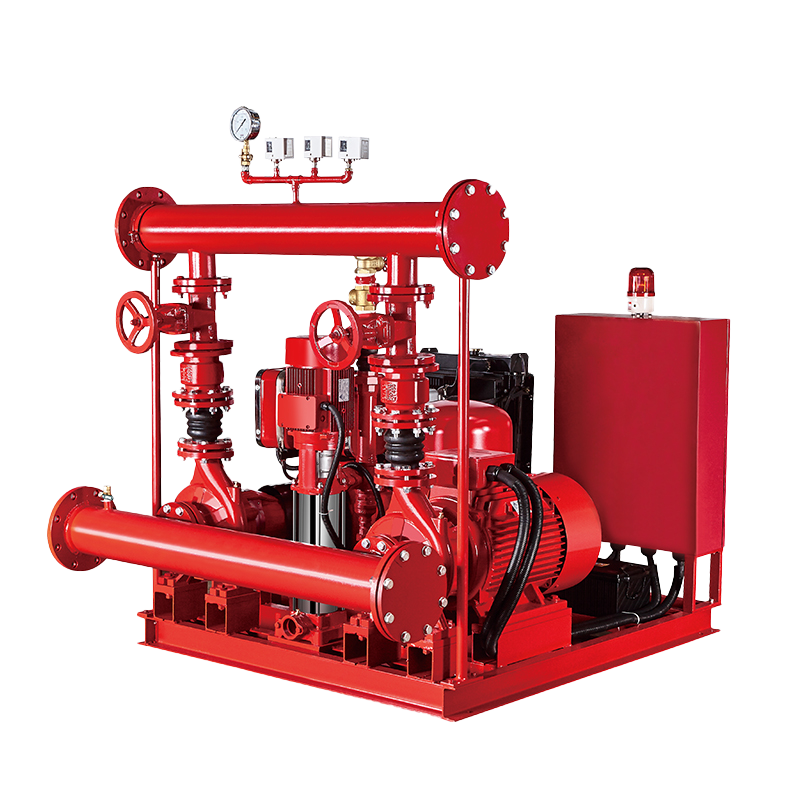 Fire Pump and System
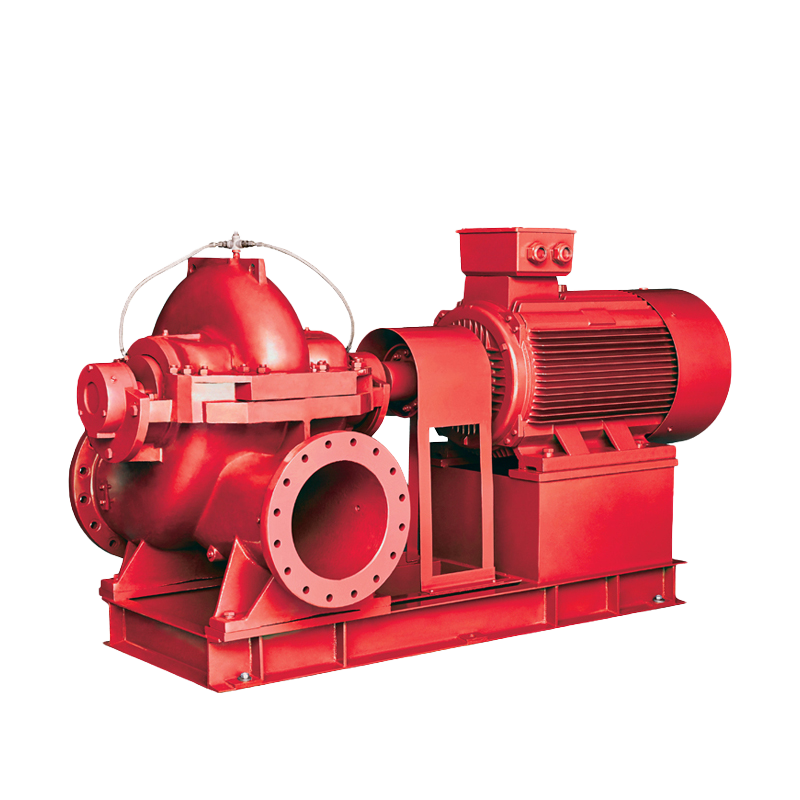 Split Case Pump
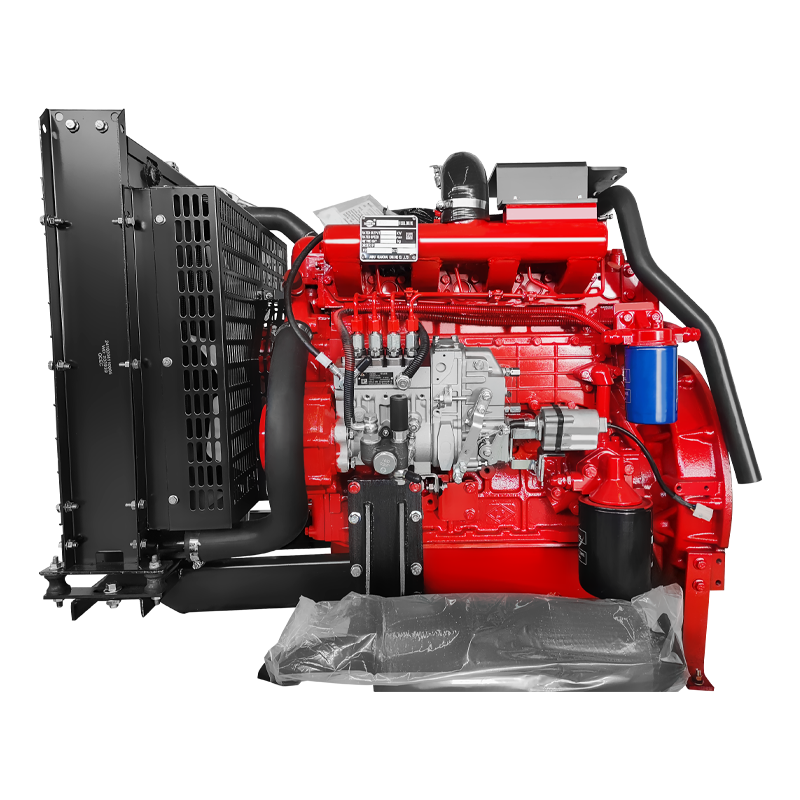 Engine and Pump
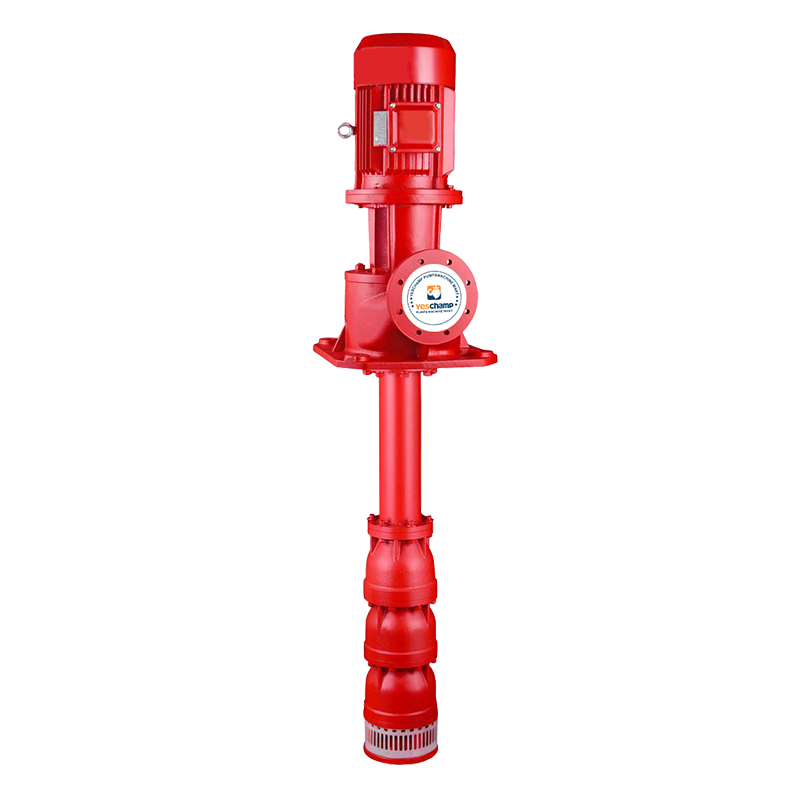 Long Shaft Pump
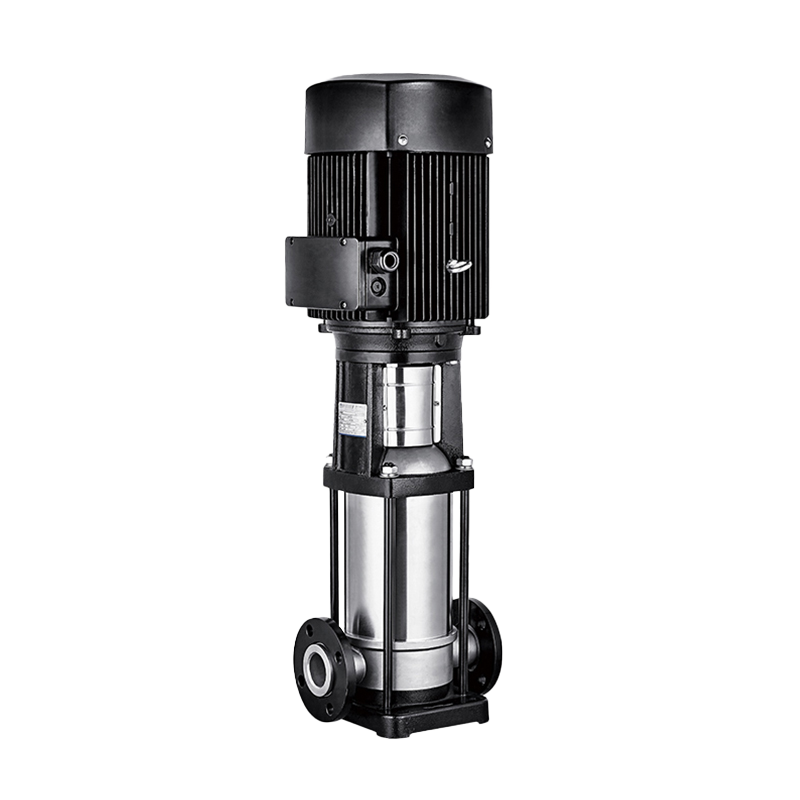 Multistage pump
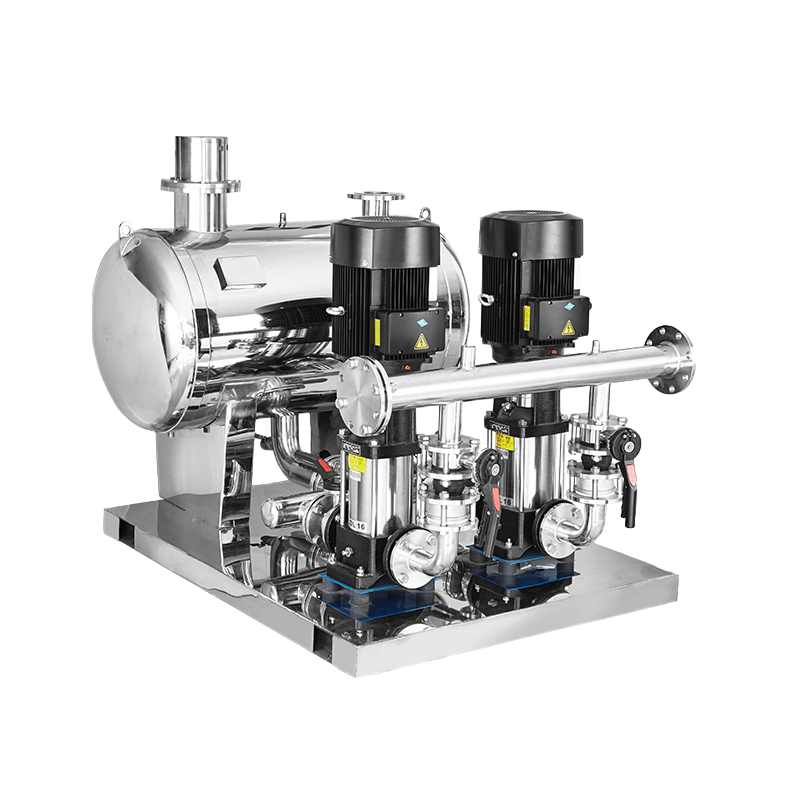 Water Supplier System
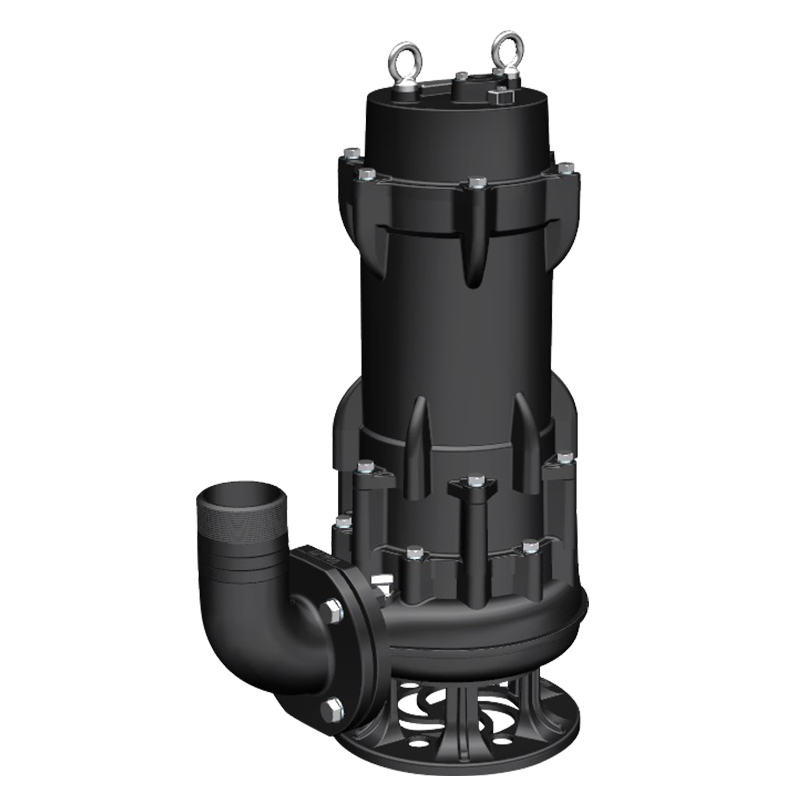 Sewage Pump
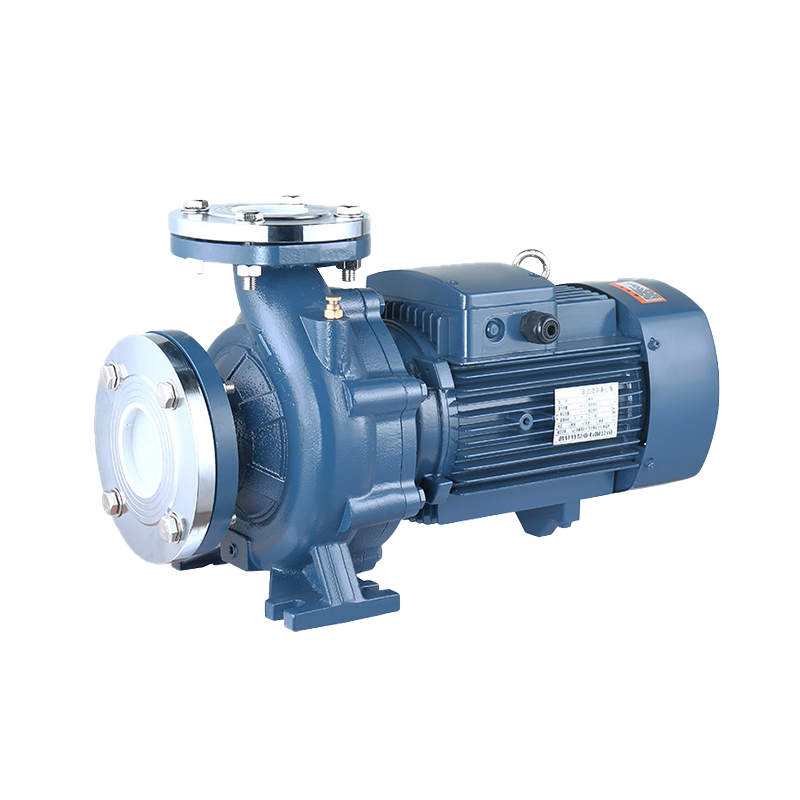 Industrial Pump
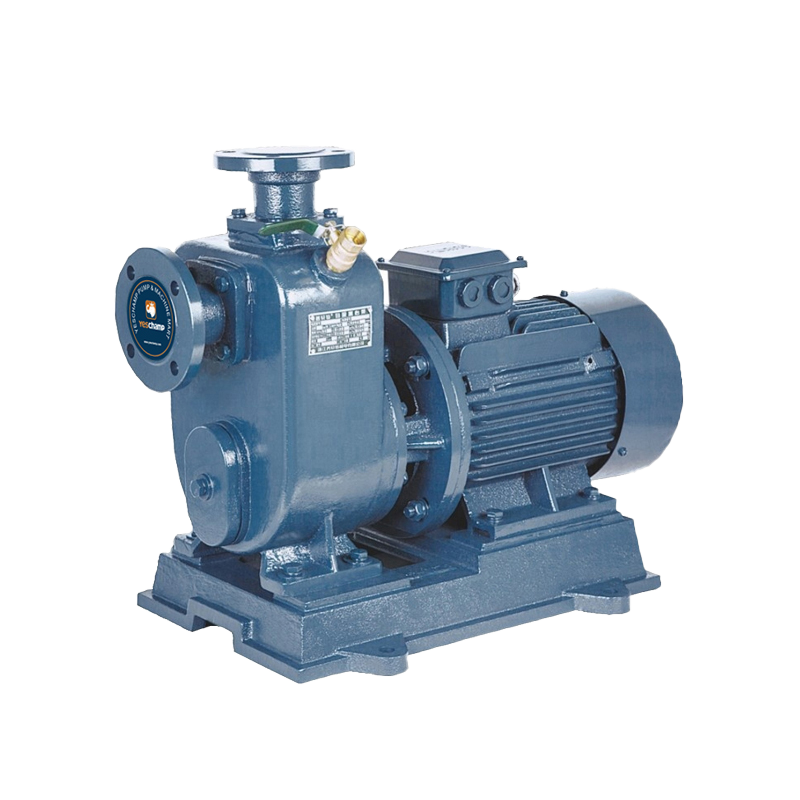 Self-Priming Pump
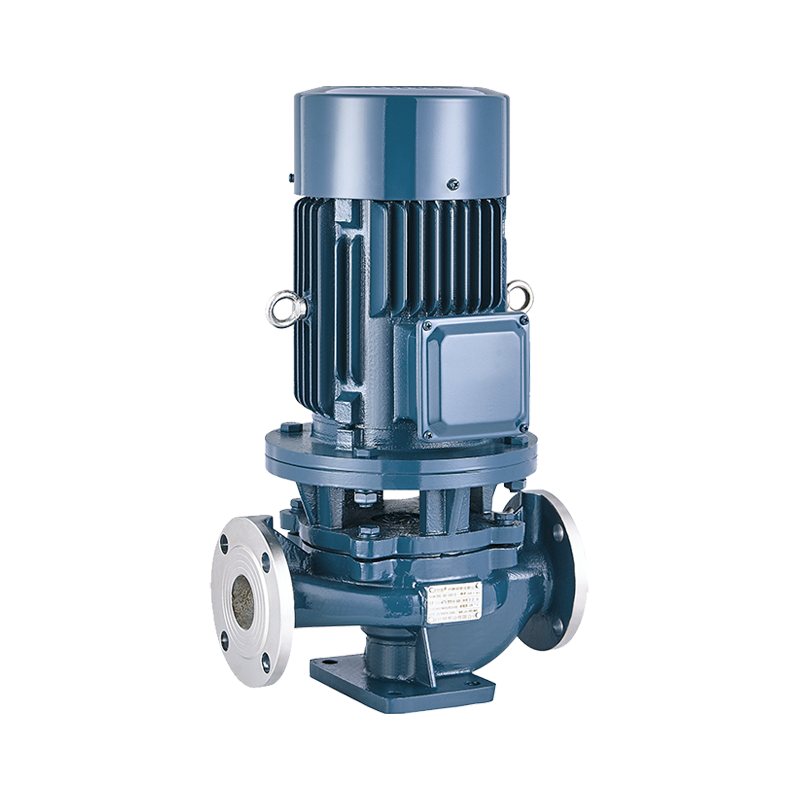 Inline Pump
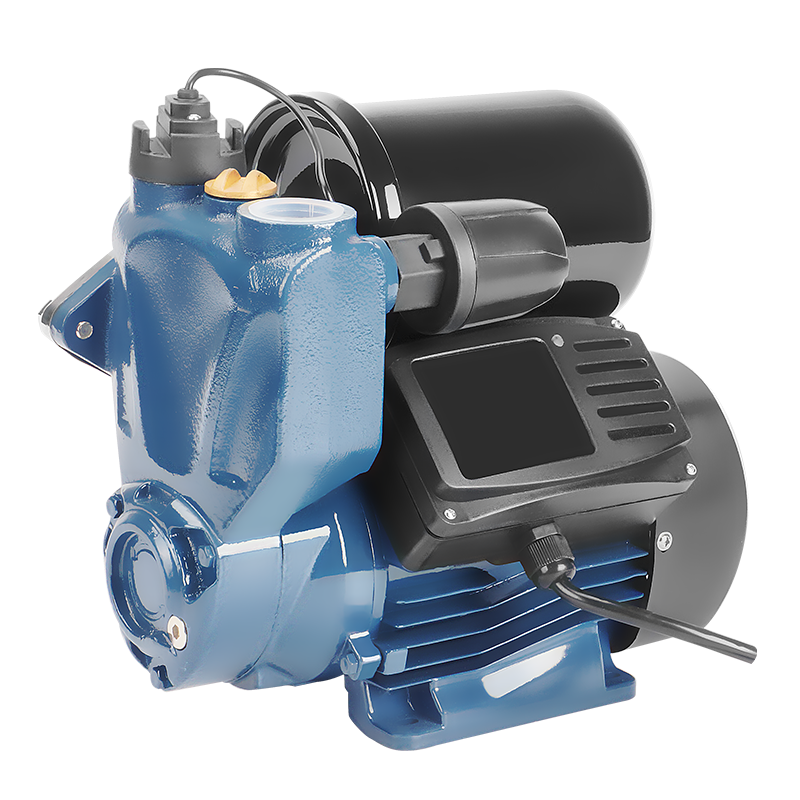 Domestic Pump
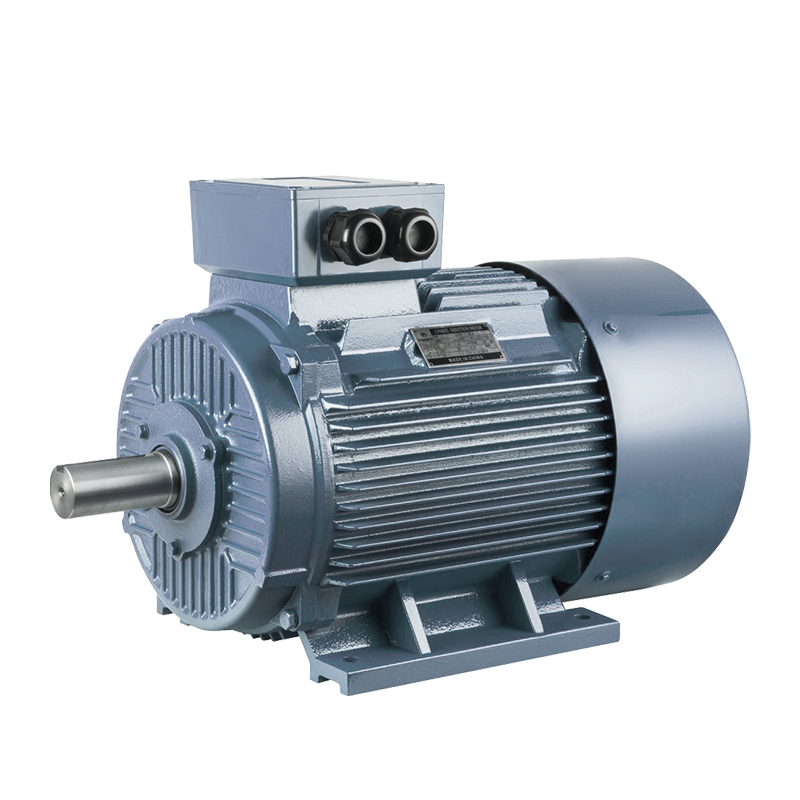 Electric Motor
 Borehole Pump
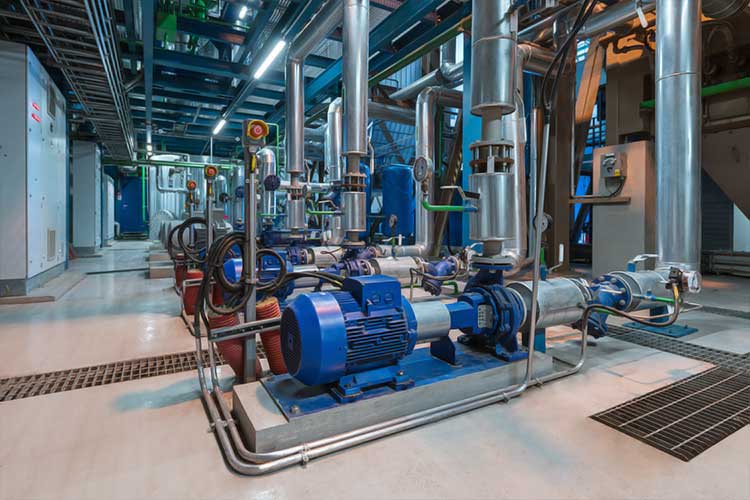
In the world of fluid handling, few machines are as ubiquitous or as reliable as the horizontal centrifugal pump. Whether you are managing a large-scale industrial plant, an agricultural irrigation system, or a commercial HVAC setup, understanding this equipment is crucial for operational efficiency.
What is a Horizontal Centrifugal Pump?
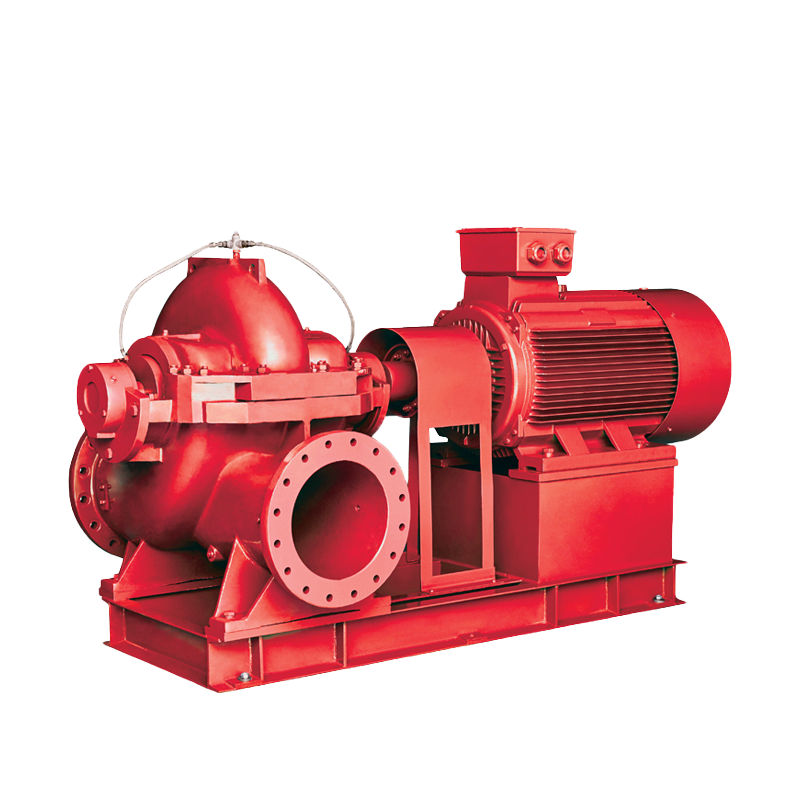
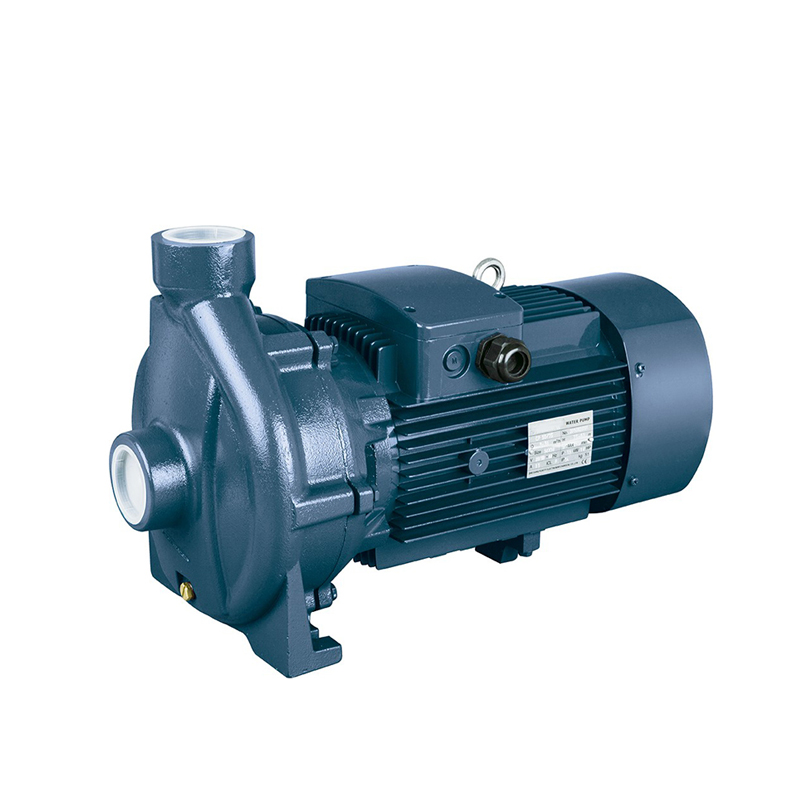
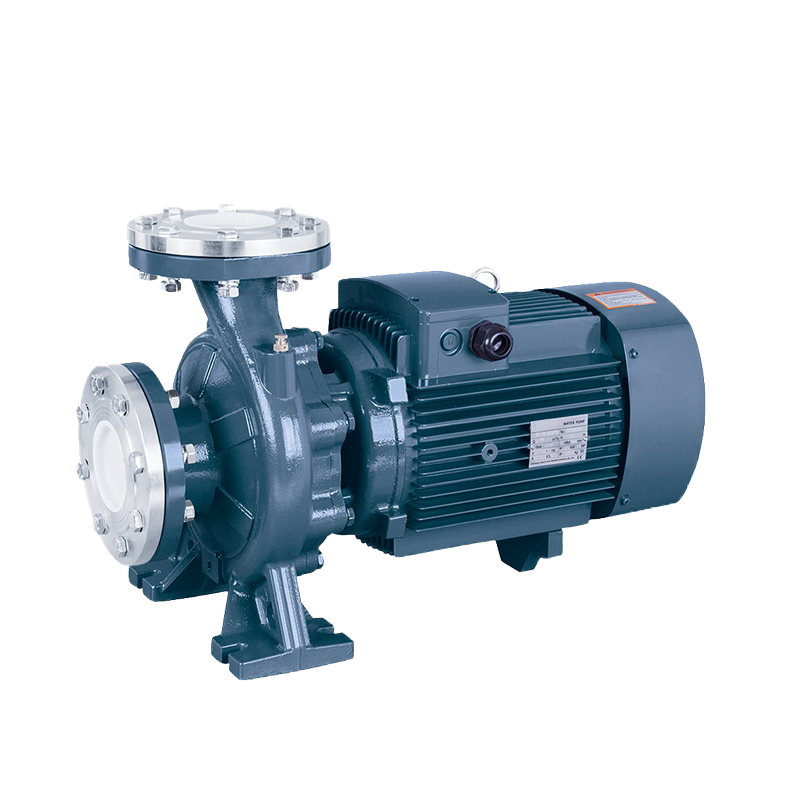
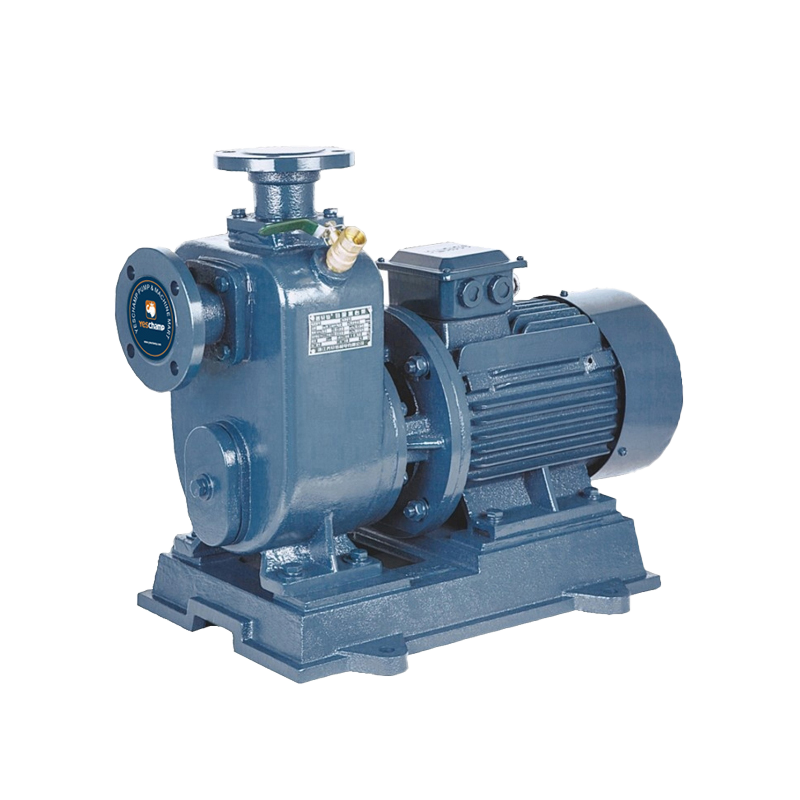
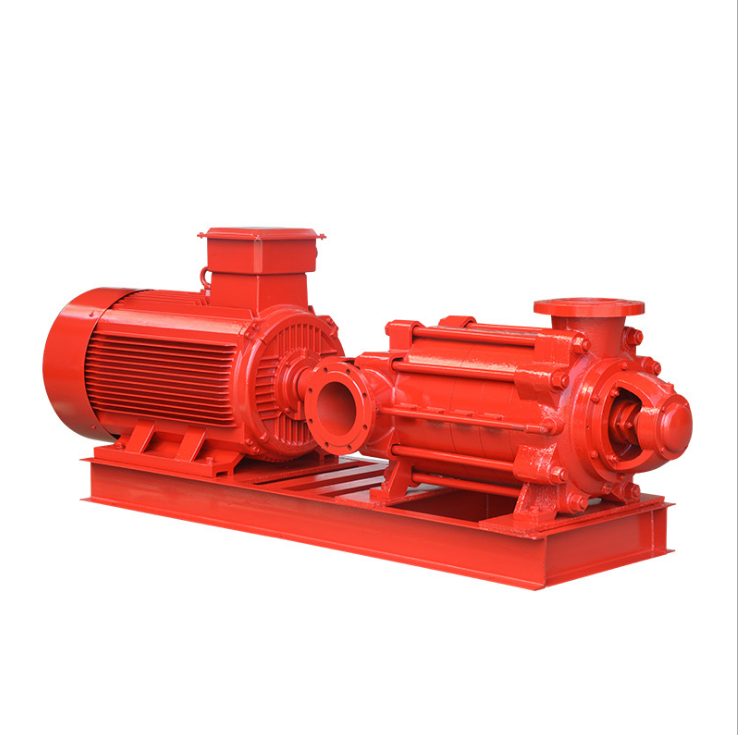
A horizontal centrifugal pump is a mechanical device designed to move fluids by converting rotational kinetic energy into hydrodynamic energy. The term "horizontal" refers to the orientation of the shaft. In this configuration, the shaft is positioned horizontally, connecting the motor to the impeller, which sits inside the pump casing.
This design is the industry standard for many applications because it offers a robust structure, ease of maintenance, and stable performance over long periods.
How Does It Work?
The operating principle relies on the centrifugal force generated by the rotating impeller.
Priming:
The pump casing must be filled with liquid prior to startup (primed) to remove air.
Suction:
As the impeller rotates, it creates a vacuum at the pump inlet (suction nozzle), pushing liquid toward the center of the impeller (eye).
Discharge:
The rotating vanes throw the liquid outward by centrifugal force, increasing its velocity and pressure. The liquid then exits through the discharge nozzle.
Key Advantages of Horizontal Centrifugal Pumps
From an operational and maintenance standpoint, these pumps offer significant benefits:
Easy Maintenance (Top Pull-Out Design):
Most horizontal pumps feature a "top pull-out" design. This means you can remove the rotating assembly (bearing bracket, shaft, and impeller) without disturbing the piping or the motor base. This drastically reduces downtime.
Stability:
Because the pump and motor are mounted on a solid baseplate, they are exceptionally stable and experience less vibration compared to vertical configurations.
High Efficiency for High Flow Rates:
They are particularly effective for moving large volumes of liquid at low to medium pressures.
Versatility:
They can handle a wide range of temperatures and fluid types, from clean water to viscous chemicals, depending on the materials of construction.
Common Applications
Due to their reliability, these pumps are used across numerous industries:
Water Supply and Distribution:
Municipal water treatment plants and booster stations.
HVAC Systems:
Circulating hot or chilled water in commercial buildings.
Industrial Manufacturing:
Cooling towers, boiler feed, and process water systems.
Agriculture:
Irrigation systems requiring high flow rates.
Fire Protection:
Serving as the backbone for fire sprinkler systems.
Installation and Maintenance Tips
To ensure longevity and SEO-worthy "expertise" in your content, include these practical tips:
Alignment:
Always check the alignment between the pump and the motor shaft after the piping is connected. Pipe strain can cause misalignment.
Foundation:
The pump must be mounted on a rigid, flat concrete foundation to absorb vibration.
Suction Piping:
Keep suction piping as short and direct as possible. Avoid installing elbows directly at the pump suction flange, as this causes turbulence.
Regular Checks:
Monitor bearing temperatures, vibration levels, and mechanical seal leakag
The horizontal centrifugal pump remains the workhorse of the fluid handling industry. Its combination of high efficiency, ease of maintenance, and robust design makes it the go-to choice for engineers and plant managers worldwide.
 5th Floor, Comprehensive Building No. 5, Dongqiao, Dong'an Village, Daxi Town,Wenling City,Zhejiang,China
 +86 576 86090666
 +86 18667600006
 +86 18667600006
 24 Hours Online