 3D ROOM
 (0)
 English
 عربى

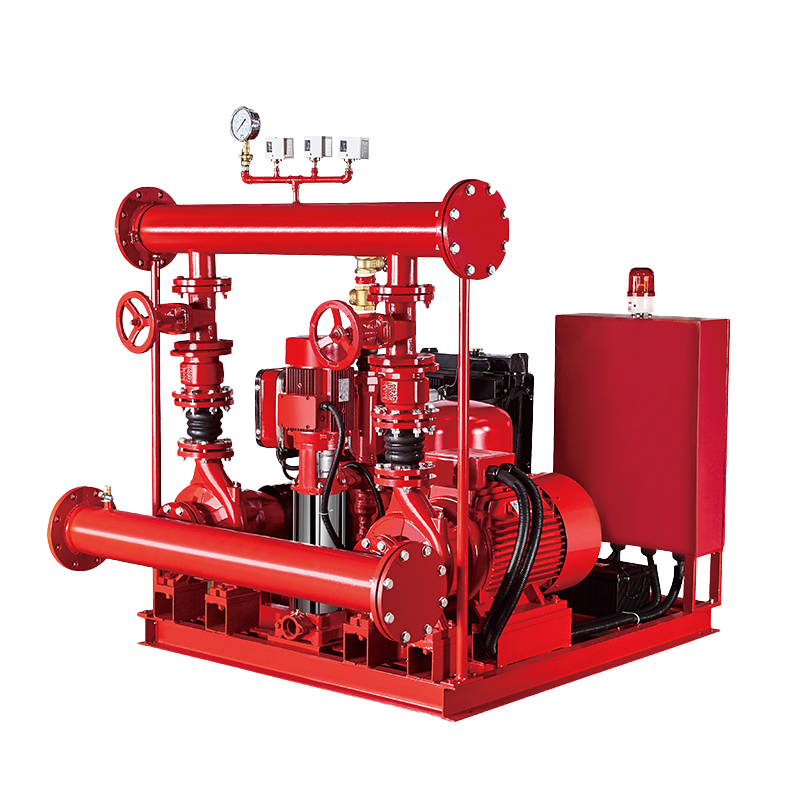 Fire Pump and System
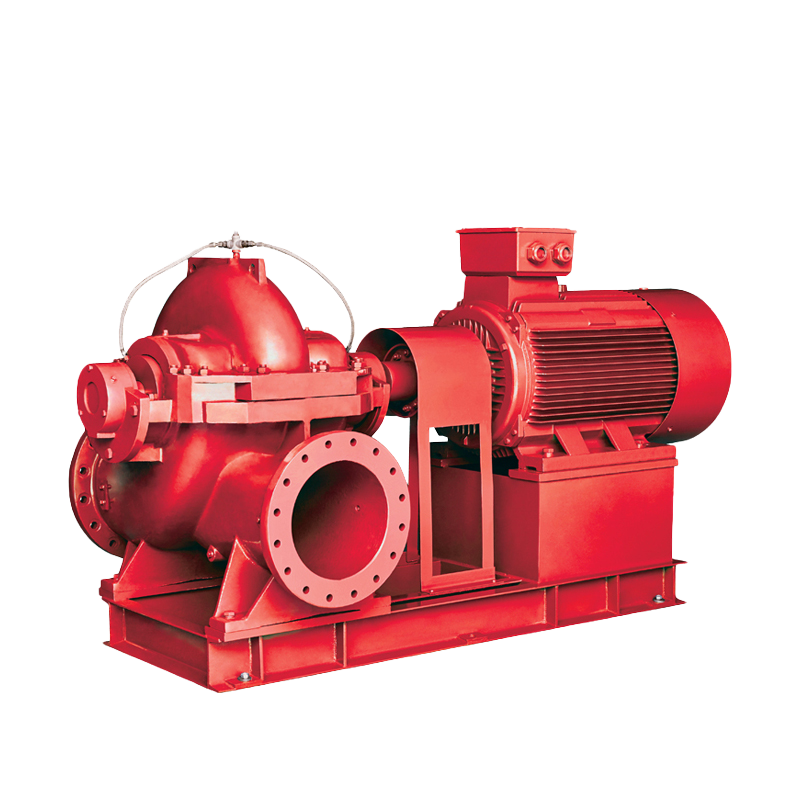 Split Case Pump
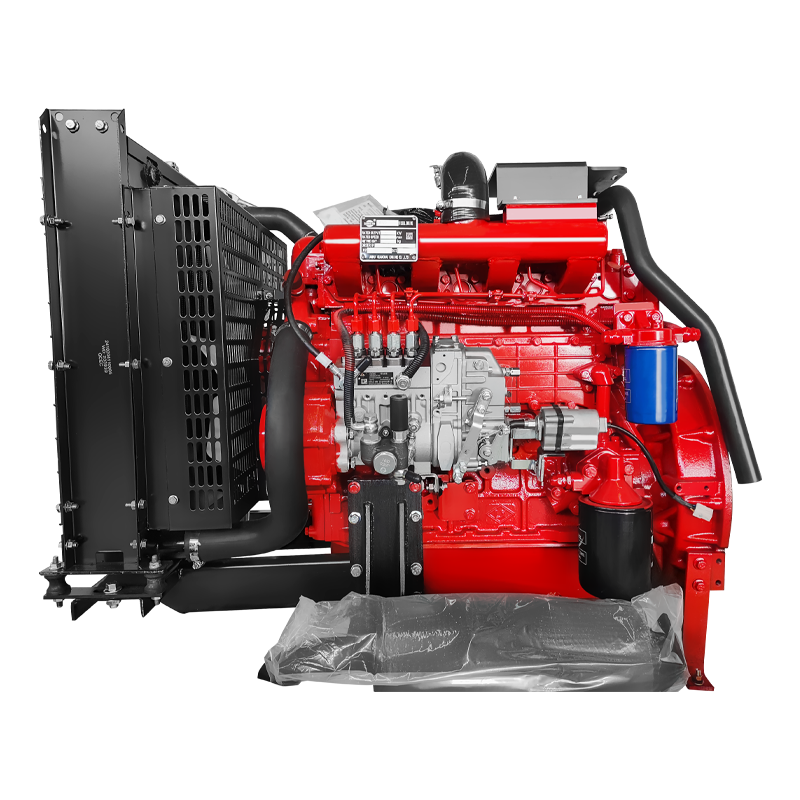 Engine and Pump
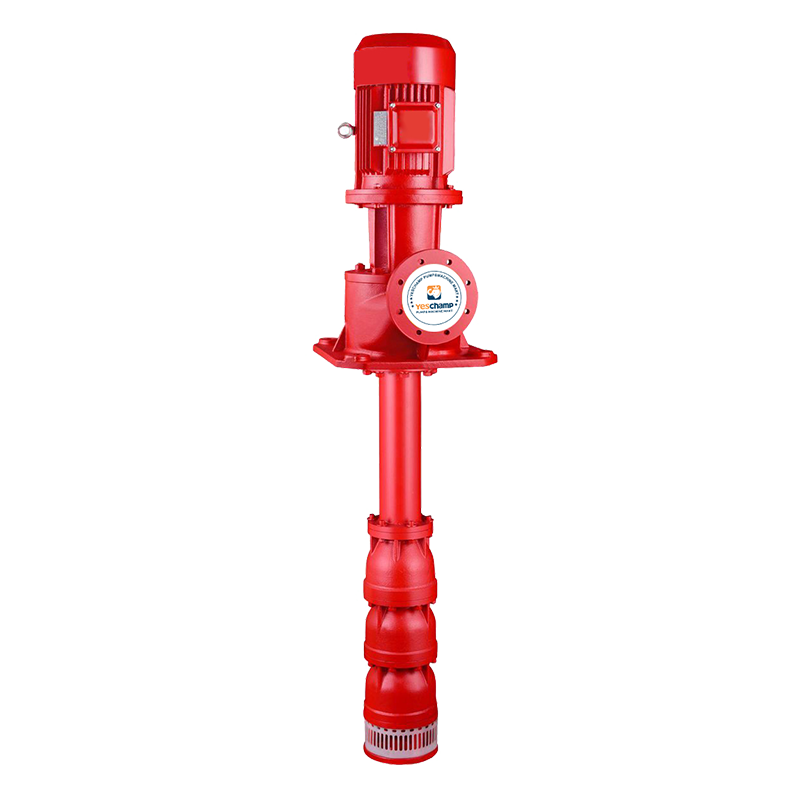 Long Shaft Pump
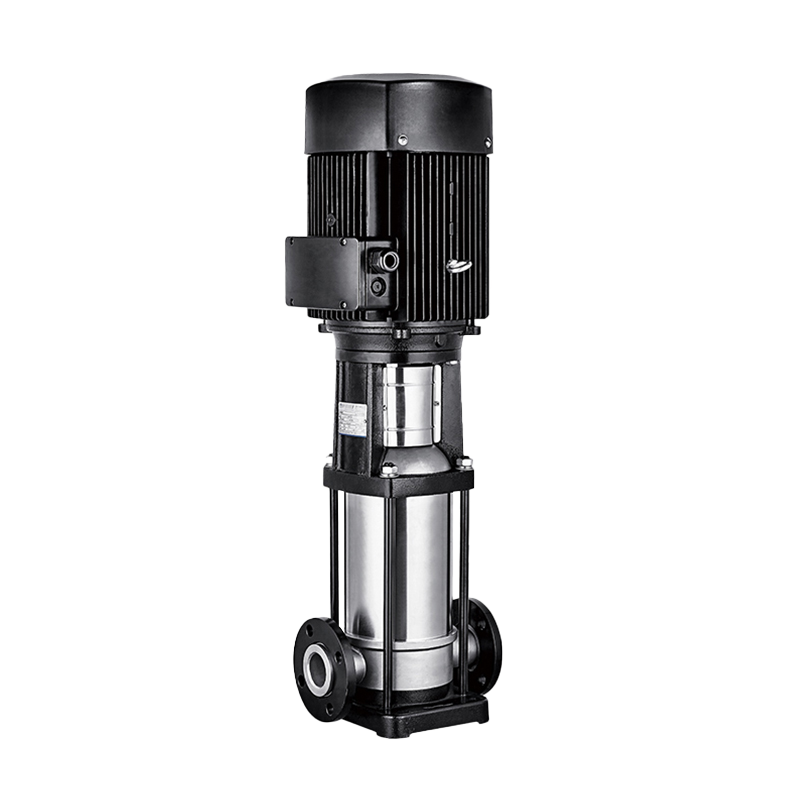 Multistage pump
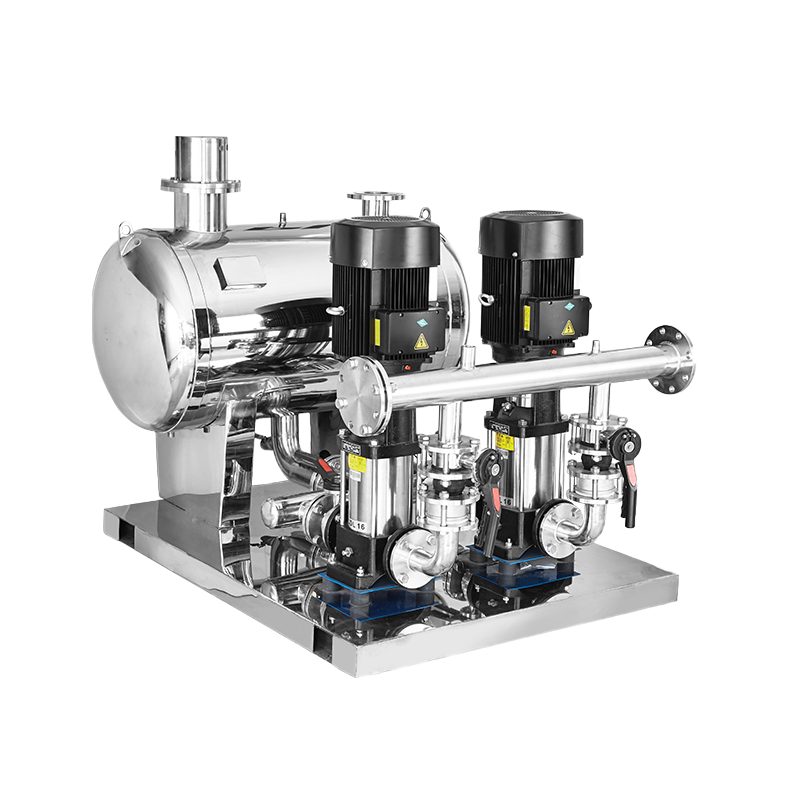 Water Supplier System
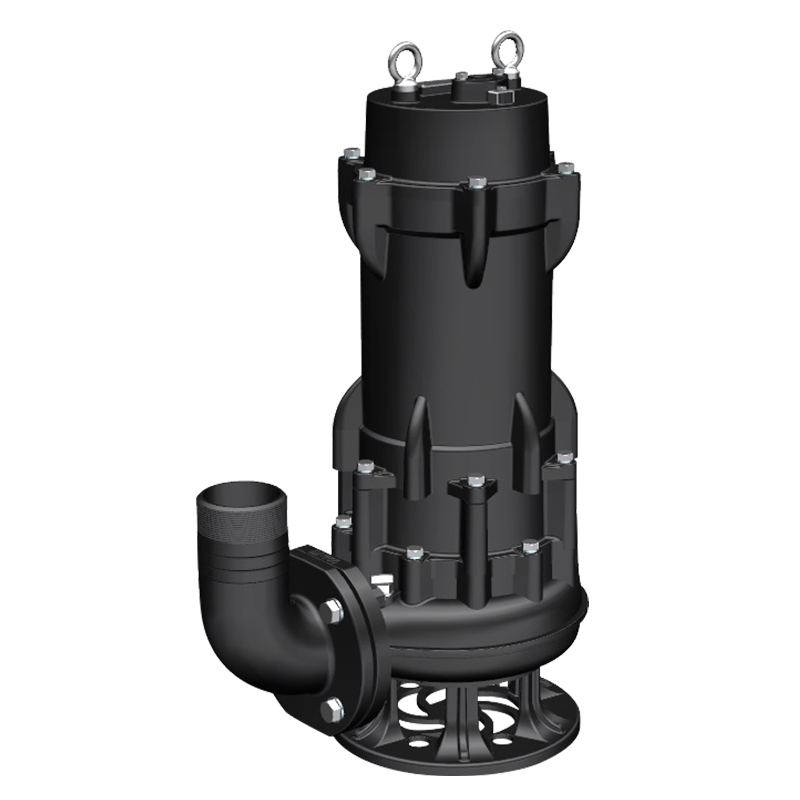 Sewage Pump
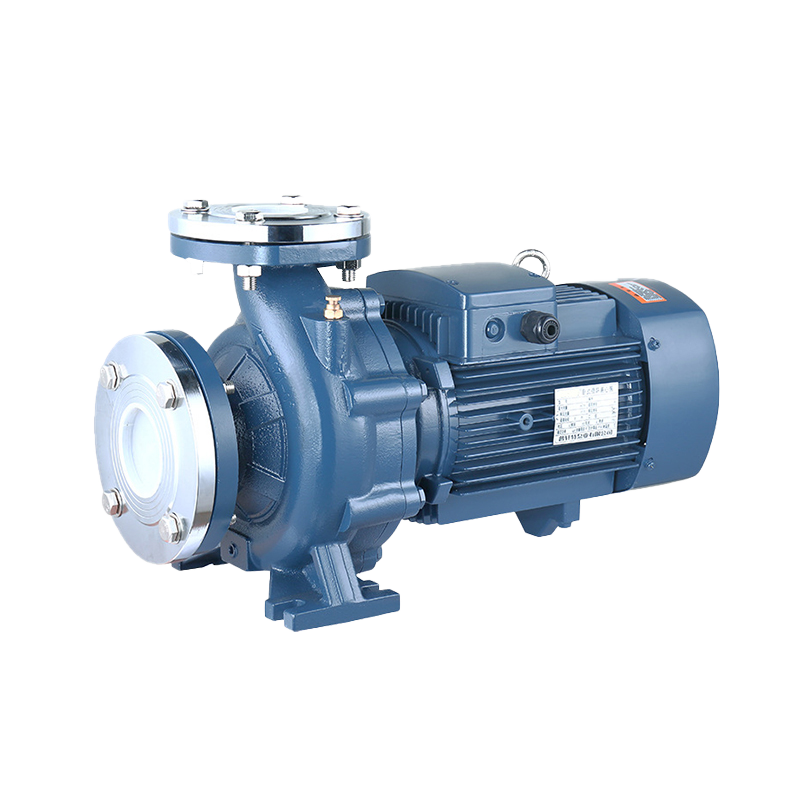 Industrial Pump
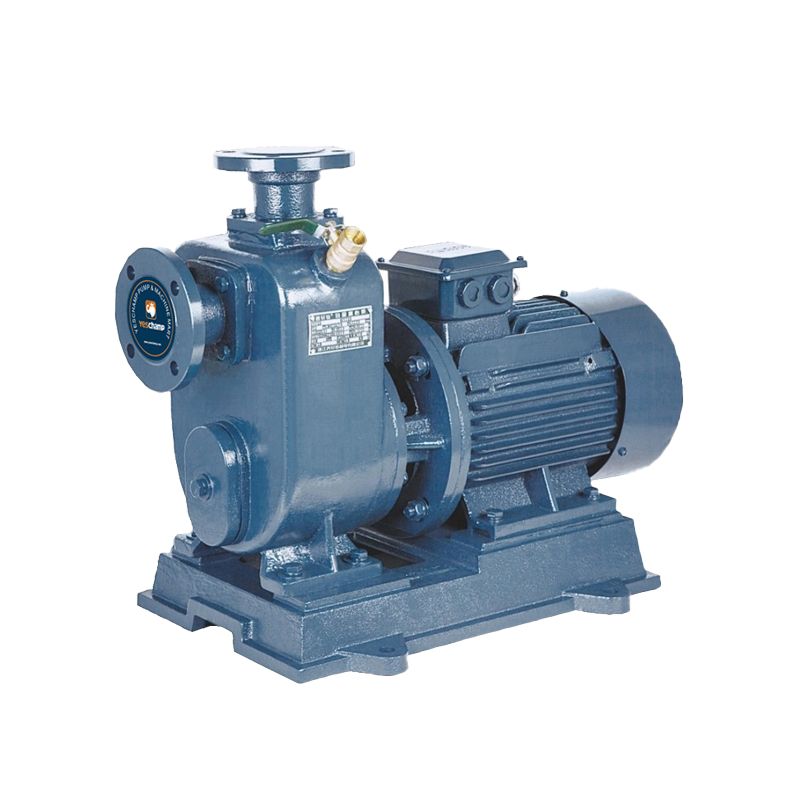 Self-Priming Pump
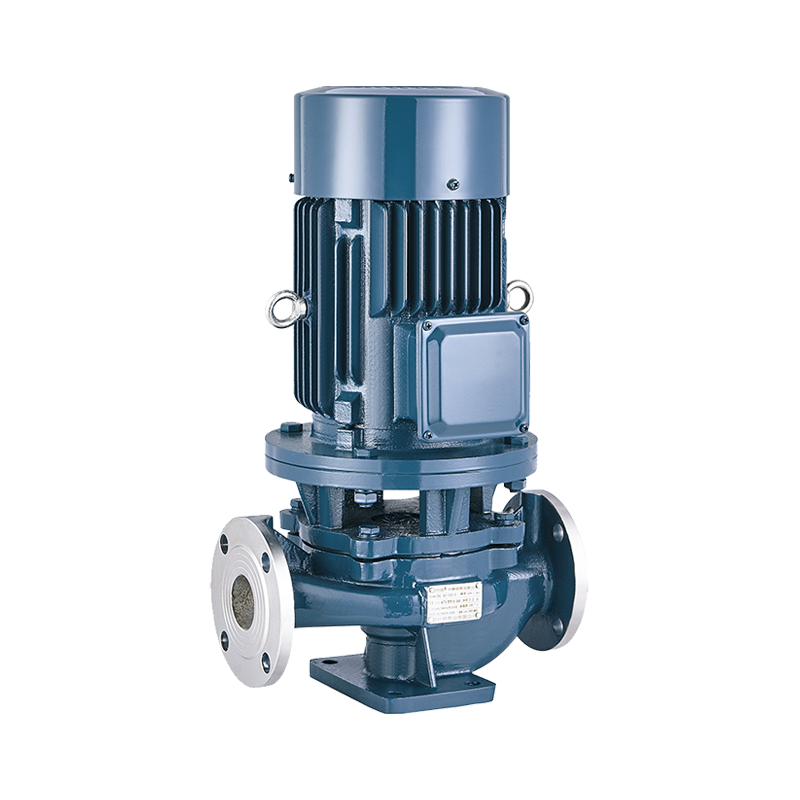 Inline Pump
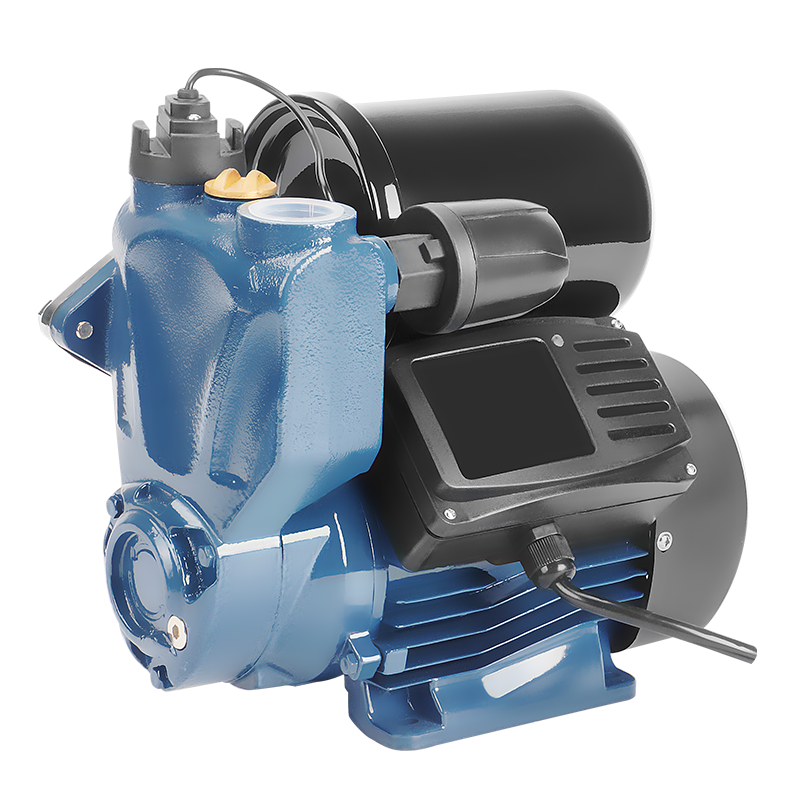 Domestic Pump
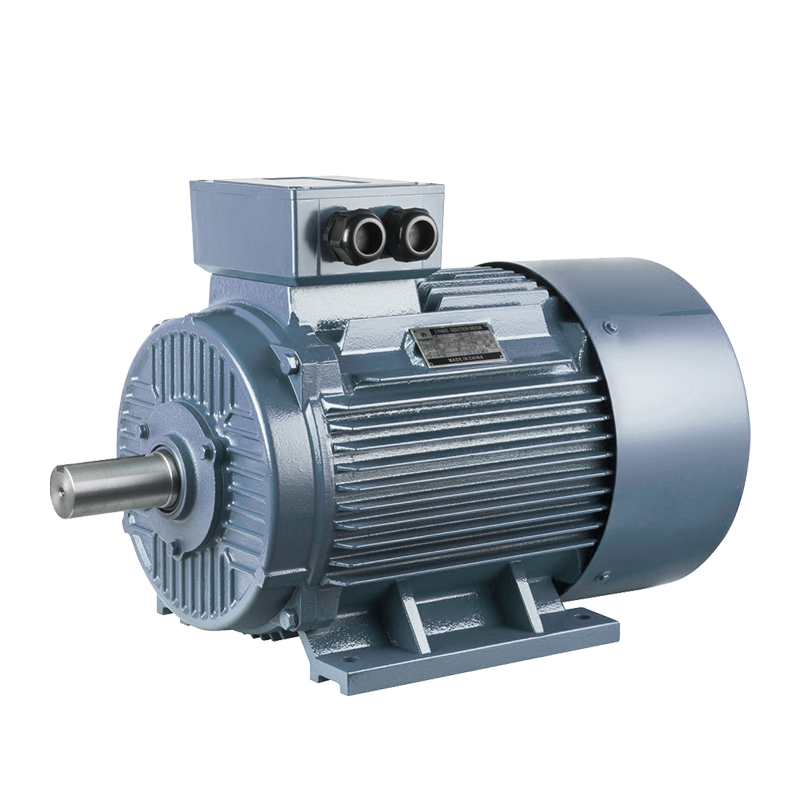 Electric Motor
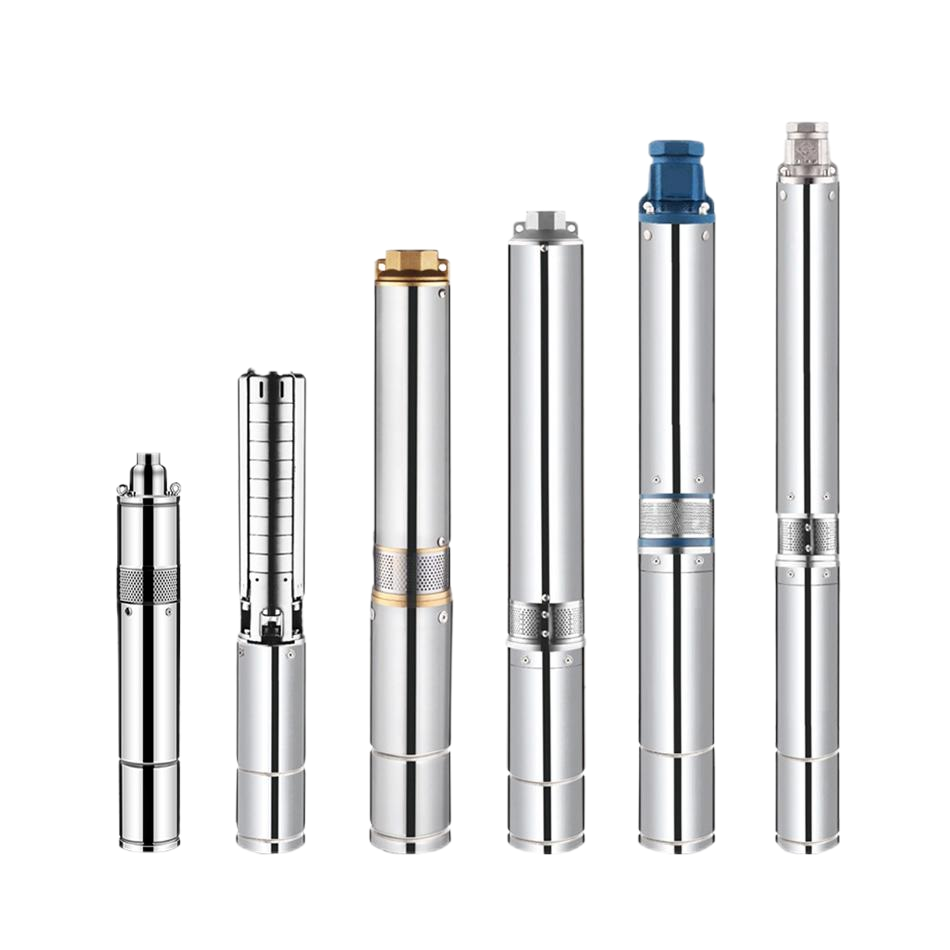 Borehole Pump
CDM Stainless Steel Vertical Multistage Centrifugal Pumps: Selection and Maintenance Guide
CDM stainless steel vertical multistage centrifugal pumps are compact, high-pressure pumps designed for clean-water transfer, pressure boosting, industrial circulation, water treatment, filtration, and other applications that require stable flow in a space-saving configuration. Their vertical construction uses several impellers arranged in series, allowing the pump to produce a higher total head than a comparable single-stage pump. Stainless steel wetted parts can also provide corrosion resistance and a smooth flow path when the material grade is compatible with the liquid.
The CDM designation generally refers to a product series or model family, so exact dimensions, stage numbers, materials, motor ratings, pressure limits, and performance curves may vary by manufacturer. Buyers should not select a pump only from the model name. The correct choice depends on flow rate, total head, liquid temperature, water quality, suction conditions, motor power, control method, and operating schedule. This guide explains how CDM stainless steel vertical multistage centrifugal pumps work, where they are used, how to select the right model, and how to install and maintain them.
What Is a CDM Stainless Steel Vertical Multistage Pump?
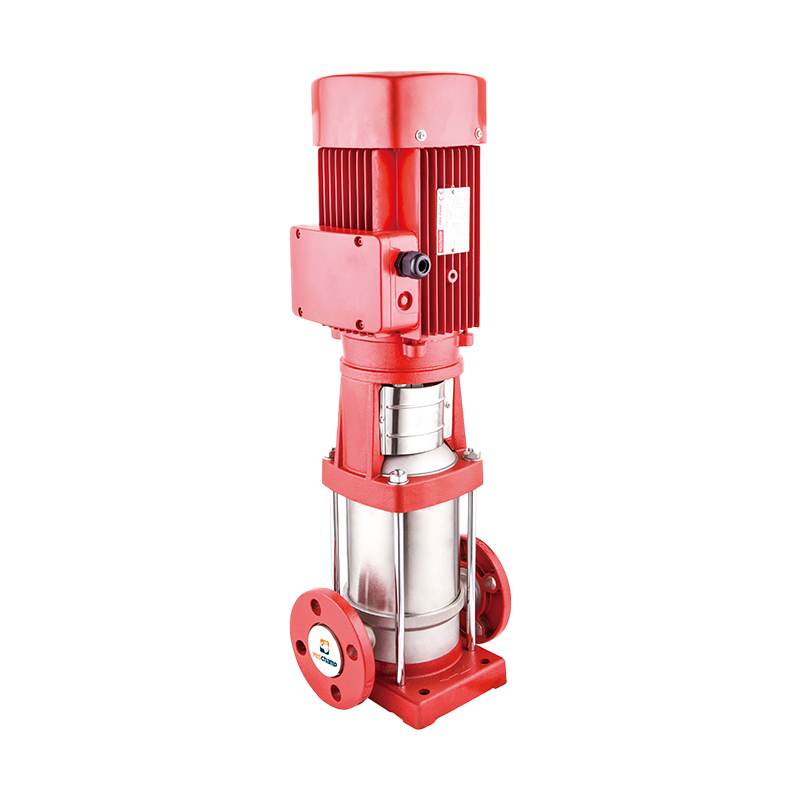
A CDM stainless steel vertical multistage pump is a centrifugal pump with multiple impeller and diffuser stages arranged vertically in series. The pump normally includes a motor, pump head, shaft, mechanical seal, impellers, guide vanes or diffusers, stage casings, inlet and outlet connections, and a base or support assembly. As water passes through each stage, additional energy is added, increasing the pressure progressively from the suction side to the discharge side.
The vertical construction reduces the floor area required for installation and can make the pump suitable for plant rooms, booster sets, equipment skids, filtration systems, and commercial water-supply rooms. Many models use an inline connection layout so that the pump can be integrated into a relatively straight section of pipe. The connection direction, flange size, and overall dimensions must be verified against the manufacturer’s drawing before pipework is fabricated.
Stainless steel construction should be reviewed component by component. A product may use stainless steel for the impellers and stage casings while using different materials for the shaft, base, fasteners, elastomers, and mechanical seal. Common stainless steel grades may be suitable for clean water, but the correct grade depends on chloride content, pH, temperature, conductivity, and other fluid properties. Request a complete wetted-material list for any corrosive or hygienic application.
How Does a CDM Vertical Multistage Centrifugal Pump Work?
When the motor starts, it rotates the pump shaft and the connected impellers. Water enters the first impeller through the suction connection. The impeller increases the fluid velocity, and the diffuser or guide-vane passage converts part of that velocity into pressure. The liquid then enters the next stage, where the process is repeated.
Because the stages are arranged in series, the approximate flow through each stage is similar while the pressure increases after every stage. The final pump head depends on the number of stages, impeller diameter, motor speed, fluid density, viscosity, hydraulic losses, and the operating point on the performance curve. More stages generally increase the available head, but stage count should always be selected from verified manufacturer data.
The pump’s flow and pressure are determined by the interaction between the pump curve and the system curve. Adding pipe length, elbows, valves, filters, elevation, or equipment resistance increases system head and may reduce the delivered flow. A CDM pump should therefore be selected for the actual duty point rather than the pipe diameter or a previous pump model.
Series Impeller Stages and Pressure Generation
Each impeller contributes a portion of the final pressure. This staged pressure generation allows a relatively compact pump to meet high-head requirements. The design is useful for building boosting and process systems, but the pump must not be operated outside its permitted flow range. Very low flow may cause overheating or unstable hydraulic conditions, while excessive flow can overload the motor and increase wear.
Main Applications of CDM Stainless Steel Pumps
CDM stainless steel vertical multistage centrifugal pumps are commonly used in building water boosting, high-rise water supply, industrial process-water circulation, boiler feedwater, cooling systems, filtration, reverse-osmosis pretreatment, irrigation, washing systems, water treatment, and packaged pressure-boosting equipment. They are especially suitable where the system requires higher pressure but has limited floor space.
In commercial and residential buildings, a CDM pump may supply upper floors, maintain pressure in a booster set, or provide water to a distribution network with changing demand. In industrial plants, it may circulate clean process water, supply a filtration unit, feed a membrane system, or serve a cleaning and washing line. The pump can also be used in equipment skids where the vertical footprint and inline connections simplify packaging.
The pump is generally intended for clean or relatively clean liquids. Sand, abrasive particles, sludge, long fibers, and large solids may damage the impellers, diffusers, mechanical seal, and internal clearances. Wastewater, slurry, and high-solid applications normally require different pump designs. If the liquid contains chemicals, salt, high chloride, or elevated temperature, confirm the material and seal compatibility before selecting a standard stainless steel model.
Advantages and Limitations of CDM Vertical Multistage Pumps
The key advantage of a CDM vertical multistage pump is the combination of high pressure and compact installation. Multiple impellers provide a higher head without requiring one oversized impeller, while the vertical layout reduces the required floor area. Stainless steel wetted components can help resist rust and certain water conditions, and their relatively smooth surfaces may support clean-water and selected hygienic applications.
The pump can also provide stable pressure when correctly matched to the system. Multiple units installed in parallel can expand the flow range and provide standby capacity. Variable-frequency control can adjust pump speed when demand changes, reducing unnecessary throttling and improving energy performance at partial load. These benefits depend on the pump, motor, drive, sensors, and control sequence being selected as one system.
There are limitations to consider. Standard CDM pumps generally have narrower internal passages than sewage or slurry pumps and are not intended for large solids. They may be sensitive to dry running, air entering the suction line, blocked filters, high liquid temperature, and insufficient NPSH. Mechanical seal and stage maintenance may require specialized parts and trained technicians. The term “CDM” also does not guarantee a specific stainless steel grade, efficiency, or pressure rating, so the technical datasheet remains essential.
CDM Pump Design and Selection Parameters
The first selection parameter is design flow rate. Define minimum, normal, and peak flow rather than relying on the pipe size or nominal motor power. Minimum flow helps evaluate low-demand stability, normal flow represents the condition at which the pump will operate most often, and peak flow determines whether parallel pumps or a larger pump are required.
The second parameter is total dynamic head. Include static elevation, pipe friction, local losses from fittings and valves, equipment pressure drop, and the minimum pressure required at the outlet. If the inlet has positive pressure, subtract the available inlet head using the minimum credible inlet condition. Excessive design margin may cause high energy use and pressure stress, while insufficient head may result in poor service at the most distant outlet.
Next, review the liquid. Confirm temperature, density, viscosity, pH, chloride content, conductivity, dissolved gases, corrosiveness, and suspended solids. Water chemistry affects stainless steel selection, mechanical seals, elastomers, and service life. For hot liquids, check vapor pressure, motor cooling, seal limits, and available NPSH.
Suction conditions must also be verified. Check liquid level, inlet pressure, suction-pipe length, filter loss, air leakage, and NPSH requirements. A high-pressure vertical multistage pump can produce noise, vibration, reduced flow, and premature seal failure if the inlet is restricted or contains air.
Finally, review motor and control requirements. Confirm voltage, frequency, phase, rated power, speed, starting method, protection level, variable-frequency-drive compatibility, minimum speed, and minimum flow. If the pump is part of a booster set, specify alternation, standby operation, pressure sensors, dry-run protection, overload protection, and remote alarm functions.
CDM Vertical Multistage Pump Selection Checklist
How to Choose the Number of Stages
The number of stages should be selected from the required head at the required flow. Each stage contributes a portion of the total pressure, but the contribution is not independent of impeller diameter, rotational speed, fluid properties, and hydraulic efficiency. Use the supplier’s performance curve to confirm the actual head and efficiency at the target duty.
For low- or medium-head applications, fewer stages may provide a better balance of purchase price, efficiency, and maintenance. For high-rise buildings, long pipelines, reverse-osmosis pretreatment, or industrial pressure systems, more stages may be required. The selected pump should still operate near its best efficiency point at normal demand and should not exceed the pressure rating of downstream equipment.
Check shutoff pressure as well as rated pressure. If a valve closes or demand becomes very low, the pump may approach shutoff and produce a pressure higher than the normal duty point. The system should include suitable control, relief, or operating procedures to prevent excessive pressure. Stage count should never be increased simply to compensate for an incorrectly calculated pipe system.
Installation Requirements for a CDM Stainless Steel Pump
Install the pump on a rigid, level base or support that can carry the pump and motor weight and limit vibration. Pipework should be independently supported so that its weight, thermal expansion, and external forces are not transferred to the pump casing. Confirm the flow direction and connection dimensions before installation.
The suction line should be as short and direct as practical. Avoid unnecessary elbows, sudden reductions, air pockets, and undersized filters. The inlet filter must have sufficient area to limit pressure loss and should be accessible for cleaning. Before commissioning, flush all pipes to remove welding debris, scale, sand, and other particles that may damage the internal stages.
The pump should be filled and vented before startup unless the installation provides a permanently flooded condition and the manufacturer permits another method. Dry running can damage the mechanical seal quickly. Confirm that the suction valve is open, the liquid level is sufficient, the discharge valve is in the correct startup position, and the pump casing contains liquid.
Electrical installation should include grounding, correct cable size, motor protection, phase verification, overload protection, and suitable control equipment. If a variable-frequency drive is used, verify the permitted speed range, minimum flow, motor cooling, acceleration, deceleration, and fault settings. Record the initial current, pressure, flow, vibration, temperature, and seal condition as commissioning data.
Operation and Maintenance
Monitor the pump under normal conditions and record flow rate, discharge pressure, inlet pressure, motor current, vibration, noise, temperature, seal condition, and energy use. Trends are more useful than a single reading. A gradual pressure reduction may indicate impeller wear, filter blockage, increased system resistance, or a change in water supply. A rising current may indicate excessive flow, fluid-density change, bearing problems, or mechanical friction.
Keep suction filters, tanks, and pipelines clean. Blockage increases suction loss and can lead to cavitation, noise, and premature seal or bearing damage. Check the mechanical seal for leakage and investigate any sudden change. Inspect couplings, fasteners, electrical terminals, sensors, and protective devices according to the maintenance schedule.
For continuous-duty systems, vibration and temperature monitoring can provide early warning of bearing, alignment, or hydraulic problems. If the pump is installed in a multi-pump booster set, check pump alternation, standby availability, start frequency, and operating-hour balance. A standby pump that has not been tested may not be ready when needed.
Before disassembly, isolate power, close relevant valves, release pressure, drain the pump safely, and allow hot liquid to cool. Inspect impellers, diffusers, shaft, mechanical seal, bearings, O-rings, and stage surfaces. Replace parts with compatible components and recheck alignment after reassembly. Keep records of parts replaced, observed wear, operating hours, and post-maintenance performance.
Common CDM Pump Problems and Troubleshooting
If the pump delivers insufficient flow or pressure, check rotation direction, liquid level, inlet and outlet valves, filter blockage, air leakage, actual system head, and the pump curve. Worn impellers or diffusers can reduce performance over time. Compare measured operating data with the original commissioning baseline before replacing the motor or changing pressure settings.
Abnormal noise or vibration may be caused by cavitation, air in the suction line, inadequate inlet pressure, blocked filters, pipe strain, poor foundation support, misalignment, damaged bearings, or foreign material. Check available NPSH and inlet conditions first. Continued operation under cavitation or severe vibration can damage the pump and motor.
Mechanical seal leakage may result from dry running, shaft damage, incorrect assembly, misalignment, excessive pressure, incompatible elastomers, or liquid temperature outside the permitted range. Stop the pump if leakage is significant and inspect the complete seal environment. Replacing the seal without correcting the underlying suction or alignment problem may lead to repeated failure.
Motor overload can be caused by excessive flow, high liquid density or viscosity, low voltage, phase imbalance, damaged bearings, blocked impellers, incorrect protection settings, or operation outside the recommended range. Check electrical and hydraulic data together. Do not repeatedly reset the overload protection without identifying the cause.
Energy Efficiency and Life-Cycle Cost
A CDM stainless steel vertical multistage pump should be evaluated by life-cycle cost rather than purchase price alone. Electricity, mechanical seals, bearings, spare parts, maintenance labor, downtime, water quality, and expected operating hours may have a greater financial impact than the initial equipment cost. An oversized pump may require throttling and consume unnecessary power, while an undersized pump may operate continuously without meeting pressure demand.
For better efficiency, select the pump near the normal duty point, reduce unnecessary pipe resistance, keep filters clean, repair leaks, and avoid excessive pressure setpoints. Variable-frequency control can reduce energy use in systems with changing demand, but the drive must respect the pump’s minimum speed, minimum flow, motor cooling, and seal requirements.
Ask suppliers for input power and efficiency data at the actual operating point instead of comparing only motor horsepower. Also compare material quality, spare-parts availability, service support, maintenance intervals, and warranty conditions. A corrosion-resistant pump with complete documentation and accessible service parts may provide better long-term value than a lower-priced pump with uncertain materials or limited technical support.
Conclusion: Selecting a CDM Stainless Steel Vertical Multistage Pump
CDM stainless steel vertical multistage centrifugal pumps are a practical choice for clean-water applications that require compact installation, stable flow, and higher pressure. Their series impellers build pressure progressively, while stainless steel wetted components can improve corrosion resistance when correctly matched to the water chemistry. Typical applications include building boosting, industrial circulation, filtration, water treatment, boiler feed, and packaged pressure systems.
The correct model depends on flow, total head, fluid conditions, stainless steel grade, mechanical-seal compatibility, suction pressure, NPSH, motor data, control method, and duty cycle. Before purchasing, request complete performance curves, stage information, dimensional drawings, material lists, operating limits, installation instructions, spare-parts recommendations, and warranty terms. A careful technical review helps prevent cavitation, dry running, seal leakage, overload, corrosion, energy waste, and premature equipment failure. It also gives installers and maintenance teams a clear reference for commissioning, spare-parts planning, and future performance checks. Confirm that the delivered pump, motor, materials, connections, and accessories match the approved technical schedule before installation.
CDM Stainless Steel Vertical Multistage Pump FAQ
What are CDM stainless steel vertical multistage pumps used for?
They are commonly used for clean-water boosting, high-rise water supply, industrial water circulation, boiler feedwater, filtration, reverse-osmosis pretreatment, irrigation, water treatment, and packaged pressure-boosting systems. They are suitable when the application requires higher pressure in a compact vertical pump package and the liquid is compatible with the pump materials.
What does CDM mean on a vertical multistage pump?
CDM normally identifies a product series or model family for a vertical multistage centrifugal pump. The exact materials, dimensions, stage number, pressure rating, motor power, and performance vary by manufacturer. Buyers should review the complete datasheet and performance curve instead of relying on the letters alone.
Can a CDM pump handle dirty water or large solids?
Standard CDM stainless steel vertical multistage pumps are generally designed for clean or relatively clean liquids. Sand, sludge, fibers, and large solids may damage the impellers, diffusers, mechanical seal, and internal clearances. For wastewater or slurry, select a pump specifically designed for solids handling or confirm the allowable particle size with the supplier.
How do I select a CDM multistage pump?
Start with the required flow rate and total dynamic head. Then confirm liquid temperature, density, viscosity, pH, chloride content, water quality, inlet pressure, NPSH, motor power, control method, and operating schedule. Select the model from the manufacturer’s performance curve at the real duty point, not only by pipe size or motor horsepower.
How many stages should a CDM pump have?
The number of stages depends on the required head at the required flow. More stages generally provide higher pressure, but the final selection also depends on impeller diameter, speed, efficiency, shutoff pressure, fluid properties, and driver power. Use the manufacturer’s performance data rather than estimating the stage count from pressure alone.
Does a CDM stainless steel pump need priming?
The pump normally needs to be filled and vented before startup unless the installation provides flooded suction and the manufacturer permits another procedure. Starting without sufficient liquid can cause dry running, seal damage, overheating, noise, and unstable performance. Follow the specific startup instructions for the selected model.
How can I extend the life of a CDM vertical multistage pump?
Prevent dry running, maintain suitable inlet pressure, keep filters clean, operate near the recommended duty point, protect the motor, and inspect seals, bearings, couplings, and sensors regularly. Monitor pressure, flow, current, vibration, temperature, and leakage. Use compatible replacement parts and correct suction or alignment problems instead of repeatedly replacing damaged components.
 5th Floor, Comprehensive Building No. 5, Dongqiao, Dong'an Village, Daxi Town,Wenling City,Zhejiang,China
 +86 576 86090666

 +86 18667600006
 +86 18667600006
 24 Hours Online
