 3D ROOM
 (0)
(0) English
 عربى
عربى
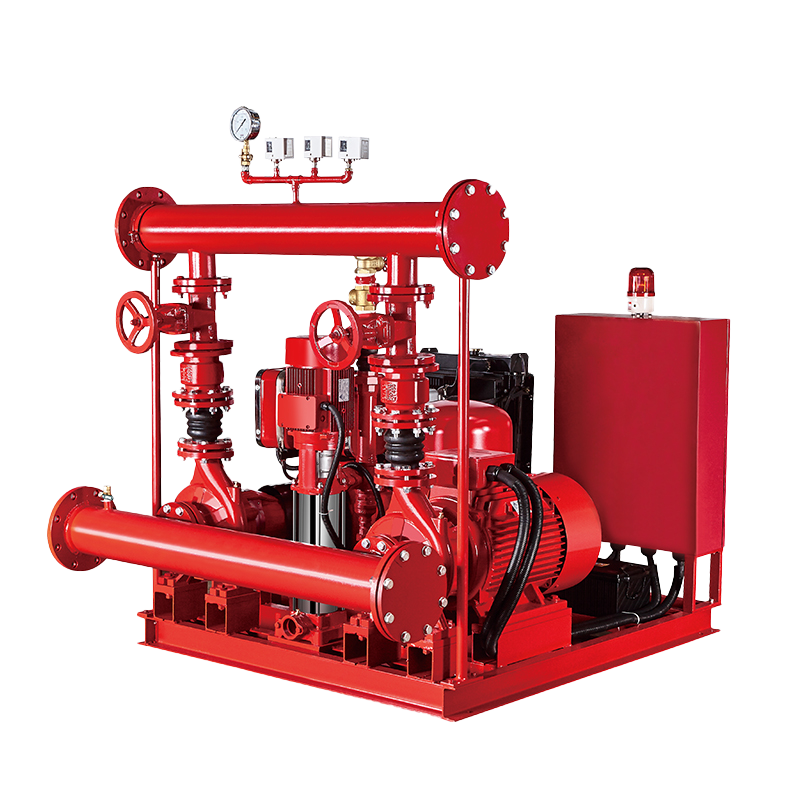 Fire Pump and System
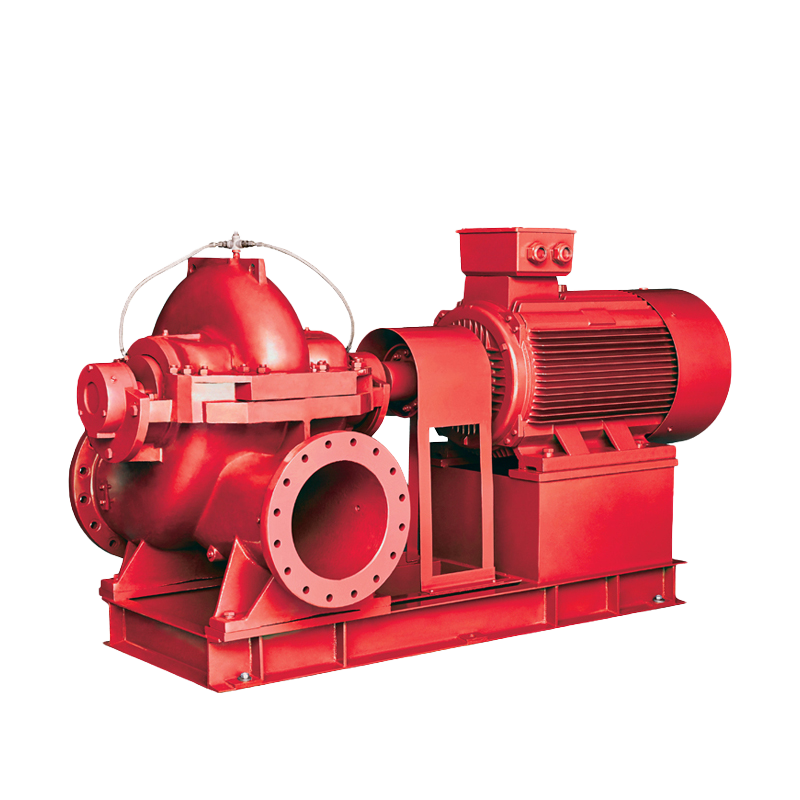 Split Case Pump
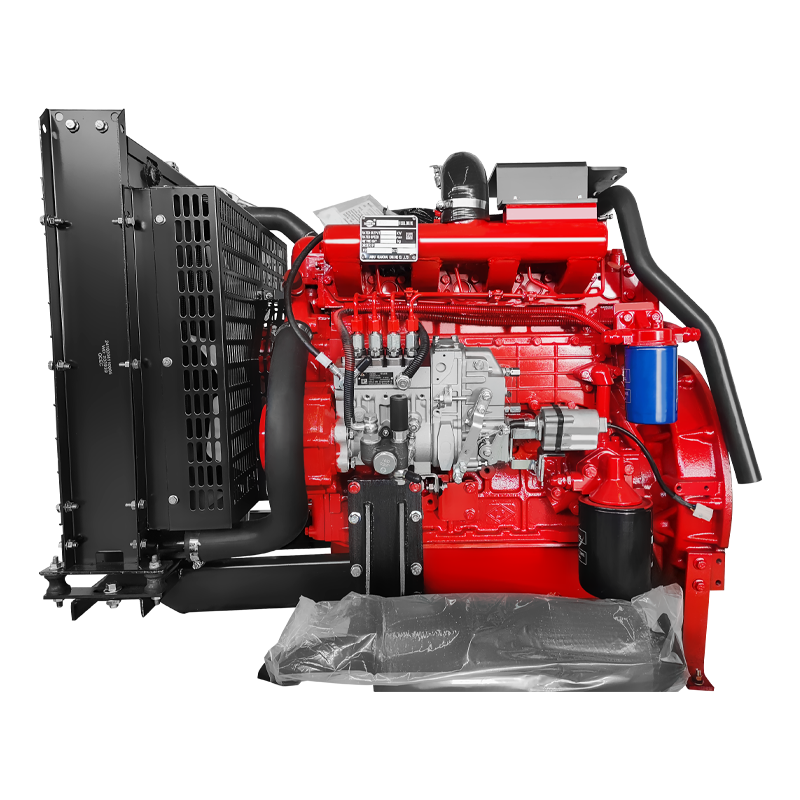 Engine and Pump
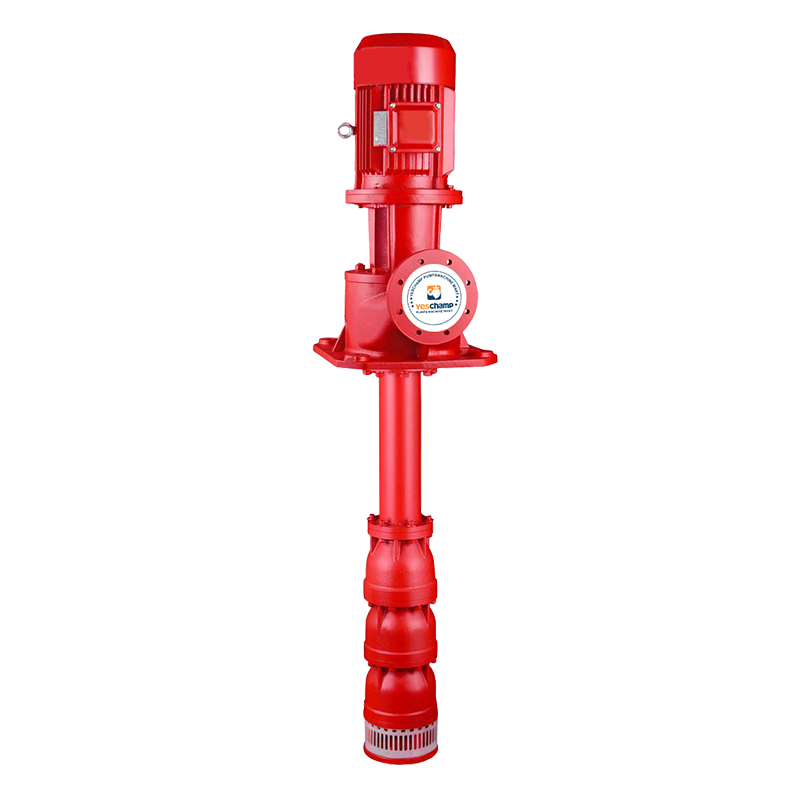 Long Shaft Pump
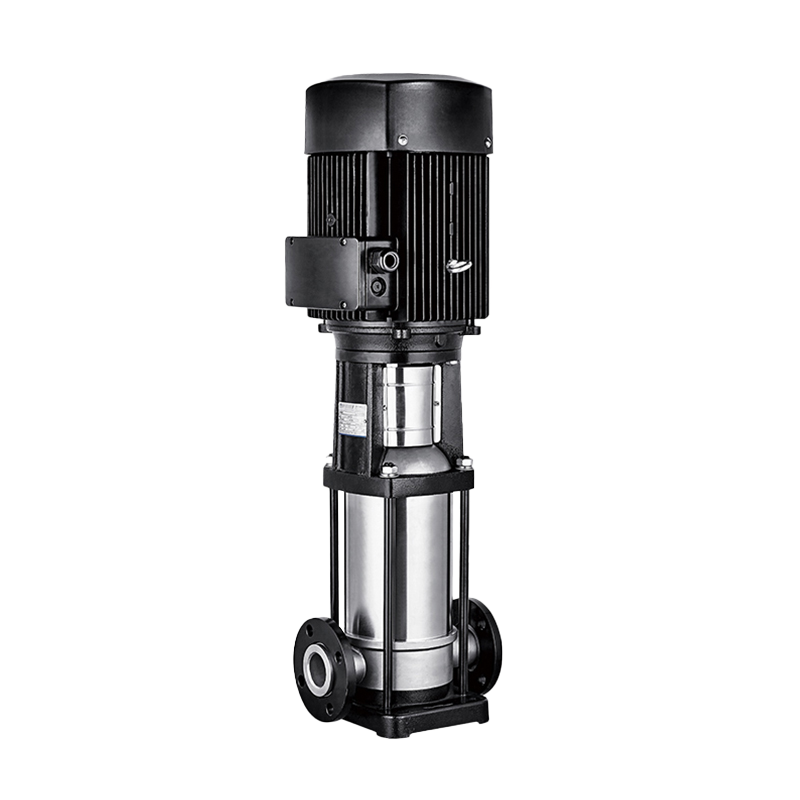 Multistage pump
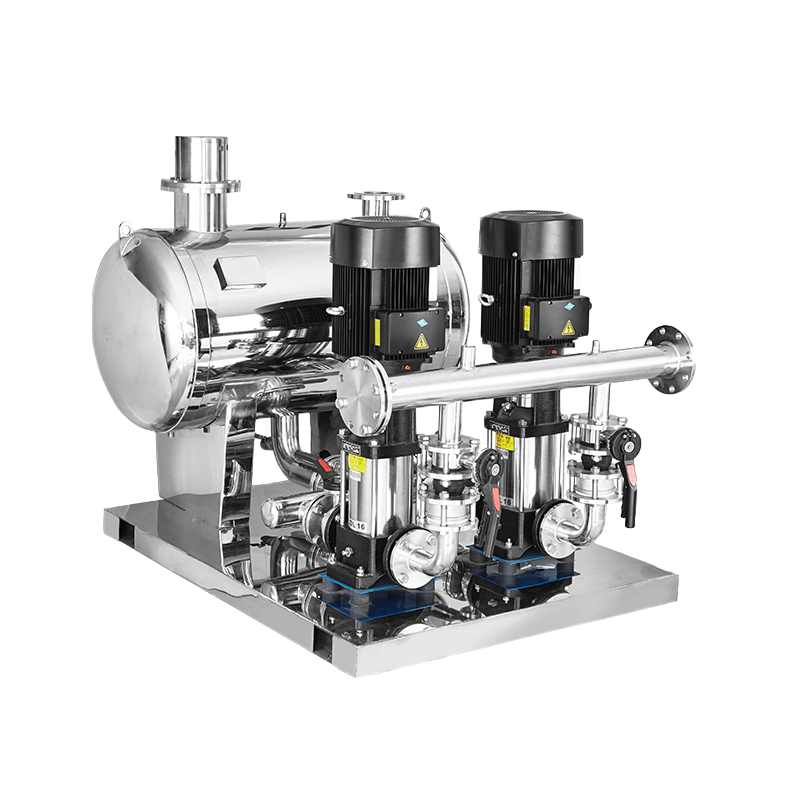 Water Supplier System
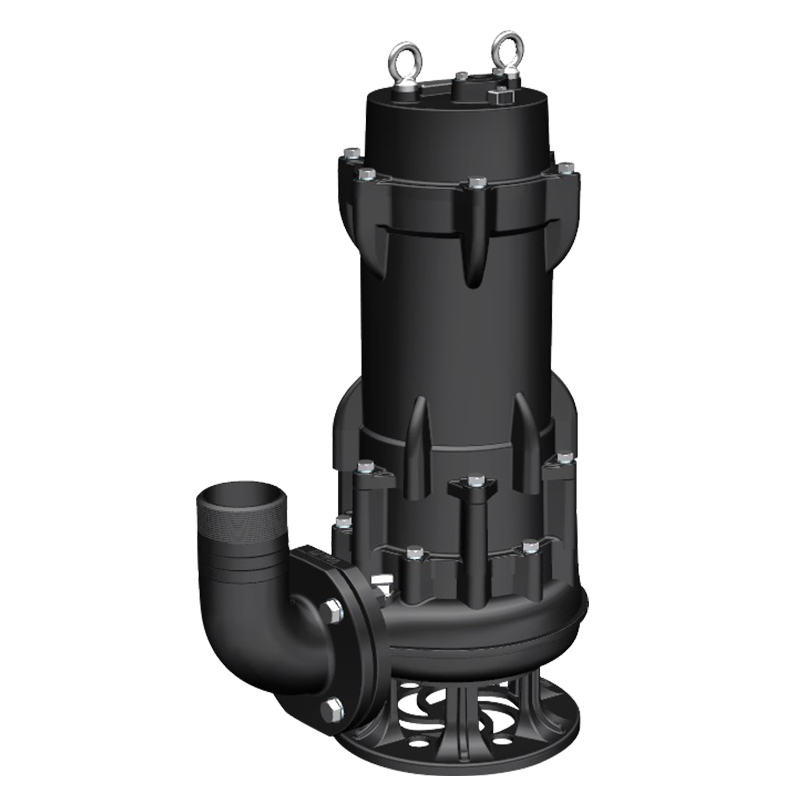 Sewage Pump
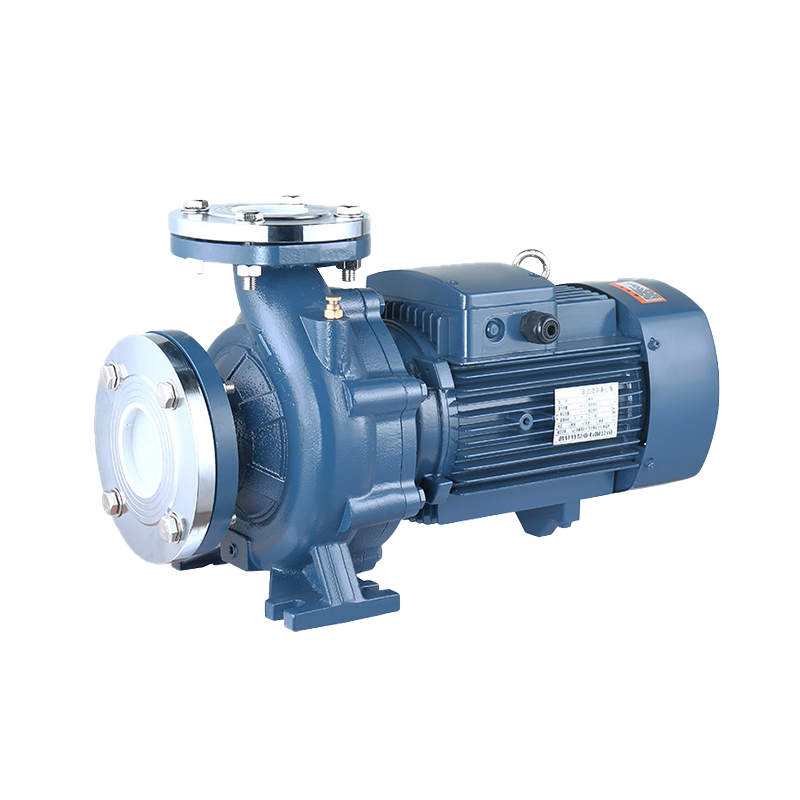 Industrial Pump
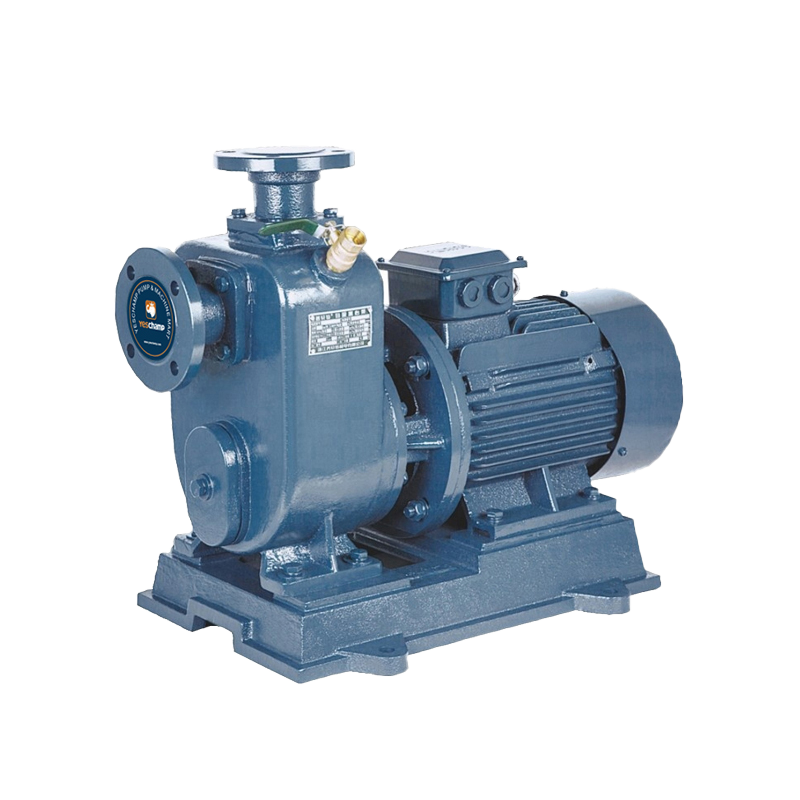 Self-Priming Pump
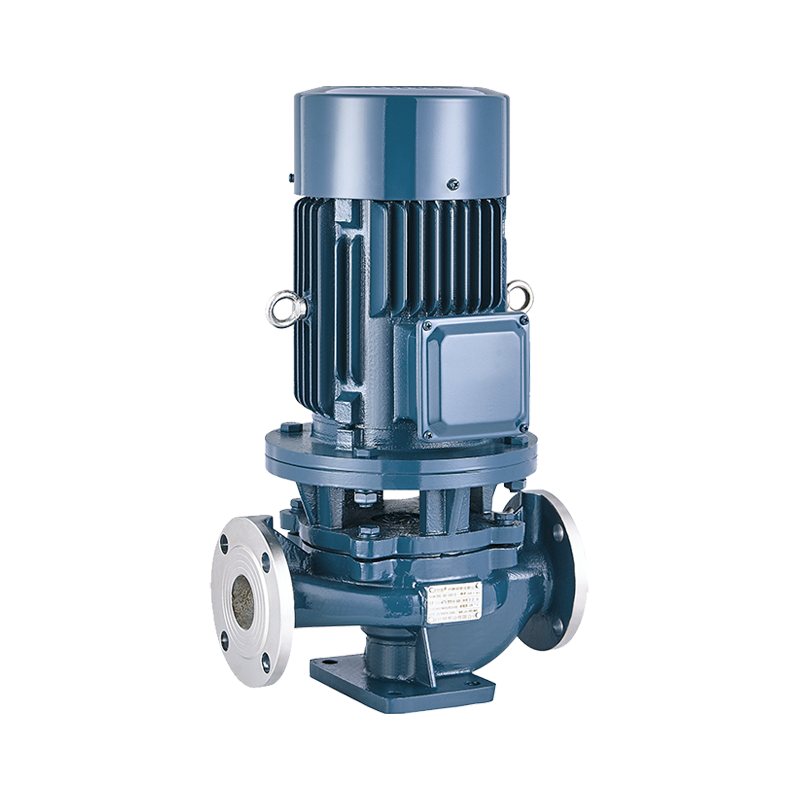 Inline Pump
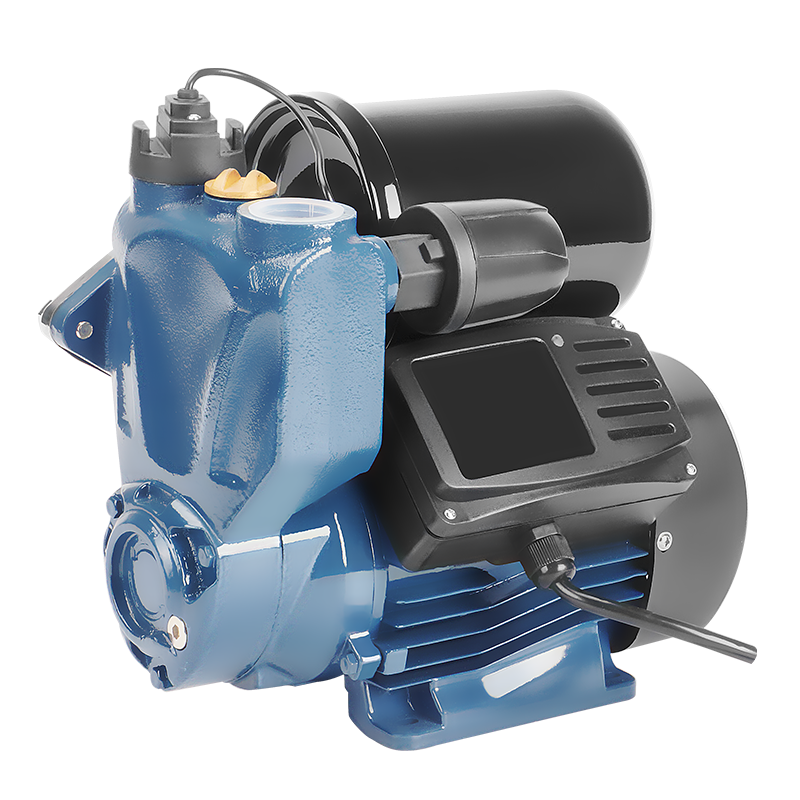 Domestic Pump
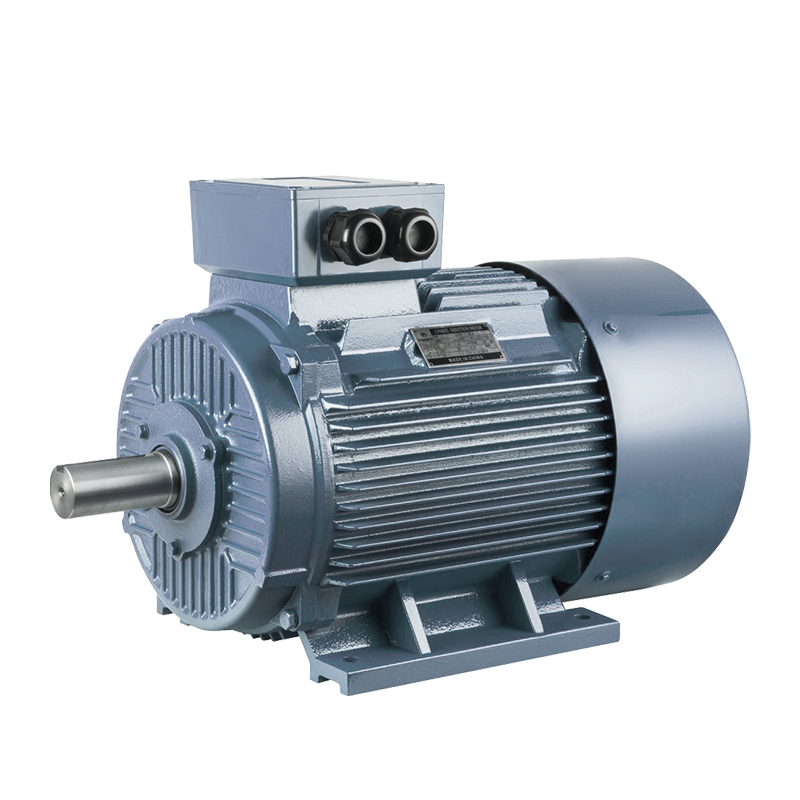 Electric Motor
 Borehole Pump
The Ultimate Guide to the EDJ Fire Pump System: Electric, Diesel, and Jockey Pump Integration
When it comes to protecting high-value assets, high-rise buildings, and industrial complexes, a reliable fire water supply system is non-negotiable. The EDJ Fire Pump System—a configuration that combines an Electric main pump, a Diesel standby pump, and a Jockey pump—represents the gold standard in fire protection redundancy. This comprehensive guide explores the mechanics, benefits, and applications of the EDJ system, designed to meet the rigorous demands of NFPA 20 and international safety codes.
What is an EDJ Fire Pump System?
The EDJ (Electric + Diesel + Jockey) fire pump system is a fully integrated, packaged fire pumping unit. It is a complete, pre-assembled skid that offers a "ready-to-install" solution for automatic fire water supply. As the name implies, the system comprises three critical components mounted on a common steel base frame:
1. Electric Motor-Driven Main Pump: The primary workhorse of the system.
2. Diesel Engine-Driven Standby Pump: The backup solution for power failures.
3. Jockey Pump: A smaller electric pump for pressure maintenance.
These components are paired with common suction/discharge headers, control panels, and all necessary valves and accessories, creating a single point of responsibility for the entire water supply system .
System Components and Configuration
1. The Electric Main Pump
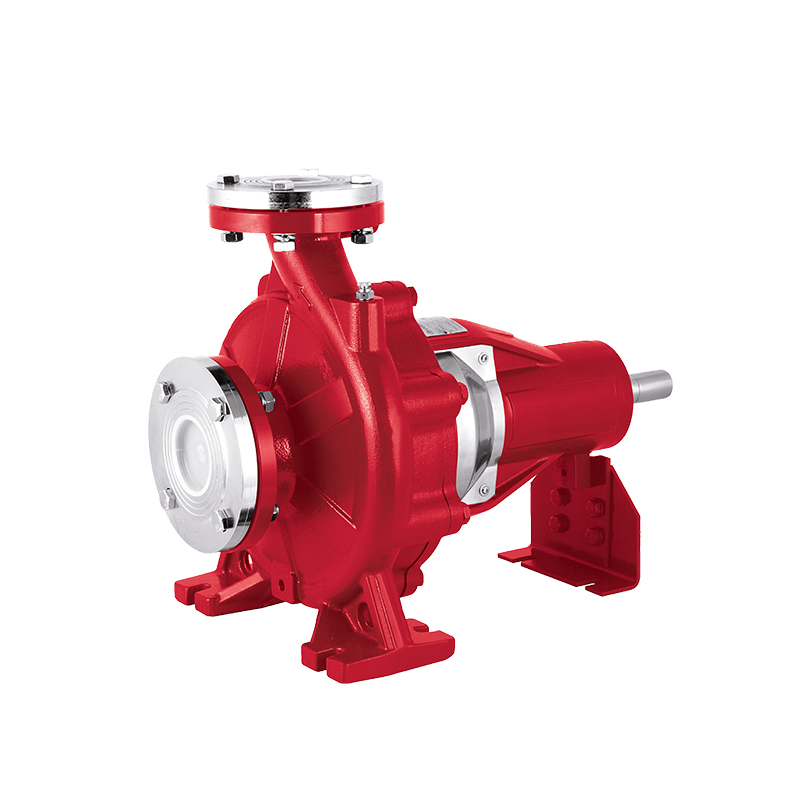
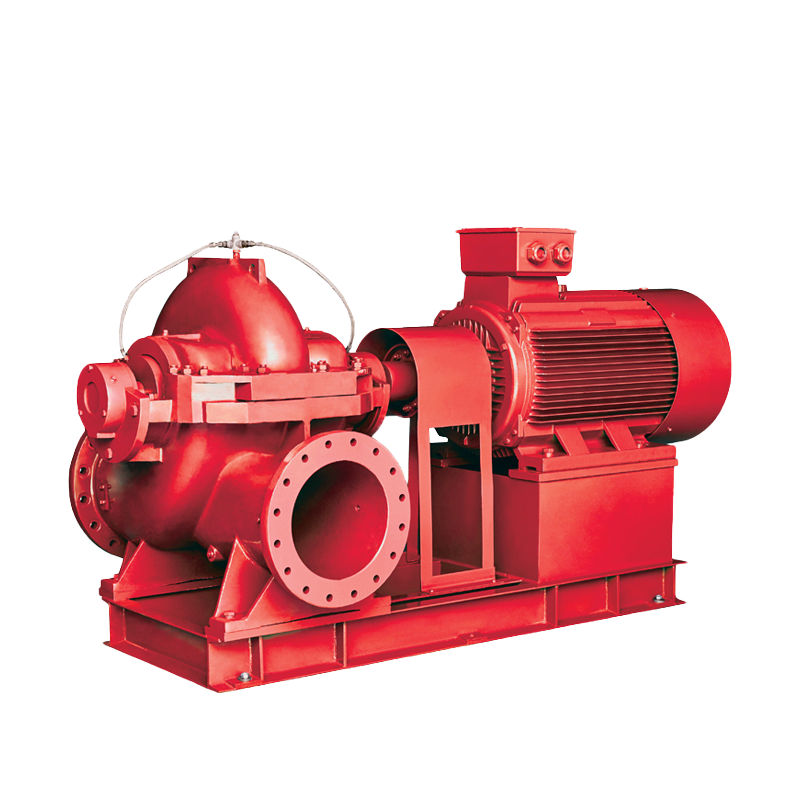
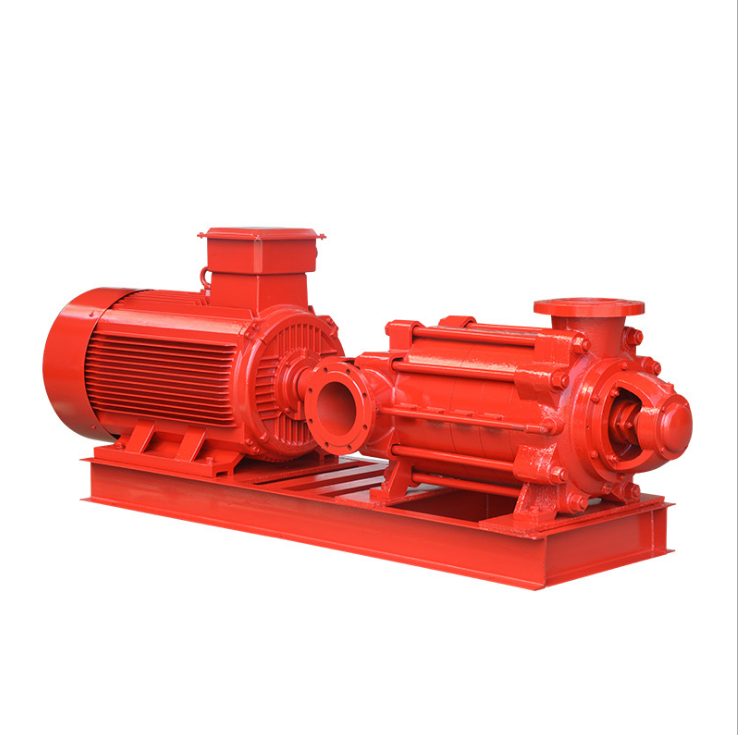
This is typically the duty pump for daily use and the primary response to a fire event. The pump itself can be configured as an end-suction pump, a horizontal split-case pump, or a multistage pump depending on the specific head and flow requirements. Materials of construction generally include cast iron for the casing, with options for stainless steel or bronze impellers .
2. The Diesel Engine Pump
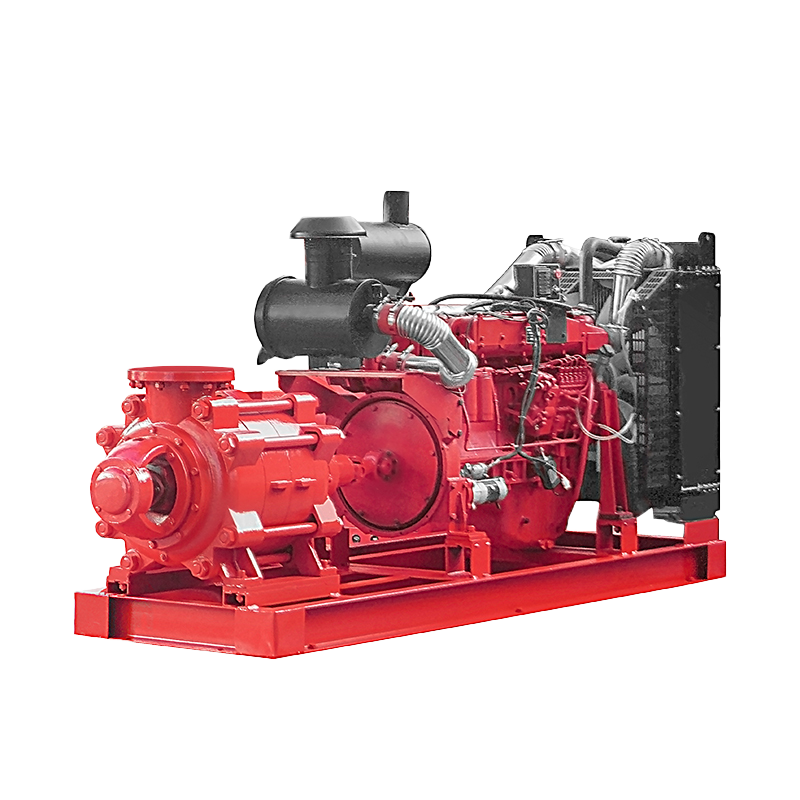
The diesel pump acts as the ultimate failsafe. It is designed to match the capacity and pressure of the electric pump. When power is lost or the electric pump fails, this unit springs into action. It features its own dedicated starting battery, fuel tank, radiator, and an automatic control panel. Typically, it is connected to the pump via a flexible coupling or universal joint to ensure smooth transmission and vibration dampening .
3. The Jockey Pump (Pressure Maintenance Pump)
This small but vital component prevents the main pumps from cycling on and off due to minor system leaks. The jockey pump runs frequently to keep the fire sprinkler or hydrant system pressurized between P1 (low pressure) and P2 (high pressure). It is usually a vertical multistage pump with a higher head capability than the main pumps but a significantly lower flow rate .
The Working Principle: A Logic of Redundancy
The true genius of the EDJ system lies in its automatic sequential startup logic, which ensures water supply even in the most adverse conditions :
1. Normal Operation (Pressure Maintenance): Under normal conditions, the fire main pressure sits between P1 (low) and P2 (high). When the system pressure drops to P1 due to minor leakage, the Jockey Pump starts automatically. It runs until the pressure returns to P2, then shuts off. This cycle repeats as necessary.
2. Fire Event (Electric Pump Activation): When a fire occurs and fire fighters open hydrants or sprinklers activate, water demand increases dramatically. The jockey pump can no longer maintain pressure. When the pressure falls to P3 (the minimum pressure threshold), the Electric Main Pump starts automatically. It ramps up to provide the required firefighting flow (Pw).
3. Emergency Backup (Diesel Pump Activation): If the building loses mains power or if the electric pump suffers a mechanical failure, the pressure will continue to fall past P3. When it hits P4 (the ultimate low point), the Diesel Engine Pump starts automatically. It takes over the fire water supply, ensuring that firefighting operations are not hindered by a power outage.
Important Note:Unlike the jockey pump, the electric and diesel main pumps require **manual shutdown**. This ensures that the fire water supply is only cut off by a responsible operator after confirming the fire is fully extinguished .
Key Benefits of the EDJ Configuration
- Maximum Reliability: The combination of electric and diesel drivers provides redundancy. If one power source fails, the other takes over .
- Economic Efficiency: By using the jockey pump to maintain pressure, the main (high-power) electric pump does not have to run frequently, saving significant electricity costs and reducing wear and tear on the main units .
- Space Saving: The packaged skid design reduces the overall footprint compared to field-assembled components. The manufacturer coordinates the piping and wiring before delivery, reducing the need for extensive onsite labor .
- Compliance: EDJ systems are designed to comply with international standards like NFPA 20 and often feature UL/FM-listed components, ensuring they meet the strict requirements of insurance companies and local authorities .
Applications
The robust nature of the EDJ fire pump system makes it suitable for a wide variety of critical infrastructure, including:
- High-rise residential and commercial buildings
- Hospitals and healthcare facilities
- Warehouses and logistic centers
- Airports and docks
- Large-scale industrial plants and petrochemical facilities
Conclusion
The EDJ Fire Pump System offers the highest level of security for life safety systems. By combining the primary efficiency of an electric motor with the emergency reliability of a diesel engine and the economic efficiency of a jockey pump, this configuration provides a flawless, automatic response to fire emergencies. When selecting a fire pump for your project, the EDJ system ensures that water will flow—regardless of power conditions.
 5th Floor, Comprehensive Building No. 5, Dongqiao, Dong'an Village, Daxi Town,Wenling City,Zhejiang,China
 +86 576 86090666
 +86 18667600006
 +86 18667600006
 24 Hours Online