 3D ROOM
 (0)
(0) English
 عربى
عربى
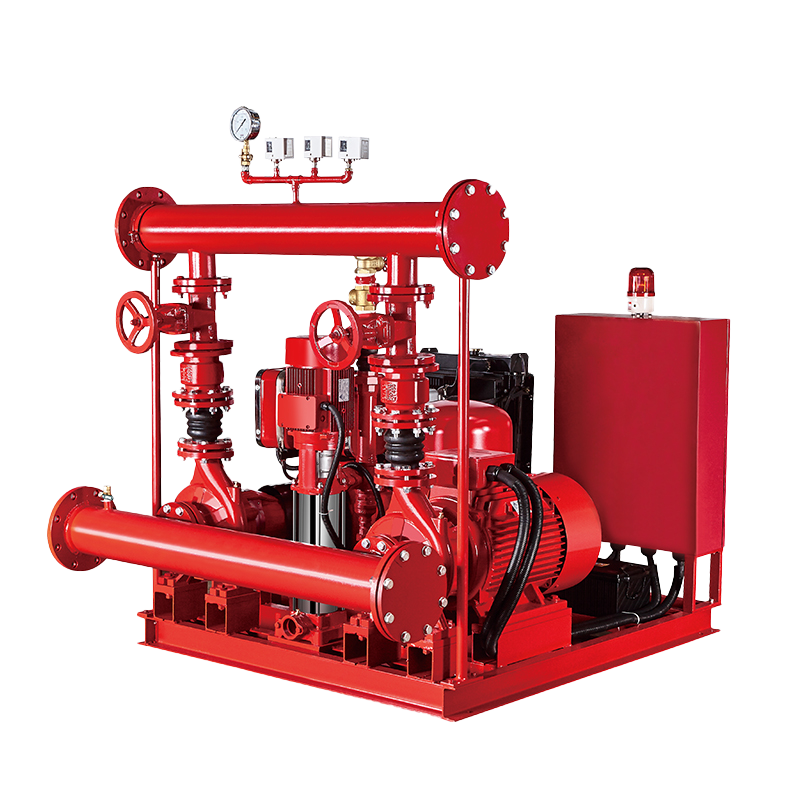 Fire Pump and System
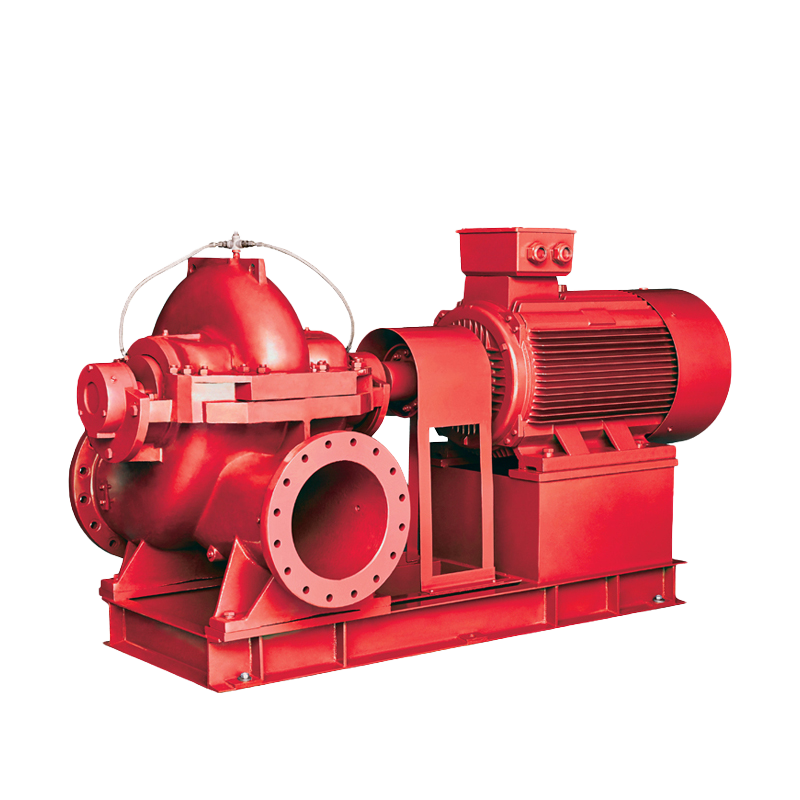 Split Case Pump
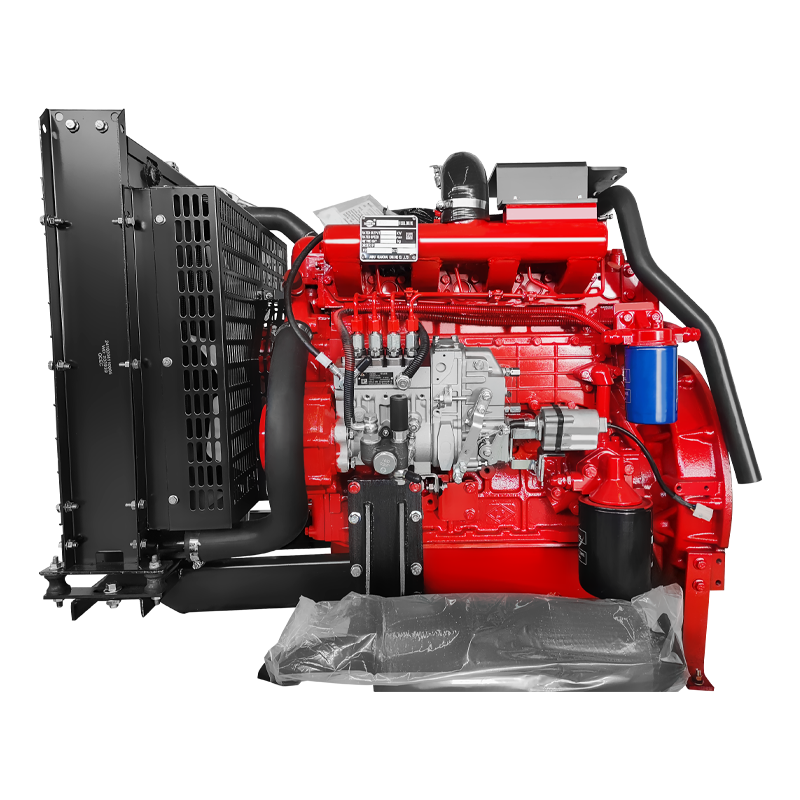 Engine and Pump
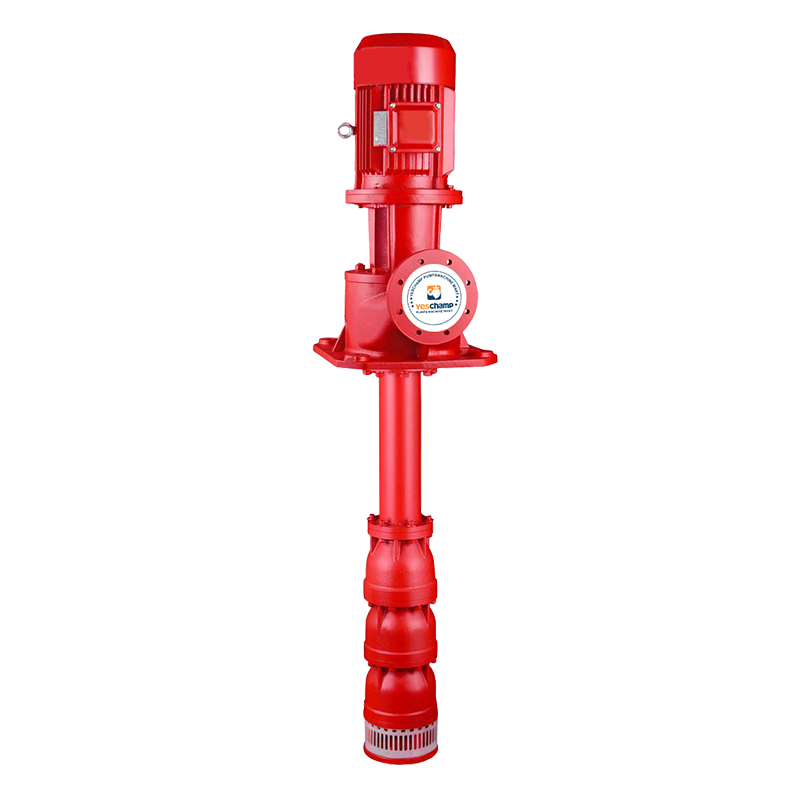 Long Shaft Pump
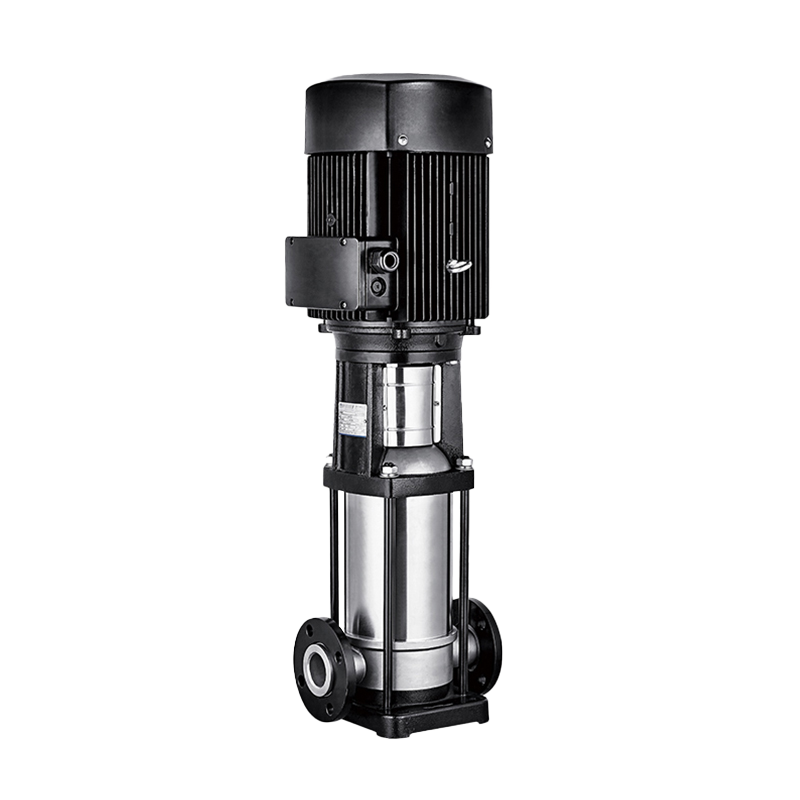 Multistage pump
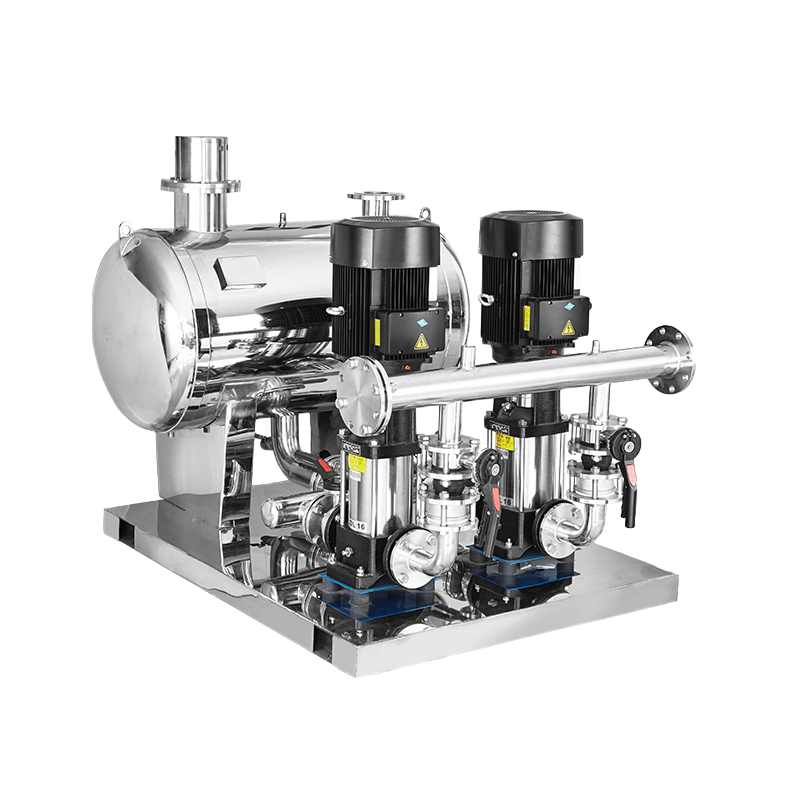 Water Supplier System
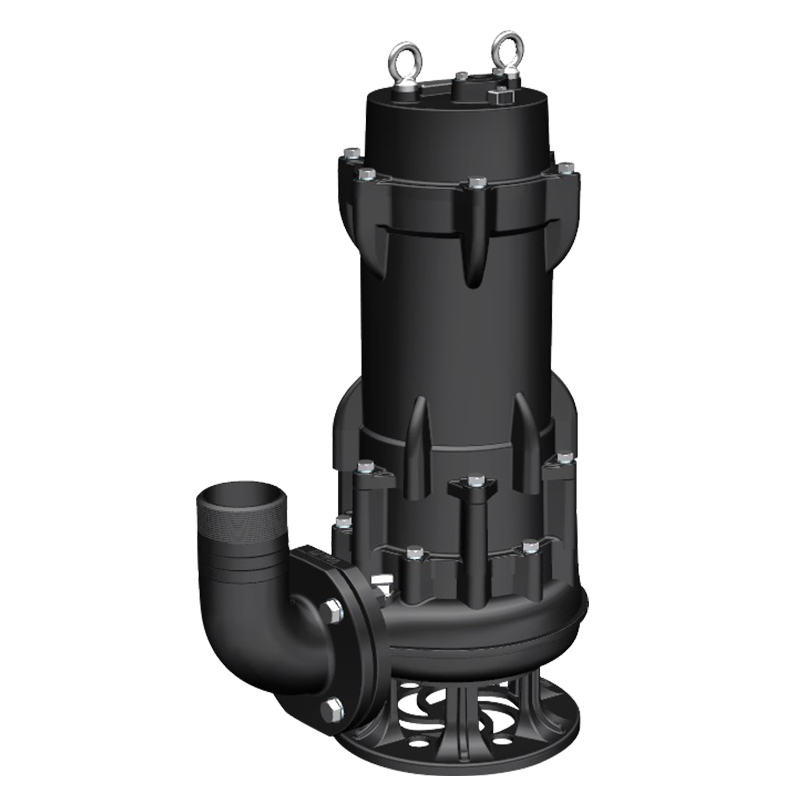 Sewage Pump
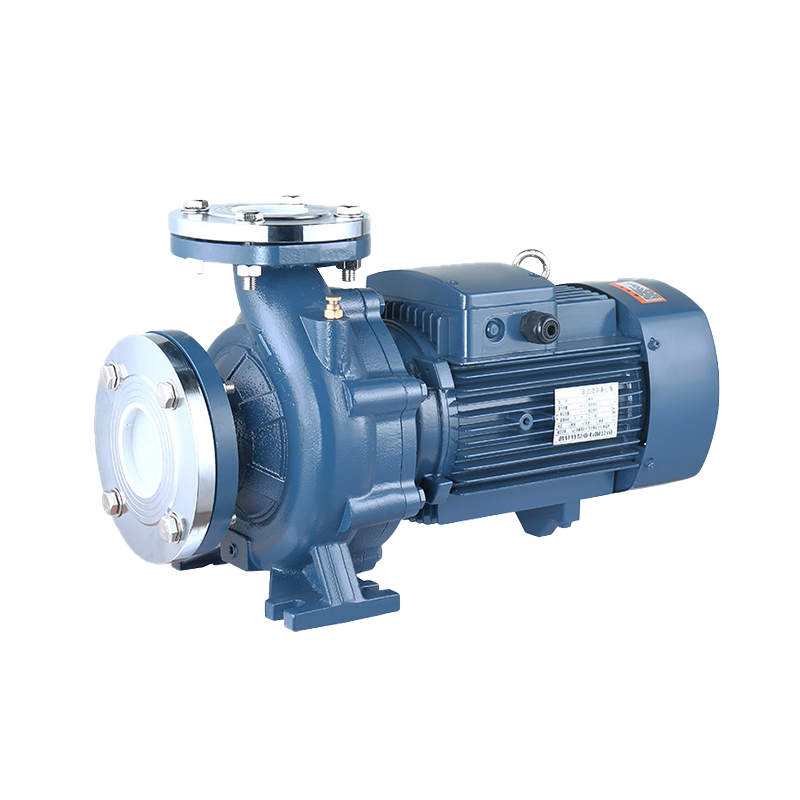 Industrial Pump
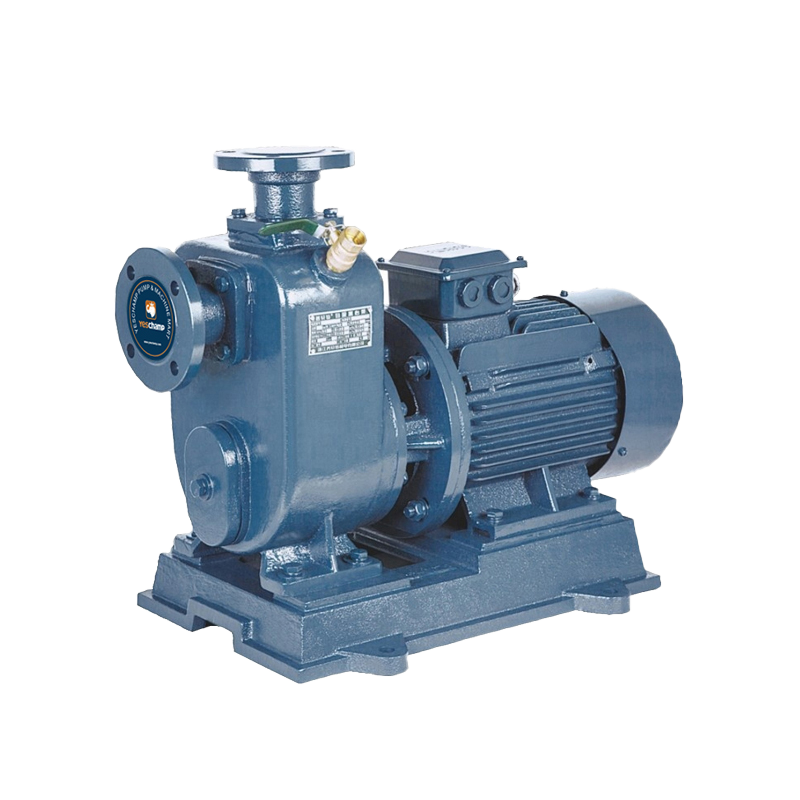 Self-Priming Pump
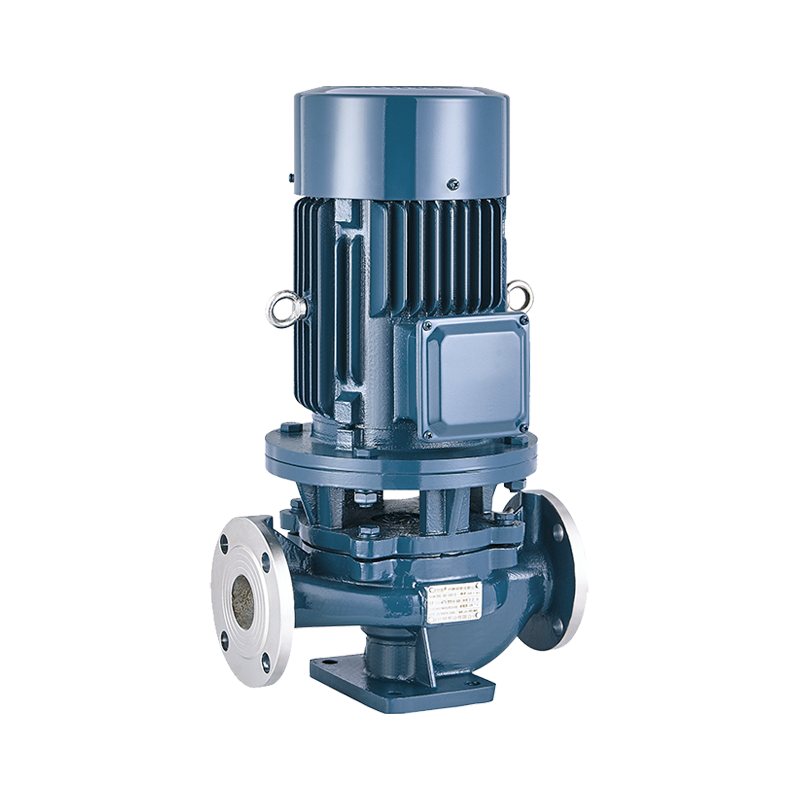 Inline Pump
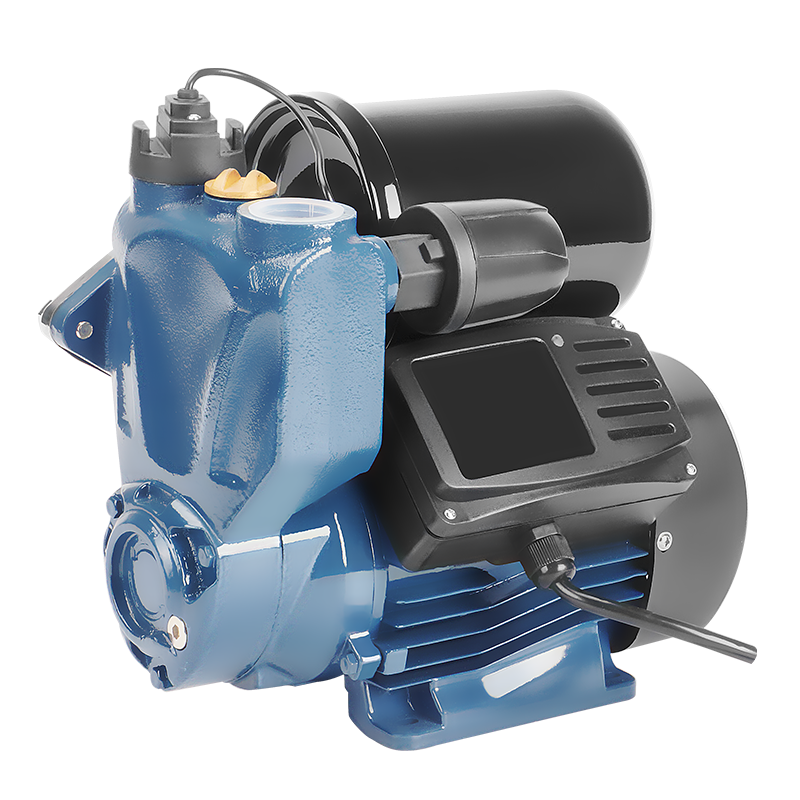 Domestic Pump
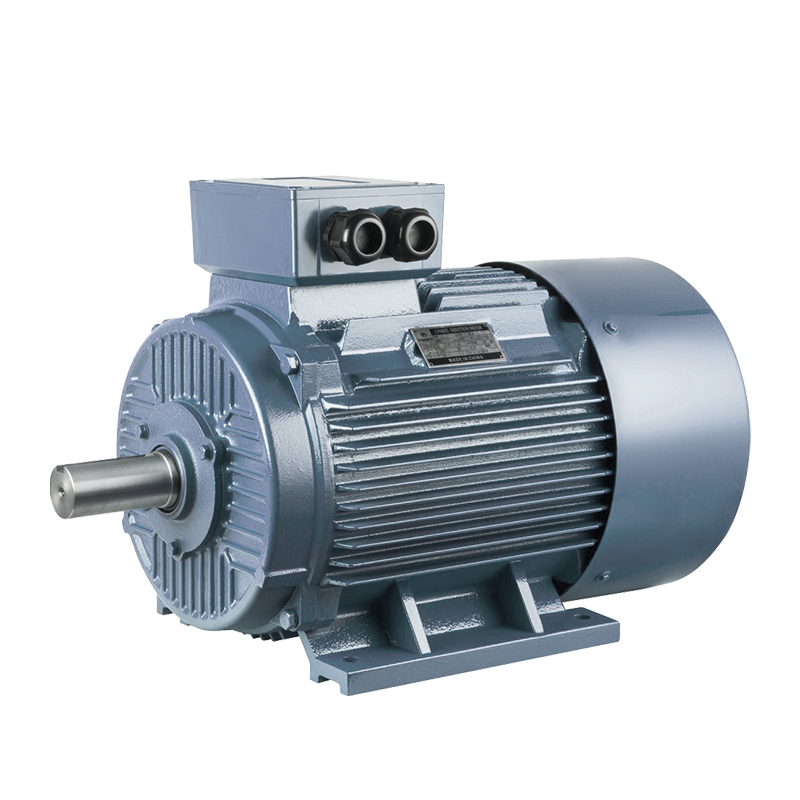 Electric Motor
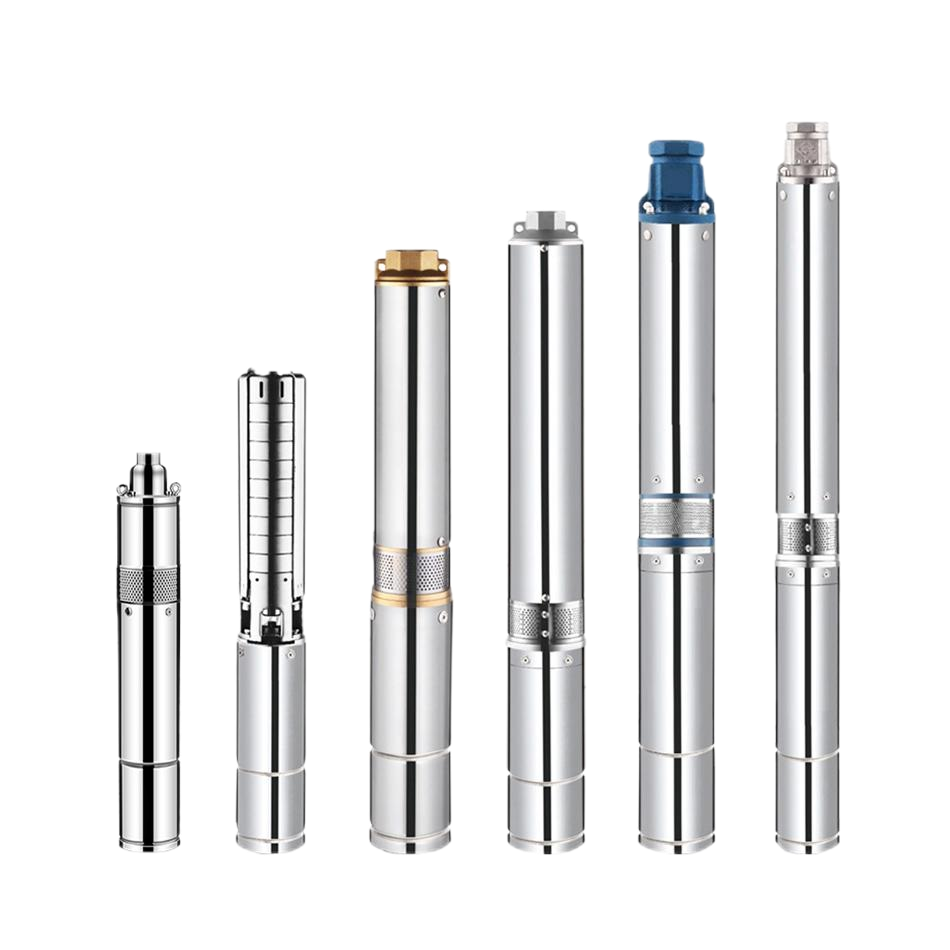 Borehole Pump
The Ultimate Guide to Stainless Steel Standard Pumps: Balancing Durability and Superior Performance
When reliability, longevity, and corrosion resistance are the top priorities, stainless steel standard pumps become the industry's preferred choice. Compared to pumps made of cast iron or bronze, stainless steel offers unmatched advantages in terms of strength and the ability to withstand harsh environments. This comprehensive guide explores why stainless steel has become the standard material for critical pumping applications, particularly in demanding sectors like fire protection.
What Is a Stainless Steel Standard Pump?
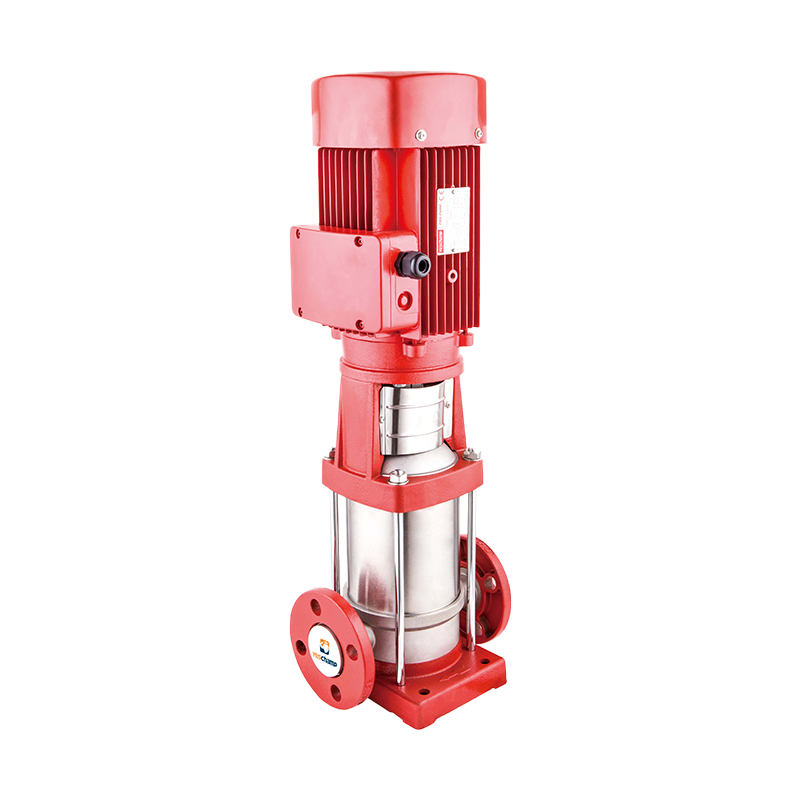
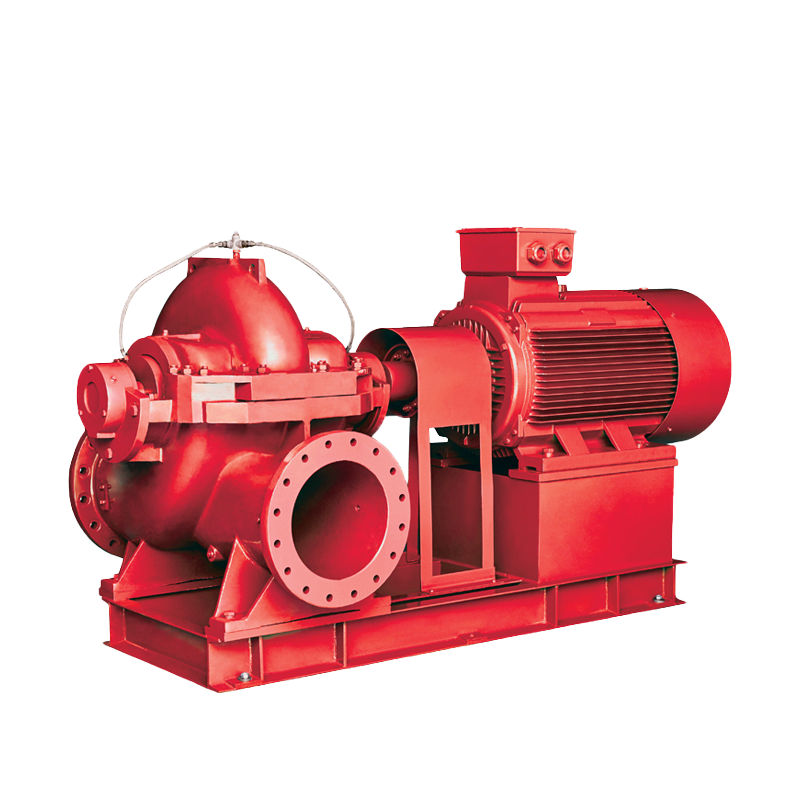
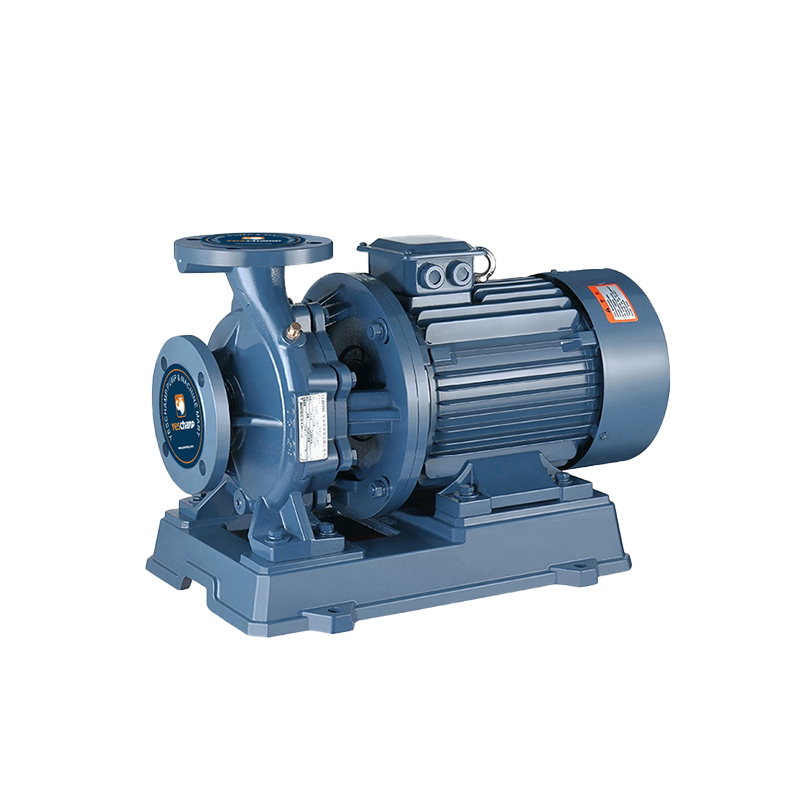
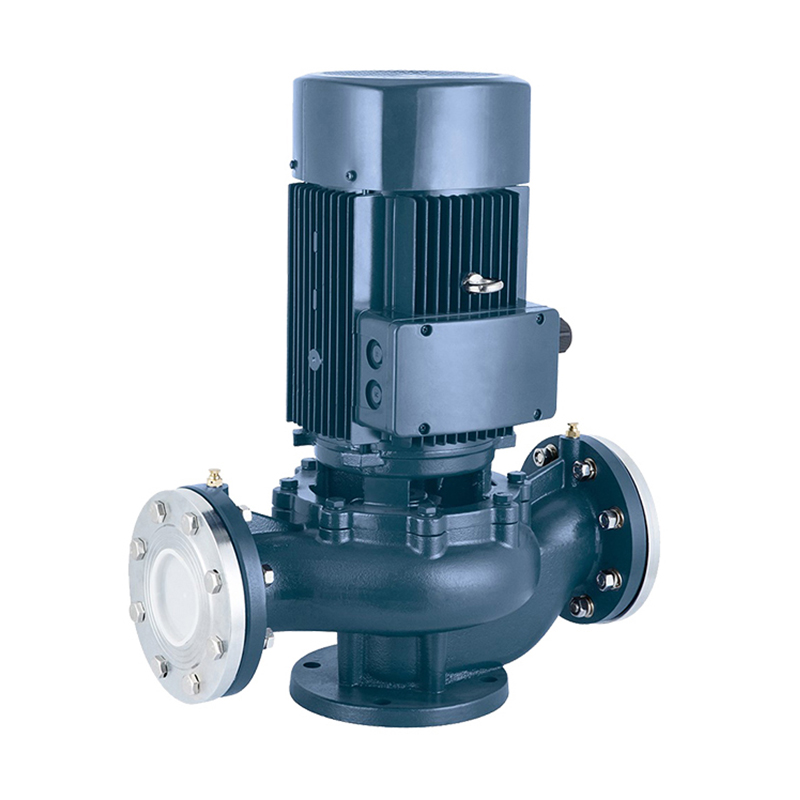
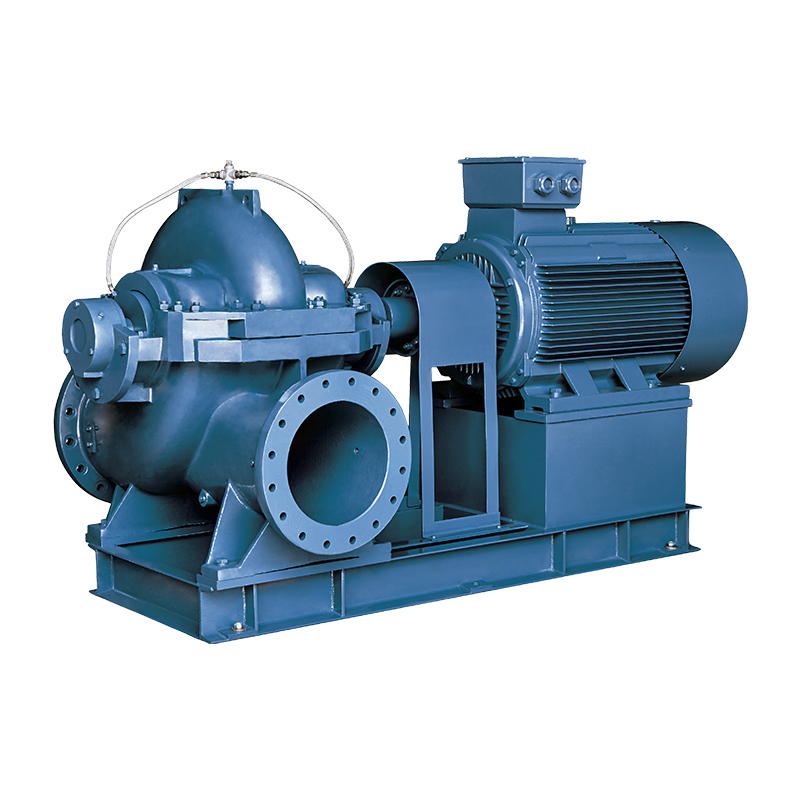
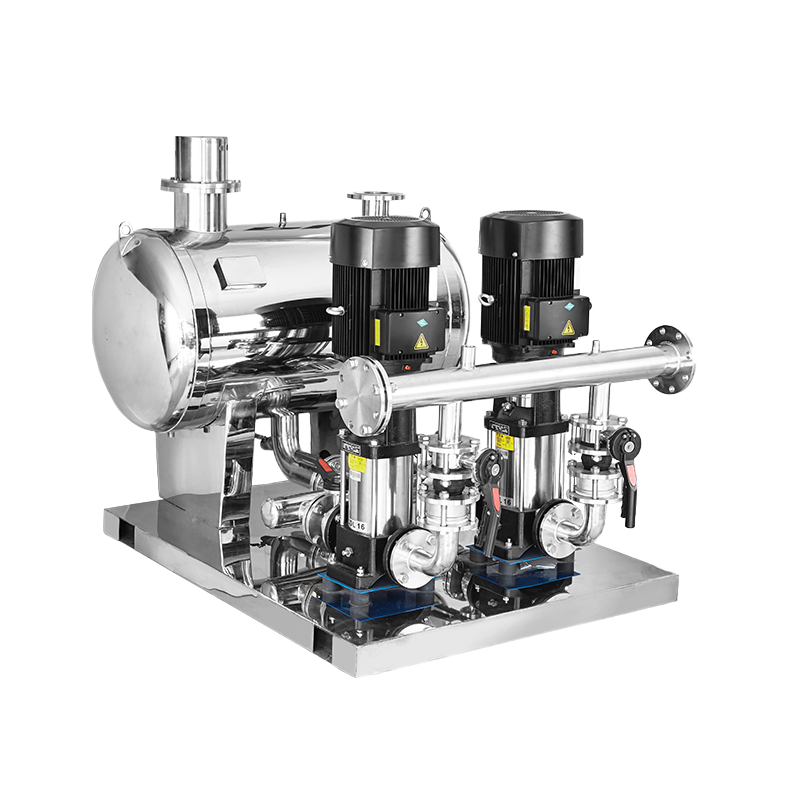
A stainless steel standard pump is a pump unit in which the key wetted parts—the components that come into contact with the fluid—are constructed from stainless steel. This type of construction is widely used in end-suction pumps, horizontal split-case pumps, and multistage pumps.
The Advantages of Stainless Steel
Opting for stainless steel construction is not merely an aesthetic choice; it represents a significant engineering upgrade. For instance, high-pressure multistage centrifugal pumps feature the following components:
- Impellers, diffusers, and stage casings: Made of stainless steel.
- Integrated piping: Made of stainless steel.
- Full construction using super duplex stainless steel: Ensures superior corrosion resistance.
Why Choose Stainless Steel for Your Pump System?
1. Superior Corrosion Resistance
The primary advantage of stainless steel is its exceptional resistance to rust and corrosion. This is crucial for fire protection systems—where water may remain stagnant for long periods—or in industrial environments involving chemicals. Consequently, many pump manufacturers offer "stainless steel configuration" options for their products.
2. Long-Term Reliability and Cost Savings
Although the initial investment cost may be higher than that of cast iron pumps, stainless steel pumps offer a longer service life. Their resistance to wear and tear reduces maintenance costs and downtime. This durability ensures the pump operates correctly when it matters most—a critical requirement for fire safety equipment.
Conclusion
Choosing a stainless steel standard pump is an investment in safety, reliability, and longevity. Whether you are planning a complete EDJ fire pump system or selecting a single multistage jockey pump, the choice of material is paramount. Stainless steel ensures your system stands the test of time, resists corrosion, and delivers the required performance when it matters most.
 5th Floor, Comprehensive Building No. 5, Dongqiao, Dong'an Village, Daxi Town,Wenling City,Zhejiang,China
 +86 576 86090666
 +86 18667600006
 +86 18667600006
 24 Hours Online