 3D ROOM
 (0)
 English
 عربى

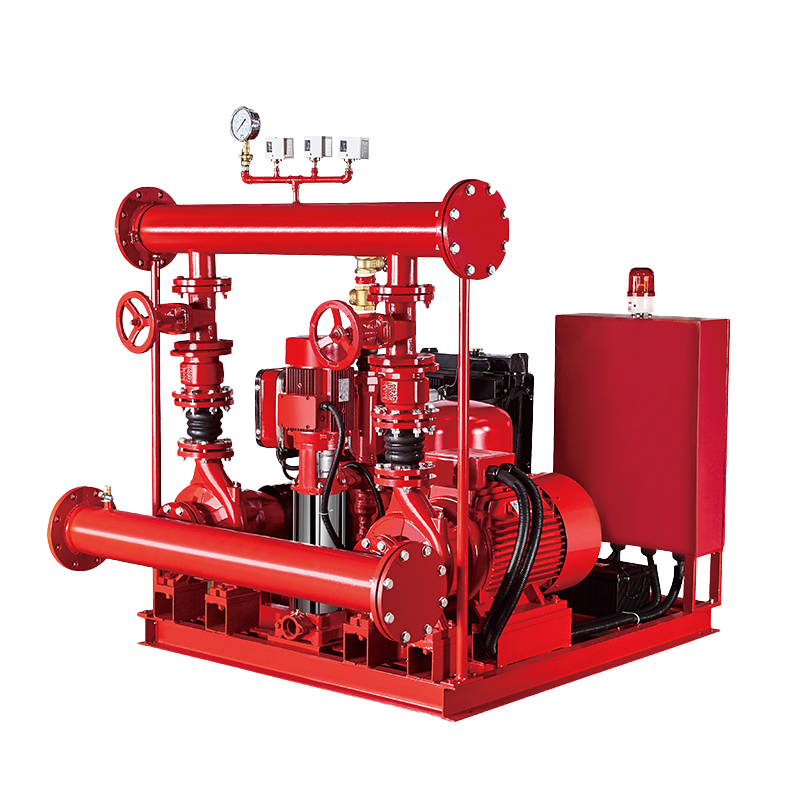 Fire Pump and System
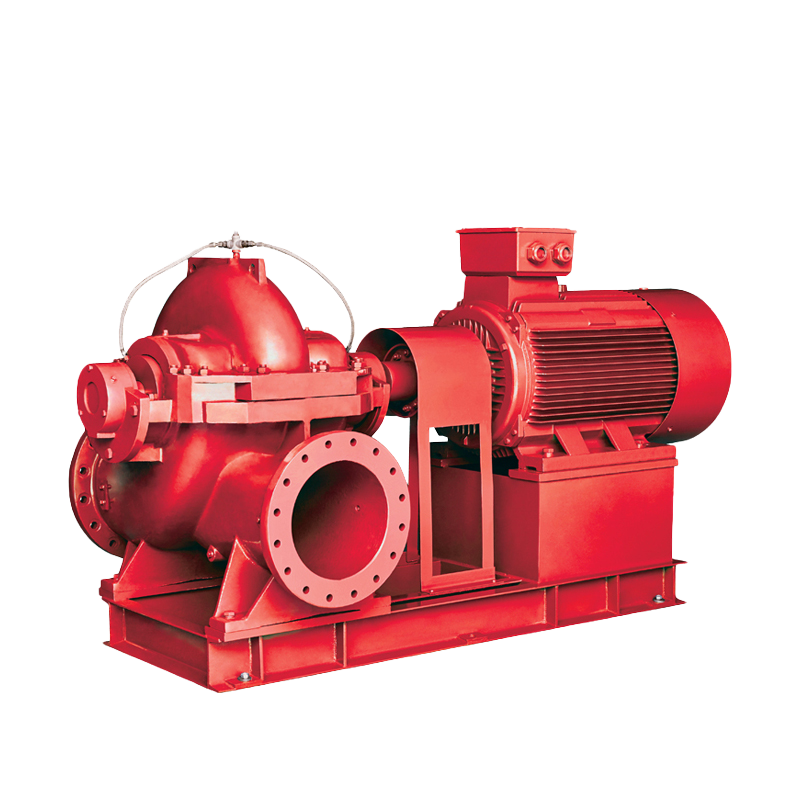 Split Case Pump
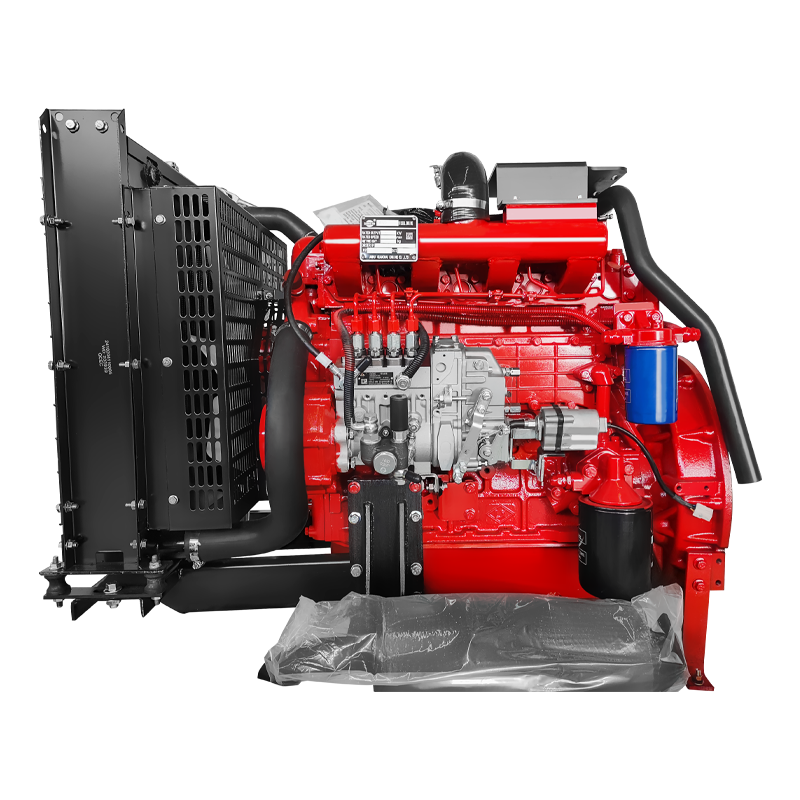 Engine and Pump
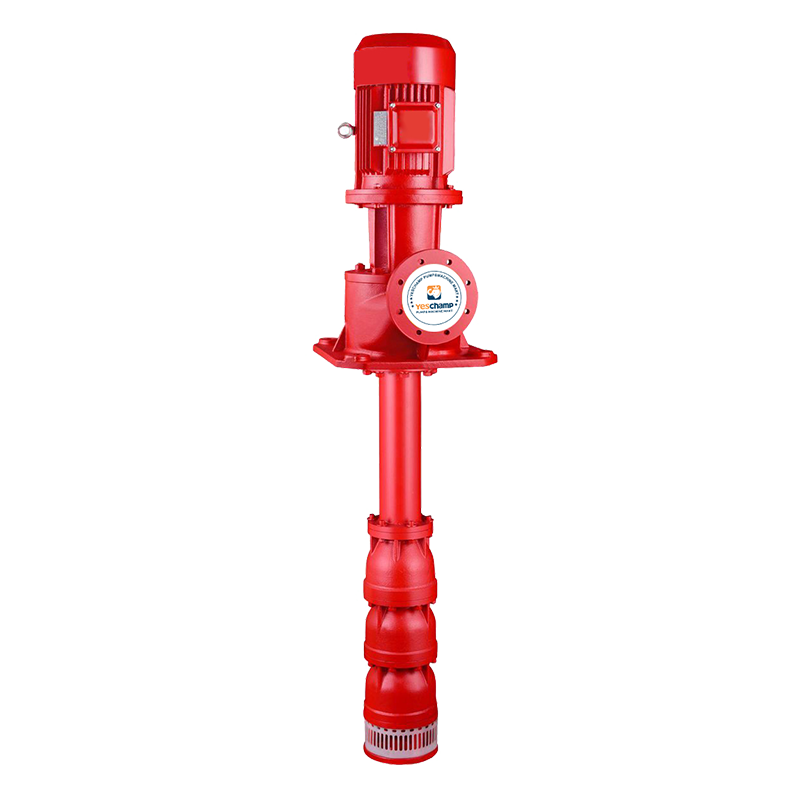 Long Shaft Pump
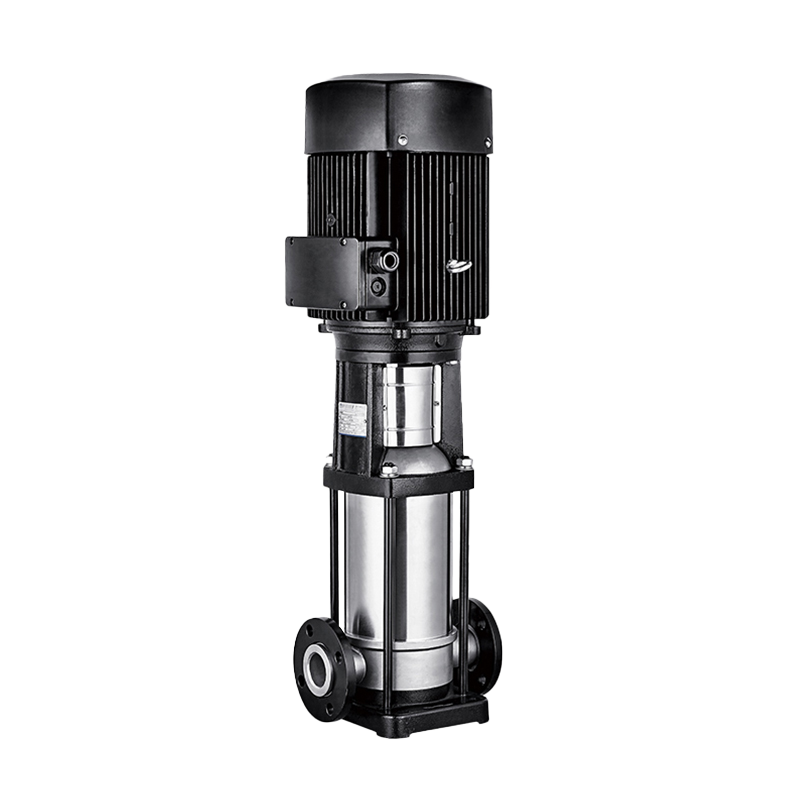 Multistage pump
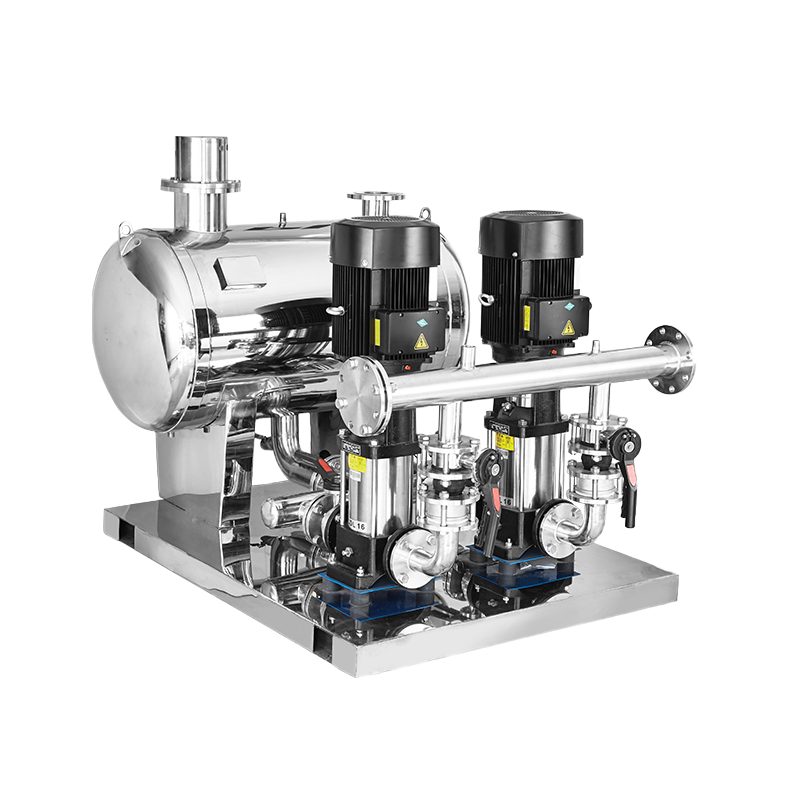 Water Supplier System
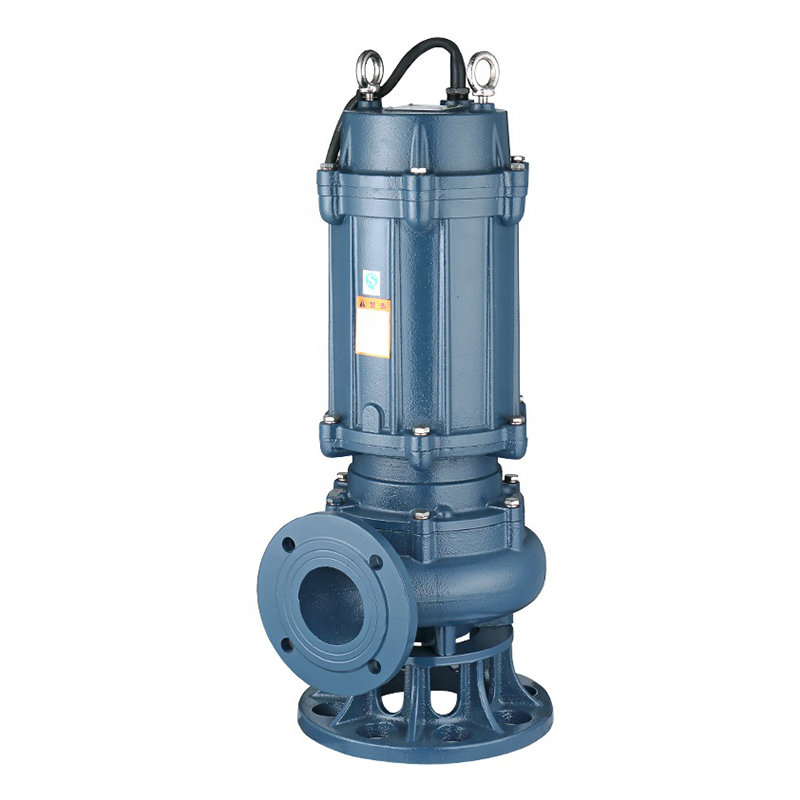
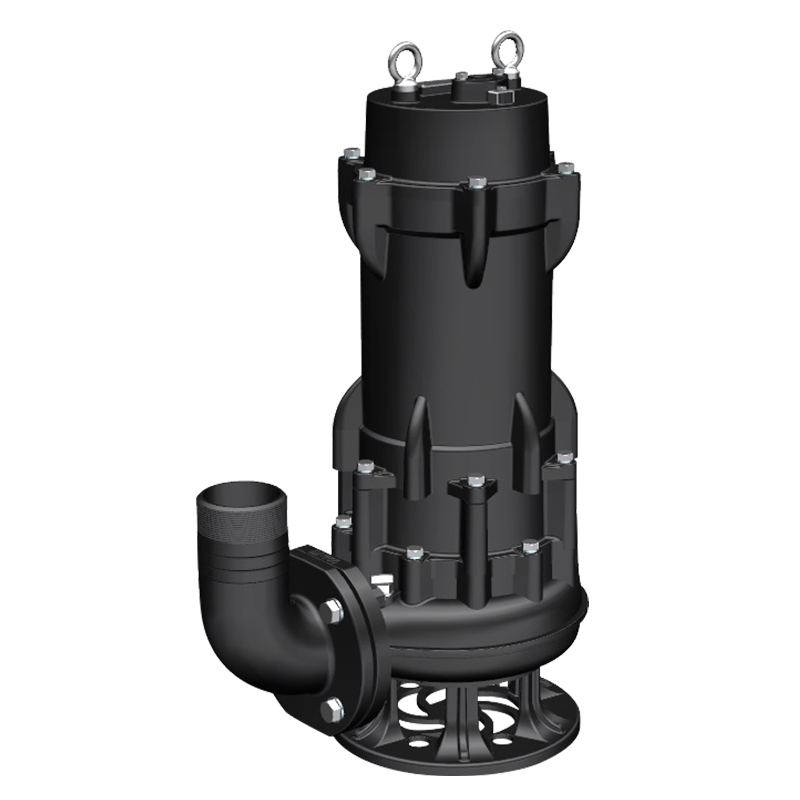 Sewage Pump
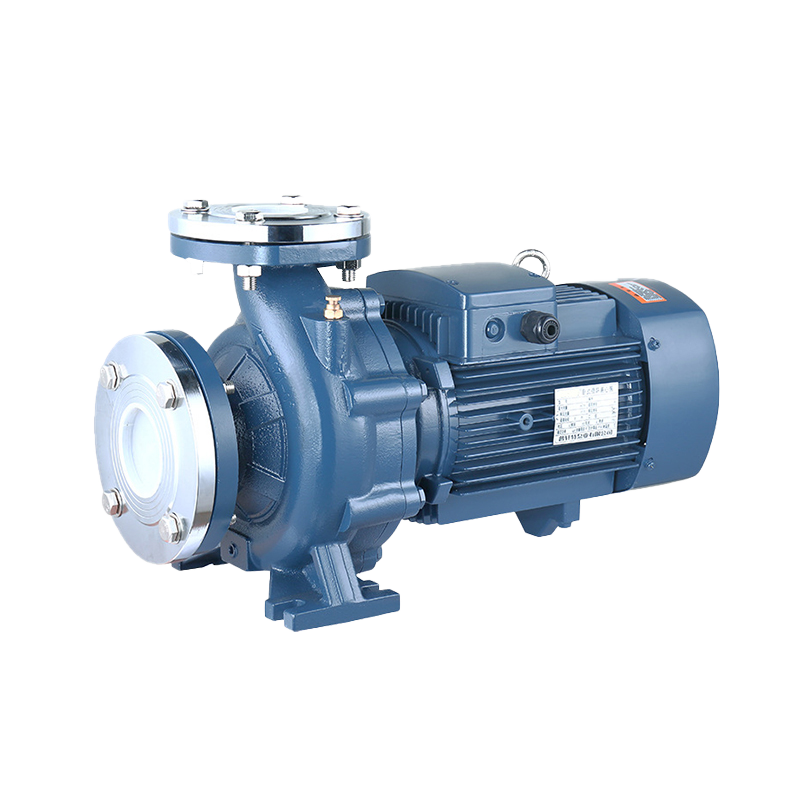 Industrial Pump
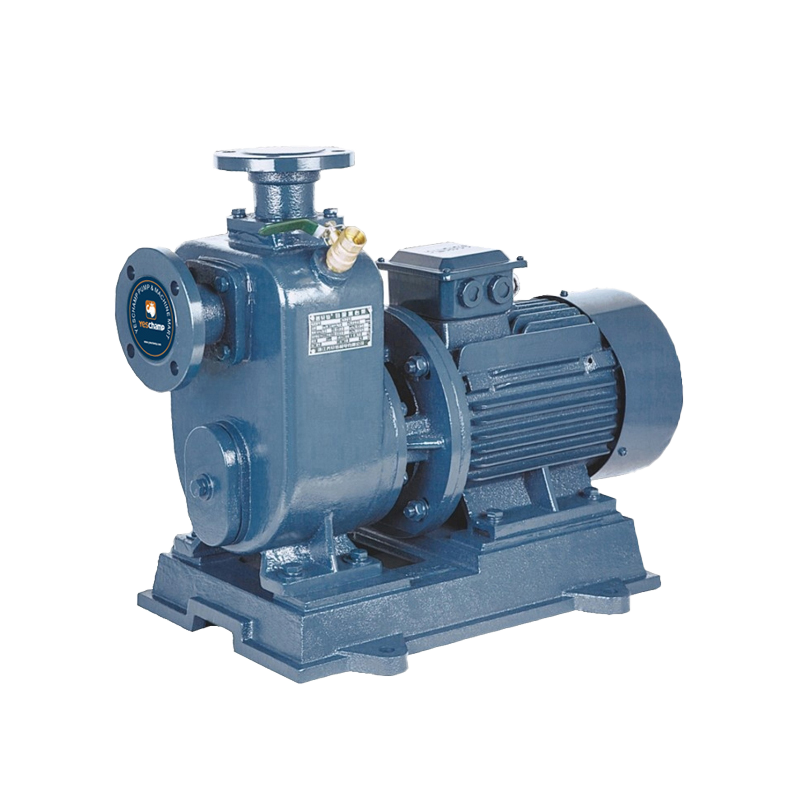
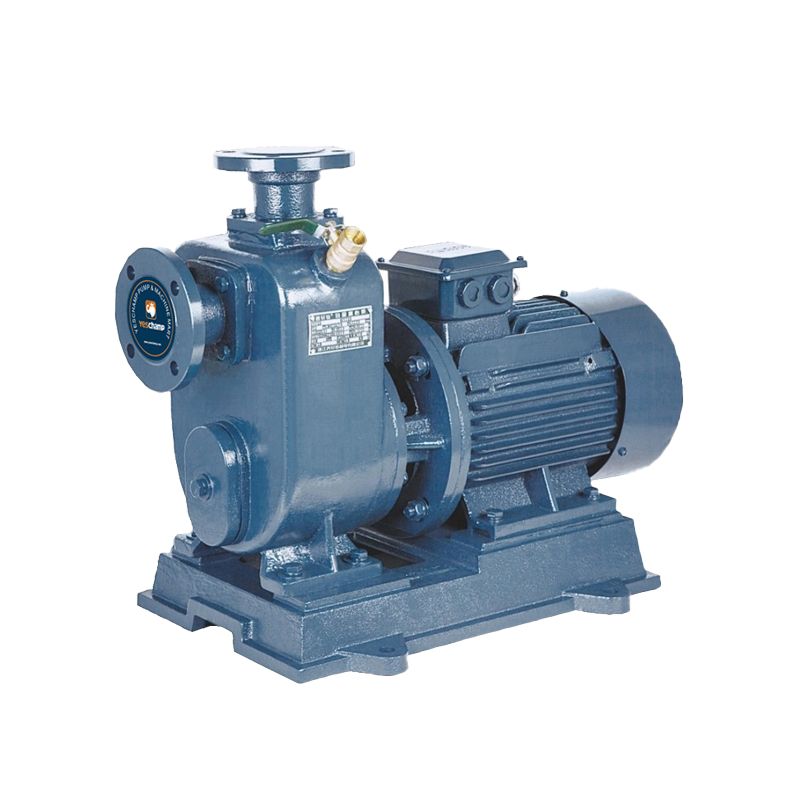 Self-Priming Pump
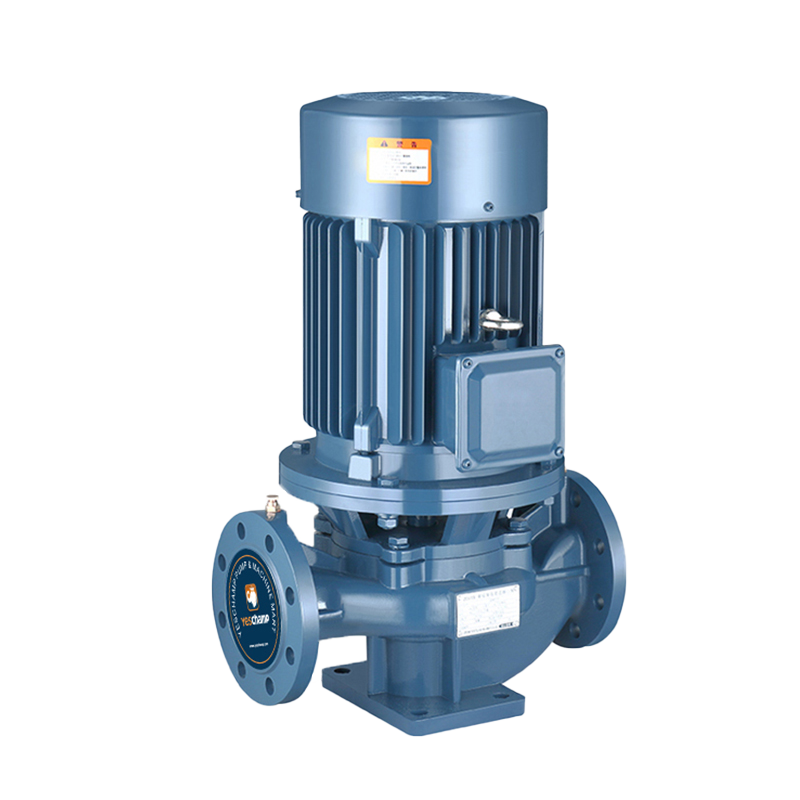
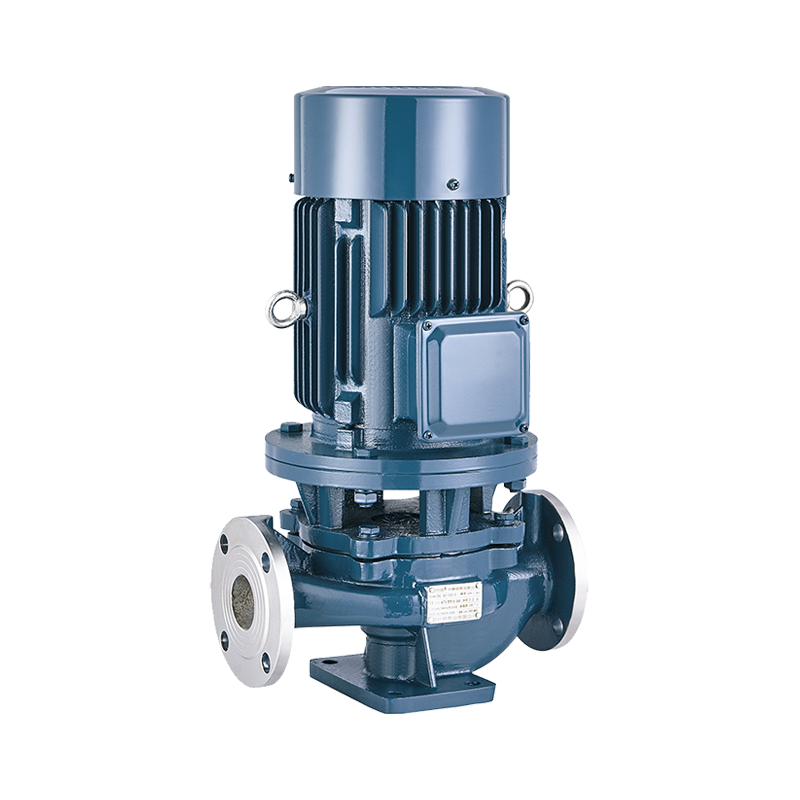 Inline Pump
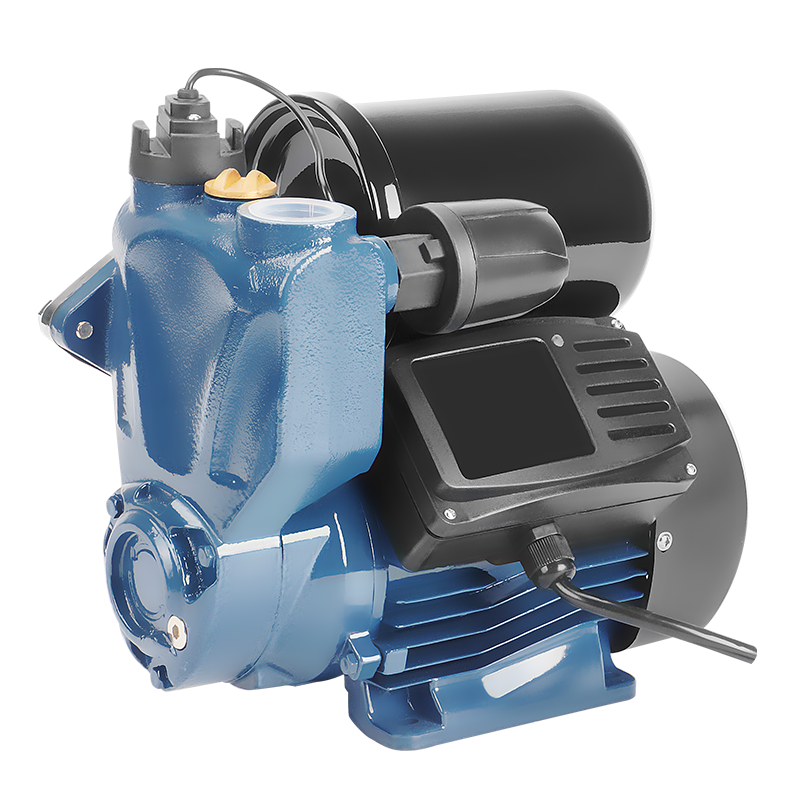 Domestic Pump
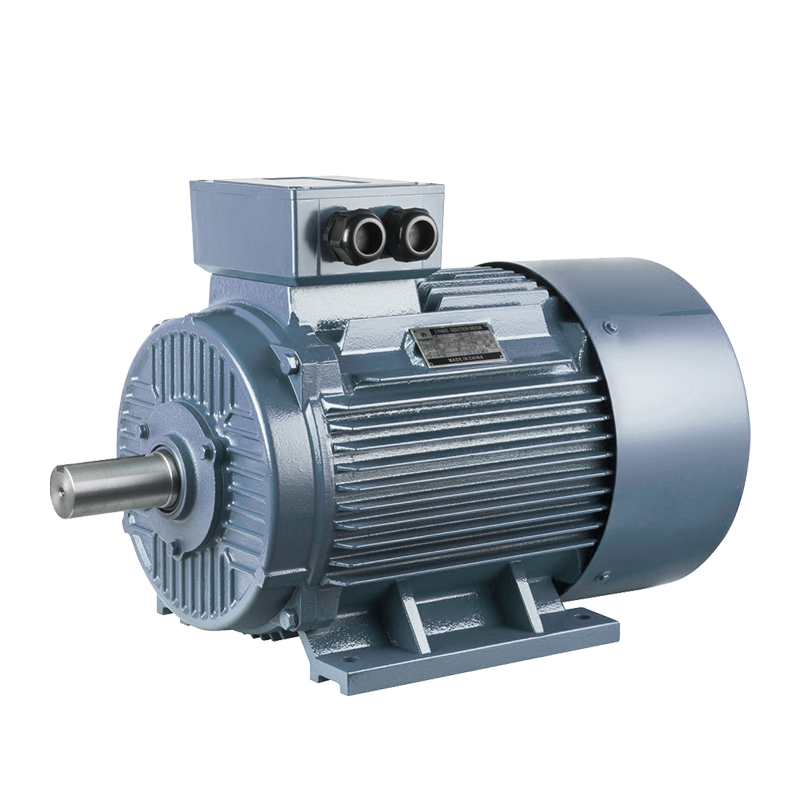 Electric Motor
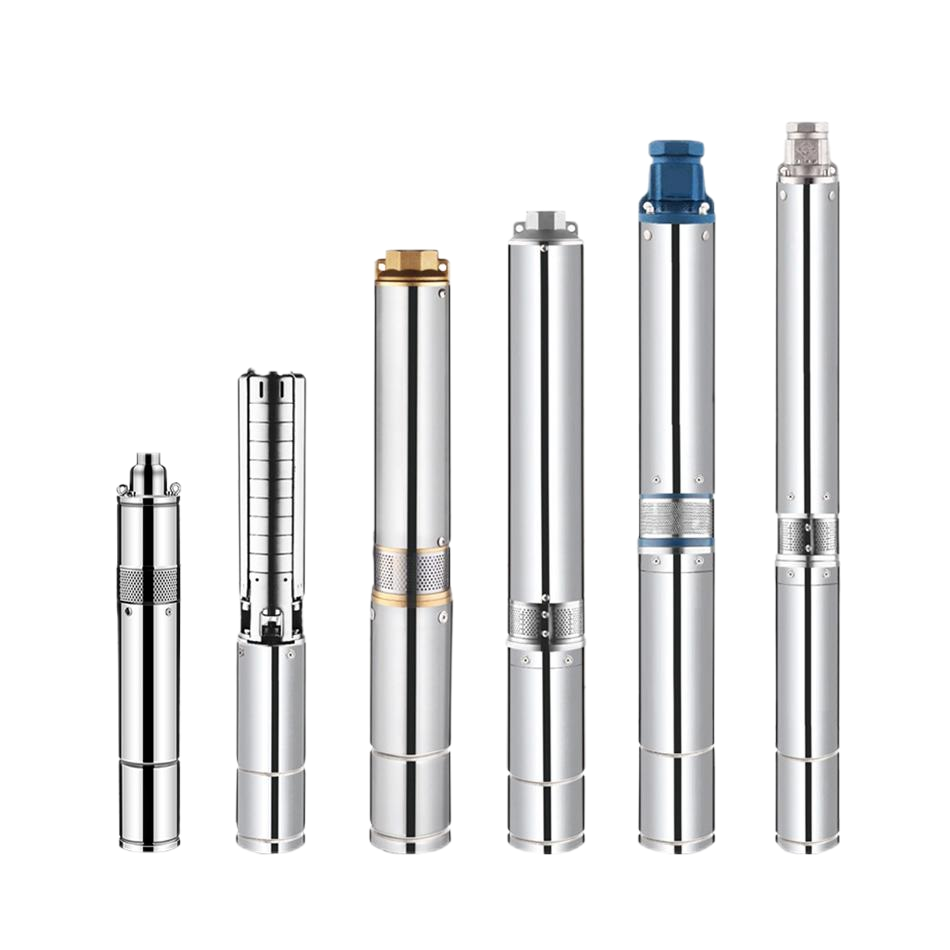 Borehole Pump
Space-Saving Reliability: End Suction Fire Pump Selection
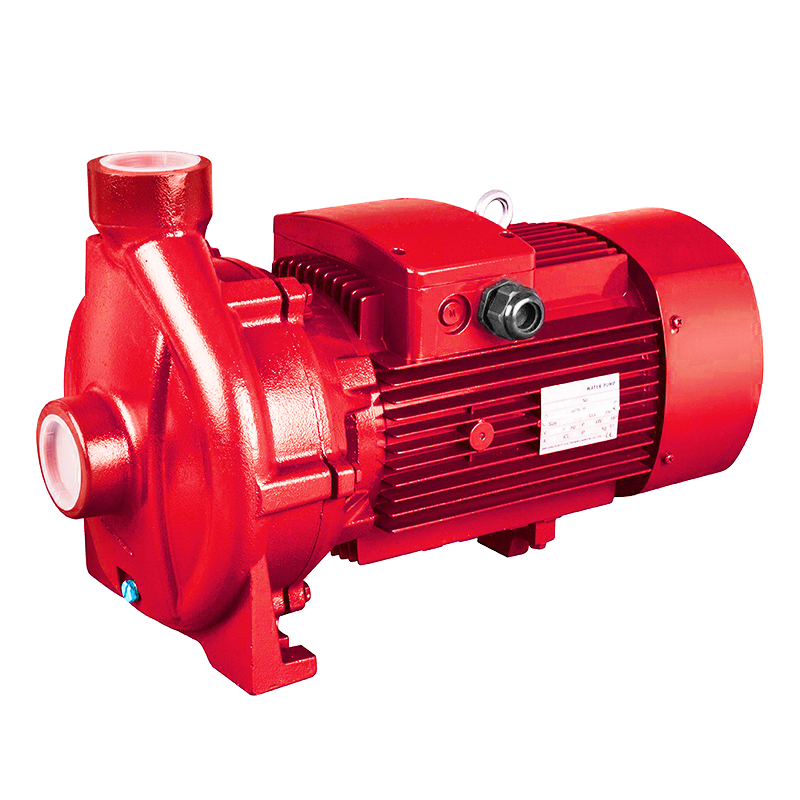
In commercial office buildings, retail complexes, and light-to-medium industrial warehouses, mechanical room space is often tightly constrained. When municipal water mains cannot deliver adequate pressure for sprinkler or standpipe networks, an End Suction Fire Pump offers a compact, economical, and code-compliant water boosting solution.
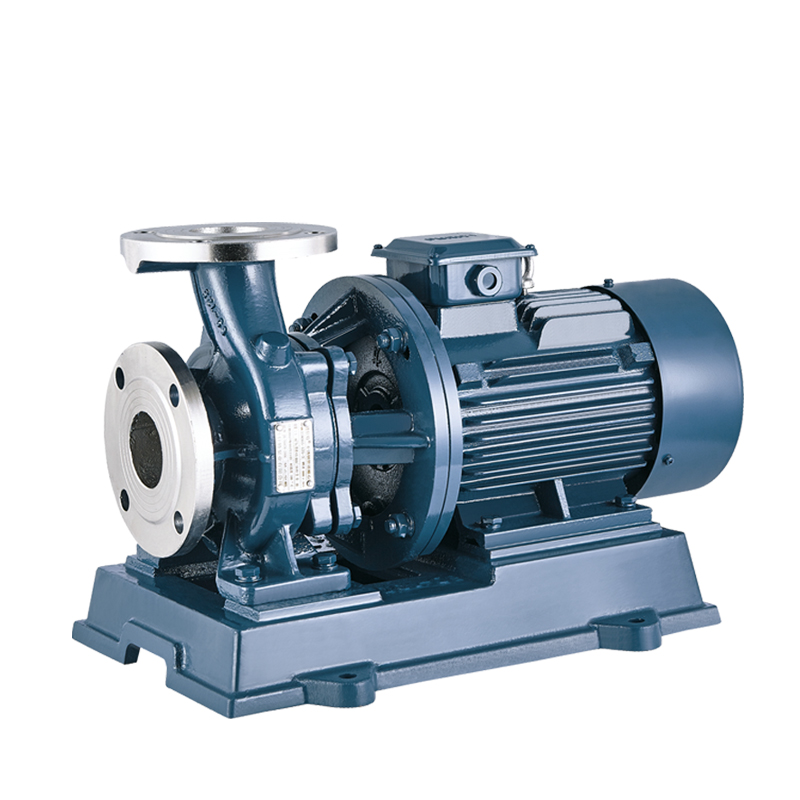
Designed with a horizontal shaft where water enters axially through the end of the casing and discharges vertically at a 90-degree angle, end suction fire pumps must strictly meet NFPA 20 (Standard for the Installation of Stationary Pumps for Fire Protection) and hold UL Listed / FM Approved certifications.
1. End Suction vs. Horizontal Split Case Fire Pumps
Selecting between an end suction fire pump and a horizontal split-case unit depends on total flow demand (
| Engineering Parameter | End Suction Fire Pump | Horizontal Split Case (HSC) Fire Pump |
| Impeller Geometry | Single-suction impeller (axial inlet, top vertical discharge) | Double-suction impeller (opposing side inlets) |
| Typical Flow Envelope | 50 GPM to 750 GPM (Standard NFPA 20 limit) | 500 GPM to 5,000+ GPM |
| Mechanical Footprint | Compact (Ideal for small pump rooms) | Larger baseplate footprint required |
| Maintenance Access | Back-Pull-Out (Removes rotor from rear without disturbing pipes) | Top casing lifts off vertically to expose rotor |
| Initial Capital Cost ($) | Lower upfront equipment & installation cost | Higher initial capital investment |
2. Core Hydraulic & NFPA 20 Performance Mandates
Unlike commercial HVAC pumps sized around Best Efficiency Point (BEP), fire pumps are engineered to deliver guaranteed hydraulic pressure across three mandatory NFPA 20 operating checkpoints:
-
Shutoff / Churn (0% Flow):
Discharge pressure must not exceed 140% of the rated pressure to prevent over-pressurizing sprinkler piping and valves. -
100% Rated Flow:
Must deliver 100% of rated pressure at full design capacity. -
150% Overload Flow:
Must maintain at least 65% of rated pressure during peak overload demand without driver stalling or severe cavitation.
3. Critical Suction Piping & Installation Rules
Because single-suction impellers have higher Net Positive Suction Head Required (
-
10D Straight Pipe Rule:
Install a straight suction pipe run equal to at least 10 times the pipe diameter directly before the pump suction flange to prevent turbulent flow and impeller cavitation. -
Eccentric Reducers Only: When transitioning from a larger suction header to the pump inlet, always install an eccentric reducer with the flat side on top to prevent air pockets from forming.
-
Suction Velocity Limit:
Keep water velocity in the suction line at or below 15 ft/s (4.6 m/s) at 150% rated flow. -
Flexible Couplings & Spacers: Use a spacer-type flexible coupling between the pump and motor so technicians can perform back-pull-out seal or bearing service without unbolting the driver.
Partner with an OEM Fire Protection Manufacturer
Configuring an NFPA 20 compliant end suction fire pump requires verifying available suction pressure (
Ready to specify your building's fire pump package? Contact an authorized fire protection engineering specialist today to request CAD dimensional blueprints, certified hydraulic performance curves, or a direct commercial quotation.
 5th Floor, Comprehensive Building No. 5, Dongqiao, Dong'an Village, Daxi Town,Wenling City,Zhejiang,China
 +86 576 86090666

 +86 18667600006
 +86 18667600006
 24 Hours Online
