 3D ROOM
 (0)
(0) English
 عربى
عربى
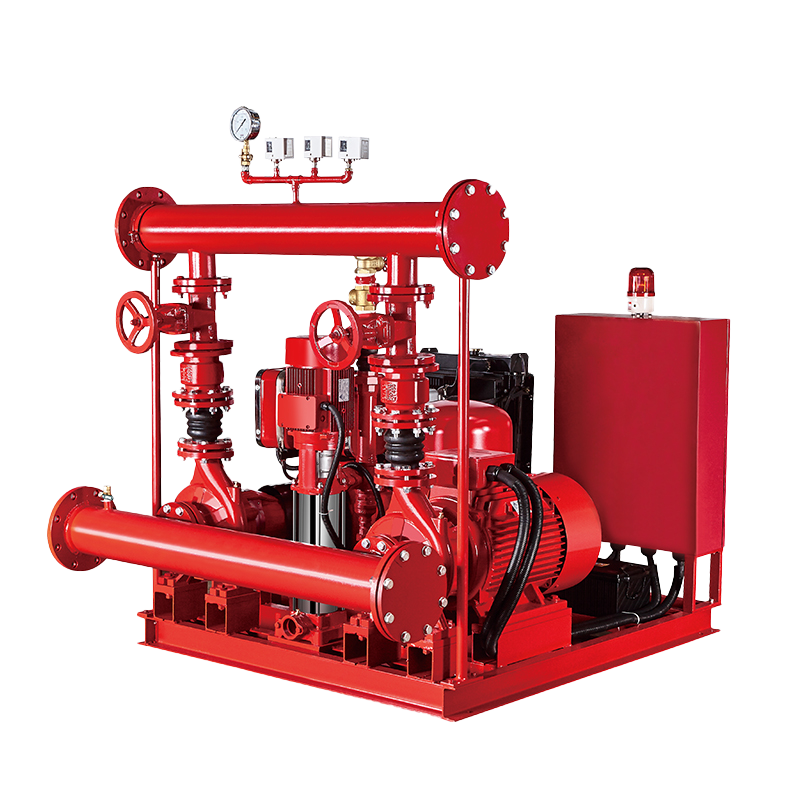 Fire Pump and System
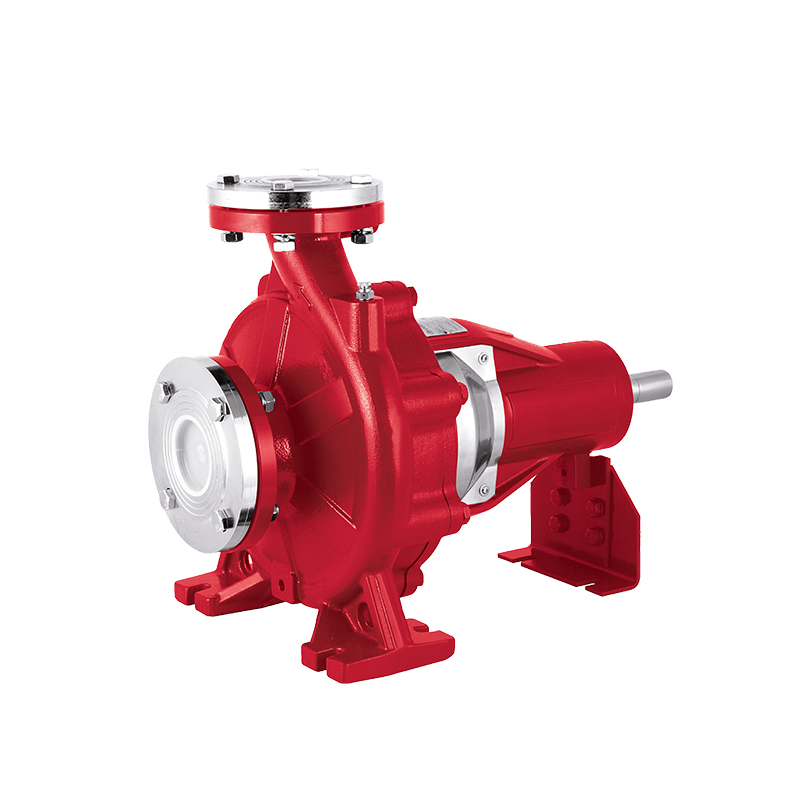
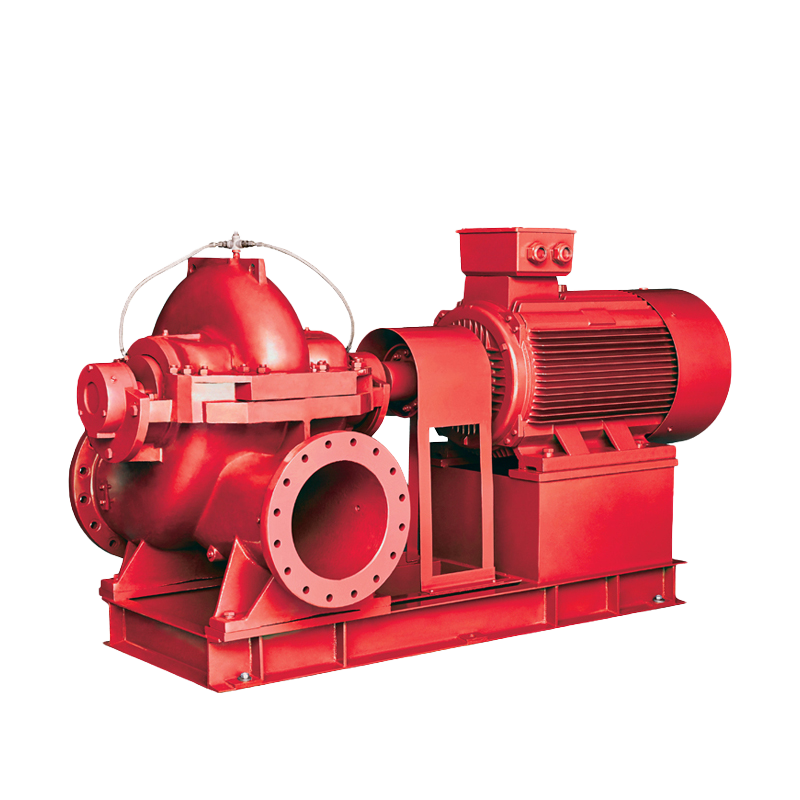 Split Case Pump
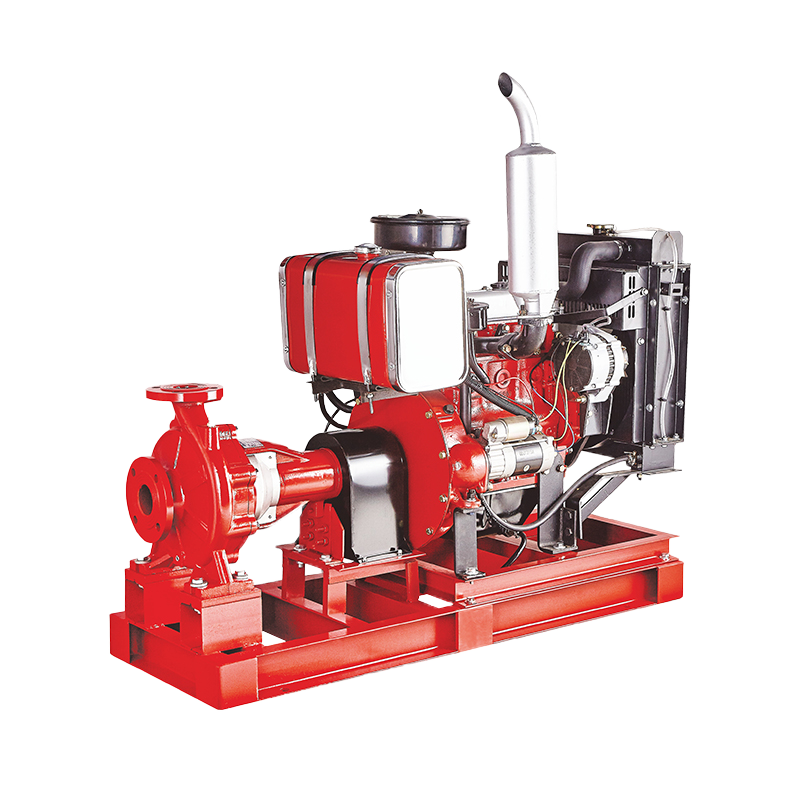
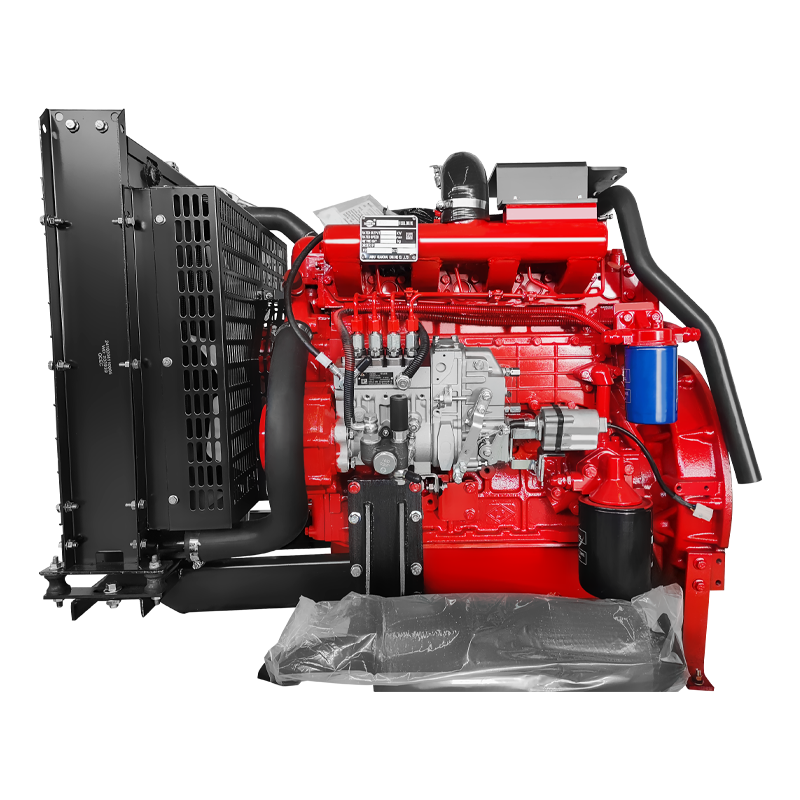 Engine and Pump
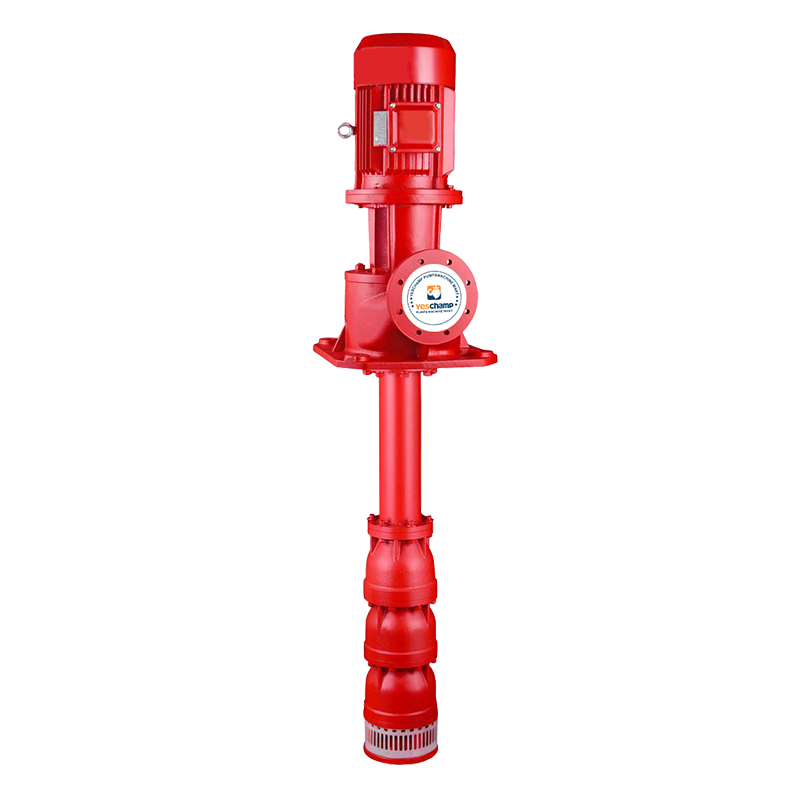 Long Shaft Pump
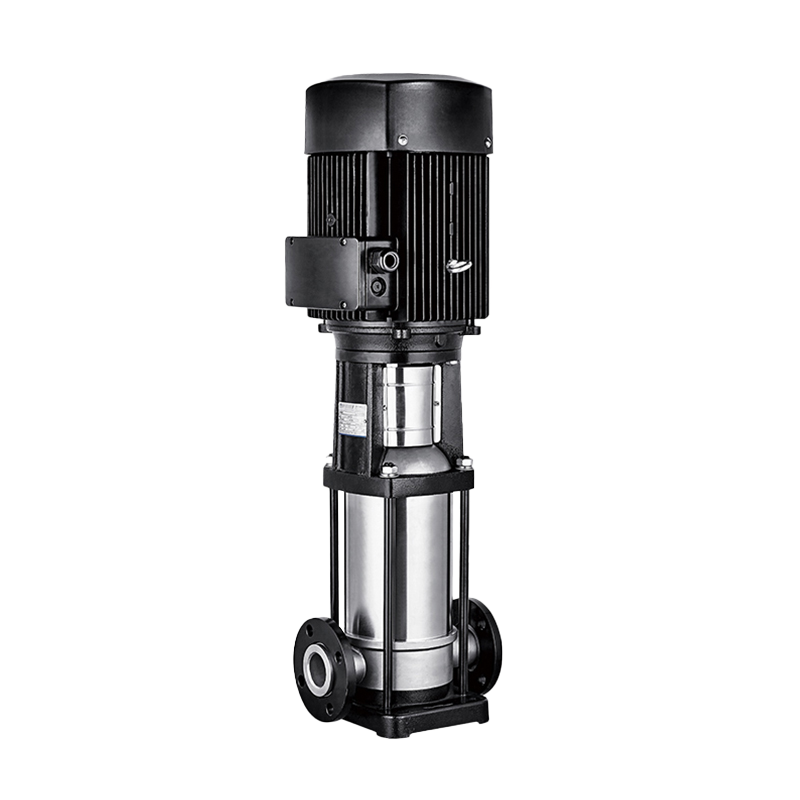 Multistage pump
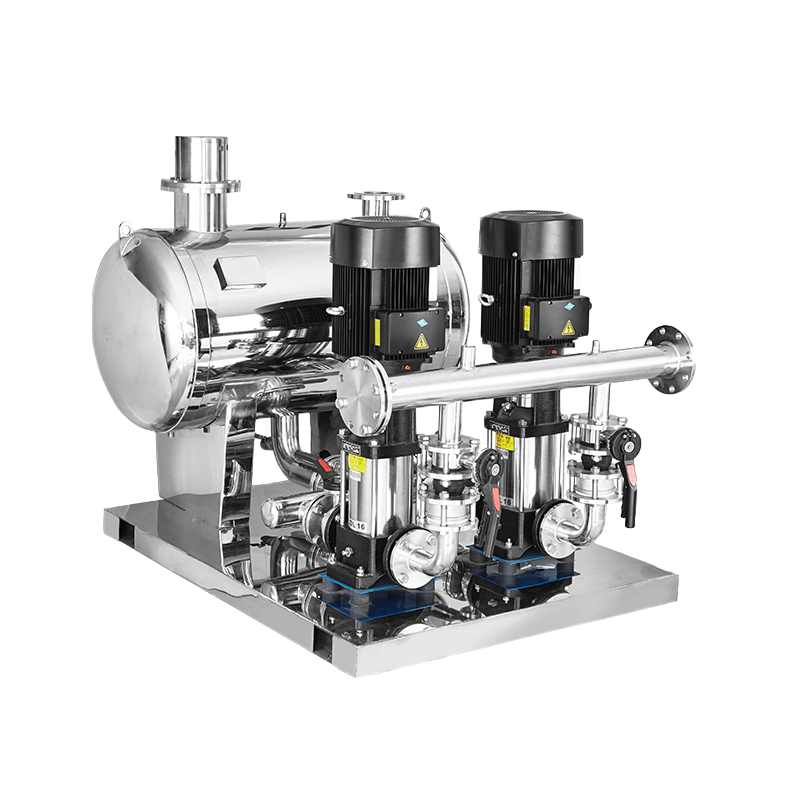 Water Supplier System
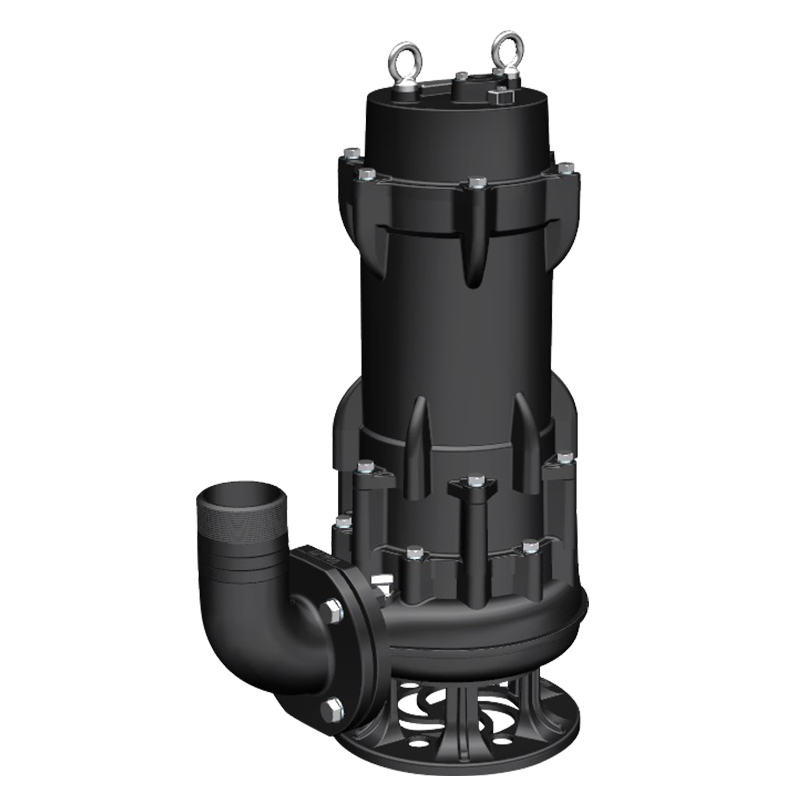 Sewage Pump
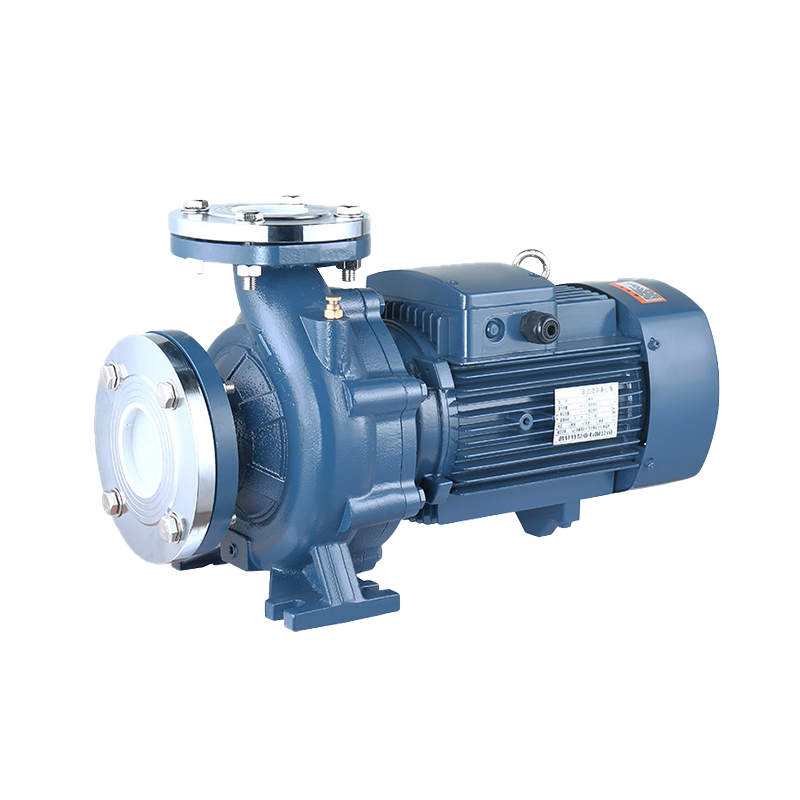 Industrial Pump
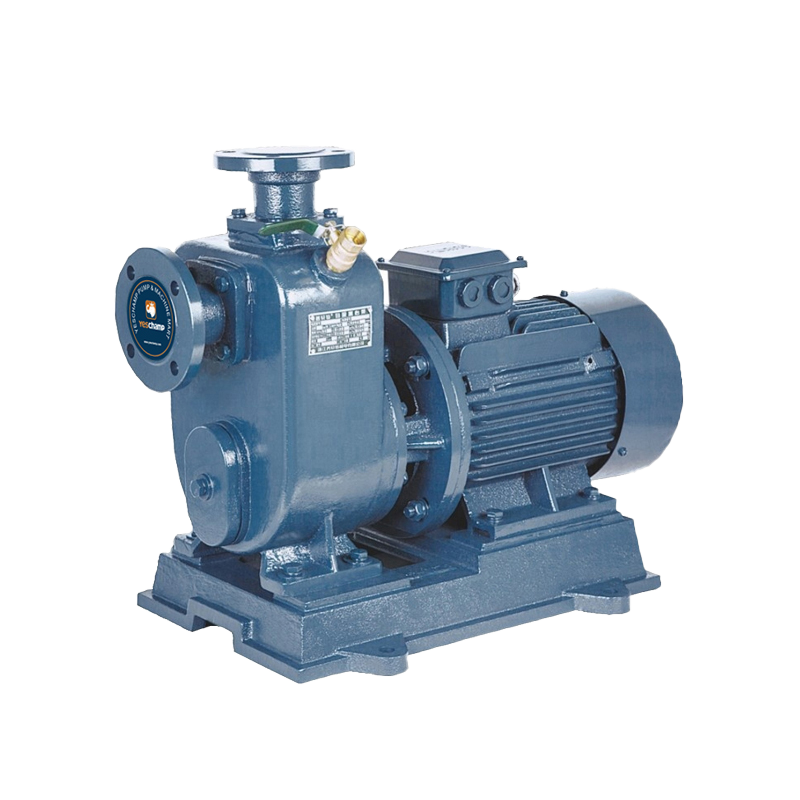 Self-Priming Pump
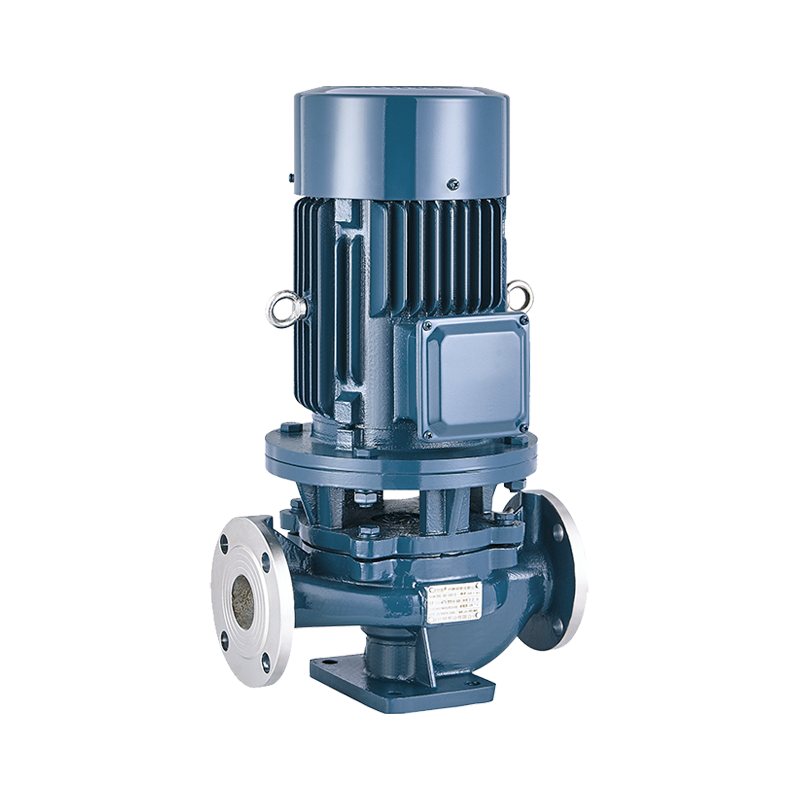 Inline Pump
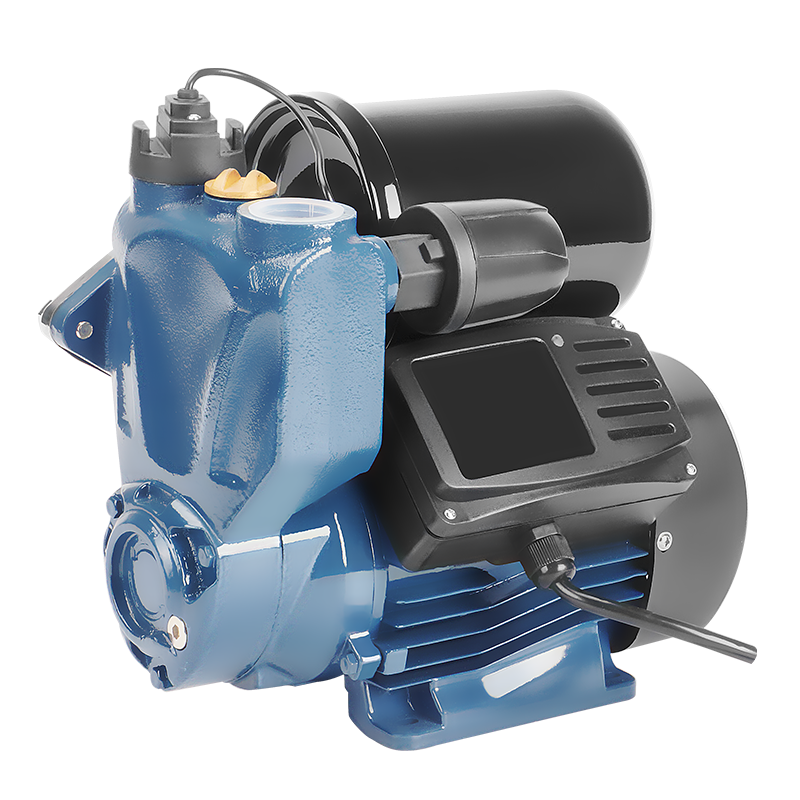 Domestic Pump
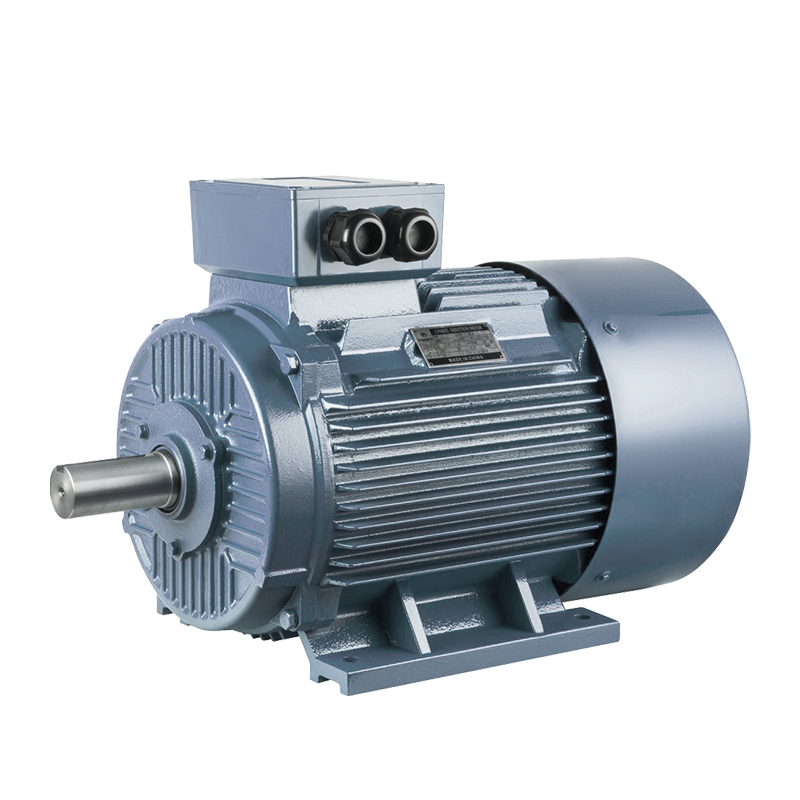 Electric Motor
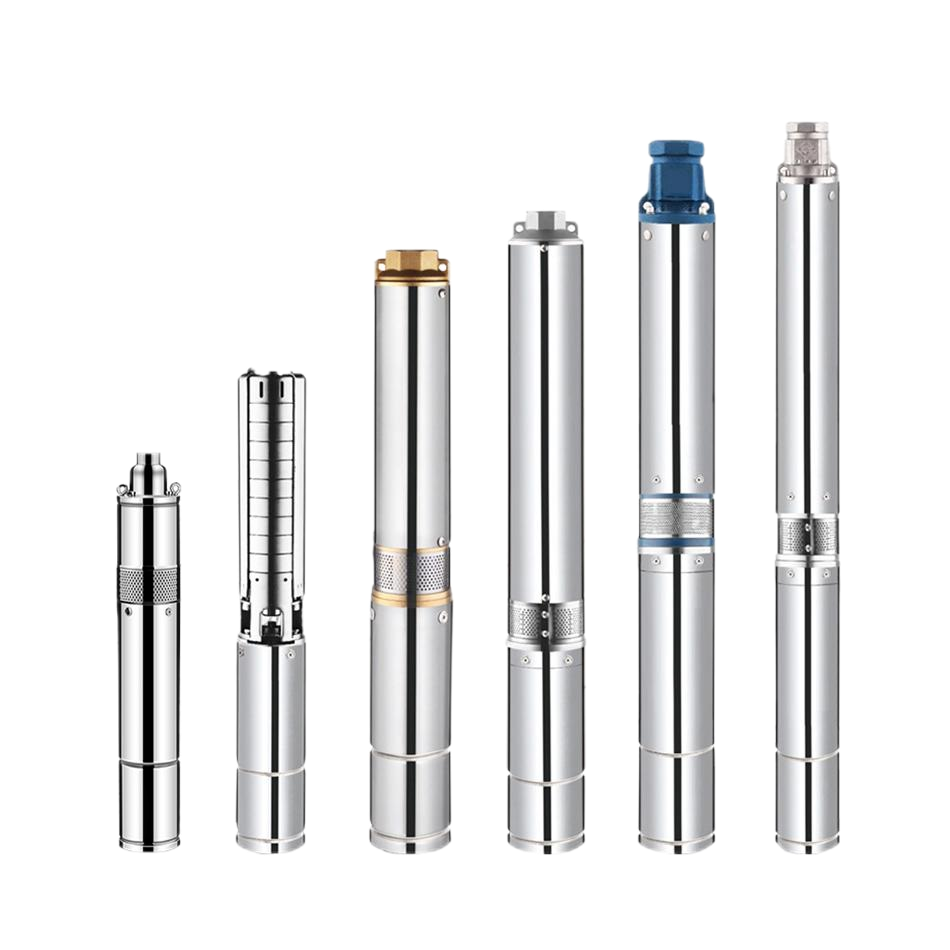 Borehole Pump
Stainless Steel Standard Pump Sizing & Selection Guide
In modern chemical processing, commercial HVAC loops, and industrial water distribution, selecting standardized fluid-handling equipment is essential for minimizing long-term total cost of ownership (TCO). The stainless steel standard pump serves as the primary workhorse across global manufacturing infrastructure.
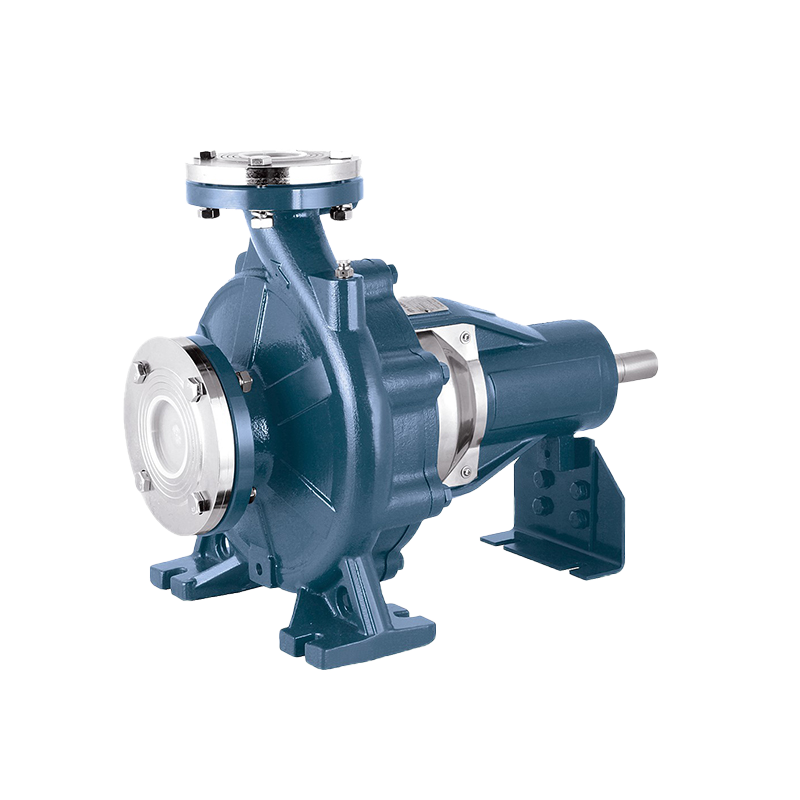
Built to universal dimensional and hydraulic specifications—such as ISO 2858 / ISO 5199, EN 733 (DIN 24255), and ASME B73.1—these single-stage end-suction centrifugal pumps provide full dimensional interchangeability, superior corrosion resistance, and high hydraulic efficiency.
1. Dimensional Standards Breakdown: ISO 2858 vs. EN 733 vs. ASME B73.1
Specifying a "standard" pump ensures that units from different qualified manufacturers share identical mounting dimensions, centerline heights, and flange bolt patterns. This enables direct drop-in replacement without altering existing pipeline geometry.
| Standard Specification | Primary Region | Pressure Rating | Key Architectural Characteristics |
| ISO 2858 / ISO 5199 | Global / International | Up to 16 Bar | International standard for end-suction chemical & water pumps. Mandates strict shaft deflection limits and heavy-duty mechanical seal chambers. |
| EN 733 (DIN 24255) | Europe & Asia | 10 Bar to 16 Bar | Standardized water pumps focusing on clean water transfer, municipal supply, and HVAC circulation skids. |
| ASME B73.1 | North America | Up to 18+ Bar | American standard for horizontal end-suction chemical process pumps featuring standardized back-pull-out geometry. |
2. Core Architectural & Mechanical Features
A. Back-Pull-Out Design
Standard industrial pumps utilize a back-pull-out maintenance structure. Technicians can remove the entire rotating element (shaft, impeller, mechanical seal, and bearing frame) for inspection or seal replacement without disconnecting the pump casing from suction and discharge piping or unbolting the motor frame.
B. Metallurgy: Stamped vs. Precision Cast Stainless Steel
Depending on operating pressure and chemical aggressiveness, standard pumps are manufactured using two metallurgical methods:
-
Deep-Drawn Stamped SS (AISI 304 / 316): Lightweight with ultra-smooth internal hydraulic passages ($\text{MEI} \ge 0.7$). Ideal for clean municipal water, HVAC chilled water, commercial dishwashers, and light chemical transfer.
-
Precision Cast SS (CF8M / AISI 316L): Heavy-wall, robust casing construction designed for high-stress industrial process loops, volatile chemical fluids, high temperatures, and elevated system pressures.
3. Key Industrial Application Scenarios
-
Industrial Chemical & Utility Circulation: Safe transfer of mild acids, alkalis, demineralized water, and industrial solvents.
-
Commercial HVAC & Building Services: Chilled water circulation, hot water booster systems, and cooling tower loops.
-
Food, Beverage & Sanitary Utilities: Clean-In-Place (CIP) washdown supply, pure water rinse loops, and non-viscous ingredient handling.
-
OEM Equipment Integration: Compact close-coupled (monobloc) units integrated directly into commercial filtration skids, industrial chillers, and washing systems.
Partner with a Certified Industrial Pump Manufacturer
Whether you are designing an ISO 2858 chemical transfer loop, retrofitting a commercial HVAC skid, or sourcing OEM standard pumps for global distribution, specifying exact hydraulic parameters guarantees long-term reliability.
Ready to upgrade your fluid processing network? Contact an authorized industrial pump application specialist today to request CAD dimensional models, hydraulic performance curve sheets, or a direct commercial price quote.
 5th Floor, Comprehensive Building No. 5, Dongqiao, Dong'an Village, Daxi Town,Wenling City,Zhejiang,China
 +86 576 86090666
 +86 18667600006
 +86 18667600006
 24 Hours Online