 3D ROOM
 (0)
 English
 عربى

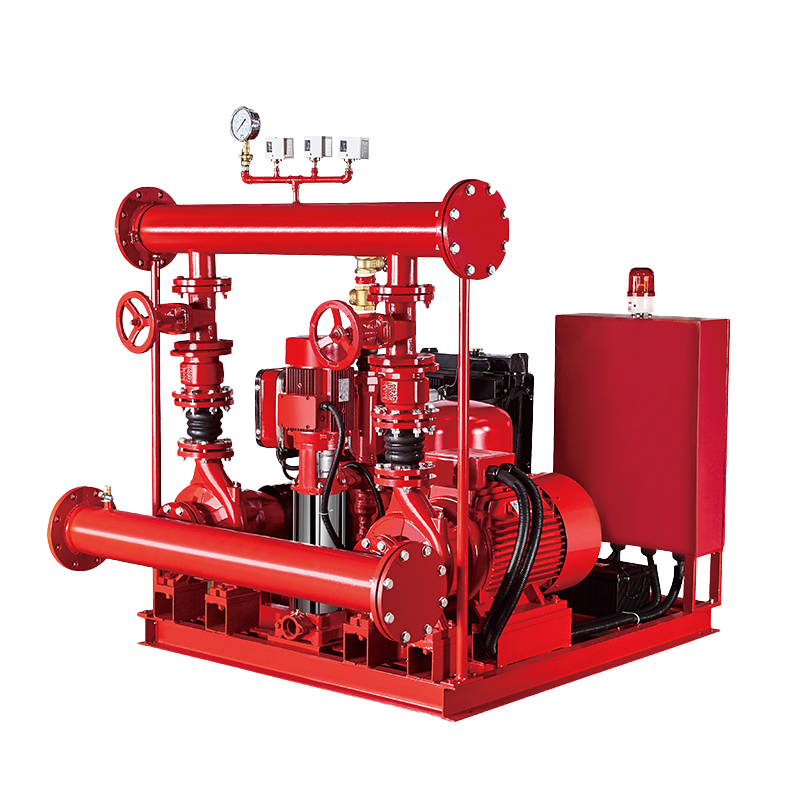 Fire Pump and System
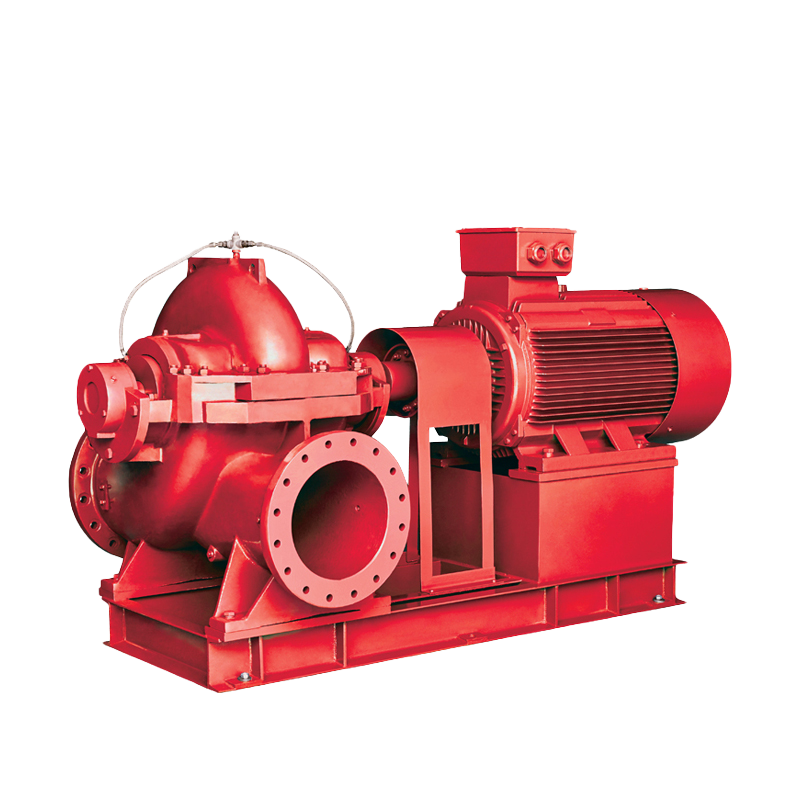 Split Case Pump
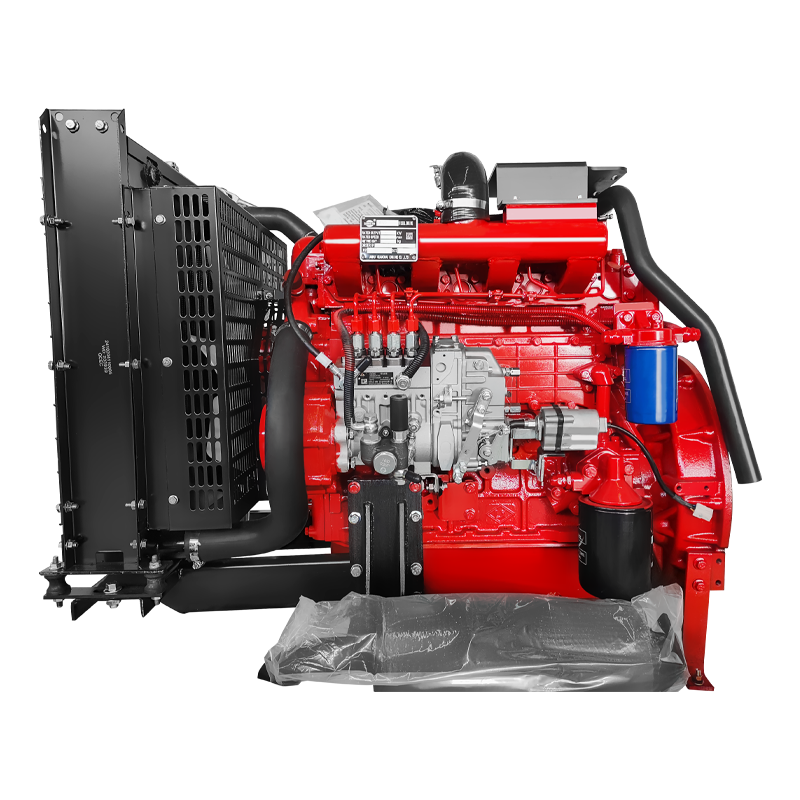 Engine and Pump
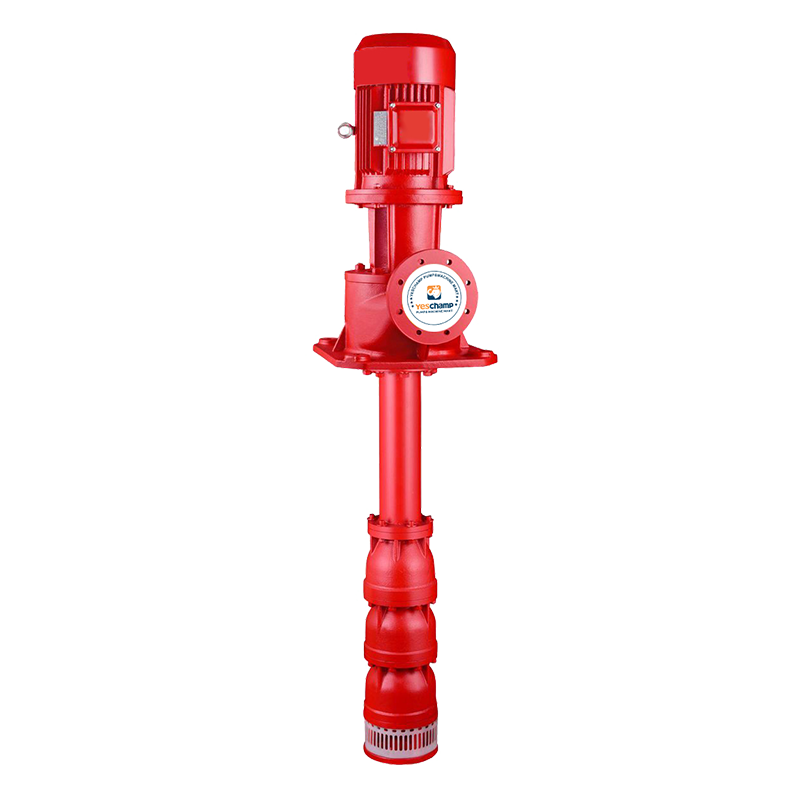 Long Shaft Pump
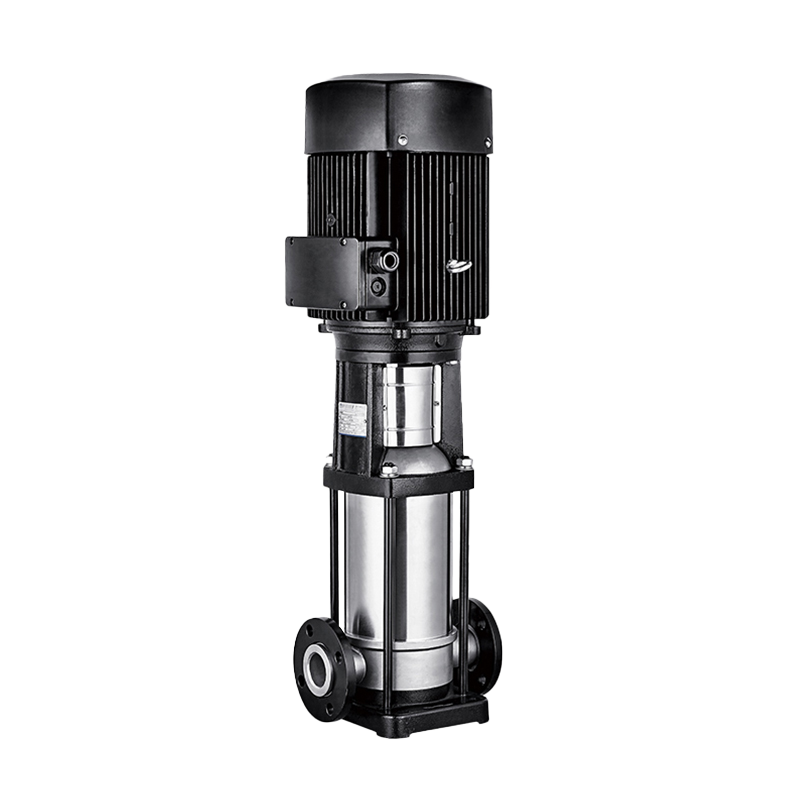 Multistage pump
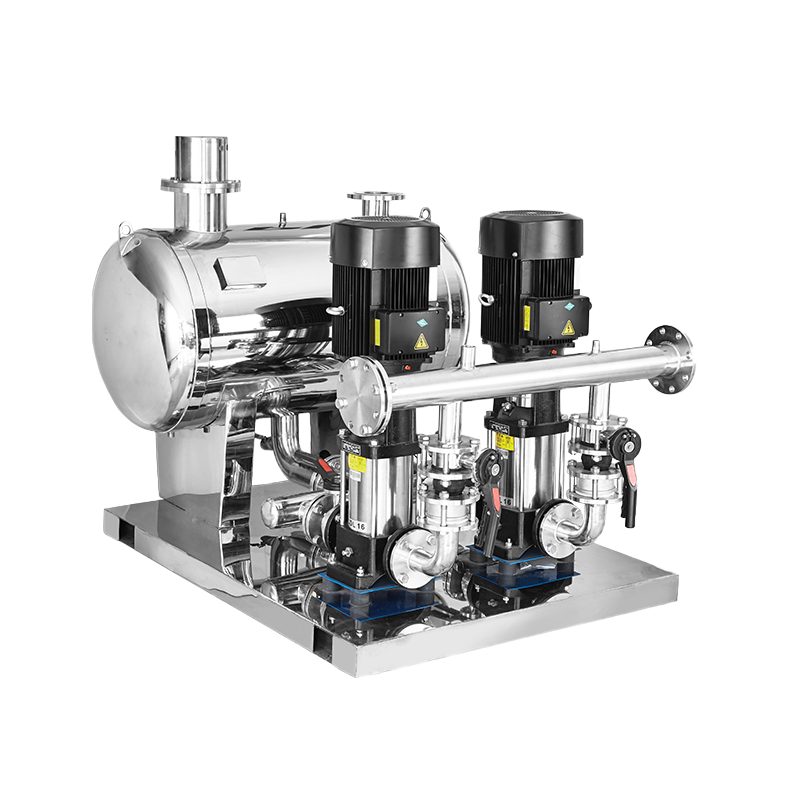 Water Supplier System
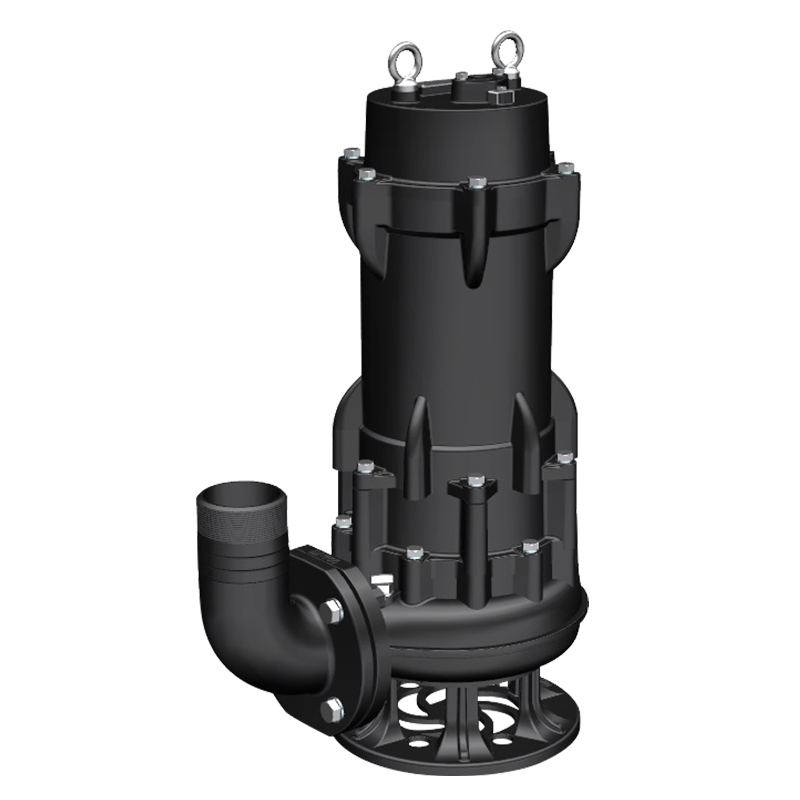 Sewage Pump
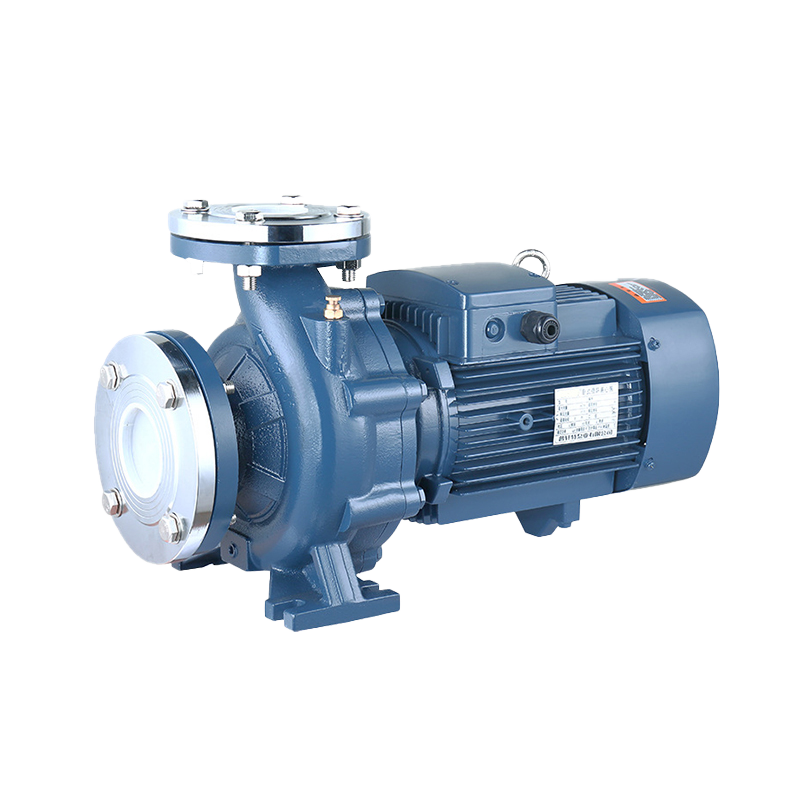 Industrial Pump
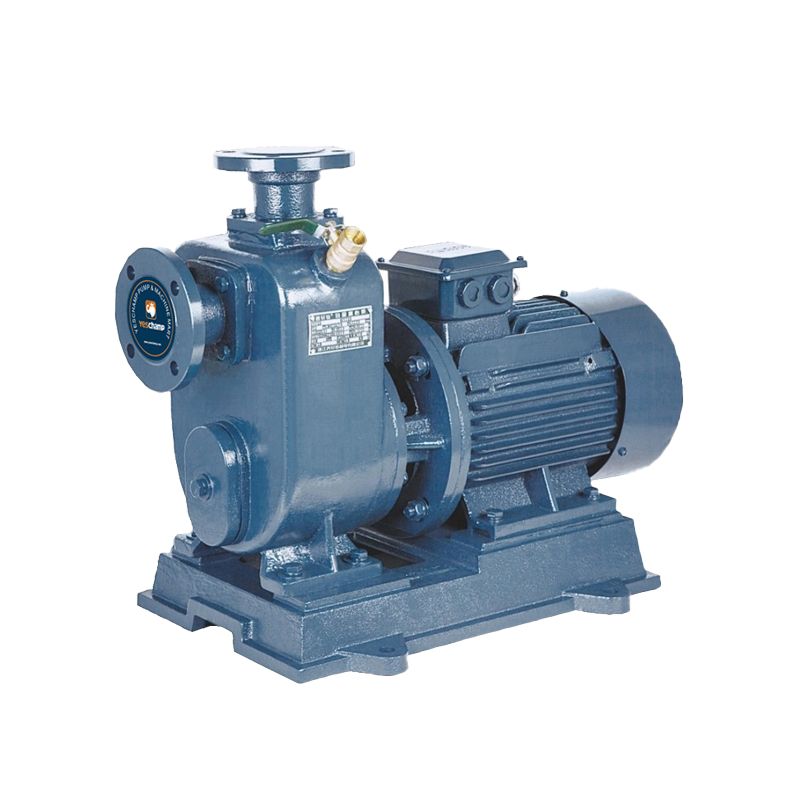 Self-Priming Pump
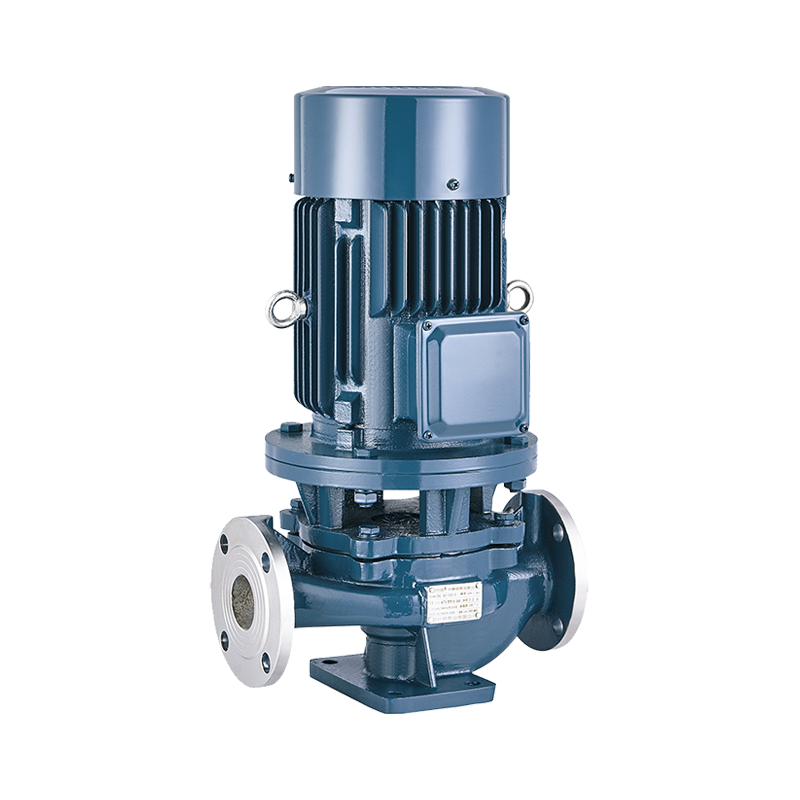 Inline Pump
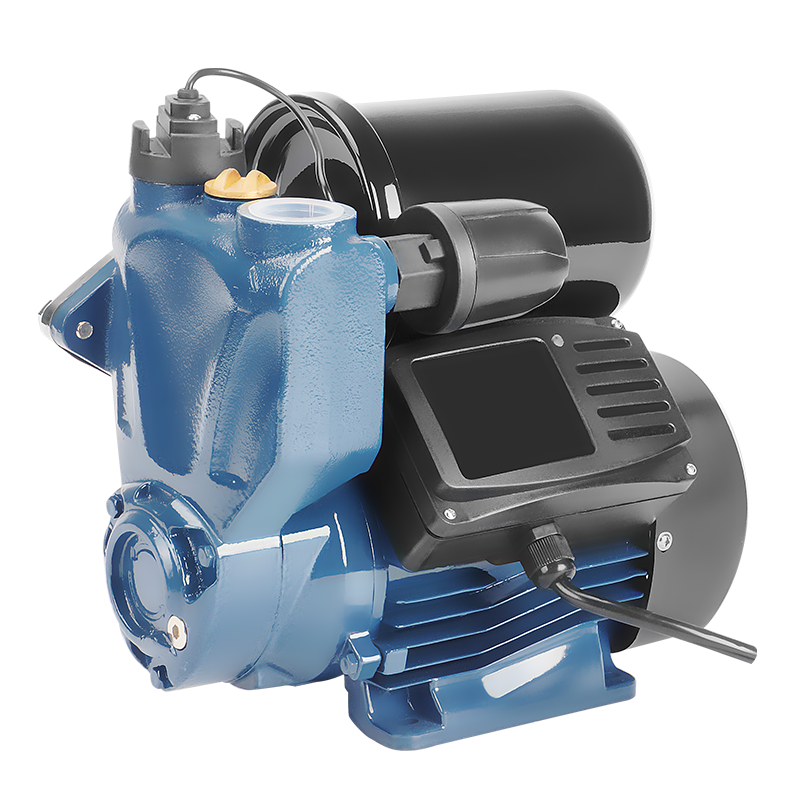 Domestic Pump
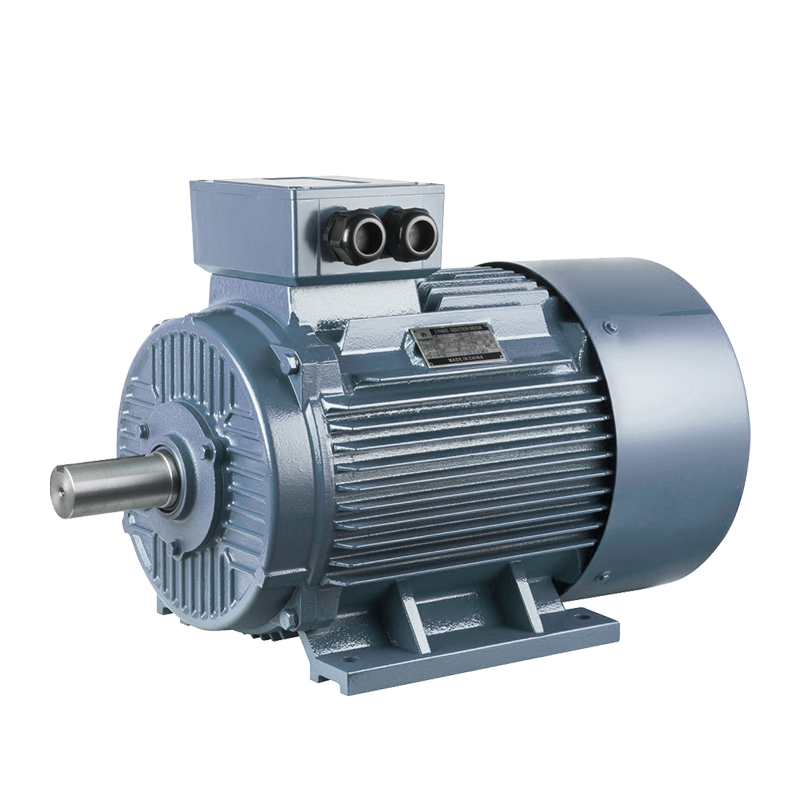 Electric Motor
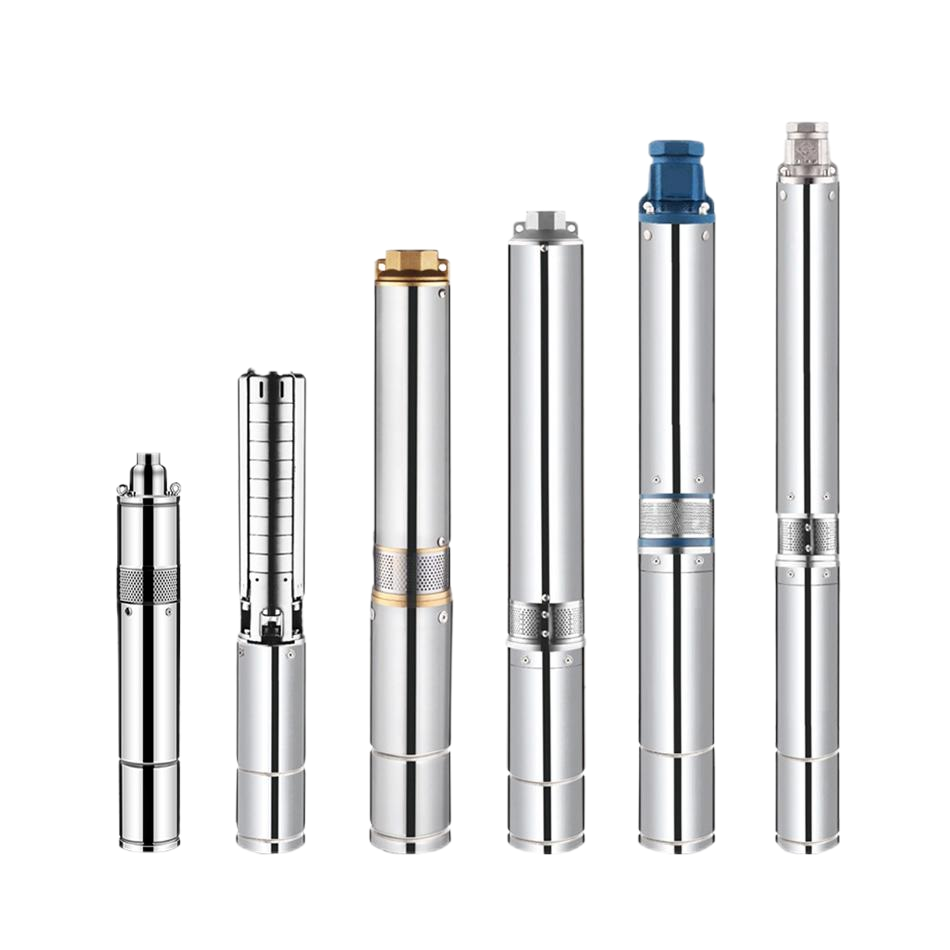 Borehole Pump
What Is a WQ Submersible Sewage Pump?
A WQ submersible sewage pump is a submersible wastewater pump commonly identified by the “WQ” model designation used in many product catalogs. It normally combines a submersible motor, pump casing, impeller, shaft, mechanical seal, power cable, and protective control components in one compact unit. The pump is installed inside a sewage pit, collection tank, drainage sump, or wastewater chamber, where it transfers liquid through a discharge pipe.
The main difference between a sewage pump and a clean-water pump is the ability to handle contaminated liquid. A WQ pump may be configured with a non-clog impeller, vortex impeller, cutter system, or other flow-passage design to reduce blockage from solids and fibrous materials. The exact capability varies by model, so users should verify the allowable solid-particle diameter and the type of wastewater before ordering.
The term “submersible” describes the installation and cooling method, while “sewage pump” describes the intended fluid and flow-passage design. A product should not be selected only because its catalog name contains WQ. The technical datasheet should confirm the rated flow, head, motor power, insulation class, protection rating, maximum liquid temperature, cable length, seal arrangement, and permitted solids size.
How Does a WQ Submersible Sewage Pump Work?
When the pump starts, the submersible motor rotates the shaft and impeller. Wastewater enters through the suction opening at the bottom or side of the pump casing. The rotating impeller transfers energy to the liquid, increasing its velocity and pressure. The casing and discharge passage then guide the liquid into the connected pipe and onward to a treatment unit, drainage line, storage tank, or municipal sewer connection.
Because the motor is located close to or inside the pump casing, the pump does not require a long suction line. The surrounding liquid also helps remove heat from the motor when the pump is operating under the conditions specified by the manufacturer. This can make the installation compact, but the motor must still be protected from dry running, excessive starts, overload, voltage problems, and unsuitable liquid temperatures.
The pump performance depends on the interaction between the impeller and the wastewater system. A higher flow requirement may reduce the available head, while a higher discharge head may reduce the flow. Elbows, check valves, rising mains, filters, and pipe friction all contribute to total system resistance. The correct operating point must therefore be determined from the pump curve and the system curve rather than from the discharge diameter alone.
Non-Clog and Vortex Impeller Designs
A non-clog impeller usually provides a larger and smoother flow passage for solids and fibrous materials. A vortex impeller creates a swirling flow that keeps much of the solid material away from the impeller itself. Vortex designs can offer improved resistance to blockage, although their hydraulic efficiency may differ from that of a closed or semi-open impeller. The best design depends on the wastewater composition, required efficiency, allowable solids size, and head-flow duty.
Common Applications of a WQ Submersible Sewage Pump
WQ submersible sewage pumps are used in residential, commercial, municipal, agricultural, and industrial drainage systems. Typical applications include basement drainage, sewage collection pits, septic tank transfer, construction-site dewatering, hotel and restaurant wastewater, hospital drainage, factory process wastewater, stormwater sumps, and wastewater treatment facilities. They can also be used in temporary pumping systems when the pump is connected to a flexible discharge hose and suitable electrical protection.
In buildings, the pump is often installed in a below-ground sewage pit or a basement collection tank. A float switch or level sensor starts the pump when the liquid reaches a defined level and stops it when the liquid falls below the stop level. In municipal and industrial systems, several pumps may be installed together so that one unit provides standby capacity or additional flow during peak demand.
The pump material and seal configuration should match the application. Domestic wastewater may be compatible with standard cast-iron or stainless-steel components, while corrosive industrial wastewater may require special alloys, coatings, or elastomers. Wastewater containing long fibers, rags, abrasive sand, grease, or large solids may require a different impeller, cutting mechanism, or upstream screening arrangement. Always provide the supplier with a representative description of the liquid instead of describing it only as “sewage.”
How to Select the Right WQ Submersible Sewage Pump
Correct selection starts with the duty point: the required flow rate at the required total dynamic head. Flow rate may be based on incoming wastewater volume, fixture discharge, process demand, stormwater design, or the required emptying time of a tank. Total dynamic head includes static lift, pipe friction, fittings, valves, discharge pressure, and any elevation difference between the liquid level and the discharge point.
Next, evaluate the wastewater itself. Important factors include the maximum solids diameter, fiber content, temperature, density, viscosity, pH, corrosiveness, gas content, and tendency to generate grease or deposits. If the wastewater contains abrasive particles such as sand, the impeller and casing may wear faster than they would in ordinary domestic sewage. If the liquid contains long fibers or textiles, a grinder or larger free passage may be necessary.
The installation method also affects the selection. A fixed wet-well installation may use guide rails and an automatic coupling base, while a portable installation may use a discharge hose and lifting chain. Confirm the available power supply, voltage, frequency, cable length, starting method, control-panel requirements, pit dimensions, and lifting equipment before finalizing the model.
WQ Sewage Pump Selection Checklist
WQ Submersible Sewage Pump Installation Requirements
Before installation, inspect the pump casing, impeller, cable, lifting chain, mechanical seal area, and discharge connection for transport damage. Read the nameplate and confirm that the motor voltage and frequency match the power supply. The pump should be lowered using the designated lifting eye or chain. Never lift or suspend the pump by its power cable, because cable damage can create a serious electrical and safety hazard.
For a fixed wet-well installation, the pump may be connected to an automatic coupling system. This allows the pump to be lowered into position and removed for maintenance without requiring personnel to enter the sewage pit. The discharge line should include a suitable check valve and isolation valve where required by the system design. The check valve helps prevent reverse flow and reduces the risk of the pump restarting against an unexpected backflow condition.
The pump must be positioned so that the suction opening is not blocked by sludge, debris, or the bottom of the tank. Follow the manufacturer’s minimum submergence requirement and avoid operating the pump below the permitted liquid level. A low-level cutoff can help prevent dry running, while a high-level alarm can warn operators when inflow exceeds pumping capacity. The pit should also provide enough space for level sensors to operate without being obstructed by turbulence.
Before the first startup, check insulation resistance when appropriate, verify grounding, confirm phase sequence for three-phase motors, and inspect the control-panel settings. Open the required discharge valves, confirm that the liquid level is adequate, and observe the first cycle carefully. Record current, flow, discharge pressure, vibration, noise, and stop-start behavior as commissioning data.
Operation and Maintenance of a WQ Submersible Sewage Pump
A maintenance program should combine routine inspection, operating-data records, and planned replacement of wear components. Check the pump for abnormal noise, excessive vibration, repeated overload trips, reduced flow, seal leakage, cable damage, and unusual motor temperature. In an automatic system, review the number of starts per hour and the time required to empty the pit. A sudden change in cycle time may indicate a blocked discharge line, a damaged impeller, a failed check valve, or a change in incoming wastewater volume.
The pump pit should be inspected and cleaned at a suitable interval. Sludge, grease, rags, and settled solids can obstruct the suction inlet and interfere with float switches or level sensors. The cleaning interval depends on the wastewater composition and the size of the collection tank. Workers must follow site safety procedures when working around sewage, confined spaces, electrical equipment, and lifting operations.
During scheduled service, isolate the power supply, lock out the equipment, close or isolate the discharge line where necessary, and allow the pump to cool. Remove the pump with approved lifting equipment and clean it before inspection. Check the impeller, casing, shaft, mechanical seal, bearings, cable entry, and fasteners. Replace damaged or worn parts with components that meet the original technical specification. Do not return a pump to service if the cable insulation or grounding arrangement is questionable.
Recommended Maintenance Records
Record the date, operating hours, start frequency, motor current, liquid level, flow or discharge pressure, vibration observations, seal condition, and any alarm events. Comparing these records over time can reveal deterioration before a complete failure occurs. Critical installations may also use thermal sensors, moisture probes, vibration monitoring, or remote alarm notifications to improve response time.
Common WQ Submersible Sewage Pump Problems and Solutions
A pump that runs but delivers little or no flow may have a blocked impeller, closed valve, clogged check valve, damaged discharge pipe, incorrect rotation direction, or a total head greater than the design value. First disconnect and isolate the equipment safely. Then inspect the discharge path and impeller according to the manufacturer’s procedure. Never place hands into the pump opening while the unit is connected to power.
Frequent overload trips can be caused by an obstructed impeller, high fluid viscosity, excessive solids, low voltage, incorrect motor protection settings, bearing problems, or operation outside the permitted duty range. Repeatedly resetting the overload without identifying the cause can damage the motor. Check the electrical supply and mechanical condition, and ask a qualified technician to test the motor if the problem continues.
Excessive vibration or noise may result from a damaged impeller, loose fasteners, a worn bearing, cavitation-like suction conditions, unstable mounting, or foreign material in the pump. A mechanical seal leak or moisture alarm may indicate seal wear, cable-entry damage, or operation beyond the permitted submergence and temperature conditions. If the pump starts and stops too frequently, review the level-control settings, tank volume, inflow rate, and minimum run-time requirements.
Energy Efficiency and Life-Cycle Cost
The purchase price is only one part of the cost of owning a WQ submersible sewage pump. Energy use, maintenance labor, replacement parts, emergency callouts, downtime, and the service life of the motor and impeller can have a larger effect on the total cost. A pump that is oversized may consume unnecessary power and cycle too frequently, while an undersized pump may run continuously without removing wastewater fast enough.
To improve efficiency, select a pump that operates near its best efficiency point at the normal duty. Use a discharge pipe with an appropriate diameter, avoid unnecessary elbows and restrictions, clean the pit and inlet regularly, and keep the impeller and flow passages free from deposits. For systems with variable inflow, a properly configured level-control system or variable-speed solution may reduce cycling and energy use, but control changes must not cause inadequate cooling, insufficient minimum flow, or frequent starts.
Compare models using the actual duty point, motor input power, efficiency, expected operating hours, maintenance requirements, and spare-parts availability. A reliable pump with accessible service parts may provide a lower life-cycle cost even when its initial price is not the lowest. Ask suppliers to provide a performance curve and operating data for the specific wastewater conditions rather than relying only on a nominal motor rating.
Conclusion: Choosing a Reliable WQ Submersible Sewage Pump
A WQ submersible sewage pump is a practical solution for transferring wastewater from collection pits, drainage sumps, treatment facilities, and industrial process systems. Its compact submerged design can simplify installation, while a suitable non-clog, vortex, or cutter impeller can help manage solids and fibers. Reliable performance depends on matching the pump to the real flow, total head, wastewater composition, installation method, power supply, and duty cycle.
Before placing an order, prepare the pump duty point, maximum solids size, fluid temperature and chemistry, pit dimensions, discharge-pipe layout, operating schedule, and control requirements. Request the complete performance curve, materials, seal information, protection details, allowable starts per hour, installation drawing, spare-parts list, and warranty conditions. This information will make it easier to compare suppliers and reduce the risk of clogging, overload, premature seal failure, and unexpected downtime. It also gives the installation and maintenance teams a reliable reference for commissioning, replacement planning, and future performance checks.
WQ Submersible Sewage Pump FAQ
What does WQ mean on a submersible sewage pump?
WQ is commonly used as a model designation for submersible sewage or wastewater pumps in product catalogs. The exact meaning and configuration can vary by manufacturer, so buyers should not rely on the letters alone. Always check the technical datasheet for flow, head, motor power, solids-passage size, temperature limit, materials, seal design, and installation requirements.
Can a WQ submersible sewage pump handle solid particles?
Many WQ sewage pumps are designed to handle suspended solids, but the allowable particle size and type depend on the impeller and flow-passage design. A non-clog or vortex pump may be suitable for certain solids and fibers, while a grinder pump may be required for long fibrous materials or restricted discharge piping. Confirm the actual wastewater conditions with the supplier before selection.
How do I choose the correct WQ sewage pump size?
Start with the required flow rate and total dynamic head. Then check solids size, fluid temperature, chemical properties, installation type, power supply, start frequency, and standby requirements. Select the model from the manufacturer’s performance curve at the actual duty point. Do not select a pump only by discharge diameter or motor horsepower.
Can a WQ submersible sewage pump run continuously?
Some models are rated for continuous operation, while others are intended for intermittent duty. Continuous operation also depends on sufficient submergence, correct cooling, suitable liquid temperature, and operation within the published performance range. Confirm the duty rating, minimum liquid level, maximum starts per hour, and motor protection requirements before continuous use.
Why does a sewage pump keep clogging?
Common causes include an impeller or flow passage that is too small for the solids, excessive rags or fibers, grease buildup, an unsuitable discharge pipe, low liquid velocity, damaged components, or insufficient screening. Review the wastewater composition and pump design together. Cleaning the pump repeatedly without correcting the flow-passage or upstream conditions may not solve the underlying problem.
How often should a WQ submersible sewage pump be serviced?
There is no single interval for every installation. Service frequency depends on operating hours, wastewater composition, solids and grease content, start frequency, and the criticality of the system. Establish a baseline during commissioning, record operating trends, inspect the pit and controls regularly, and schedule a detailed pump inspection according to observed wear and the manufacturer’s recommendations.
 5th Floor, Comprehensive Building No. 5, Dongqiao, Dong'an Village, Daxi Town,Wenling City,Zhejiang,China
 +86 576 86090666

 +86 18667600006
 +86 18667600006
 24 Hours Online
