 3D ROOM
 (0)
 English
 عربى

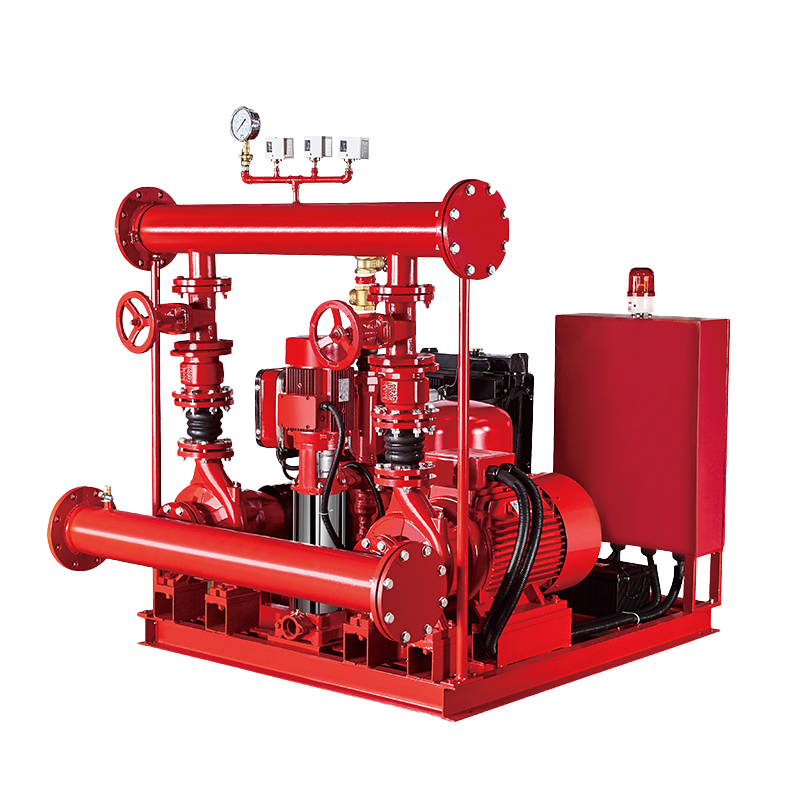 Fire Pump and System
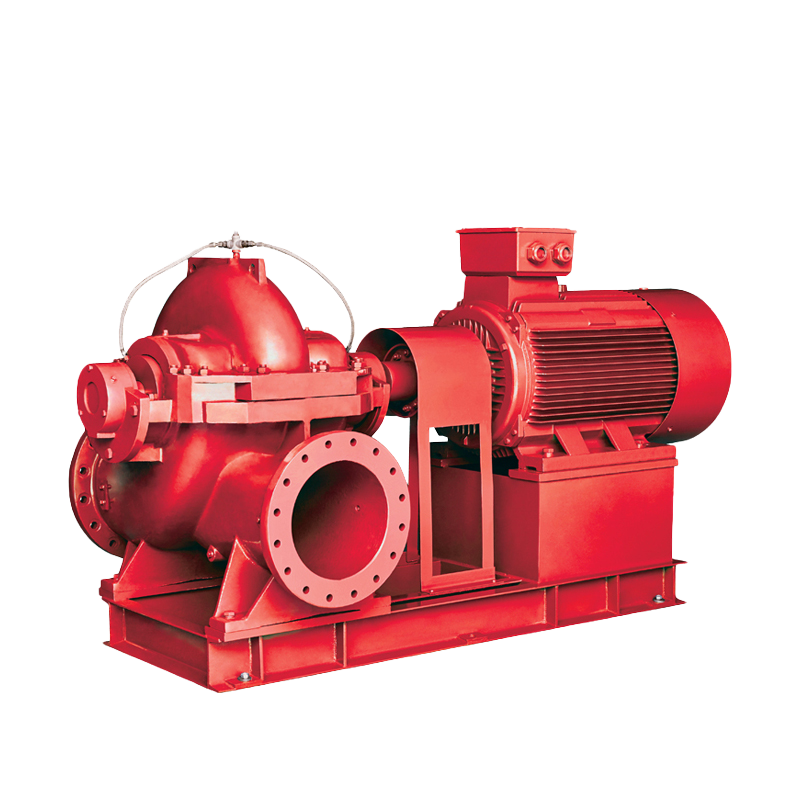 Split Case Pump
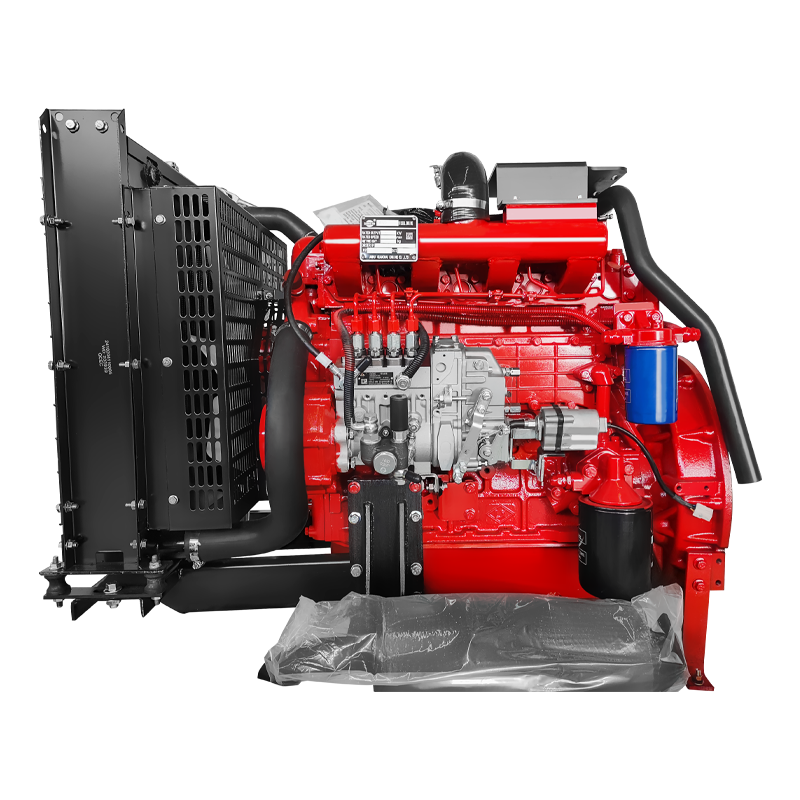 Engine and Pump
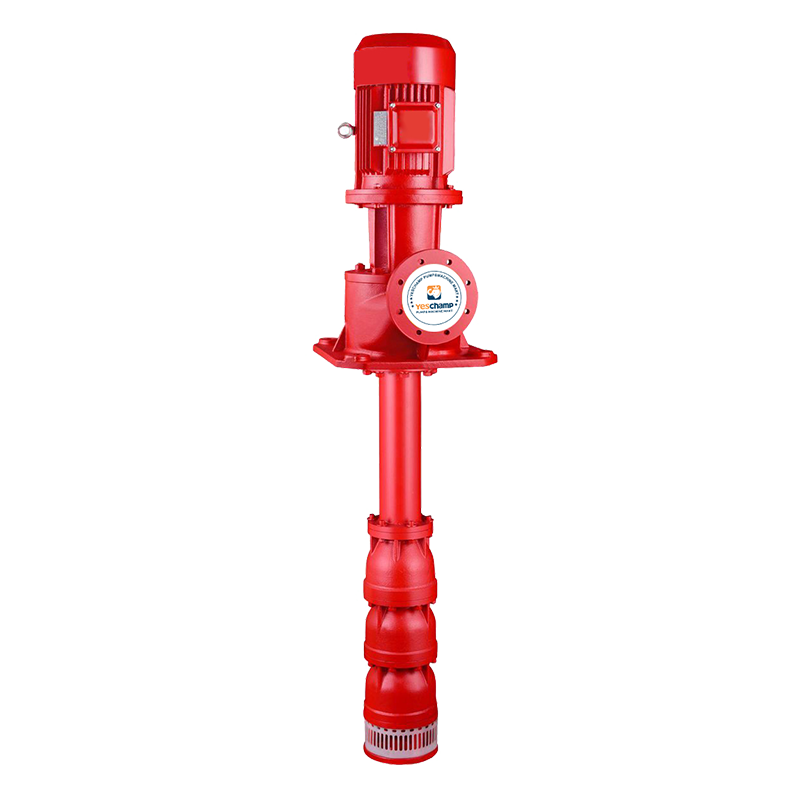 Long Shaft Pump
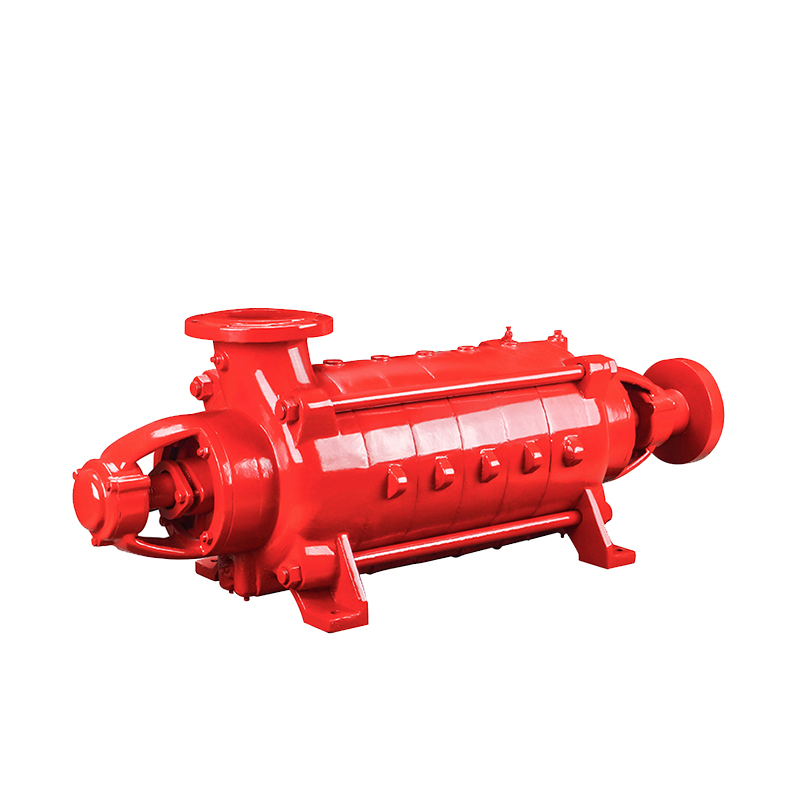
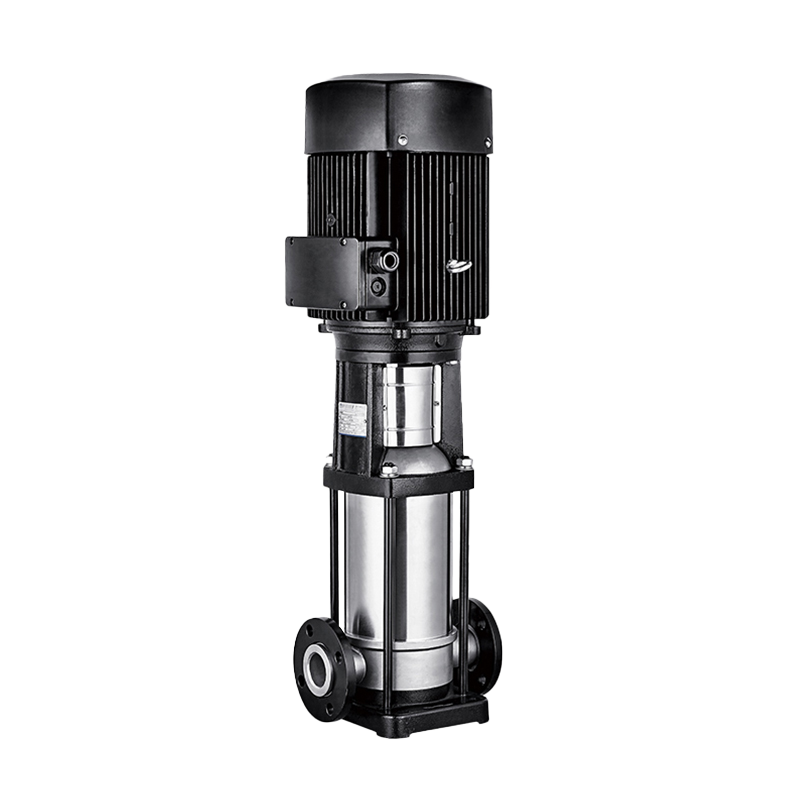 Multistage pump
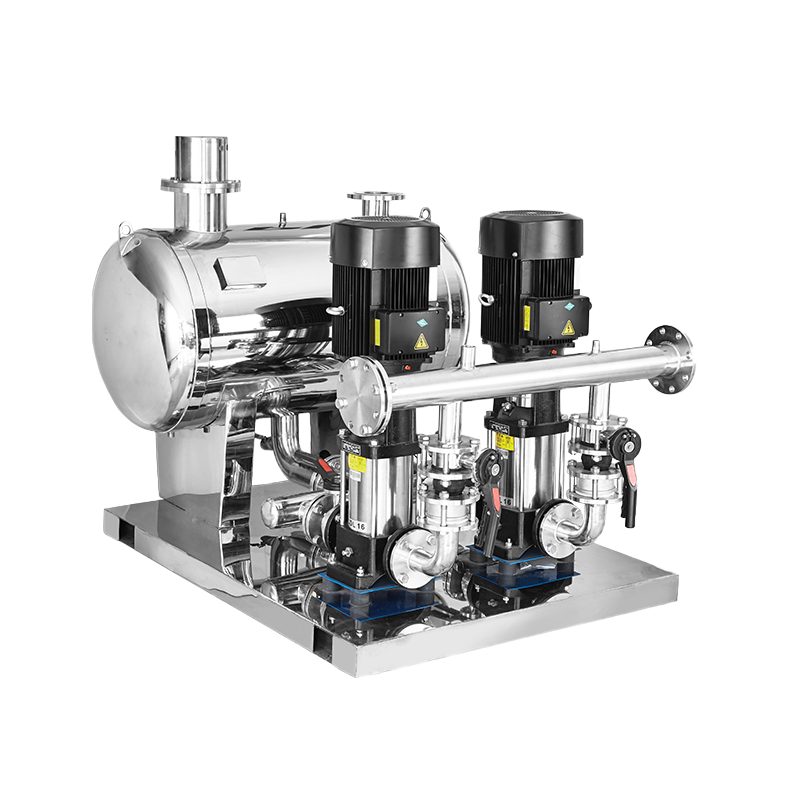 Water Supplier System
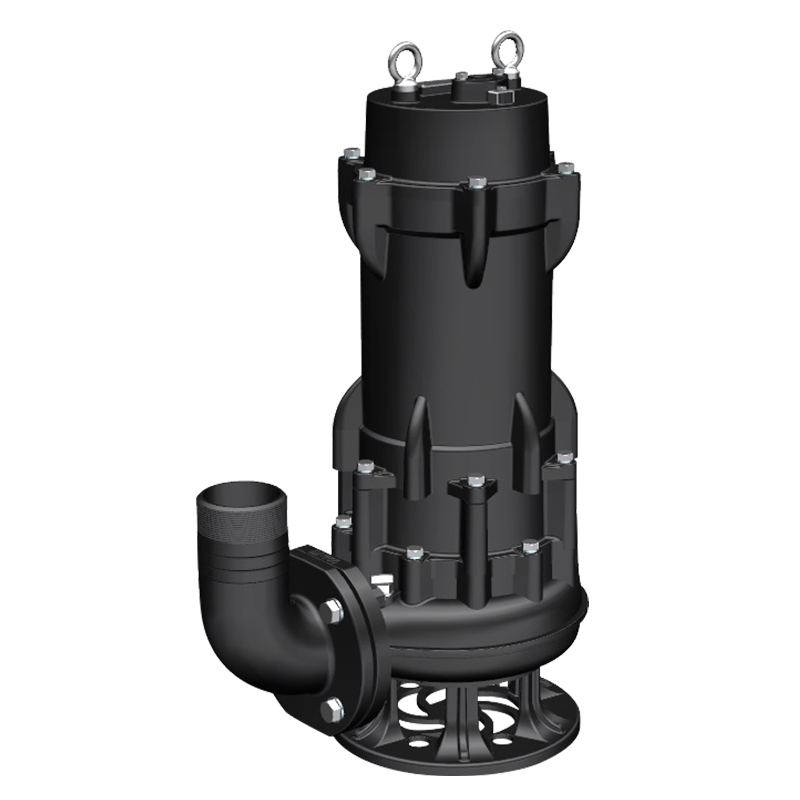 Sewage Pump
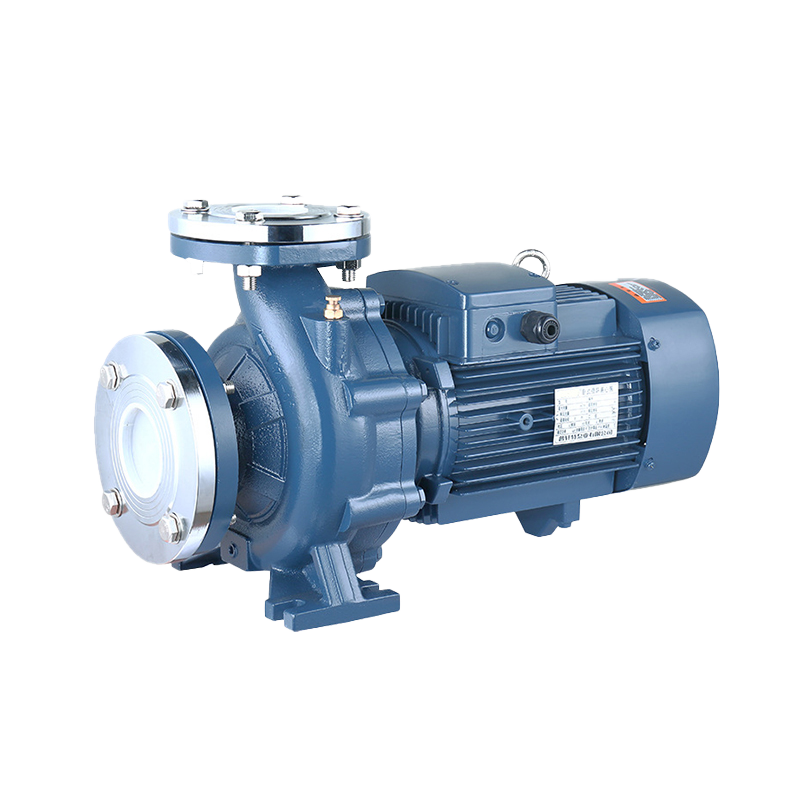 Industrial Pump
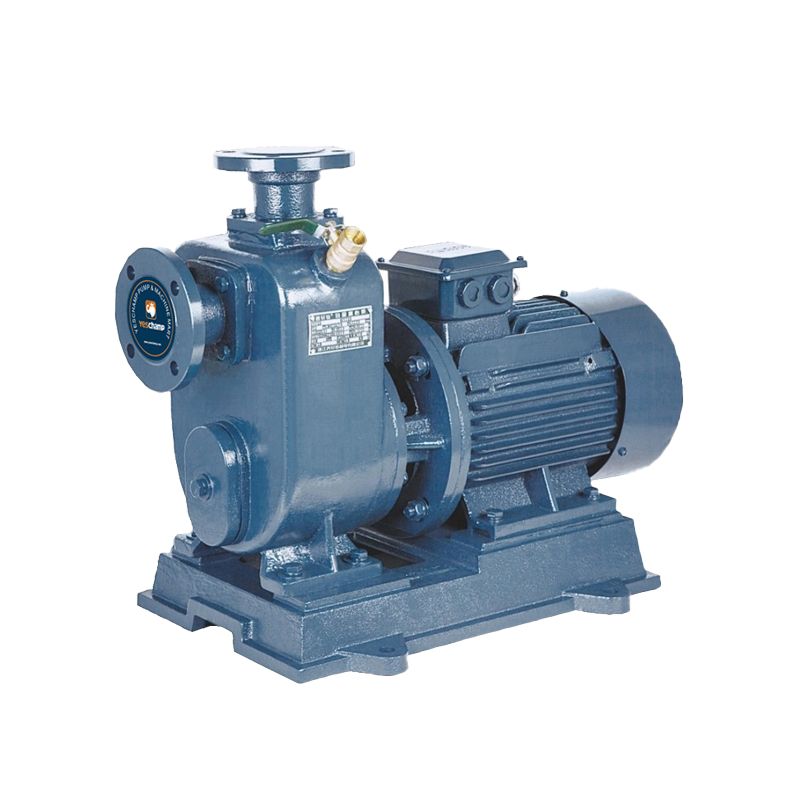 Self-Priming Pump
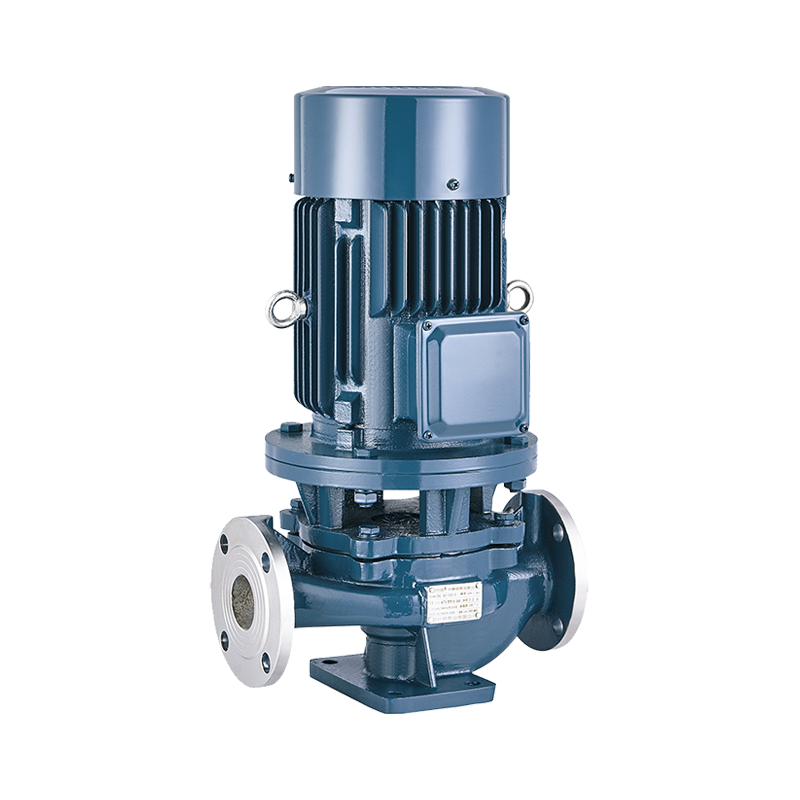 Inline Pump
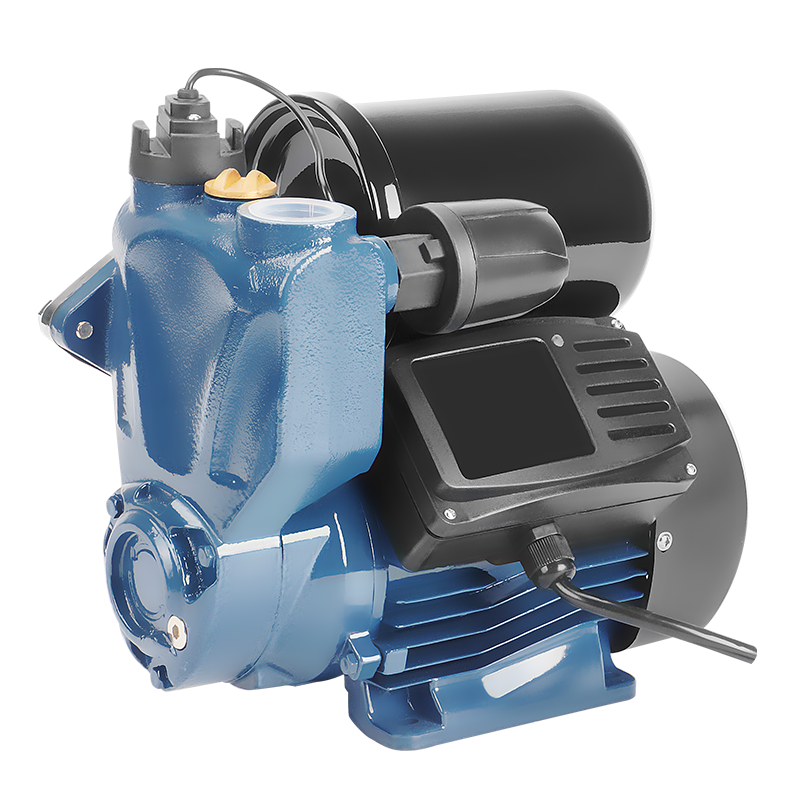 Domestic Pump
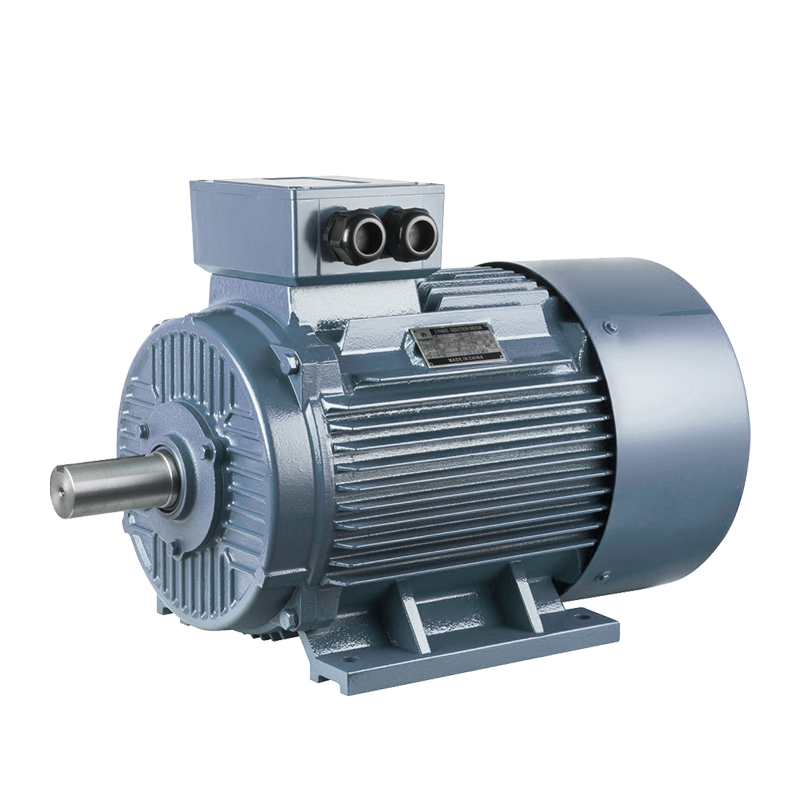 Electric Motor
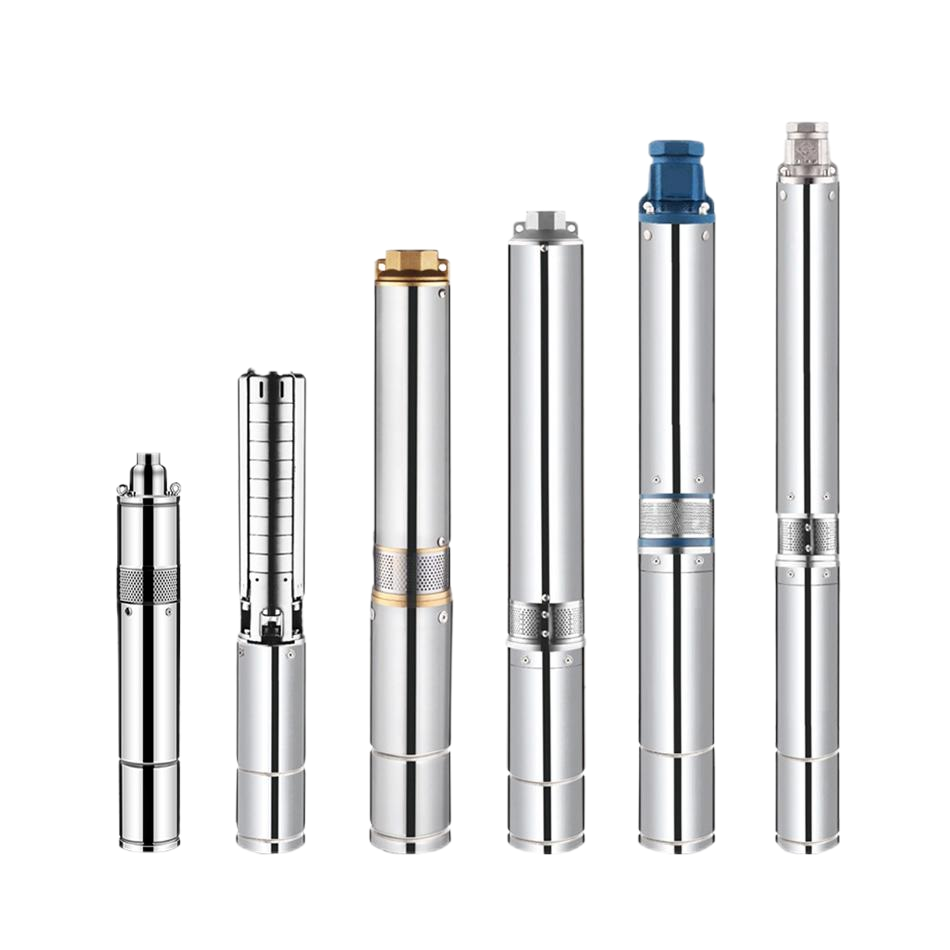 Borehole Pump
What Is a Double Impeller Centrifugal Pump?
A double impeller centrifugal pump is a centrifugal pump that uses two impellers within the same pump set or pump casing. A conventional centrifugal pump normally transfers energy to the fluid through one impeller, while a double impeller design can change the pressure and flow characteristics through a series or parallel arrangement. It is important to understand that a “double impeller pump” is not necessarily the same as a “double-suction pump.” A double-suction pump describes a suction arrangement in which fluid enters the impeller from both sides. A double impeller pump describes the number of impellers and the stages of energy transfer. These are different structural concepts.
In practical applications, double impeller pumps are used for water supply boosting, boiler feedwater, cooling-water circulation, industrial process transfer, fire protection systems, irrigation, and pipeline networks that require increased pressure. Their potential advantages include flexible system design, a wider operating adjustment range, and better adaptation to certain duty conditions. However, two impellers also make the internal flow passages, shaft seals, bearings, and dynamic balancing requirements more complex. Design, installation, and maintenance should therefore not simply follow the practices used for a single-stage pump.
Before comparing products, confirm how each supplier defines “double impeller.” Check whether the impellers are arranged in series or in parallel, whether both stages share one shaft, whether each stage has an independent pump chamber, and whether the stated flow rate and head refer to one impeller or the complete pump. These details are essential for making an accurate comparison between manufacturers.
How Does a Double Impeller Centrifugal Pump Work?
When a centrifugal pump starts, the motor rotates the pump shaft and impellers. Fluid enters the center of the impeller through the suction inlet and moves outward through the impeller passages under centrifugal force. The velocity energy is then converted into pressure energy in the volute or diffuser. In a double impeller design, the fluid either continues through a second impeller or the two impellers share the system flow, producing a performance curve that differs from that of a single-impeller pump.
Series Double Impeller Configuration: Higher Head
In a series configuration, fluid passes through the first impeller and then enters the second impeller. Because both impellers continuously add energy to the fluid, the complete pump can generate a higher total head at a similar flow rate. This configuration is suitable for high-rise building water supply, long-distance transfer, boiler feedwater, reverse-osmosis pretreatment boosting, and other applications with substantial pipeline resistance.
Series operation does not mean that the head can be added together without limit. The actual total head is affected by hydraulic losses, impeller diameter, rotational speed, interstage flow passages, and changes in efficiency. Engineers should use the complete pump performance curve supplied by the manufacturer and confirm whether the pump operates close to its best efficiency point at the target duty. If the actual system flow deviates from the design range, energy consumption, vibration, and the risk of cavitation may increase.
Parallel Double Impeller Configuration: Higher Flow Capacity
In a parallel configuration, two impellers or two pumping units supply fluid to the discharge side together. This arrangement is generally more suitable for systems that require high flow rates, experience significant load variation, or need partial-load operation. By adjusting the number of operating units or using variable-frequency drives, the system can reduce power consumption during low demand and increase water delivery during peak demand.
A parallel system requires careful attention to check valves, flow balancing, and control logic. If the two impellers or pumping units do not match properly, the system may experience overload on one side, reverse flow, uneven flow distribution, or frequent starting and stopping. During design, confirm the performance curve, discharge pressure, control-valve settings, and minimum stable flow for each unit. The control strategy should also be selected according to the characteristics of the pipeline network.
Main Advantages and Limitations of a Double Impeller Centrifugal Pump
The main value of a double impeller centrifugal pump is not simply the number of impellers. Its value comes from the ability to match pressure, flow, and operating strategy to a more complex system. In high-head applications, a series arrangement can reduce the pressure increase required from each individual impeller. In systems with fluctuating flow demand, a parallel arrangement can provide more flexible capacity control. With the correct configuration, the system may reduce unnecessary throttling, improve equipment utilization, and leave room for future capacity expansion.
Another advantage is operating flexibility. When combined with a variable-frequency drive, pressure sensors, or an automatic control cabinet, a double impeller pump can adjust its operating condition according to discharge pressure, flow demand, or tank-level signals. For factories with continuous production, this flexibility can reduce the energy consumption and mechanical wear caused by excessive water delivery. However, energy savings cannot be determined from the pump structure alone. Motor efficiency, pump efficiency, drive losses, pipeline losses, and annual operating hours must all be considered.
The limitations should also be evaluated before purchase. A double impeller design may increase pump-set weight, manufacturing complexity, inspection requirements, and spare-parts management demands compared with a single-stage pump. If the fluid contains abrasive particles, fibers, or a high concentration of entrained gas, the impellers, mechanical seals, and internal clearances may be affected more quickly. Buyers should therefore confirm the material specification, wear-resistant coating, seal arrangement, bearing life, and service accessibility rather than comparing only the initial purchase price.
How to Select a Double Impeller Centrifugal Pump
The first step in pump selection is to determine the design flow rate and total head. The design flow should be based on the system’s maximum, normal, and minimum demand rather than simply on the pipe size or the model of an existing pump. Total head should include static head, friction losses, local resistance, equipment pressure drop, and an appropriate allowance. Too little allowance may result in insufficient performance, while too much allowance may cause the pump to operate away from its best efficiency point for long periods.
The second step is to decide whether a series or parallel arrangement is more appropriate. If the main challenge is elevation difference or pressure demand, evaluate a series configuration first. If the main challenge is changing water demand or peak flow, evaluate a parallel configuration first. For projects that require continuous operation, compare the reliability, standby strategy, maintenance access, and life-cycle cost of one double impeller pump with those of two independent pumps.
The third step is to verify the fluid conditions. These may include clean water, coolant, chemical liquid, liquid containing solids, or high-temperature fluid. Viscosity, density, temperature, corrosiveness, and gas content can all change the actual pump performance. For fluids other than clean water, the supplier should provide corrected flow, head, power, and efficiency data, together with confirmation that the impeller, casing, shaft, and seal materials are suitable.
Double Impeller Pump Selection Checklist
Key Installation Considerations for a Double Impeller Centrifugal Pump
Before installation, inspect the casing, coupling, mechanical seal, impellers, and motor for transport damage. Confirm that the nameplate data matches the purchase specification. The foundation must have sufficient rigidity, and the pump and motor must be accurately aligned. The piping must not transfer its weight or thermal-expansion stress directly to the pump flanges. Otherwise, shaft misalignment, seal leakage, and abnormal vibration may occur.
The suction pipe should be as short and straight as practical, with unnecessary elbows and sudden reductions avoided. Prevent air pockets from forming at high points in the piping. If the system uses suction lift, check the suction side carefully for air leakage. Before startup, prime and vent the pump according to the manufacturer’s instructions. Never allow the pump to run for an extended period without sufficient liquid in the casing. For series configurations, confirm that the interstage passages are clear. For parallel configurations, install suitable check valves and isolation devices to prevent a stopped unit from being driven in reverse.
After the electrical connections are completed, confirm the motor rotation direction, overload protection, grounding, and emergency-stop function. During the first test run, gradually monitor discharge pressure, current, flow rate, bearing temperature, mechanical-seal leakage, and vibration. Do not test the pump by keeping the discharge valve closed for an extended period, because the liquid inside the pump may heat up rapidly and cause damage. Record all initial operating data as a baseline for future maintenance.
Operation, Maintenance, and Common Troubleshooting
Maintenance of a double impeller centrifugal pump should begin with trend monitoring rather than waiting for a shutdown. Record flow rate, discharge pressure, motor current, bearing temperature, vibration, seal condition, and energy consumption at regular intervals. If the flow rate continues to fall or the current changes noticeably under similar valve positions and production loads, inspect the filter, suction pipe, impellers, system valves, and pipeline for leakage.
If the pump develops abnormal vibration, possible causes include poor coupling alignment, a loose foundation, damaged bearings, impeller imbalance, inadequate suction, or cavitation. If the pressure is too low, check the direction of rotation, whether the pump casing is fully filled with liquid, air leakage on the suction side, impeller blockage, and whether the actual system head exceeds the design value. If the mechanical seal continues to leak, inspect shaft-sleeve wear, shaft misalignment, seal installation, and fluid temperature.
The maintenance interval should be based on operating hours, fluid cleanliness, and the importance of the equipment. Critical pumps operating continuously may benefit from online vibration and temperature monitoring. Keep mechanical seals, bearings, gaskets, and vulnerable impeller components available as spare parts. Before maintenance, complete lockout, pressure relief, isolation, and fluid draining procedures. During disassembly, record component orientation and clearances so that impellers, diffusers, and seal components in a series stage are not installed in the wrong position.
Energy Efficiency and Life-Cycle Cost
When evaluating a double impeller centrifugal pump, consider the purchase cost, installation cost, energy cost, spare-parts cost, and the cost of unplanned downtime. Pump input power is related to flow rate, head, fluid density, and overall efficiency. A preliminary estimate can be expressed as:
Shaft power ≈ flow rate × head × fluid density × gravitational acceleration ÷ overall pump-set efficiency.
The actual calculation must use consistent units and the performance curve and motor data supplied by the manufacturer. Over long operating periods, even a small efficiency difference can accumulate into a significant difference in electricity cost. Therefore, do not compare only rated motor power. Compare actual efficiency at the target duty, adjustment range, and annual operating hours.
Energy-saving measures include operating the pump as close as practical to its best efficiency point, optimizing the suction pipeline, reducing unnecessary throttling, applying suitable variable-frequency control, and cleaning filters on schedule. In a parallel configuration, avoid operating all units at low load for long periods when fewer units could meet the demand. In a series configuration, do not try to force higher pressure by closing the valve excessively. Any energy-efficiency modification must first confirm that it will not cause insufficient minimum flow, cavitation, or motor overload.
Conclusion: When Should You Choose a Double Impeller Centrifugal Pump?
A double impeller centrifugal pump should be included in the technical comparison when a project requires higher head, greater flow capacity, load-fluctuation control, or a more flexible pumping arrangement. A series configuration is generally more suitable for systems with high pressure or head requirements, while a parallel configuration is generally more suitable for systems with changing flow demand and staged operation. However, a double impeller pump is not automatically the best choice for every application. The final decision should be based on the system curve, fluid data, available NPSH, energy efficiency, and maintenance conditions.
Before purchasing, ask the supplier for a complete performance curve, rated-point and duty-point data, NPSH requirements, material list, seal arrangement, noise and vibration standards, installation dimensions, spare-parts list, and warranty terms. Comparing these items on a consistent basis can reduce the risk of incorrect selection, premature wear, and operating costs that exceed the budget. It also gives the maintenance team a clear reference for commissioning, performance monitoring, and future replacement planning.
Double Impeller Centrifugal Pump FAQ
Is a double impeller centrifugal pump always higher pressure than a single-impeller pump?
No. A double impeller pump may provide higher pressure only when the two impellers use a suitable series arrangement and the motor, impeller dimensions, and system duty are properly matched. The main purpose of a parallel arrangement is usually to increase flow capacity and improve load control, not simply to increase head.
Can a double impeller centrifugal pump handle liquids containing solids?
This depends on the impeller passage, solid-particle size, concentration, hardness, fluid viscosity, and the manufacturer’s wear-resistant design. A standard clean-water double impeller pump should not be used directly for highly abrasive fluids. Before operation, confirm the casing and impeller materials, allowable particle size, mechanical-seal arrangement, and corrected performance data.
What are the most important parameters when selecting a double impeller pump?
The basic parameters are design flow rate, total head, fluid conditions, and suction conditions. For a complex project, also consider the duty cycle, peak load, available NPSH, power supply, control method, and standby requirements. Replacing a pump based only on the inlet and outlet size or the old pump model is generally not enough to ensure proper performance in the new system.
Does a double impeller centrifugal pump require a variable-frequency drive?
Not necessarily. A variable-frequency drive is useful when flow or pressure demand changes frequently, but the decision should consider motor compatibility, control objectives, minimum speed, minimum flow, harmonics, and maintenance conditions. Variable-frequency control cannot replace correct pump selection. Incorrect parameter settings may cause cavitation, overheating, or unstable operation.
How can you extend the service life of a double impeller centrifugal pump?
Maintain accurate alignment, stable suction conditions, and an adequate liquid supply. Avoid dry running, frequent starts and stops, prolonged operation away from the best efficiency point, and operation above the permitted temperature. Regularly record pressure, flow, current, temperature, vibration, and seal condition, then schedule maintenance based on trends. This generally reduces total cost more effectively than emergency repair after a failure.
Suggested Internal-Link Anchors: centrifugal pump selection guide, industrial water pump maintenance, pump head calculation, mechanical seal troubleshooting, variable-speed pump energy saving
 5th Floor, Comprehensive Building No. 5, Dongqiao, Dong'an Village, Daxi Town,Wenling City,Zhejiang,China
 +86 576 86090666

 +86 18667600006
 +86 18667600006
 24 Hours Online
