 3D ROOM
 (0)
(0) English
 عربى
عربى
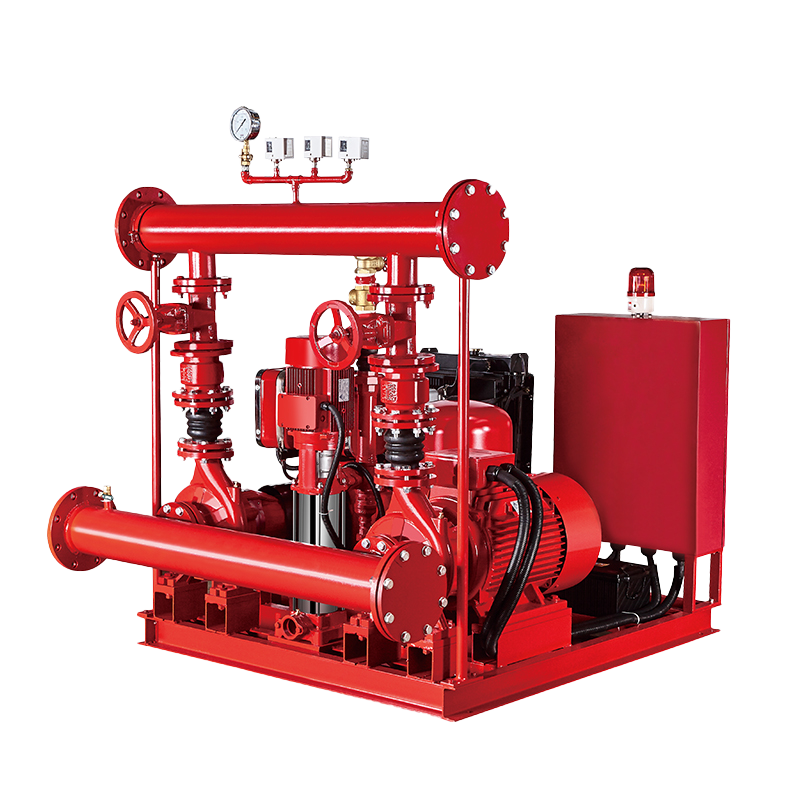 Fire Pump and System
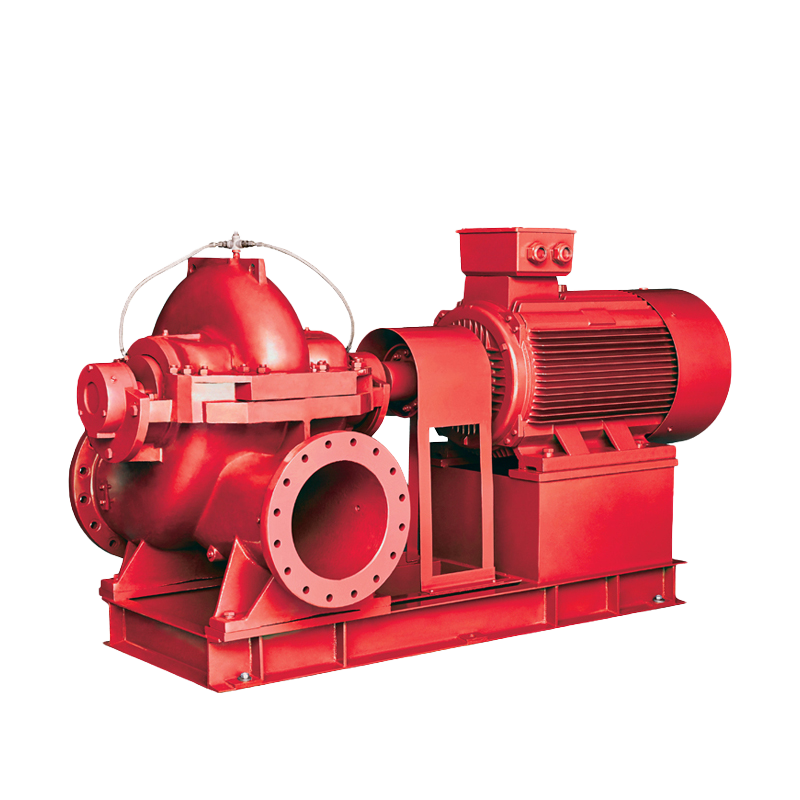 Split Case Pump
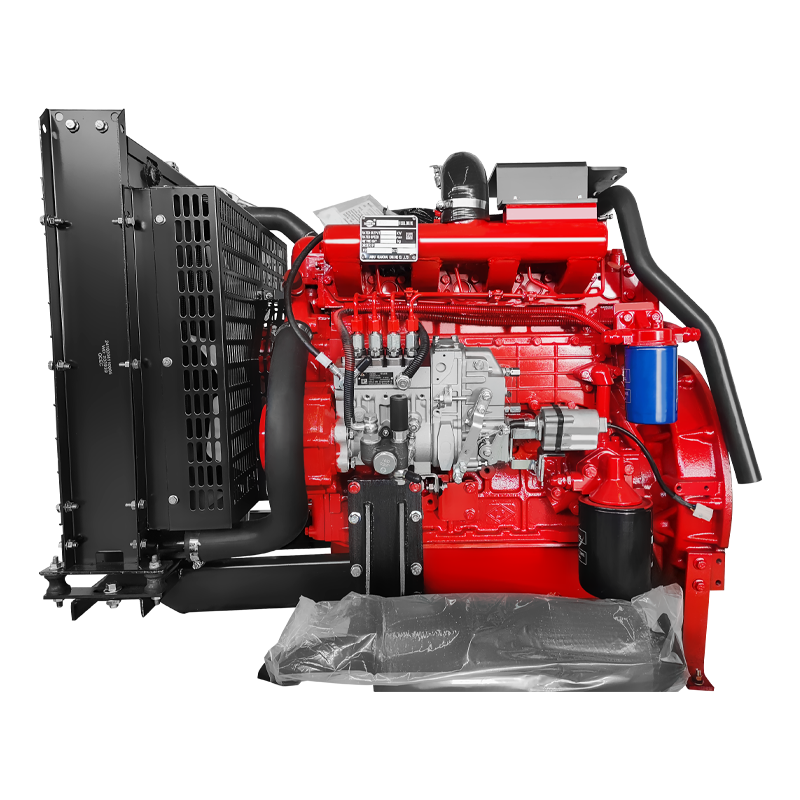 Engine and Pump
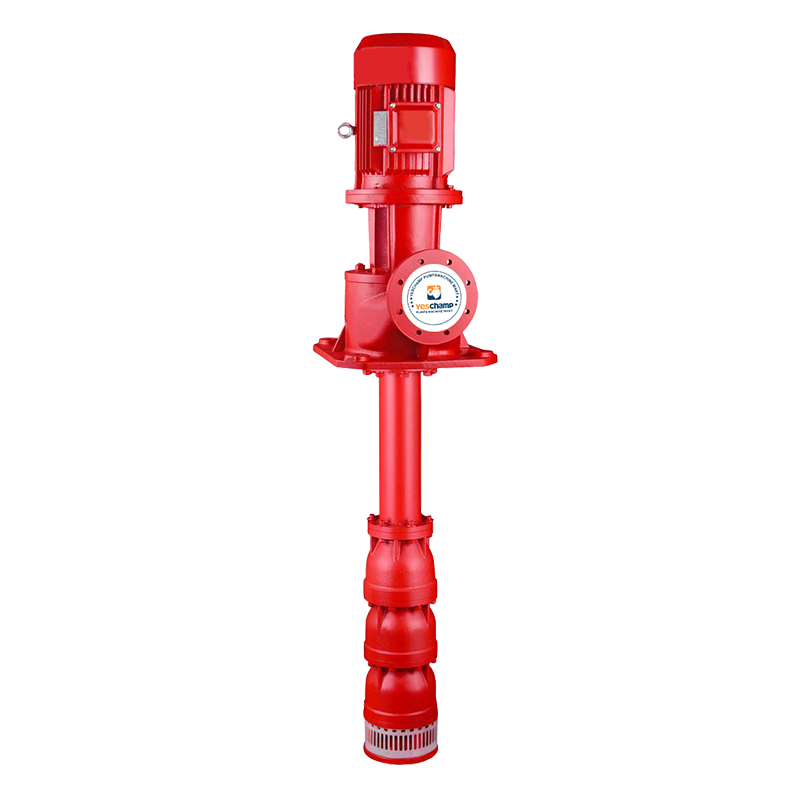 Long Shaft Pump
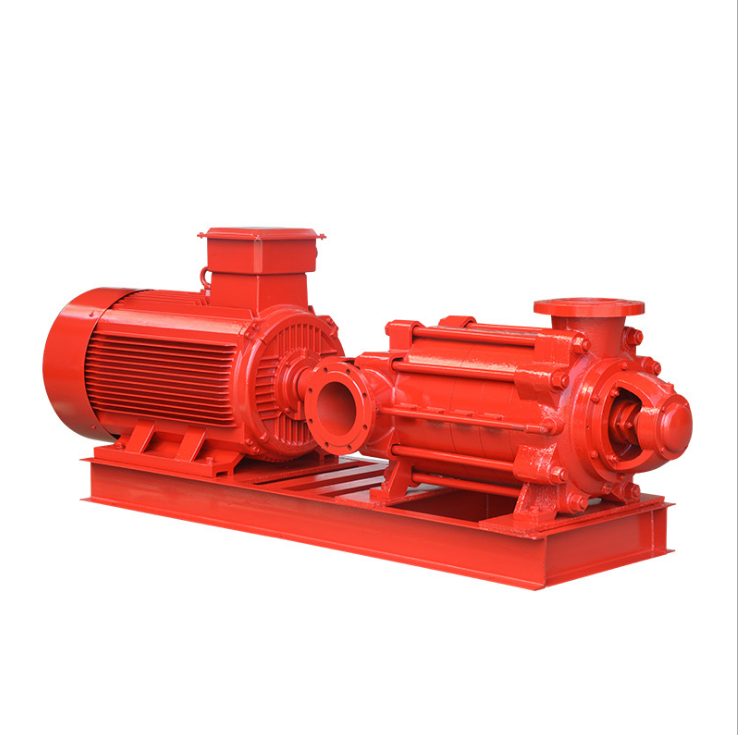
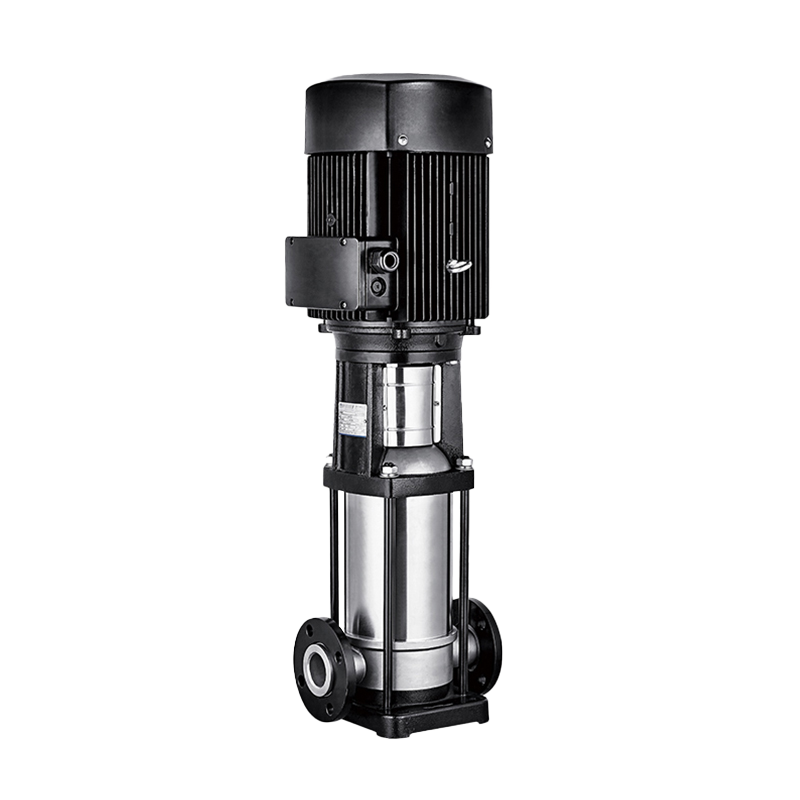 Multistage pump
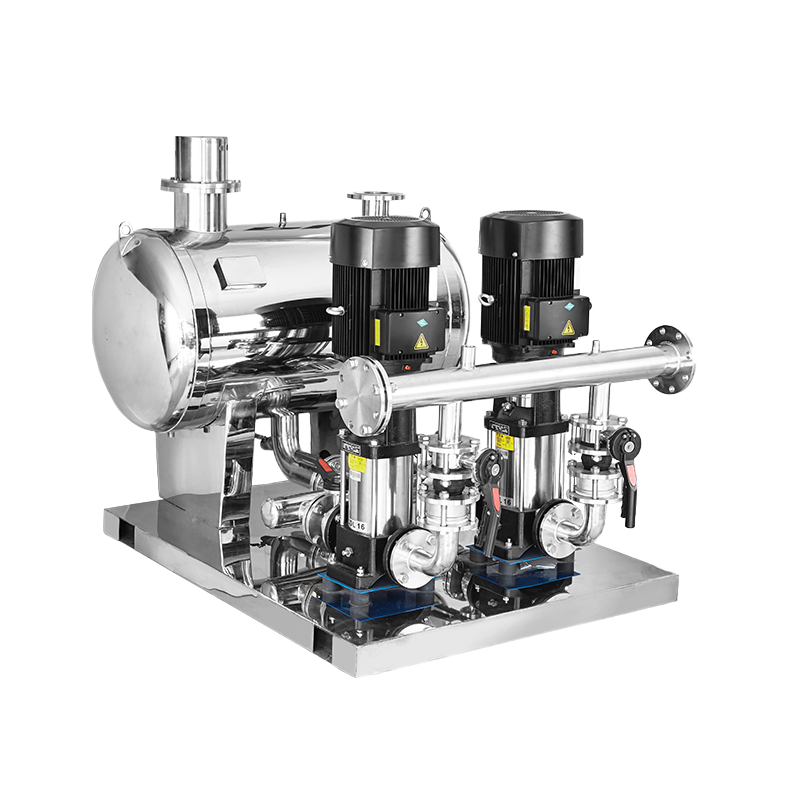
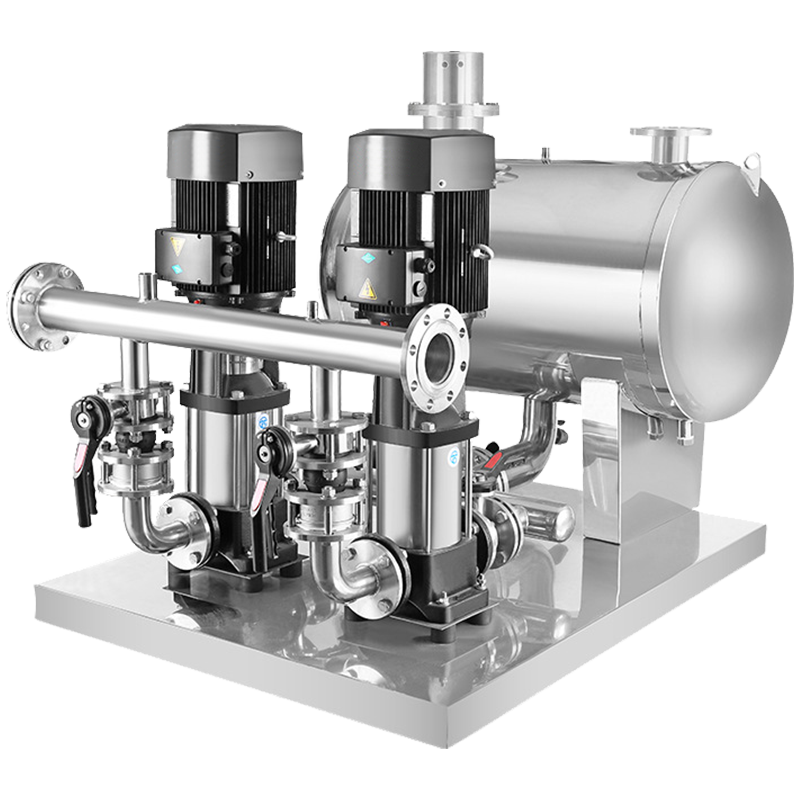
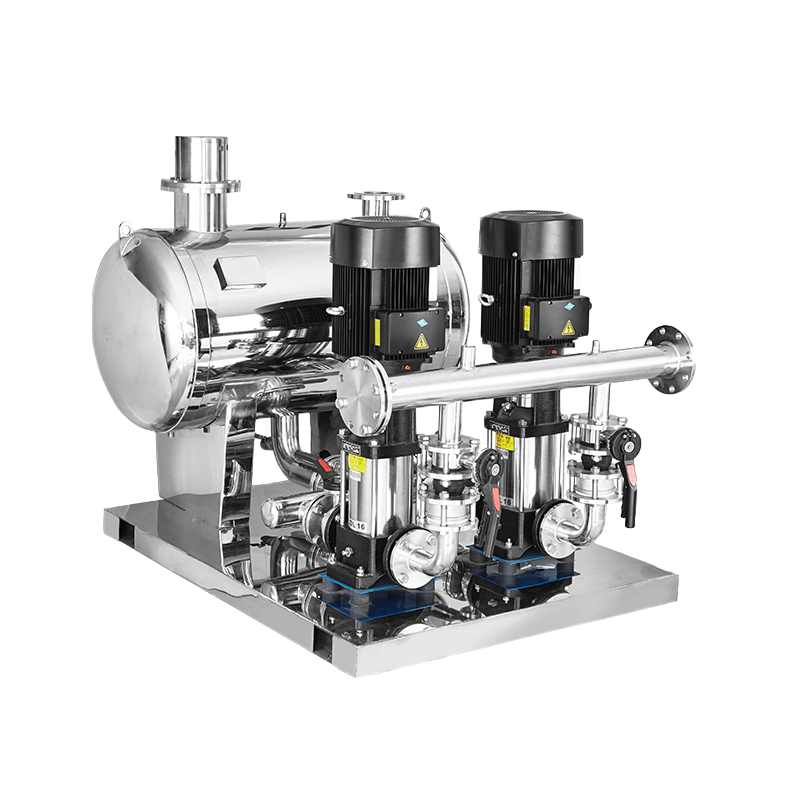 Water Supplier System
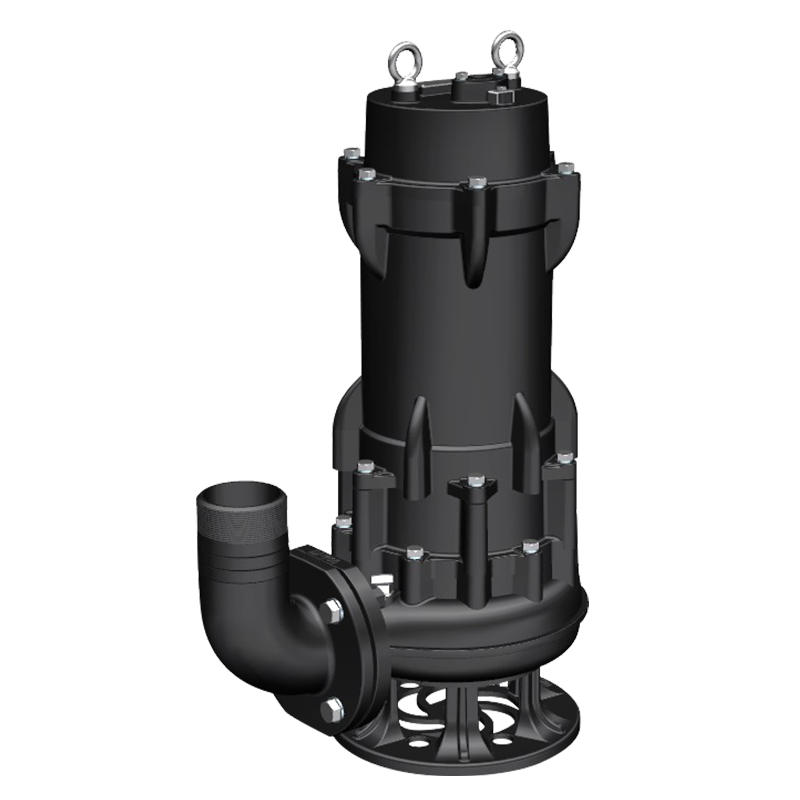
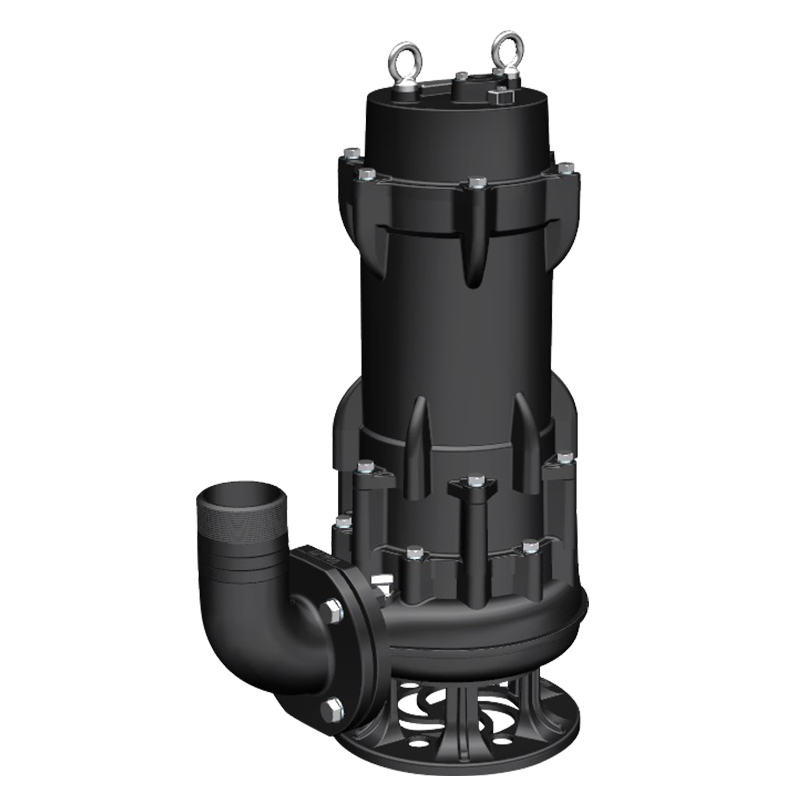 Sewage Pump
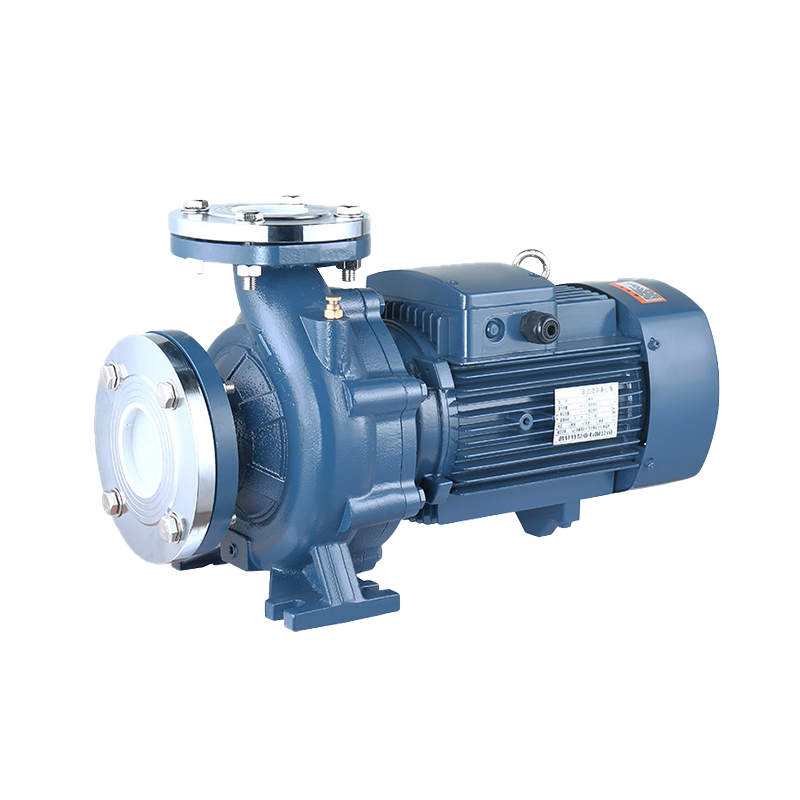 Industrial Pump
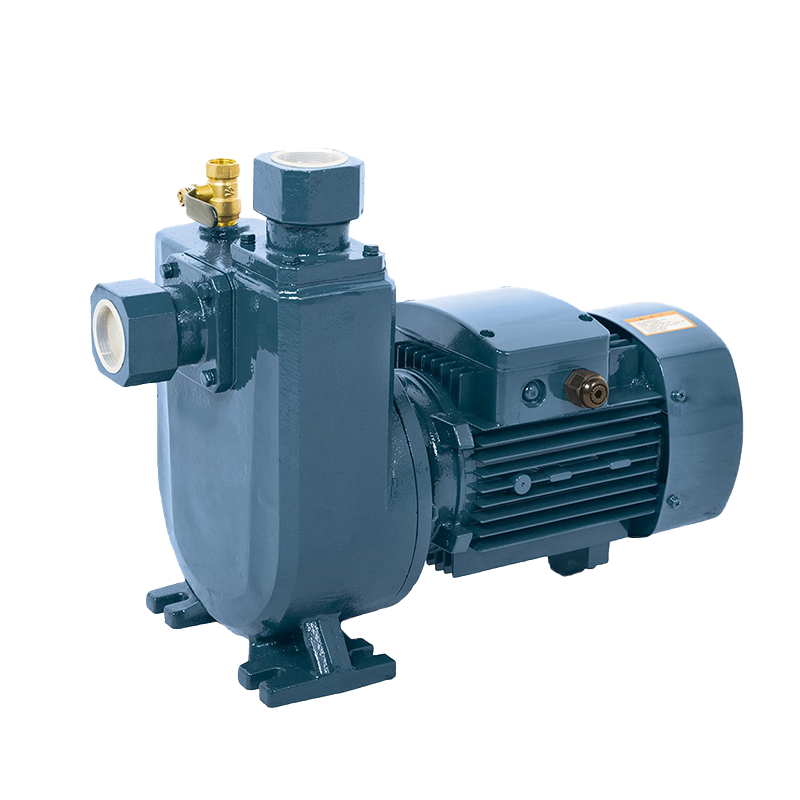
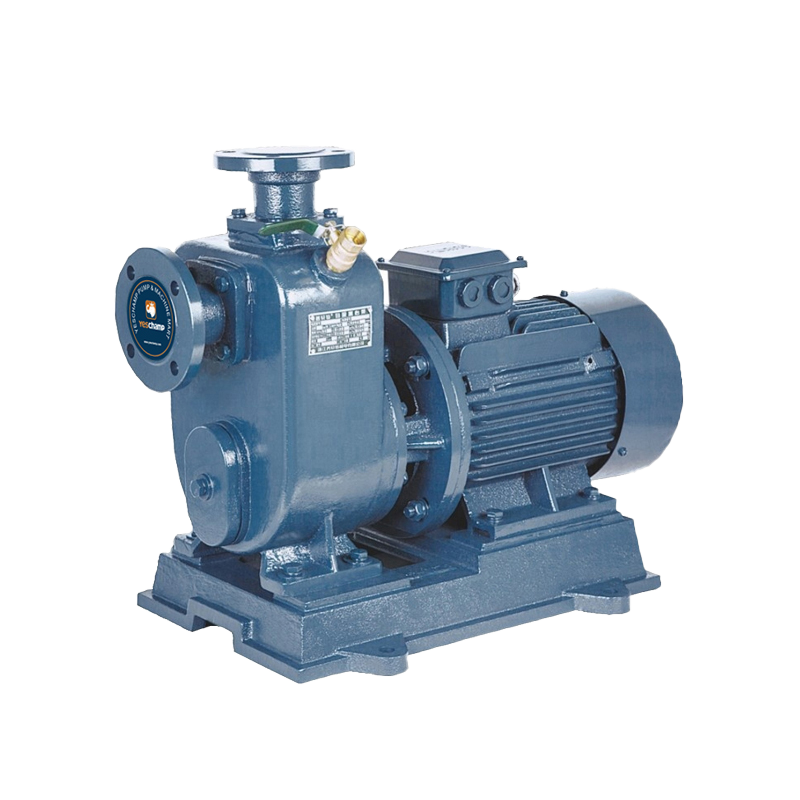 Self-Priming Pump
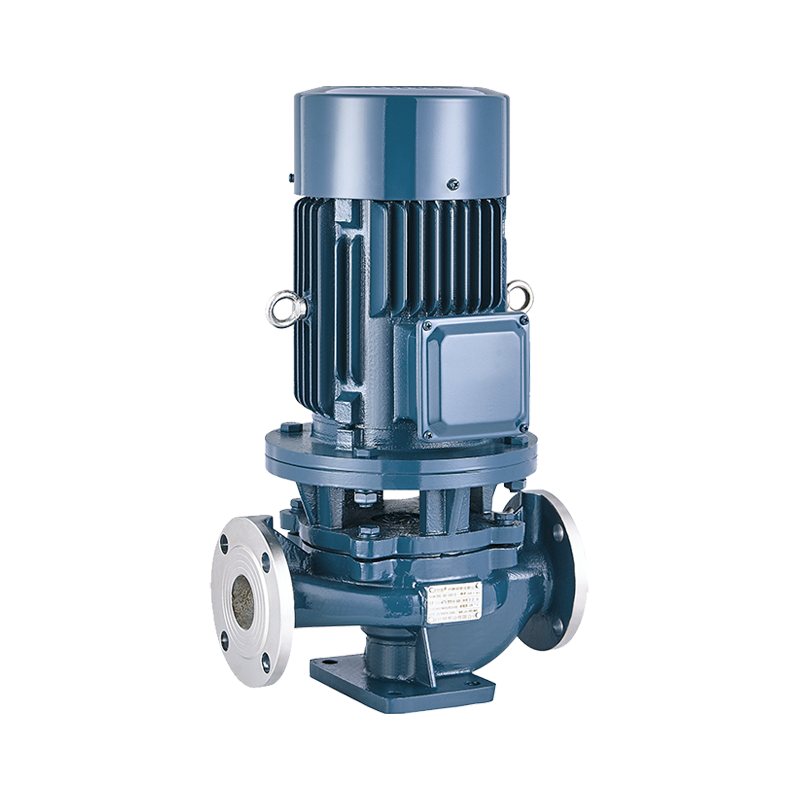 Inline Pump
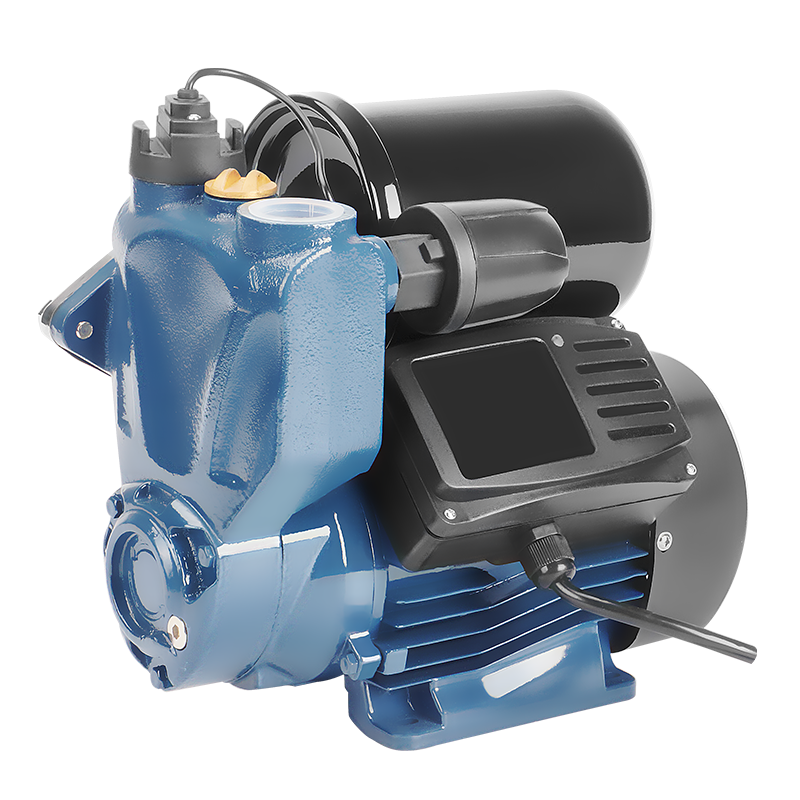 Domestic Pump
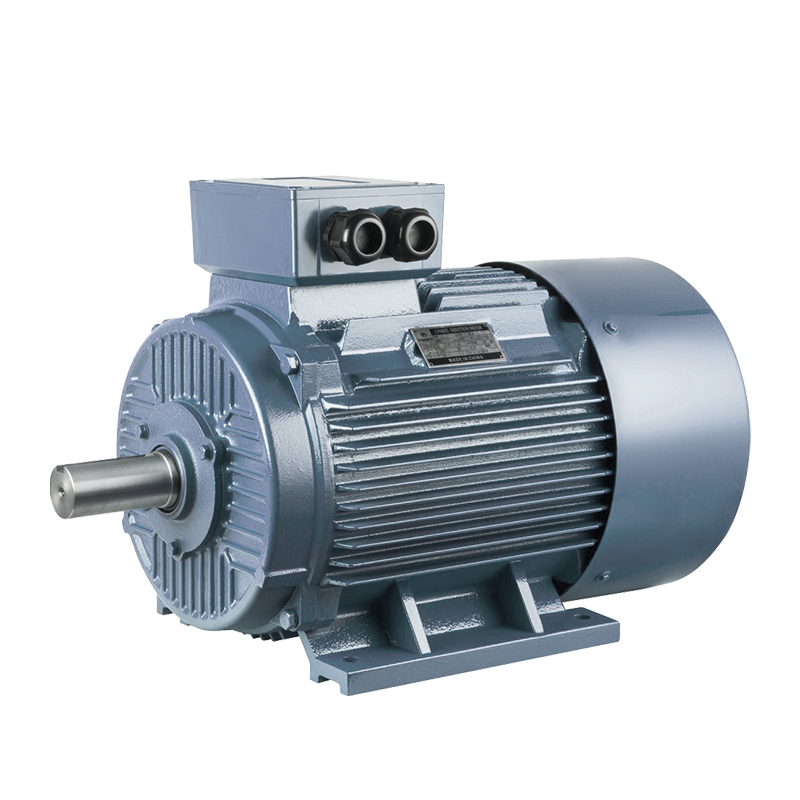 Electric Motor
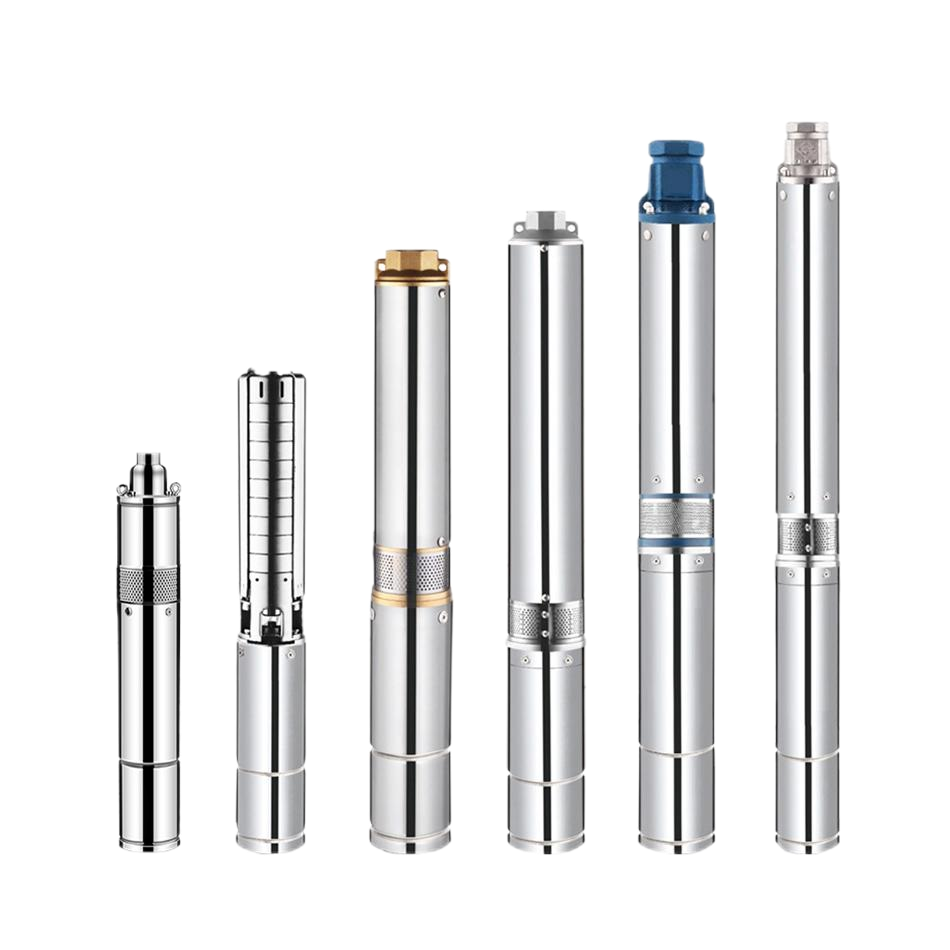 Borehole Pump
Fire Pump Systems: Essential Guide
A fire pump system increases water pressure in building fire protection networks (sprinklers, standpipes) when municipal supply pressure is insufficient.
How It Works
-
Static State: A low-flow jockey pump maintains system pressure to offset minor leaks.
-
Pressure Drop: Opening a sprinkler or hose valve causes system pressure to plunge.
-
Activation: The fire pump controller senses the drop and starts the main fire pump automatically.
Core Components
-
Main Fire Pump: High-flow pump powered by an electric motor or diesel engine.
-
Jockey Pump: Small maintenance pump that prevents main pump nuisance starts.
-
Control Panel: Automatic brain that monitors power, phase, and pressure drops.
-
Test Header & Flow Meter: Piping loop for annual NFPA performance testing.
System Types
| Type | Best For | Typical Flow |
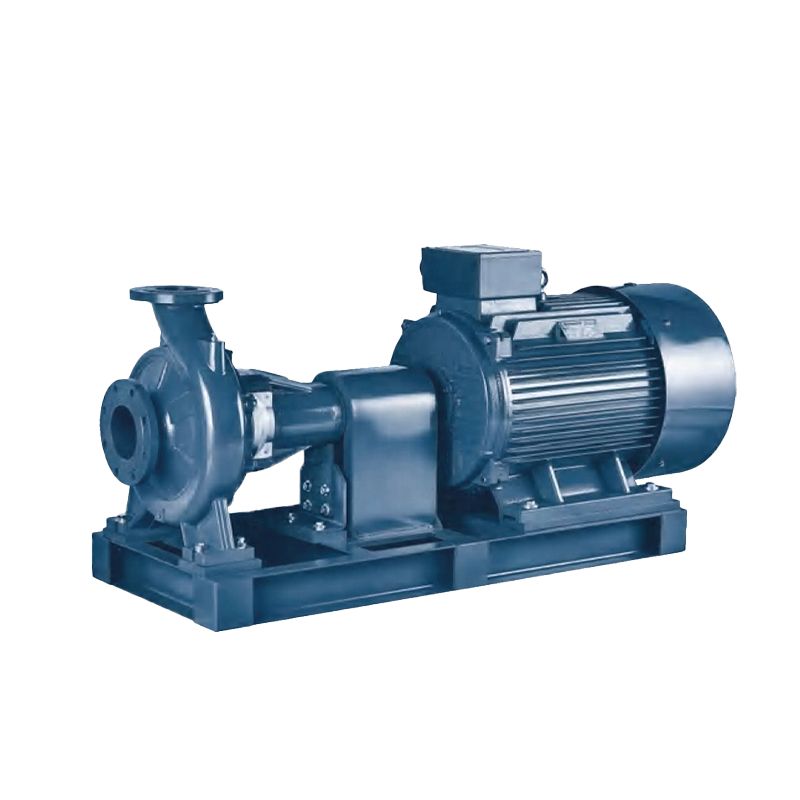
| Horizontal Split-Case | High-flow applications with positive suction pressure. | 500–5,000+ GPM |
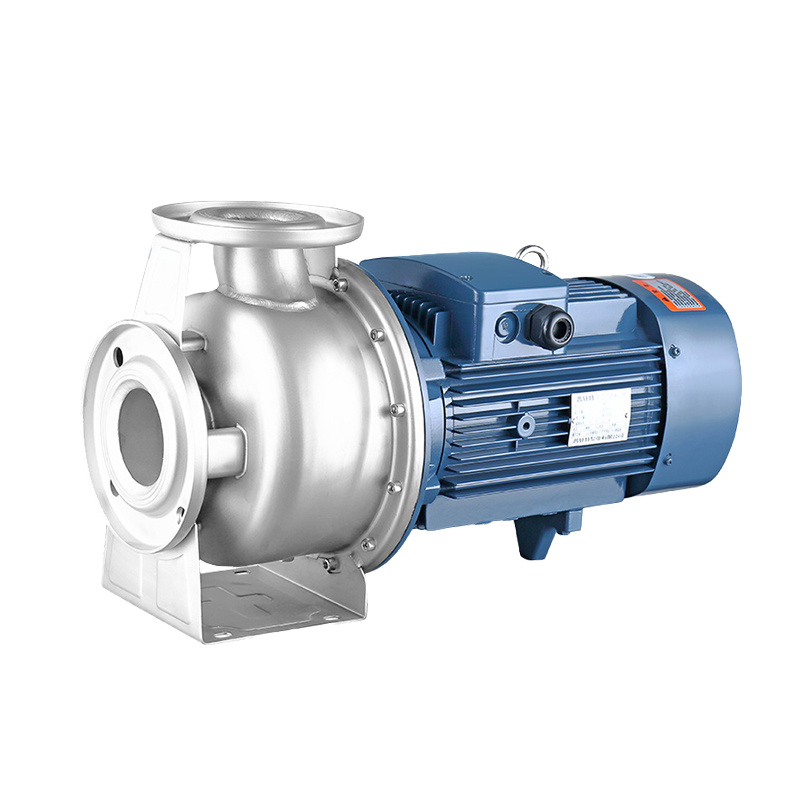
| End Suction | Small to mid-sized commercial buildings with limited space. | Up to 1,500 GPM |
| Vertical Inline | Compact mechanical rooms requiring minimal floor space. | Up to 1,500 GPM |
| Vertical Turbine | Negative suction sources (underground tanks, wells, lakes). | 250–5,000+ GPM |
 5th Floor, Comprehensive Building No. 5, Dongqiao, Dong'an Village, Daxi Town,Wenling City,Zhejiang,China
 +86 576 86090666
 +86 18667600006
 +86 18667600006
 24 Hours Online