 3D ROOM
 (0)
 English
 عربى

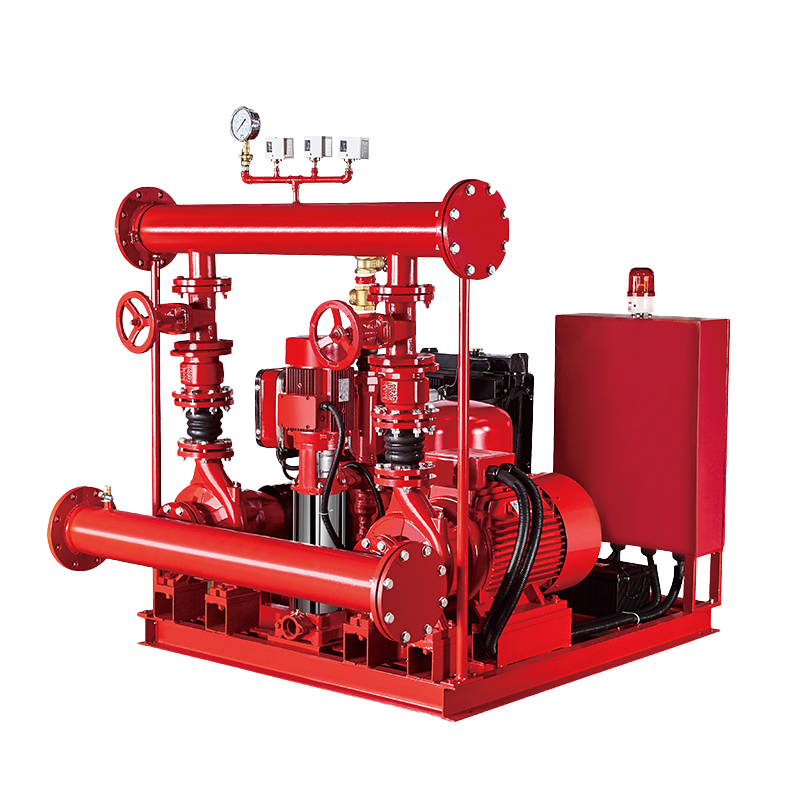 Fire Pump and System
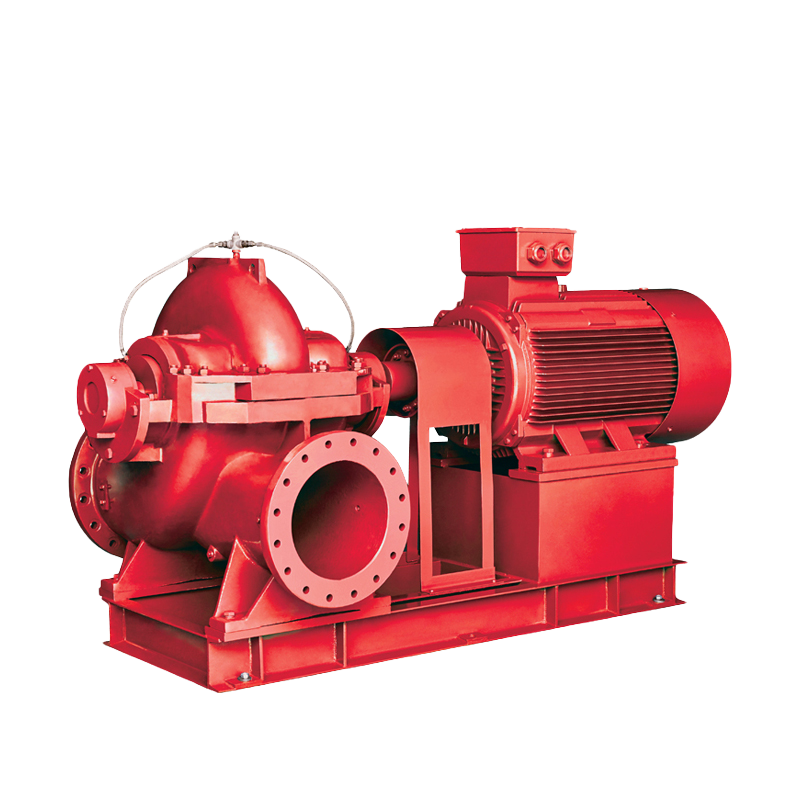 Split Case Pump
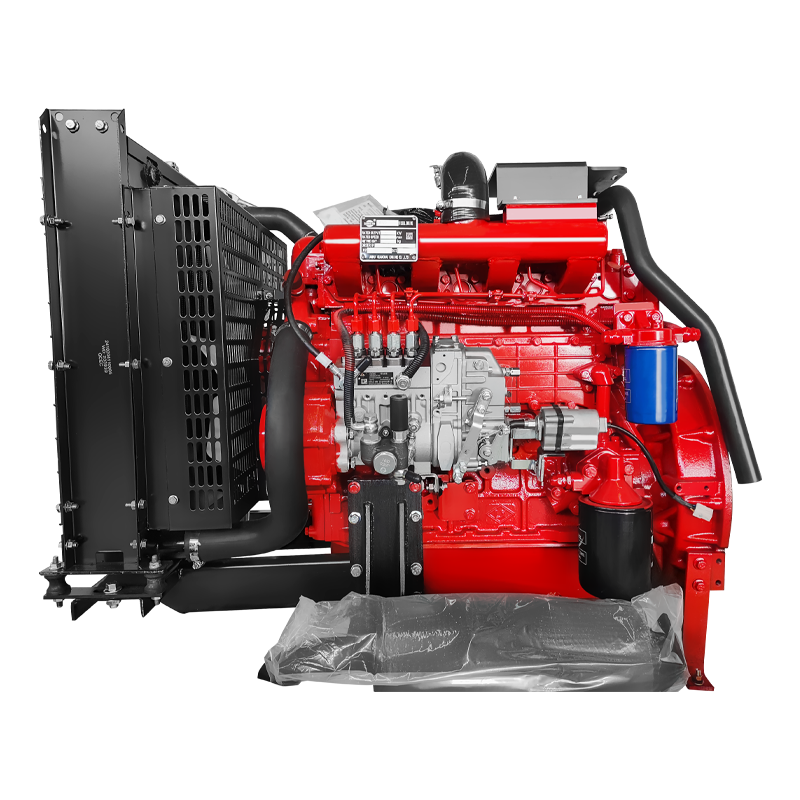 Engine and Pump
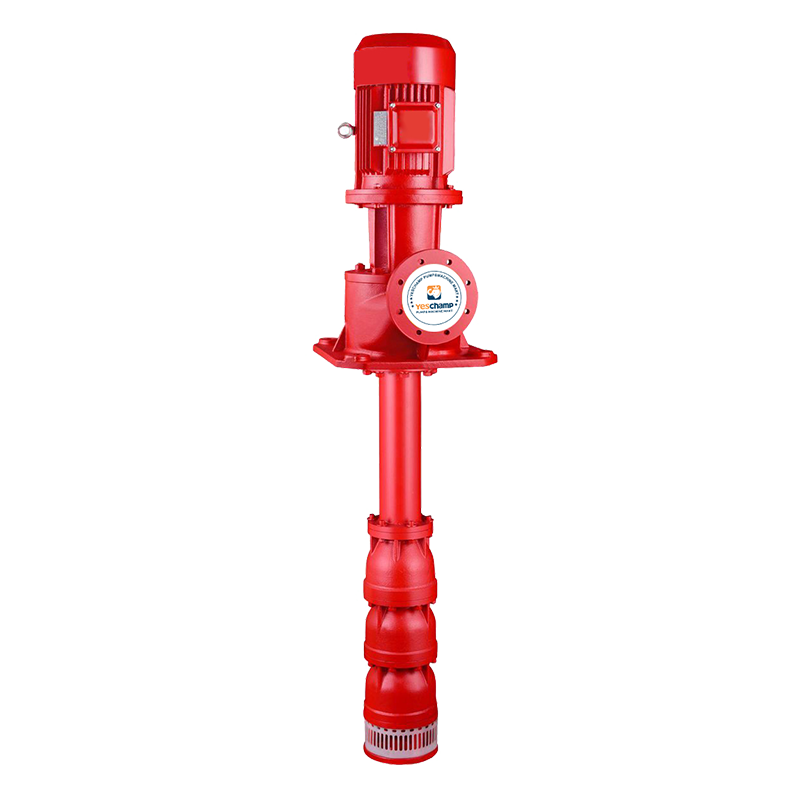 Long Shaft Pump
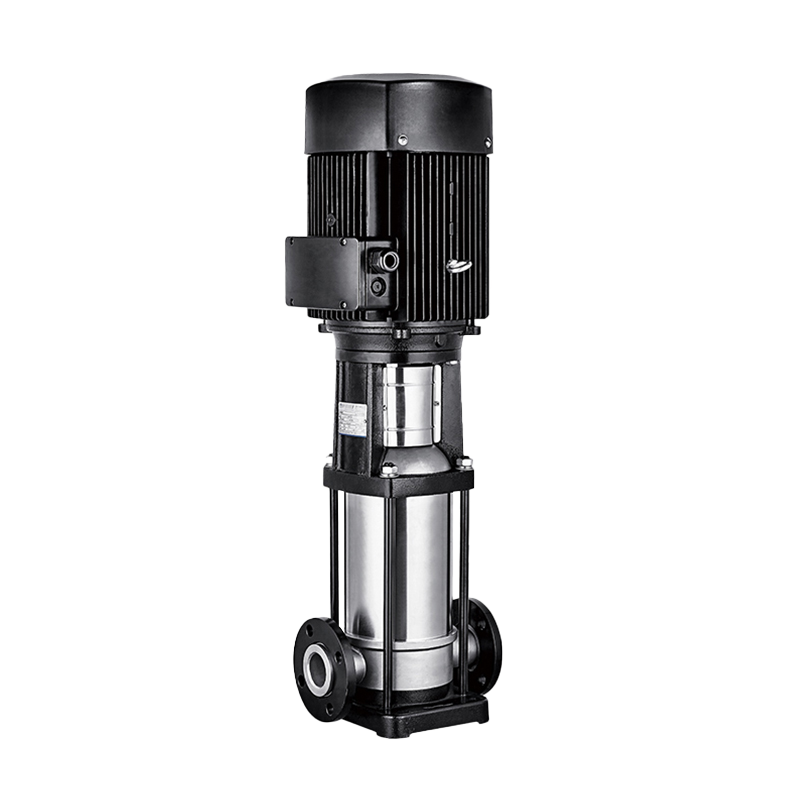 Multistage pump
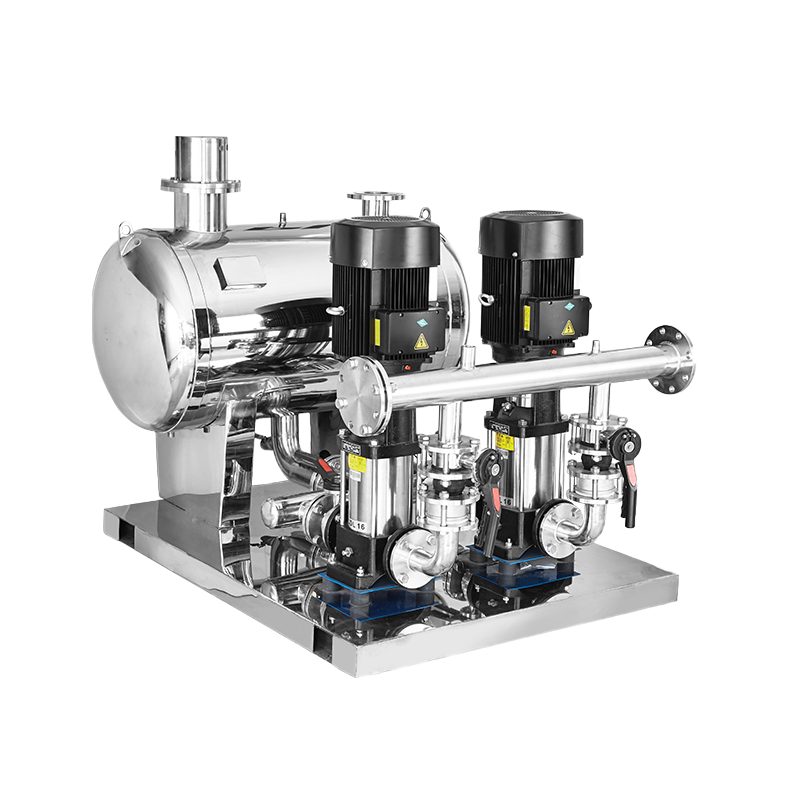 Water Supplier System
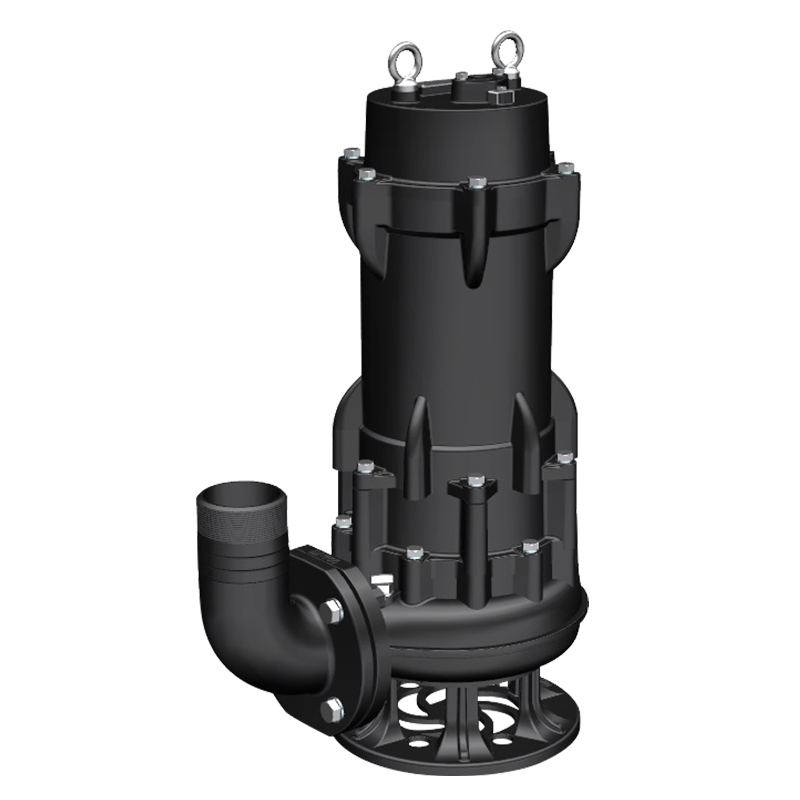 Sewage Pump
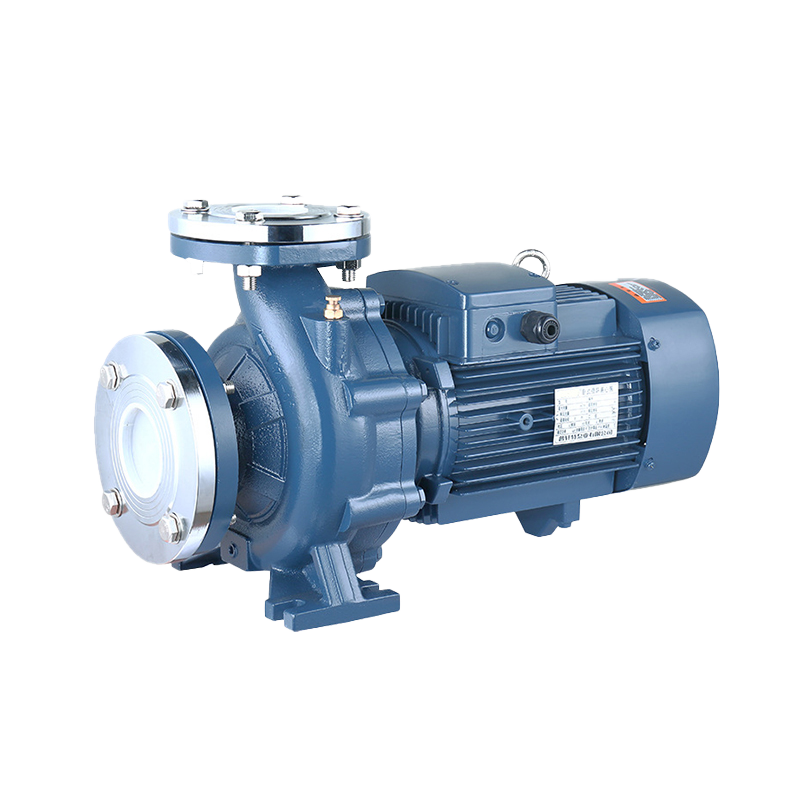 Industrial Pump
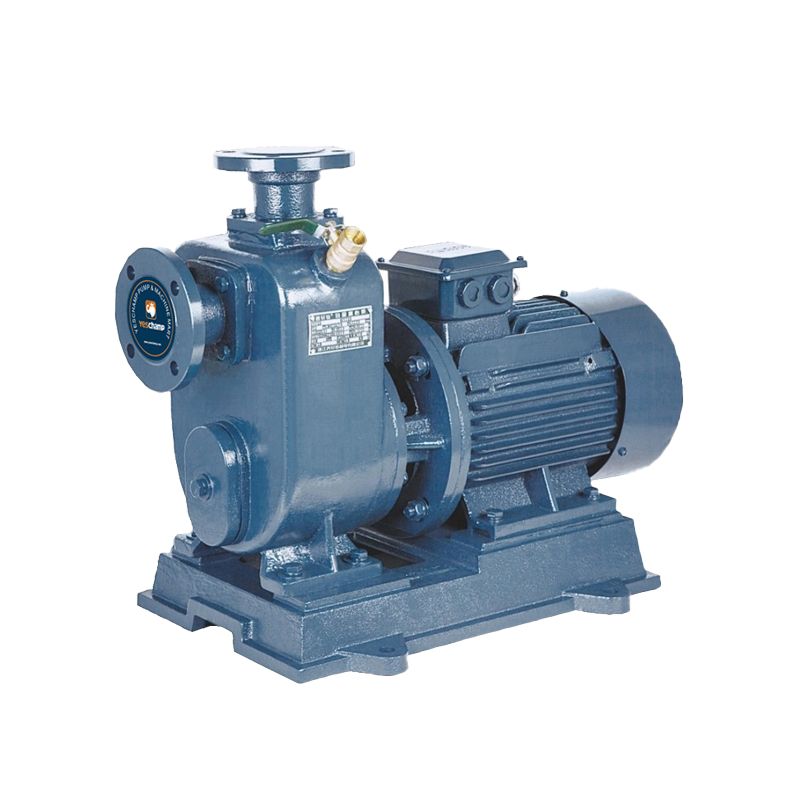 Self-Priming Pump
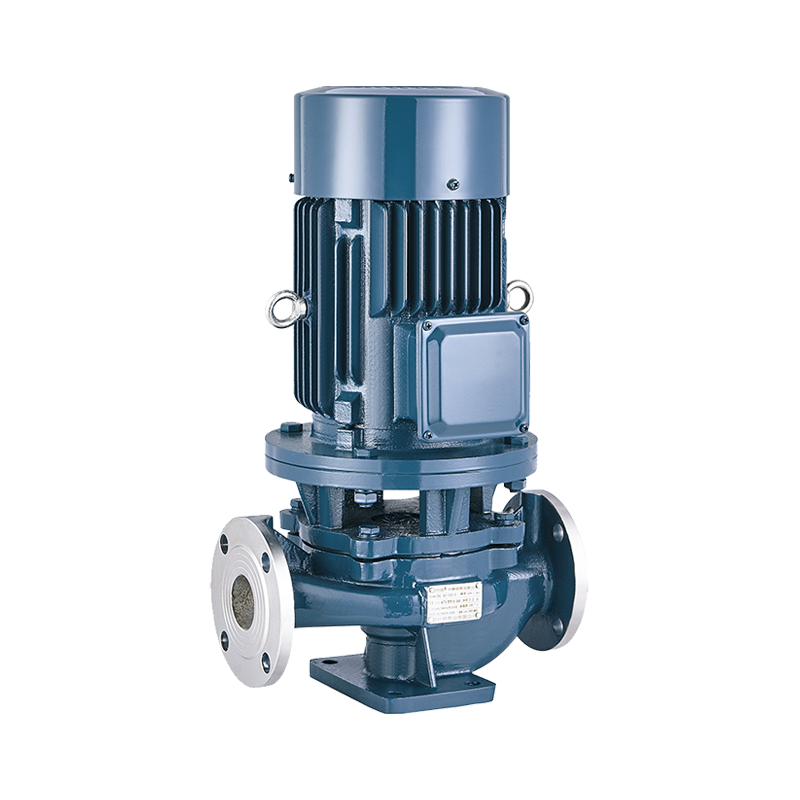 Inline Pump
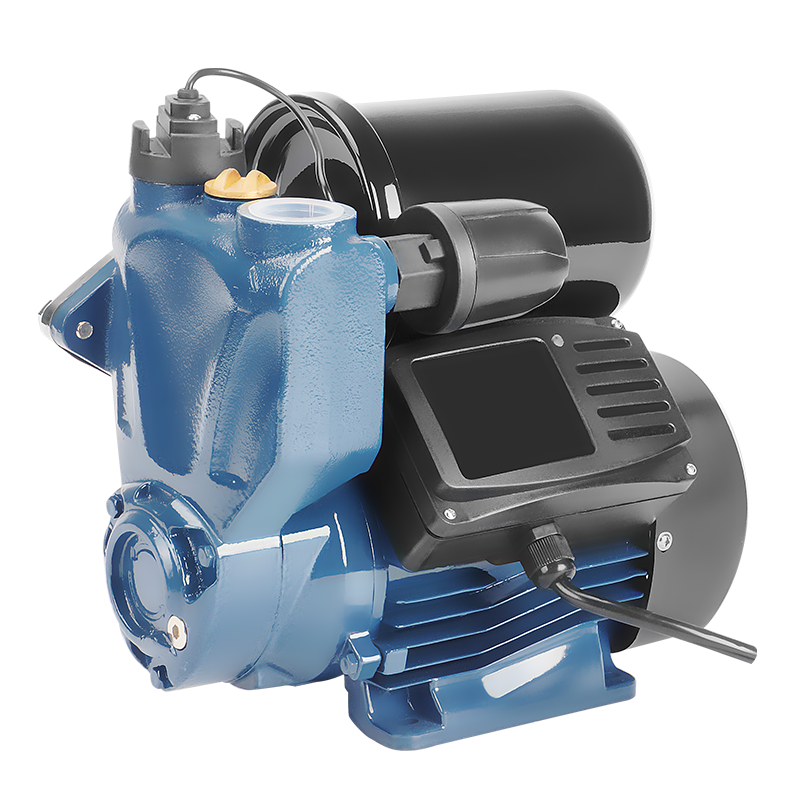 Domestic Pump
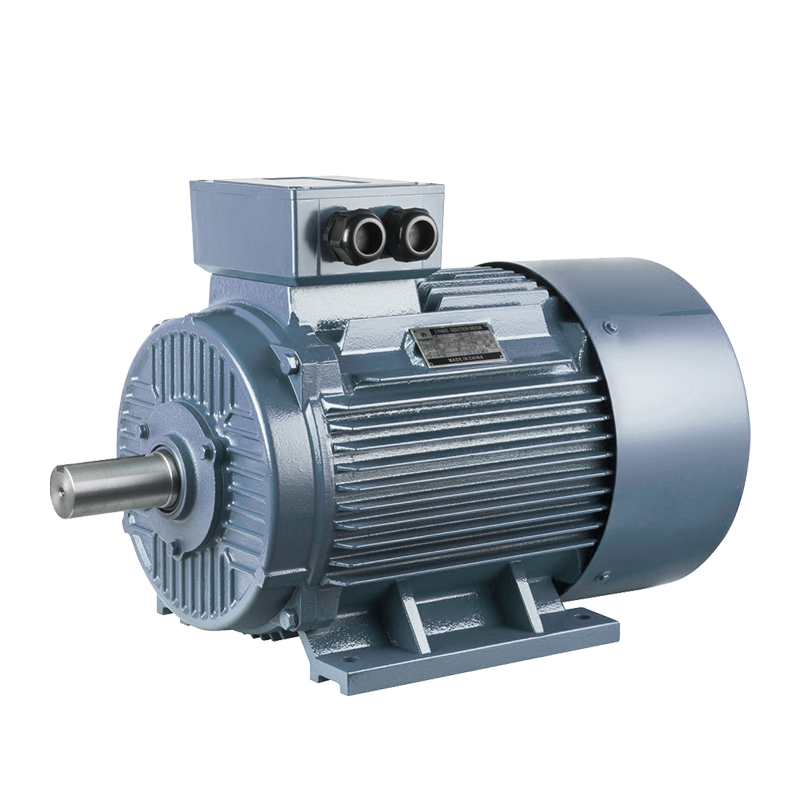 Electric Motor
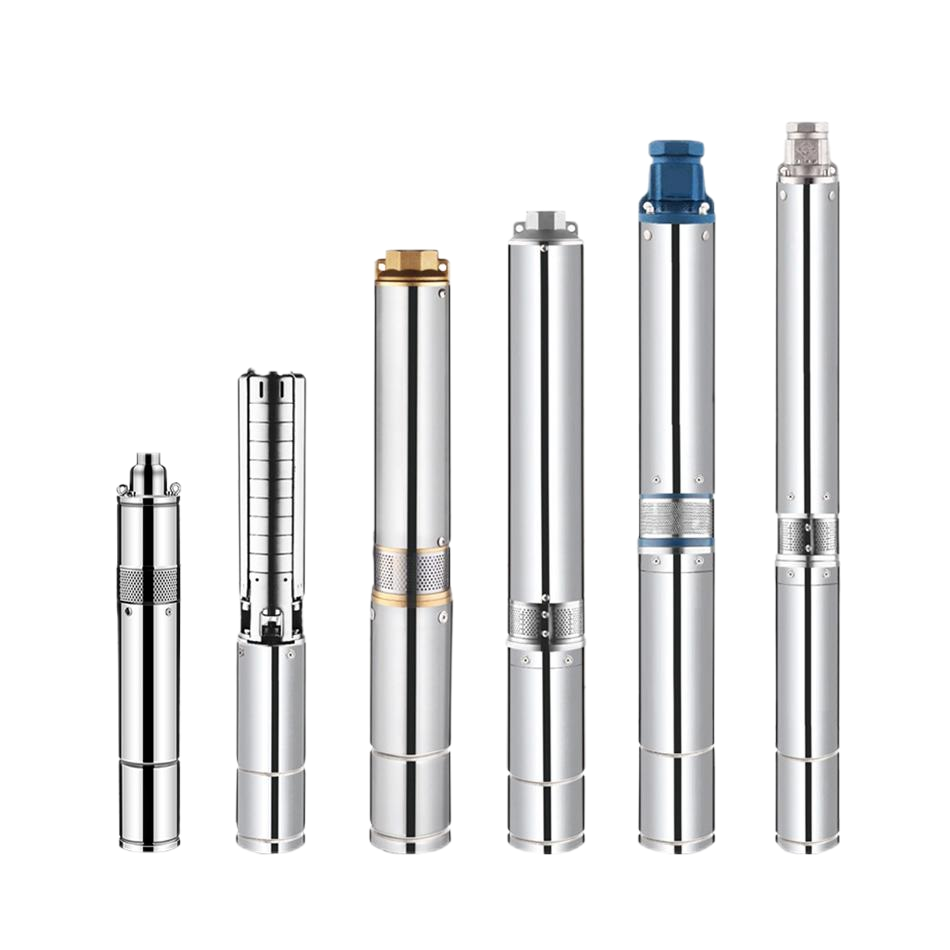 Borehole Pump
CDL Stainless Steel Multistage Pump: Selection, Installation, and Maintenance Guide
A CDL stainless steel multistage pump is a vertical centrifugal pump designed to deliver higher pressure by using several impellers arranged in series. Its stainless steel wetted components make it suitable for clean-water transfer, water boosting, industrial circulation, boiler feed applications, reverse-osmosis pretreatment, and other systems where corrosion resistance, compact installation, and stable pressure are important. The right model must be selected according to flow rate, total head, fluid temperature, water quality, suction conditions, motor power, and operating schedule.
The word “CDL” generally refers to a product series or model family, so exact dimensions, materials, pressure ratings, and operating limits can vary by manufacturer. Buyers should therefore compare complete technical datasheets rather than selecting a pump from the model code alone. This guide explains the construction, working principle, advantages, selection criteria, installation requirements, maintenance practices, energy considerations, and troubleshooting methods for a CDL stainless steel multistage pump.
What Is a CDL Stainless Steel Multistage Pump?
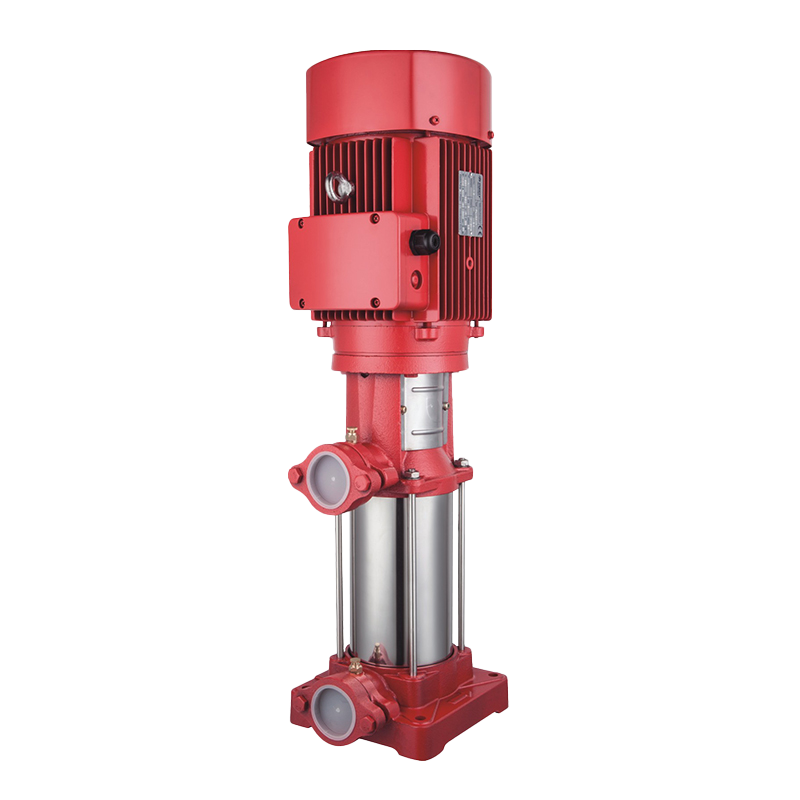
A CDL stainless steel multistage pump is a vertical, inline-style centrifugal pump that uses multiple impellers and diffuser stages to increase liquid pressure. Each stage adds energy to the fluid. Because the stages are arranged in series, the pump can generate a higher total head than a single-stage pump while maintaining a relatively compact footprint. The pump is commonly built with stainless steel components in contact with the liquid, although the exact grade and component materials depend on the manufacturer and application.
A typical pump includes a motor, pump head, shaft, mechanical seal, stage casings, impellers, diffusers, inlet and outlet connections, and a base or coupling assembly. The vertical design helps reduce floor space and can make it easier to integrate the pump into a straight pipeline. However, the system must still provide proper support, alignment, suction conditions, and protection against dry running.
The term “stainless steel” should be checked carefully. Some products use stainless steel for the impellers and stage casings while using different materials for the shaft, base, elastomers, or mechanical seal. For clean water, a standard stainless steel configuration may be suitable. For mildly corrosive fluids, high-temperature liquids, or chemical solutions, the supplier should confirm the material compatibility of every wetted component.
How Does a CDL Multistage Pump Work?
When the motor starts, it rotates the pump shaft and all connected impellers. Liquid enters through the suction port and reaches the first impeller. The impeller increases the liquid velocity and pressure. A diffuser or guide-vane passage then converts part of the velocity energy into pressure energy and directs the liquid to the next stage. This process repeats through each impeller and diffuser until the liquid reaches the discharge outlet.
The total pump head is created by the combined contribution of the stages. More stages generally provide a higher head at a given flow, but the final performance depends on impeller diameter, rotational speed, stage design, fluid density, viscosity, and hydraulic losses. The number of stages should therefore be selected from the manufacturer’s performance data rather than estimated only from the desired pressure.
Because the stages are arranged in series, the flow rate through each stage is broadly the same while the pressure increases from one stage to the next. This makes a CDL pump suitable for applications requiring steady flow at elevated pressure. It is different from a parallel pump arrangement, where multiple pumping paths are used mainly to increase flow capacity.
Vertical Inline Flow Path
Many CDL pumps use an inline arrangement in which the suction and discharge connections are positioned to simplify pipeline integration. This can reduce the space needed compared with a horizontal end-suction pump and may make the pump easier to install in a plant room, booster set, or equipment skid. The actual connection direction and dimensions vary by model, so the installation drawing should be reviewed before pipework is fabricated.
Common Applications of a CDL Stainless Steel Multistage Pump
CDL stainless steel multistage pumps are commonly used in building water boosting, industrial process-water circulation, clean-water transfer, boiler feedwater, cooling systems, irrigation, water treatment, reverse-osmosis pretreatment, filtration systems, and pressure-boosting skids. They are especially useful where the system needs more pressure but has limited floor space. The vertical design can fit into compact plant rooms and packaged equipment assemblies.
In commercial buildings, the pump may supply water to upper floors or maintain pressure in a variable-demand water network. In industrial facilities, it may circulate cooling water, feed a filtration line, transfer process water, or provide pressure to a washing system. In water treatment applications, it can be used upstream of filters, membranes, or dosing equipment when the liquid is compatible with the pump materials.
The pump is generally intended for relatively clean liquids. Large solids, long fibers, heavy sludge, and abrasive particles can damage the impellers, diffusers, mechanical seal, and narrow internal passages. If the application involves wastewater, high sand content, or chemicals, a different pump design or a special material configuration may be necessary. Always provide the supplier with the actual fluid composition and operating temperature.
Advantages and Limitations of a CDL Stainless Steel Multistage Pump
The main advantage of a CDL stainless steel multistage pump is its ability to provide high pressure in a compact vertical package. Multiple stages allow the pump to achieve a higher head without relying on one very large impeller. The stainless steel wetted parts can also provide better resistance to rust and certain water conditions than standard cast-iron components. The smooth internal surface may support hygienic and clean-water applications when the selected materials and seals meet the project requirements.
Another advantage is installation flexibility. An inline pump can often be installed in a relatively straight section of pipe, and its small footprint can simplify integration into booster systems. A correctly selected pump can deliver stable pressure and efficient operation across a defined duty range. Variable-frequency control may further improve performance when the system demand changes throughout the day.
There are also limitations. A multistage pump may be more sensitive to dry running, poor suction conditions, blocked filters, and fluid contamination than a pump with large open passages. Mechanical seal replacement and stage inspection can require more attention than maintenance on a simple single-stage pump. In addition, the name “CDL” does not by itself guarantee a specific stainless steel grade, efficiency, or pressure rating. The final decision must be based on verified performance curves, material lists, installation conditions, and service requirements.
How to Select the Right CDL Stainless Steel Multistage Pump
The first selection parameter is the required flow rate. Define the normal, peak, and minimum flow instead of using only the pipeline diameter or the capacity of an existing pump. The second parameter is total dynamic head, which includes static elevation, pipeline friction, valves, fittings, equipment pressure drop, and the pressure required at the outlet. The pump should operate near its best efficiency point at the normal design condition whenever possible.
Next, confirm the liquid properties. Important information includes temperature, density, viscosity, pH, conductivity, dissolved gases, corrosiveness, and the presence of sand or suspended particles. Water containing aggressive chemicals may require a different stainless steel grade, seal material, or elastomer. A higher liquid temperature may also affect the mechanical seal, motor cooling, vapor pressure, and available NPSH.
The suction condition is especially important for a vertical multistage pump. Check the available NPSH, liquid level, inlet pressure, suction-pipe length, filter condition, and risk of air entering the system. Even a high-quality pump may suffer from noise, vibration, reduced flow, or premature damage if the suction side is restricted or contains air.
Finally, review the motor and control requirements. Confirm voltage, frequency, phase, rated power, starting method, enclosure or protection level, operating speed, and compatibility with a variable-frequency drive. The control system should protect the pump against dry running, overload, overtemperature, phase loss, and abnormal pressure where required.
CDL Pump Selection Checklist
Installation Requirements for a CDL Stainless Steel Multistage Pump
Before installation, inspect the pump, motor, shaft, couplings, mechanical seal, flange or threaded connections, and terminal box for transport damage. Confirm the nameplate data against the purchase specification. The foundation, bracket, or pipe supports must be strong enough to carry the pump and prevent excessive vibration. Do not use the pump casing as a support for unrelated pipework, and do not allow pipeline loads to distort the pump connections.
Install the pump according to the manufacturer’s flow direction and connection dimensions. The suction line should be as short and direct as practical, with suitable pipe diameter and minimal unnecessary elbows. A strainer or filter may be required for the application, but it must be sized and maintained so that it does not create excessive suction loss. All pipelines should be cleaned and flushed before commissioning to remove welding debris, scale, and construction particles.
The pump must be filled and vented before starting unless the specific product design allows another procedure. Dry running can damage the mechanical seal within a short time. Check that the suction valve is open, the discharge valve is in the correct starting position, and the liquid level is sufficient. For systems using a tank, make sure the level controls cannot allow the pump to run without adequate liquid.
Electrical installation should include correct grounding, cable sizing, motor protection, phase verification, and a suitable control panel. If a variable-frequency drive is used, confirm the permitted speed range and minimum flow conditions. After installation, check the rotation direction, starting current, discharge pressure, leakage, vibration, noise, and operating temperature. Record the commissioning data as a baseline for future service.
Operation and Maintenance of a CDL Multistage Pump
Routine maintenance should begin with monitoring normal operating conditions. Record flow rate, discharge pressure, suction pressure, motor current, vibration, noise, bearing or motor temperature, seal condition, and energy use. A gradual change in these values can reveal a clogged filter, worn impeller, damaged seal, misalignment, air ingress, or a change in system resistance before the pump stops completely.
Keep the suction filter, tank, and pipeline clean. A blocked filter increases suction loss and can cause cavitation, while deposits inside the pump may reduce flow and increase power consumption. Check the mechanical seal for visible leakage and investigate any sudden increase. A small amount of expected seal moisture may depend on the design, but continuous leakage should be evaluated according to the manufacturer’s service instructions.
Inspect fasteners, pipe supports, electrical terminals, coupling components, and protective devices at planned intervals. Confirm that dry-run, overload, overtemperature, and pressure protections are functioning. For continuous-duty systems, vibration or temperature monitoring can provide earlier warning of bearing, alignment, or hydraulic problems.
Before disassembly, isolate the electrical supply, close the relevant valves, release pressure, drain the pump safely, and allow hot liquid to cool. Use approved lifting and handling equipment for larger units. During service, inspect the impellers, diffusers, shaft, mechanical seal, bearings, O-rings, and stage casing surfaces. Replace worn parts with components that match the original specification and recheck alignment after reassembly.
Common CDL Pump Problems and Troubleshooting
If the pump runs but delivers insufficient flow or pressure, check the rotation direction, liquid level, suction valve, filter, air leakage, discharge valve, and actual system head. The pump may also be operating outside its intended duty range or may have worn impellers and diffusers. Compare the measured flow and pressure with the manufacturer’s performance curve before changing the controller or replacing the motor.
Abnormal noise or vibration may be caused by cavitation, air in the suction line, a blocked inlet, pipe strain, poor foundation support, misalignment, damaged bearings, or foreign material inside the pump. Cavitation risk increases when the inlet pressure is too low or the liquid temperature is too high. Correct the suction condition and verify available NPSH rather than treating the noise as a simple mechanical issue.
Mechanical seal leakage may result from dry running, shaft damage, incorrect installation, misalignment, excessive pressure, unsuitable elastomer material, or a fluid temperature outside the permitted range. Stop the pump if leakage is significant and inspect the seal system after isolating the equipment. Replacing the seal without correcting dry running or alignment problems may lead to another early failure.
Motor overload can be caused by high liquid density or viscosity, excessive flow, a seized bearing, damaged impellers, low voltage, phase imbalance, incorrect protection settings, or a pump operating against an unsuitable system condition. Check electrical and hydraulic data together. Repeatedly resetting an overload device without identifying the cause can damage the motor and create a safety risk.
Energy Efficiency and Life-Cycle Cost
The lowest purchase price is not always the lowest total cost. A CDL stainless steel multistage pump may run for many hours each year, so pump efficiency, motor efficiency, operating point, maintenance frequency, and downtime can have a greater financial impact than the initial price. An oversized pump may require throttling and consume unnecessary energy, while an undersized pump may fail to meet pressure demand or operate continuously at an unfavorable point.
To improve efficiency, select the pump from a verified performance curve at the normal duty point. Reduce unnecessary pipeline resistance, keep filters clean, repair leaks, and avoid operating far from the best efficiency point. Variable-frequency control can reduce energy use in systems with changing pressure or flow demand, but the drive settings must respect the pump’s minimum speed, minimum flow, cooling, and seal requirements.
Life-cycle evaluation should include electricity, spare parts, mechanical seals, labor, water quality, expected service life, and the consequences of unplanned downtime. Ask suppliers for input power and efficiency data at the actual operating point instead of comparing only motor horsepower. A corrosion-resistant pump with accessible spare parts and reliable technical support may provide better long-term value than a cheaper unit with uncertain materials or limited service documentation.
Conclusion: Choosing a CDL Stainless Steel Multistage Pump
A CDL stainless steel multistage pump is a strong option for clean-water systems that require compact installation, stable flow, and higher pressure. Its series impeller stages build pressure progressively, while the stainless steel wetted components can improve corrosion resistance in suitable water and process conditions. The pump is commonly used for water boosting, industrial circulation, filtration, boiler feed, and other applications where a single-stage pump cannot provide the required head.
The correct selection depends on more than the CDL model name. Confirm the required flow, total head, fluid temperature and chemistry, stainless steel grade, mechanical-seal material, suction conditions, motor data, control method, and duty cycle. Before purchase, request the complete performance curve, dimensional drawing, material list, NPSH information, installation instructions, spare-parts list, and warranty terms. A careful technical review helps prevent cavitation, dry running, seal leakage, overload, corrosion, and energy costs caused by an incorrectly sized pump. It also gives installers and maintenance teams a clear reference for commissioning, spare-parts planning, and future performance checks.
CDL Stainless Steel Multistage Pump FAQ
What is a CDL stainless steel multistage pump used for?
A CDL stainless steel multistage pump is commonly used for clean-water boosting, industrial water circulation, boiler feedwater, filtration, reverse-osmosis pretreatment, irrigation, and water-treatment systems. It is suitable when the application requires higher pressure in a compact vertical pump package. The liquid must be compatible with the pump’s materials and operating limits.
What does CDL mean on a multistage pump?
CDL usually identifies a product series or model family for a vertical stainless steel multistage centrifugal pump. The exact construction, materials, dimensions, stage number, pressure rating, and performance can vary by manufacturer. Always review the complete technical datasheet instead of relying only on the CDL designation.
Can a CDL pump handle dirty water or solid particles?
Most standard CDL stainless steel multistage pumps are intended for relatively clean liquids and have narrower internal passages than sewage or slurry pumps. Sand, fibers, sludge, or large solids can damage the impellers, diffusers, and mechanical seal. If the liquid is contaminated, confirm the allowable particle size and material compatibility with the supplier before selection.
How do I choose the number of stages for a CDL pump?
Choose the number of stages according to the required total head at the required flow rate. More stages generally increase pressure, but the final selection must come from the manufacturer’s performance curve. Consider static lift, pipeline friction, equipment pressure drop, outlet pressure, efficiency, and available NPSH rather than calculating stage count from pressure alone.
Does a CDL stainless steel multistage pump need priming?
The pump usually needs to be filled and vented before startup unless the specific model and installation provide a flooded suction arrangement that keeps the pump full. Starting a pump with air in the casing or without sufficient liquid can cause dry running, seal damage, noise, and unstable performance. Follow the manufacturer’s startup procedure.
Why is my CDL pump making noise?
Common causes include cavitation, air entering the suction line, a blocked filter, insufficient liquid level, excessive flow, pipe vibration, misalignment, worn bearings, or foreign material inside the pump. Check suction conditions and compare the operating point with the pump curve. If the noise continues, stop the equipment safely and arrange a qualified inspection.
How can I extend the life of a CDL multistage pump?
Prevent dry running, keep the suction filter clean, operate near the recommended duty point, maintain correct alignment, protect the motor, and inspect seals and bearings regularly. Monitor pressure, flow, current, vibration, temperature, and leakage. Use compatible replacement parts and correct any suction or pipeline problem instead of repeatedly replacing damaged components.
Suggested Internal-Link Anchors: stainless steel pump selection guide, vertical multistage pump, high-pressure water pump, pump head calculation, mechanical seal troubleshooting, industrial water pump maintenance
Primary CTA: If you are sourcing a CDL stainless steel multistage pump, prepare your required flow, total head, fluid data, suction conditions, power supply, and operating schedule, then request a complete performance curve and technical datasheet for your actual duty point.
 5th Floor, Comprehensive Building No. 5, Dongqiao, Dong'an Village, Daxi Town,Wenling City,Zhejiang,China
 +86 576 86090666

 +86 18667600006
 +86 18667600006
 24 Hours Online
