 3D ROOM
 (0)
(0) English
 عربى
عربى
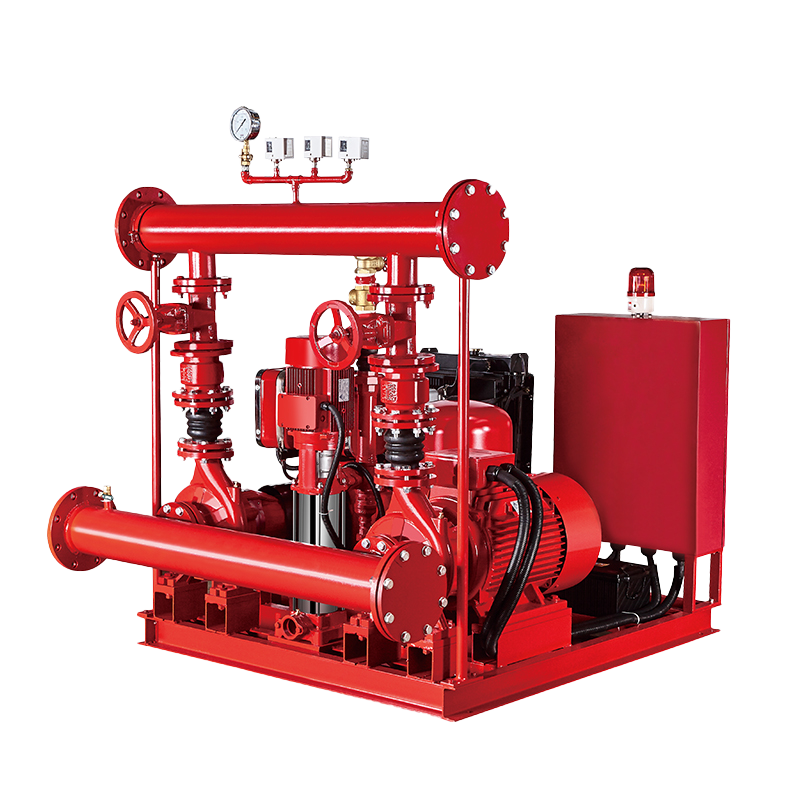 Fire Pump and System
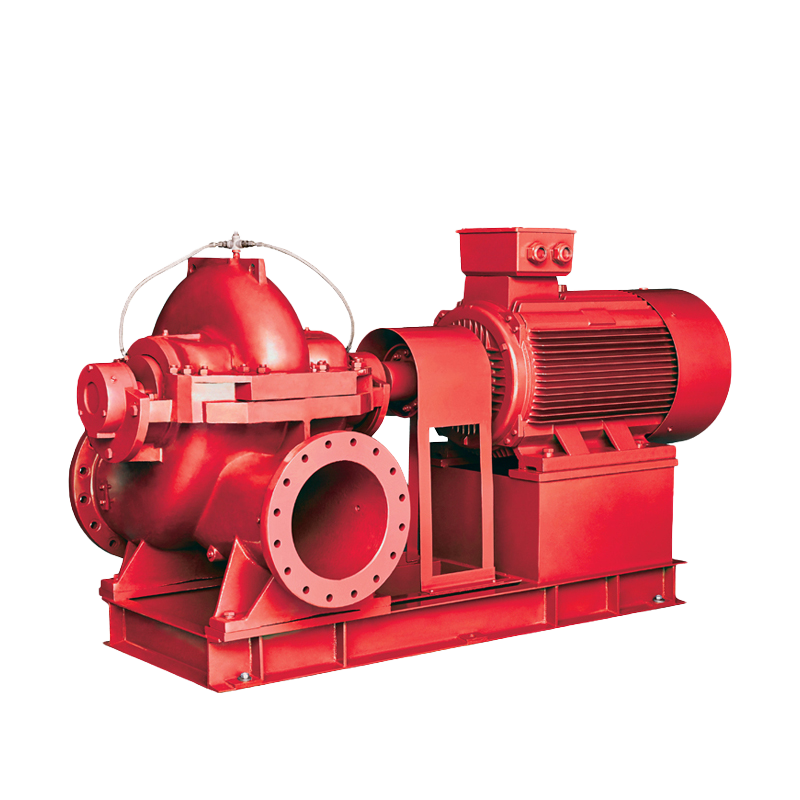 Split Case Pump
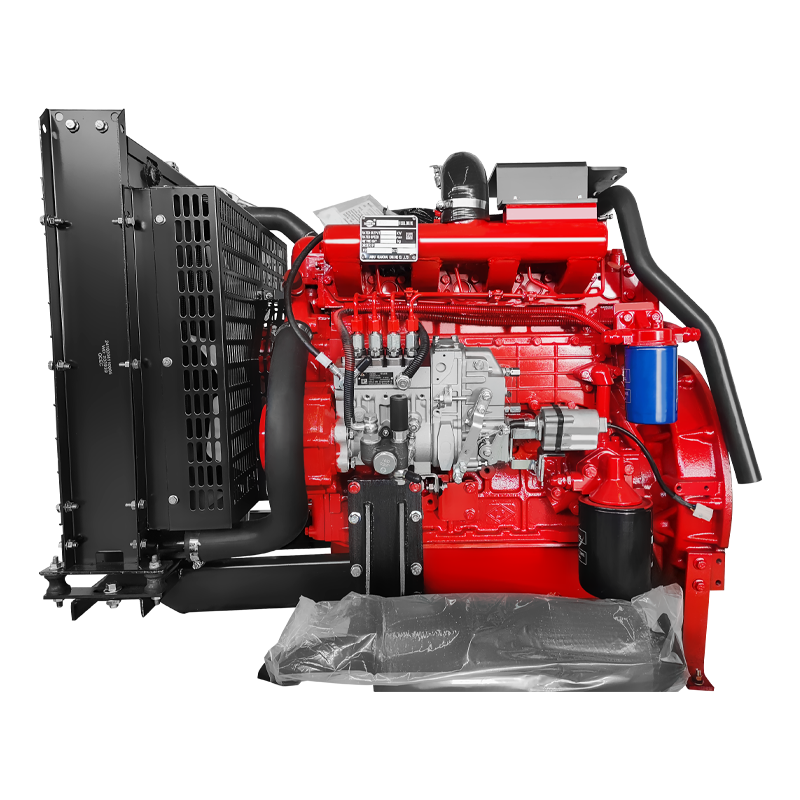 Engine and Pump
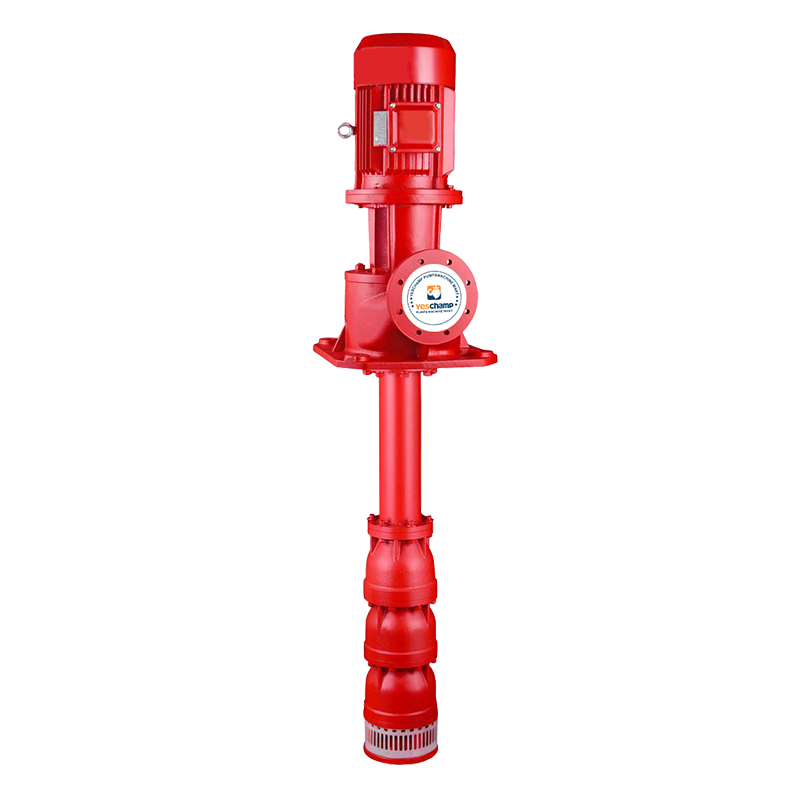 Long Shaft Pump
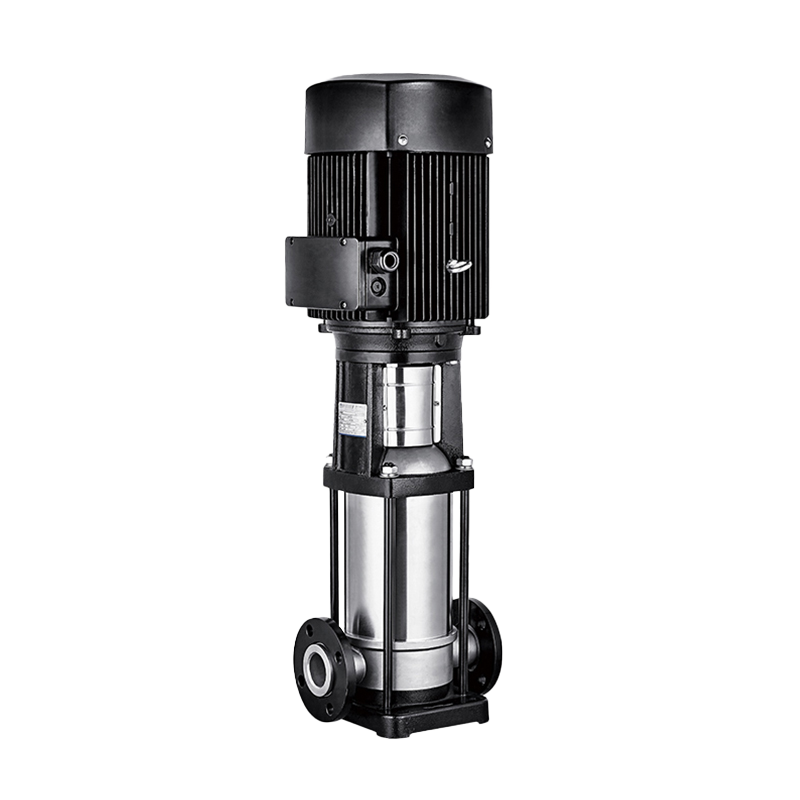 Multistage pump
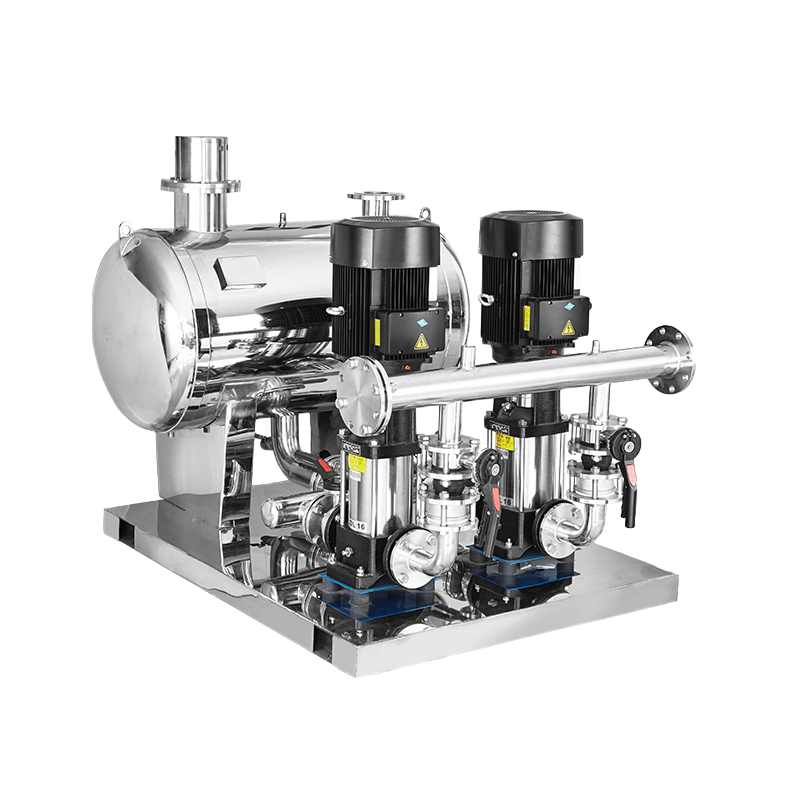 Water Supplier System
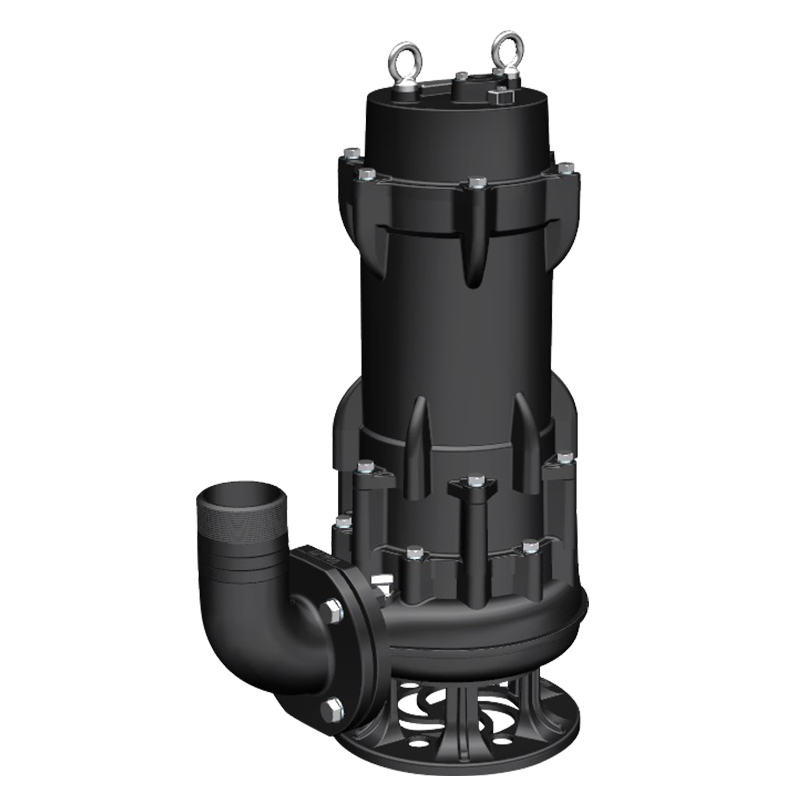 Sewage Pump
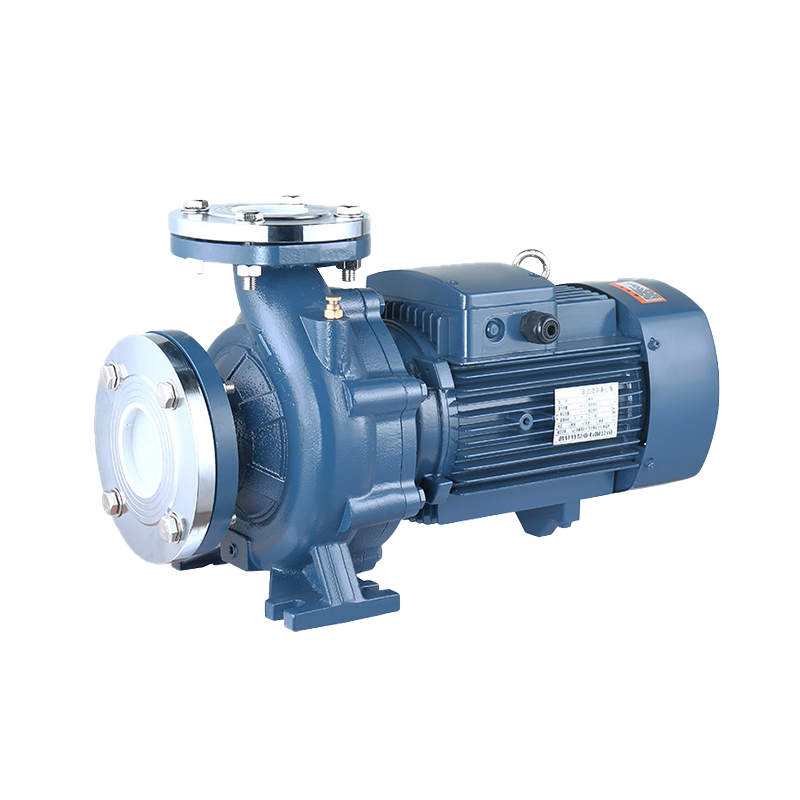 Industrial Pump
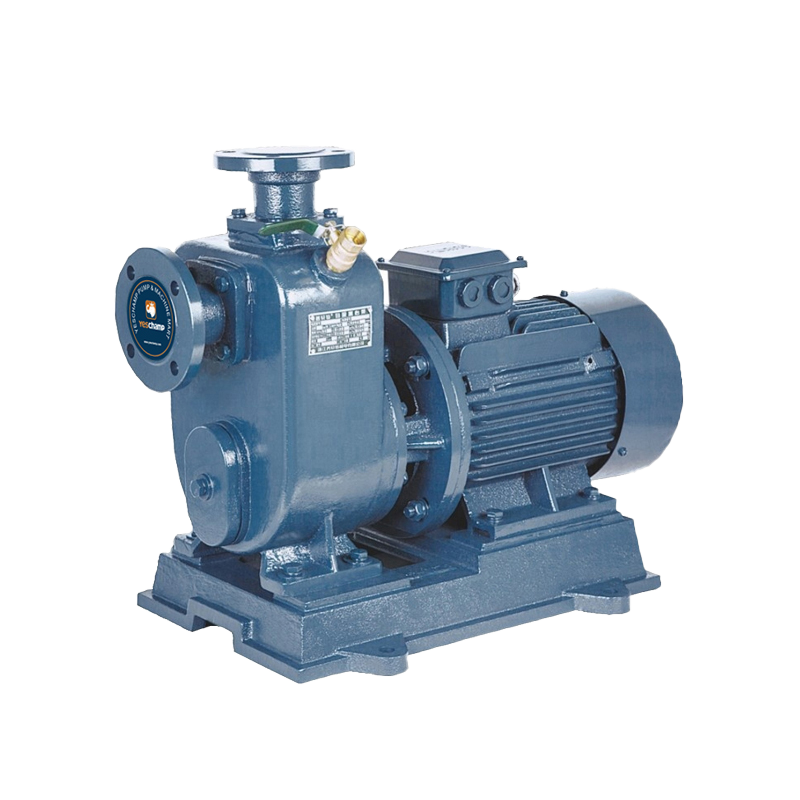 Self-Priming Pump
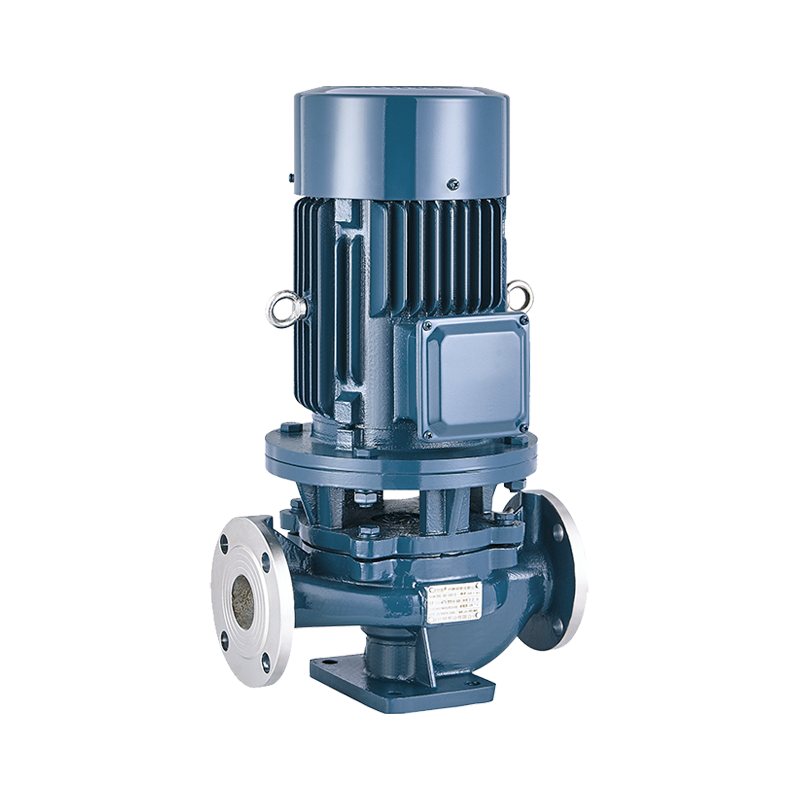 Inline Pump
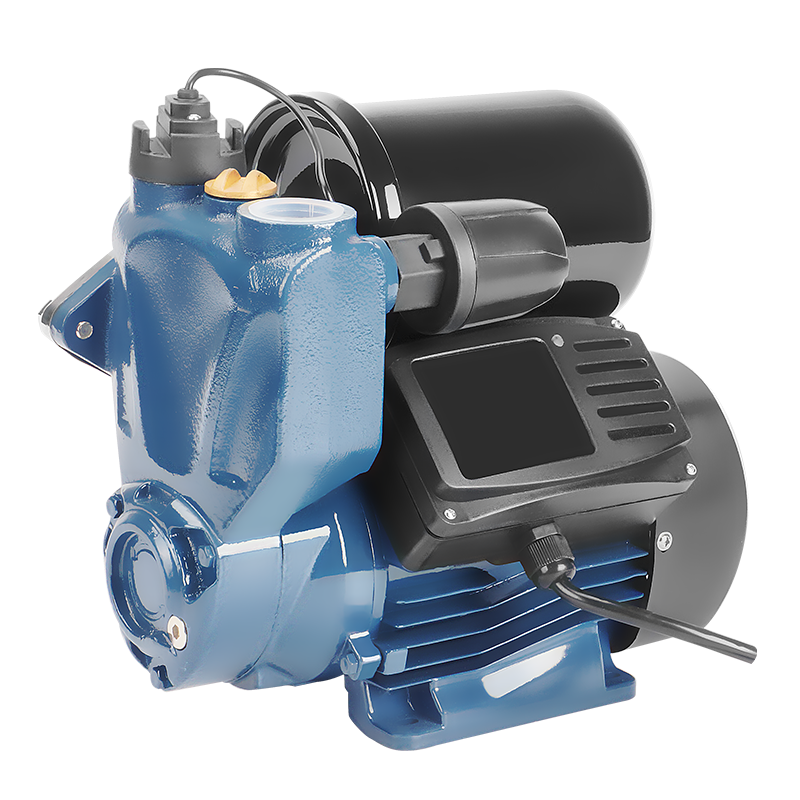 Domestic Pump
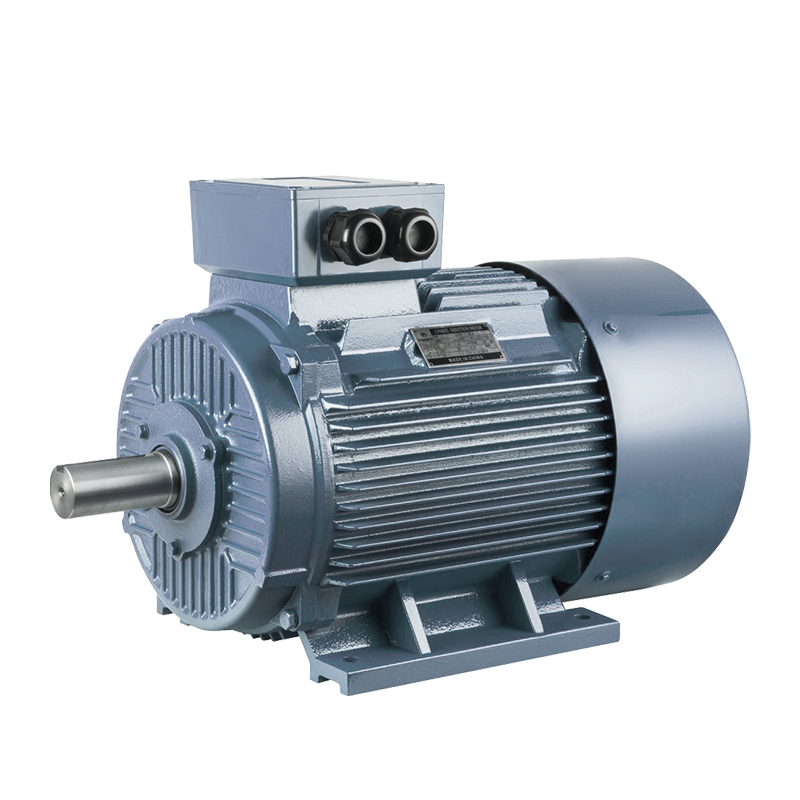 Electric Motor
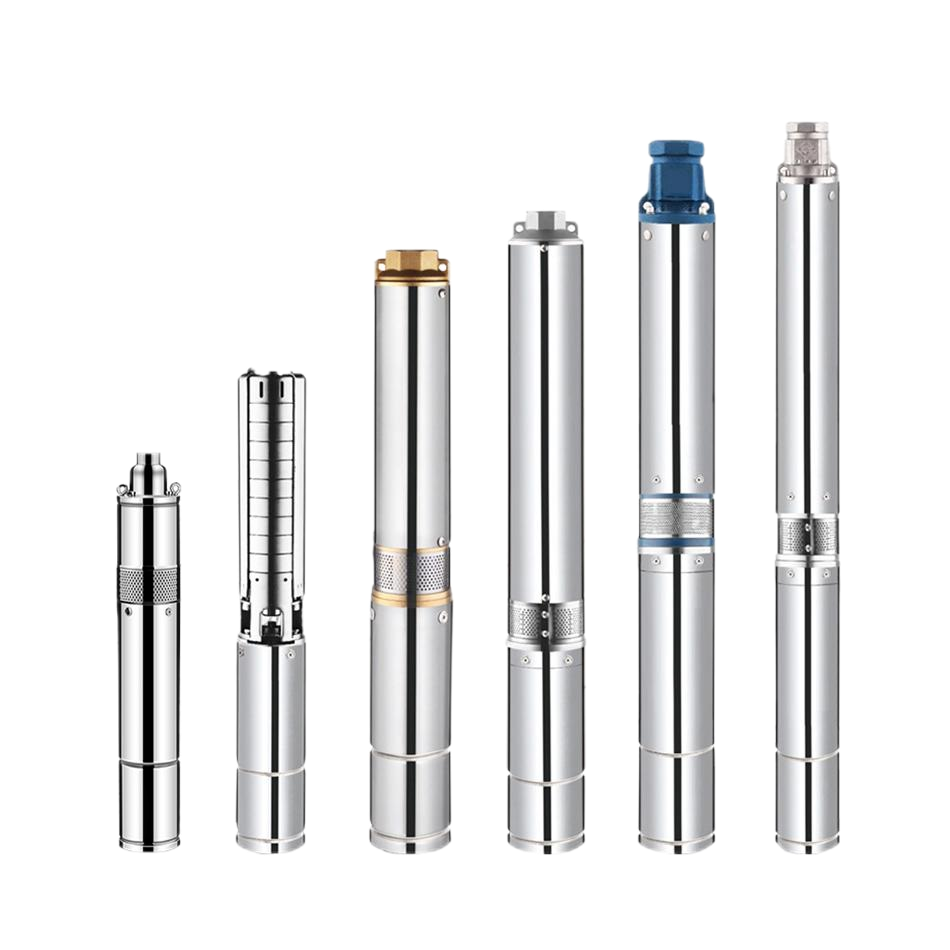 Borehole Pump
Deep Well Pumps: The Ultimate Guide to Selection, Types, and Operation
Access to clean, reliable groundwater is vital for residential homes, agricultural irrigation, and industrial applications.
1. What is a Deep Well Pump?
A deep well pump is a specialized water extraction system engineered to push groundwater upward from depths ranging from 25 feet to well over 1,000 feet.
Unlike shallow well pumps that sit above ground and pull water using atmospheric suction (which physics limits to roughly 25 vertical feet), deep well pumps operate either directly inside the water column or use multi-pipe jet assemblies to push water to the surface under high pressure.
Core Technical Components
-
Submersible Motor: A water-tight, oil-filled or water-filled electric motor sealed against high underwater pressure.
-
Multistage Impeller Stack: A series of spinning impellers paired with diffusers that continuously build kinetic energy and static pressure.
-
Built-in Check Valve: Prevents backflow and protects the system against destructive water hammer when the pump cycles off.
-
Control Box & Switches: Manages power supply, pressure settings, and thermal overload protection.
2. Main Types of Deep Well Pumps
Selecting the right pump style depends on your well depth, well casing diameter, and required flow rate.
Submersible Deep Well Pumps (Most Common)
Submersible pumps are all-in-one cylindrical units lowered deep down into the well casing below the water line.
-
Best For: Depths from 50 feet to 1,000+ feet.
-
How It Works: Water enters through an intake screen near the bottom and is pushed up through the drop pipe via stacked impellers.
-
Pros: Highly energy-efficient, whisper-quiet operation (sound is muffled underwater), no risk of losing prime, and long operating life.
-
Cons: Higher initial setup cost and requires pull equipment for deep repairs.
Deep Well Jet Pumps (Convertible / Two-Pipe Systems)
Jet pumps are surface-mounted, but deep-well variations utilize two pipes extending down into the well. One pipe drives high-pressure water down to an ejector assembly (jet package), creating a vacuum that forces well water up through the second pipe.
-
Best For: Moderate depths between 25 feet and 110 feet.
-
Pros: Pump motor sits above ground for easier maintenance access.
-
Cons: Less energy-efficient than submersibles and requires manual priming before operation.
3. Key Factors for Sizing and Selection
Installing the wrong pump size causes early motor failure, erratic water pressure, or dry-running.
+-----------------------------------------------------------------------+
|                       KEY SIZING PARAMETERS                           |
+-----------------------------------------------------------------------+
|  Well Depth & Static Level  ---> Determines Required Pressure / Head  |
|  Peak Water Flow (GPM/m³/h) ---> Determines Pump Horsepower (HP)      |
|  Well Casing Inner Diameter ---> Determines Physical Pump Size (4"/6")|
+-----------------------------------------------------------------------+
| Parameter | What You Need to Know | Typical Benchmark |
| Static & Dynamic Water Level | Distance from ground level to water when idle vs. when pumping (drawdown). | Drives Total Dynamic Head (TDH) calculation. |
| Flow Rate Requirements | The peak volume of water needed per minute. |
Residential: 7–12 GPM (1.5–3 m³/h) Agri/Industrial: 20–100+ GPM |
| Casing Size Compatibility | Outer diameter of the pump must fit inside the casing with sufficient clearance. |
4-inch casing (3.5" or 4" pumps) for residential. 6-inch+ casing for industrial. |
| Material Construction | Stainless steel shell vs. thermoplastic impellers. | Full 304/316 Stainless Steel is best for acidic or sandy water. |
4. Maintenance & Troubleshooting
Deep well pumps require minimal routine care, but proactive monitoring prevents unexpected outages:
-
Prevent Dry Running: Install a digital pump control switch or low-water cut-off sensor to prevent motor damage if the water table drops.
-
Monitor Pressure Tank Cycling: Rapid switching on and off (rapid cycling) signals a waterlogged pressure tank, which can burn out the starter control box or motor windings.
-
Electrical Protection: Equipping the control box with surge protection shields delicate underwater motor windings from lightning spikes.
 5th Floor, Comprehensive Building No. 5, Dongqiao, Dong'an Village, Daxi Town,Wenling City,Zhejiang,China
 +86 576 86090666
 +86 18667600006
 +86 18667600006
 24 Hours Online