 3D ROOM
 (0)
 English
 عربى

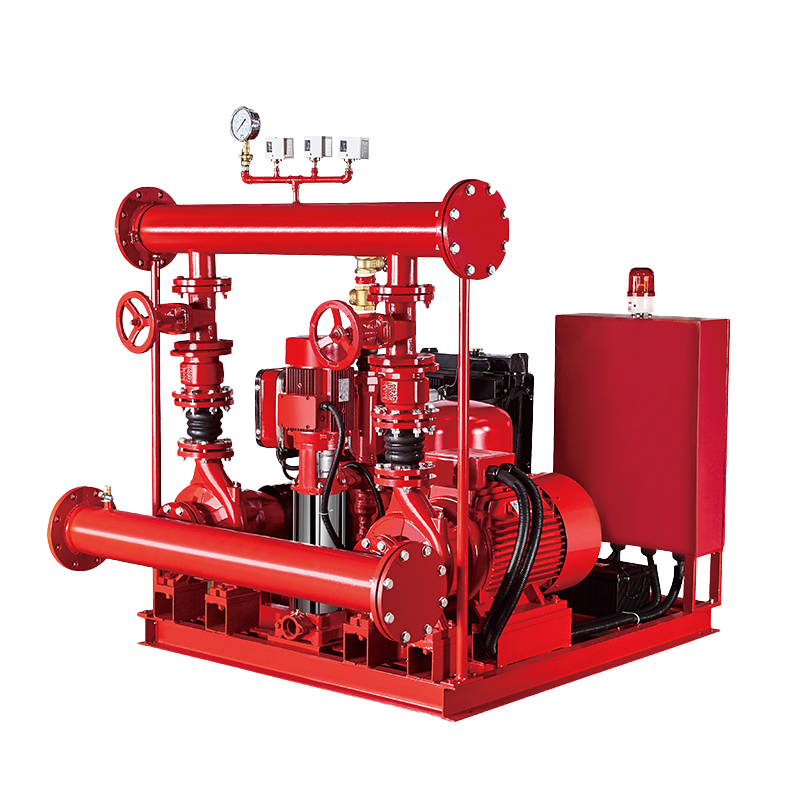 Fire Pump and System
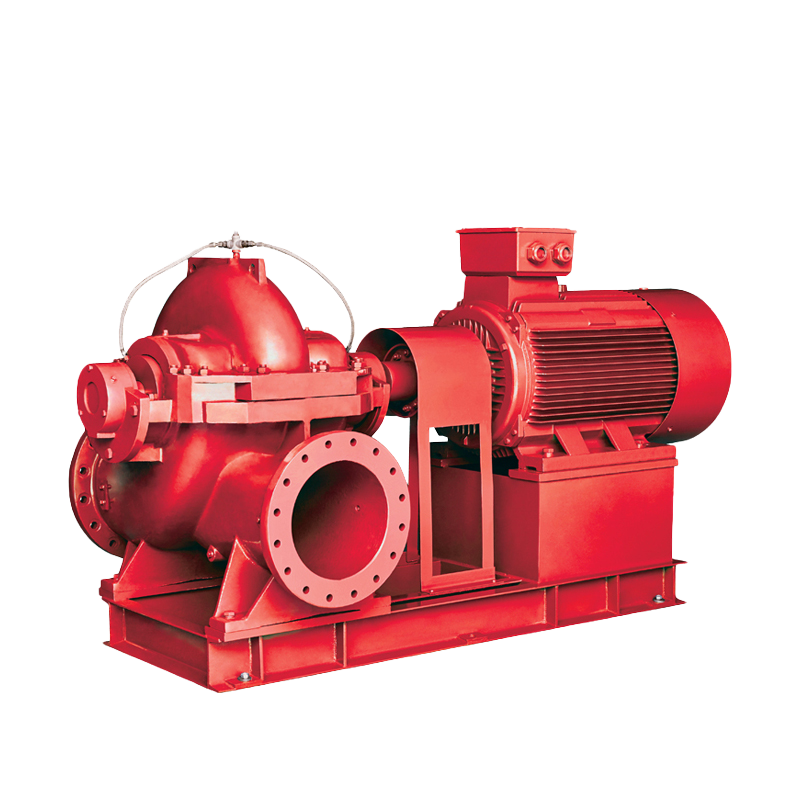 Split Case Pump
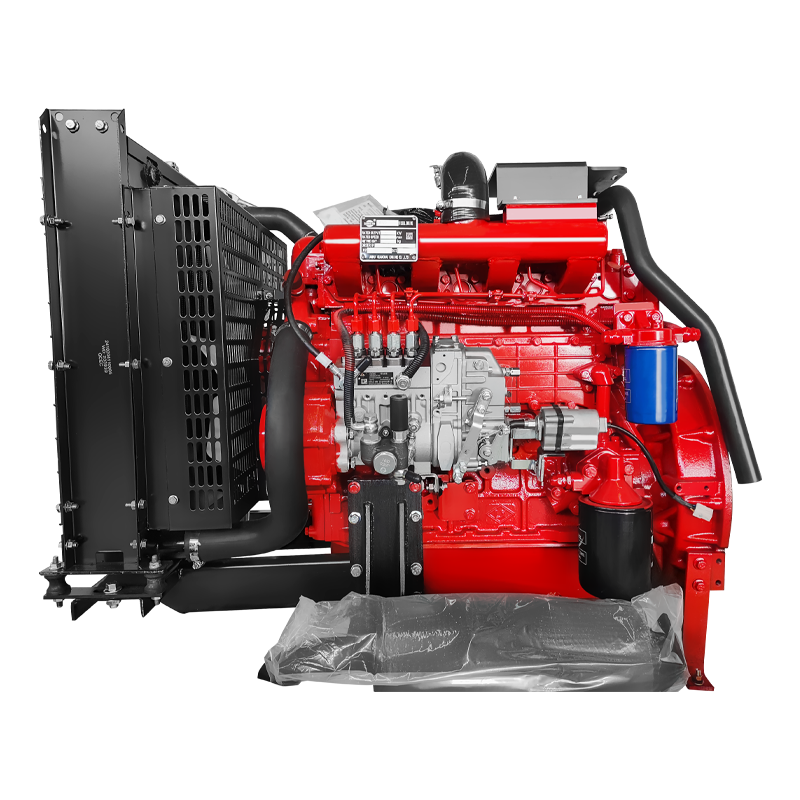 Engine and Pump
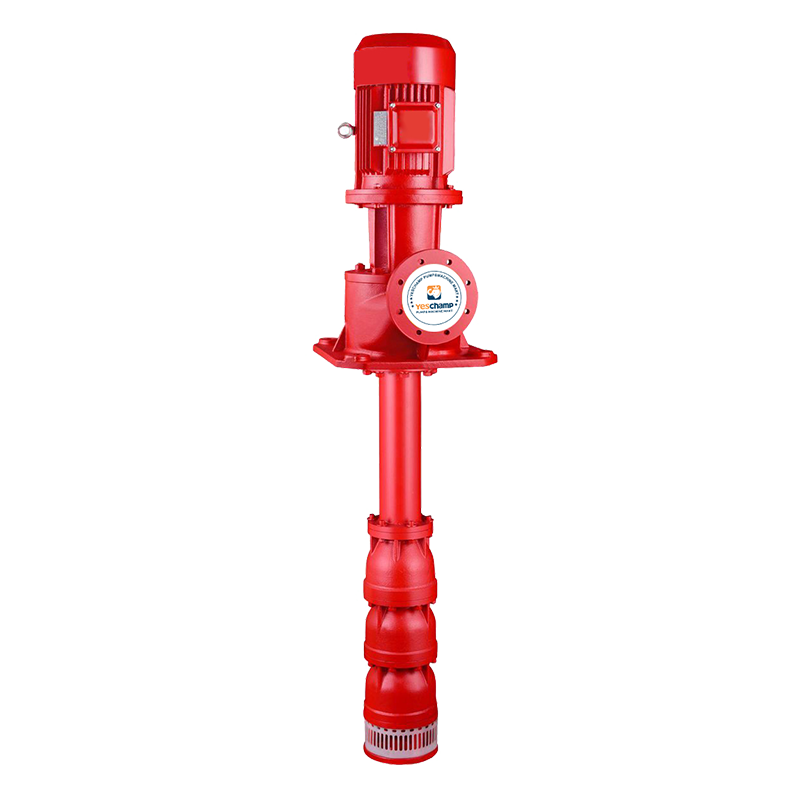 Long Shaft Pump
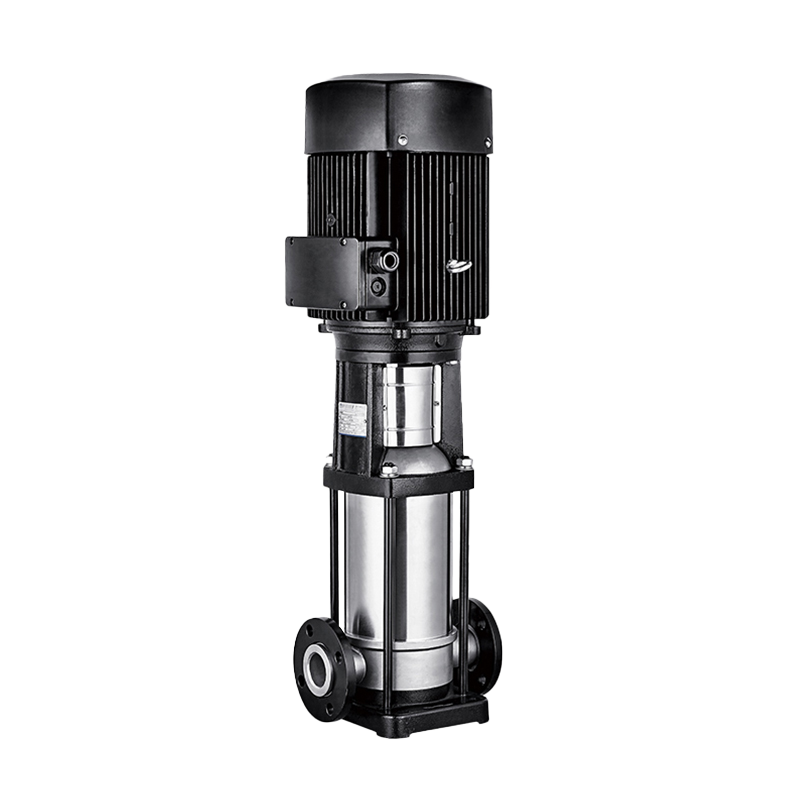 Multistage pump
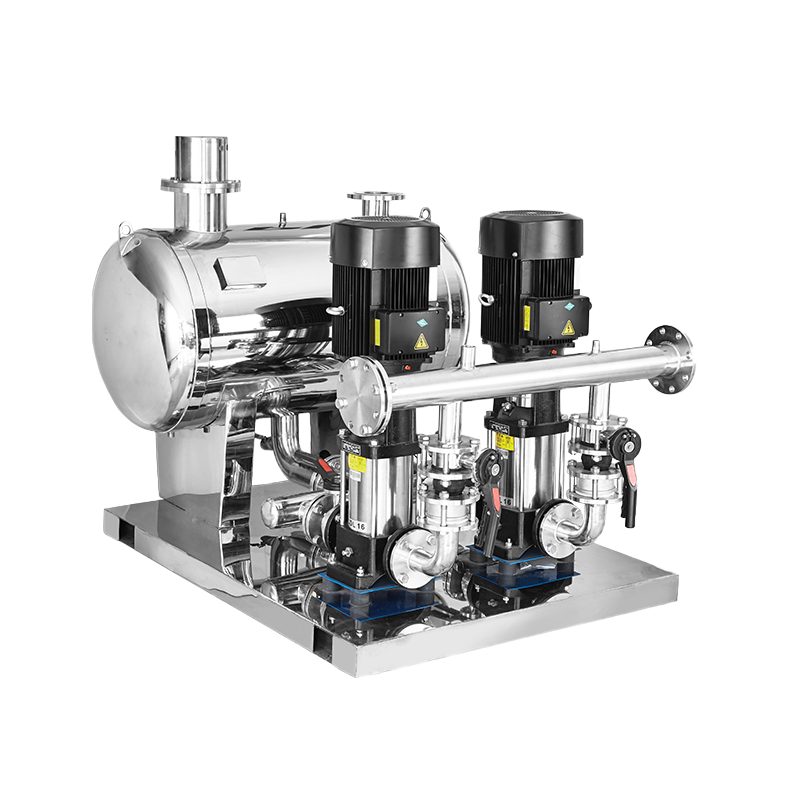 Water Supplier System
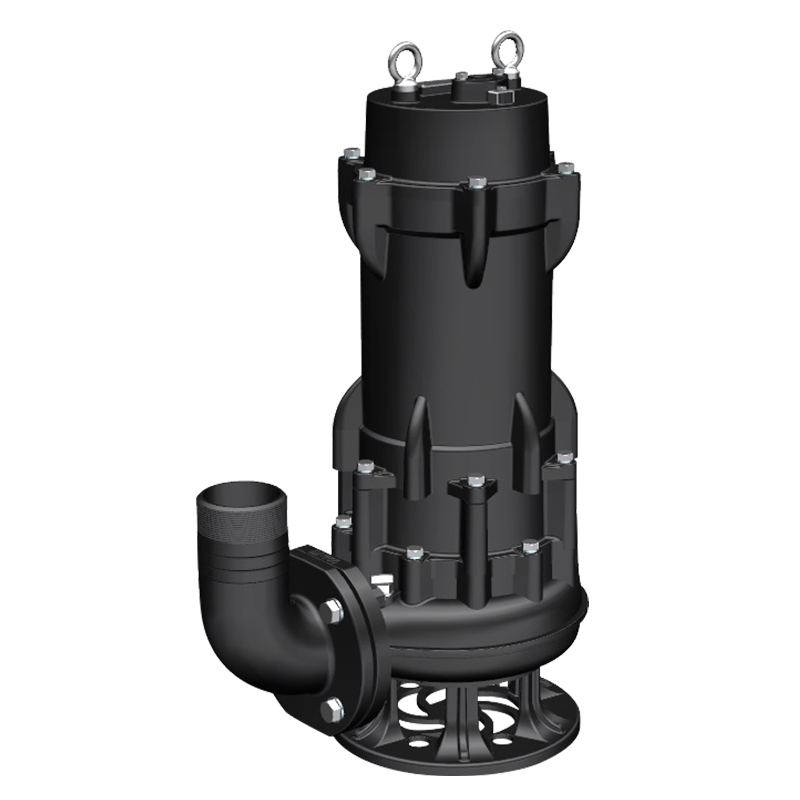 Sewage Pump
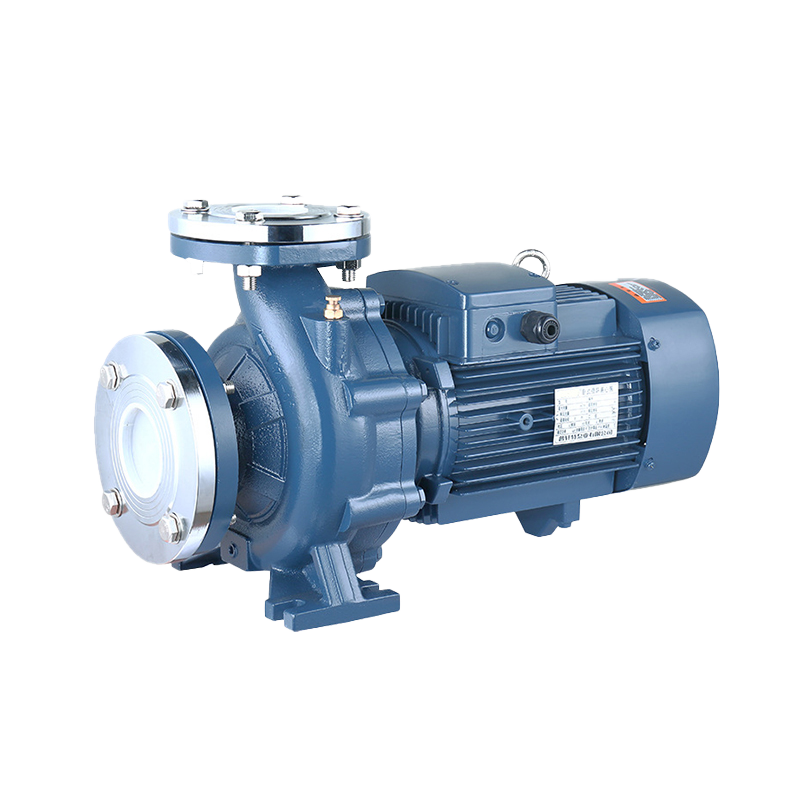 Industrial Pump
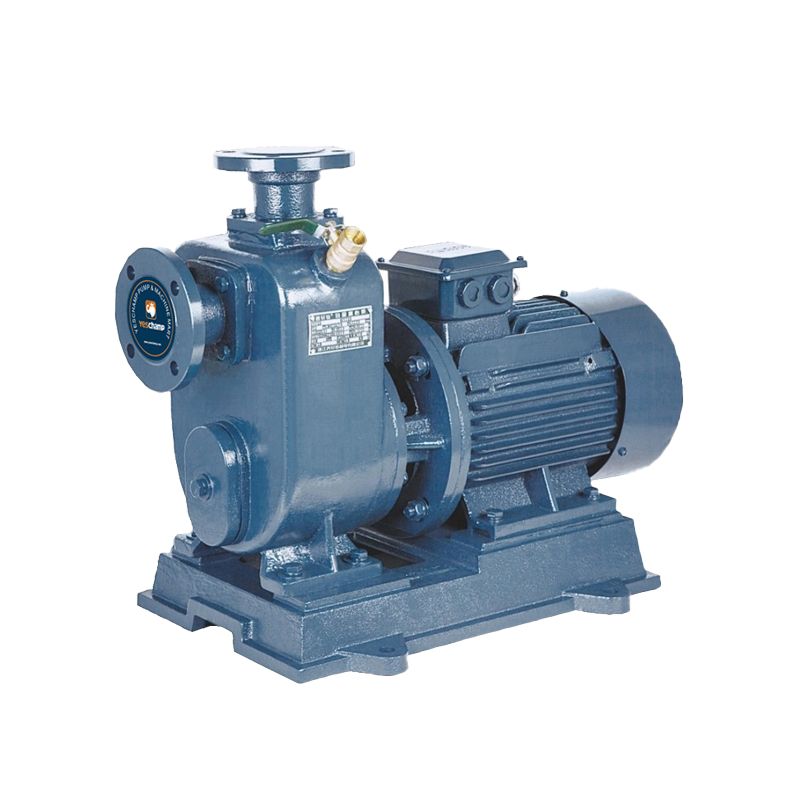 Self-Priming Pump
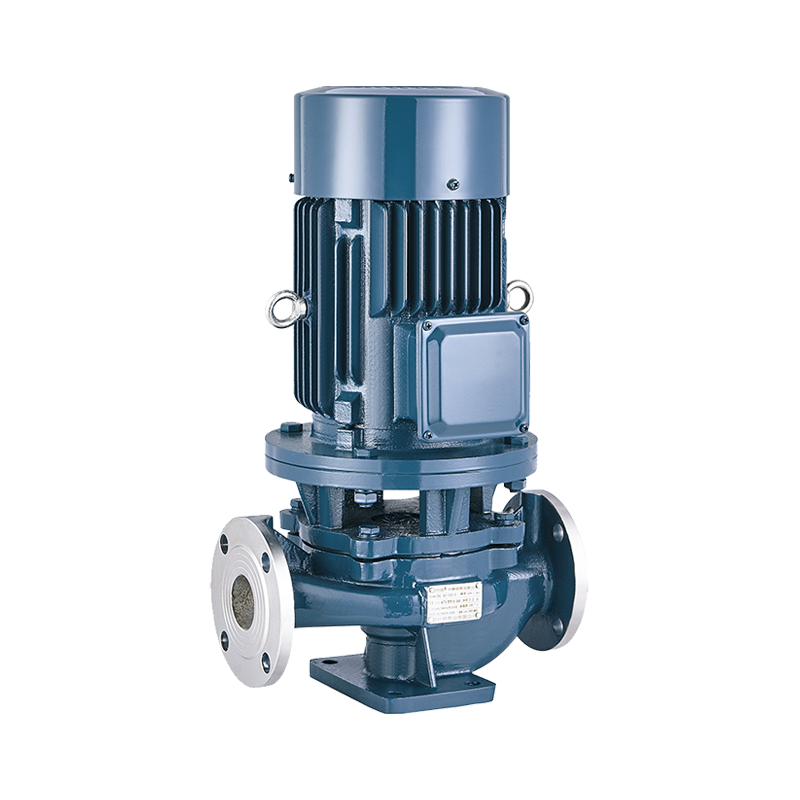 Inline Pump
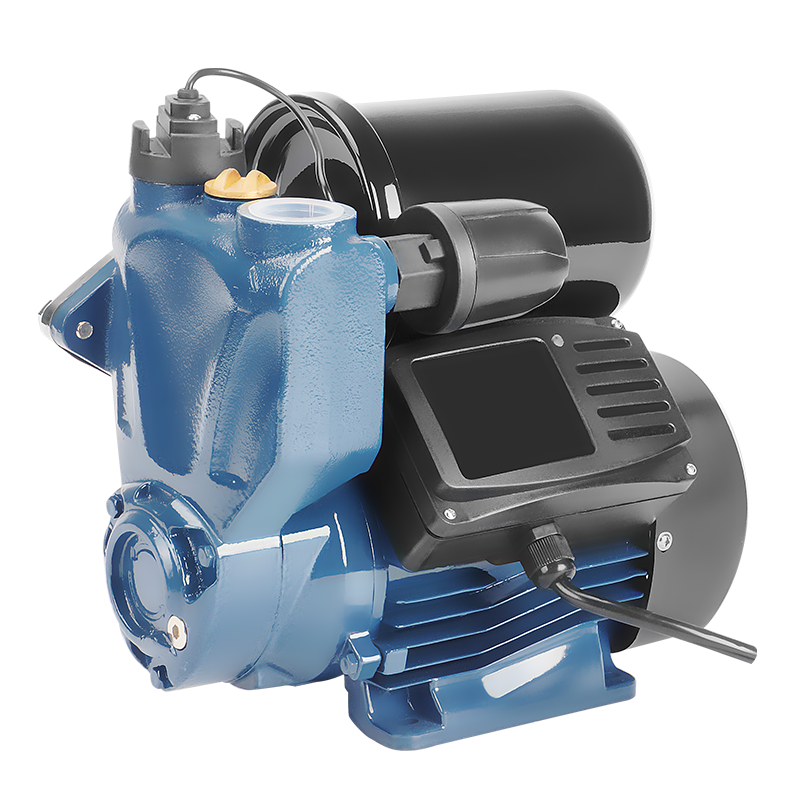 Domestic Pump
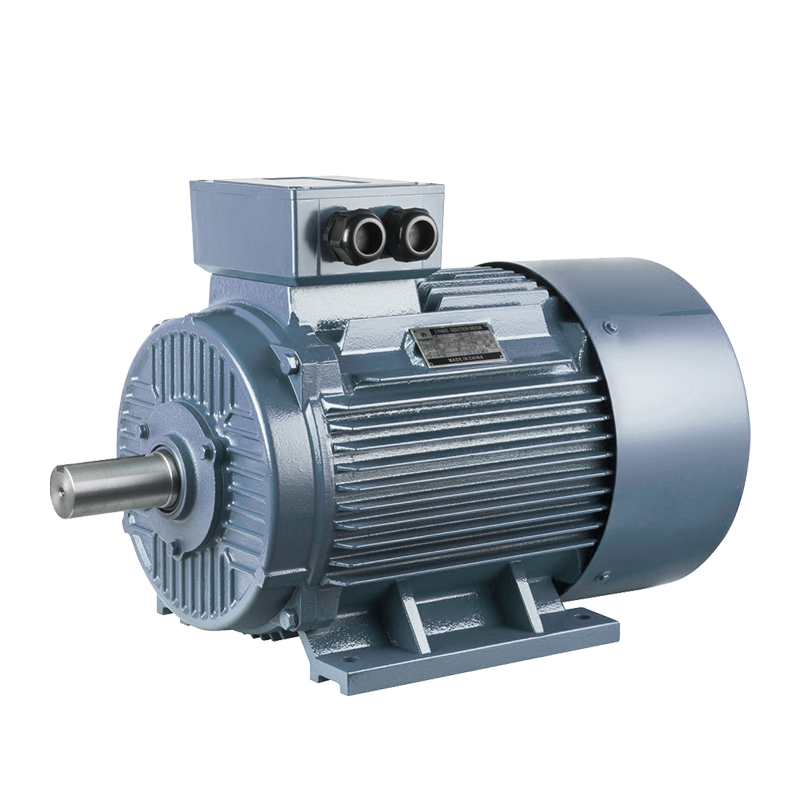 Electric Motor
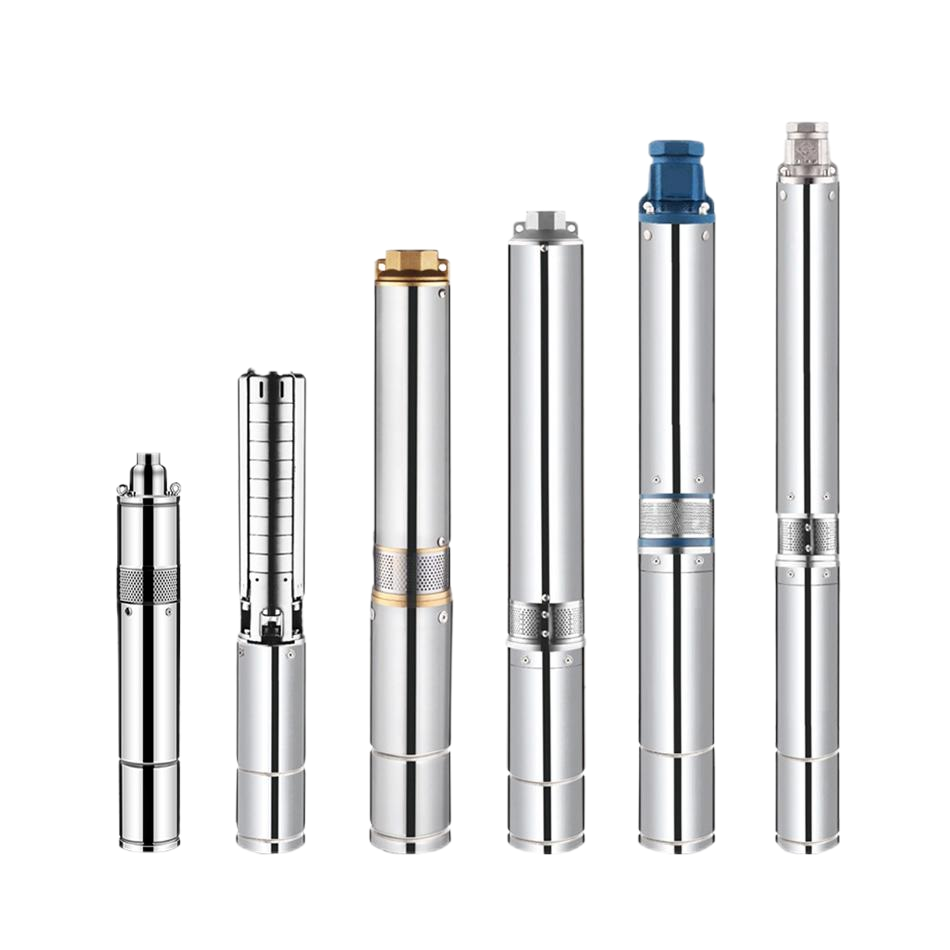 Borehole Pump
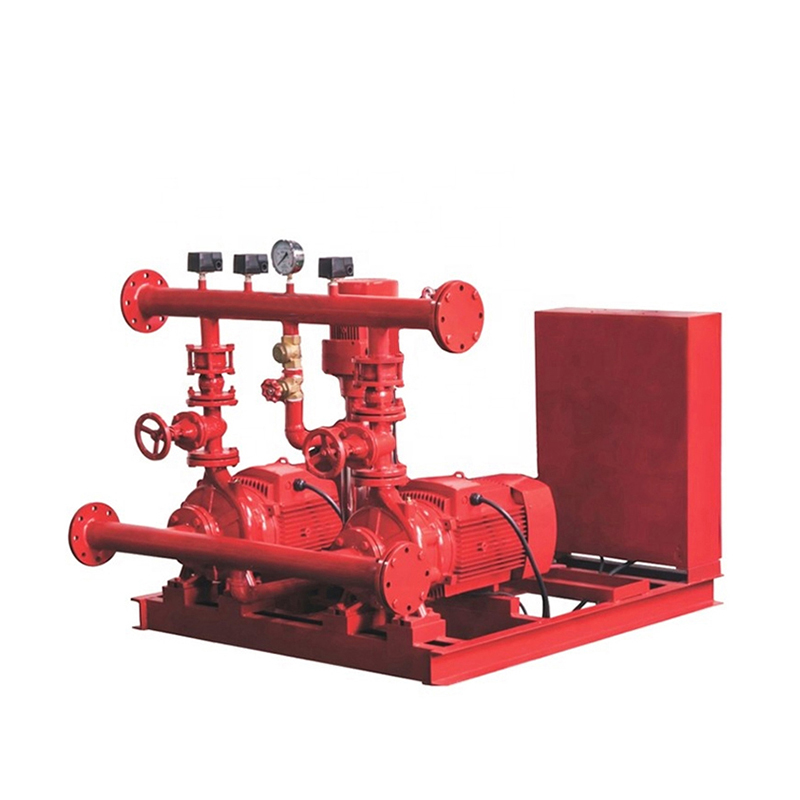
Fire Pump System (Diesel Pump + Jockey Pump): Complete Selection and Maintenance Guide
A fire pump system with a diesel pump and jockey pump is designed to maintain reliable water pressure and flow for fire protection networks. The jockey pump keeps the system pressurized during small, normal pressure losses, while the diesel fire pump starts when the pressure drops because of a sprinkler discharge, hydrant demand, or another significant flow requirement. This arrangement helps reduce unnecessary starts of the main fire pump and keeps the fire water system ready for emergency operation.
A dependable system requires more than selecting a diesel engine and two pumps. The pump duty point, water source, pipe network, control logic, fuel supply, ventilation, valves, test facilities, and maintenance plan must work together. This guide explains the components, operating sequence, selection criteria, installation practices, commissioning steps, and maintenance requirements for a diesel pump and jockey pump fire pump system.
What Is a Fire Pump System with a Diesel Pump and Jockey Pump?
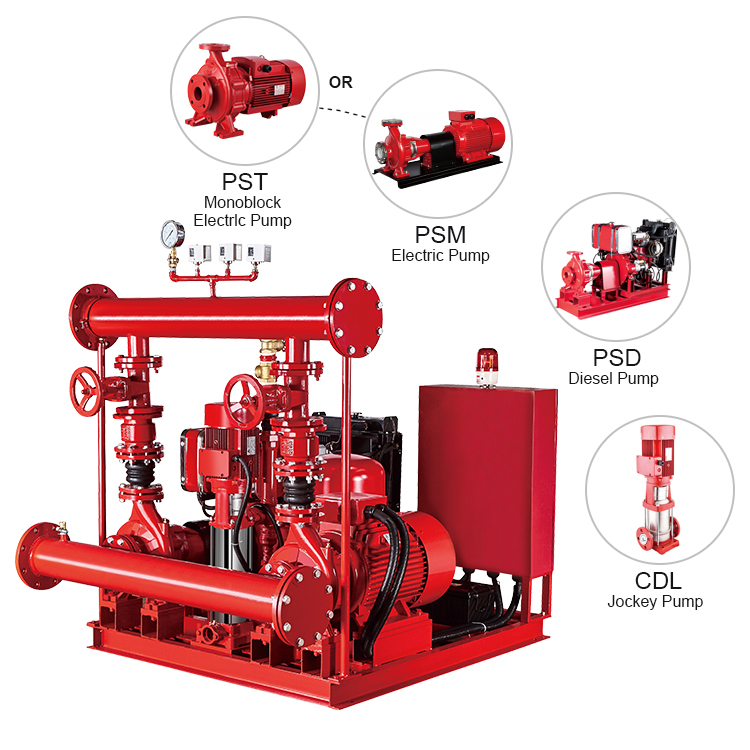
A fire pump system with a diesel pump and jockey pump normally includes a diesel-driven main fire pump, a small electrically driven jockey pump, a controller for each pump, suction and discharge piping, isolation and check valves, pressure-sensing equipment, a fuel system, and a reliable fire water source. Depending on the project, the system may also include an electric main pump, standby equipment, a pressure maintenance tank, flow meters, a test header, or a dedicated fire pump room.
The diesel pump is the primary high-capacity pump in this configuration. It is intended to supply the flow and pressure needed by the fire protection system when a significant demand occurs. Because it uses a diesel engine, it can continue operating during certain electrical power failures, provided that the engine, batteries, fuel supply, cooling, exhaust, and controls are properly maintained.
The jockey pump is much smaller than the main diesel pump. Its job is to compensate for minor pressure losses caused by small leaks, temperature changes, valve seepage, or normal pressure fluctuations. It is not intended to supply the full flow required by an operating sprinkler system or fire hydrant network. By handling small pressure losses, the jockey pump prevents unnecessary starting of the diesel pump and helps keep the system in a stable standby condition.
The pump set should always be evaluated as a complete fire protection package. A correctly sized pump connected to undersized suction piping, an unreliable fuel system, or poorly adjusted pressure controls may not deliver the expected protection performance. The technical data for every major component should be checked against the design requirements before purchase and installation.
How Does a Diesel Pump and Jockey Pump Fire System Work?
The operating sequence begins when the fire water network is filled and pressurized. The jockey pump controller monitors system pressure through a pressure-sensing line. If pressure falls slightly below the jockey pump start setting, the jockey pump starts and restores pressure. Once the pressure reaches the stop setting, the jockey pump stops. The start and stop points must be arranged so that the jockey pump responds to small losses without masking a genuine fire demand.
If water is discharged through a sprinkler, hose station, hydrant, deluge valve, or another fire protection outlet, the pressure falls more rapidly and the jockey pump cannot restore it. When the pressure reaches the diesel pump start setting, the diesel controller sends a start signal to the engine. The diesel engine accelerates the pump to operating speed, and the pump supplies water to the fire protection network.
In many fire pump arrangements, the main diesel pump is designed to continue running once it has started until it is manually stopped by an authorized operator after the fire event or test. The exact control sequence must follow the approved project design, equipment instructions, and applicable fire protection requirements. Operators should never change controller settings casually, because an incorrect pressure sequence may cause nuisance starts or delay main pump operation.
Pressure Sequence Between the Jockey Pump and Diesel Pump
The jockey pump should start at a pressure lower than the normal system pressure and stop after the pressure has been restored. The diesel pump should start at a lower pressure than the jockey pump start or according to the approved pressure-control sequence. The purpose is to create a clear operating hierarchy: small losses are handled by the jockey pump, while large flow demand starts the main diesel pump.
The pressure difference between the start and stop settings must be large enough to prevent rapid cycling. If the settings are too close together, the jockey pump may start and stop repeatedly. If the jockey pump is too large, it may restore pressure so quickly that the system does not clearly recognize a significant demand. If it is too small, the diesel pump may start during ordinary minor leakage. The settings should be verified during commissioning under realistic system conditions.
Main Components of a Diesel Fire Pump System
The diesel pump is the main source of emergency water flow in this arrangement. It consists of a centrifugal fire pump, diesel engine, coupling or drive arrangement, engine controller, batteries, battery charger, cooling system, exhaust system, fuel tank, fuel piping, and monitoring devices. The pump must be selected for the required flow and pressure, while the engine must provide sufficient power under the specified operating conditions.
The jockey pump is a smaller pressure-maintenance pump, usually driven by an electric motor. Its flow is selected to compensate for expected minor system losses without becoming a substitute for the main fire pump. The jockey pump controller starts and stops the motor according to pressure signals and should provide alarms or indications for abnormal conditions such as overload, loss of power, or failure to start.
The fire pump controllers are responsible for starting, monitoring, and indicating the operating status of the pumps. A diesel controller may manage automatic engine starting, battery selection, charger status, engine alarms, low fuel indication, overspeed protection, and manual control functions. A jockey pump controller generally manages motor starting, stopping, overload protection, and pressure-based control.
Valves and piping are equally important. Suction piping must provide a stable water supply without excessive restriction or air entrainment. Discharge piping carries water to the fire protection network and normally includes check valves, isolation valves, test connections, pressure gauges, and other project-specific equipment. Every valve that affects pump operation should be accessible, correctly oriented, identified, and protected against unintended closure.
The fuel and engine support systems require special attention. The fuel tank must provide the required operating reserve, and the fuel must be clean and suitable for the engine. Batteries, chargers, ventilation, combustion air, cooling air, and exhaust discharge must be designed for reliable engine starting and safe operation. A diesel pump that has adequate hydraulic capacity but cannot start because of a weak battery, blocked exhaust, or empty fuel tank does not provide dependable protection.
How to Select a Fire Pump System: Diesel Pump and Jockey Pump
Fire pump selection begins with the hydraulic design of the fire protection network. Determine the required flow rate and pressure at the most demanding design point. The calculation should account for the water source, elevation difference, pipe friction, fittings, valves, sprinkler demand, hydrant demand, and any required residual pressure. The pump should be selected from a verified performance curve at the actual duty point rather than from motor horsepower or discharge size alone.
The diesel pump must be capable of delivering the main fire water demand. Its rated capacity, shutoff pressure, operating pressure, engine power, speed, and fuel consumption should be reviewed together. The selected engine must have adequate power at the project elevation, ambient temperature, and ventilation conditions. If the pump room is located in a hot or poorly ventilated area, the engine cooling and combustion requirements may affect the final selection.
The jockey pump is selected differently. It should be large enough to maintain pressure during normal minor losses but small enough that it does not handle the main fire flow or cause frequent cycling. Its rated pressure should coordinate with the system pressure and the diesel pump start setting. The jockey pump should also be able to operate within the system’s normal pressure range without exceeding the pressure rating of pipes, valves, sprinklers, or other equipment.
Fire Pump Selection Checklist
Fire Pump Room and Installation Requirements
The fire pump room should provide enough space for installation, inspection, testing, and removal of the diesel pump, jockey pump, controller, valves, batteries, and engine components. Access routes should allow maintenance personnel to handle heavy equipment safely. The floor should be strong and level, and the pump set should be installed on a suitable foundation that limits movement and vibration.
Suction piping is one of the most important installation areas. It should be arranged to provide a stable water supply and avoid unnecessary friction, sharp changes in direction, air pockets, or turbulence near the pump suction. Pipe supports should prevent the piping load from being transferred to the pump casing. Before startup, the suction line should be cleaned and flushed so that welding debris, scale, and construction materials do not enter the pump.
The discharge side should include the valves, check valve, pressure gauges, and test connections shown in the approved design. Valves must be installed in the correct direction and kept accessible. The pump discharge should not be used as a convenient support for unrelated piping or equipment. All connections should be checked for leakage, and pressure-sensing lines should be installed so that they accurately reflect fire system pressure.
The diesel engine requires suitable ventilation and exhaust arrangements. The room must provide enough combustion air and cooling air for the engine, while exhaust gases must be discharged safely away from air intakes and occupied areas. Excessive room temperature can reduce engine performance and battery life. The fuel system should be protected from contamination, leakage, excessive heat, and accidental damage.
Electrical work should include proper grounding, cable protection, controller connection, battery-charger installation, and alarm wiring. The jockey pump motor and controller should be protected against moisture and mechanical damage. After all work is complete, the installer should verify the phase sequence for the jockey pump, the pressure-sensing connections, battery polarity, controller indications, and emergency or manual operating functions.
Commissioning and Testing a Diesel Pump and Jockey Pump System
Commissioning should begin with a document review and visual inspection. Confirm that the pump model, engine, jockey pump, controller, valves, pipe sizes, pressure gauges, and fuel tank match the approved design and purchase documents. Check that all temporary construction materials have been removed and that the suction tank or water source contains sufficient water for testing.
The next step is to verify mechanical and electrical readiness. Rotate the pump shaft where permitted by the manufacturer, inspect couplings and guards, check lubrication levels, confirm battery charge, and verify fuel quality and quantity. Make sure the suction and discharge valves are in the correct operating positions. Inspect pressure-sensing lines for blockage or leakage, because a faulty sensing line can cause incorrect pump starts.
Test the jockey pump first. Simulate a small pressure loss and confirm that it starts at the intended pressure, restores the system pressure, and stops at the intended setting. Observe whether it cycles excessively. Then simulate a larger pressure drop and confirm that the diesel controller receives the start signal. Verify engine cranking, automatic start, stable speed, discharge pressure, abnormal-alarm indications, and manual control functions.
Hydraulic testing should compare actual pump performance with the supplied pump curve and project requirements. Record flow, suction pressure, discharge pressure, engine speed, fuel condition, and any unusual vibration or noise. Test the system at appropriate flow points without exceeding the limits of the water source, piping, or test arrangement. After testing, restore valves, controllers, and alarms to their normal standby condition and document all results.
Maintenance of a Diesel Pump and Jockey Pump Fire System
A fire pump system must be maintained in a ready state even when no fire has occurred. Routine checks should cover the diesel engine, fuel system, batteries, chargers, cooling system, exhaust system, pump casing, valves, gauges, controllers, and jockey pump. The exact inspection frequency should follow the approved maintenance program, manufacturer instructions, and applicable local requirements.
For the diesel pump, inspect fuel level and quality, battery condition, charger status, engine oil, coolant, belts, hoses, exhaust components, and visible leaks. Check that the engine starts promptly and reaches stable operating speed. Fuel contamination, corrosion, a weak battery, or a blocked air filter can prevent reliable starting. The engine room should be kept clean and free from stored materials that could restrict ventilation or obstruct access.
For the jockey pump, check the motor, controller, pressure-sensing line, pressure gauges, isolation valves, and start-stop behavior. A jockey pump that runs frequently may indicate leakage in the fire protection network, incorrect pressure settings, a failed check valve, or an undersized system component. Do not solve frequent starts simply by increasing the stop pressure without investigating the cause.
The pump and piping should be checked for corrosion, leakage, vibration, loose fasteners, damaged insulation, and abnormal pressure readings. Test equipment should be maintained so that performance measurements remain reliable. Keep a service record containing the date, operating hours, test flow, pressure readings, engine condition, battery status, alarms, repairs, and replaced parts.
Common Fire Pump System Problems and Troubleshooting
If the diesel pump fails to start, first check the controller status, battery voltage, battery connections, fuel supply, emergency stop position, engine alarms, and pressure-sensing signal. A blocked sensing line or incorrect pressure setting may prevent the start command. If the starter operates but the engine does not run, inspect fuel delivery, air supply, engine protection functions, and battery capacity. A qualified technician should perform detailed engine diagnosis.
If the jockey pump starts too often, investigate system leakage, pressure-sensing-line leakage, a faulty check valve, incorrect start and stop settings, or a jockey pump that is too large or too small for the system. Frequent cycling can shorten motor and starter life and may hide a developing problem in the fire water network.
Low discharge pressure or inadequate flow may result from a restricted suction line, insufficient water supply, a closed valve, air entering the suction piping, incorrect pump rotation, a damaged impeller, excessive system resistance, or an incorrect pressure gauge. Check the pump curve and compare measured operating data with the expected duty point. Do not adjust the controller to compensate for a hydraulic problem before finding the actual cause.
Excessive vibration or noise may be caused by poor alignment, loose foundation bolts, pipe strain, cavitation, worn bearings, coupling damage, or foreign material in the pump. Stop and isolate the equipment when safe to do so, then inspect the mechanical installation and operating conditions. Any repair should be followed by a documented test to confirm that the original performance has been restored.
Conclusion: Building a Reliable Diesel and Jockey Pump Fire Pump System
A fire pump system with a diesel pump and jockey pump provides a practical way to maintain standby pressure while reserving the main diesel pump for significant fire water demand. The jockey pump handles minor pressure losses, and the diesel pump supplies the flow and pressure required by the fire protection network when the demand becomes substantial. The reliability of the complete system depends on hydraulic design, pump sizing, controller settings, water supply, fuel readiness, ventilation, valves, installation quality, commissioning, and planned maintenance.
Before purchasing, prepare the design flow, total head, suction conditions, water source, environmental conditions, expected pressure range, and control sequence. Request complete pump curves, engine data, jockey pump data, controller specifications, installation drawings, fuel-system information, test arrangements, spare-parts recommendations, and operation manuals. A complete technical review helps reduce nuisance starts, delayed engine operation, inadequate pressure, premature wear, and costly emergency repairs. It also creates a clear reference for contractors, commissioning engineers, operators, and maintenance teams throughout the service life of the fire protection installation.
Fire Pump System FAQ
What is the purpose of a jockey pump in a fire pump system?
The jockey pump maintains pressure in the fire protection network during small, normal pressure losses. It prevents the main diesel pump from starting every time the system experiences minor leakage or pressure fluctuation. It is not intended to provide the full flow required by an operating sprinkler, hydrant, or other major fire protection demand.
When does the diesel fire pump start?
The diesel fire pump normally starts when system pressure falls below its configured start point, usually because the fire protection network is experiencing a significant water demand. The exact pressure sequence must be coordinated with the jockey pump and confirmed during commissioning. Controller settings should follow the approved system design and should not be changed without authorization.
How is a jockey pump different from a diesel fire pump?
The jockey pump is a small pressure-maintenance pump used for minor losses and standby pressure. The diesel fire pump is the main high-capacity pump designed to supply the fire protection network during a major demand. They have different flow capacities, motors or engines, controllers, and operating roles.
How do I select the right diesel fire pump size?
Select the diesel pump according to the required flow and total head at the system design point. Include elevation, pipe friction, fittings, valves, sprinkler or hydrant demand, suction conditions, and residual pressure. Use the manufacturer’s verified performance curve and confirm that the diesel engine provides adequate power under the project’s environmental conditions.
How should the jockey pump be sized?
The jockey pump should be capable of compensating for expected minor pressure losses while remaining significantly smaller than the main fire pump’s flow demand. Its pressure settings must coordinate with the system pressure and diesel pump start setting. A pump that is too large may cause unstable control or mask a genuine demand, while a pump that is too small may allow unnecessary diesel pump starts.
Why does a diesel fire pump fail to start automatically?
Possible causes include weak batteries, a charger problem, insufficient fuel, an emergency stop condition, a blocked pressure-sensing line, incorrect controller settings, wiring faults, or an engine protection alarm. Check the controller indications and support systems systematically. Automatic-start failure should be investigated promptly by qualified personnel.
What maintenance does a diesel fire pump require?
Maintenance normally includes checking fuel, batteries, chargers, engine oil, coolant, belts, hoses, exhaust, controller alarms, pump leakage, valves, pressure gauges, and test performance. The schedule should follow the manufacturer’s instructions, the approved maintenance plan, and applicable local requirements. Keep clear records of every test, alarm, repair, and replacement part.
Suggested Internal-Link Anchors: diesel fire pump selection, jockey pump sizing guide, fire sprinkler system design, fire pump room requirements, fire pump testing procedure, diesel engine maintenance
Primary CTA: If you are sourcing a fire pump system with a diesel pump and jockey pump, prepare the required flow, total head, water-source data, environmental conditions, pressure sequence, and installation layout, then request a complete technical proposal and performance curve from a qualified fire pump supplier.
 5th Floor, Comprehensive Building No. 5, Dongqiao, Dong'an Village, Daxi Town,Wenling City,Zhejiang,China
 +86 576 86090666

 +86 18667600006
 +86 18667600006
 24 Hours Online
