 3D ROOM
 (0)
(0) English
 عربى
عربى
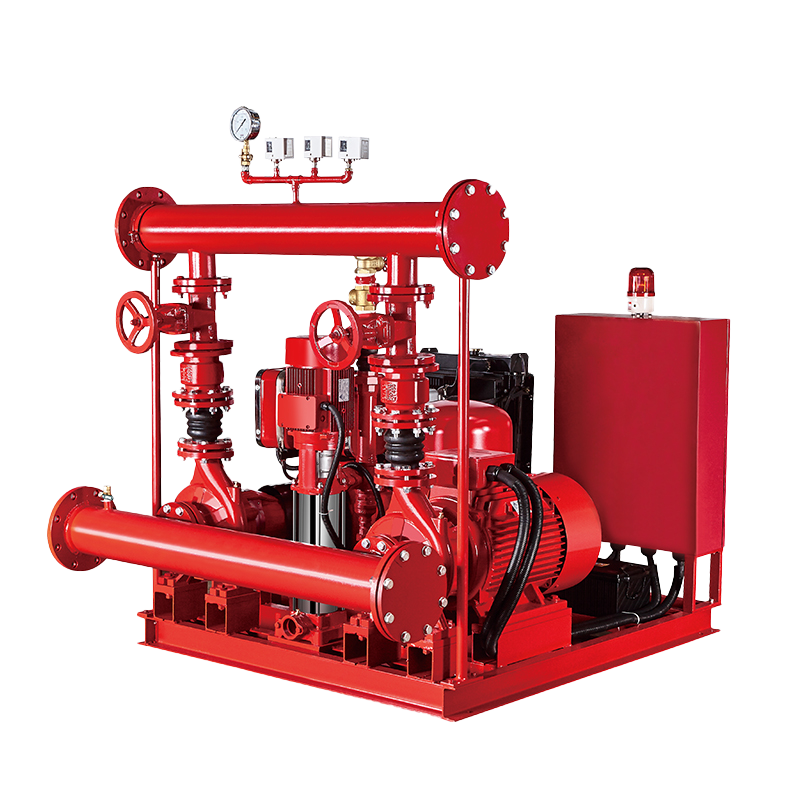 Fire Pump and System
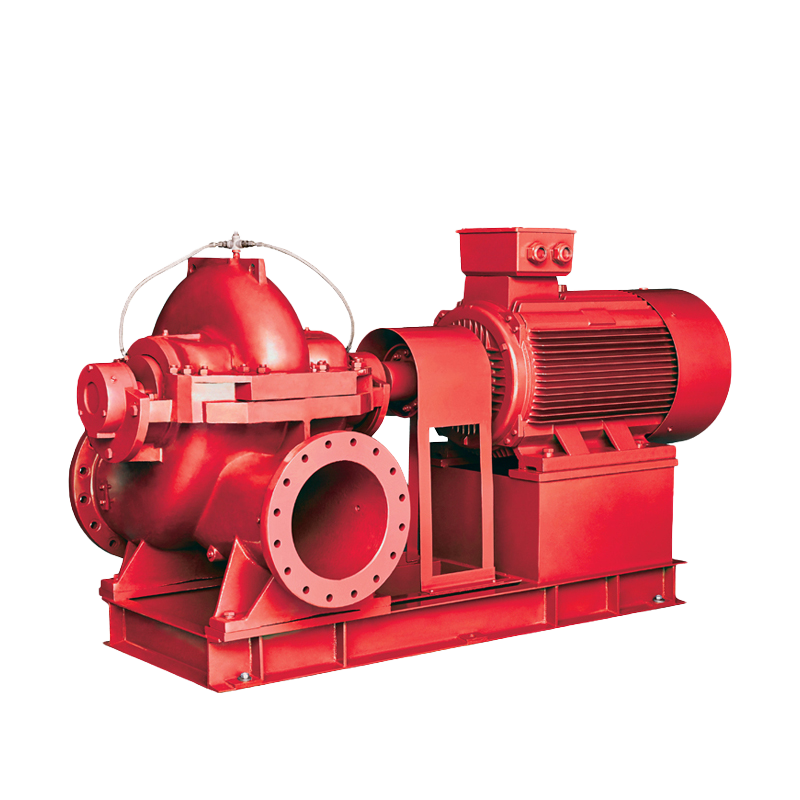 Split Case Pump
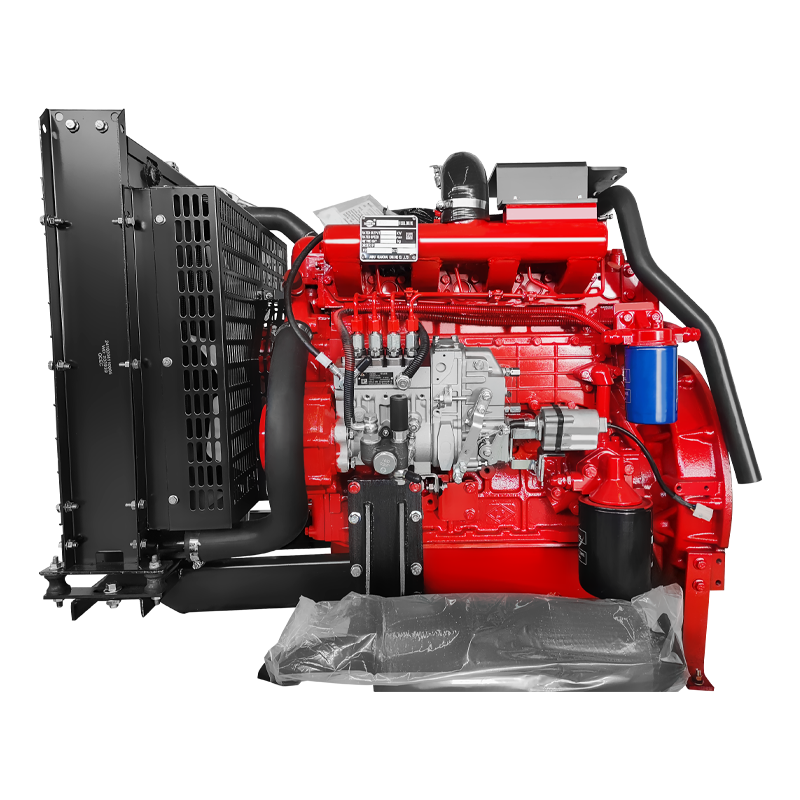 Engine and Pump
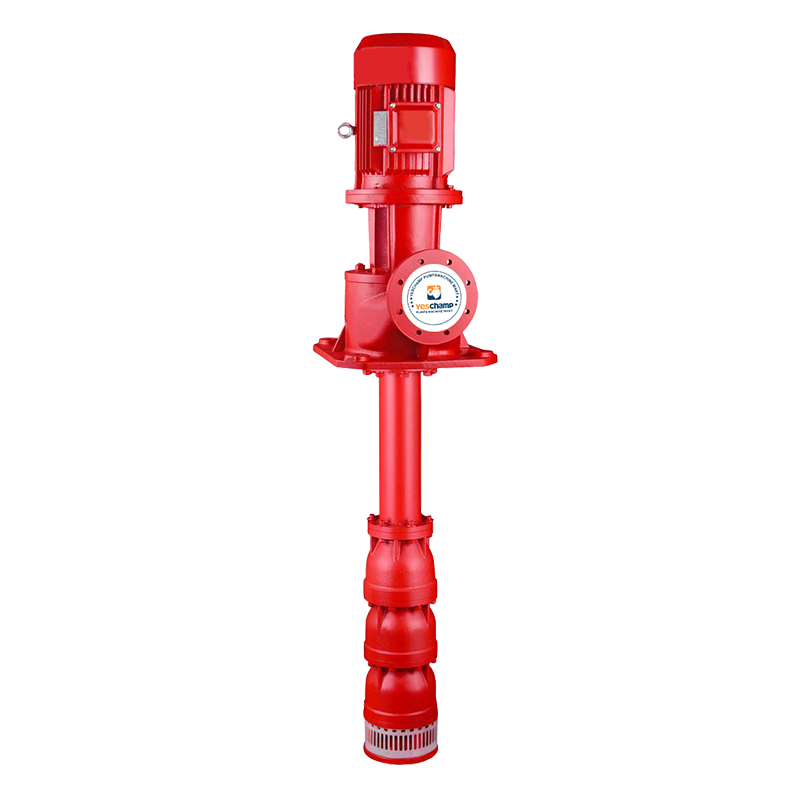 Long Shaft Pump
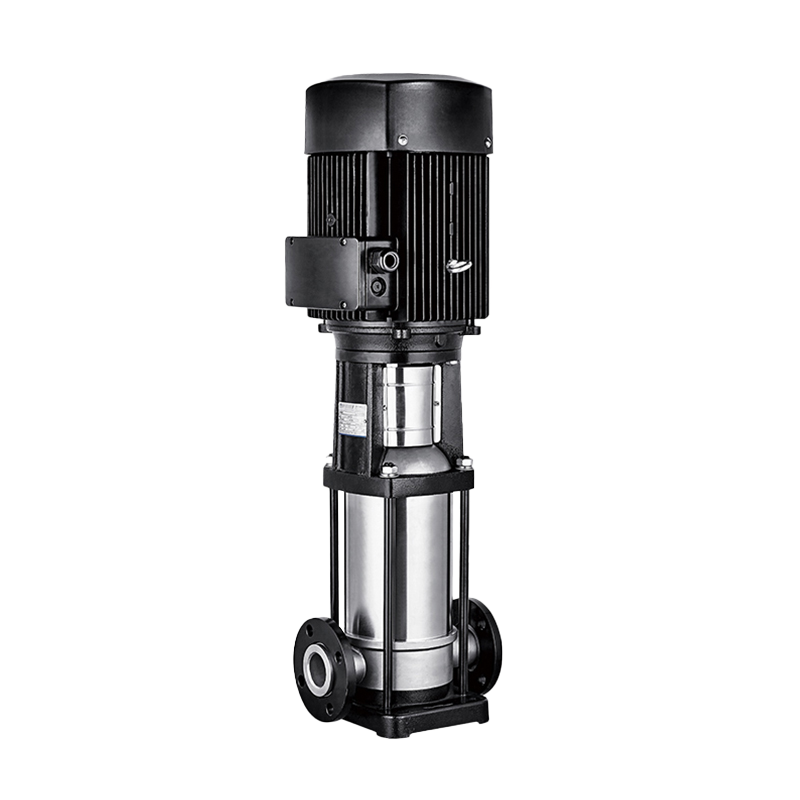 Multistage pump
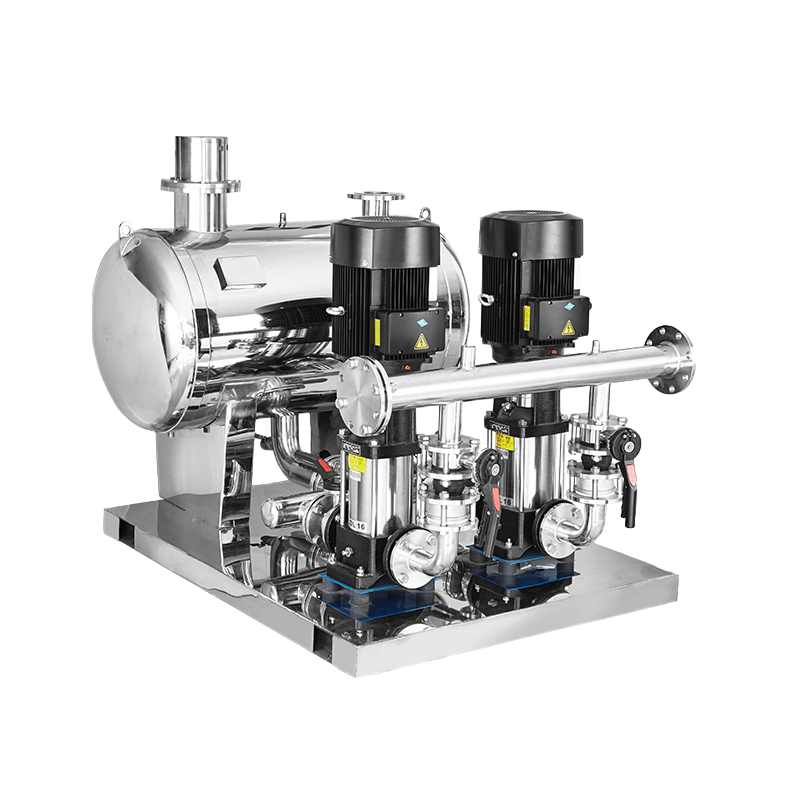 Water Supplier System
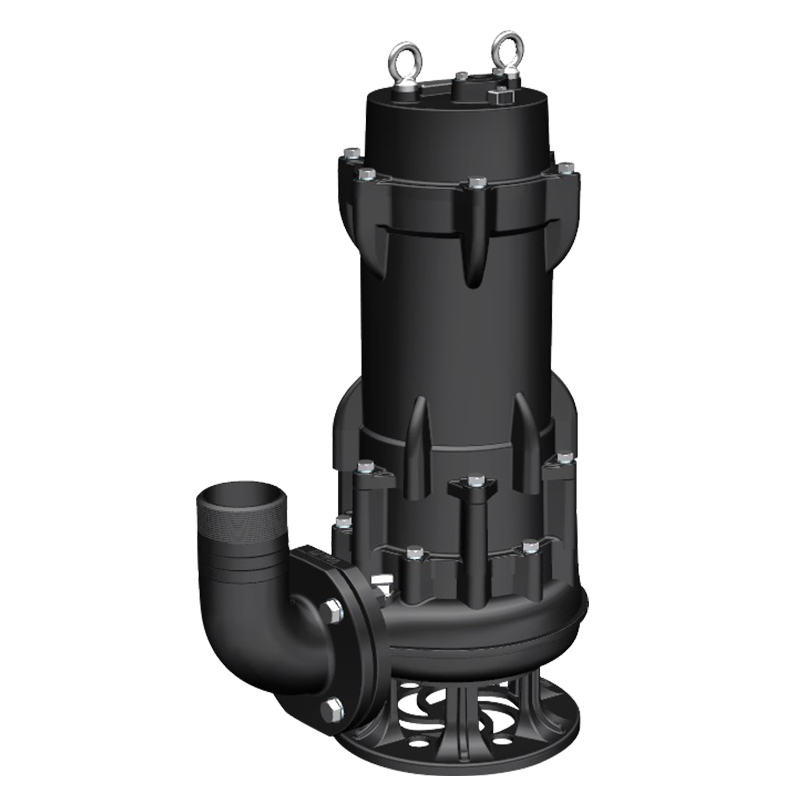 Sewage Pump
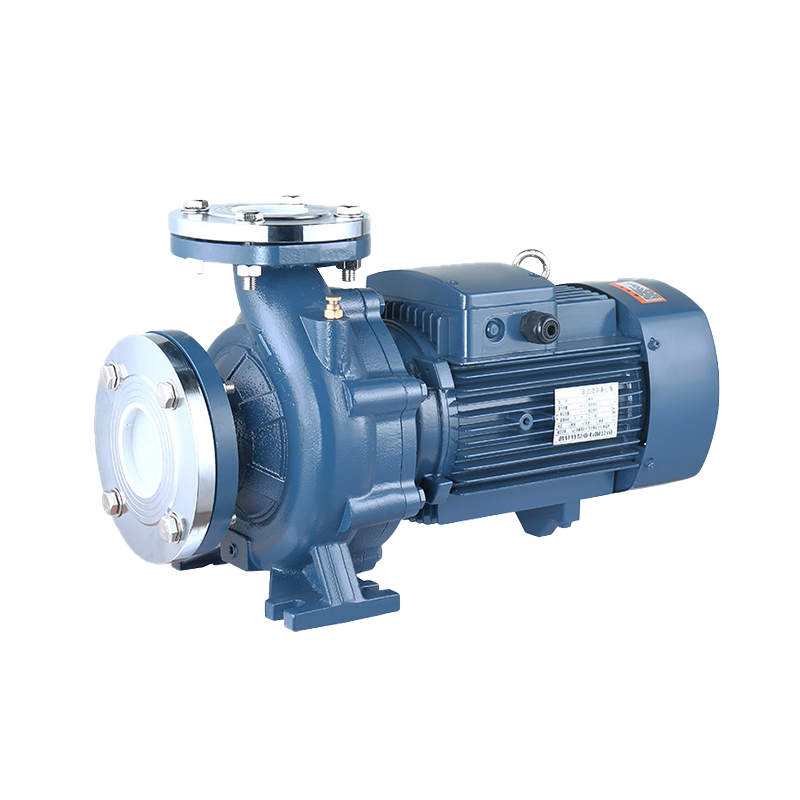 Industrial Pump
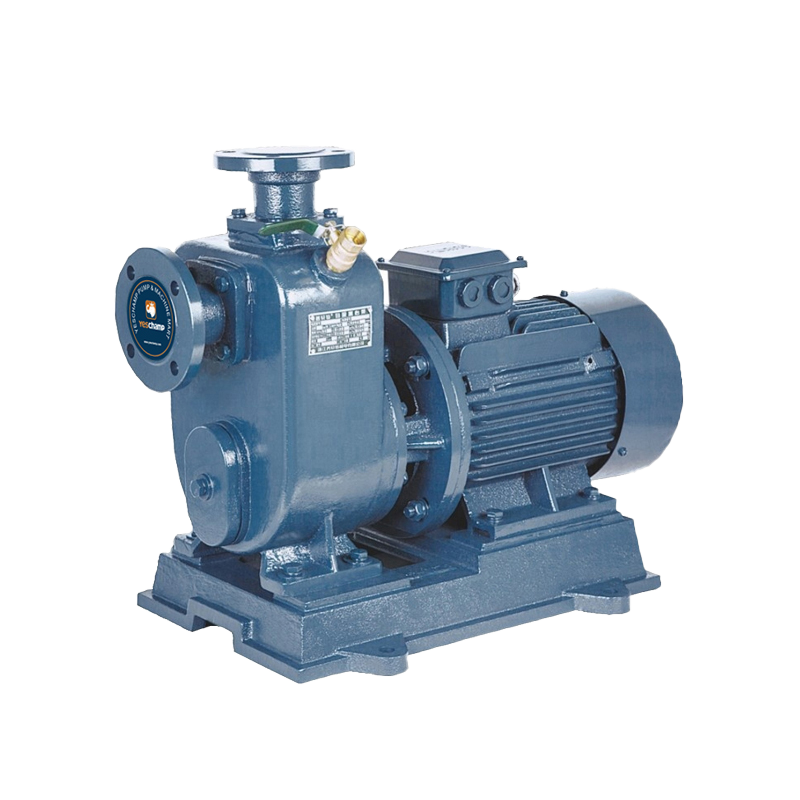 Self-Priming Pump
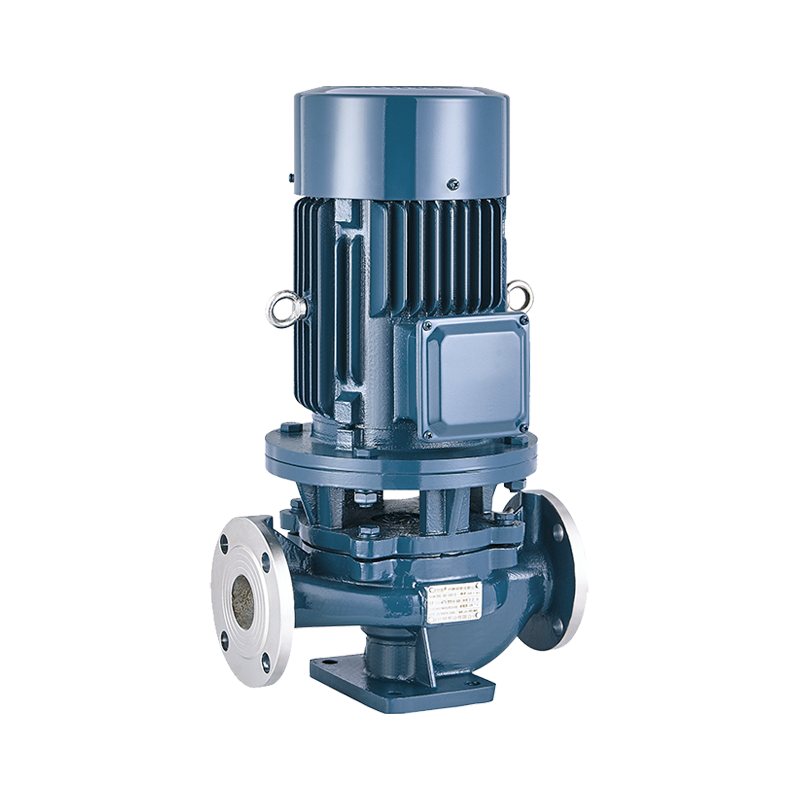 Inline Pump
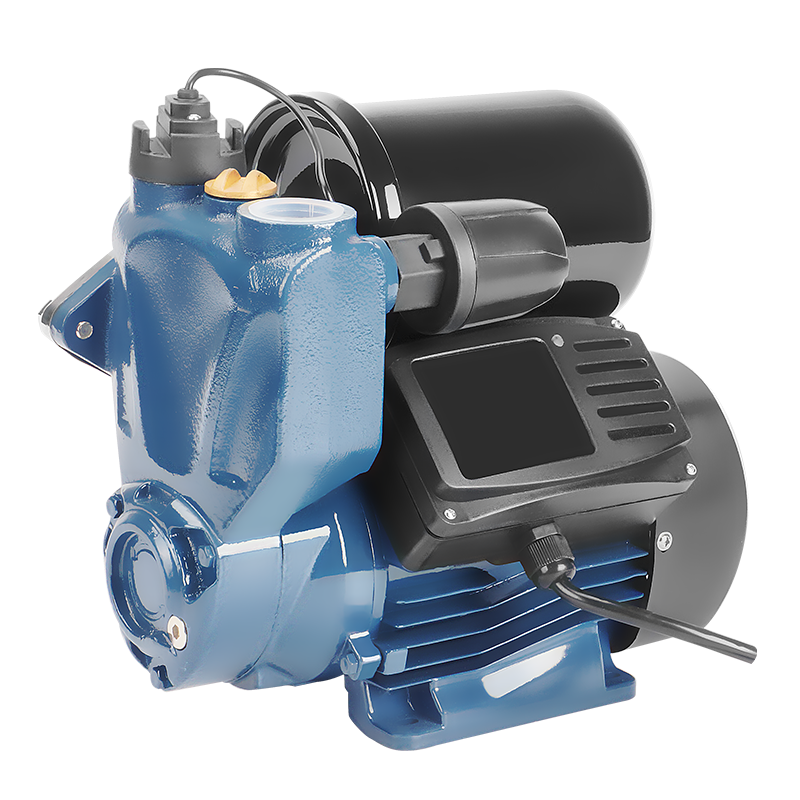 Domestic Pump
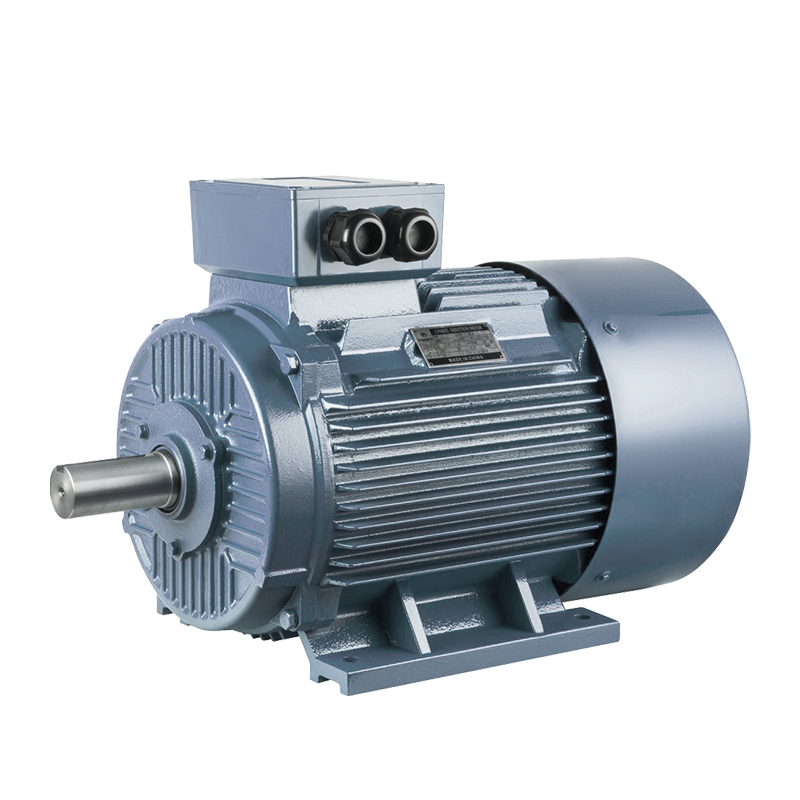 Electric Motor
 Borehole Pump
High-Flow Reliability: Double Suction Split Case Pump Engineering & Selection Guide
In municipal water supply, district heating and cooling, power generation, and large-scale industrial processing, handling massive fluid volumes requires hydraulic machinery designed for continuous duty and exceptional mechanical balance. The Double Suction Split Case Pump is the industry-standard centrifugal solution for high-flow, medium-to-high head application demands.
By drawing liquid simultaneously into both sides of a double-entry impeller within an axially split volute casing, these pumps eliminate axial thrust forces while offering unmatched ease of inline maintenance.
1. Core Hydraulics: How Double Suction Technology Works
Traditional end-suction centrifugal pumps direct liquid into one side of the impeller, creating significant unbalanced axial hydraulic thrust that puts heavy load on shaft bearings.
A double-suction split-case configuration solves this through symmetrical design:
Hydraulic Axial Balance: Fluid enters the double-inlet impeller evenly from opposite sides. The opposing hydraulic forces cancel each other out, resulting in near-zero net axial thrust on the pump shaft and bearings.
Lower Net Positive Suction Head Required ($\text{NPSHr}$): Because the incoming flow splits into two channels before entering the impeller eyes, eye inlet velocity is reduced by roughly 50%. This lowers the pump's $\text{NPSHr}$ threshold, making it far less susceptible to internal cavitation under low-suction-pressure conditions.
Axially Split Casing Maintenance: The pump volute splits horizontally along the shaft centerline. Technicians can unbolt the top casing cover to inspect, service, or replace the rotor assembly, wear rings, and shaft seals without unbolting the motor or disconnecting suction and discharge piping.
2. Horizontal vs. Vertical Split Case Configuration
While both styles utilize double-suction impellers, selecting the correct casing orientation depends on site constraints:
| Selection Criteria | Horizontal Split Case (HSC) | Vertical Split Case (VSC) |
| Shaft Alignment | Horizontal shaft supported by dual outboard bearings | Vertical shaft supported by motor stool/bearing housing |
| Mechanical Footprint | Requires larger baseplate floor area | Saves up to 60–70% mechanical room floor space |
| Maintenance Accessibility | Optimal (Lifting top casing exposes complete rotor) | Requires overhead crane/hoist to pull motor and top casing |
| Primary Applications | Municipal waterworks, raw water intake, power plants | High-rise HVAC chilled water, compact city pump stations |
3. Key Industrial Application Scenarios
-
Municipal Water Distribution & Intake: Pumping raw water from reservoirs and delivering clean treated water through high-volume municipal distribution networks.
-
Commercial HVAC & District Energy: Primary chilled water and condenser water circulation in large central cooling plants, airports, and district energy facilities.
-
NFPA 20 Fire Protection Mains: High-capacity horizontal split-case fire pumps delivering 1,000 GPM to 5,000+ GPM for large industrial complexes and high-rise towers.
-
Power Plants & Petrochemical Refining: Main cooling tower circulation, boiler feed booster service, and general process water loop piping.
4. Technical Performance Envelope (Typical Ranges)
-
Flow Rate Envelope ($Q$): $100 \text{ m}^3/\text{h}$ to $20,000+\text{ m}^3/\text{h}$ ($440 \text{ GPM}$ to $88,000+\text{ GPM}$)
-
Total Dynamic Head ($H$): $10 \text{ meters}$ to $250+\text{ meters}$ ($33 \text{ ft}$ to $820+\text{ ft}$)
-
Hydraulic Efficiency ($\eta$): Up to 88% – 92% at Best Efficiency Point (BEP)
-
Wetted Materials: Ductile Iron, Cast Steel, AISI 304, AISI 316, Duplex / Super Duplex Stainless Steel (for seawater desalination)
Partner with an OEM Industrial Pump Manufacturer
Configuring a high-capacity double suction split case pump requires precise hydraulic mapping to match system total head, net positive suction head available ($\text{NPSHa}$), and motor efficiency requirements.
Ready to optimize your high-flow fluid infrastructure? Contact an authorized industrial pump application specialist today to request 3D CAD layout files, hydraulic performance curve sheets, or a direct commercial price quote.
 5th Floor, Comprehensive Building No. 5, Dongqiao, Dong'an Village, Daxi Town,Wenling City,Zhejiang,China
 +86 576 86090666
 +86 18667600006
 +86 18667600006
 24 Hours Online