 3D ROOM
 (0)
(0) English
 عربى
عربى
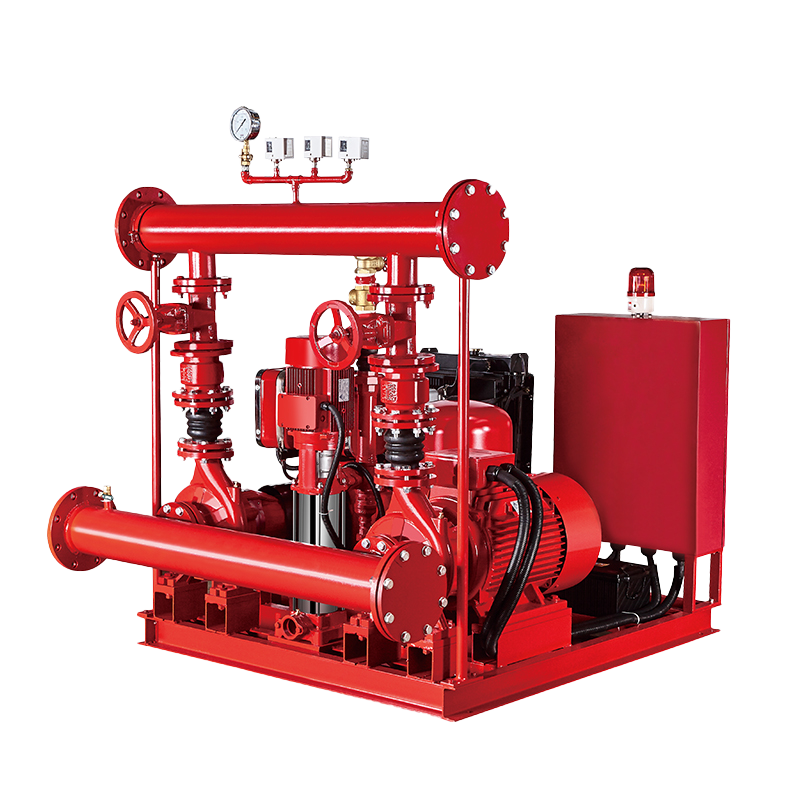 Fire Pump and System
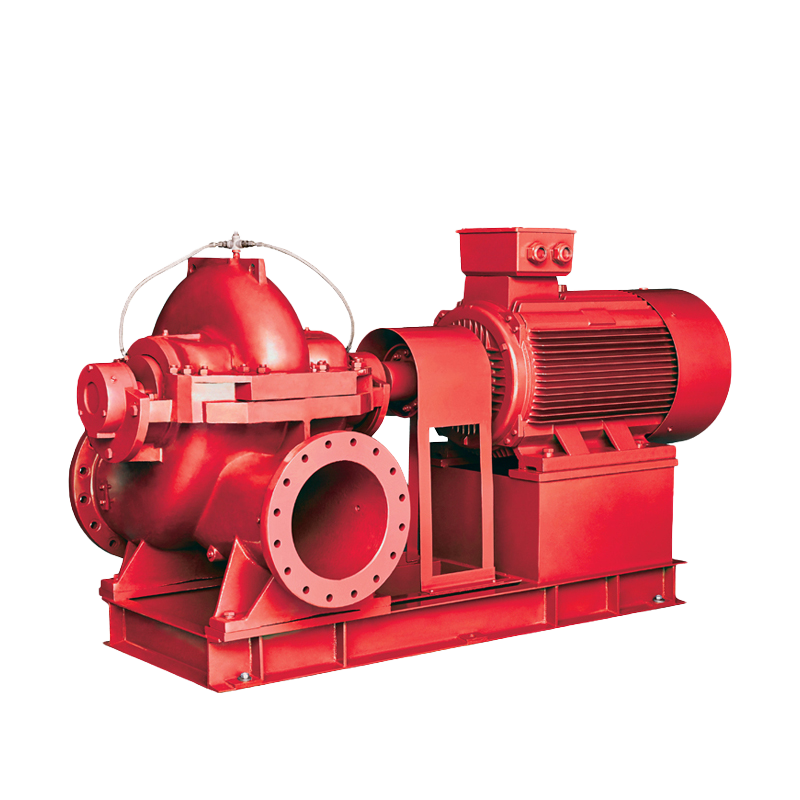 Split Case Pump
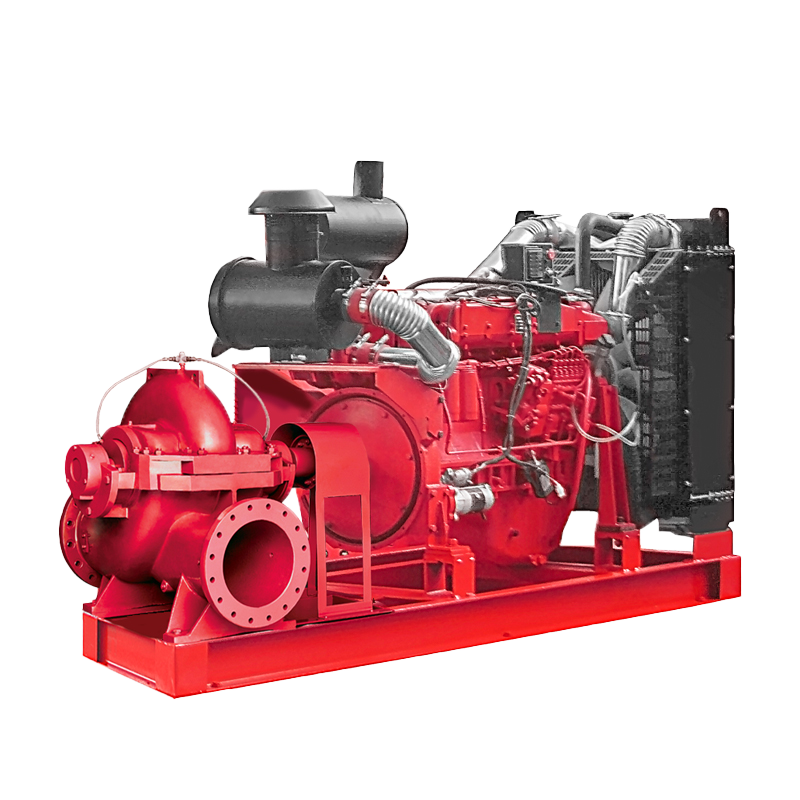
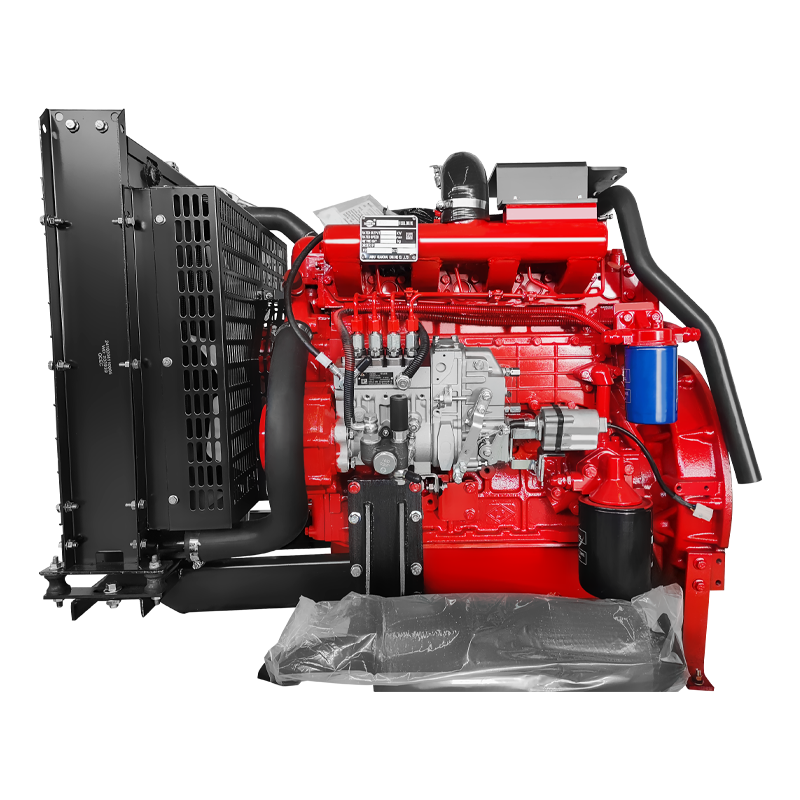 Engine and Pump
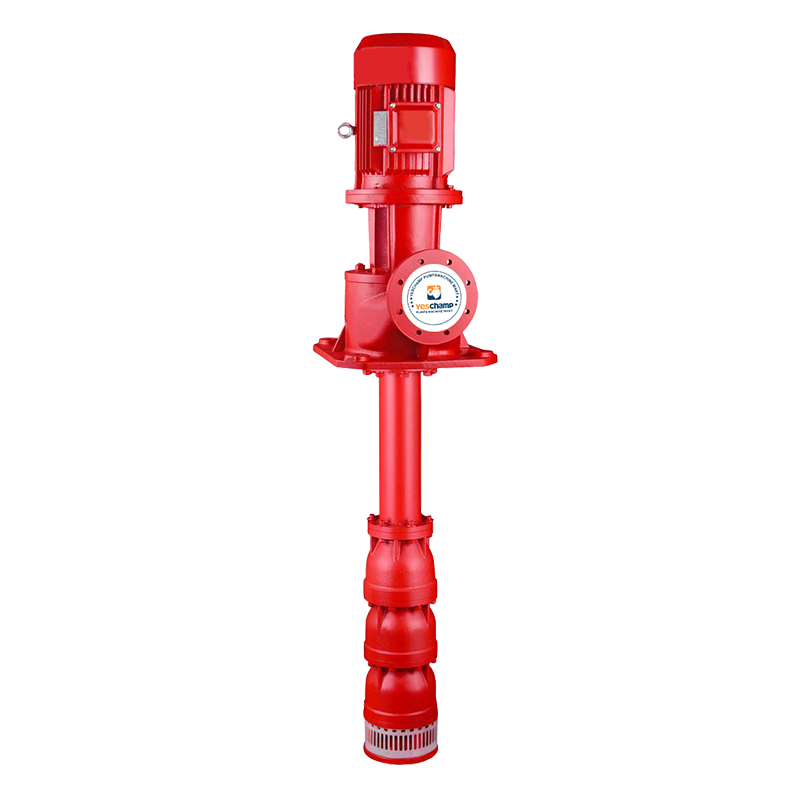 Long Shaft Pump
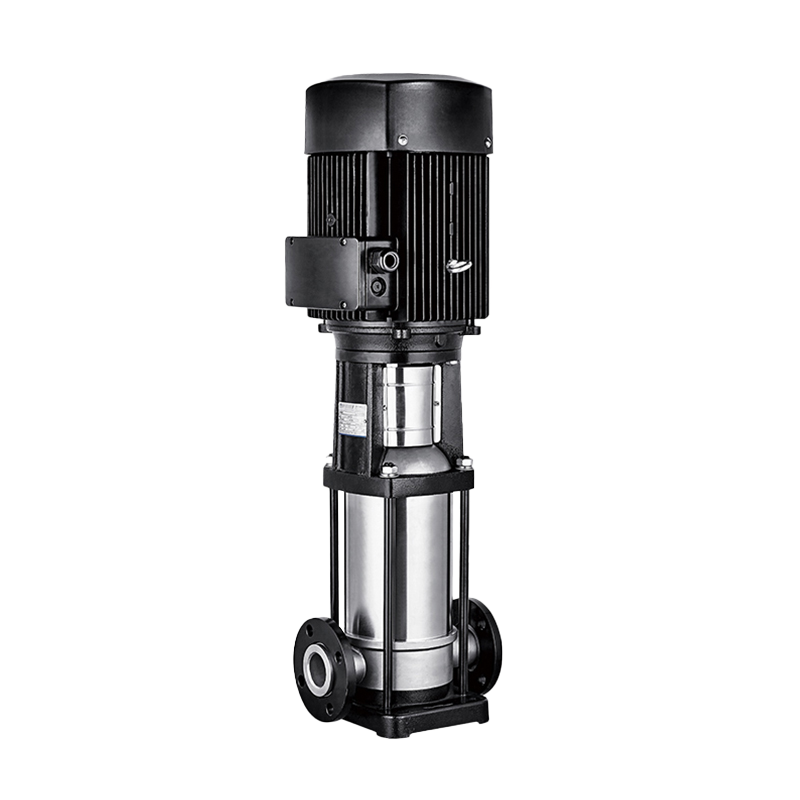 Multistage pump
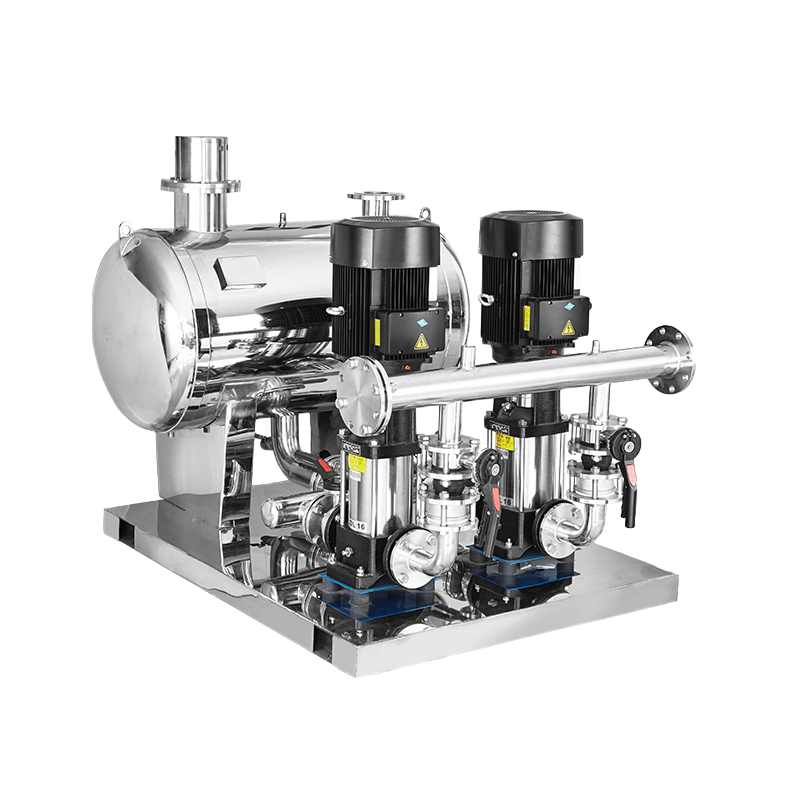 Water Supplier System
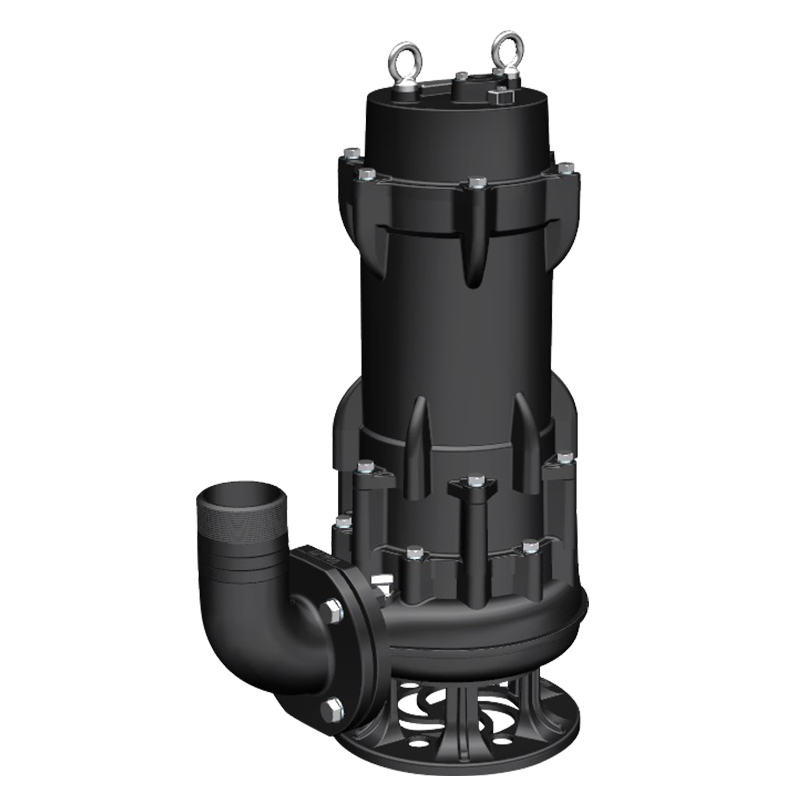 Sewage Pump
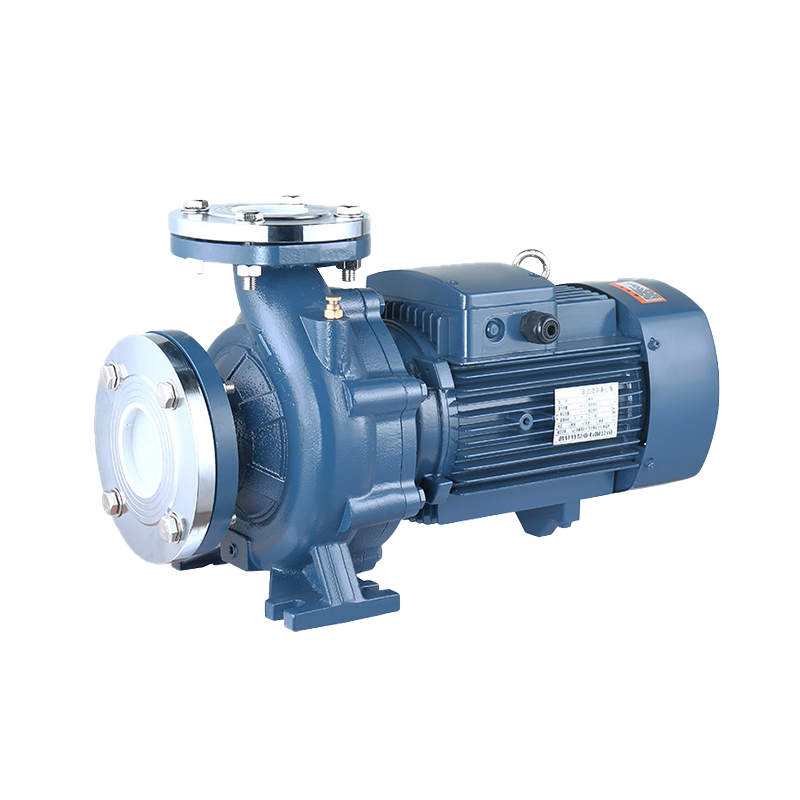 Industrial Pump
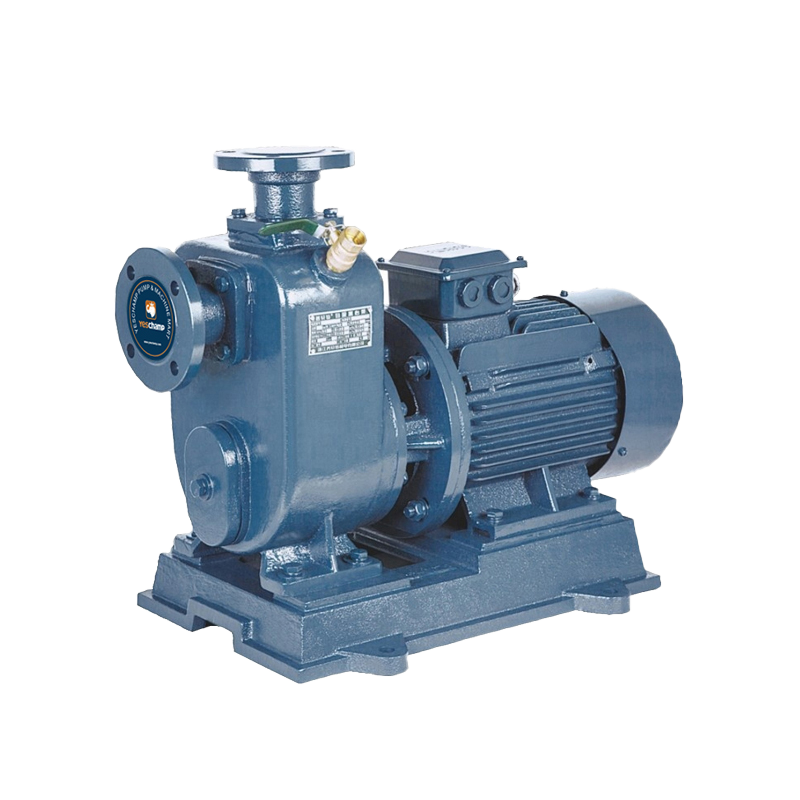 Self-Priming Pump
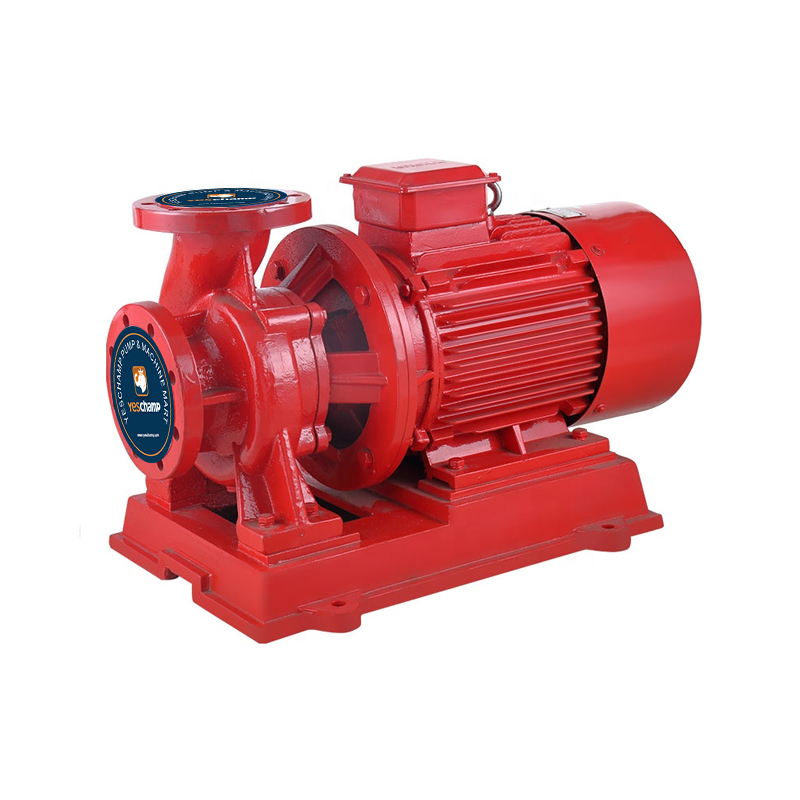
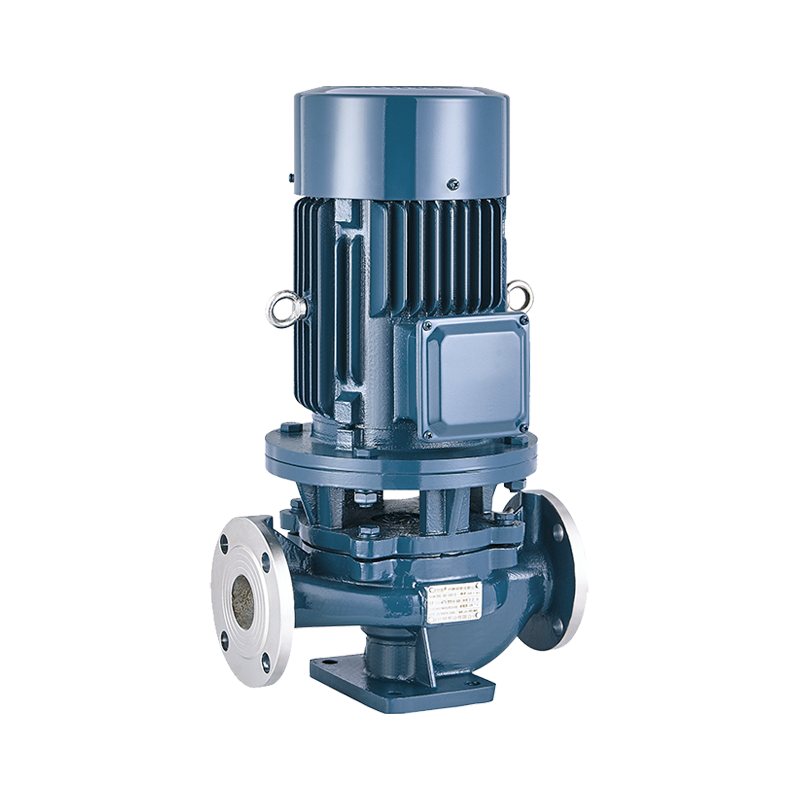 Inline Pump
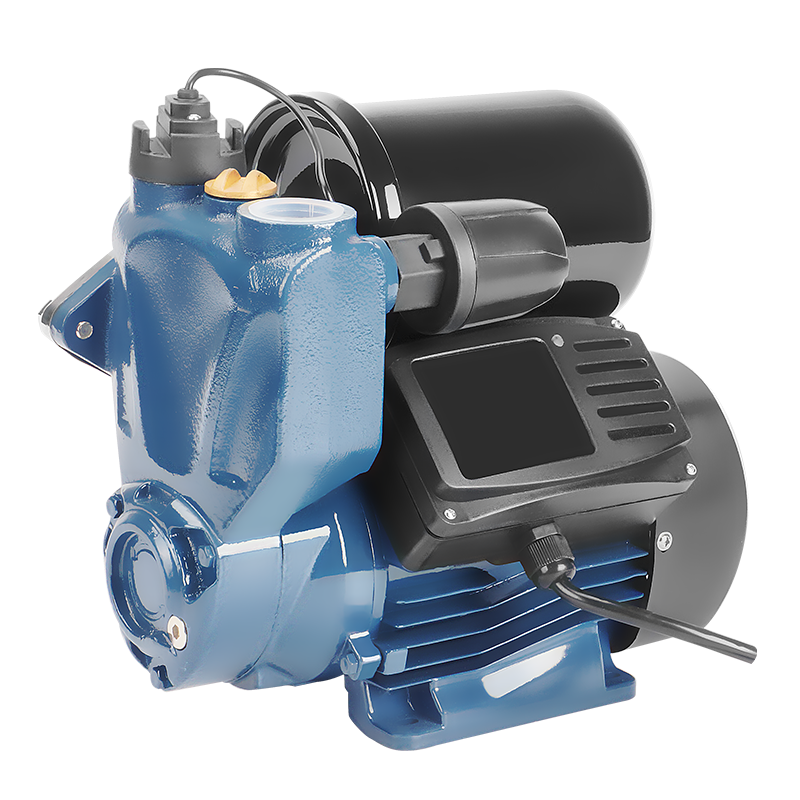 Domestic Pump
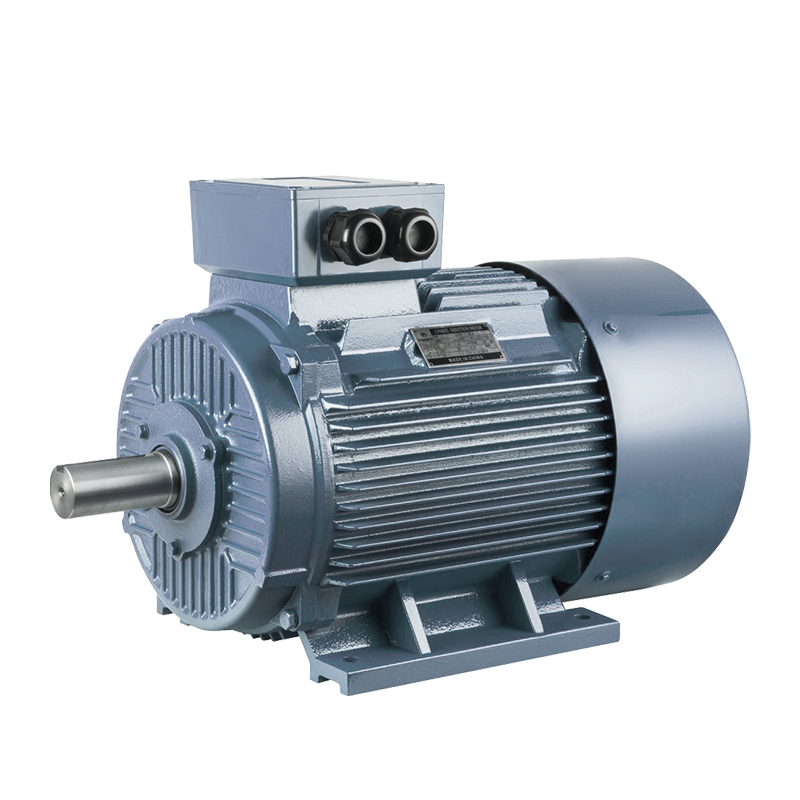 Electric Motor
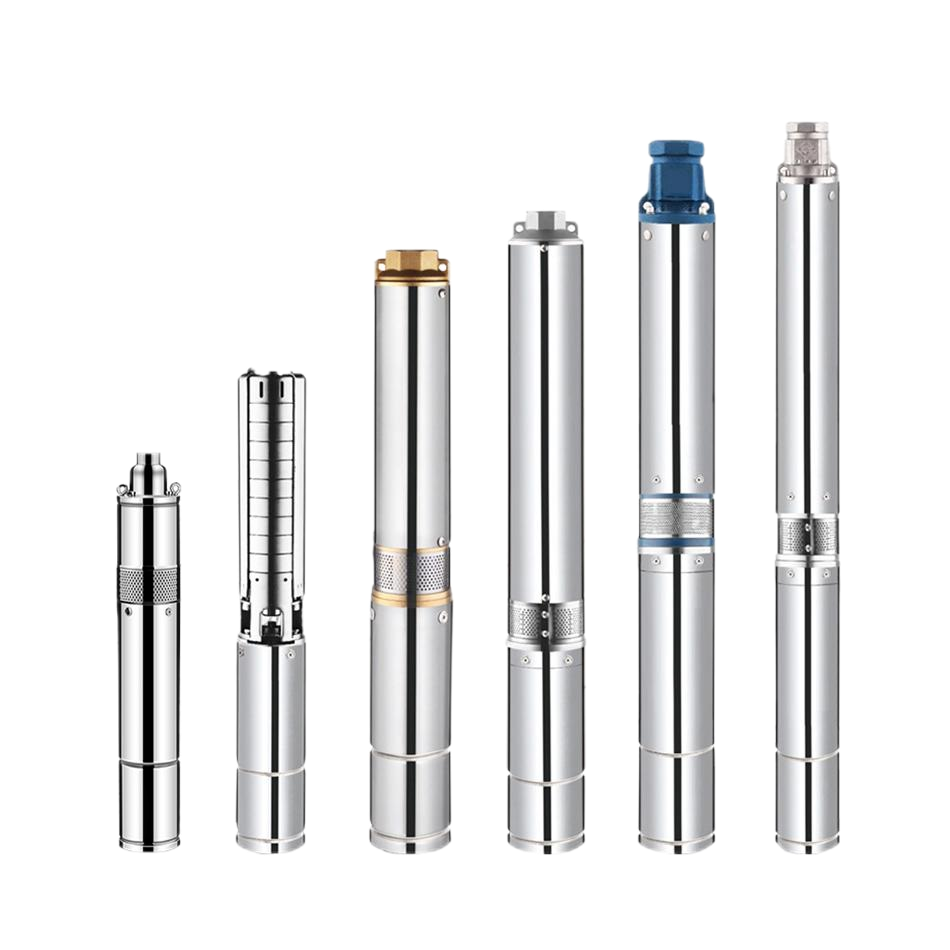 Borehole Pump
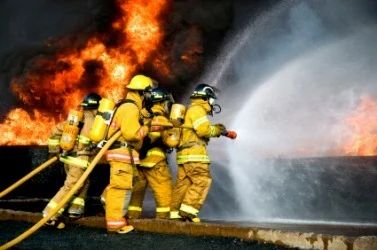
Fire safety is one of the most critical concerns in both residential and commercial buildings. A fire fighting system plays a pivotal role in minimizing the risk of fire damage by detecting, controlling, and extinguishing fires. In this comprehensive guide, we will explore the different types of fire fighting systems, their benefits, and the essential steps for regular maintenance.
What is a Fire Fighting System?
A fire fighting system is an integrated set of tools, devices, and methods designed to prevent, control, and suppress fires in buildings and other structures. These systems are carefully engineered to detect fire hazards, contain them, and protect both lives and property.
Effective fire fighting systems can include manual firefighting tools, automatic detection, alarm systems, and sprinkler systems. Choosing the right fire fighting system depends on the size, purpose, and location of the building, as well as local fire safety regulations.
Types of Fire Fighting Systems
1.Sprinkler Systems
Sprinkler systems are one of the most widely used fire fighting systems in both commercial and residential properties. These systems automatically detect heat from a fire and discharge water to suppress it. Sprinklers are highly effective and are often integrated with fire alarms to alert occupants of the building.
2.Fire Extinguishers
Portable fire extinguishers are essential in quickly controlling small fires before they spread. They come in various types, such as water, foam, CO2, and dry chemical extinguishers. Each type is suited for different classes of fires, such as electrical, chemical, or organic material fires.
3.Fire Hose Reels
A fire hose reel is a vital component of larger commercial and industrial buildings. These systems consist of a hose connected to a water supply, allowing firefighters or building occupants to direct a stream of water at a fire. Hose reels are typically placed in easily accessible locations throughout the building.
4.Fire Detection and Alarm Systems
Fire detection systems are designed to detect the presence of smoke, heat, or flames. Once a fire is detected, the system triggers alarms to warn occupants of the impending danger, allowing them to evacuate safely. Common detection methods include smoke detectors, heat detectors, and flame detectors.
5.Foam-Based Fire Suppression Systems
Foam fire suppression systems are typically used in environments where flammable liquids are present, such as in oil refineries, chemical plants, and aviation facilities. These systems use foam to smother fires, preventing oxygen from fueling the flames.
Benefits of a Fire Fighting System
1.Protection of Lives and Property
A well-designed fire fighting system can save lives by quickly detecting and suppressing fires before they escalate. It also protects valuable assets, minimizing the financial losses that can occur from fire damage.
2.Compliance with Fire Safety Regulations
Many countries require buildings to install specific fire fighting systems as part of building codes. By ensuring your building is equipped with the necessary fire safety features, you can avoid fines and legal liabilities.
3.Peace of Mind
With the knowledge that a reliable fire fighting system is in place, occupants of a building can feel safer. Fire fighting systems help reduce the fear of a potential fire disaster, knowing that effective measures are in place to address the situation.
4.Insurance Benefits
Insurance companies often provide discounts for properties equipped with advanced fire fighting systems. The presence of a fire fighting system reduces the risk for insurance providers, potentially lowering premium costs for the property owner.
In conclusion, a fire fighting system is essential for ensuring safety and minimizing the risk of damage in the event of a fire. Whether you're installing a system for a new building or upgrading an existing one, understanding the types of fire fighting systems and their benefits is crucial. Regular maintenance is also key to ensuring these systems remain in optimal working condition, providing protection when it’s needed the most.
By adhering to fire safety standards and regularly maintaining your fire fighting systems, you can protect your property, assets, and, most importantly, the lives of the people within your building.
 5th Floor, Comprehensive Building No. 5, Dongqiao, Dong'an Village, Daxi Town,Wenling City,Zhejiang,China
 +86 576 86090666
 +86 18667600006
 +86 18667600006
 24 Hours Online