 3D ROOM
 (0)
(0) English
 عربى
عربى
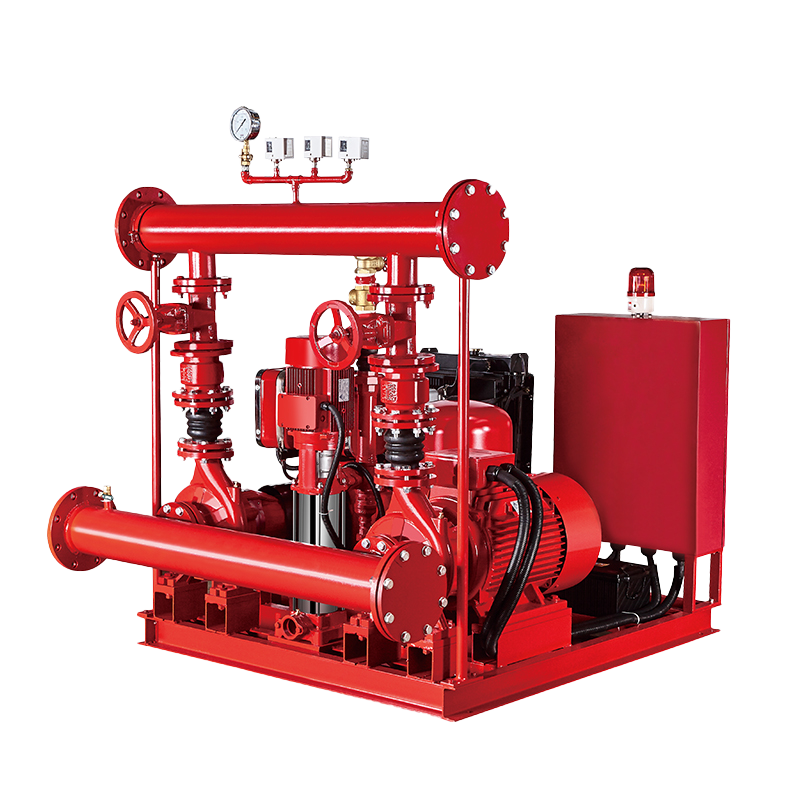 Fire Pump and System
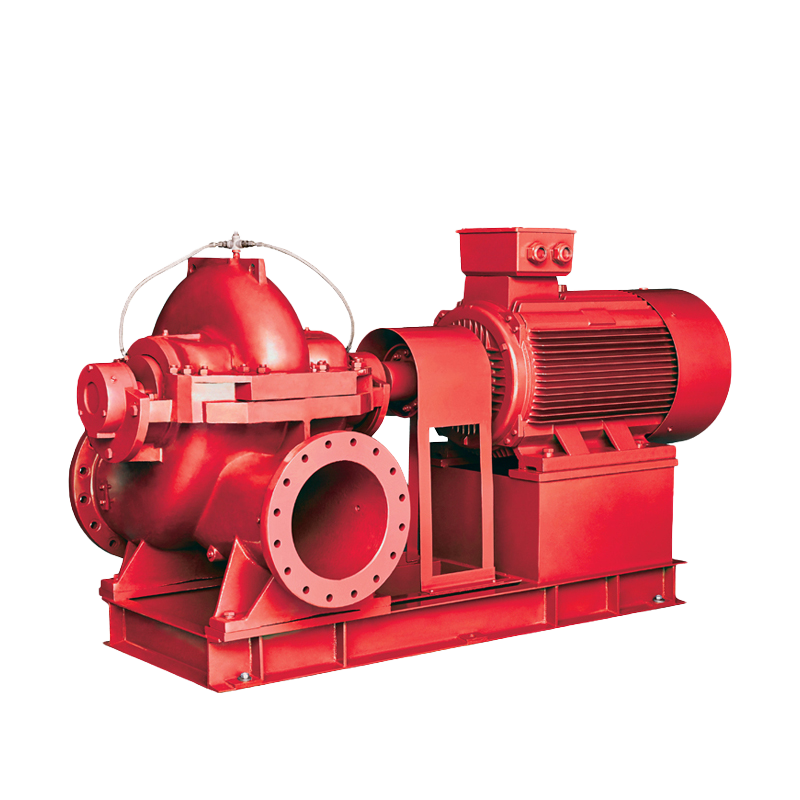 Split Case Pump
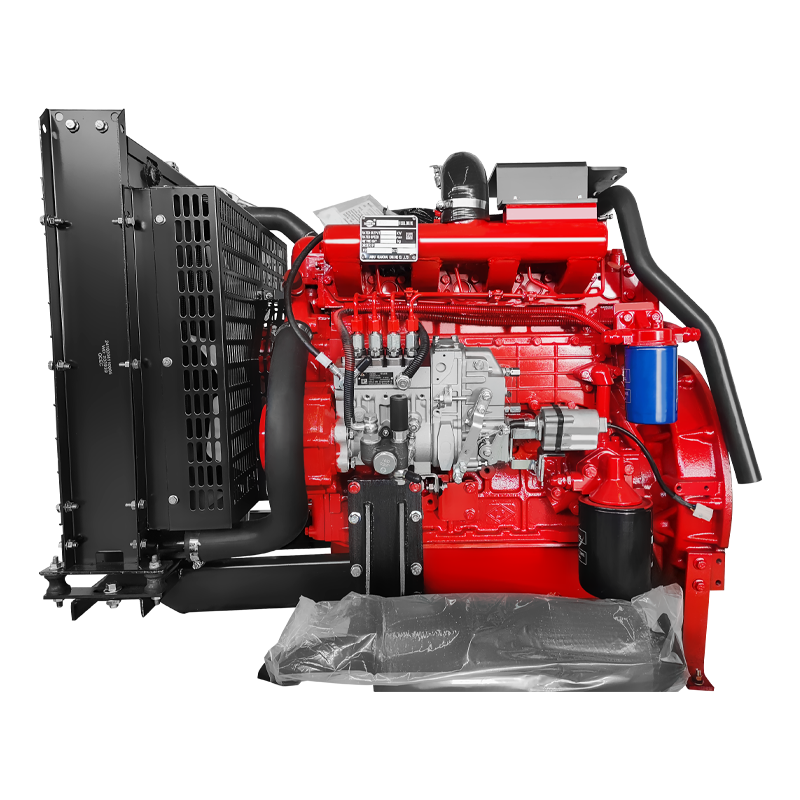 Engine and Pump
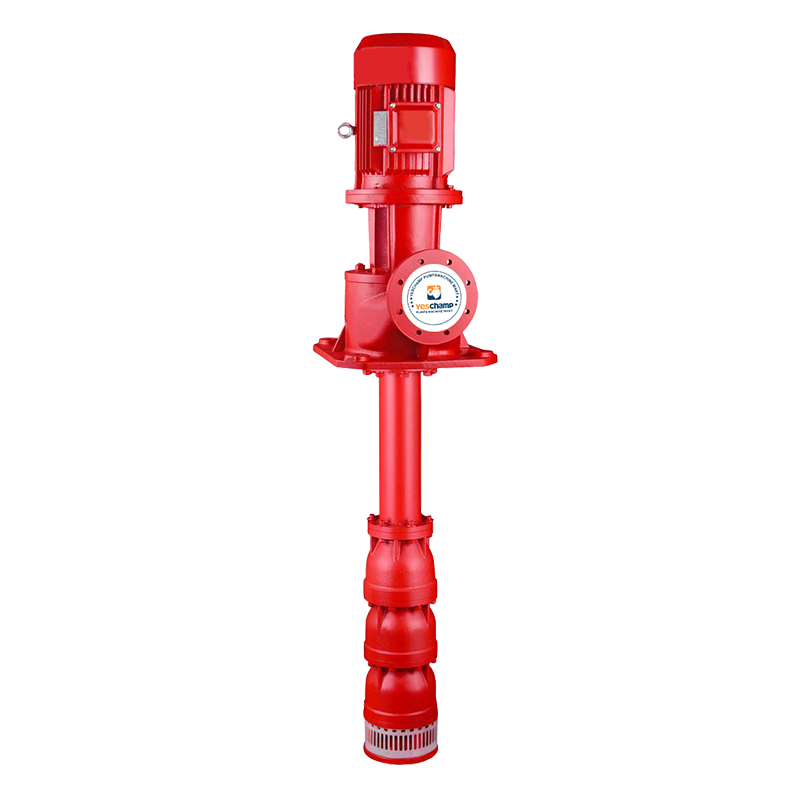 Long Shaft Pump
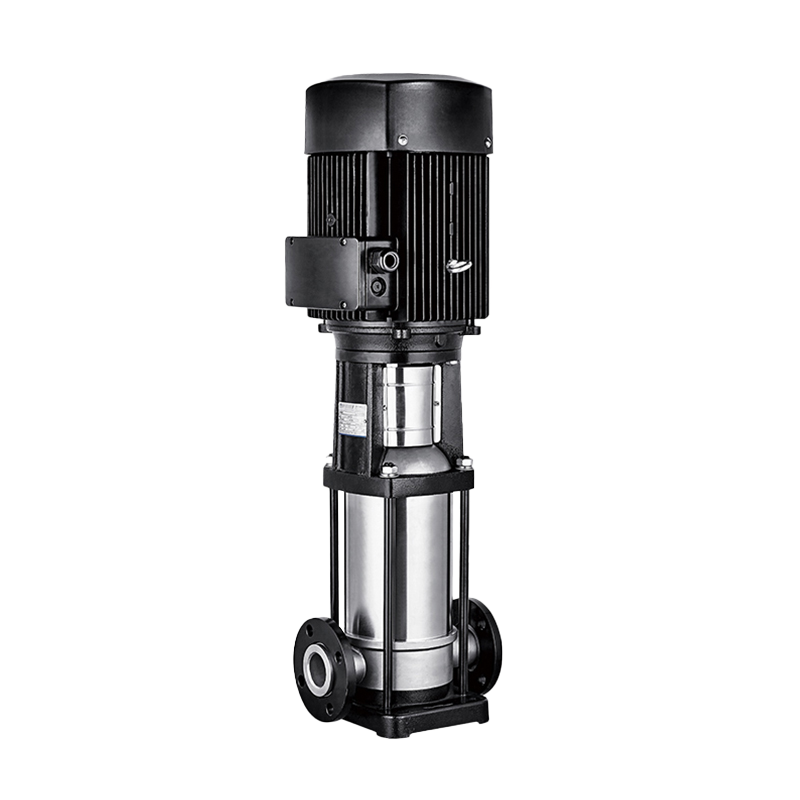 Multistage pump
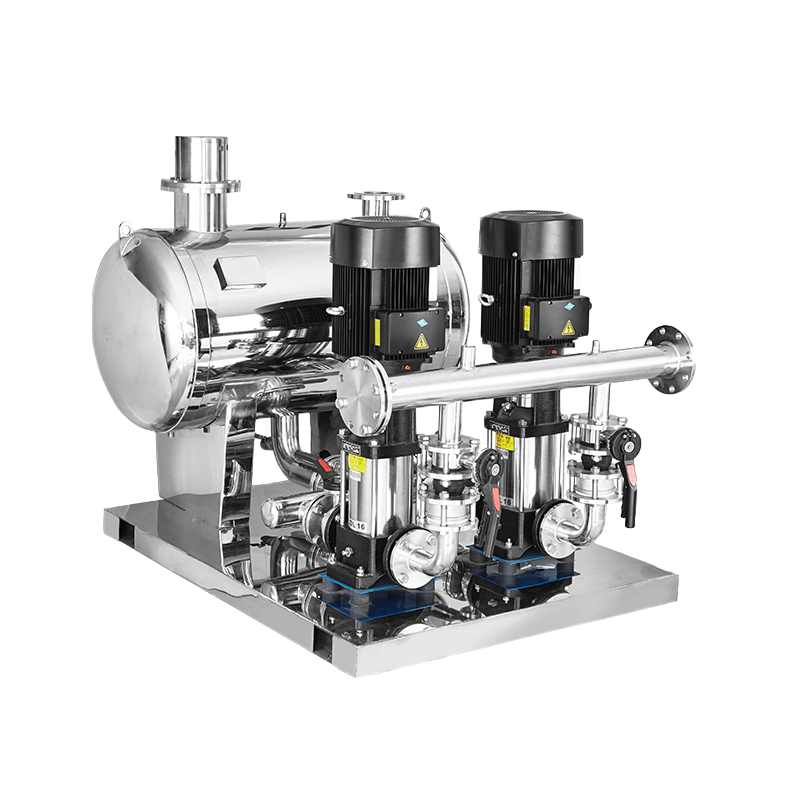 Water Supplier System
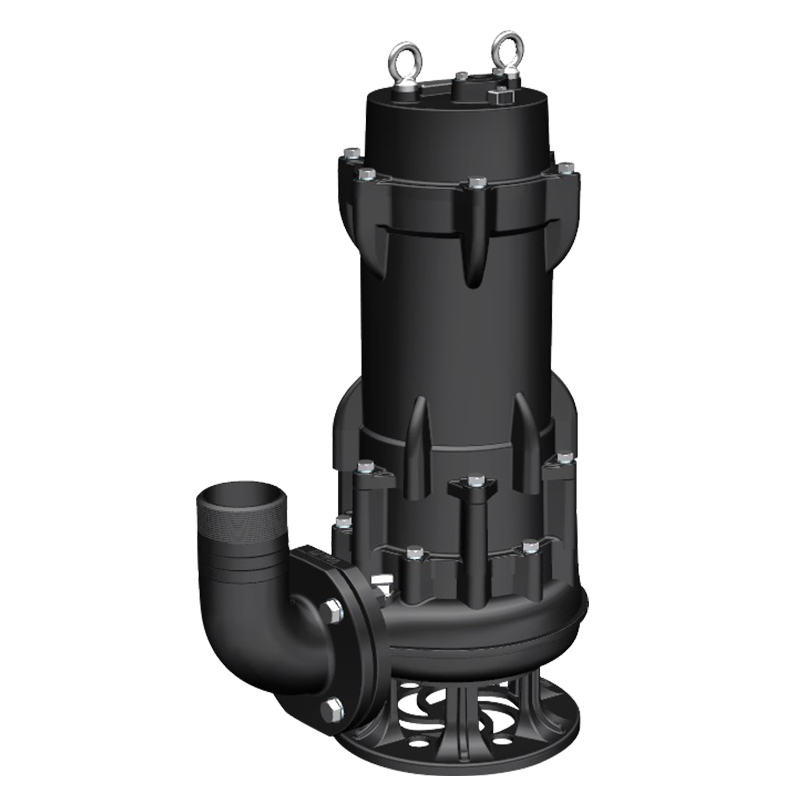 Sewage Pump
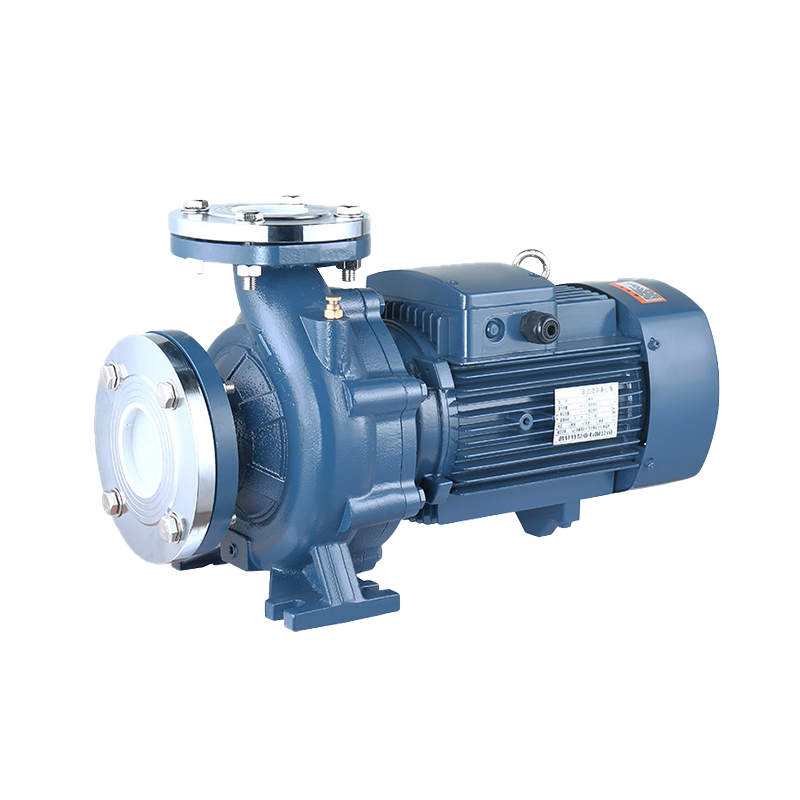 Industrial Pump
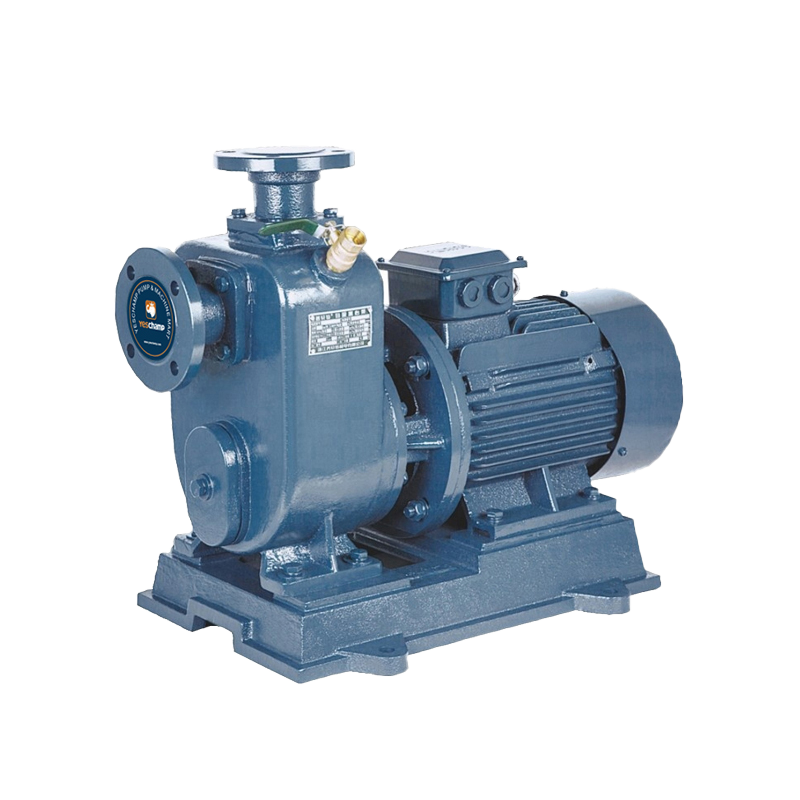 Self-Priming Pump
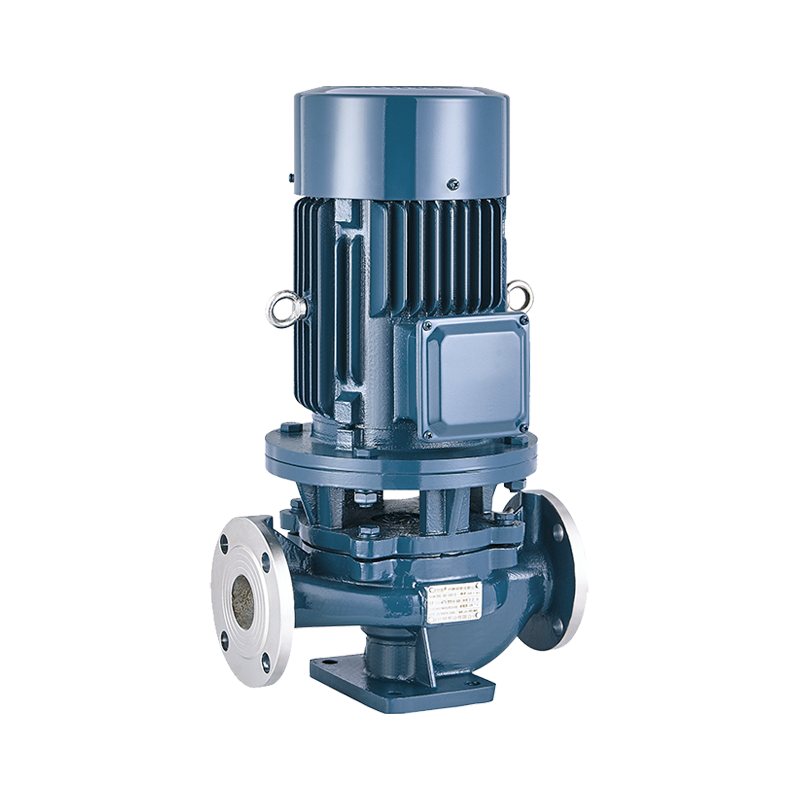 Inline Pump
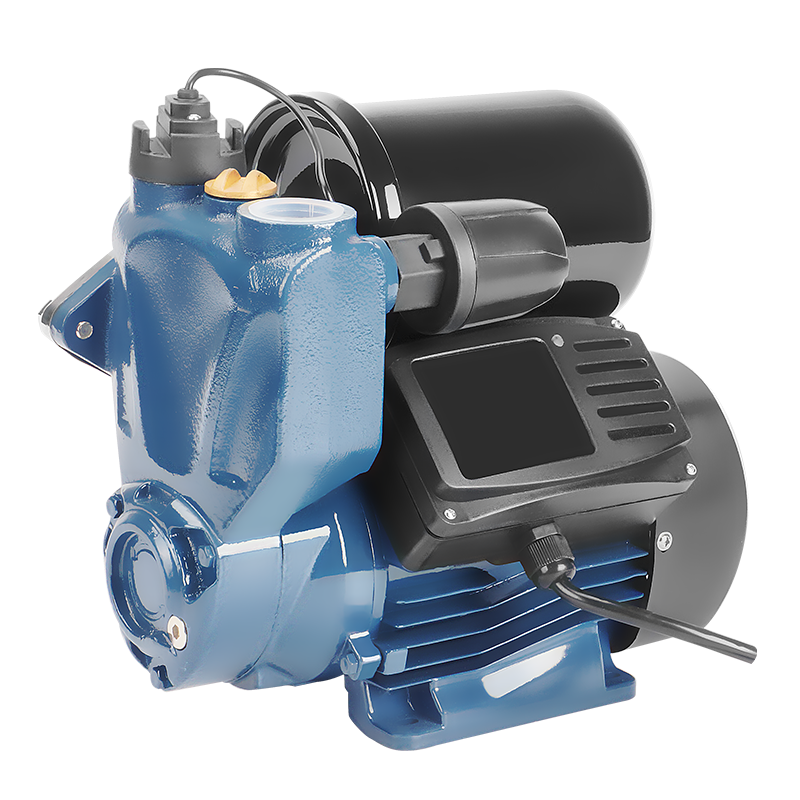 Domestic Pump
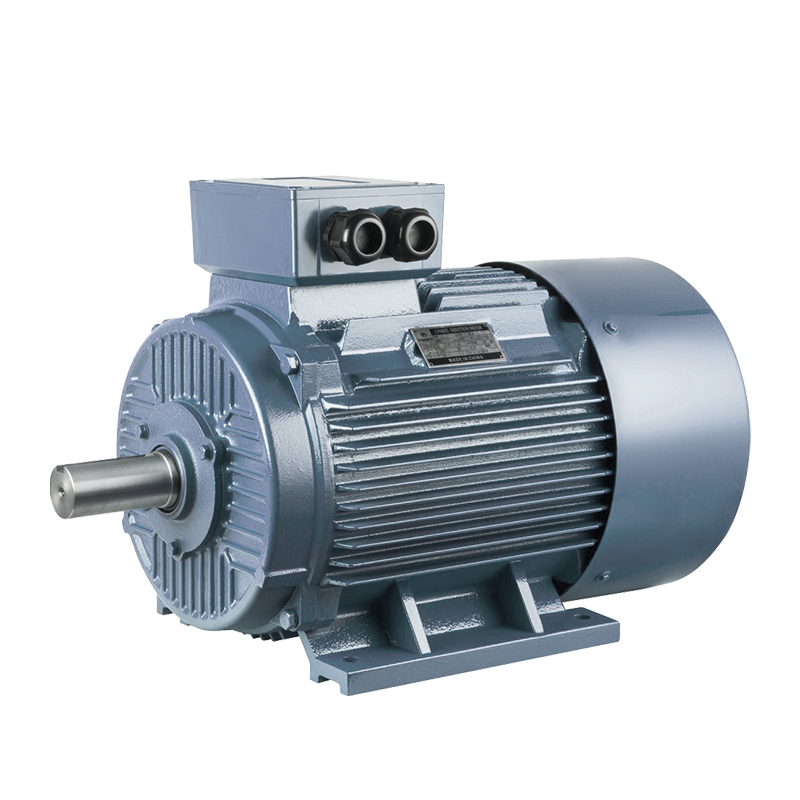 Electric Motor
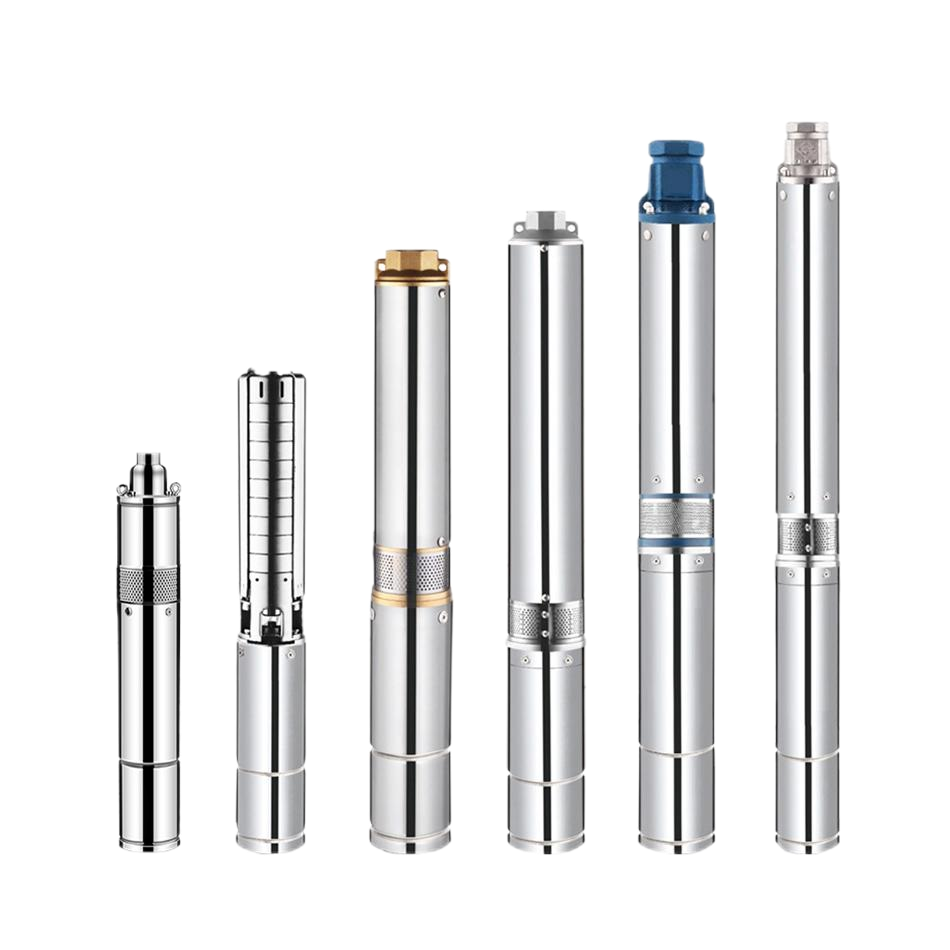 Borehole Pump
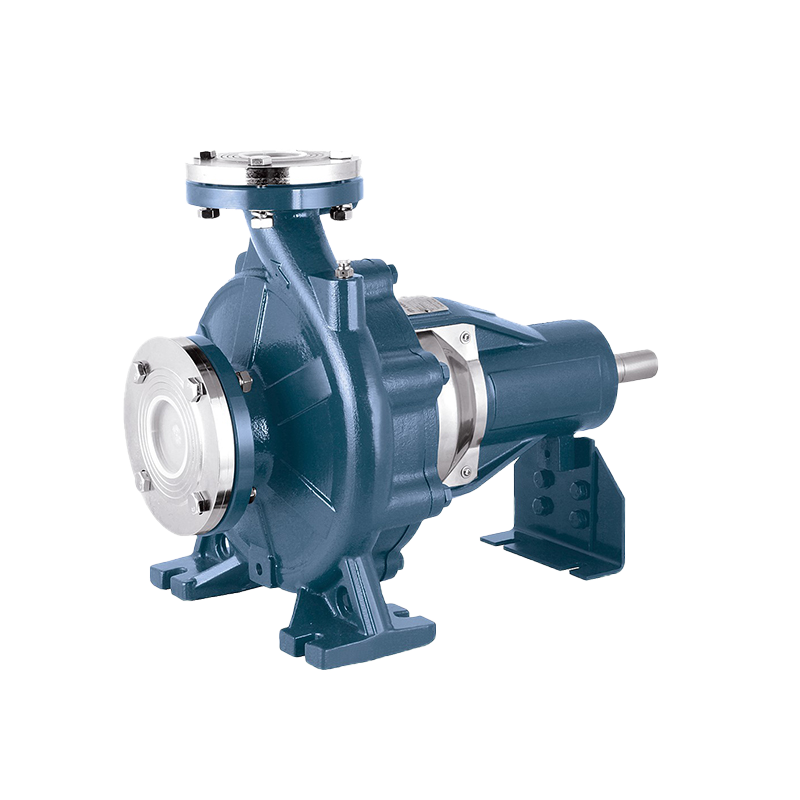
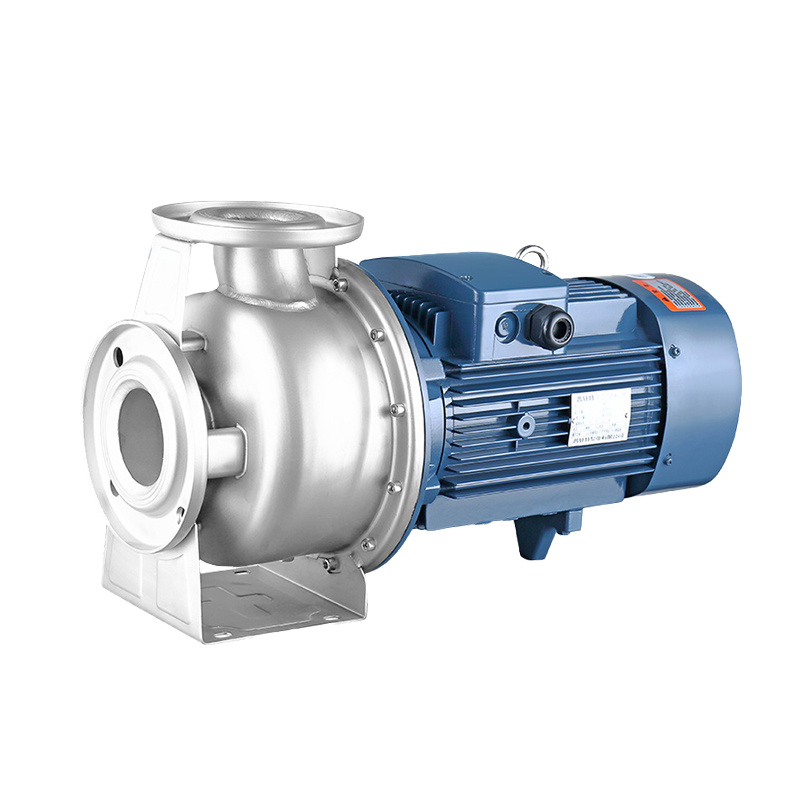
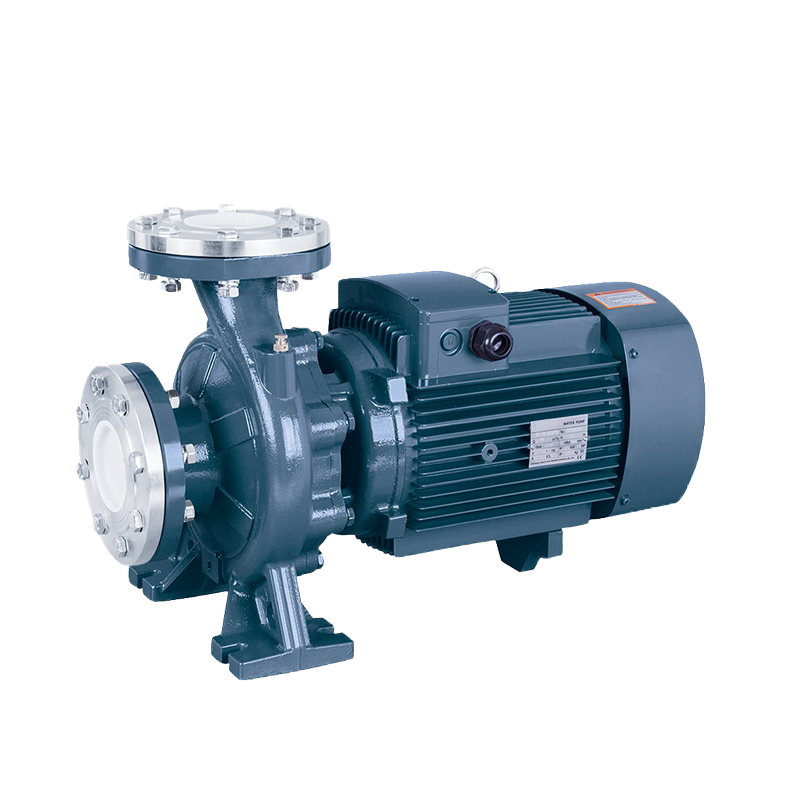
In the world of fluid handling, efficiency and ease of installation often dictate the choice of pumping equipment. For applications ranging from irrigation and HVAC to industrial water supply, the Horizontal Thread Port Single-Stage Centrifugal Pump stands out as a workhorse solution.
But what exactly makes this pump configuration so popular? In this guide, we will explore its design, key advantages, technical specifications, and common applications to help you understand why this pump might be the right choice for your next project.
What is a Horizontal Thread Port Single-Stage Centrifugal Pump?
To understand this equipment, let’s break down its name:
Horizontal:
This refers to the orientation of the pump shaft. The motor and pump body are mounted horizontally, providing a low center of gravity that reduces vibration and extends the life of the bearings.
Thread Port:
Unlike flanged connections, this pump features threaded (NPT or BSP) suction and discharge ports. This design allows for quick, tool-free piping connections, making installation faster and more cost-effective.
Single-Stage:
The pump contains one impeller. This design is optimized for high-flow, low-to-medium head applications, offering simplicity and ease of maintenance.
Centrifugal Pump:
It uses centrifugal force to convert rotational kinetic energy into hydrodynamic energy, moving fluid through the system.
Key Advantages of Threaded Port Configurations
When selecting a pump for a medium-duty application, the port type is a critical decision. Here is why the threaded port variant often outperforms flanged alternatives in specific scenarios:
1. Simplified Installation and Reduced Costs
Threaded ports eliminate the need for heavy flange bolts and gaskets. Using standard pipe fittings, installation teams can integrate the pump into existing piping systems much faster. This translates directly to lower labor costs and reduced downtime during setup or replacement.
2. Compact and Lightweight Footprint
Because the casing doesn't require large flanges, the overall footprint of the pump is smaller. This is a significant advantage in retrofitting projects where space within a mechanical room or on a skid is limited.
3. Versatility in Material Compatibility
Threaded ports allow operators to use a variety of connector materials (brass, galvanized steel, or PVC) to match the specific fluid being handled, reducing the risk of galvanic corrosion at the connection point.
Technical Specifications to Consider
When optimizing your procurement or installation strategy, keep these specifications in mind:
Flow Rate (Capacity):
Typically ranges from 5 to 300 GPM depending on the impeller size.
Horsepower: Available in various motor sizes, usually from 0.5 HP to 15 HP, matching the flow and head requirements.
Common Industrial Applications
The robust design and easy connectivity of the horizontal thread port pump make it ideal for:
Agricultural Irrigation:
Transferring water from ponds or wells to field lines.
Booster Service:
Increasing water pressure in multi-story buildings or municipal systems.
Industrial Processing:
Circulating cooling water or transferring light chemicals (with specific seal materials).
Dewatering:
Removing groundwater from construction sites or basements.
The Horizontal Thread Port Single-Stage Centrifugal Pump represents a balance of simplicity and performance. For engineers and procurement managers seeking a reliable, easy-to-install solution for moderate-pressure water transfer, this pump type remains a top contender in the fluid equipment market.
By understanding the nuances of the threaded port design and matching the pump curve to your system requirements, you can ensure efficient operation for years to come.
 5th Floor, Comprehensive Building No. 5, Dongqiao, Dong'an Village, Daxi Town,Wenling City,Zhejiang,China
 +86 576 86090666
 +86 18667600006
 +86 18667600006
 24 Hours Online