 3D ROOM
 (0)
(0) English
 عربى
عربى
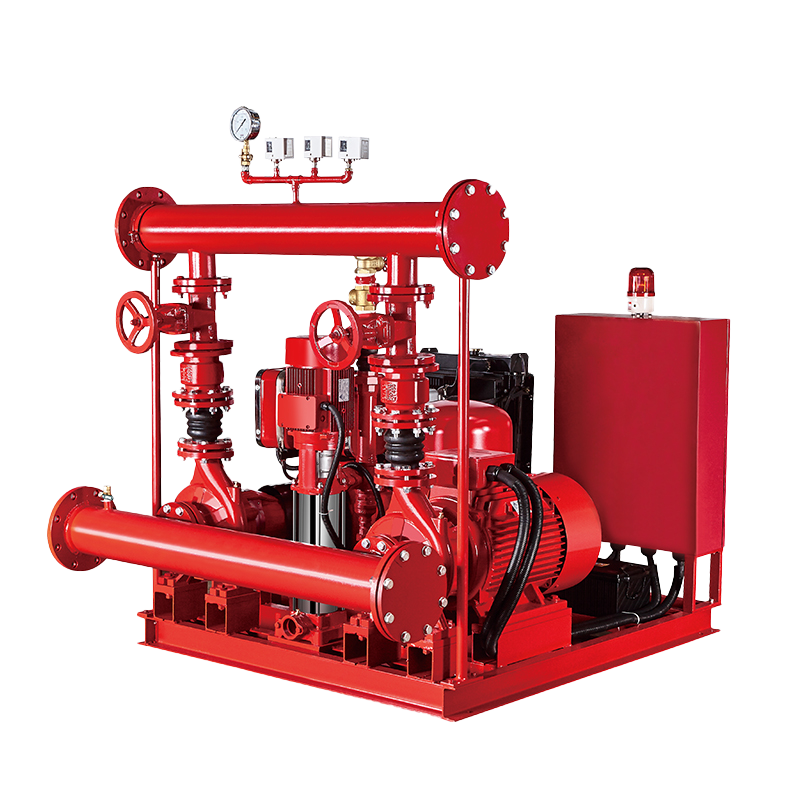 Fire Pump and System
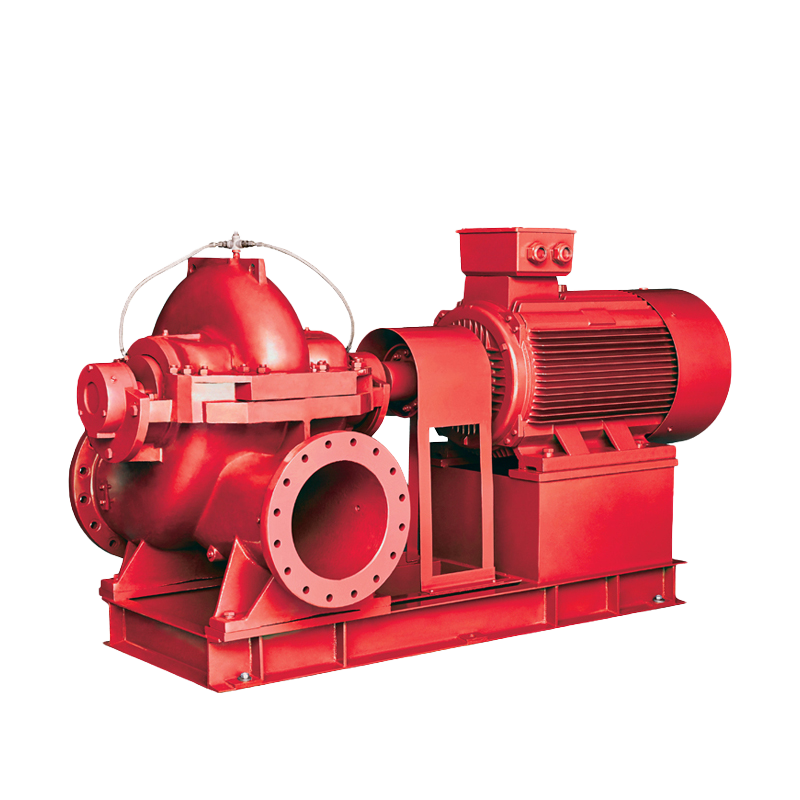 Split Case Pump
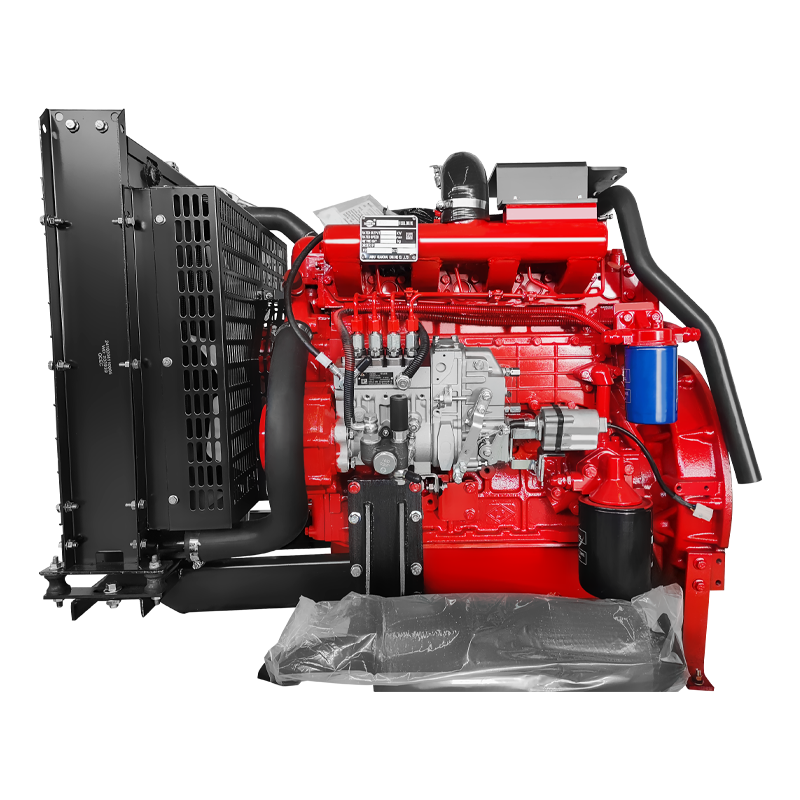 Engine and Pump
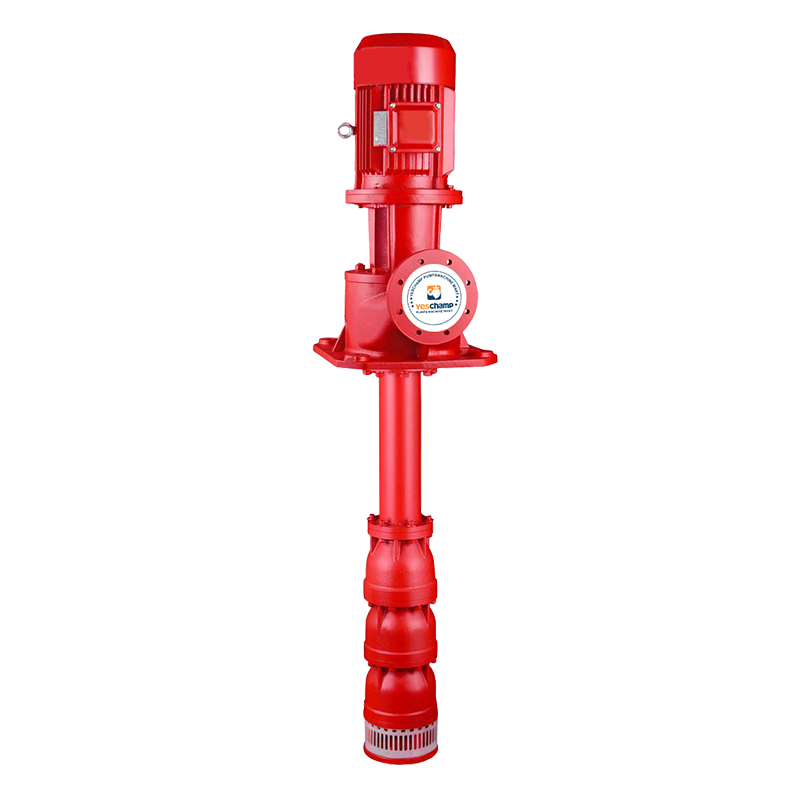 Long Shaft Pump
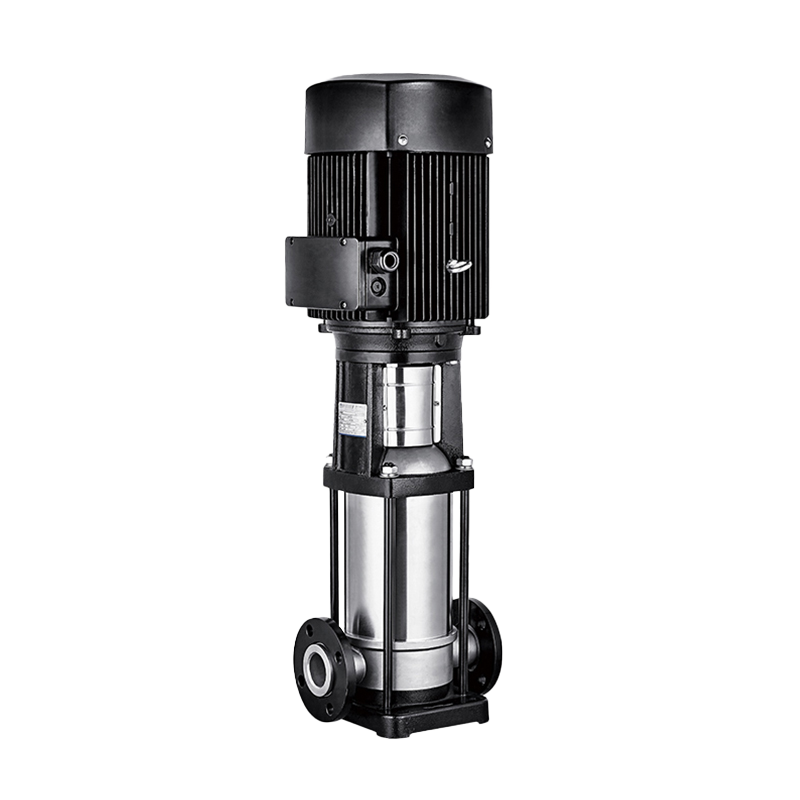 Multistage pump
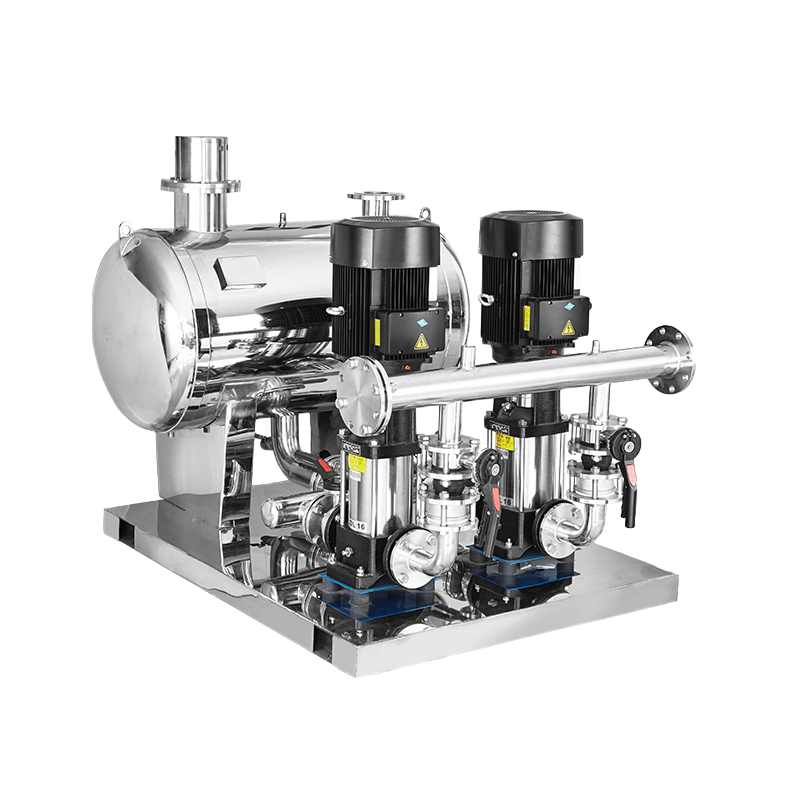 Water Supplier System
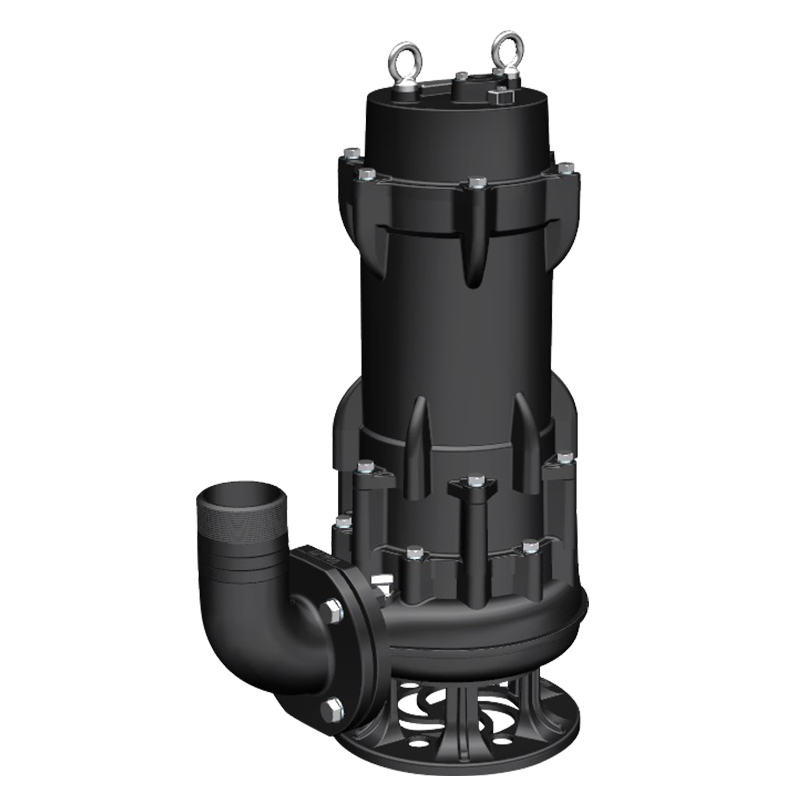 Sewage Pump
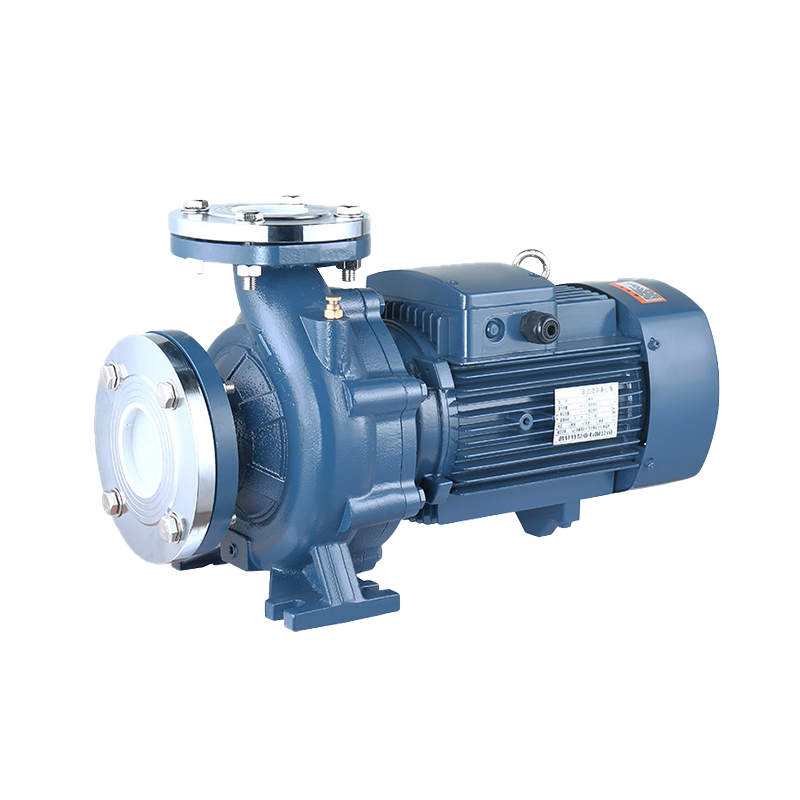 Industrial Pump
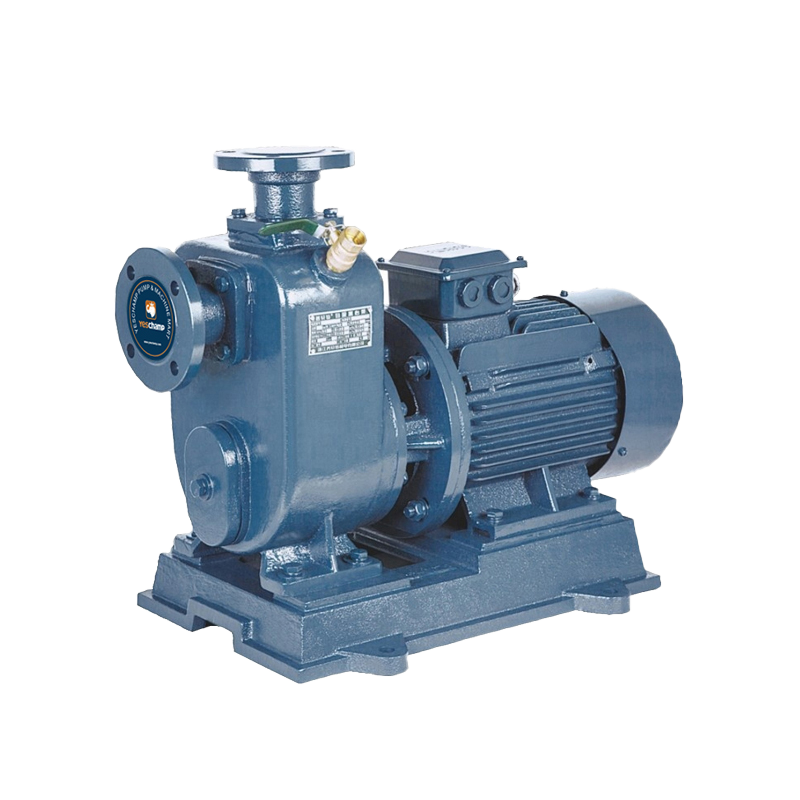 Self-Priming Pump
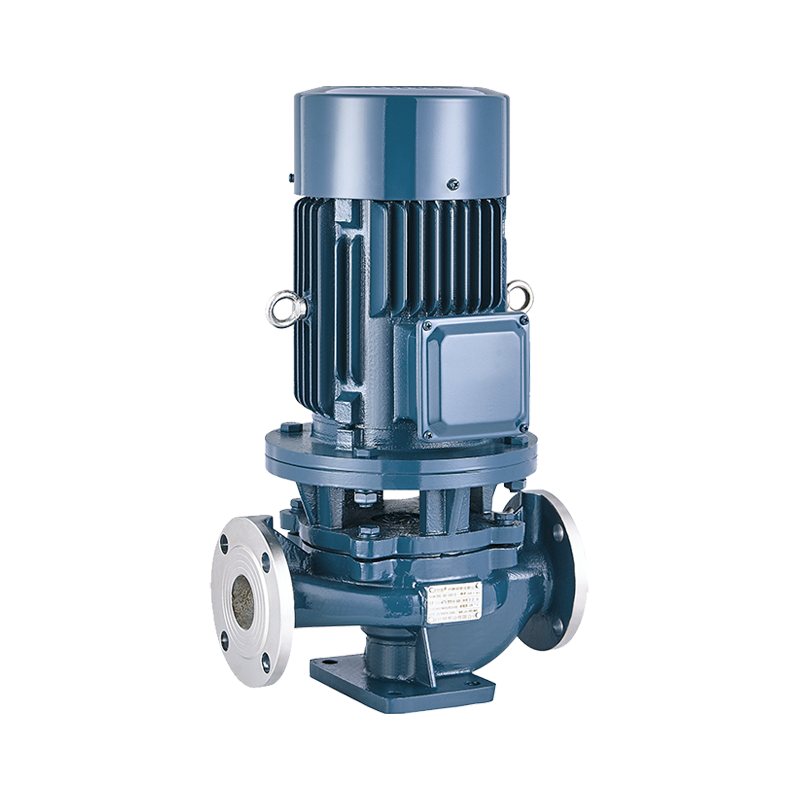 Inline Pump
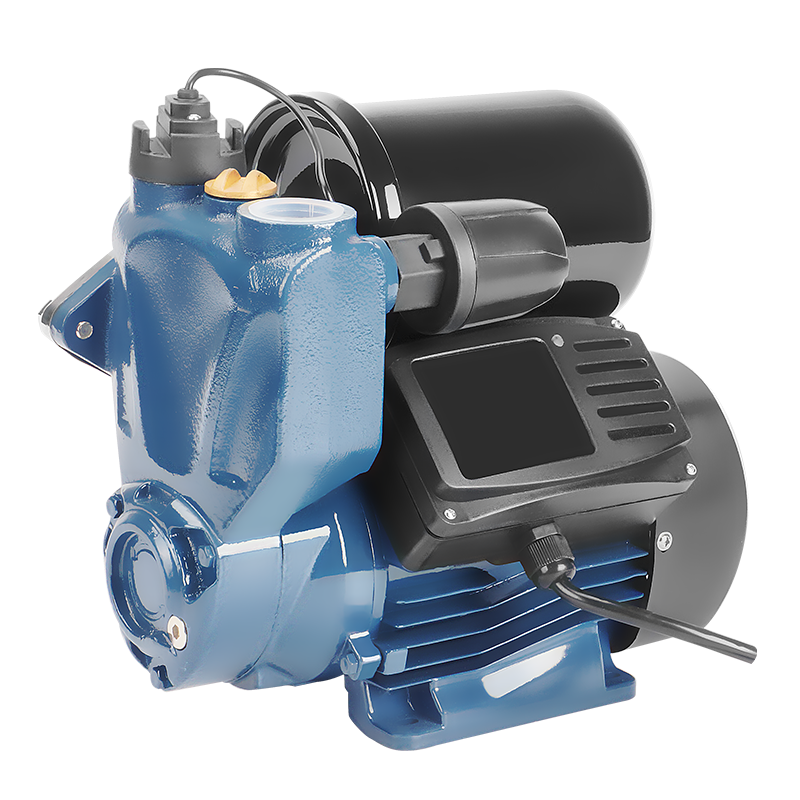 Domestic Pump
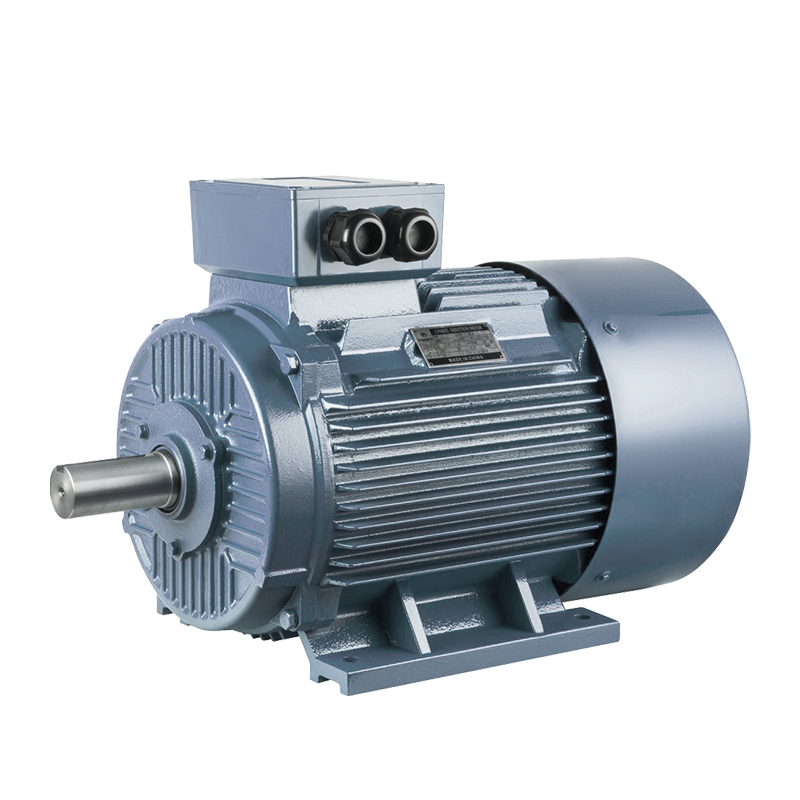 Electric Motor
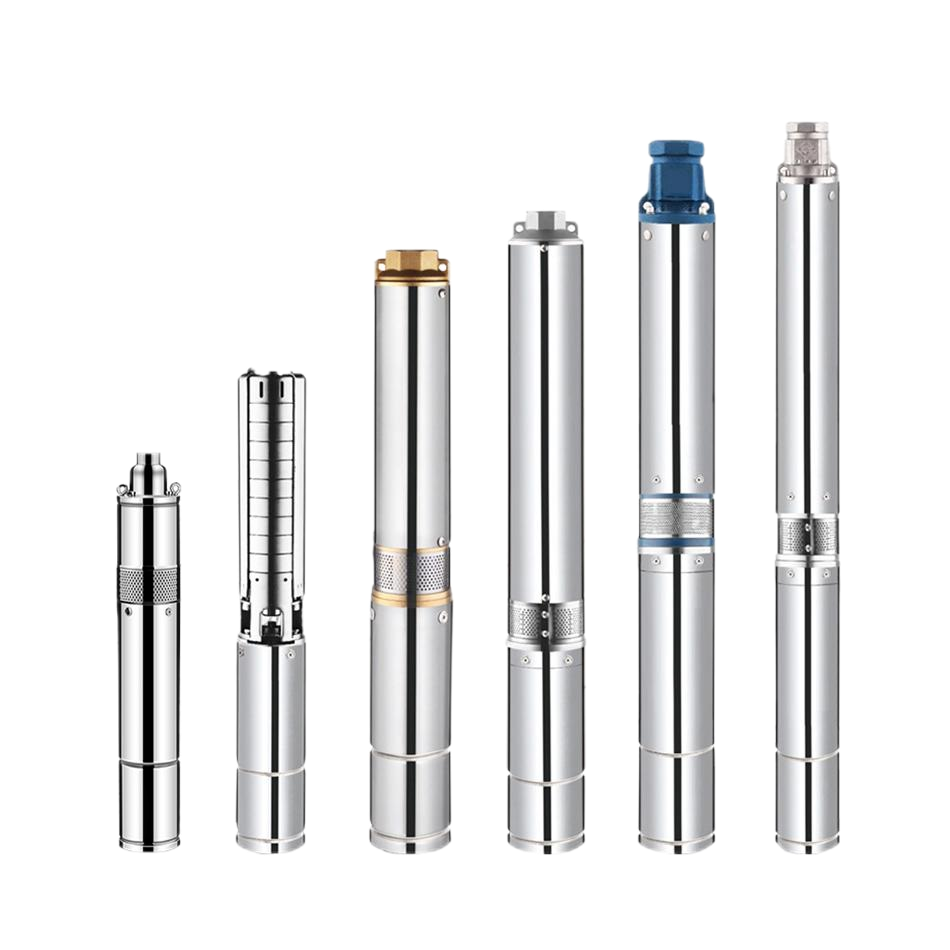 Borehole Pump
Fire safety is a non-negotiable priority for any residential, commercial, or industrial property. At the heart of this safety lies a well-designed and properly maintained fire fighting system. These systems are complex networks of equipment designed to detect, control, and extinguish fires, protecting lives, property, and assets.
What is a Fire Fighting System?
A fire fighting system is an integrated set of components that work together to provide early warning, suppress fires, and facilitate safe evacuation. It goes beyond a simple fire extinguisher, encompassing detection, alarm, and active suppression mechanisms. The primary goal is to automatically respond to a fire emergency, minimizing damage and risk to human life before firefighters arrive.
Core Types of Fire Fighting & Protection Systems
Different environments require different solutions. Here are the main categories of fire protection systems:
1.Fire Detection and Alarm Systems:
The critical first line of defense. These systems use smoke detectors, heat detectors, and manual call points to identify a fire and alert occupants through audible and visual alarms. Modern systems are often addressable, pinpointing the exact location of the fire.
2.Automatic Fire Sprinkler Systems:
The most common and effective active fire protection system. A network of pipes filled with water under pressure is connected to sprinkler heads. When heat from a fire activates an individual sprinkler head (only the one near the fire), water is discharged directly onto the flames.
3.Fire Suppression Systems:
Used in areas where water could cause catastrophic damage (e.g., server rooms, archives, kitchens). These special hazard fire suppression systems use clean agents (like FM-200 or Novec 1230), CO2, or foam to extinguish fires by disrupting the chemical chain reaction or removing oxygen.
4.Fire Hydrant & Standpipe Systems:
These are crucial water-based fire fighting systems for manual firefighting by occupants or fire departments. They provide a readily available water supply through outlets (hydrants) located inside and outside buildings.
5.Portable Fire Extinguishers:
Essential for tackling small, incipient fires. They are classified (A, B, C, D, K) based on the type of fire they combat (e.g., wood, liquid, electrical).

How to Choose the Right Fire Fighting System: A Buyer's Guide
Selecting the appropriate industrial or commercial fire fighting system requires careful analysis:
Conduct a Risk Assessment:
Identify the specific fire hazards (flammable liquids, electrical equipment, etc.) and the assets you need to protect.
Understand Regulations and Codes:
Compliance with local building codes (like NFPA standards) and insurance requirements is mandatory. A fire system installation must meet these legal benchmarks.
Evaluate the Property:
The building's size, occupancy type, layout, and function (data center, warehouse, office) dictate the system type.
Consider Total Cost of Ownership:
Look beyond initial fire system installation costs. Factor in long-term maintenance, inspection, and potential agent refill costs.
Prioritize Integration and Scalability:
Choose systems that can integrate with other building safety systems and can be expanded if your facility grows.
Work with Certified Professionals:
Always partner with licensed and experienced fire system suppliers and installers for design, fire system installation, and fire system maintenance.
Investing in a high-quality, code-compliant fire fighting system is an investment in ultimate safety and business continuity. By understanding the different types of fire protection systems, their components, and the selection criteria, you can make an informed decision to safeguard your people, property, and operations. Remember, the most effective system is one that is correctly designed, professionally installed, and meticulously maintained.
 5th Floor, Comprehensive Building No. 5, Dongqiao, Dong'an Village, Daxi Town,Wenling City,Zhejiang,China
 +86 576 86090666
 +86 18667600006
 +86 18667600006
 24 Hours Online