 3D ROOM
 (0)
(0) English
 عربى
عربى
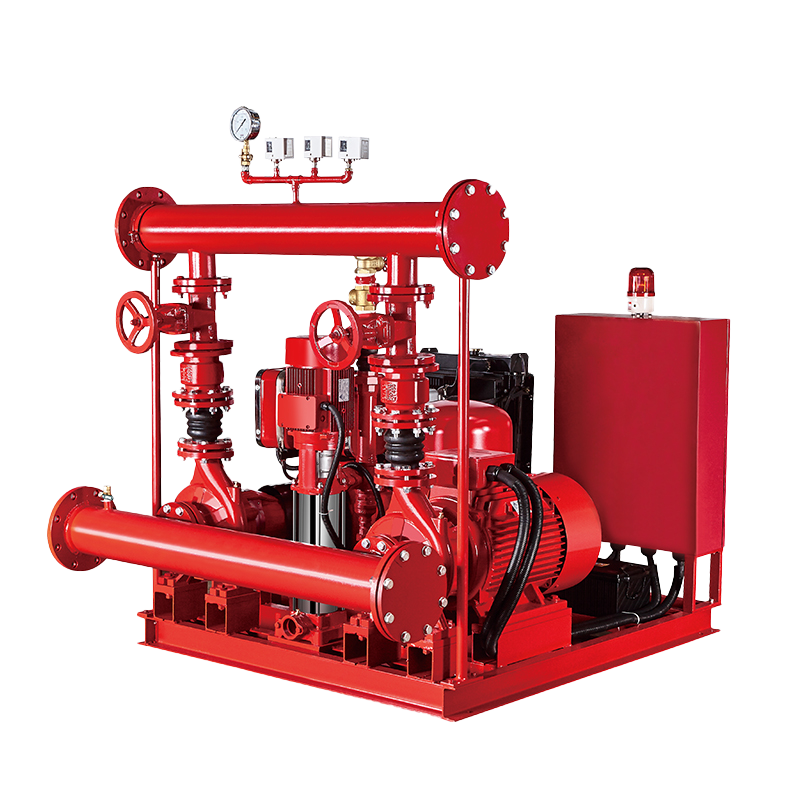 Fire Pump and System
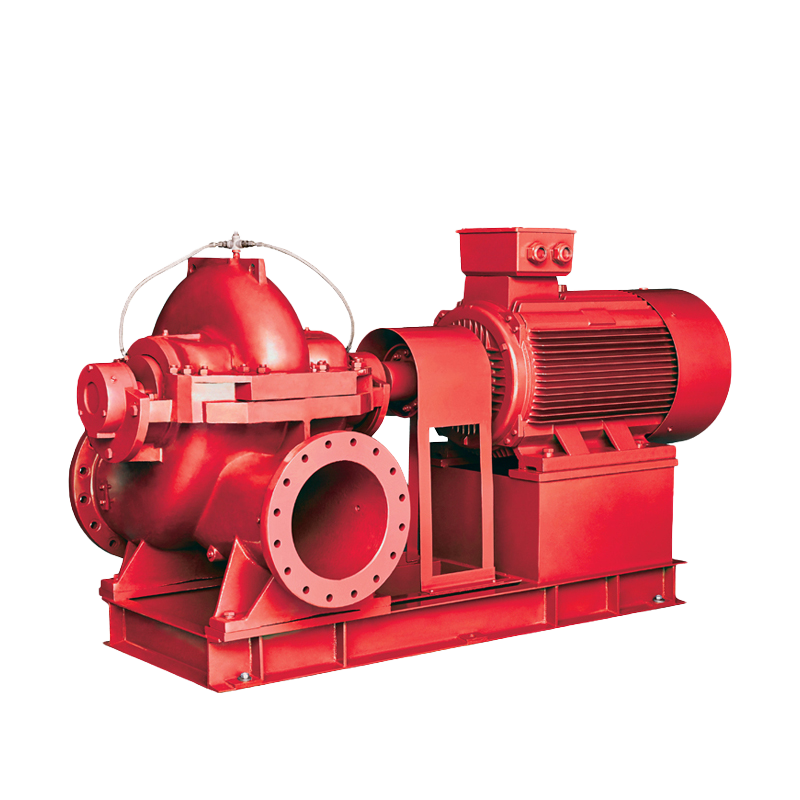 Split Case Pump
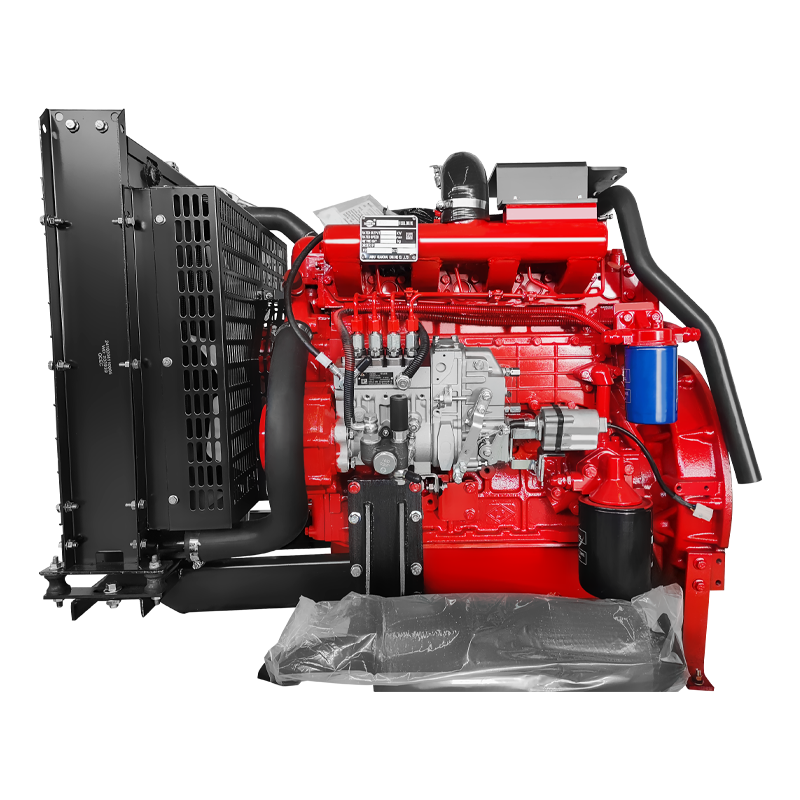 Engine and Pump
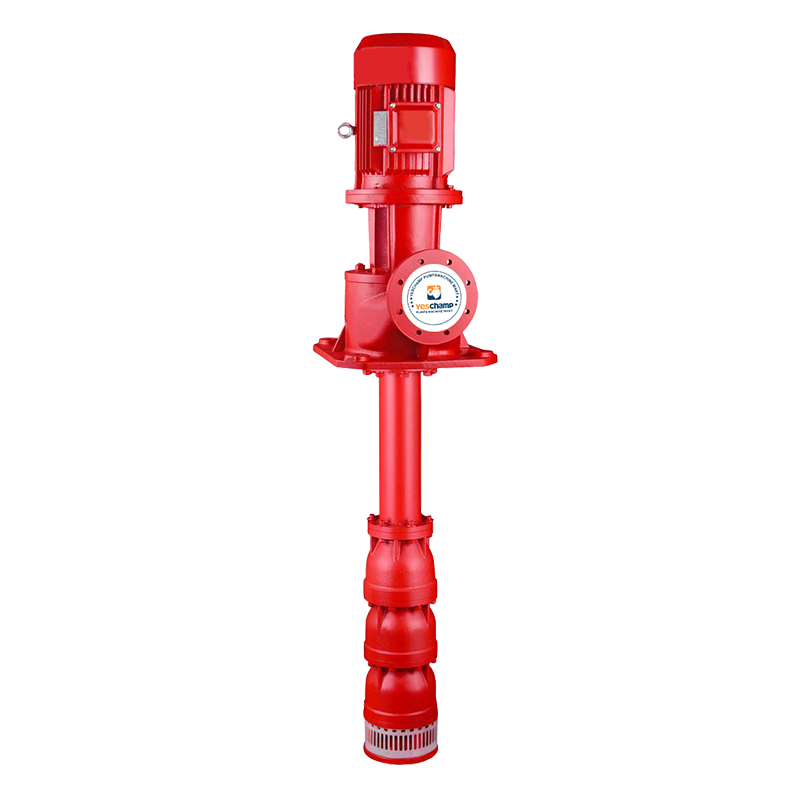 Long Shaft Pump
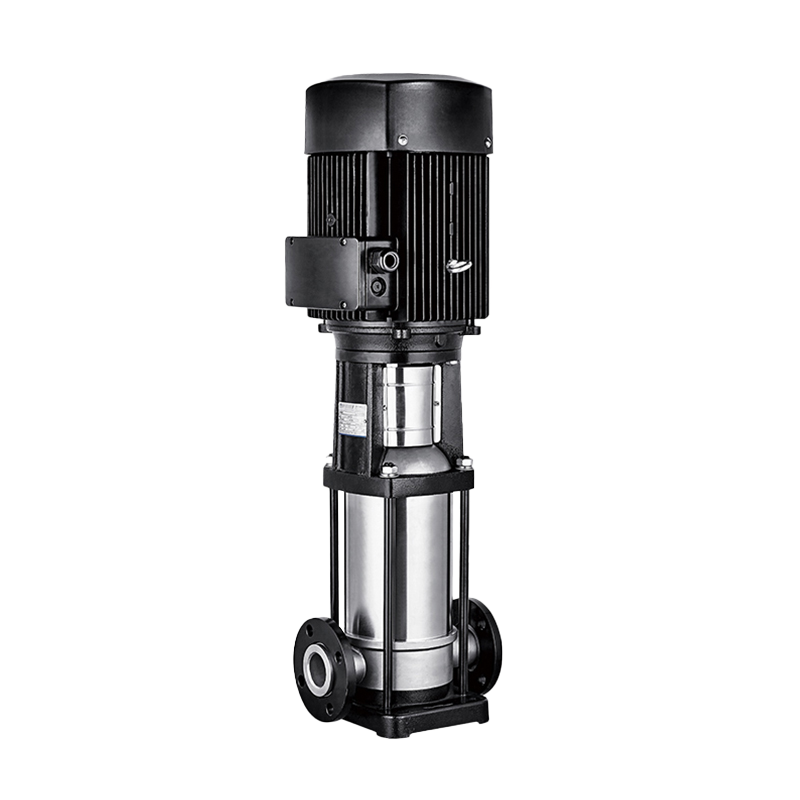 Multistage pump
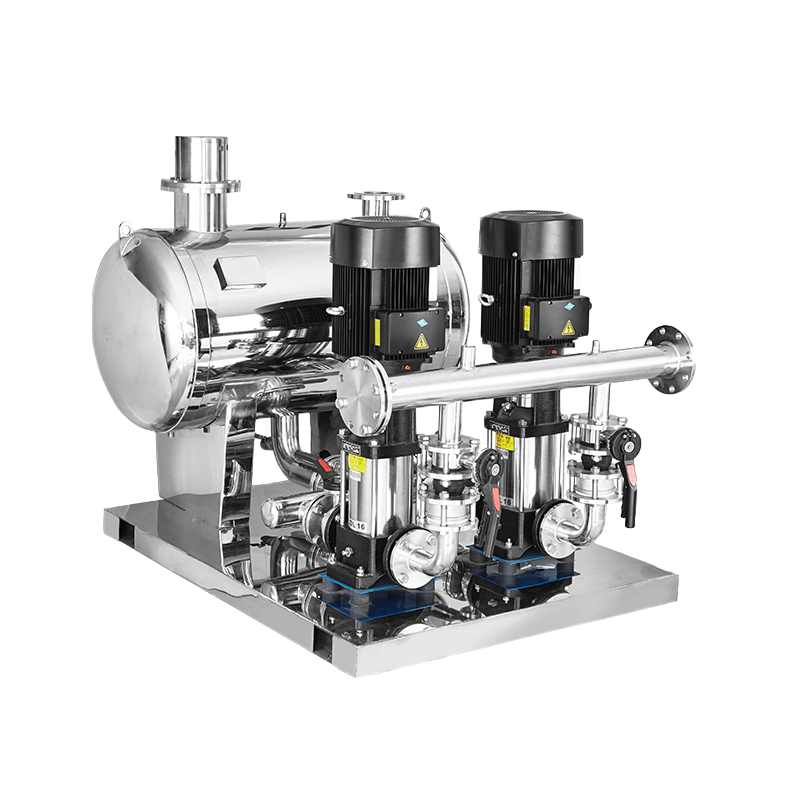 Water Supplier System
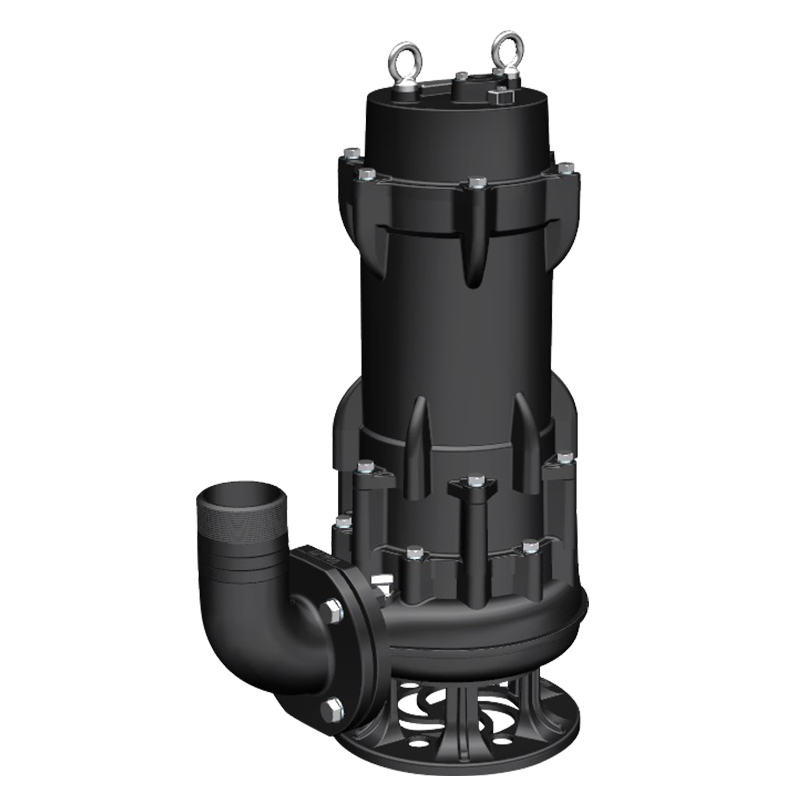 Sewage Pump
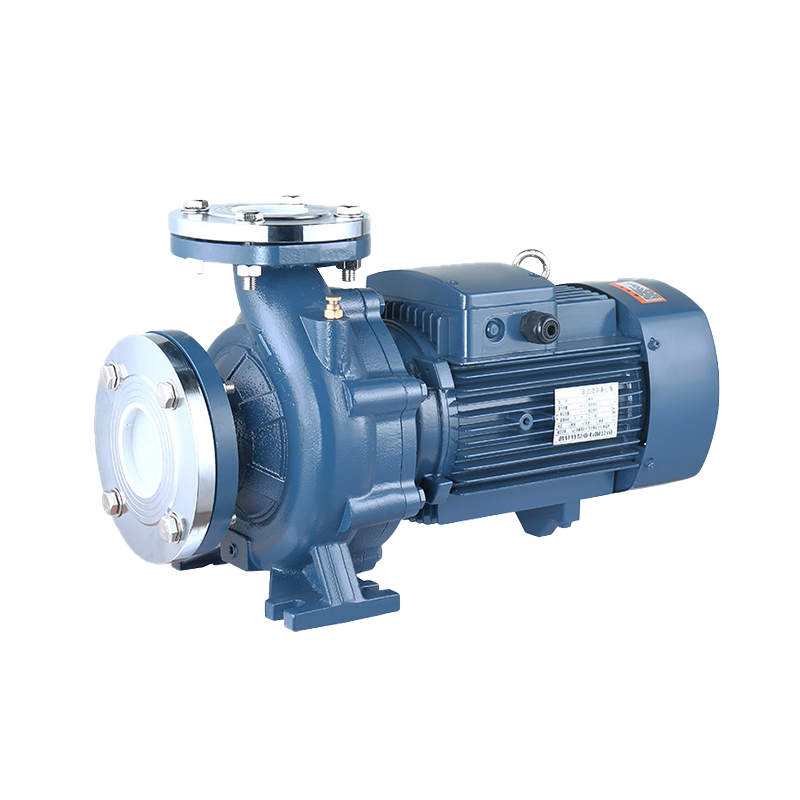 Industrial Pump
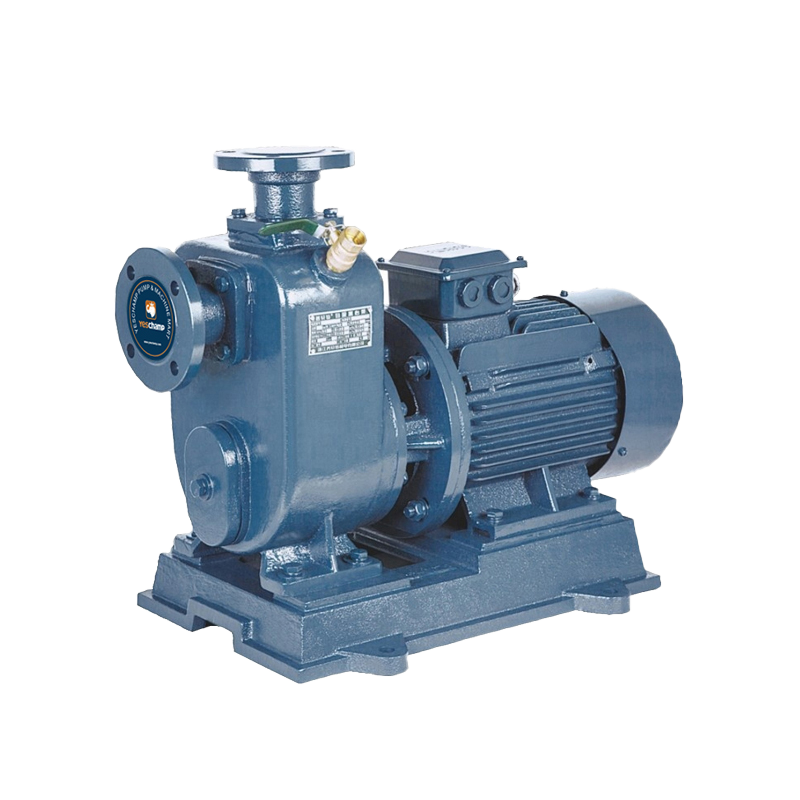 Self-Priming Pump
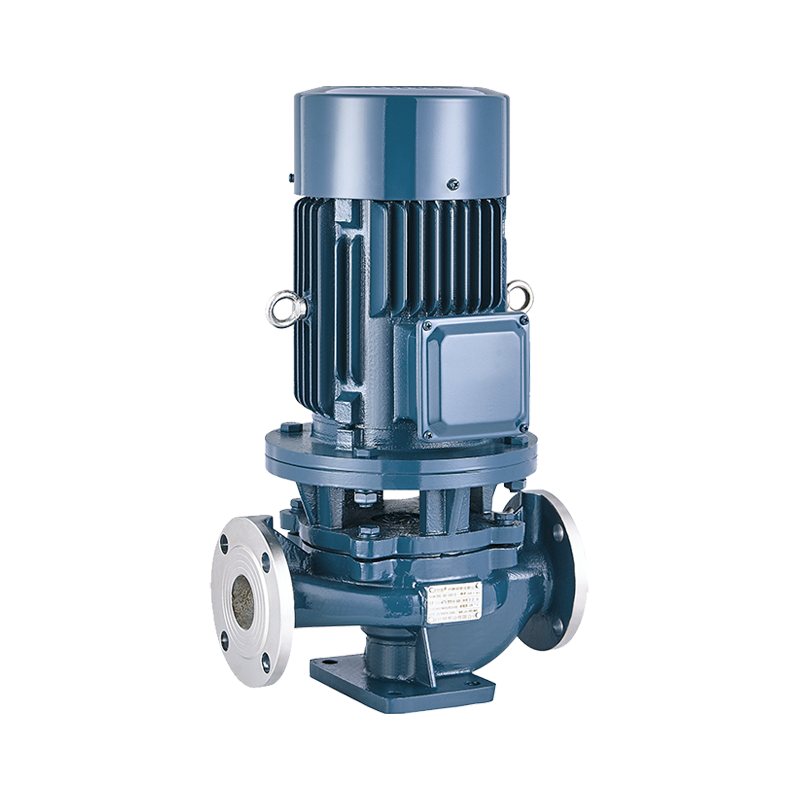 Inline Pump
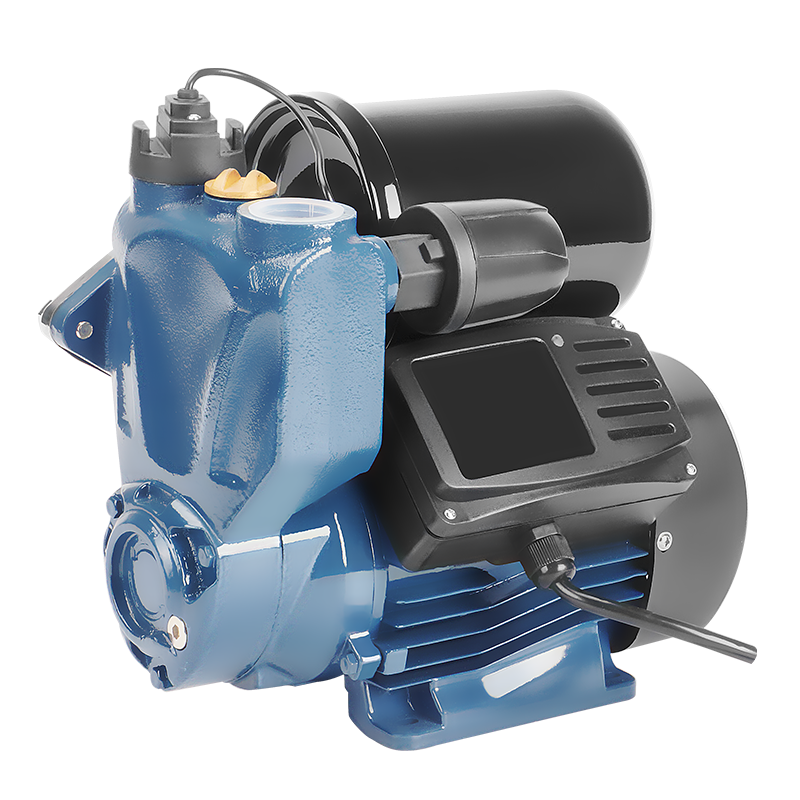 Domestic Pump
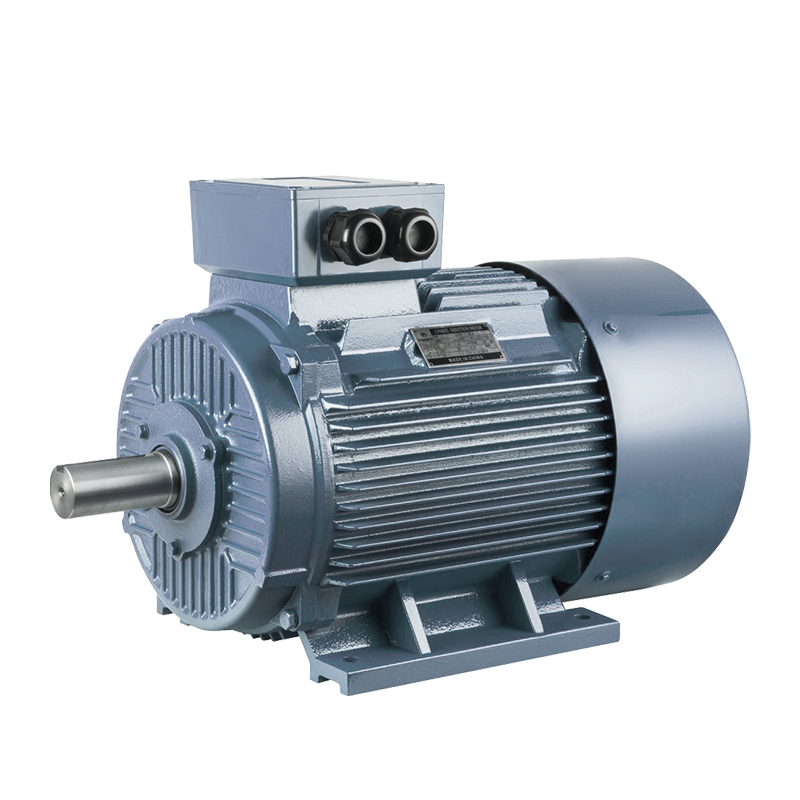 Electric Motor
 Borehole Pump
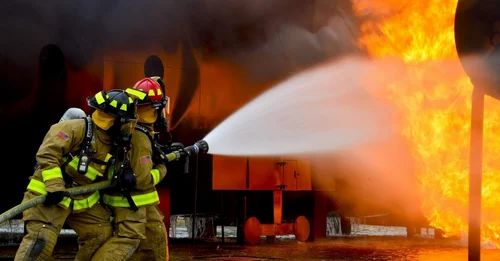
Fire safety is a top priority for both residential and commercial properties. One of the crucial components of an effective fire protection system is the fire pump. This article delves into what fire pumps are, their significance, components, and maintenance tips to ensure they operate effectively when needed.
What is a Fire Pump?
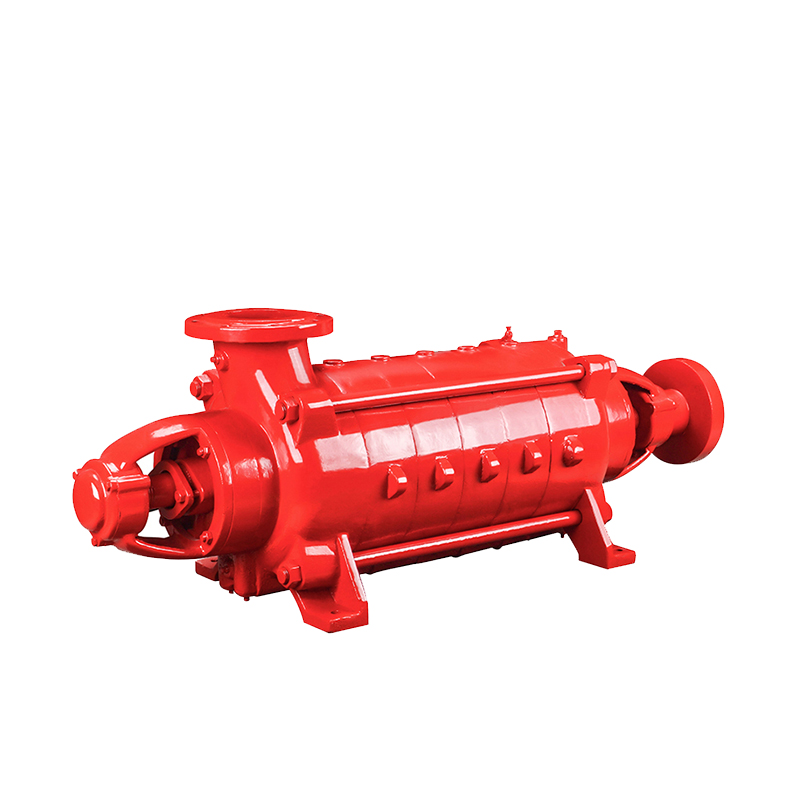
A fire pump is a vital piece of equipment designed to move water to fire suppression systems, including sprinklers and standpipes. It ensures that adequate water supply is available in the event of a fire, significantly improving the chances of containing a blaze and protecting lives and property.
Importance of Fire Pumps
Reliable Water Supply:
Fire pumps provide a consistent and adequate water supply, especially in areas where municipal water systems may not meet the required pressure for firefighting efforts.
Rapid Response:
Fire pumps enable quick response during emergencies. They can deliver water at high pressure necessary to combat fires effectively.
Compliance with Regulations:
Many jurisdictions require fire pumps to meet specific fire safety codes. Having a fire pump ensures compliance with local regulations, potentially saving property owners from fines.
Components of a Fire Pump System
A typical fire pump system comprises several key components:
Pump:
The heart of the system, where the water is drawn and pressurized.
Electric or Diesel Engine:
Powers the pump, depending on the system design and requirements.
Control Panel:
Monitors the pump's operation and provides alerts for any malfunctions.
Water Supply:
This can be from a reservoir, tank, or other water sources.
Piping and Valves:
Directs the water flow to the required locations throughout the property.
Types of Fire Pumps
Fire pumps come in various types, including:
Electric Fire Pumps:
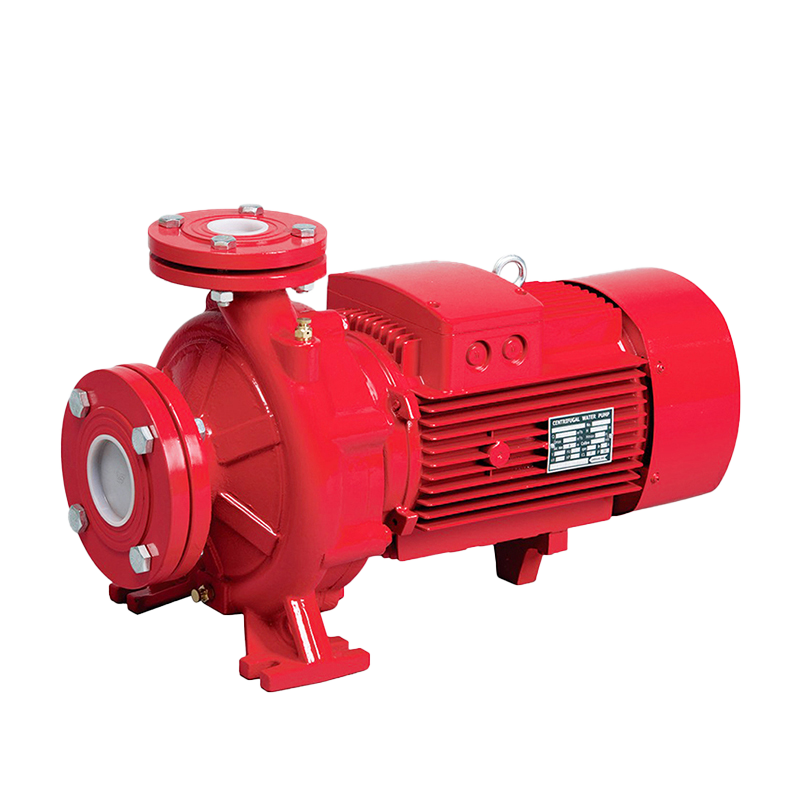
Commonly used, powered by electricity, and suitable for most applications.
Diesel Fire Pumps:
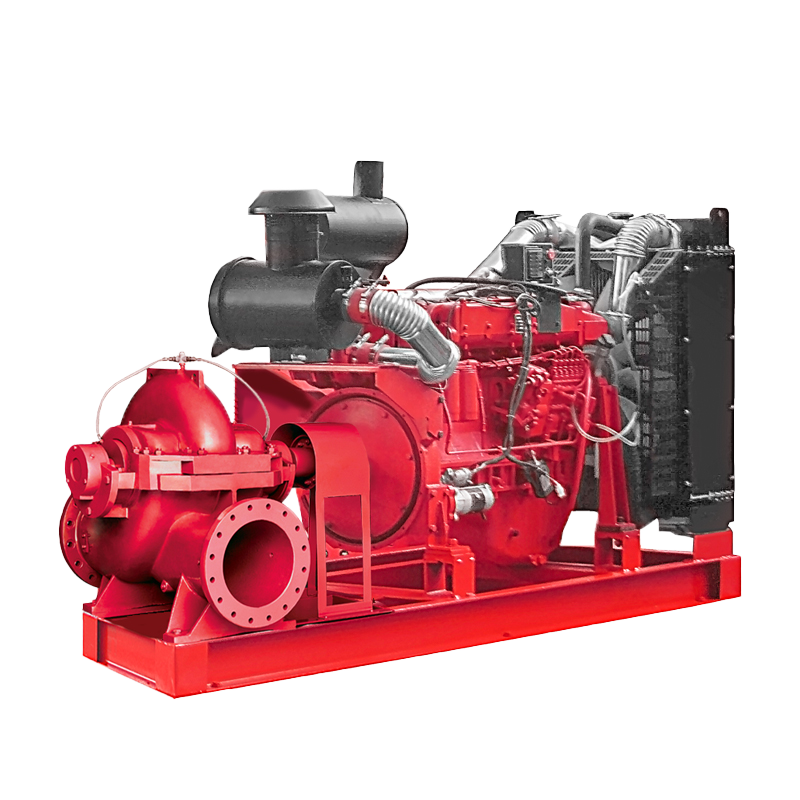
Typically used in areas where electricity supply is unreliable.
Horizontal Split-Case Pumps:
Known for high efficiency and durability, suitable for large facilities.
Vertical Turbine Pumps:
Ideal for demanding installations requiring water to be drawn from deep sources.
Maintenance Tips for Fire Pumps
Regular maintenance is crucial to ensure fire pumps function effectively when needed. Here are some essential tips:
Routine Inspection:
Conduct visual inspections monthly to check for leaks, corrosion, or signs of wear.
Regular Testing:
Perform flow tests periodically to guarantee that the pump can achieve the necessary pressure and flow rate.
Professional Servicing:
Schedule annual inspections and servicing by certified professionals to identify and rectify potential issues.
Keep Records:
Maintain detailed records of maintenance activities, inspections, and repairs to comply with local regulations and ensure the pump's reliability.
Fire pumps are essential for fire safety, providing reliable water supply and rapid response during emergencies. Understanding their importance, components, types, and maintenance is critical for ensuring optimal functionality. By prioritizing fire pump upkeep, property owners can significantly enhance their fire protection measures.
 5th Floor, Comprehensive Building No. 5, Dongqiao, Dong'an Village, Daxi Town,Wenling City,Zhejiang,China
 +86 576 86090666
 +86 18667600006
 +86 18667600006
 24 Hours Online