 3D ROOM
 (0)
(0) English
 عربى
عربى
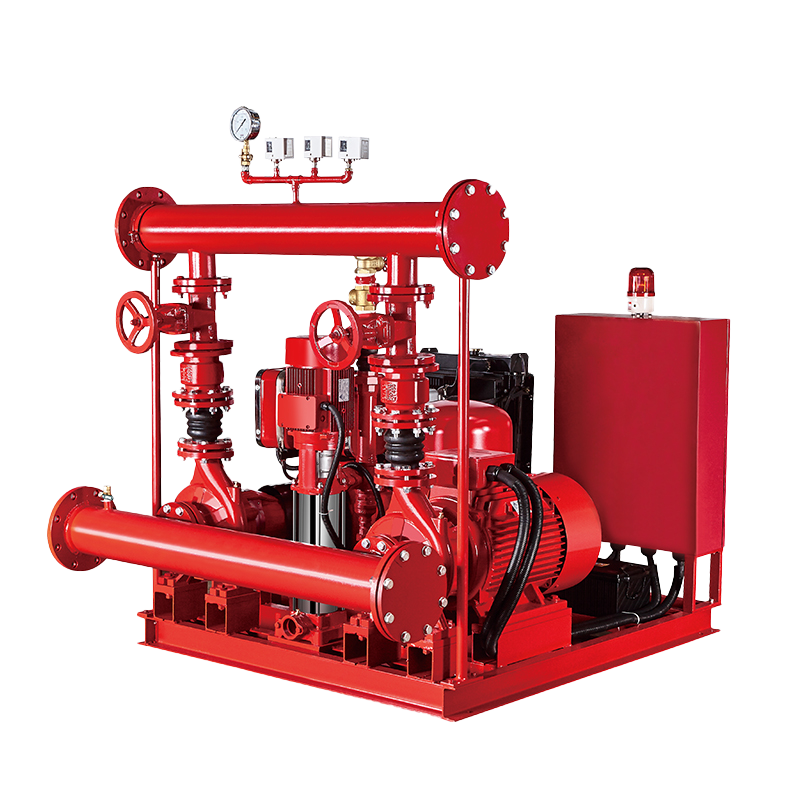 Fire Pump and System
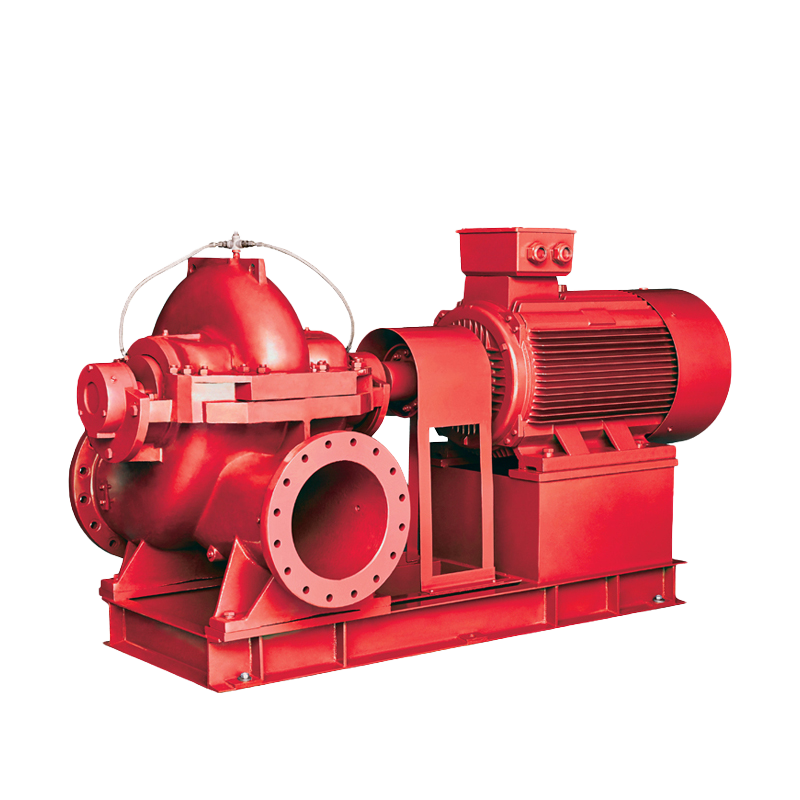 Split Case Pump
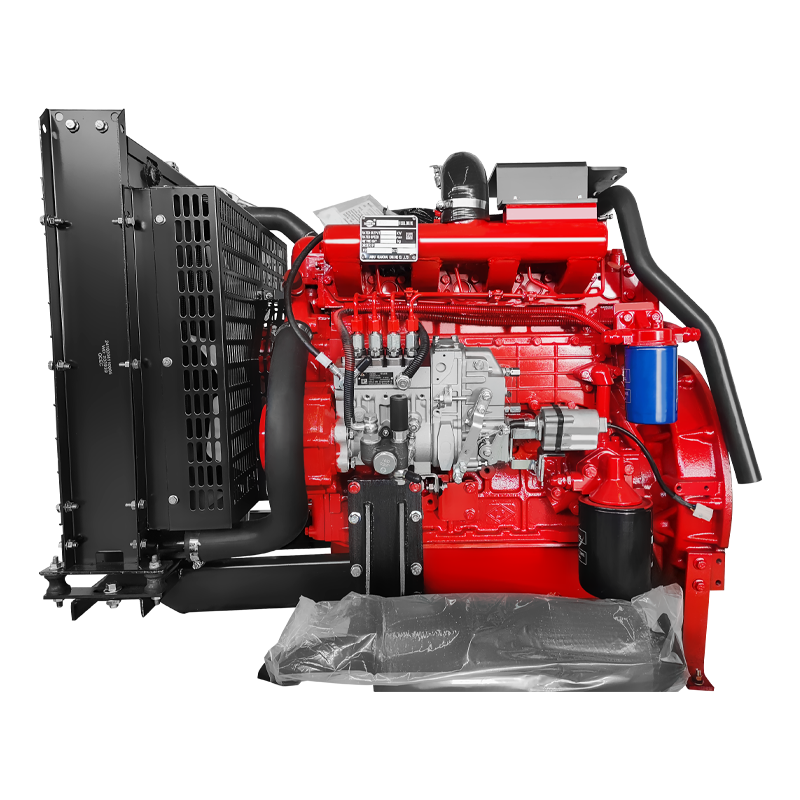 Engine and Pump
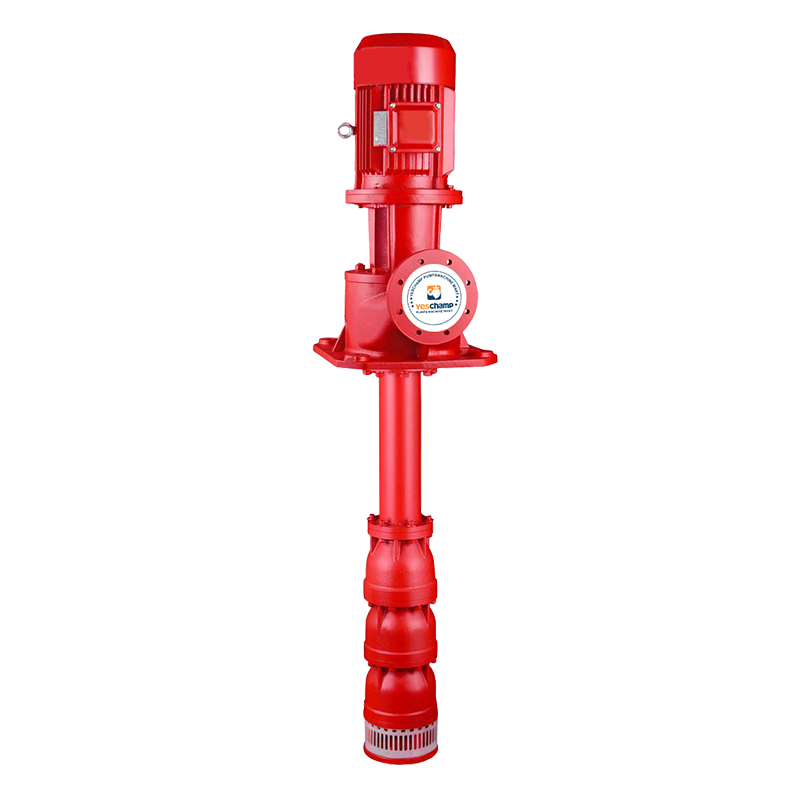 Long Shaft Pump
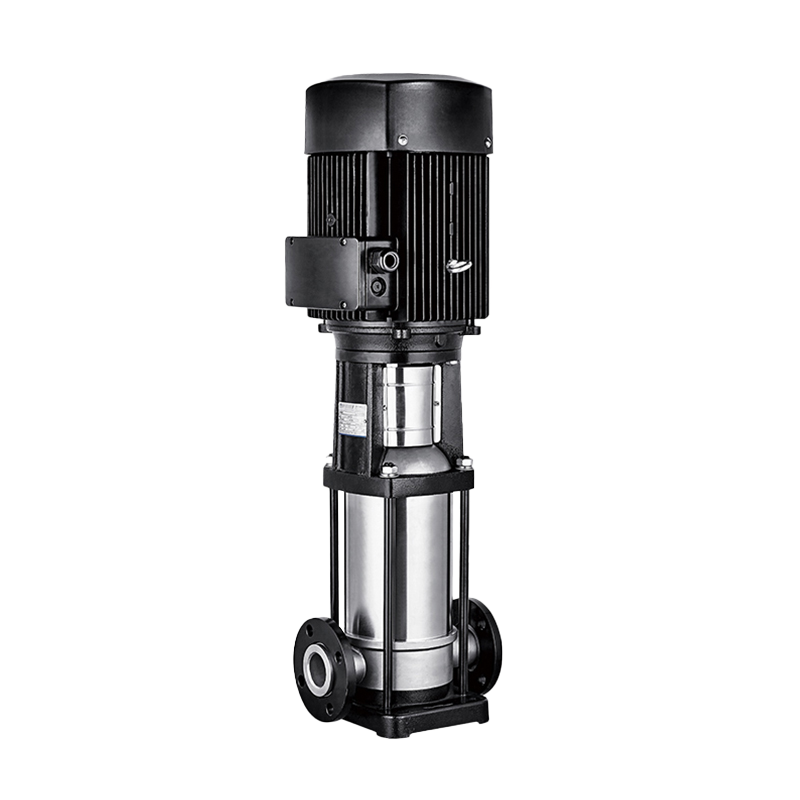 Multistage pump
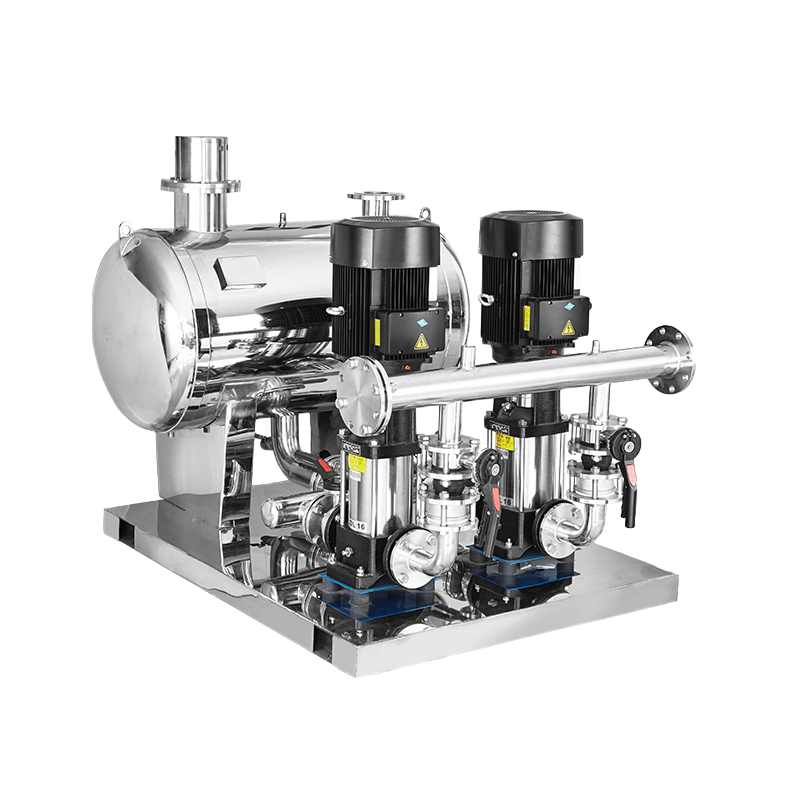 Water Supplier System
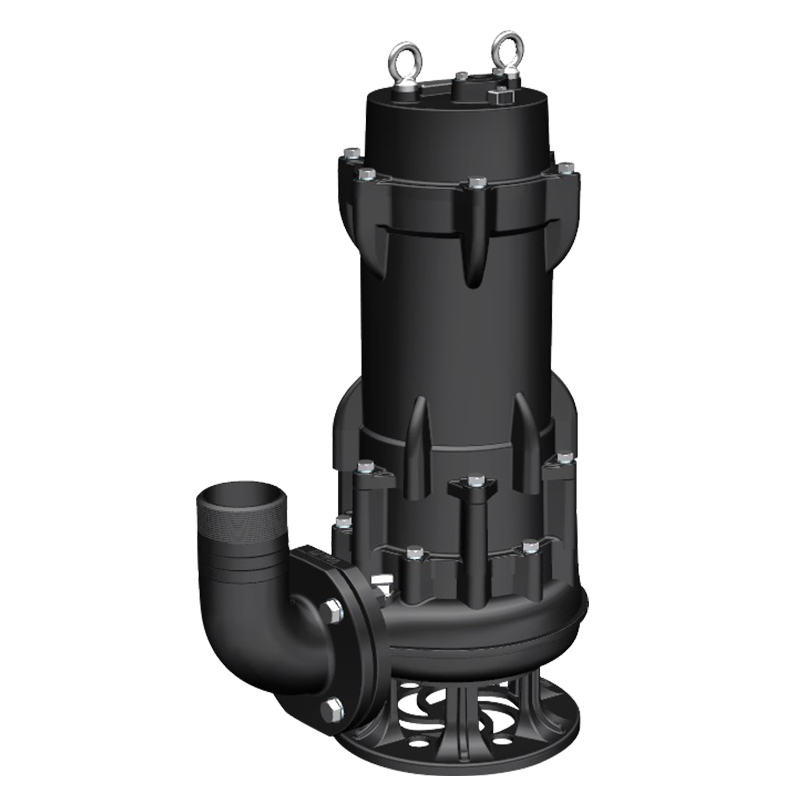 Sewage Pump
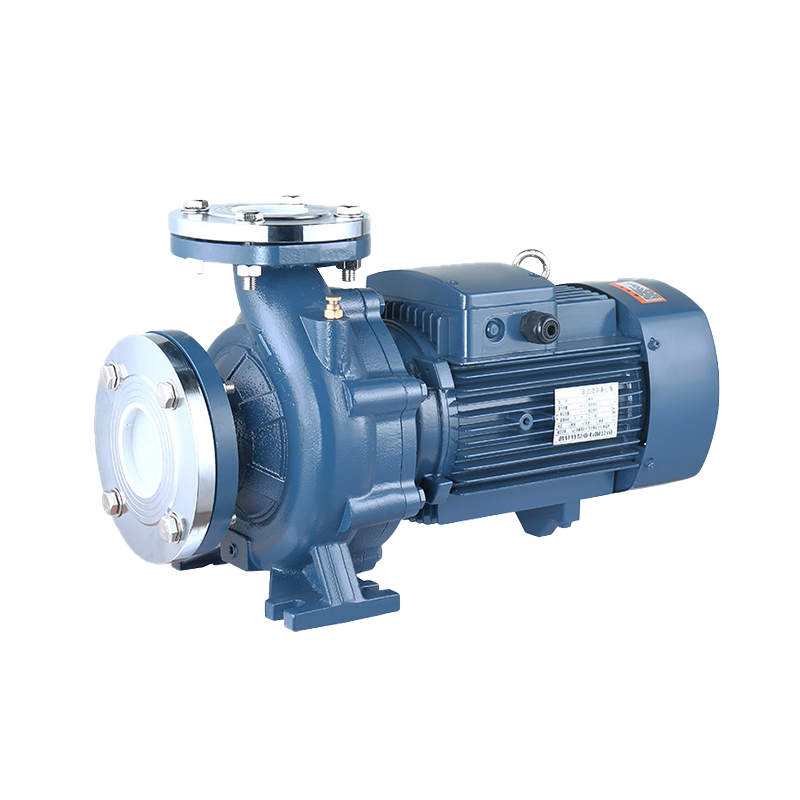 Industrial Pump
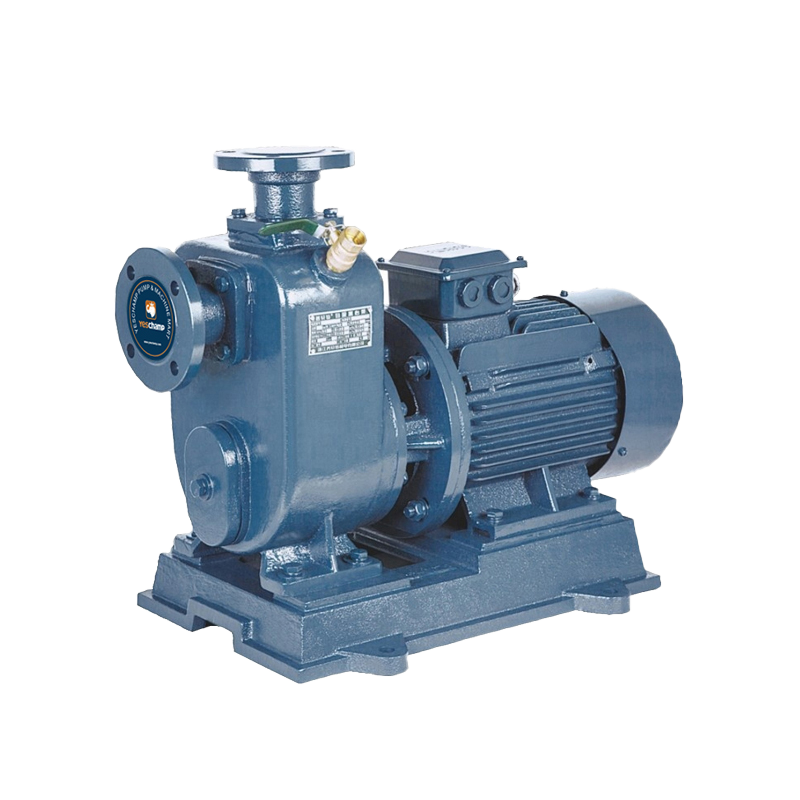 Self-Priming Pump
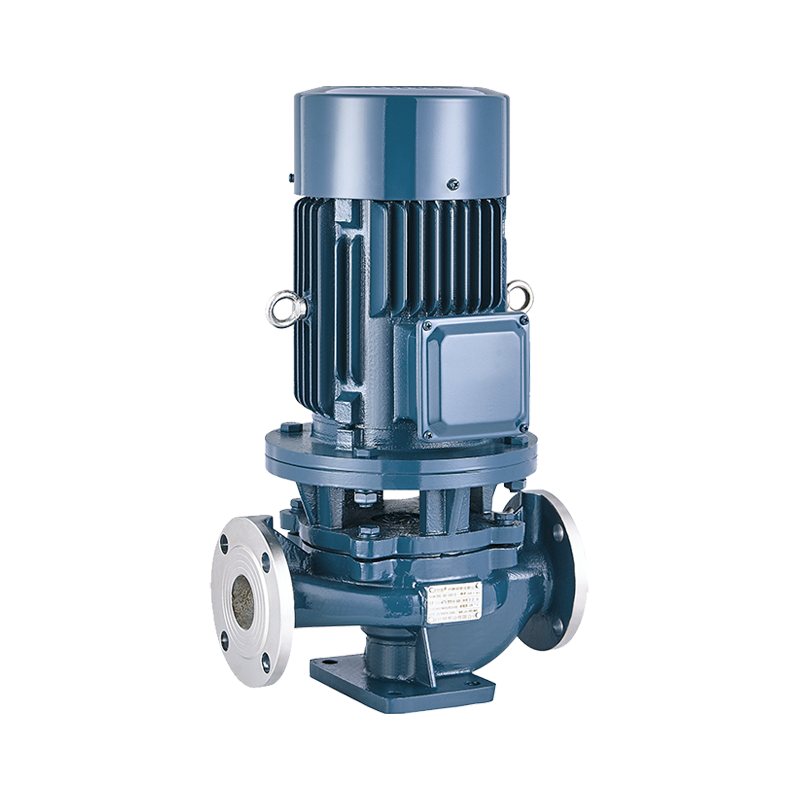 Inline Pump
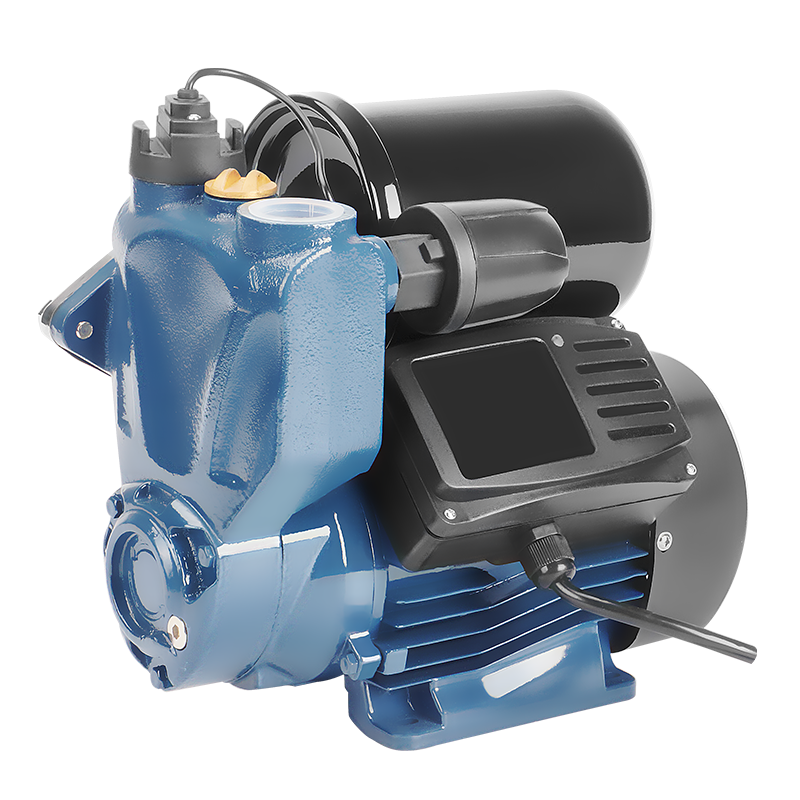 Domestic Pump
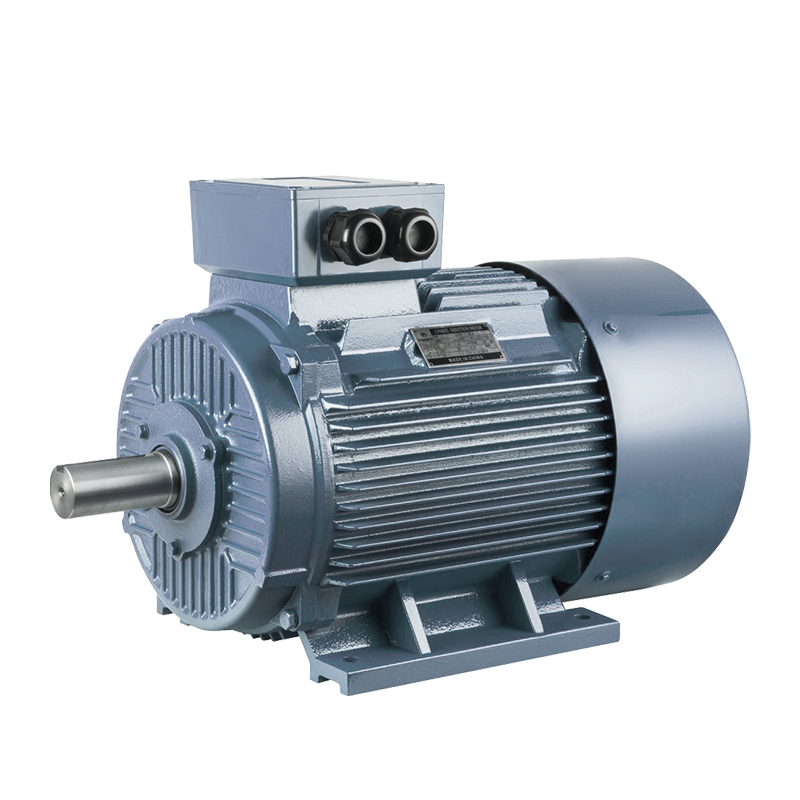 Electric Motor
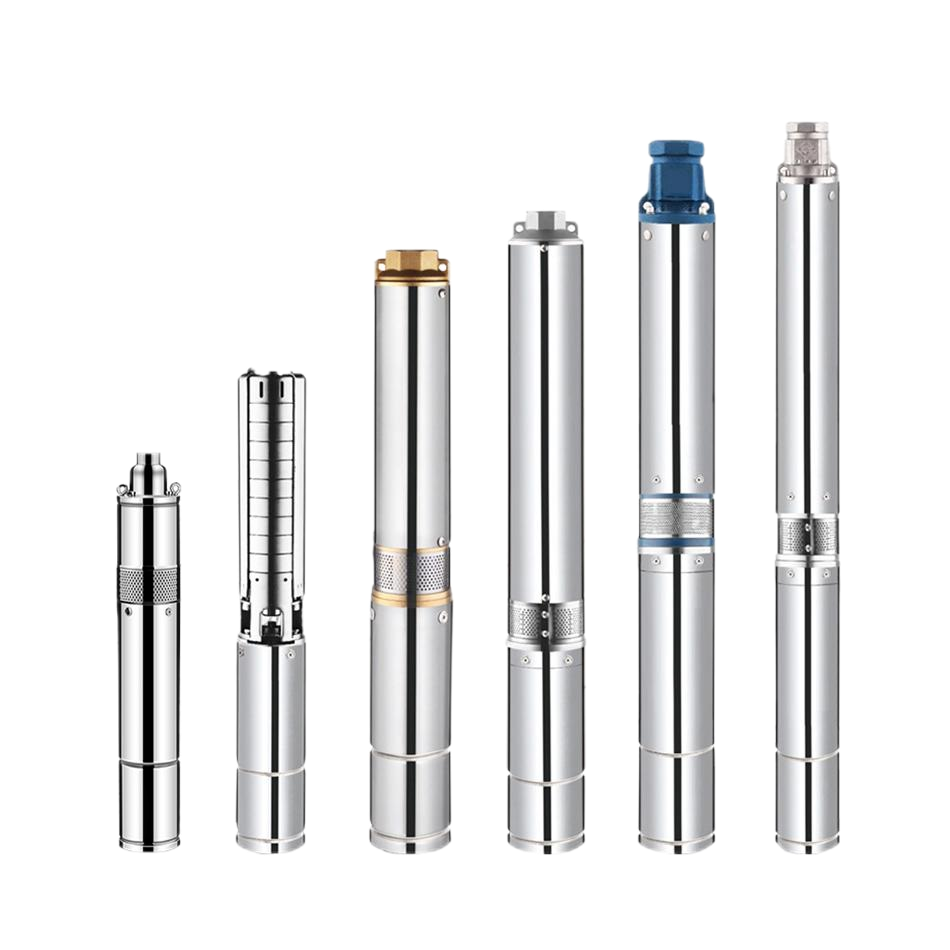 Borehole Pump
In the vast world of industrial fluid handling, few pieces of equipment are as fundamental and widely used as the horizontal centrifugal pump. Its design simplicity, operational efficiency, and robust performance make it a cornerstone across countless industries. For facility managers, engineers, and procurement specialists, understanding the intricacies of horizontal centrifugal pumps is key to optimizing processes, ensuring reliability, and making cost-effective purchasing decisions.
What is a Horizontal Centrifugal Pump?
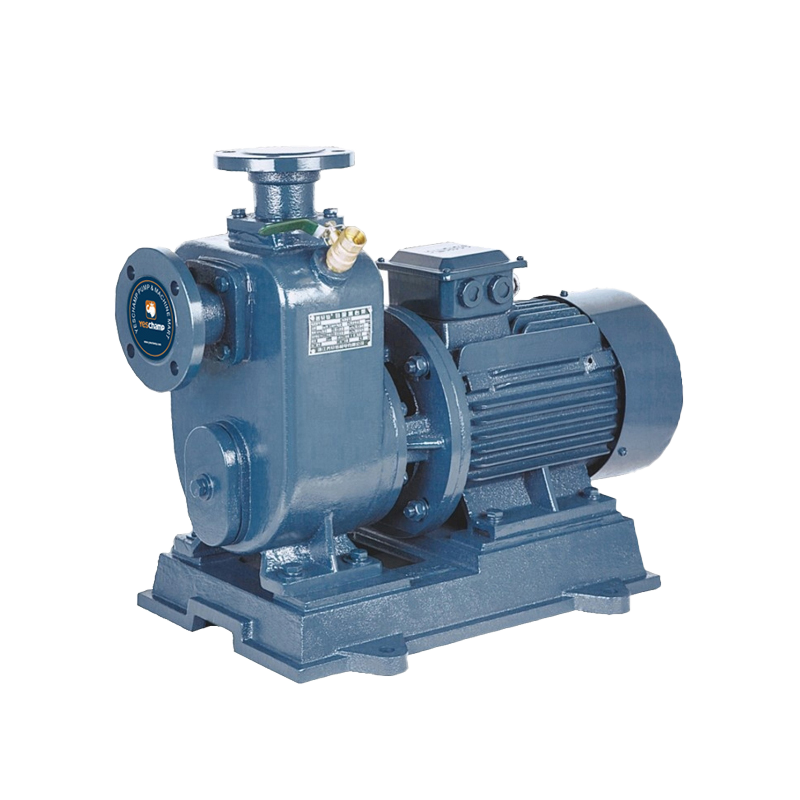
A horizontal centrifugal pump is a dynamic displacement pump where the shaft is oriented horizontally. It converts rotational kinetic energy, typically from an electric motor or turbine, into hydrodynamic energy to move fluid. The fluid enters the pump axially through the suction inlet into the eye of a high-speed rotating impeller. Centrifugal force then flings the fluid radially outward into a volute (diffuser) casing, where its velocity is converted into pressure before being discharged.
This horizontal configuration contrasts with vertical centrifugal pumps, where the shaft is oriented vertically. The horizontal design generally allows for easier maintenance, as the motor and pump are often mounted on a common baseplate, providing straightforward access to seals, bearings, and couplings.
Key Advantages of Horizontal Centrifugal Pumps
Wide Range of Capacity & Head:
Capable of handling from low to extremely high flow rates (up to hundreds of thousands of GPM) and a broad spectrum of pressure requirements.
Smooth, Continuous Flow:
Delivers a steady, non-pulsating flow of liquid.
Simple Construction & Operation:
Fewer moving parts compared to positive displacement pumps lead to lower initial cost and easier operation.
Adaptability:
Can handle a variety of fluids, including clean, clear water, mild slurries, and corrosive or viscous liquids (with proper impeller and material selection).
Low Maintenance:
Easy access to key components in a standard end-suction or split-case design simplifies routine inspections and repairs.
High Efficiency:
Offers excellent energy efficiency, especially when operating at or near its Best Efficiency Point (BEP).

Essential Maintenance Tips for Longevity
Prevent Dry Running:
Never operate the pump without fluid, as it quickly damages mechanical seals and impellers.
Ensure Proper Alignment:
Regularly check and correct alignment between pump and motor shafts to prevent vibration, bearing failure, and seal wear.
Monitor Vibration & Temperature:
Use basic gauges or sensors to track bearing housing temperature and vibration levels as early failure indicators.
Maintain Adequate NPSH:
Ensure the Net Positive Suction Head available (NPSHa) from your system exceeds the pump's required NPSH (NPSHr) to prevent cavitation.
Follow a Lubrication Schedule:
Re-lubricate bearings according to manufacturer guidelines, avoiding over-greasing.
The horizontal centrifugal pump remains an indispensable workhorse in modern industry. Its effectiveness hinges on proper understanding, selection, and care. By comprehensively analyzing your system needs, carefully selecting the pump type and materials, and adhering to a proactive maintenance regimen, you can ensure decades of reliable, efficient, and cost-effective service.
 5th Floor, Comprehensive Building No. 5, Dongqiao, Dong'an Village, Daxi Town,Wenling City,Zhejiang,China
 +86 576 86090666
 +86 18667600006
 +86 18667600006
 24 Hours Online