 3D ROOM
 (0)
(0) English
 عربى
عربى
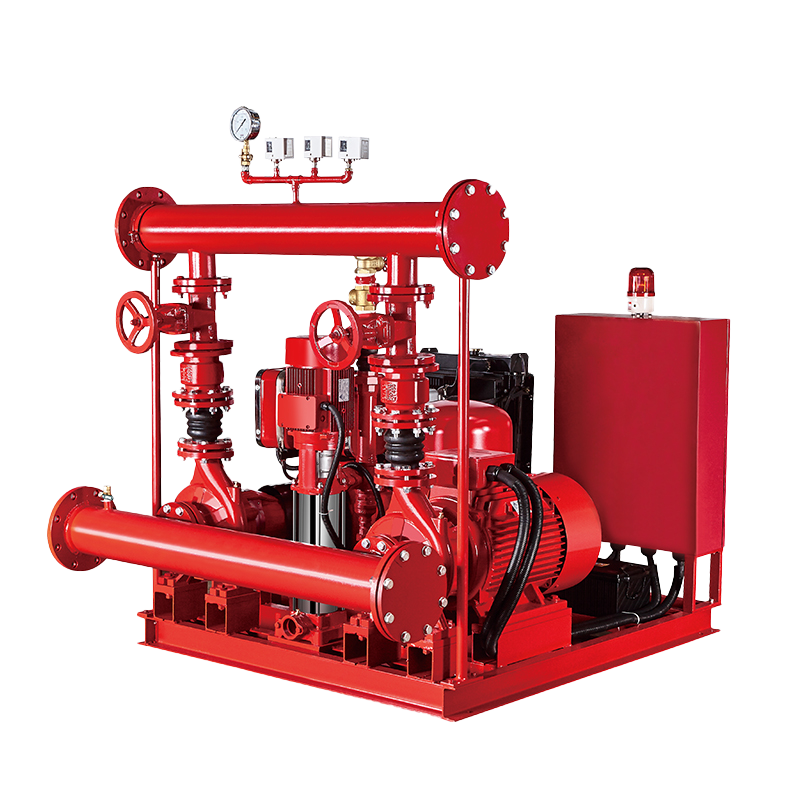 Fire Pump and System
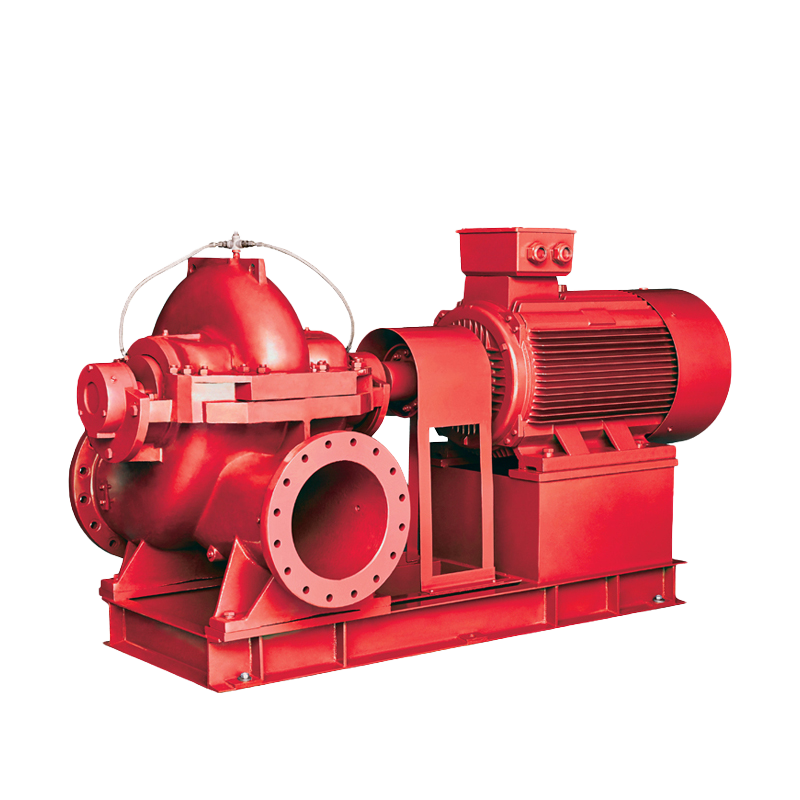 Split Case Pump
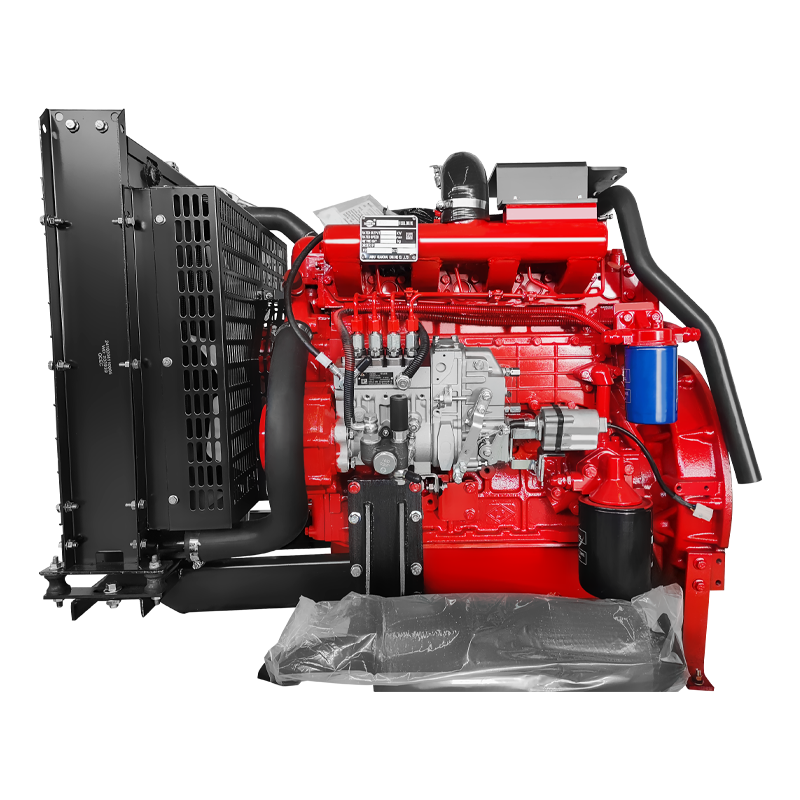 Engine and Pump
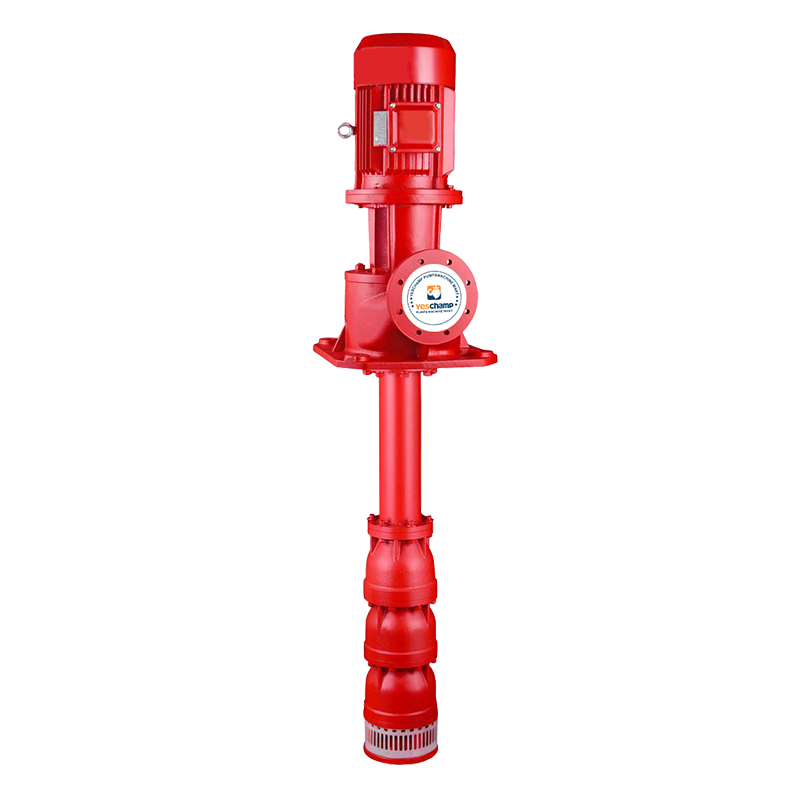 Long Shaft Pump
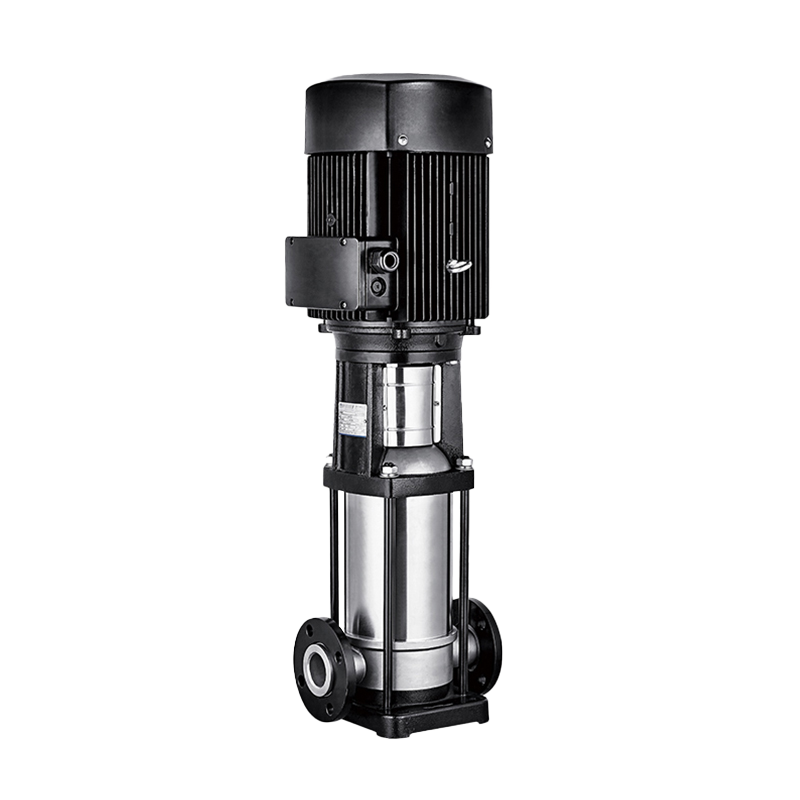 Multistage pump
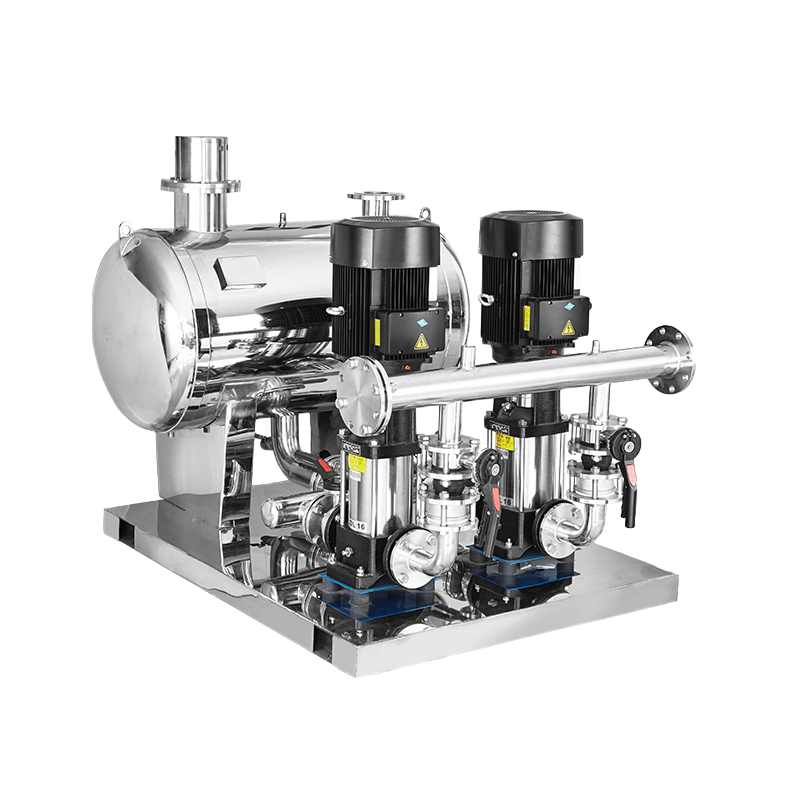 Water Supplier System
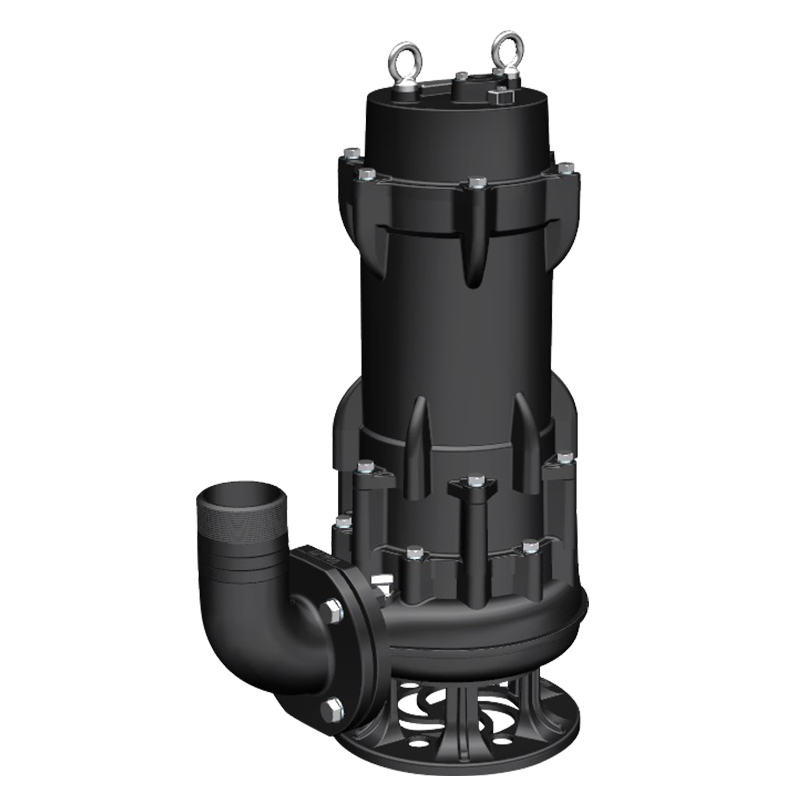 Sewage Pump
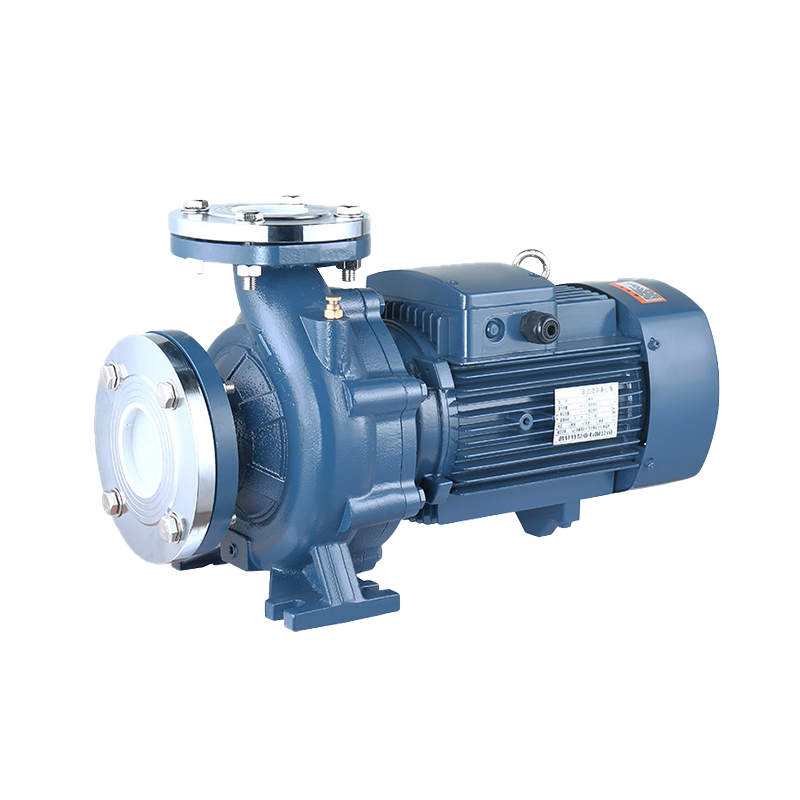 Industrial Pump
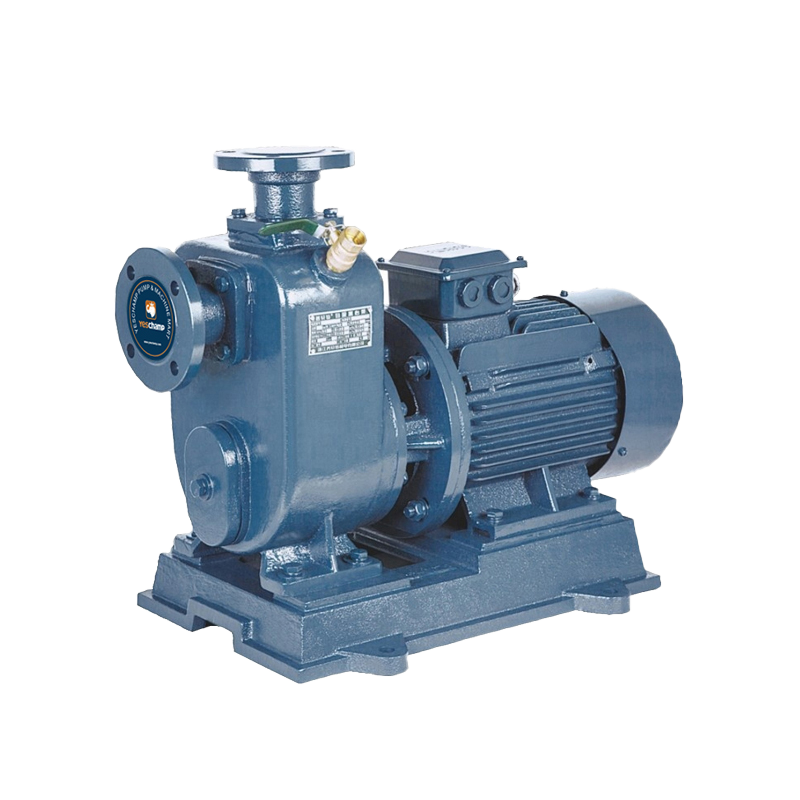 Self-Priming Pump
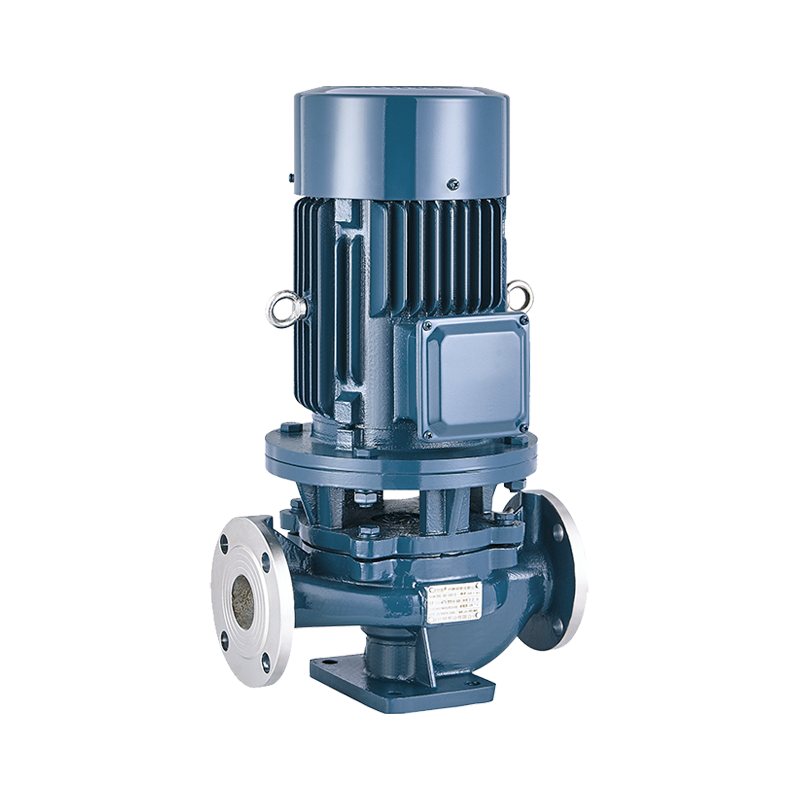 Inline Pump
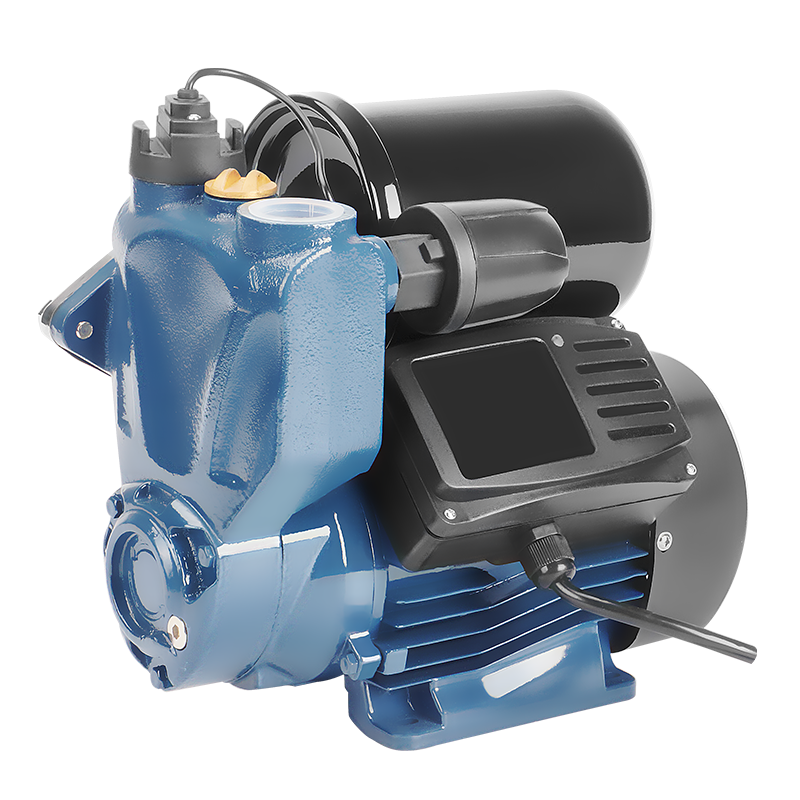 Domestic Pump
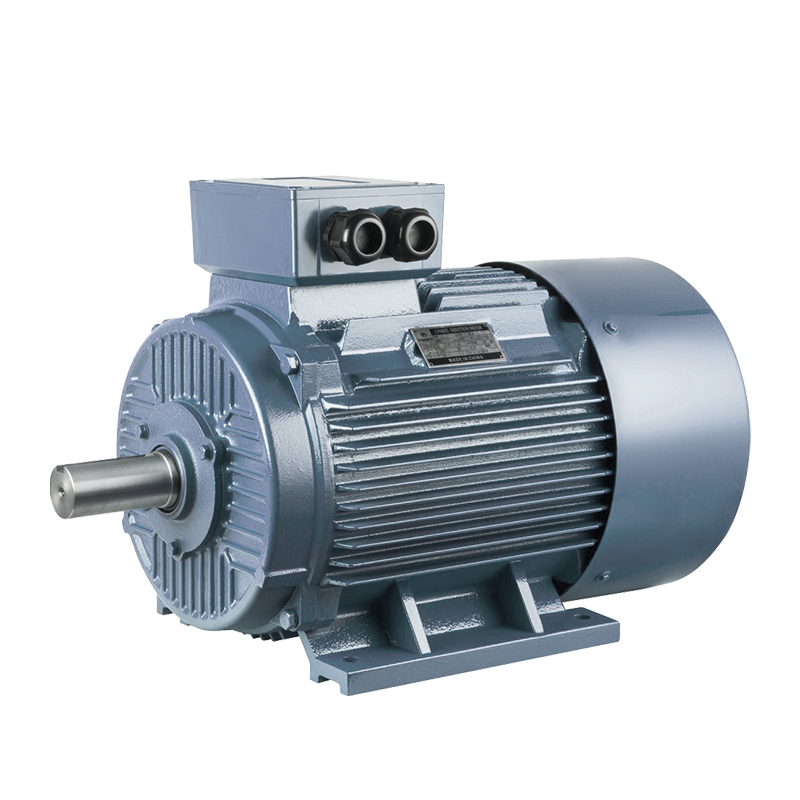 Electric Motor
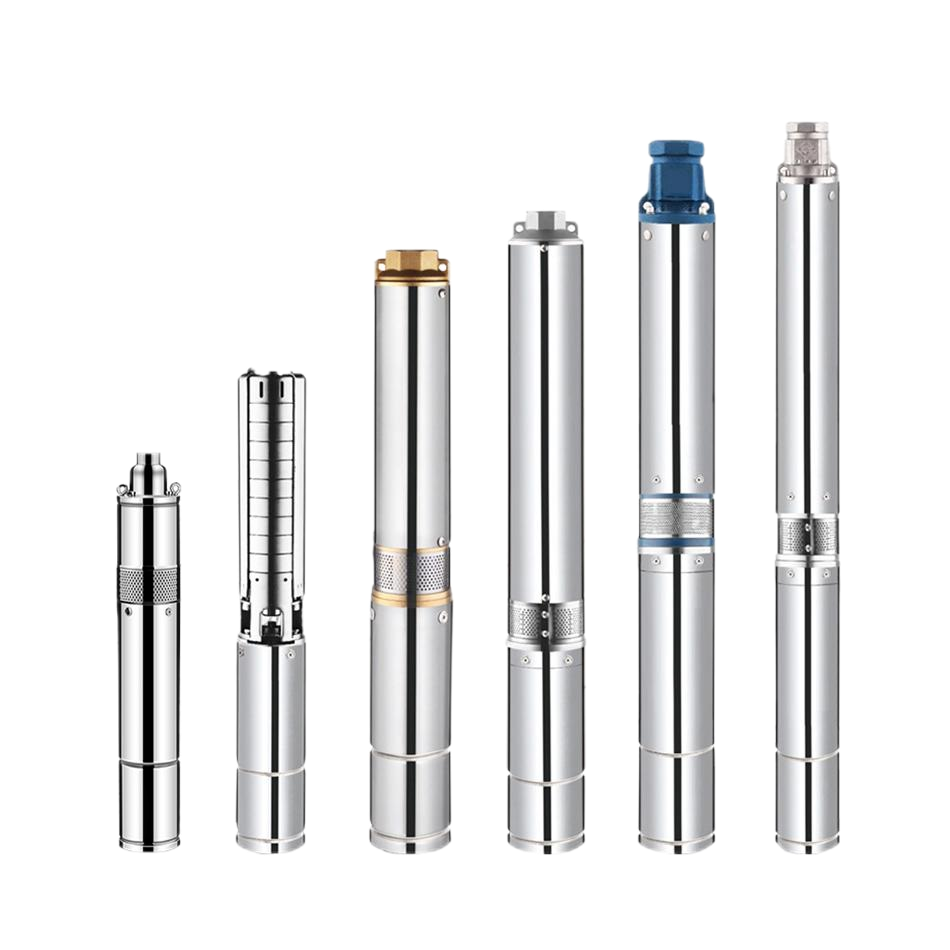 Borehole Pump
A reliable fire fighting system is not just a safety requirement—it’s a critical investment in life, property, and business continuity. Whether you manage a commercial high-rise, an industrial facility, or a residential complex, understanding the fundamentals of fire suppression technology ensures you choose the right solution for your needs.
What Is a Fire Fighting System?
A fire fighting system is an integrated network of equipment designed to detect, control, and extinguish fires automatically or manually. These systems minimize damage, protect occupants, and comply with local fire codes such as NFPA (National Fire Protection Association), EN (European Norms), and ISO standards.
Common Types of Fire Fighting Systems
Wet Pipe Sprinkler Systems
The most common type—pipes are filled with pressurized water ready to activate instantly when heat triggers a sprinkler head. Ideal for buildings where freezing isn’t a risk.
Dry Pipe Sprinkler Systems
Pipes contain pressurized air instead of water, making them suitable for unheated spaces like parking garages or warehouses in cold climates.
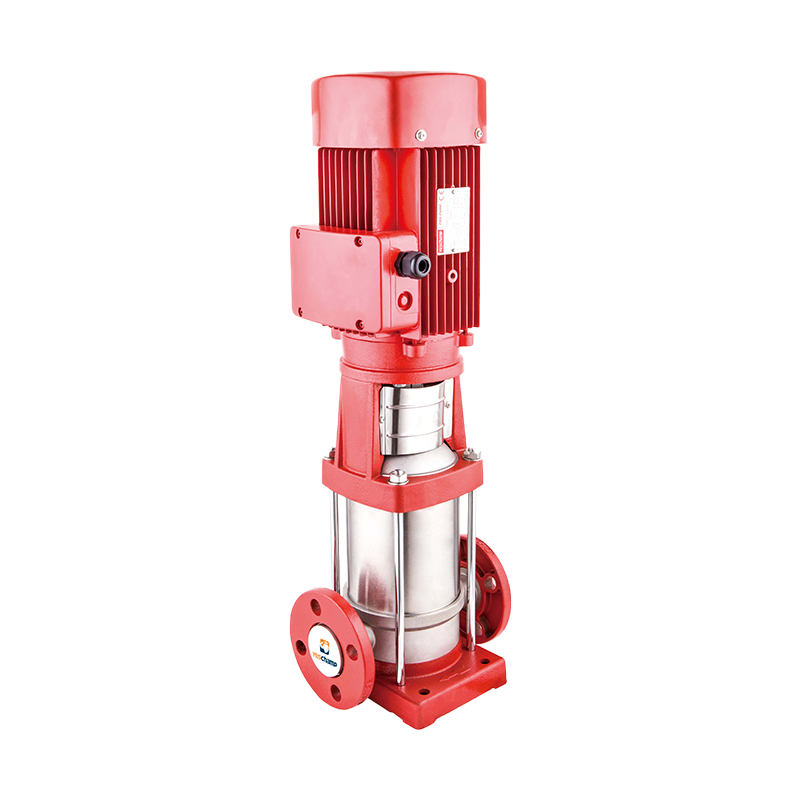
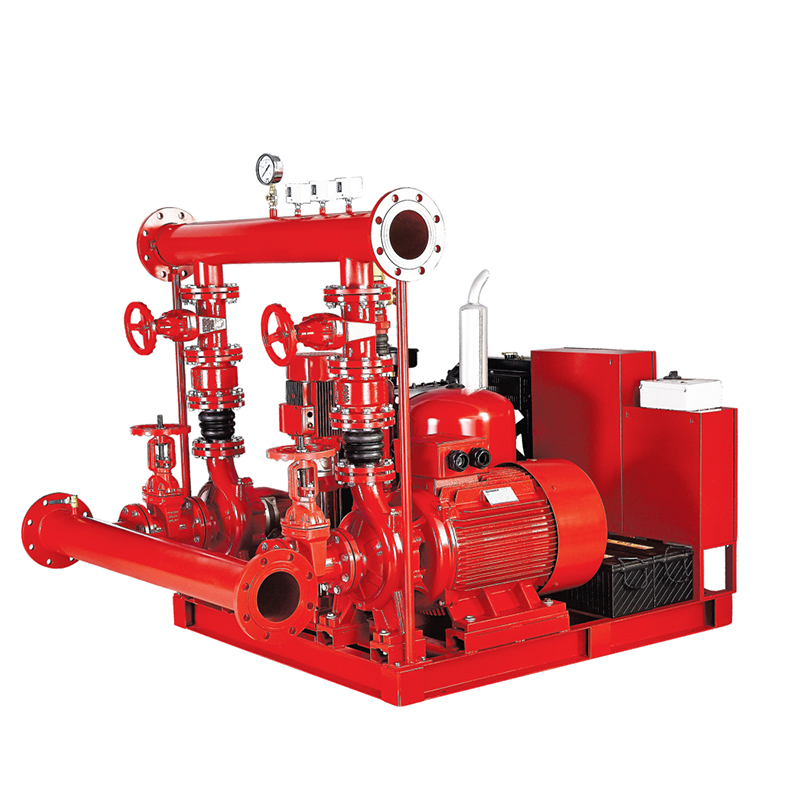
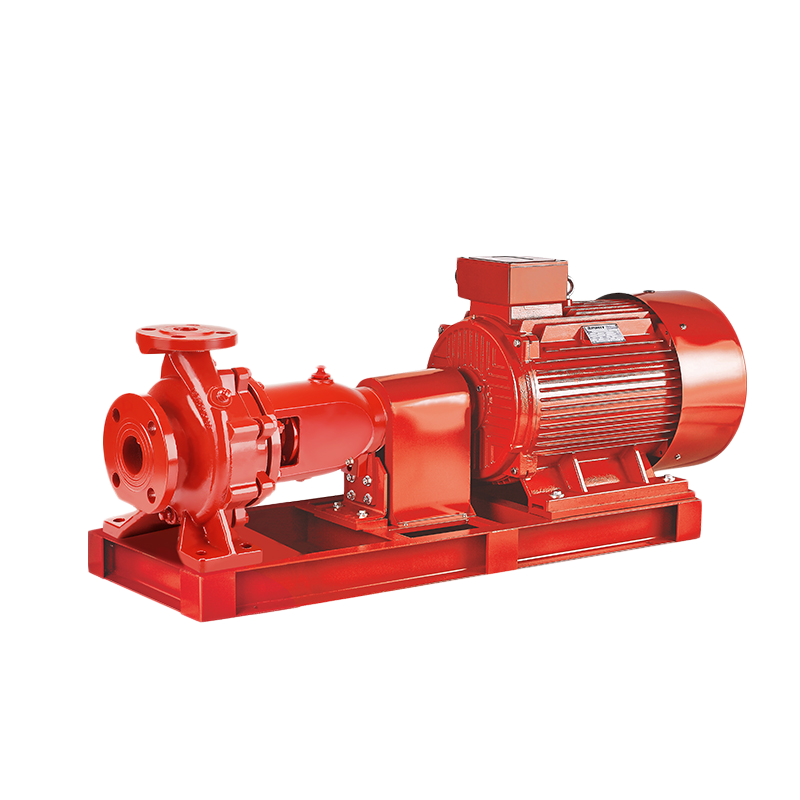
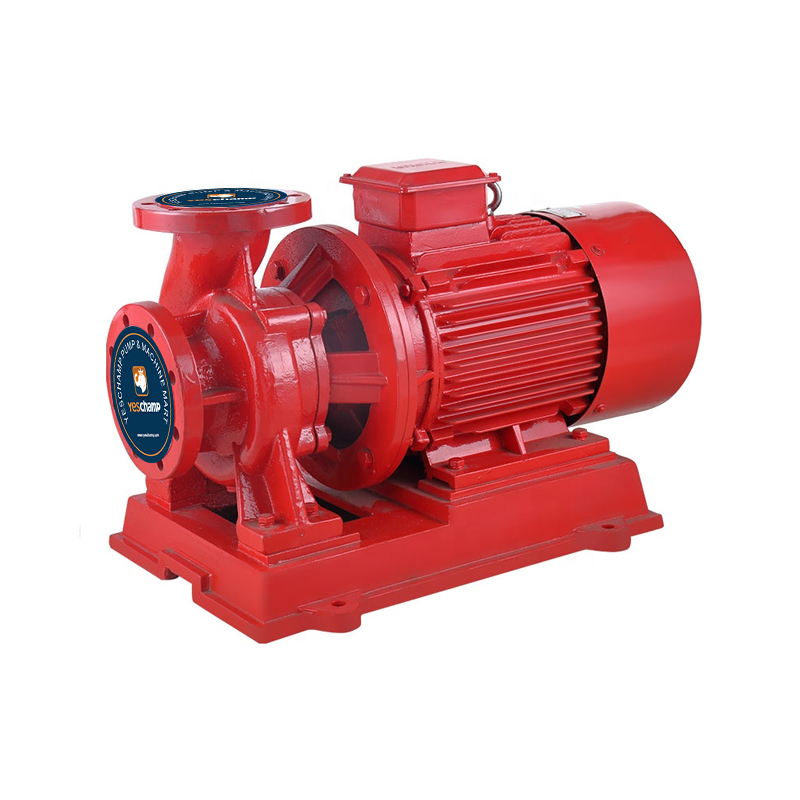
Fire Pump Systems
Boost water pressure from municipal supplies or tanks to ensure adequate flow during emergencies—essential for high-rise buildings.
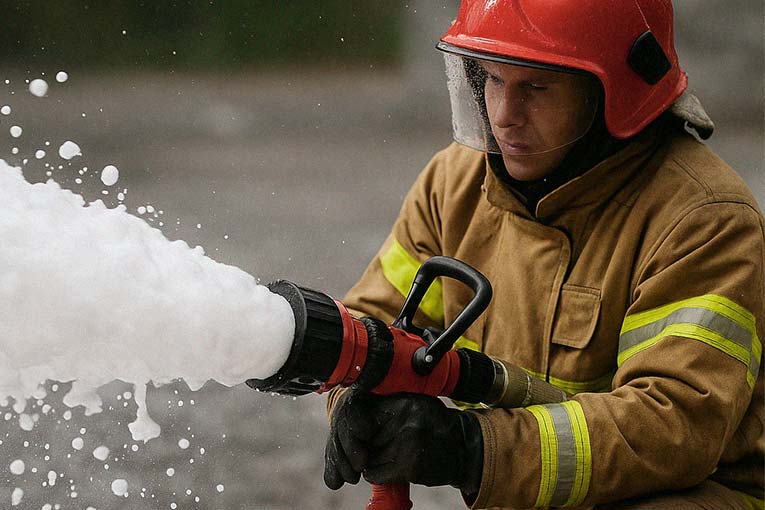
Foam Fire Suppression Systems
Used in high-risk areas like fuel depots or chemical plants, these mix foam concentrate with water to smother flammable liquid fires.
Clean Agent & Gas-Based Systems
Deploy inert gases or chemical agents (e.g., FM-200) in server rooms or museums where water damage must be avoided.
Why Choose a Certified Fire Fighting System?
Compliance with NFPA 13, NFPA 20, and EN 12845 isn’t optional—it’s mandatory in most jurisdictions. Certified systems undergo rigorous testing for reliability, response time, and durability. Moreover, insurers often offer premium discounts for properties equipped with approved fire protection.
A fire fighting system is a complex but essential investment in safety and asset protection. From sprinklers and standpipes to pumps and suppression agents, each component plays a vital role in a comprehensive fire protection strategy. Compliance with NFPA standards, professional design, and rigorous maintenance are non-negotiable to ensure your system performs when it matters most.
Whether you are constructing a new building or retrofitting an existing one, consulting with a qualified fire protection engineer is the first step toward a safer environment.
 5th Floor, Comprehensive Building No. 5, Dongqiao, Dong'an Village, Daxi Town,Wenling City,Zhejiang,China
 +86 576 86090666
 +86 18667600006
 +86 18667600006
 24 Hours Online