 3D ROOM
 (0)
(0) English
 عربى
عربى
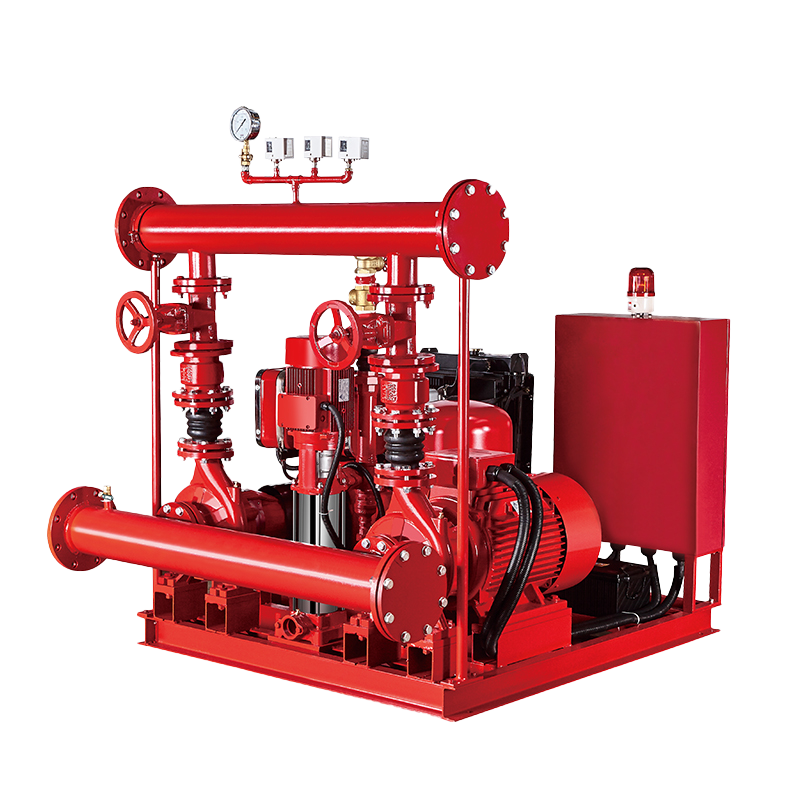 Fire Pump and System
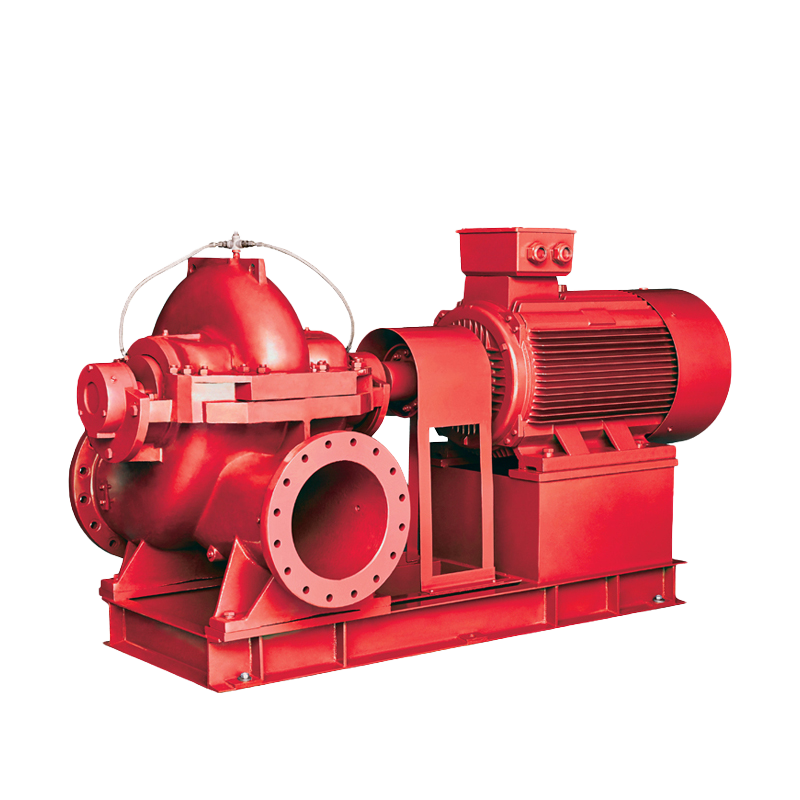 Split Case Pump
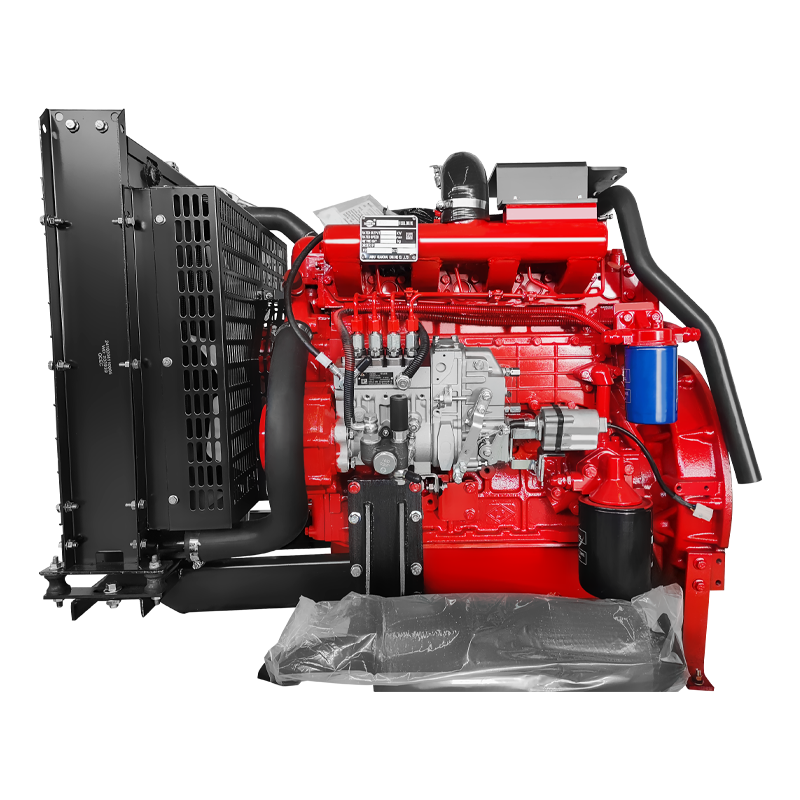 Engine and Pump
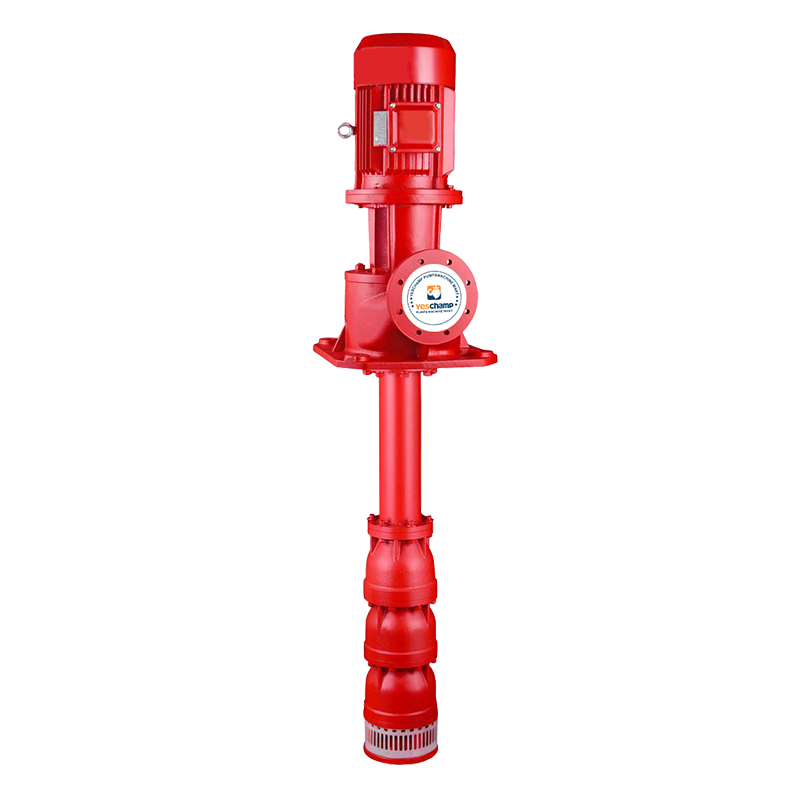 Long Shaft Pump
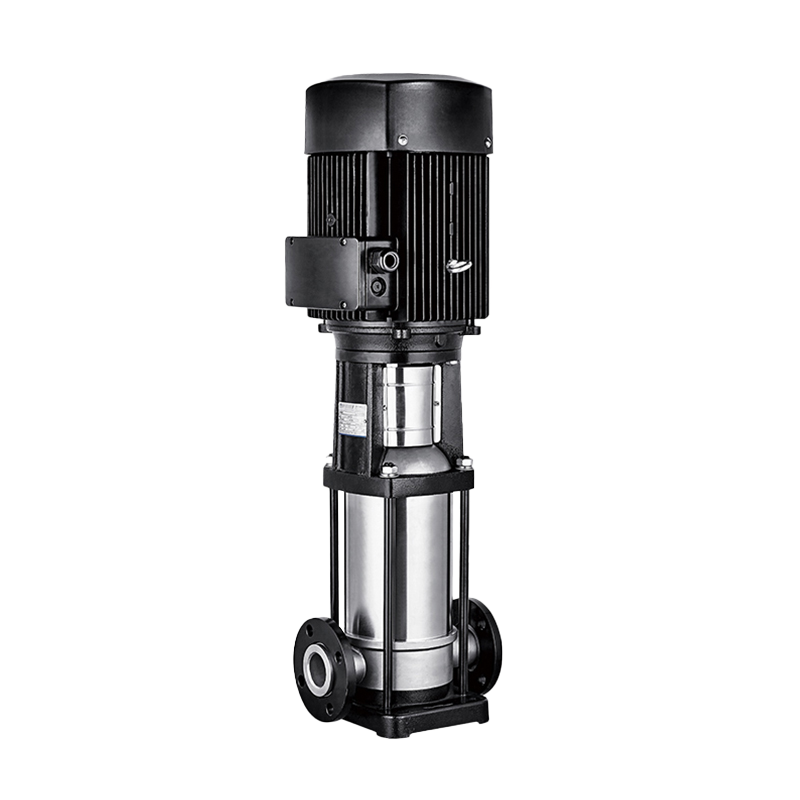 Multistage pump
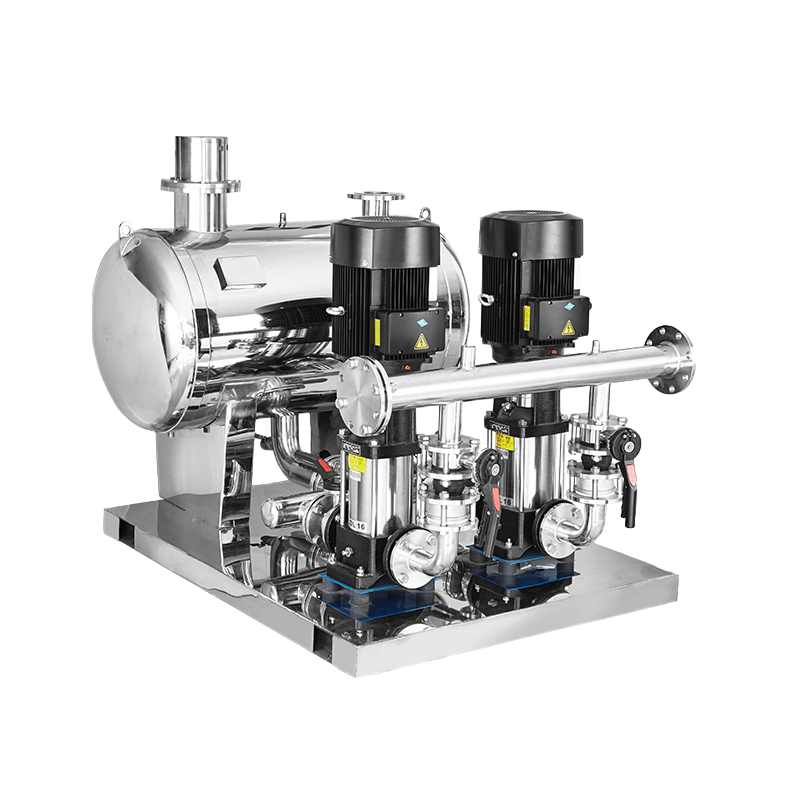 Water Supplier System
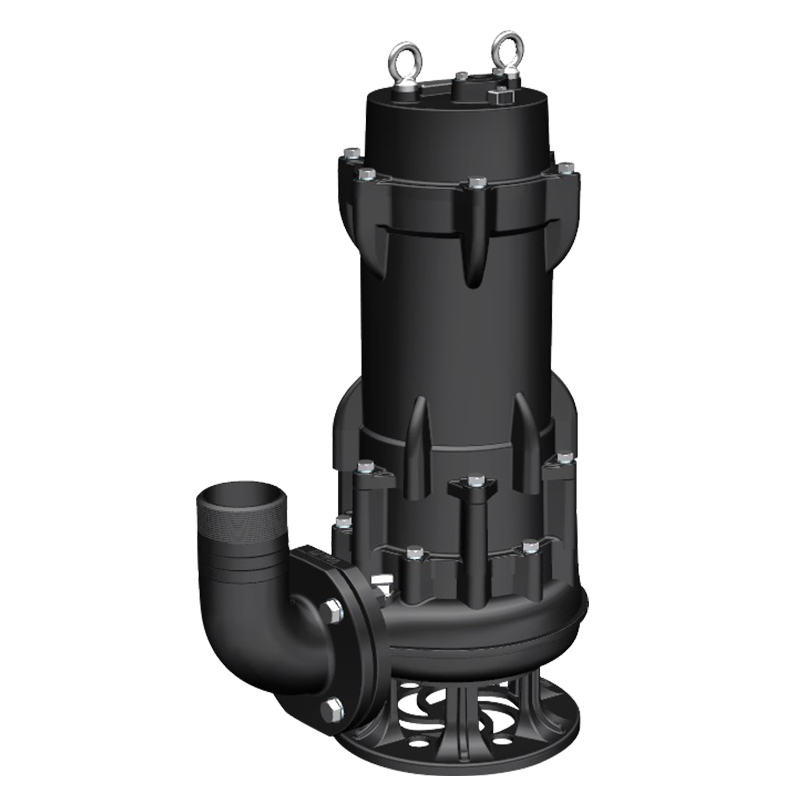 Sewage Pump
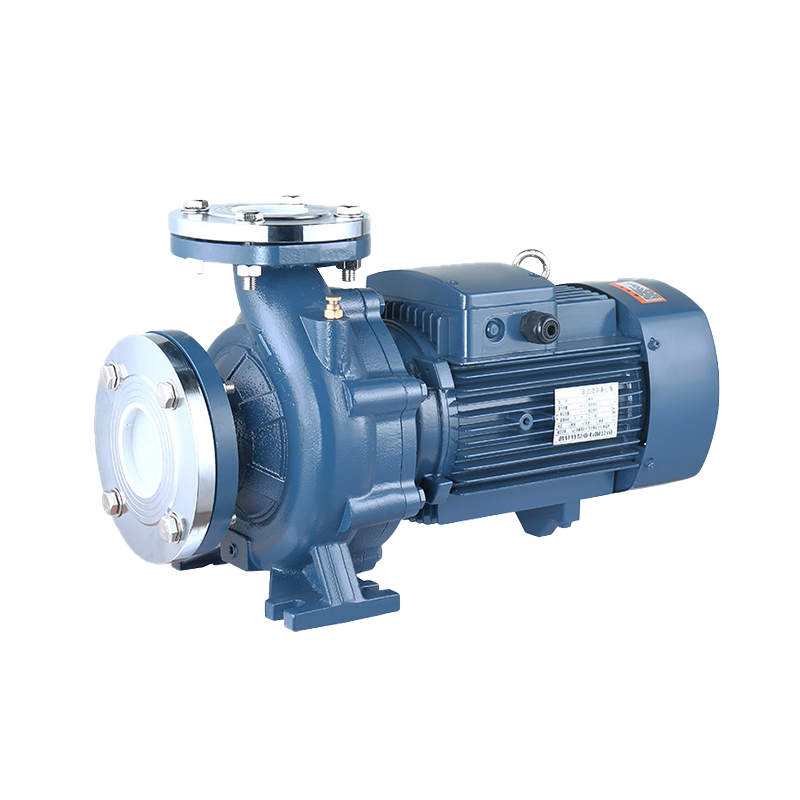 Industrial Pump
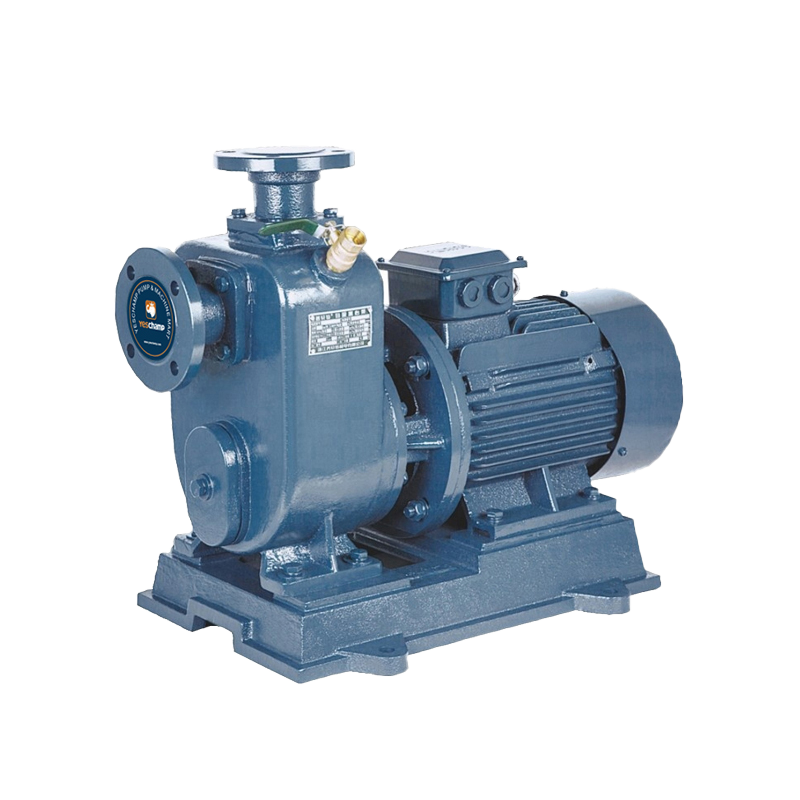 Self-Priming Pump
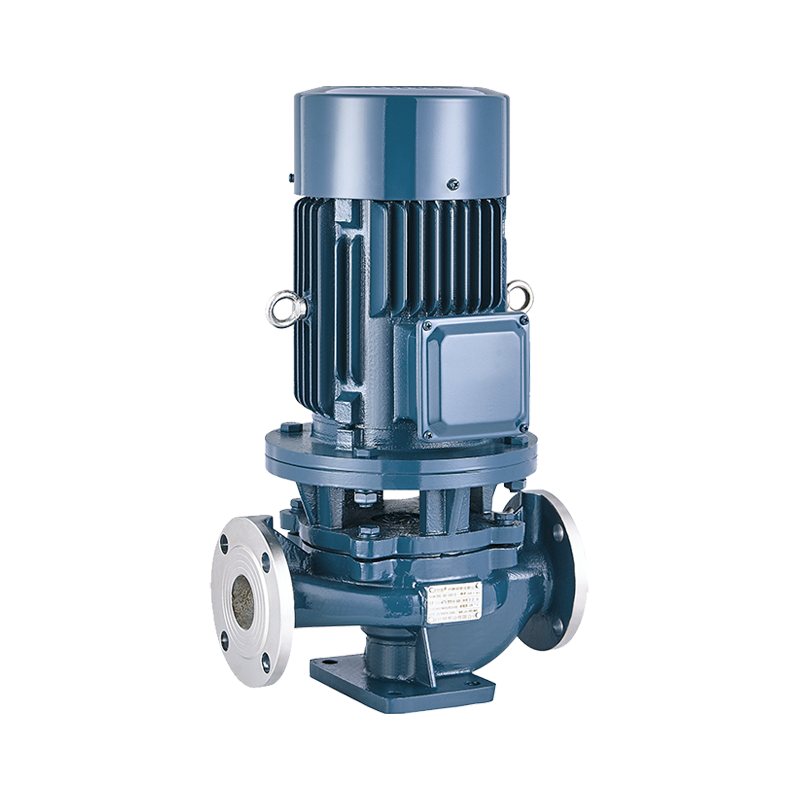 Inline Pump
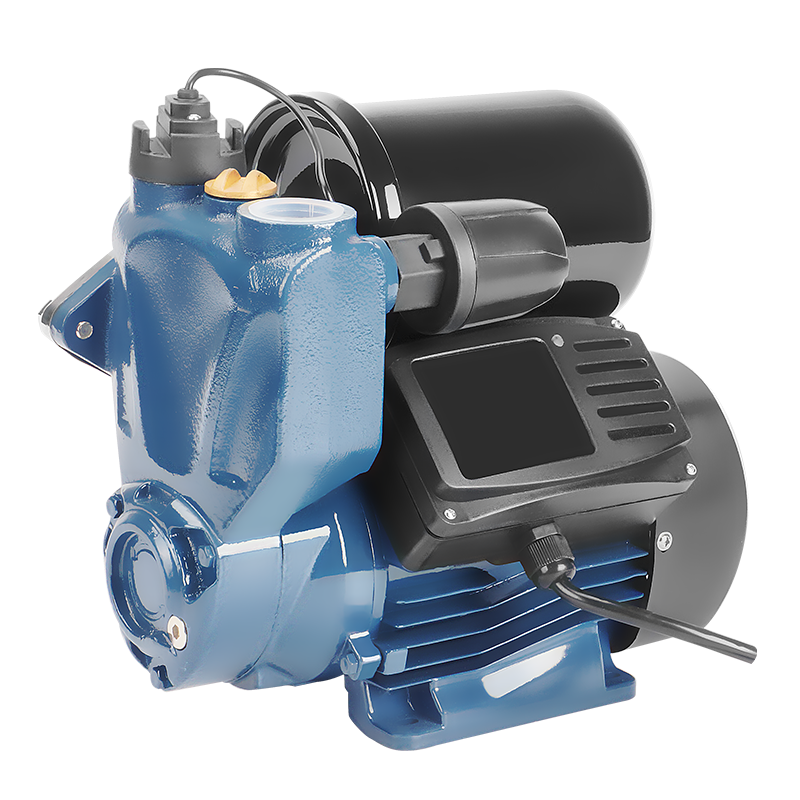 Domestic Pump
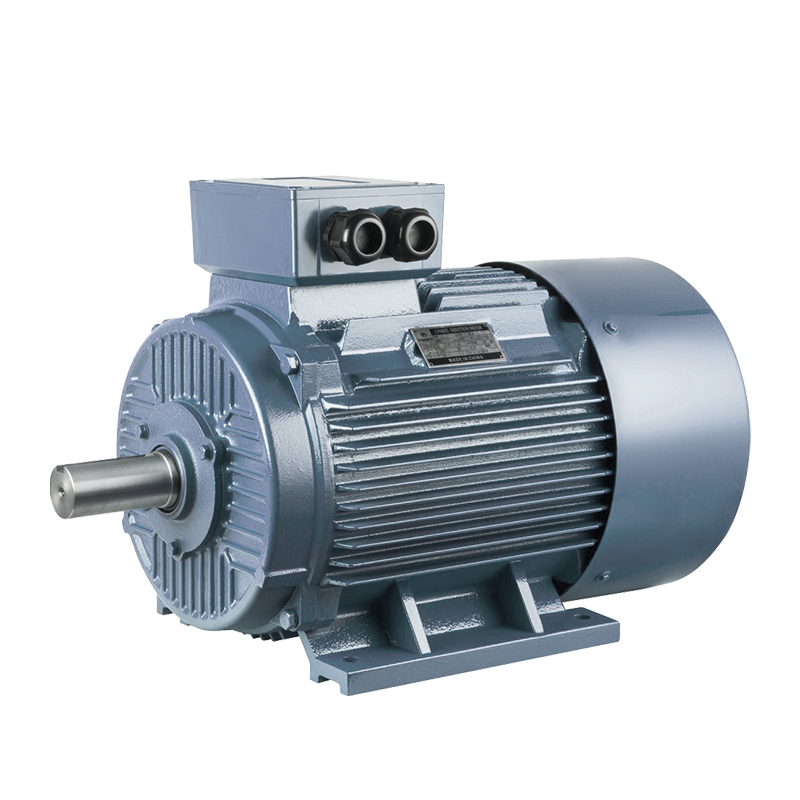 Electric Motor
 Borehole Pump
As mechanical rooms become more compact and energy efficiency becomes a top priority, the vertical inline pump has emerged as a leading solution for commercial and industrial fluid handling. Its unique vertical configuration, combined with motor-over-pump design, offers significant space savings without compromising on hydraulic performance.
Whether you are designing a HVAC system for a high-rise building or upgrading a industrial circulation loop, understanding the vertical inline pump is essential.
What is a Vertical Inline Pump?
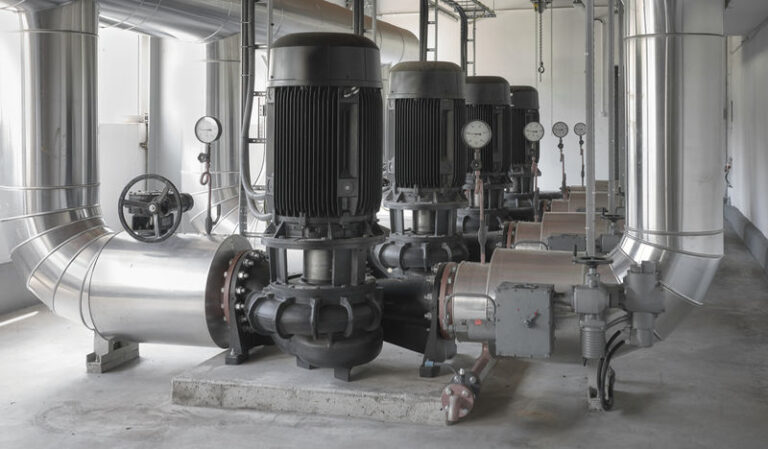
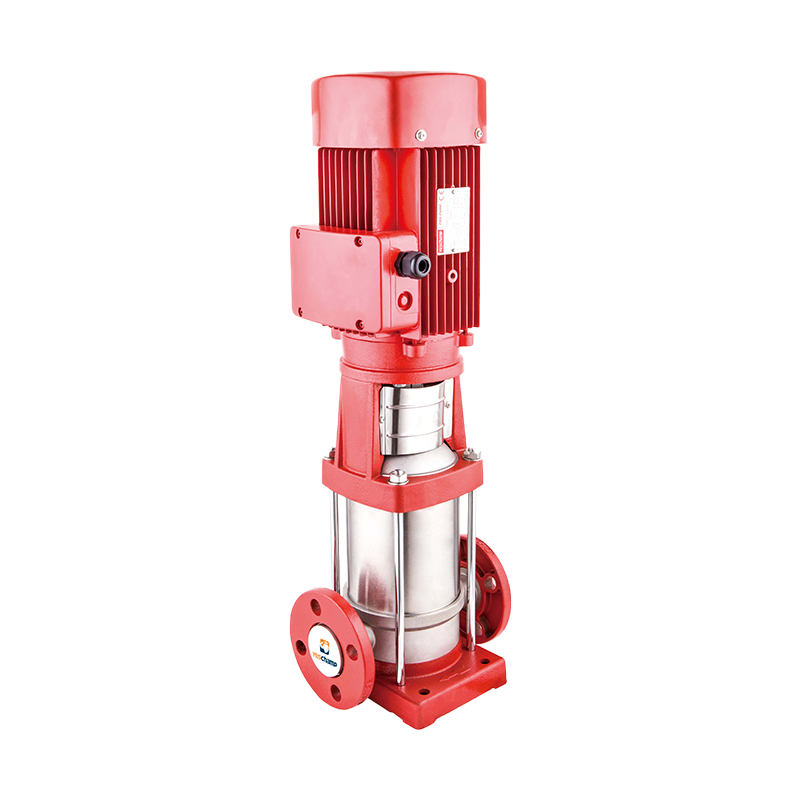
A vertical inline pump is a type of centrifugal pump characterized by its mounting configuration and piping arrangement. Unlike traditional horizontal pumps, the vertical inline pump features a shaft that is oriented vertically. The motor is mounted directly above the pump body, and most importantly, the suction and discharge flanges are located on the same centerline (inline).
This "inline" piping arrangement allows the pump to be installed directly into a pipeline, acting much like a valve in terms of footprint. It supports the weight of the unit through its own flanges, often eliminating the need for a separate heavy baseplate or foundation.
How Does It Work?
The operating principle is similar to other centrifugal pumps but packaged vertically:
Vertical Motor Mount:
The motor is positioned directly above the pump, driving the shaft downward into the impeller.
Inline Flow Path:
Fluid enters through the suction flange, passes through the rotating impeller, and exits through the discharge flange on the same centerline. This straight-through flow path minimizes turbulence and friction losses.
Bearing and Thrust Management:
The pump design includes bearings to handle radial loads and, depending on the configuration, thrust loads generated by the vertical orientation.
Key Advantages of Vertical Inline Pumps
Why choose a vertical inline pump over a traditional horizontal base-mounted pump? The benefits are compelling for modern construction and retrofits:
Minimal Footprint:
The most significant advantage is space savings. By stacking the motor over the pump, the floor space required is dramatically reduced—often by 50% or more compared to horizontal pumps. This is critical in expensive mechanical rooms or retrofit projects where space is constrained.
Inline Piping Simplicity:
Because suction and discharge nozzles are on the same centerline, piping design is simpler and more compact. The pump can be installed like a valve in the pipeline, reducing the need for complex offset piping.
Reduced Installation Costs:
Many vertical inline pumps are pipe-supported, meaning they do not require a concrete foundation or a heavy baseplate. This reduces installation labor and material costs.
Easy Maintenance (Pull-out Design):
Most modern vertical inline pumps feature a "pull-out" construction. This allows the motor and rotating assembly (coupling, shaft, and impeller) to be removed without disturbing the pump casing or the piping. Maintenance can be performed quickly, minimizing system downtime.
Low NPSH Characteristics:
The impeller is often positioned lower than the suction flange, which can provide favorable Net Positive Suction Head (NPSH) characteristics compared to some horizontal configurations.
How to Select the Right Vertical Inline Pump
Choosing the correct pump ensures long-term reliability and energy efficiency. Consider these factors:
Flow Rate (GPM) and Head (Feet):
Define your system curve and required duty point precisely. Ensure the pump's performance curve matches your needs.
Net Positive Suction Head (NPSH):
Check the NPSH required (NPSHr) by the pump and compare it to the NPSH available (NPSHa) in your system to prevent cavitation.
Fluid Temperature:
Vertical inline pumps are used in both chilled water (low temperature) and hot water (high temperature) applications. Verify the mechanical seal and bearing materials are suitable for your temperature range.
Materials of Construction:
Standard options include cast iron for bodies and bronze-fitted or stainless steel for impellers and sleeves, depending on water chemistry and corrosion resistance needs.
Motor and Drive Type:
Decide between constant speed operation or variable frequency drives (VFDs) for energy savings in systems with varying demand.
Support Requirements:
Confirm whether the pump is pipe-supported or requires a support foot/chair. For larger models, auxiliary supports may be necessary.
The vertical inline pump offers an ideal combination of space-saving design, installation simplicity, and reliable performance. For HVAC engineers, facility managers, and industrial operators facing tight mechanical rooms or looking to standardize their pumping systems, this pump type provides a versatile and cost-effective solution.
 5th Floor, Comprehensive Building No. 5, Dongqiao, Dong'an Village, Daxi Town,Wenling City,Zhejiang,China
 +86 576 86090666
 +86 18667600006
 +86 18667600006
 24 Hours Online