 3D ROOM
 (0)
(0) English
 عربى
عربى
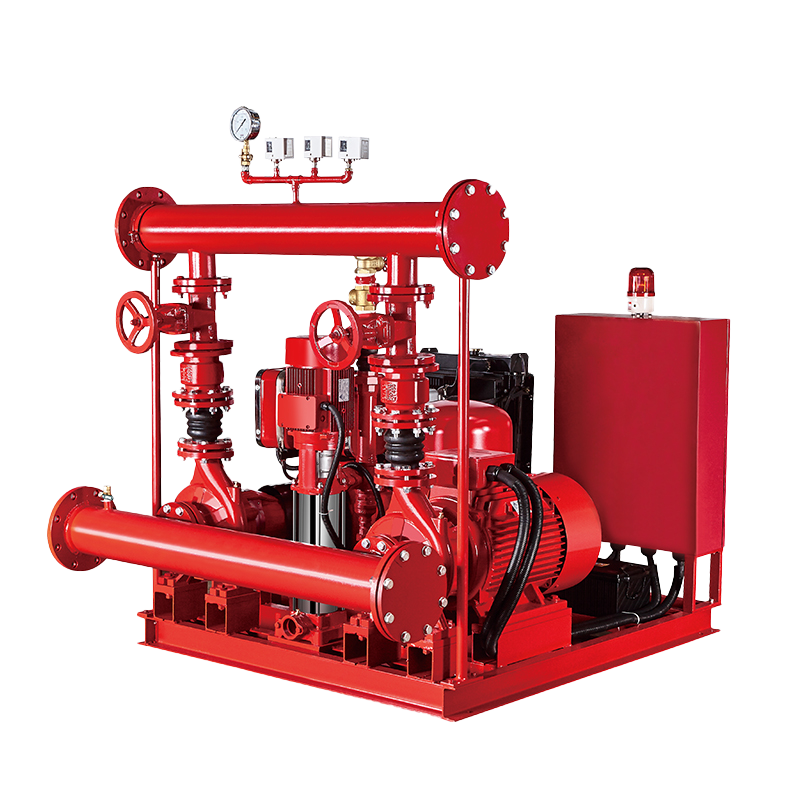 Fire Pump and System
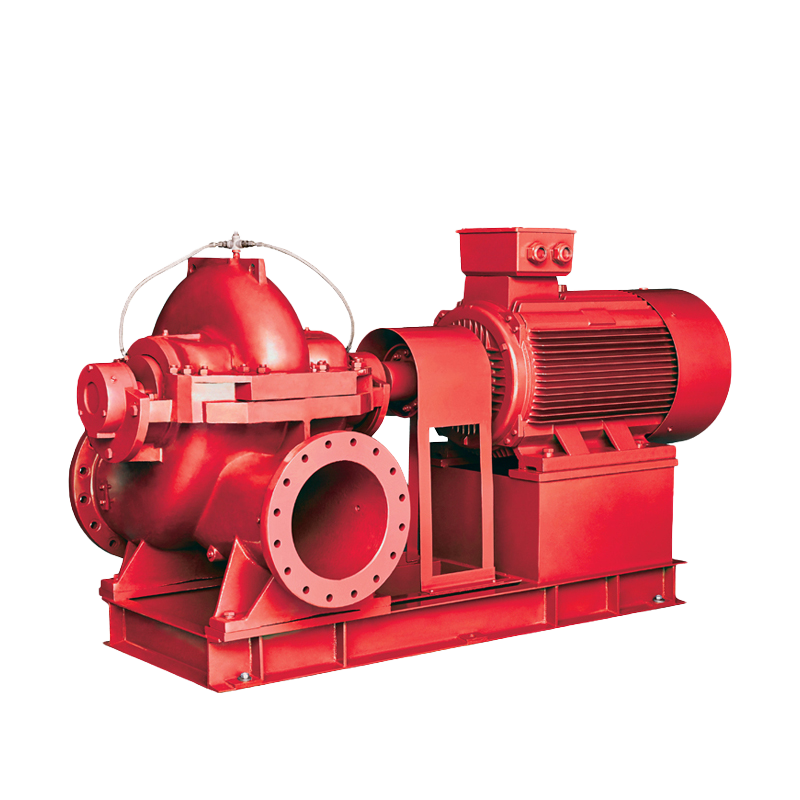 Split Case Pump
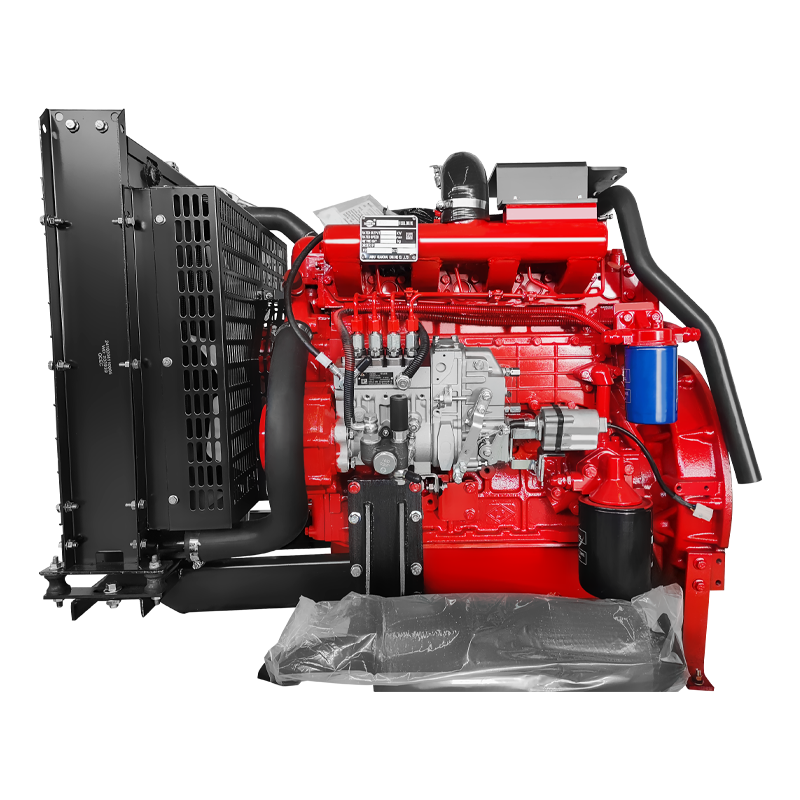 Engine and Pump
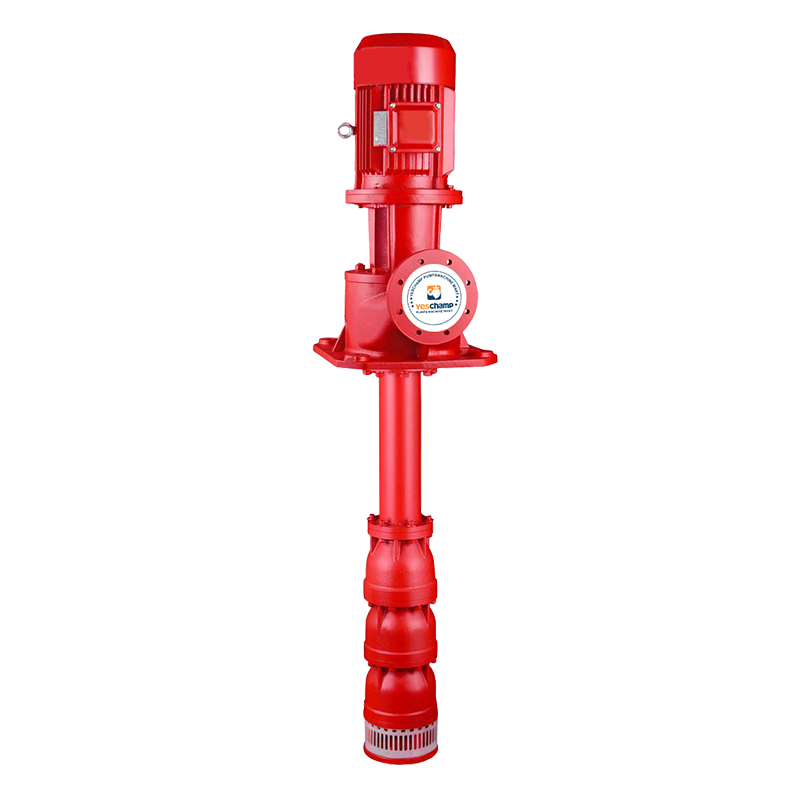 Long Shaft Pump
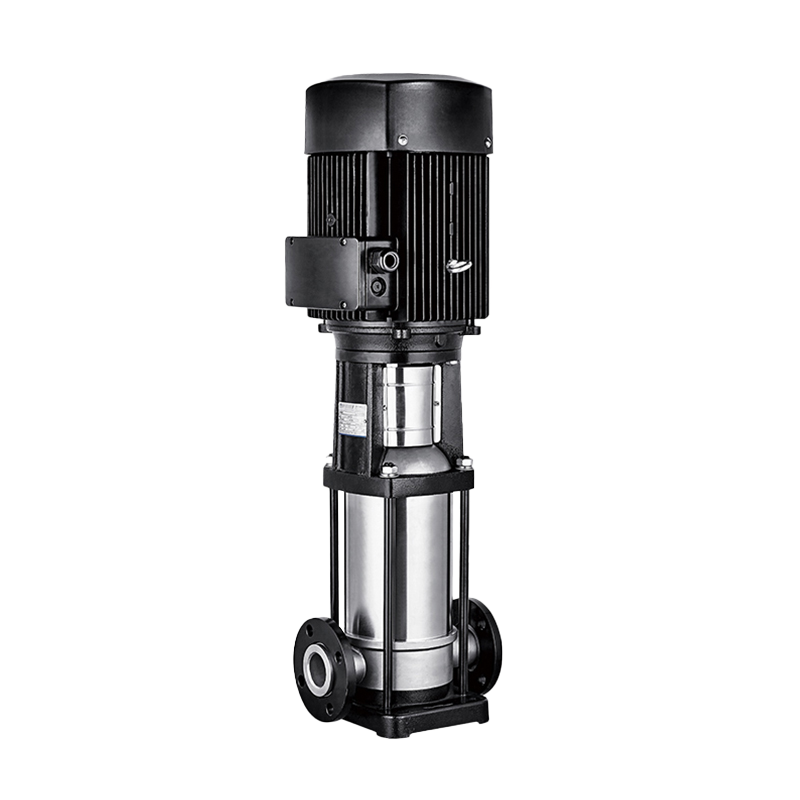 Multistage pump
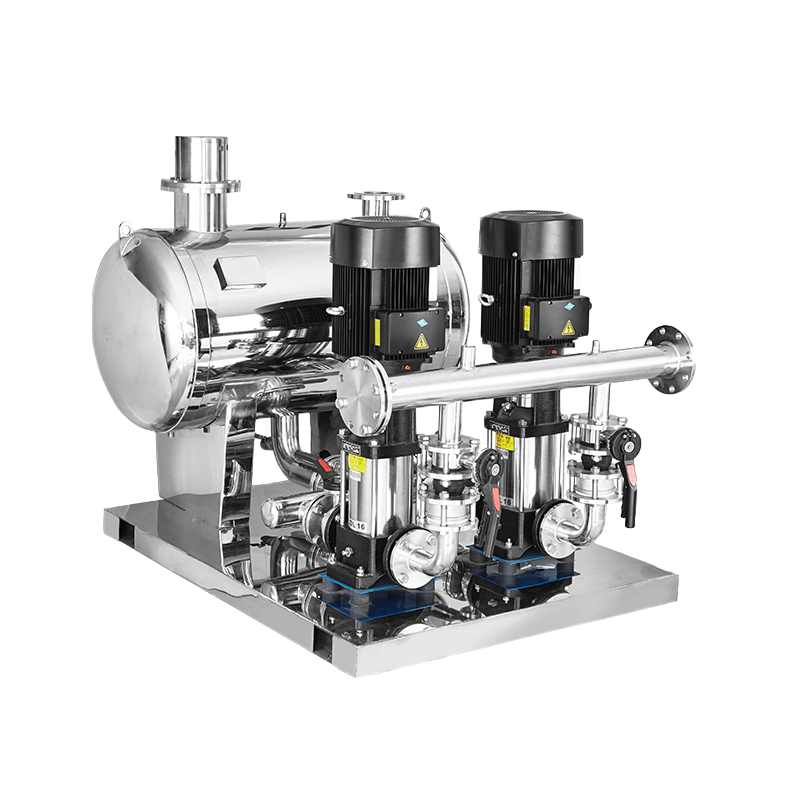 Water Supplier System
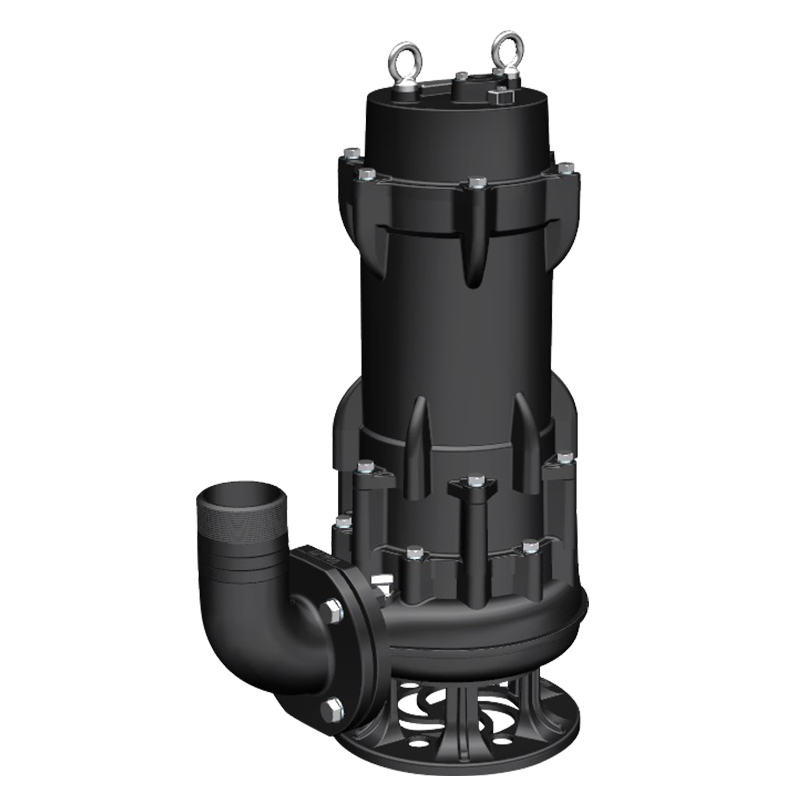 Sewage Pump
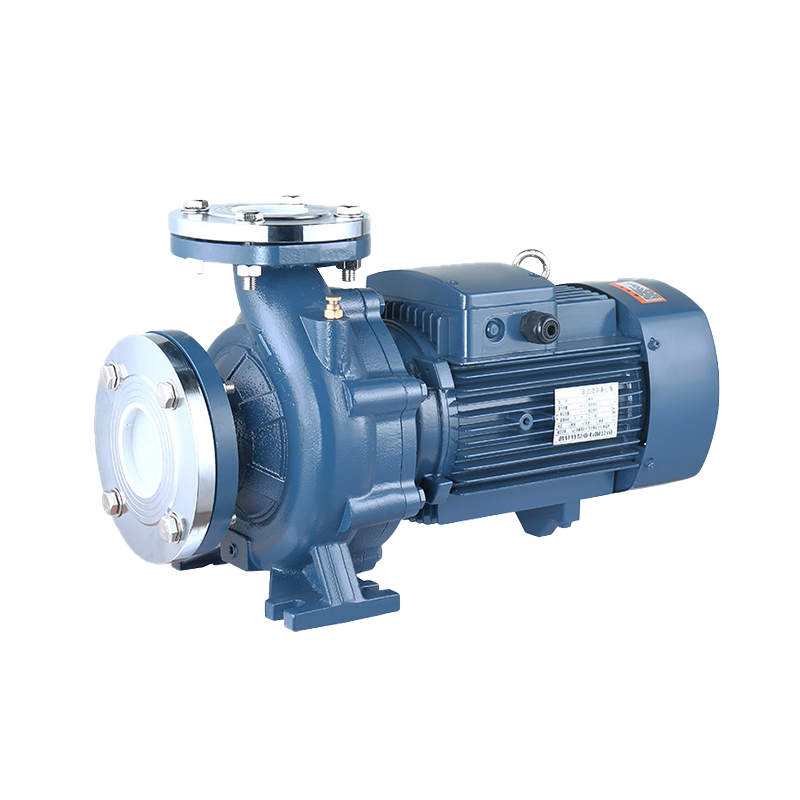 Industrial Pump
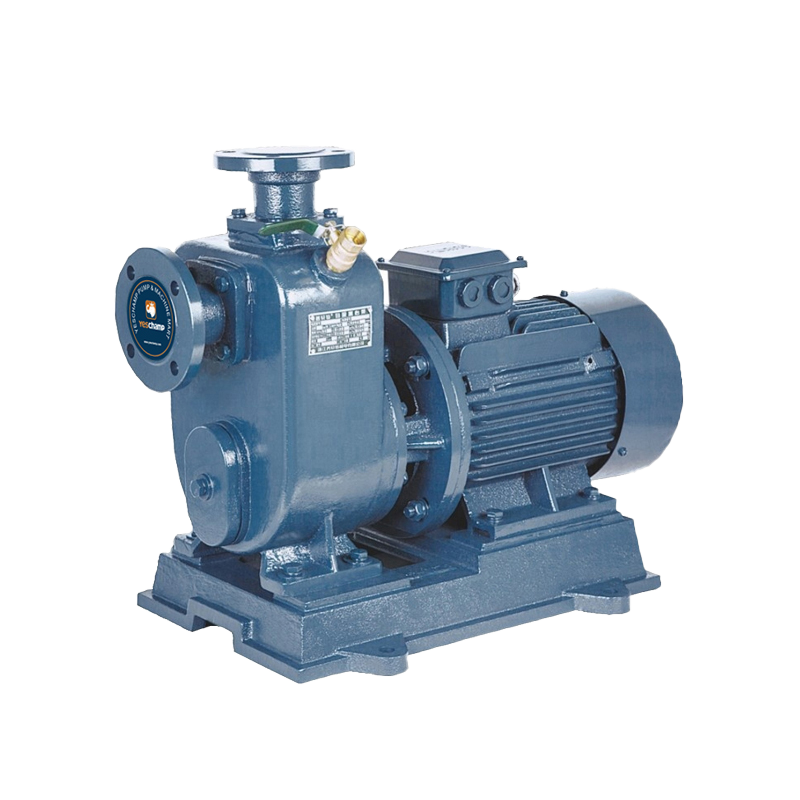 Self-Priming Pump
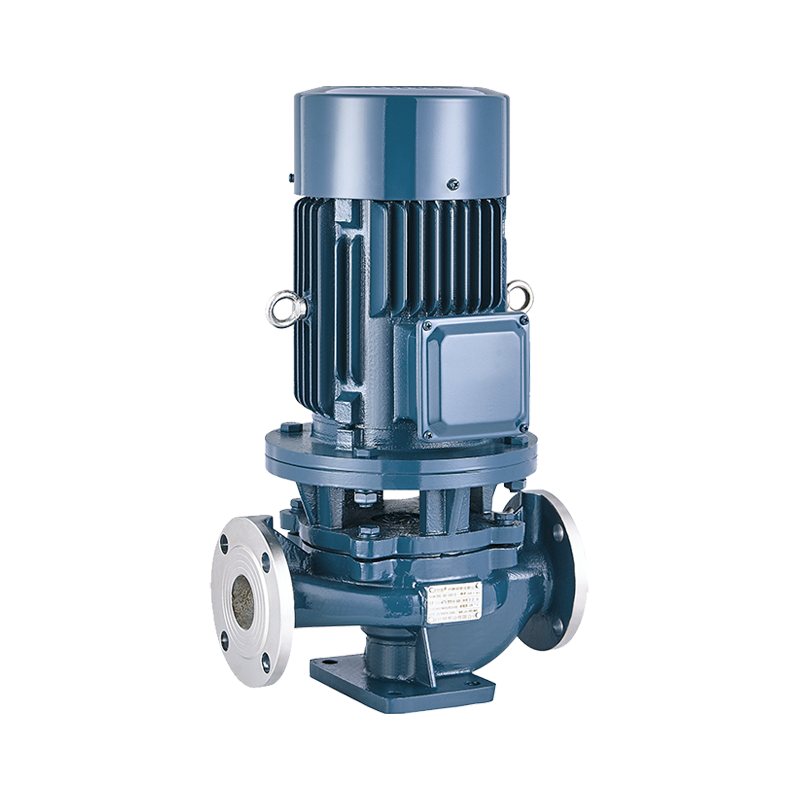 Inline Pump
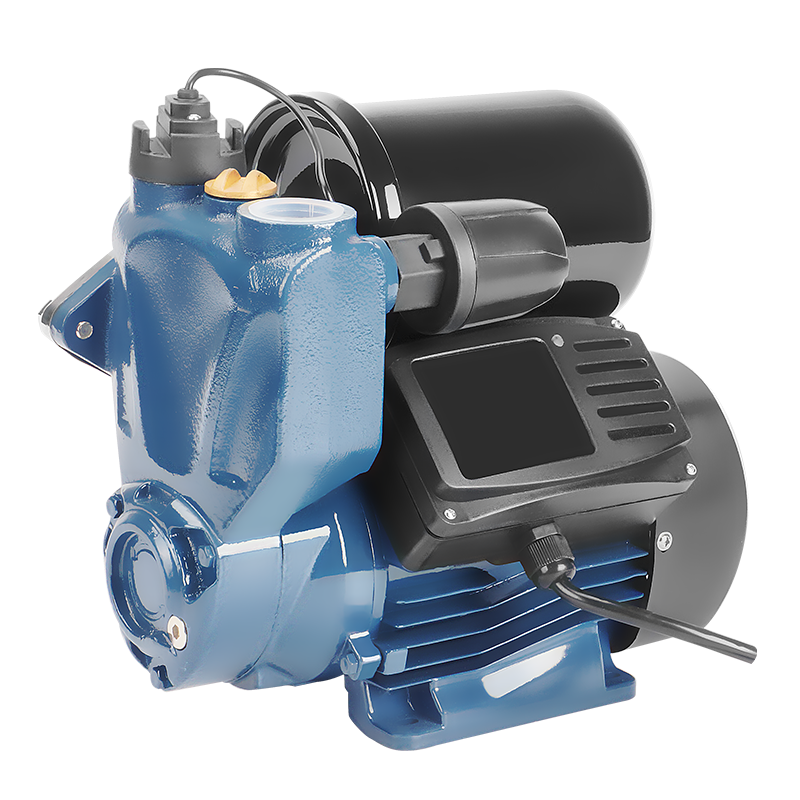 Domestic Pump
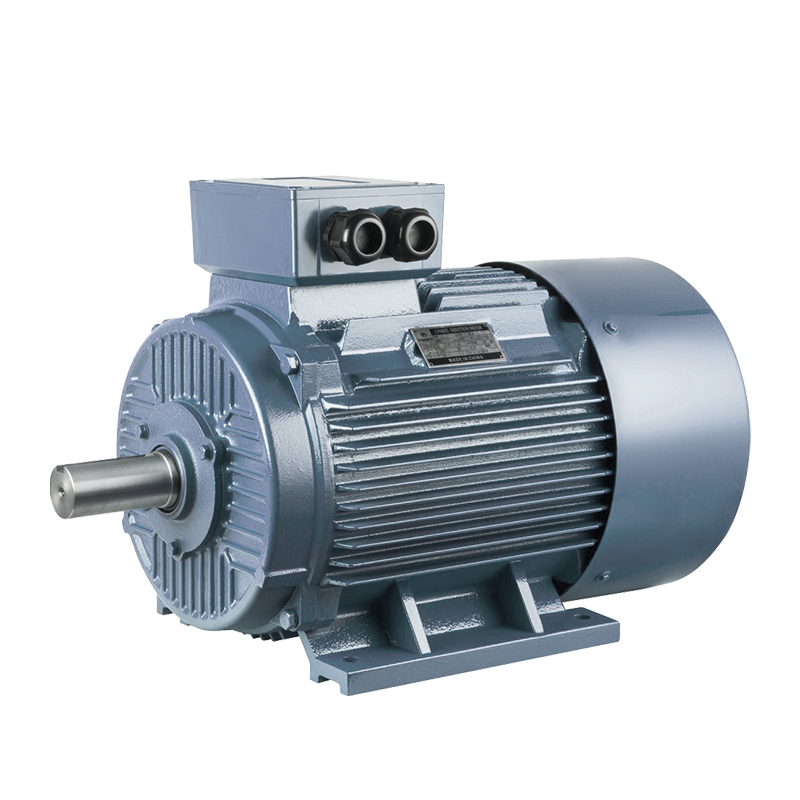 Electric Motor
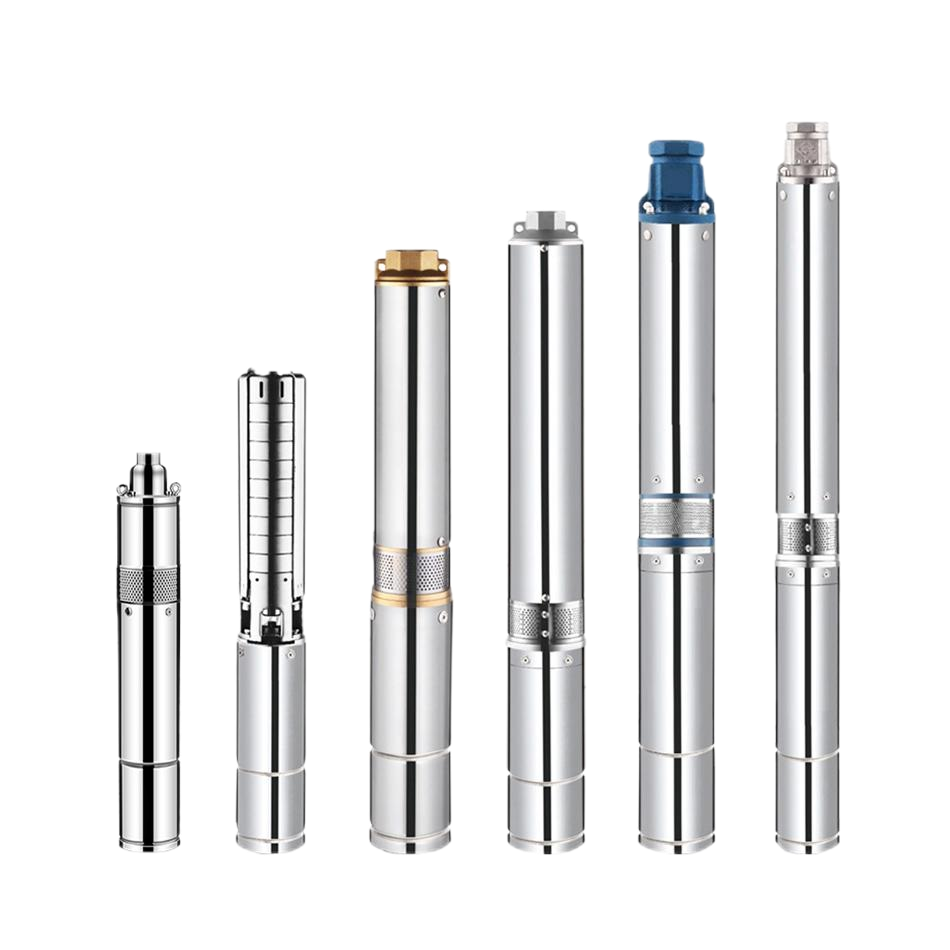 Borehole Pump
Modern industrial pump factories design, cast, machine, assemble, and test fluid-handling equipment for critical infrastructure including municipal water networks, chemical processing, fire safety, oil & gas, and HVAC systems.
Evaluating an OEM industrial pump manufacturing facility requires reviewing four key operational pillars: production workflow, quality testing, certification standards, and OEM customization capability.
1. End-to-End Manufacturing Process
A full-scale industrial pump factory handles production across several integrated workshops:
-
Foundry & Metallurgy: Casts pump casings, volutes, and impellers using grey iron, ductile iron, bronze, SS304, SS316, or duplex stainless steels.
-
Precision CNC Machining: Uses multi-axis CNC lathes and milling machines to achieve tight tolerances on impellers, shaft sleeves, and mechanical seal chambers.
-
Dynamic Impeller Balancing: Executes ISO 1940 Grade G2.5/G6.3 dynamic balancing on rotating impellers to eliminate radial vibration and prolong bearing life.
-
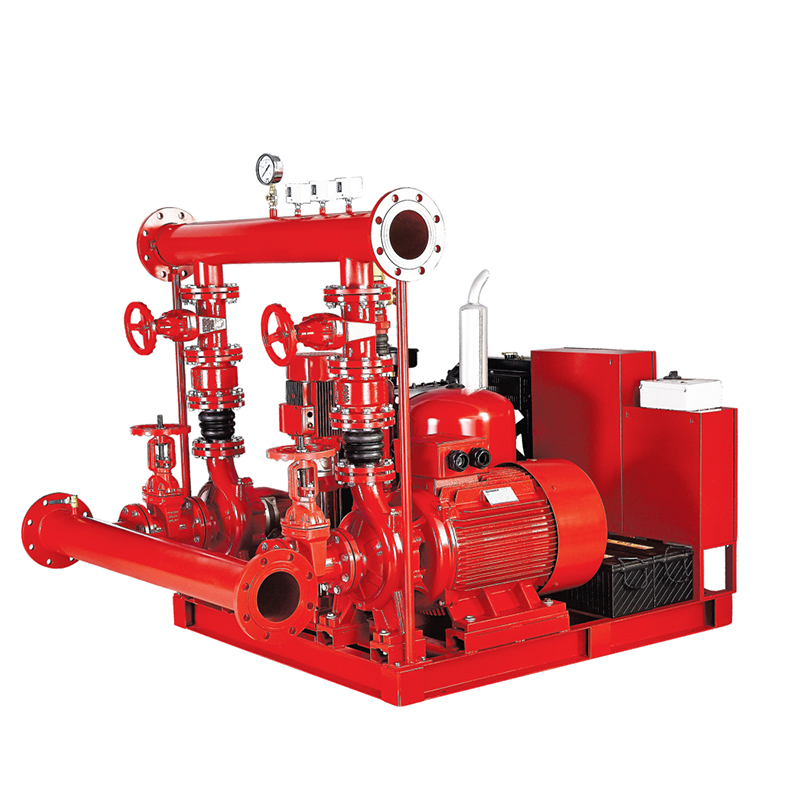
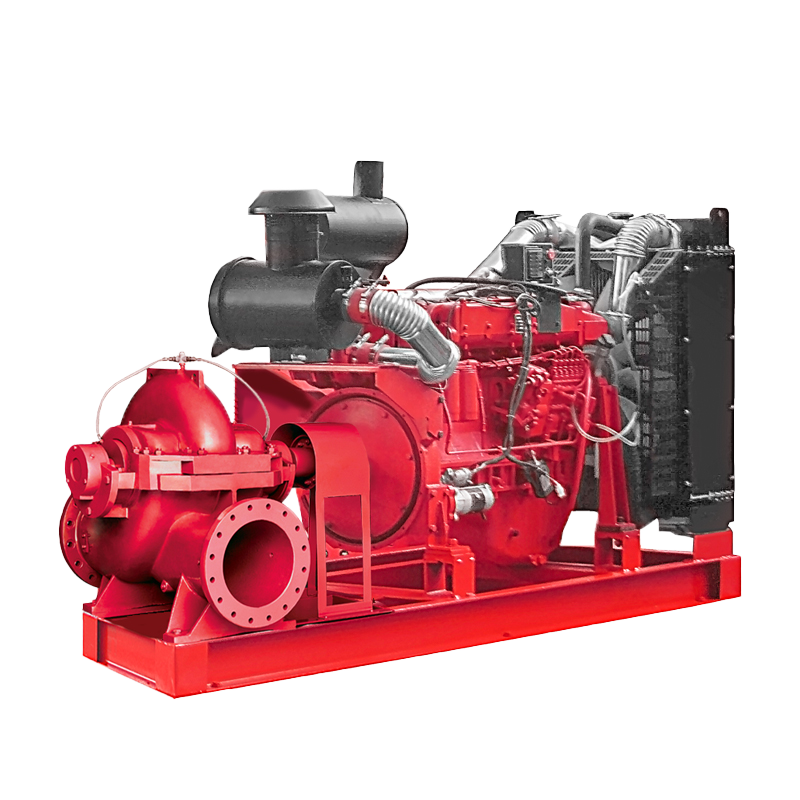
Assembly & Skid Integration: Assembles pumps onto steel baseplates with electric motors or diesel engines, pre-wiring controllers and aligning drive shafts.
2. Quality Control & Performance Testing Facilities
Tier-1 pump factories operate on-site hydraulic test loops compliant with ISO 9906 (Class 1B/2B) and HI (Hydraulic Institute) testing standards.
Key Factory Quality Inspections:
-
Hydrostatic Casing Test: Tests pump volutes at 1.5 times the maximum working pressure to ensure zero casing leaks or structural micro-cracks.
-
Hydraulic Performance Mapping: Measures actual flow ($Q$), total dynamic head ($H$), power consumption ($kW$), and efficiency ($\eta$) against design performance curves.
-
NPSHr Testing: Verifies Net Positive Suction Head requirements to prevent internal cavitation under low-suction-pressure conditions.
-
Vibration & Bearing Temp Monitoring: Logs vibration velocity (mm/s) and bearing housing thermal rise during continuous full-load test runs.
3. Core Manufacturing Product Lines
| Pump Category | Typical Factory Configuration | Target Industrial Application |
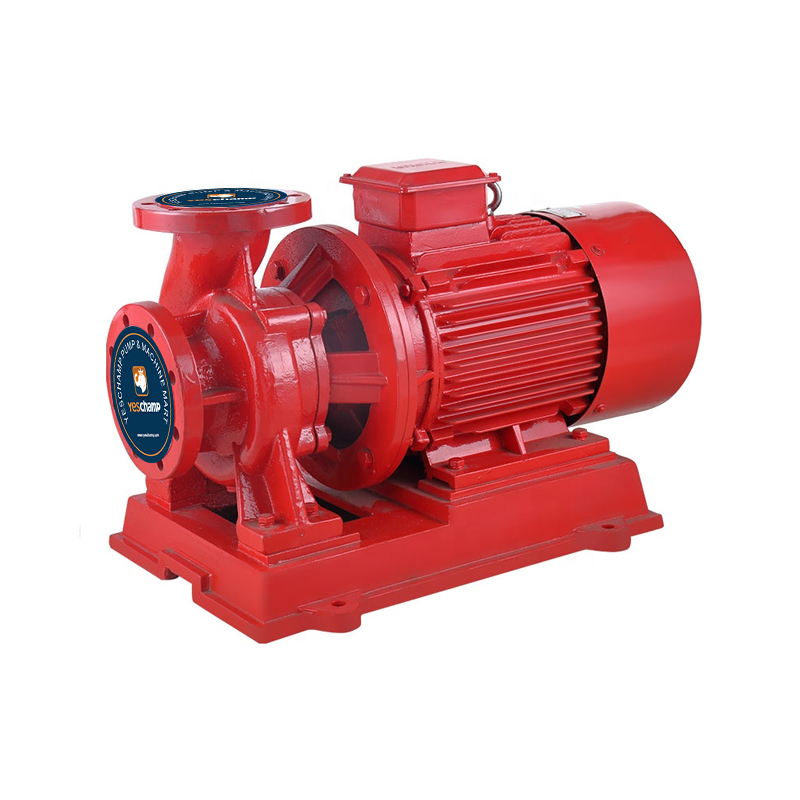
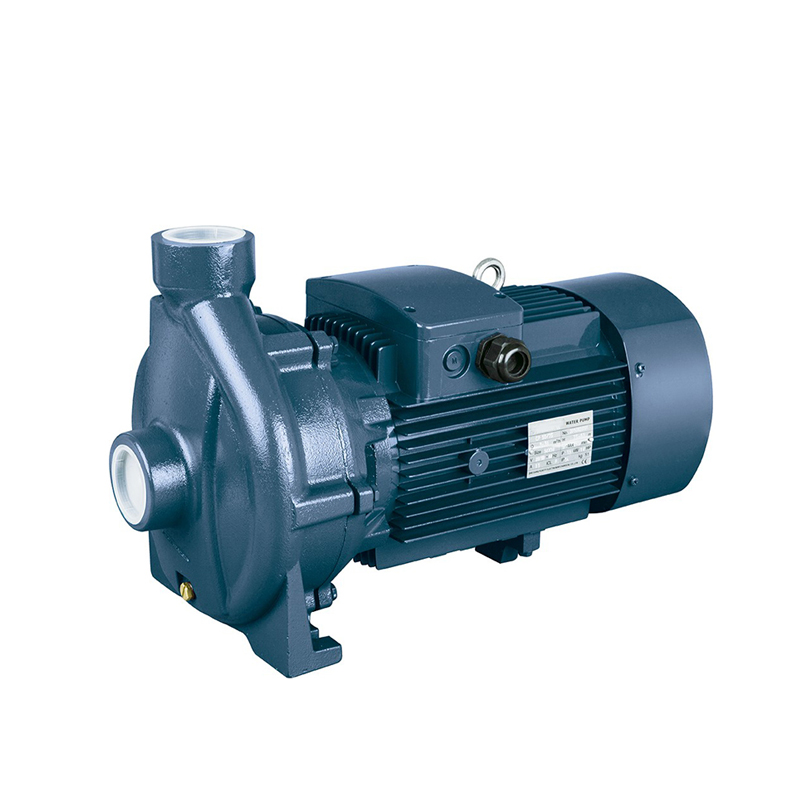
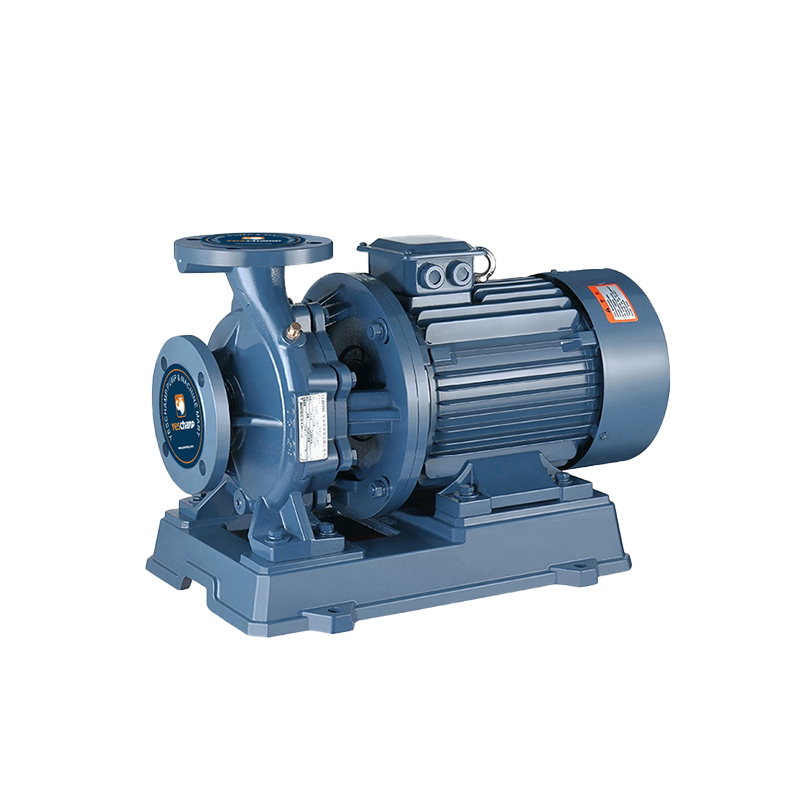
| End Suction Centrifugal | Close-coupled or frame-mounted (Cast Iron/SS304) | HVAC circulation, general water transfer, booster skids |
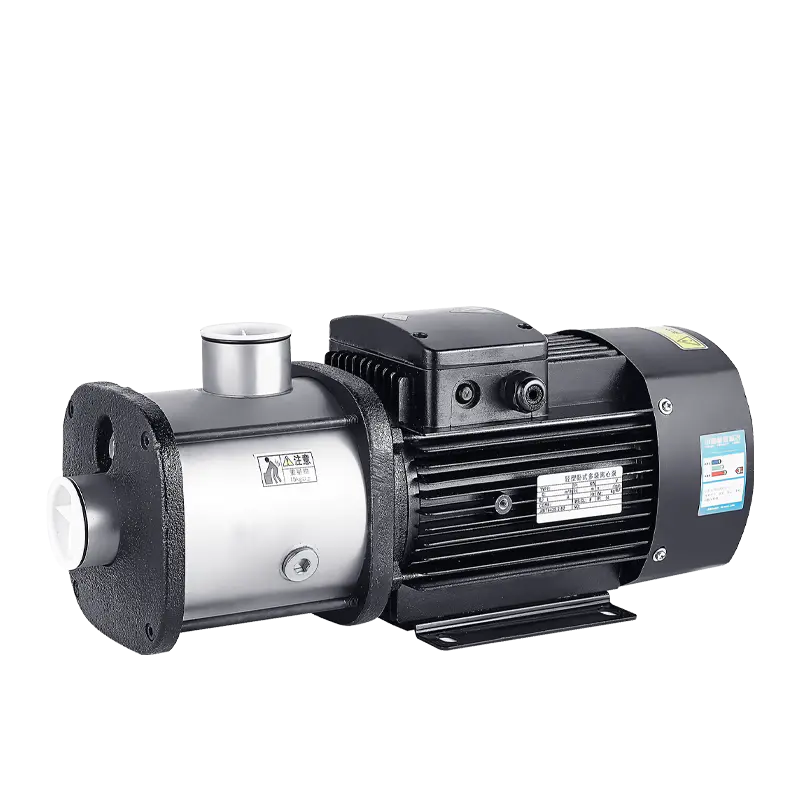
| Vertical Multistage | Stacked impellers (SS304/SS316/PPO) | High-rise water boosting, Reverse Osmosis (RO), boiler feed |
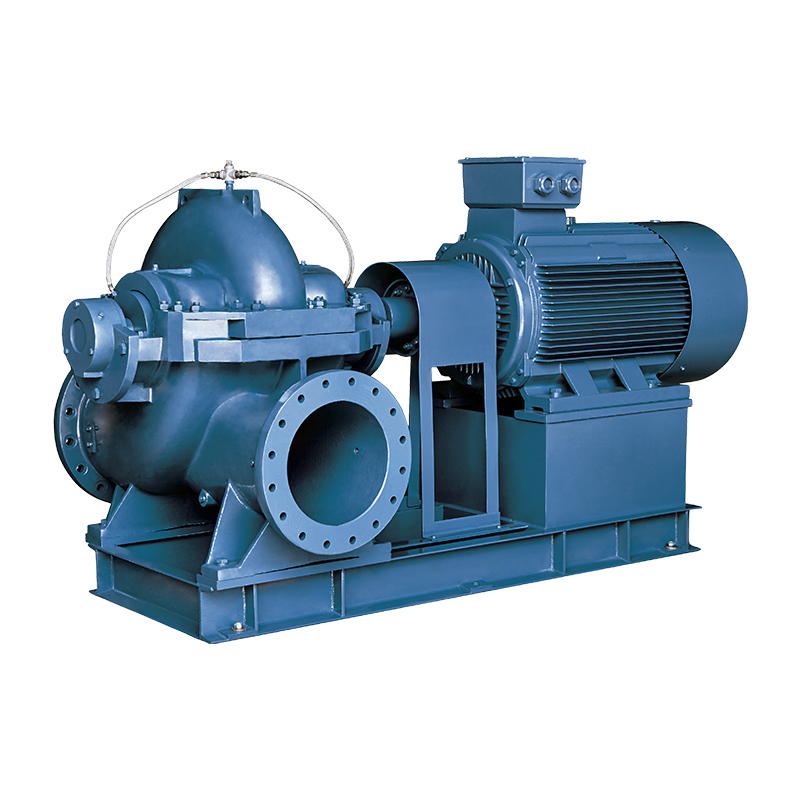
| Horizontal Split-Case | Double-suction volute casing | Municipal water supply, power generation cooling, large fire loops |
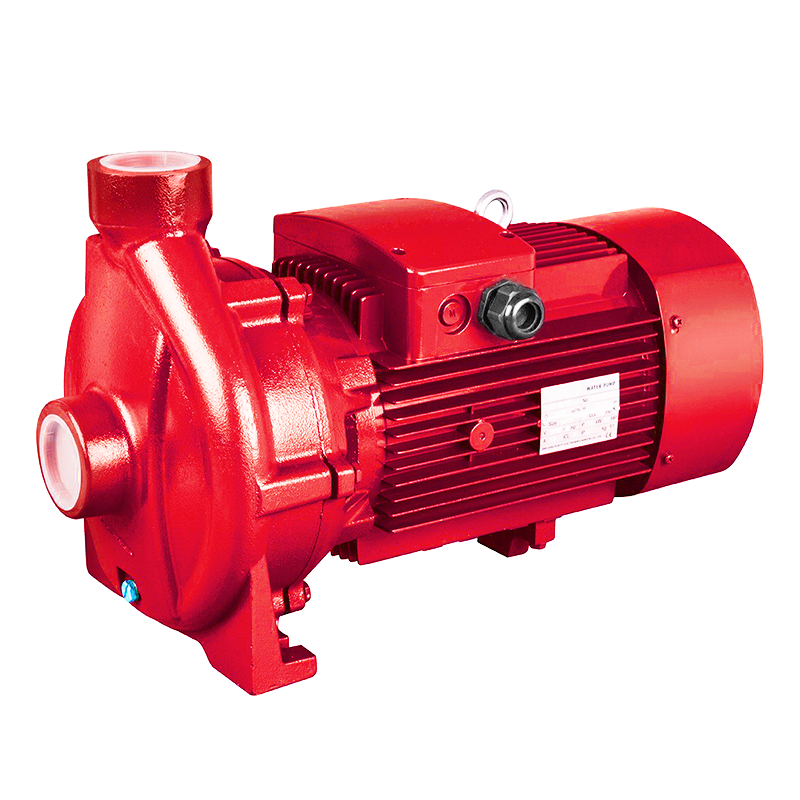
| NFPA 20 Fire Pumps | UL-Listed / FM-Approved skids (Diesel + Electric) | Dedicated commercial & industrial fire sprinkler networks |
| Deep-Well Submersibles | Submerged multi-stage stainless steel units | Groundwater extraction, agricultural irrigation, mine dewatering |
4. International Certification & OEM Compliance
When sourcing directly from an industrial pump factory, procurement managers verify several key international manufacturing certifications:
-
ISO 9001 / ISO 14001: Quality management and environmental safety compliance.
-
NFPA 20 / UL / FM Certification: Required for stationary fire protection pumps and control panels.
-
CE / IE3 / IE4 Compliance: Directives for electrical efficiency across European and global markets.
-
WRAS / NSF 61 Certification: Validates that wetted materials are safe for drinking water networks.
 5th Floor, Comprehensive Building No. 5, Dongqiao, Dong'an Village, Daxi Town,Wenling City,Zhejiang,China
 +86 576 86090666
 +86 18667600006
 +86 18667600006
 24 Hours Online