 3D ROOM
 (0)
(0) English
 عربى
عربى
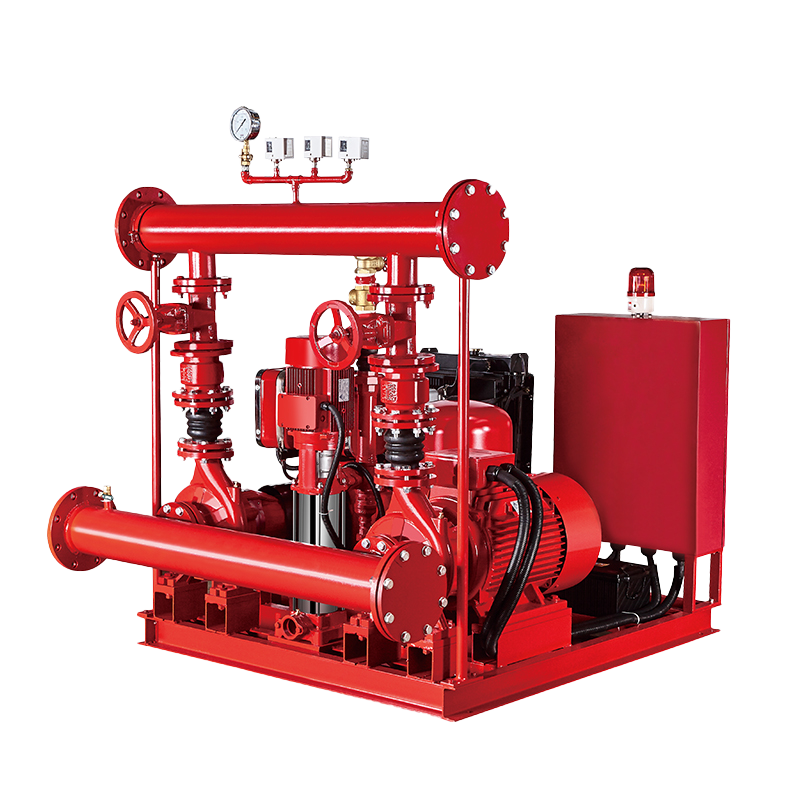 Fire Pump and System
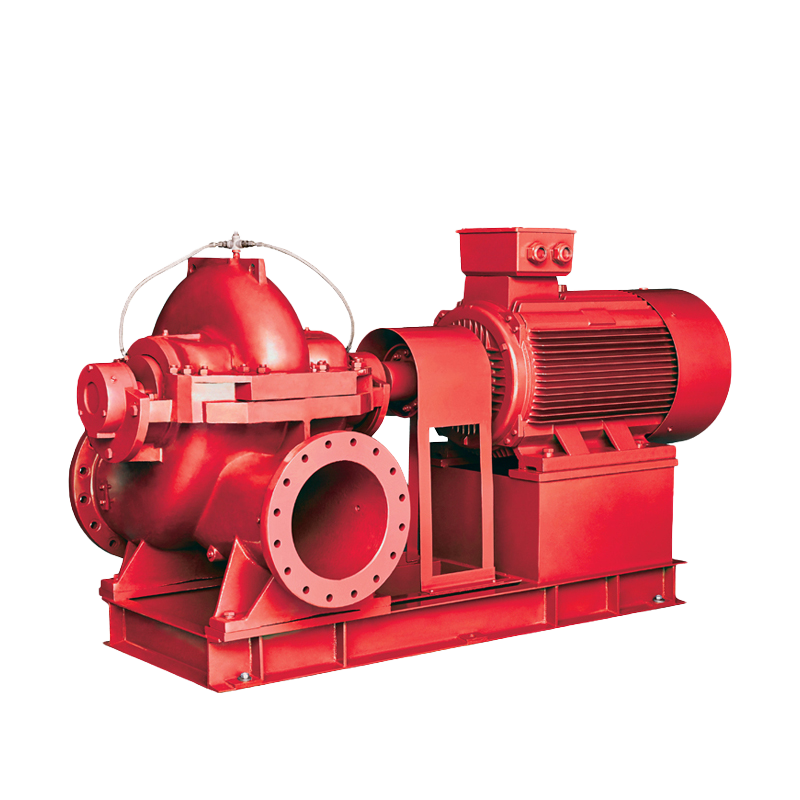 Split Case Pump
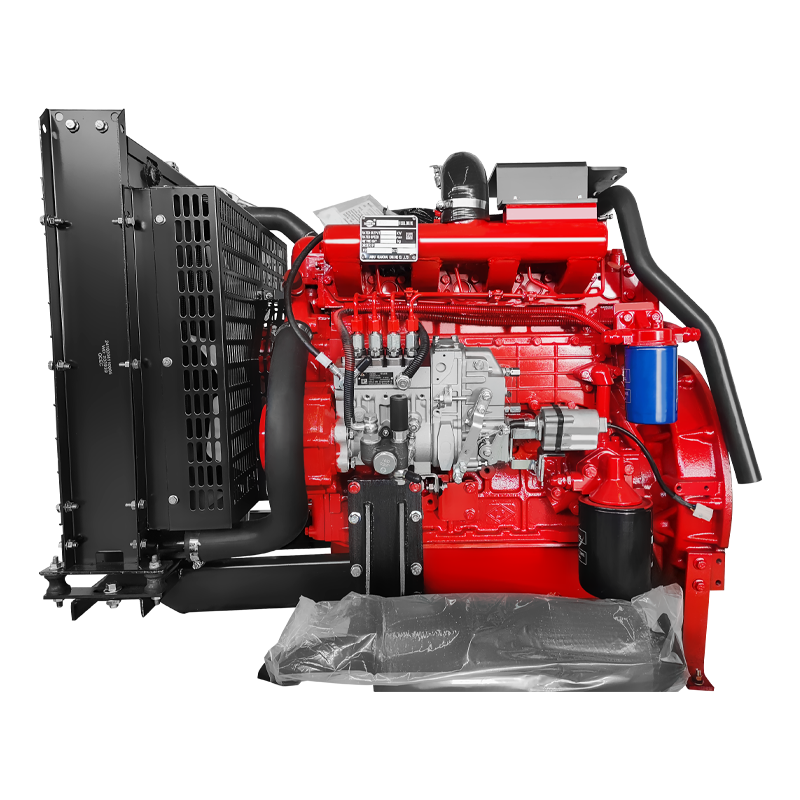 Engine and Pump
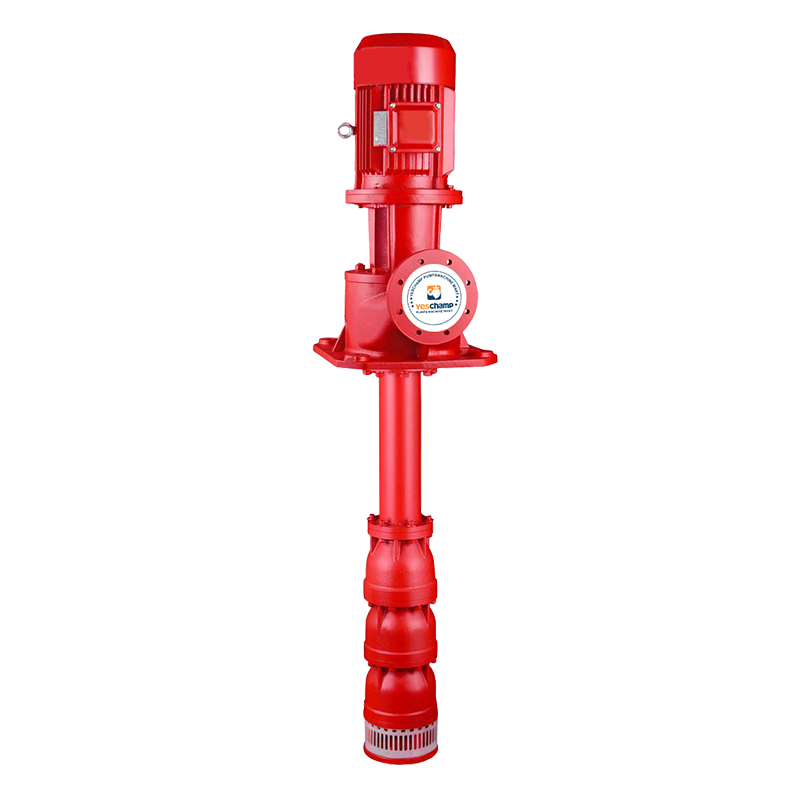 Long Shaft Pump
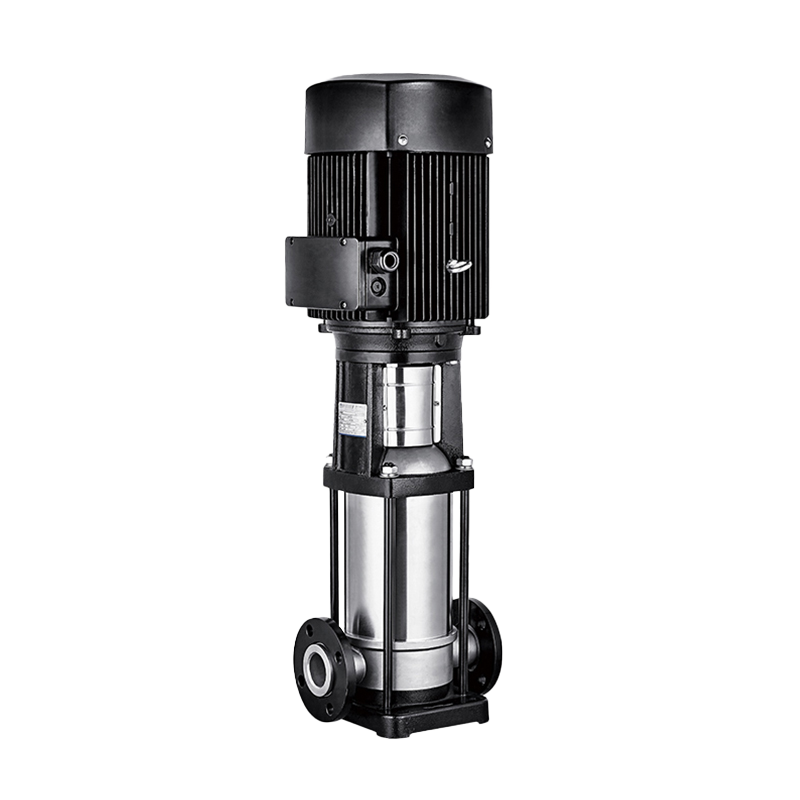 Multistage pump
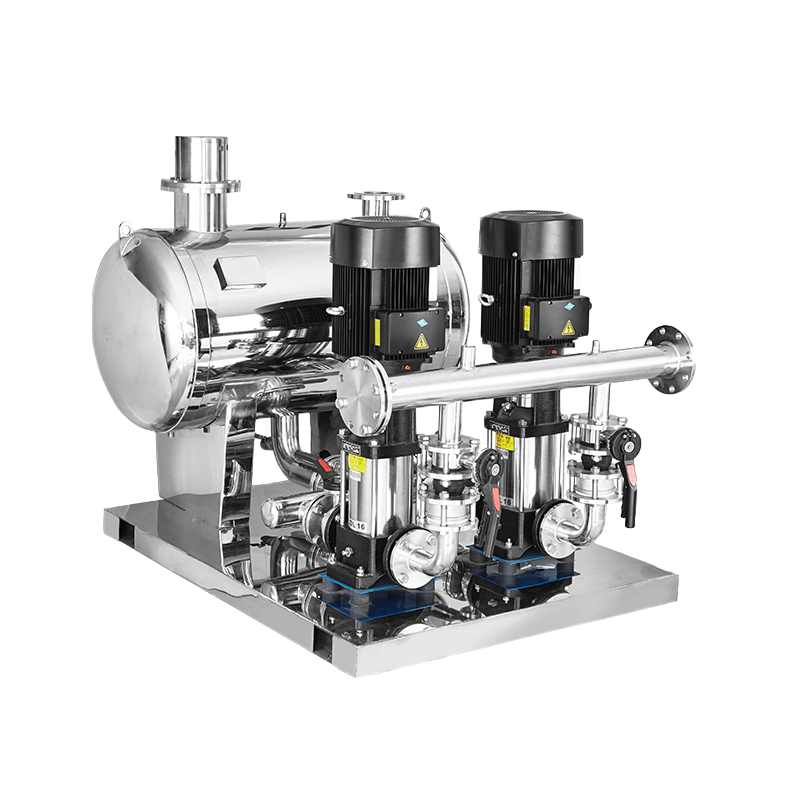 Water Supplier System
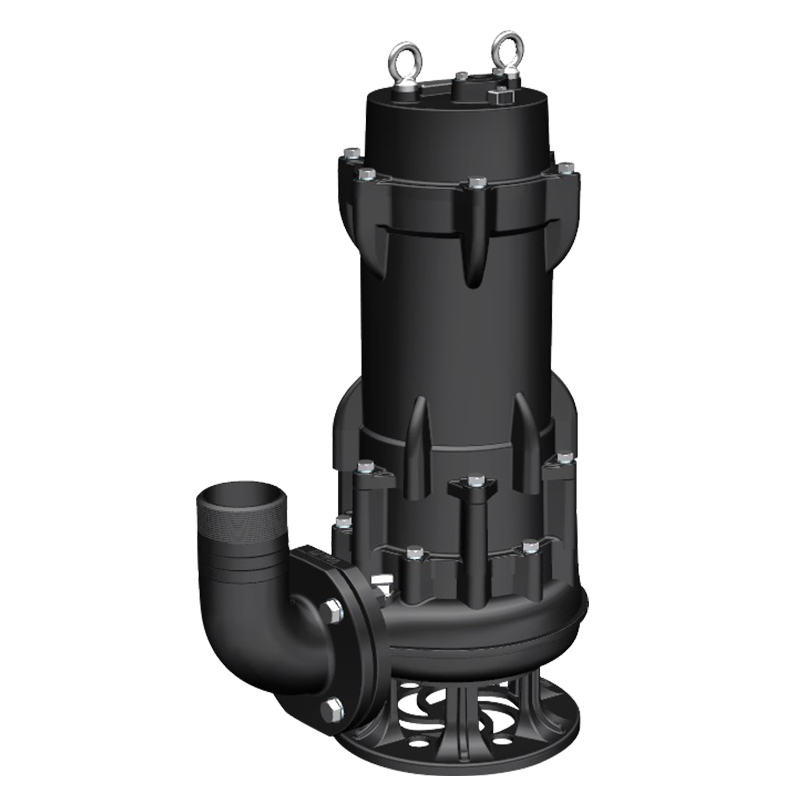 Sewage Pump
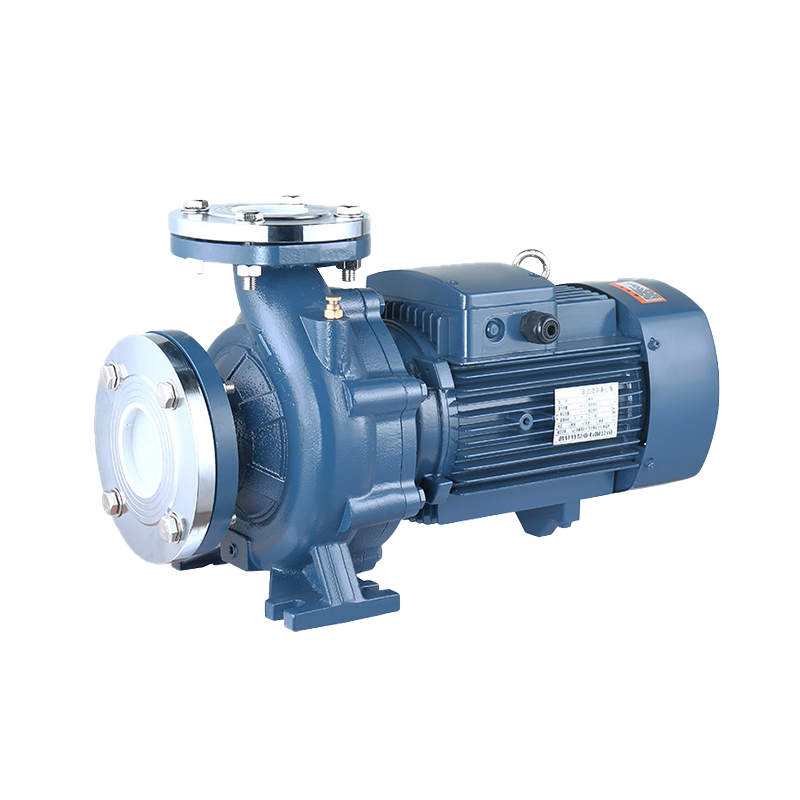 Industrial Pump
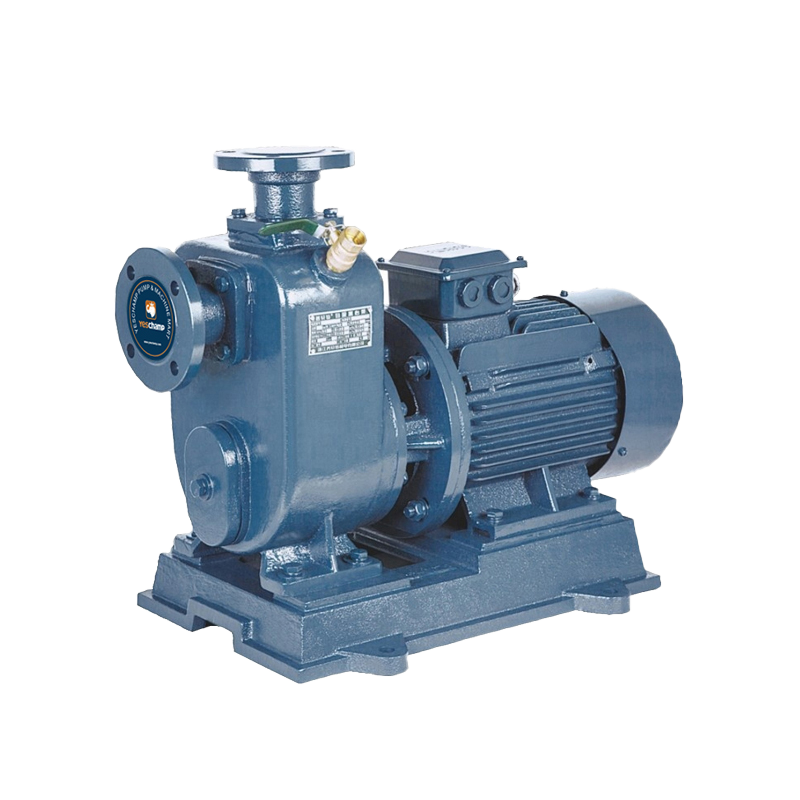 Self-Priming Pump
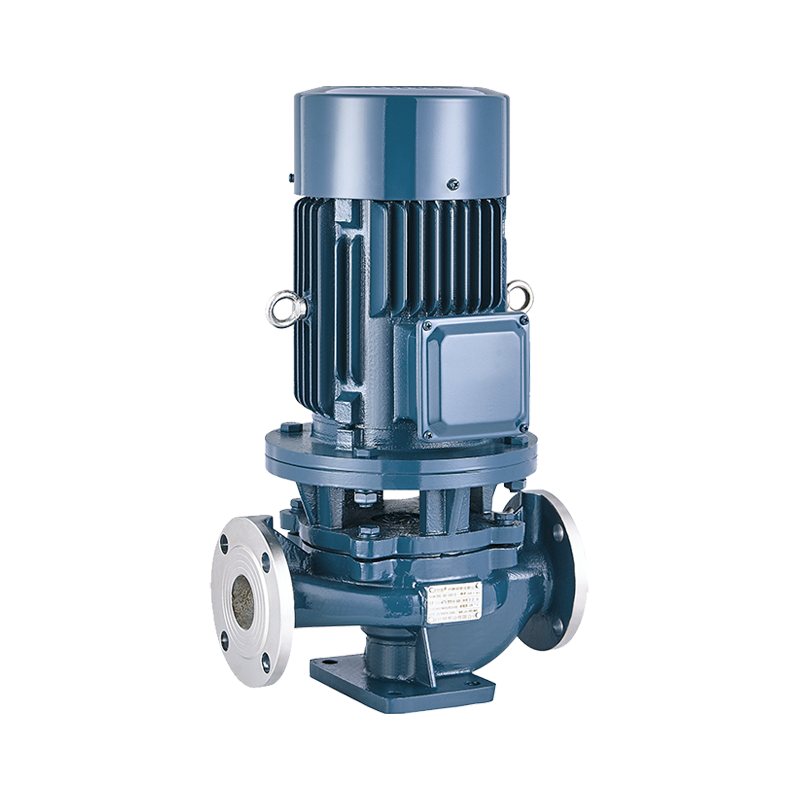 Inline Pump
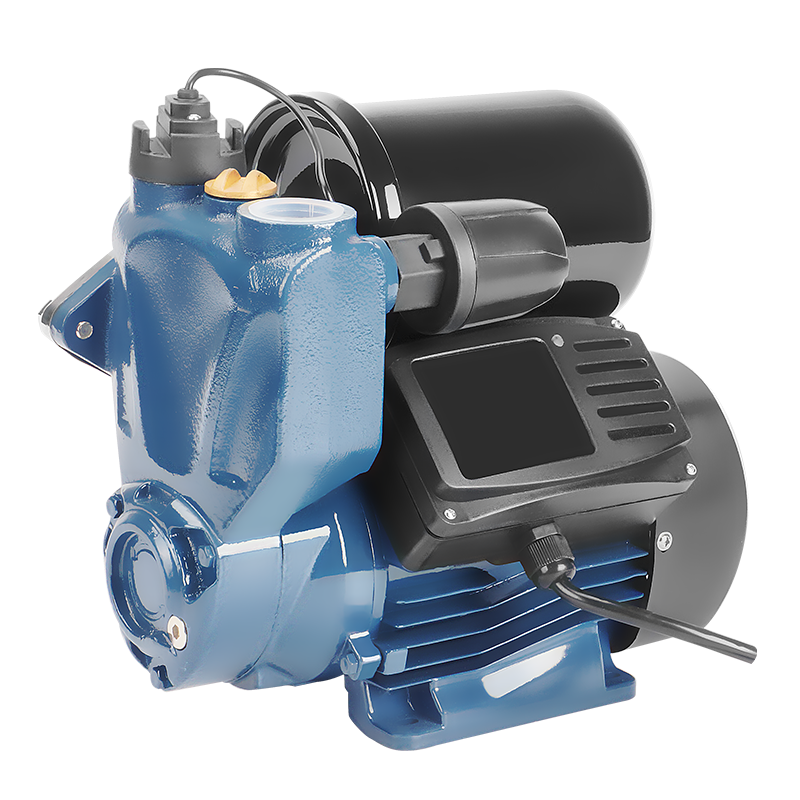 Domestic Pump
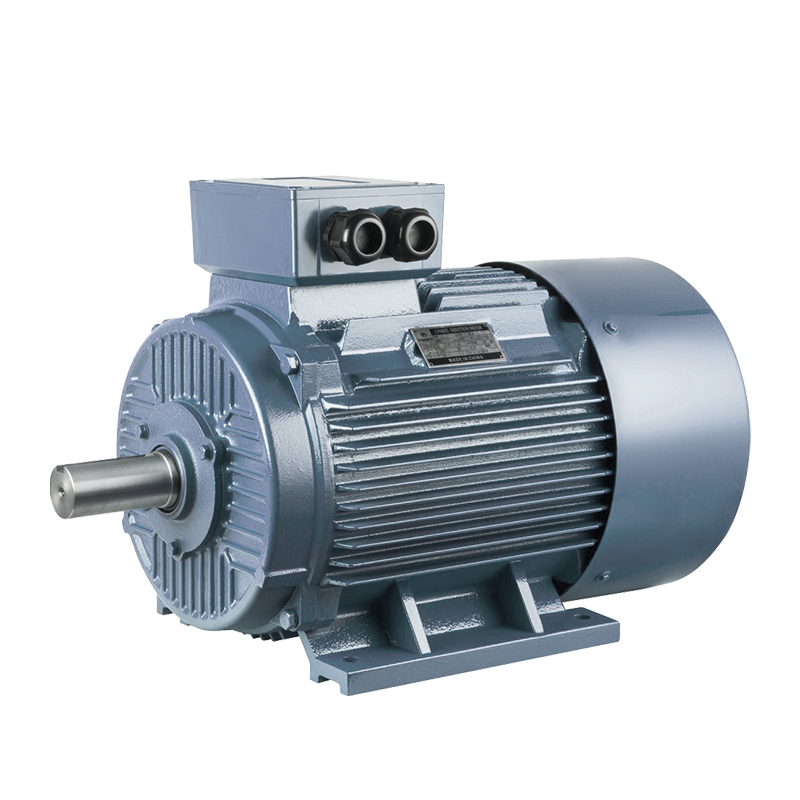 Electric Motor
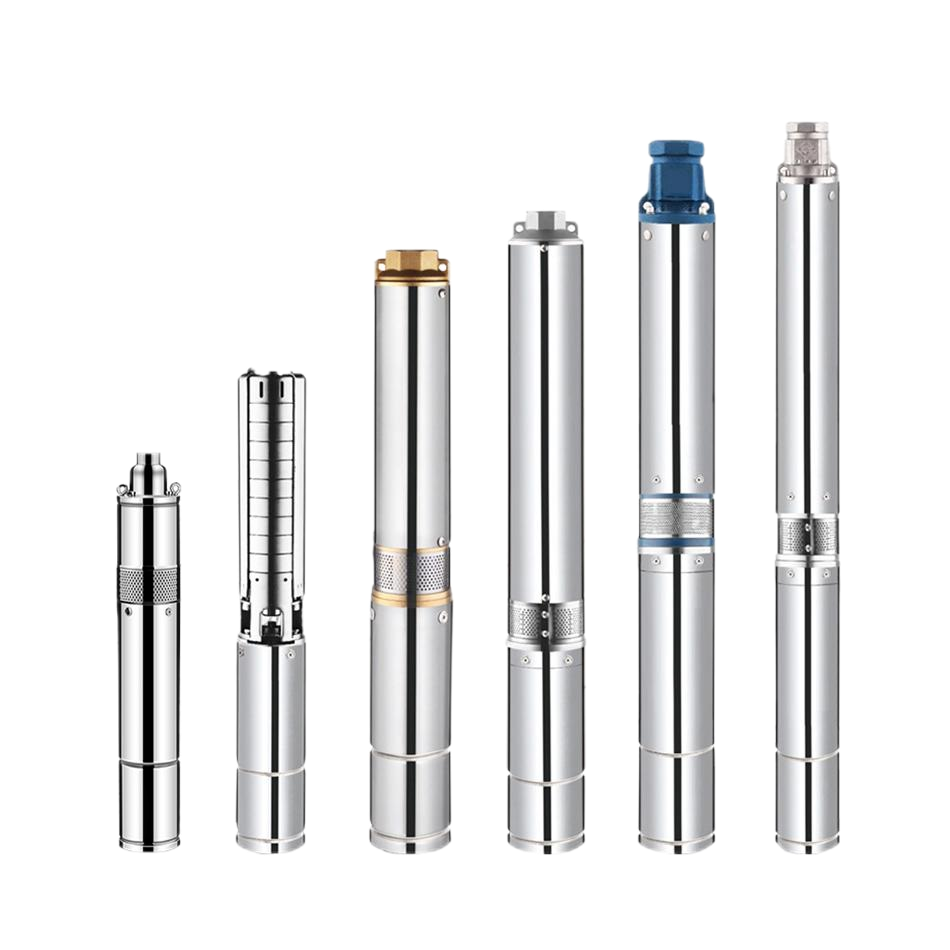 Borehole Pump
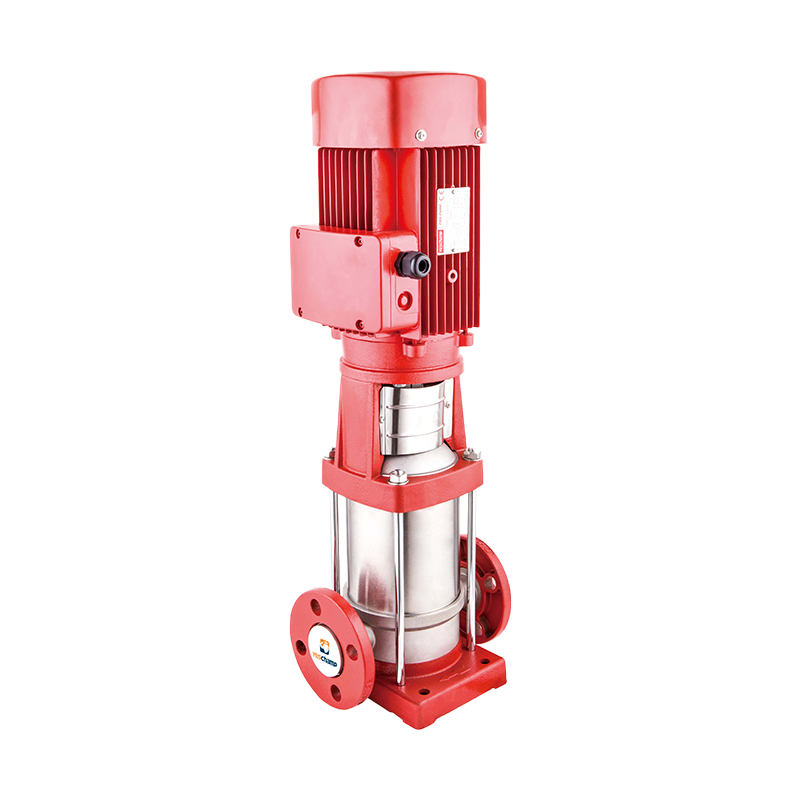
What is a Vertical Multistage Pump?
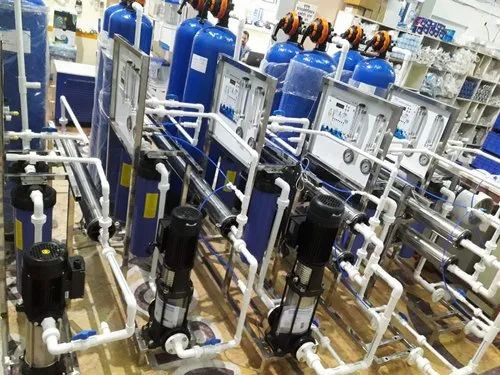
In the world of industrial and commercial fluid movement, efficiency, space-saving design, and reliable high-pressure output are paramount. This is where the vertical multistage pump stands out as a premier solution. Designed with multiple impellers stacked on a single vertical shaft, this compact powerhouse is engineered to generate significant pressure by dividing the total head requirement into manageable stages. Whether for clean water supply, irrigation, boiler feed, or pressure boosting in high-rise buildings, understanding the benefits and applications of vertical multistage pumps is crucial for engineers, facility managers, and procurement specialists.
How Does a Vertical Multistage Pump Work?
The core principle is straightforward yet ingenious. Water enters the pump at the bottom (suction stage) and is directed to the first impeller. Each subsequent impeller, housed within a dedicated diffuser, adds more energy (pressure) to the fluid. By staging this process, the pump can achieve extremely high pressures that would be inefficient or impossible for a single-stage centrifugal pump of similar size. The vertical design not only saves valuable floor space but also facilitates easier maintenance and alignment.
Key Advantages of Choosing a Vertical Multistage Pump
Why should you consider a vertical multistage centrifugal pump for your project? The advantages are compelling:
Space-Efficient Design:
Its vertical footprint is significantly smaller than an equivalent horizontal multistage pump, making it ideal for confined spaces like plant rooms or skids.
High-Pressure Performance:
Excels in applications requiring steady, high-pressure output, such as supplying water to the upper floors of tall buildings or for industrial cleaning processes.
Energy Efficiency:
Modern designs with optimized hydraulics and compatible variable frequency drives (VFDs) allow the pump to operate at its Best Efficiency Point (BEP), reducing long-term energy costs.
Low NPSH Requirement:
Typically requires less Net Positive Suction Head (NPSH) than other pump types, offering greater flexibility in installation.
Reliability & Durability:
With fewer wearing parts in the rotating assembly and robust construction materials (like stainless steel for critical components), these pumps are built for long service life with minimal downtime.
How to Select the Right Vertical Multistage Pump
Selecting the optimal pump requires careful analysis of your system's demands. Key parameters include:
Flow Rate (Q):
The volume of liquid required, measured in gallons per minute (GPM) or cubic meters per hour (m³/h).
Total Head (H):
The total pressure needed to overcome system friction and elevation, measured in feet or meters.
Liquid Properties:
Temperature, viscosity, and cleanliness (clear water vs. mild fluids) determine material choices.
Motor Specifications:
Power rating, voltage, and the potential need for a variable speed drive for flow control.
Material of Construction:
Cast iron is standard for water; stainless steel is preferred for more corrosive liquids or higher purity requirements.
A vertical multistage pump is a sophisticated, efficient, and compact solution for demanding high-pressure water supply challenges. By leveraging its staged impeller technology, businesses and utilities can achieve significant savings in space, energy, and maintenance costs.
 5th Floor, Comprehensive Building No. 5, Dongqiao, Dong'an Village, Daxi Town,Wenling City,Zhejiang,China
 +86 576 86090666
 +86 18667600006
 +86 18667600006
 24 Hours Online