 3D ROOM
 (0)
(0) English
 عربى
عربى
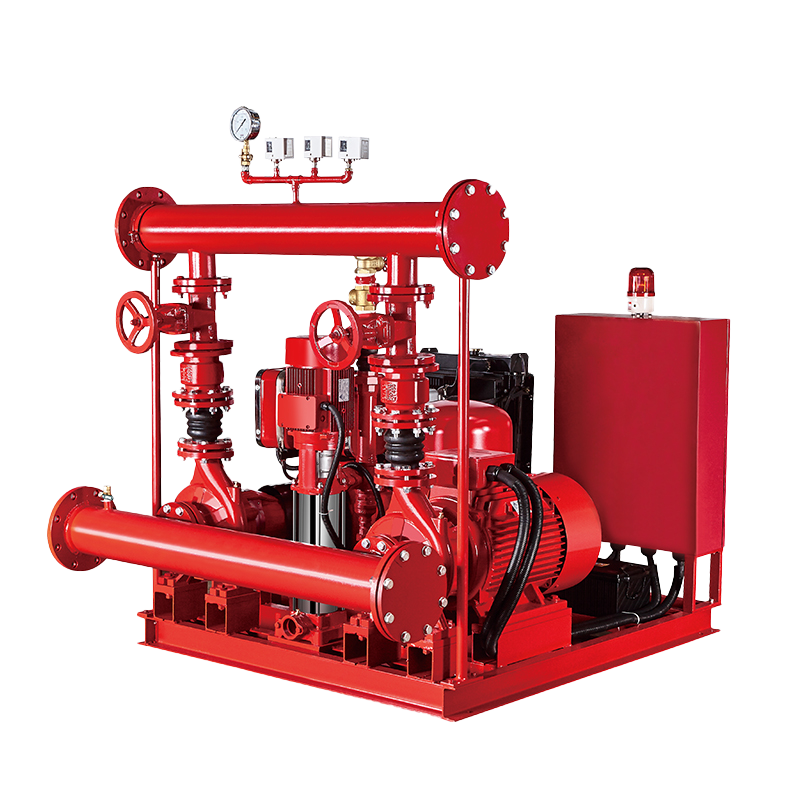 Fire Pump and System
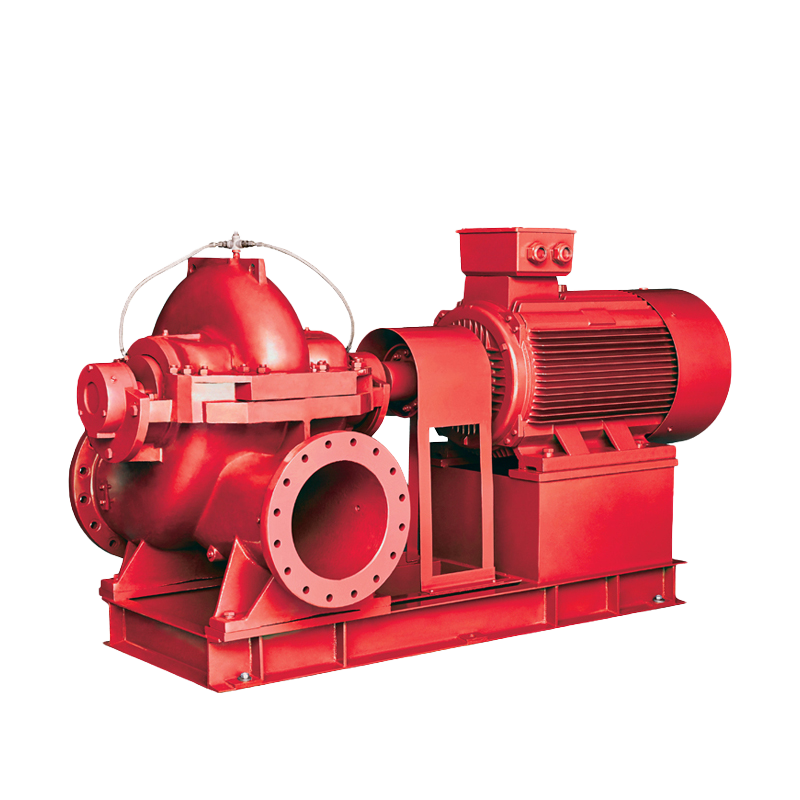 Split Case Pump
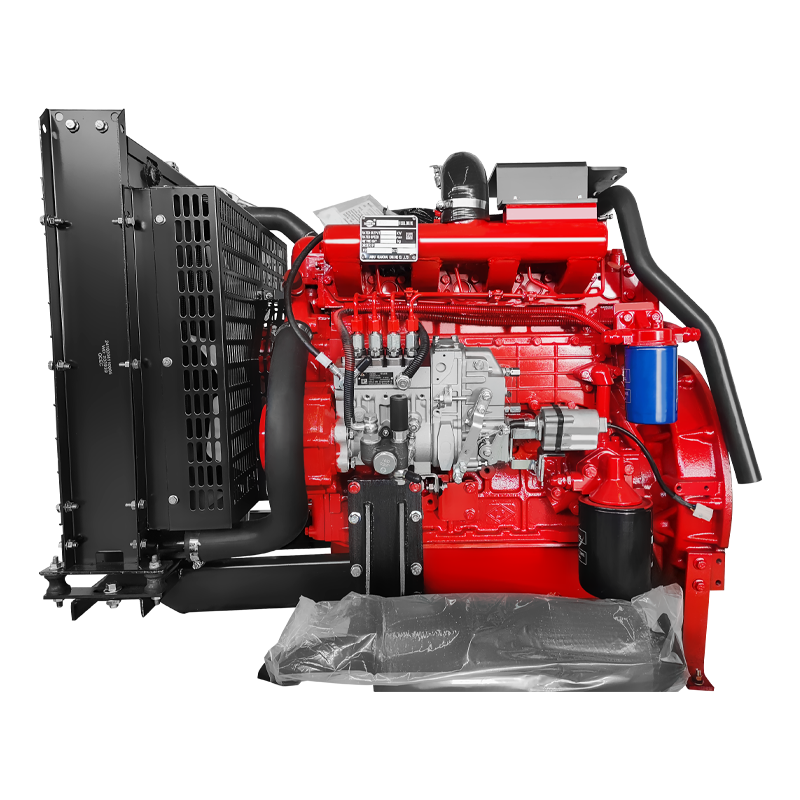 Engine and Pump
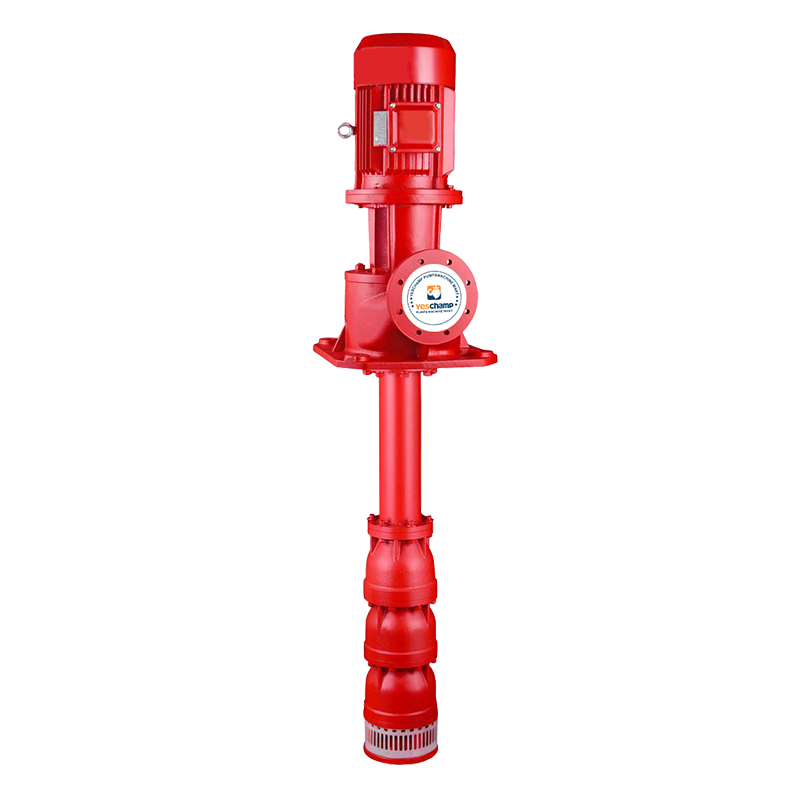 Long Shaft Pump
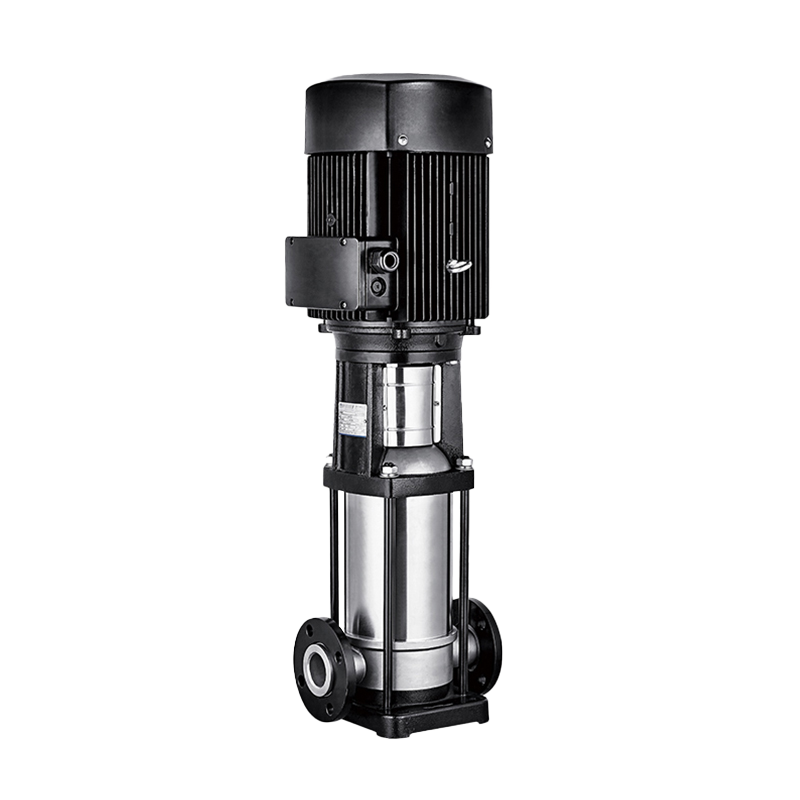 Multistage pump
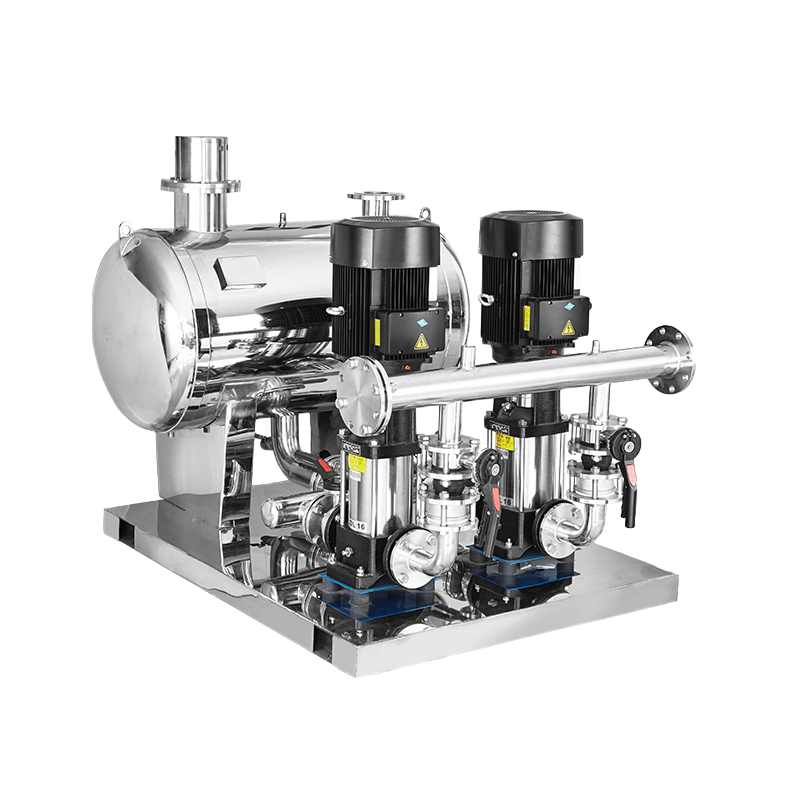 Water Supplier System
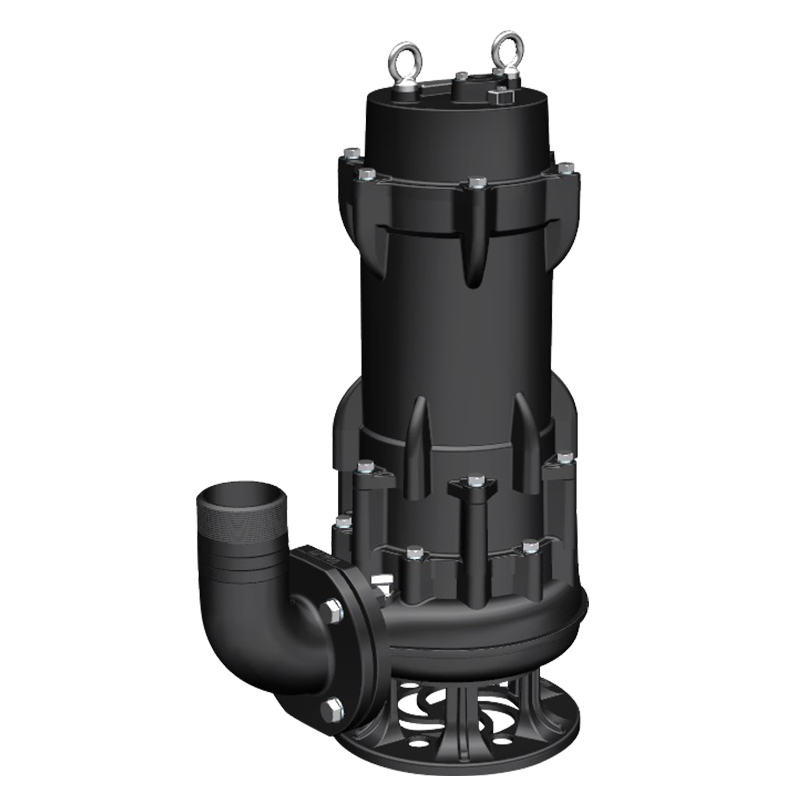 Sewage Pump
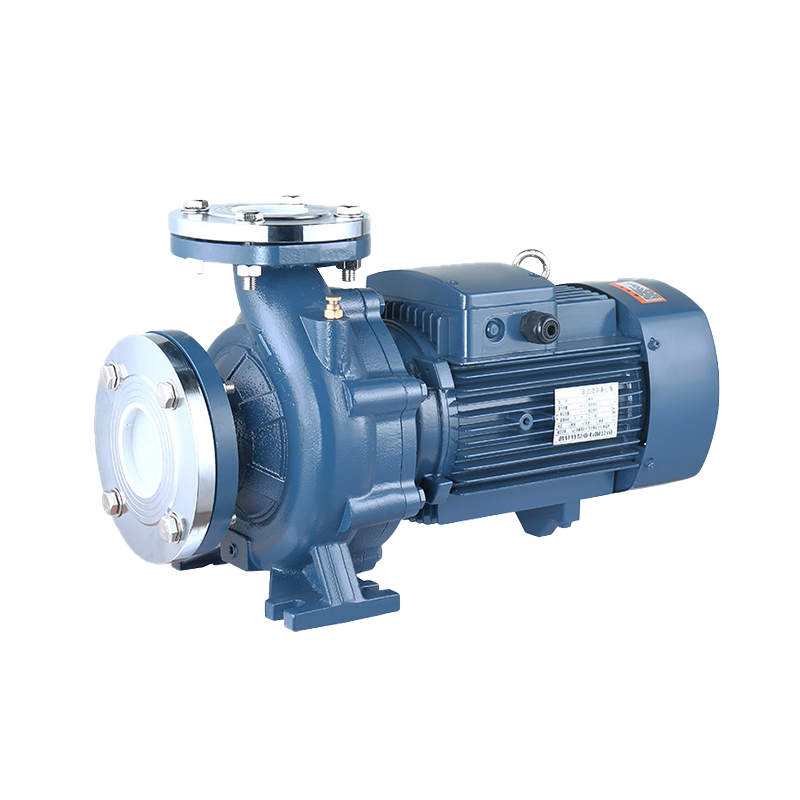 Industrial Pump
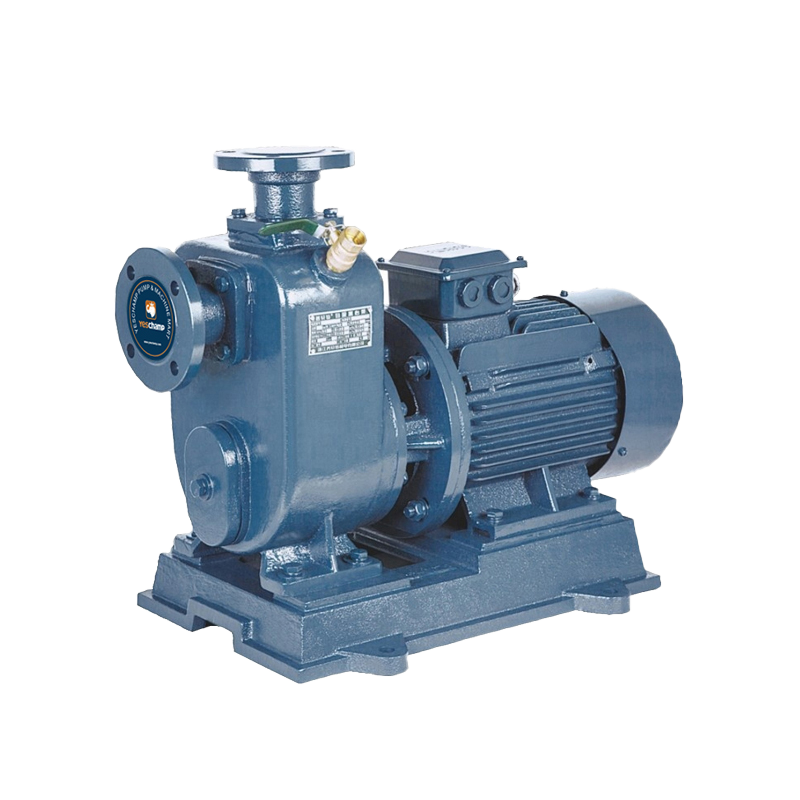 Self-Priming Pump
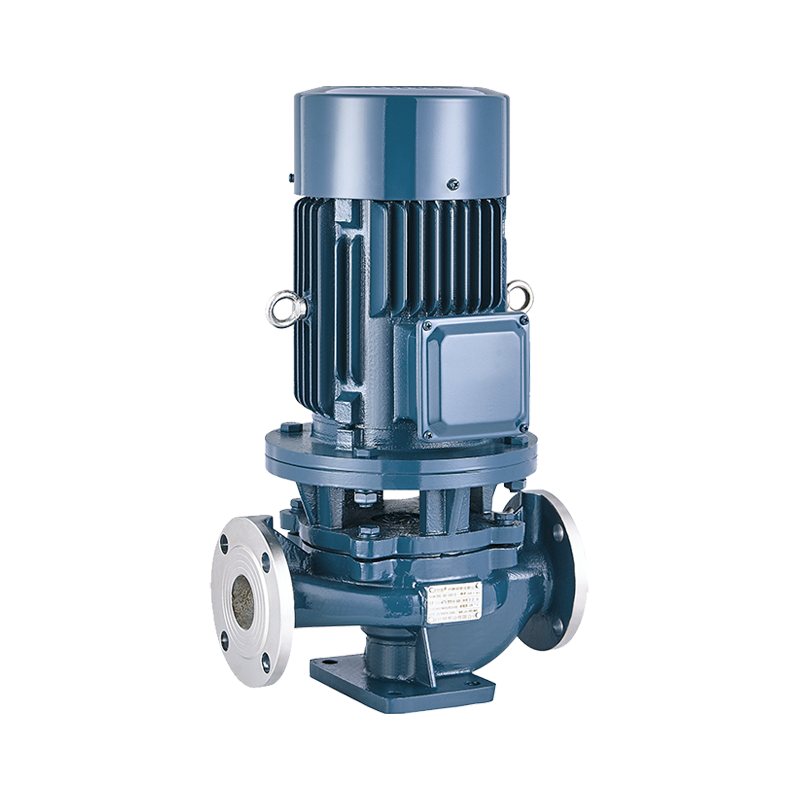 Inline Pump
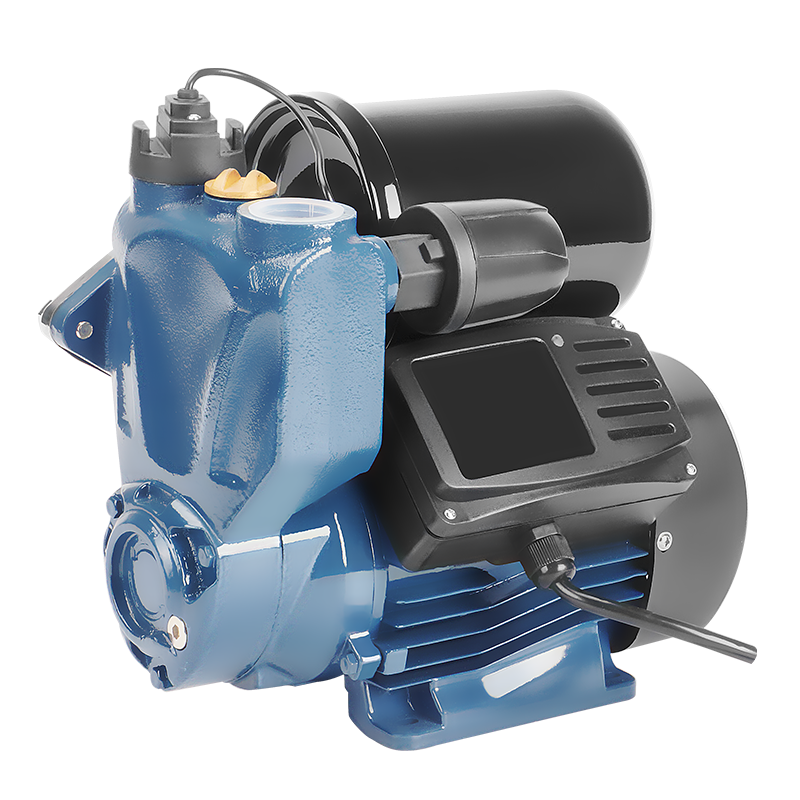 Domestic Pump
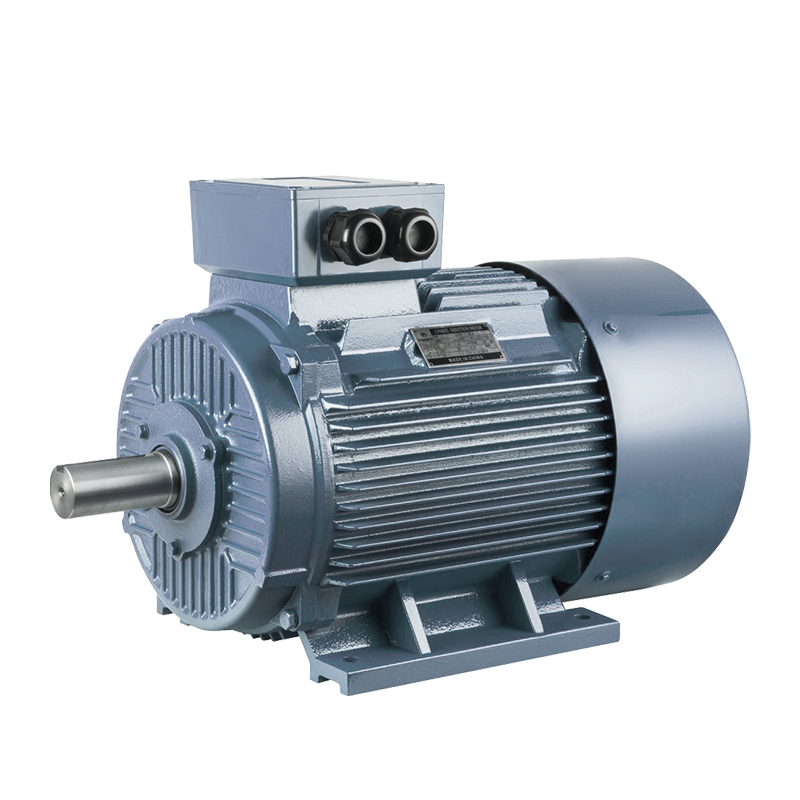 Electric Motor
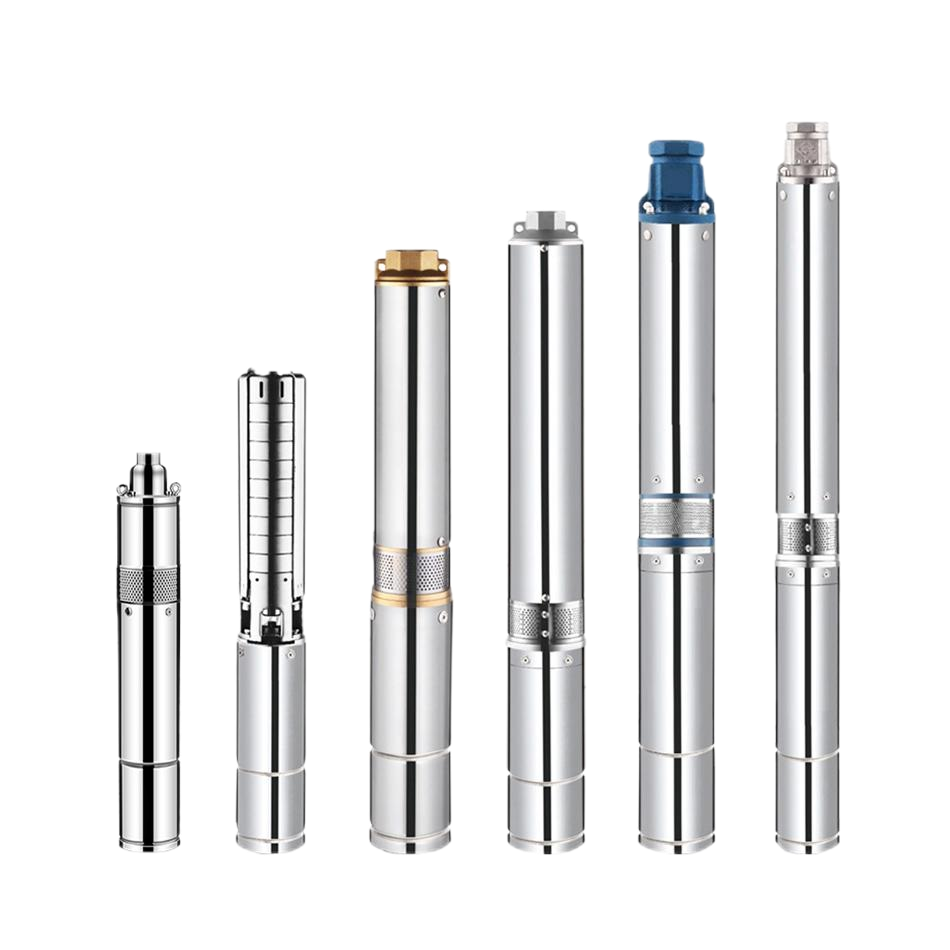 Borehole Pump
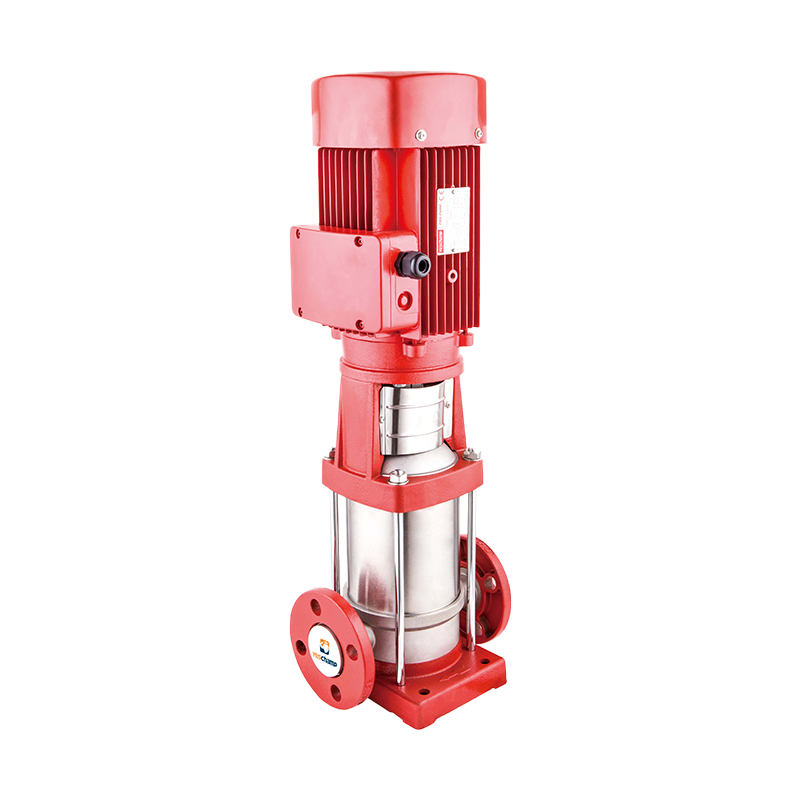
In the world of industrial fluid handling, efficiency and reliability are non-negotiable. Among the various pumping technologies available today, the vertical multistage pump stands out as a cornerstone for applications requiring high pressure and consistent flow within a compact footprint. Whether you are designing a water supply system, a reverse osmosis plant, or a boiler feed unit, understanding the mechanics and benefits of this pump type is crucial for operational success.
What is a Vertical Multistage Pump?
A vertical multistage pump is a centrifugal pump characterized by its vertical shaft orientation and the presence of multiple impellers (stages) stacked in series. Unlike single-stage pumps that rely on one impeller to generate pressure, multistage pumps divide the total pressure requirement among several impellers.
Each "stage" consists of an impeller and a diffuser. As fluid enters the pump, it passes through the first impeller, gains velocity and pressure, passes through the diffuser to convert velocity to pressure, and then moves to the next impeller. By the time the fluid exits the pump, it has accumulated pressure from each stage, allowing for extremely high discharge pressures without requiring an excessively large diameter impeller.

Key Benefits and Advantages
Why do engineers and plant managers choose vertical multistage pumps over horizontal or single-stage alternatives? The advantages are substantial:
1. High Pressure in a Compact Design
The stacked stage design allows these pumps to achieve high head (pressure) while maintaining a small floor footprint. This is particularly valuable in mechanical rooms or offshore platforms where space is at a premium.
2. Energy Efficiency
Because the pump uses multiple impellers to gradually build pressure, it typically operates more efficiently at high heads than a single-stage pump running at high RPMs. This translates to lower energy consumption and reduced operational costs (OPEX).
3. Low NPSH (Net Positive Suction Head) Requirements
Many vertical multistage pumps are designed with a suction inlet at the bottom or a special inducer stage, allowing them to handle applications with low suction pressure better than many horizontal counterparts.
4. Material Versatility
These pumps are available in a wide range of materials, including cast iron, stainless steel (AISI 304 and 316), and duplex steel. Stainless steel variants are particularly popular for handling aggressive fluids or for applications requiring high purity, such as food processing or pharmaceutical manufacturing.
5. Ease of Maintenance
Most vertical multistage pumps feature a modular design. The "cartridge" assembly (shaft, impellers, and sleeves) can often be removed for maintenance without disturbing the piping connections, significantly reducing downtime.
How to Select the Right Vertical Multistage Pump
Selecting the correct pump is critical to avoid cavitation, premature wear, and excessive energy use. When evaluating a vertical multistage pump, consider the following parameters:
1. Flow Rate (Q)
Determine the required volume of fluid to be moved, typically measured in cubic meters per hour (m³/h) or gallons per minute (GPM). Ensure the pump’s performance curve matches your system demand.
2. Head (H)
Calculate the total dynamic head (TDH) required. This includes the vertical lift, friction losses in the piping, and the required discharge pressure. The number of stages in the pump directly correlates to the total head.
3. Fluid Characteristics
Identify the fluid temperature, viscosity, and chemical composition. For clean water, standard stainless steel or cast iron is sufficient. For corrosive fluids (e.g., seawater or chemicals), opt for AISI 316 stainless steel or super duplex materials.
4. Motor Configuration
Consider whether you need a close-coupled design (where the pump head is directly mounted to the motor) or a long-coupled design (with a bracket and coupling). Also, verify the motor enclosure (TEFC, Explosion-Proof) based on your site conditions.
5. Frequency Inverter Compatibility
If your system experiences variable demand, ensure the pump and motor are suitable for operation with a Variable Frequency Drive (VFD) to maximize energy savings.
The vertical multistage pump is an engineering solution designed for efficiency, durability, and high-pressure performance. Its unique ability to generate high heads without sacrificing floor space makes it the preferred choice for modern industrial, commercial, and municipal applications.
 5th Floor, Comprehensive Building No. 5, Dongqiao, Dong'an Village, Daxi Town,Wenling City,Zhejiang,China
 +86 576 86090666
 +86 18667600006
 +86 18667600006
 24 Hours Online