 3D ROOM
 (0)
(0) English
 عربى
عربى
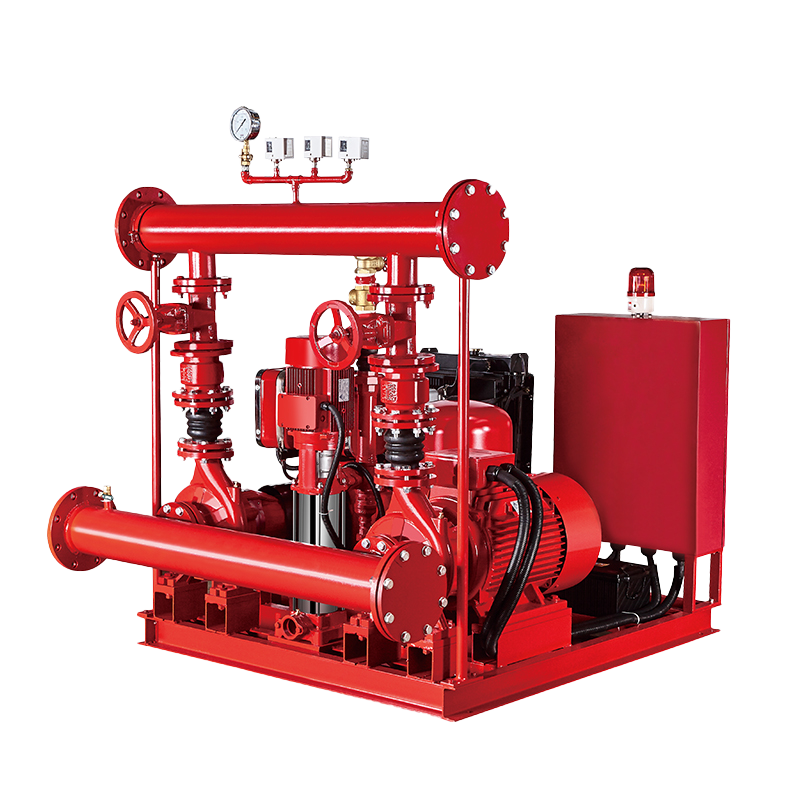 Fire Pump and System
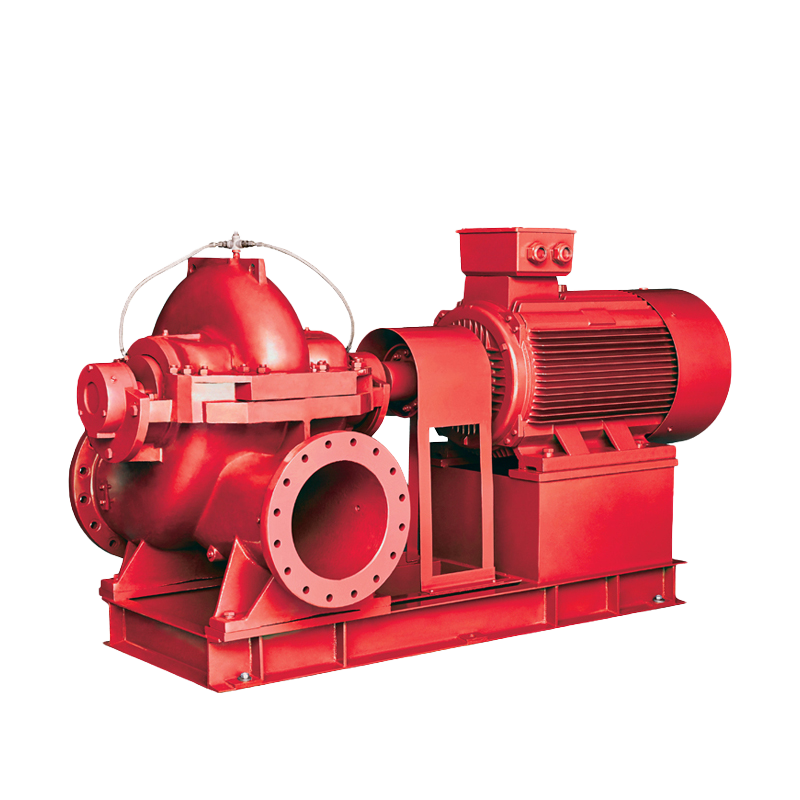 Split Case Pump
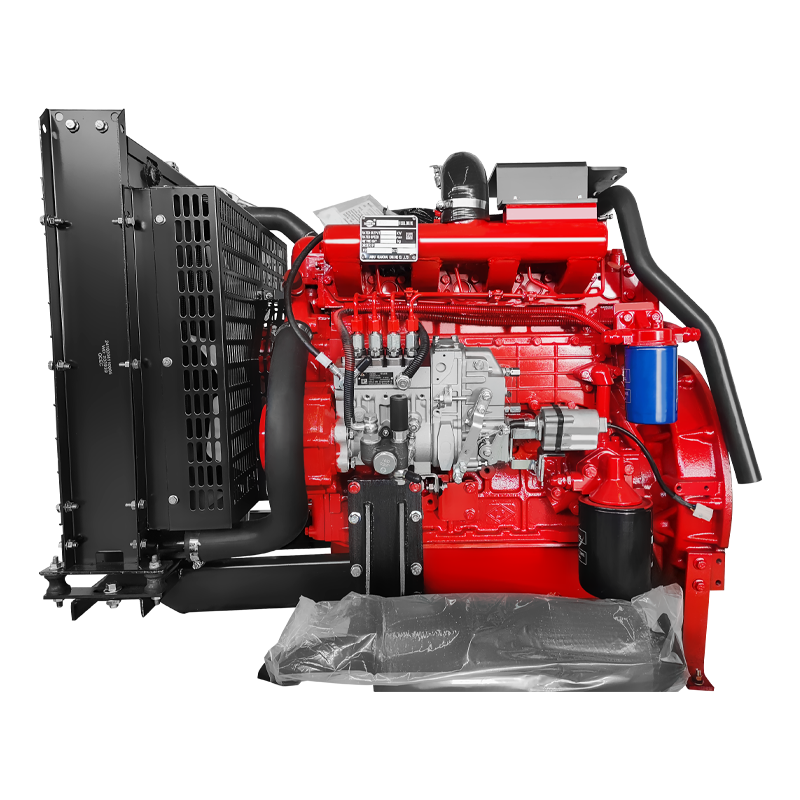 Engine and Pump
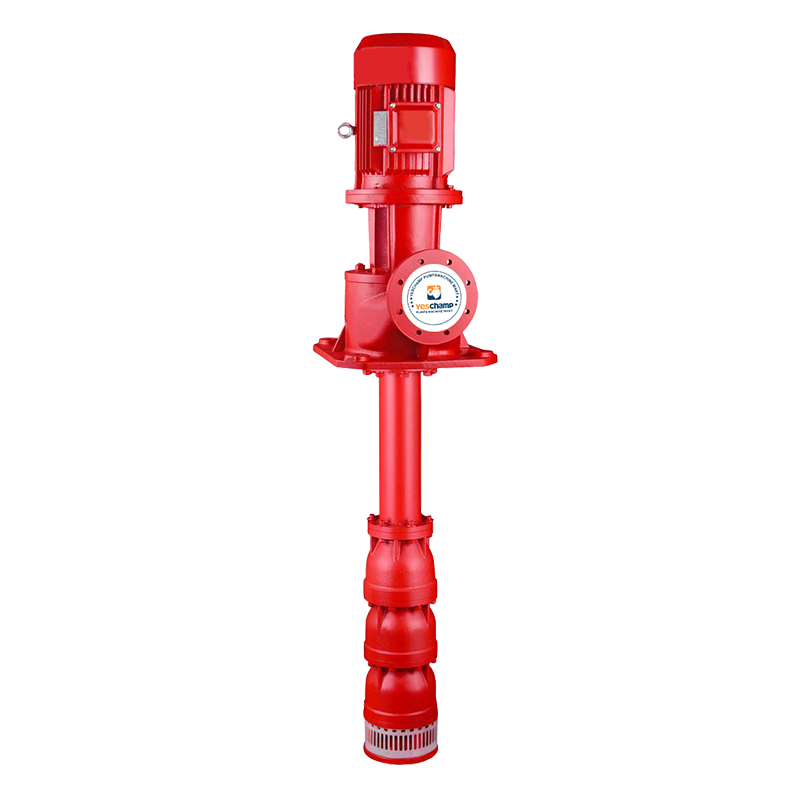 Long Shaft Pump
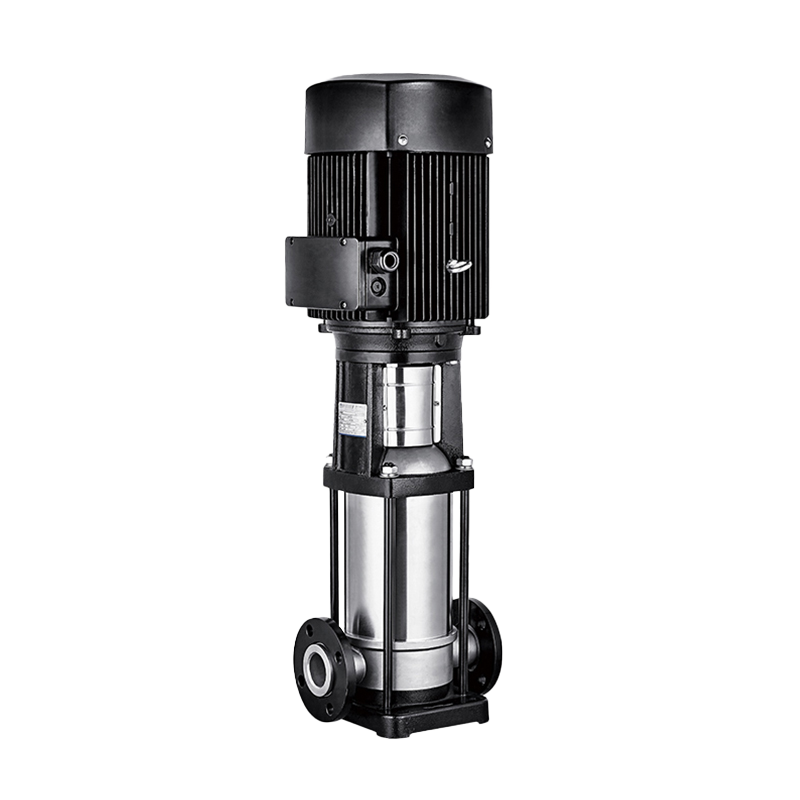 Multistage pump
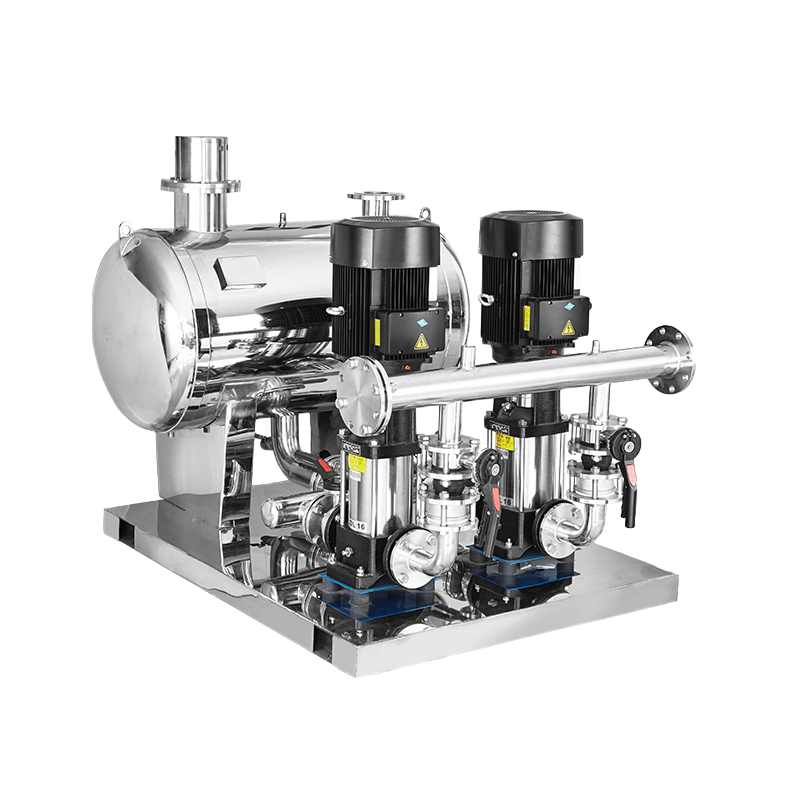 Water Supplier System
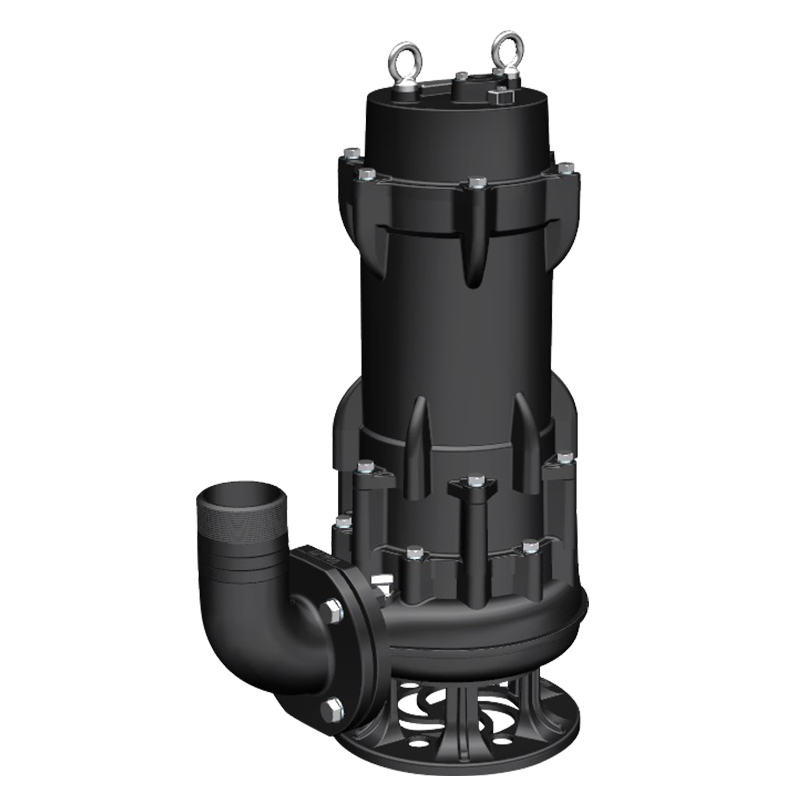 Sewage Pump
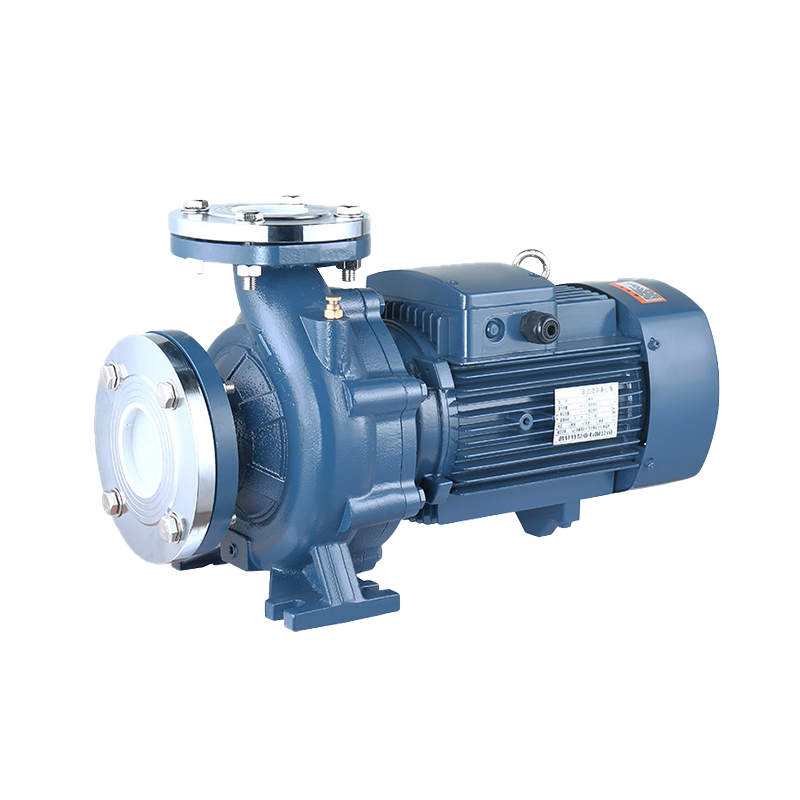 Industrial Pump
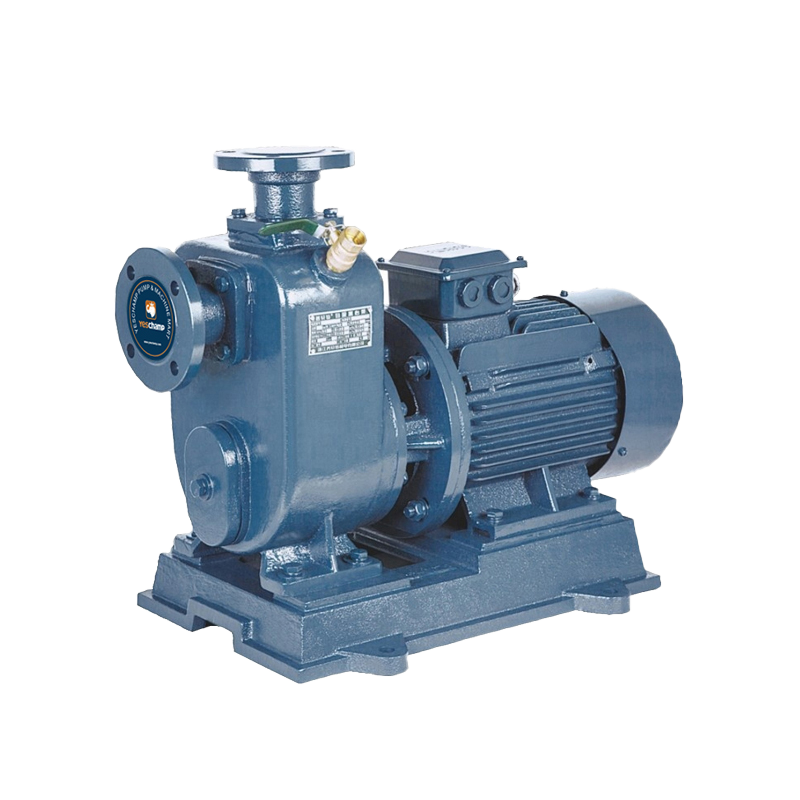 Self-Priming Pump
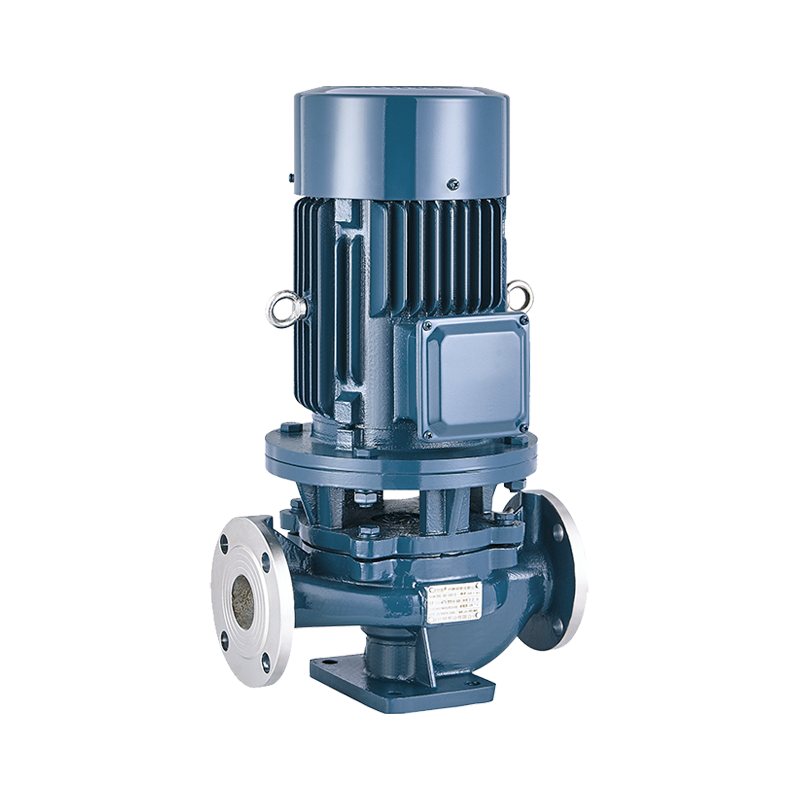 Inline Pump
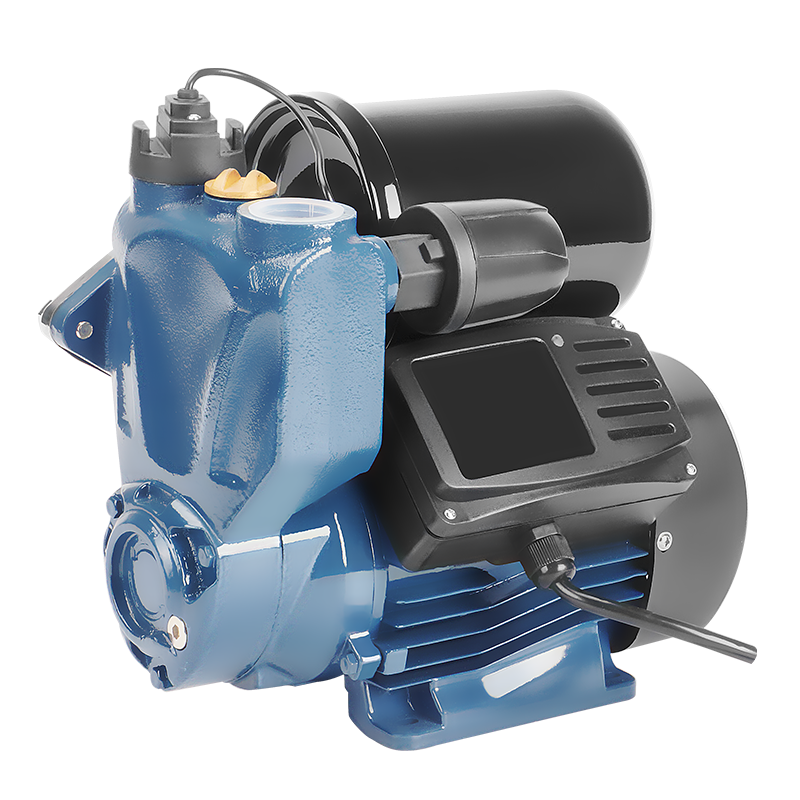 Domestic Pump
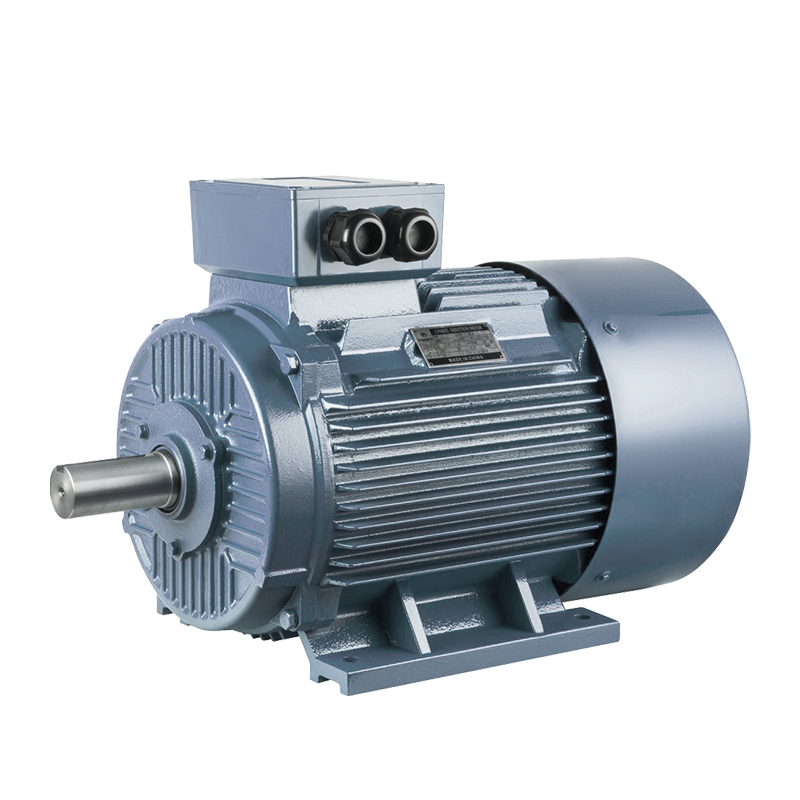 Electric Motor
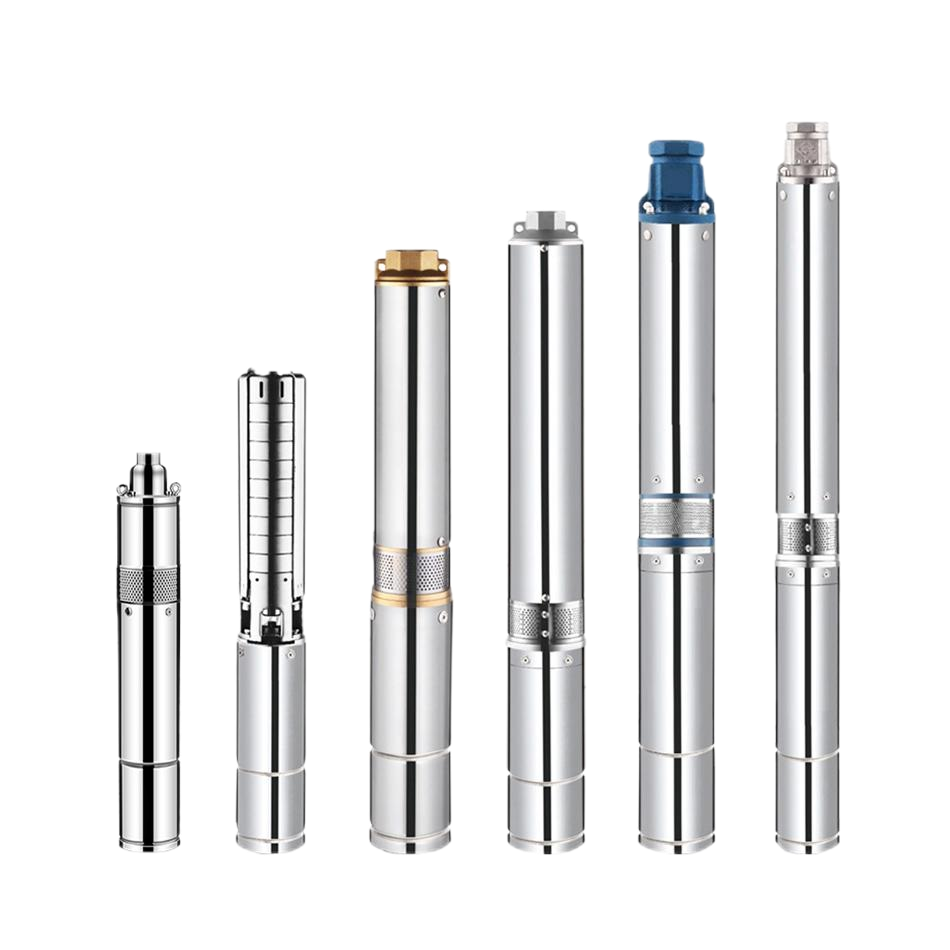 Borehole Pump
Why a Reliable Fire Fighting System is Critical
Fire safety is not just a regulatory requirement; it is a fundamental necessity for protecting lives, property, and business continuity. Whether for a high-rise commercial building, an industrial warehouse, or a residential complex, a robust fire fighting system serves as the first line of defense against catastrophic loss.
What is a Fire Fighting System?
A fire fighting system is an integrated network of mechanical and electrical components designed to detect, control, and extinguish fires. Unlike simple portable extinguishers, these systems provide automated or centralized responses to fire hazards, ensuring rapid action even when human intervention is delayed.
A comprehensive system typically includes:
Water Supply & Pumps: The heart of the system, ensuring adequate pressure and flow.
Distribution Piping: A network of pipes delivering the extinguishing agent.
Detection Devices: Smoke detectors and heat sensors that trigger alarms.
Suppression Mechanisms: Sprinklers, gas suppression, or foam systems.
Core Components of a Fire Fighting System
1. Water Supply
Reliable water is critical. Sources include municipal connections, gravity tanks, ground storage tanks, or natural bodies (ponds, rivers). Pumps (jockey, electric, diesel) maintain required pressure.
2. Piping Network
Schedule 40 or 80 steel pipes (often galvanized or black) distribute water to outlets. Seismic bracing and proper sloping prevent damage and air pockets.
3. Sprinkler Heads
Upright / Pendent / Sidewall – for different ceiling/room configurations.
ESFR (Early Suppression Fast Response) – for high‑pile storage.
Residential – quick‑response with lower flow rates.
4. Fire Hydrants & Hose Reels
Wet riser (always water‑filled) for freezing climates if heated.
Dry riser (manual fill via inlet) for unheated areas.
Hose reels (30–40 m) for manual attack.
5. Fire Extinguishers
Class A (ordinary combustibles), B (liquids), C (electrical), D (metals), K (cooking oils). Placement: every 75 ft travel distance, near exits.
6. Control & Alarm Panel
Monitors flow switches, tamper switches, and pressure. Triggers audible/visual alarms and notifies central station or fire department.
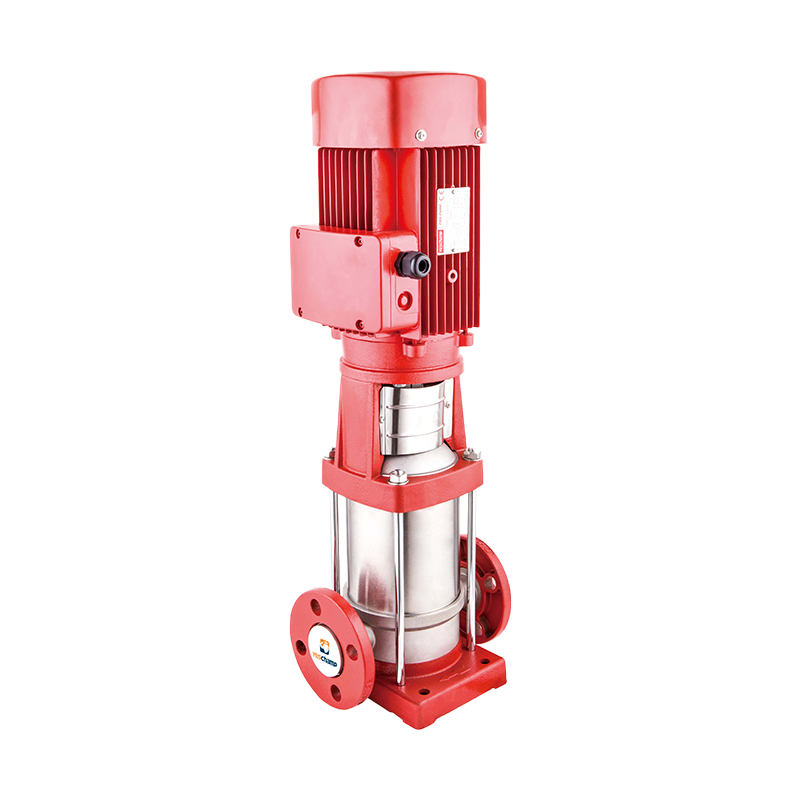
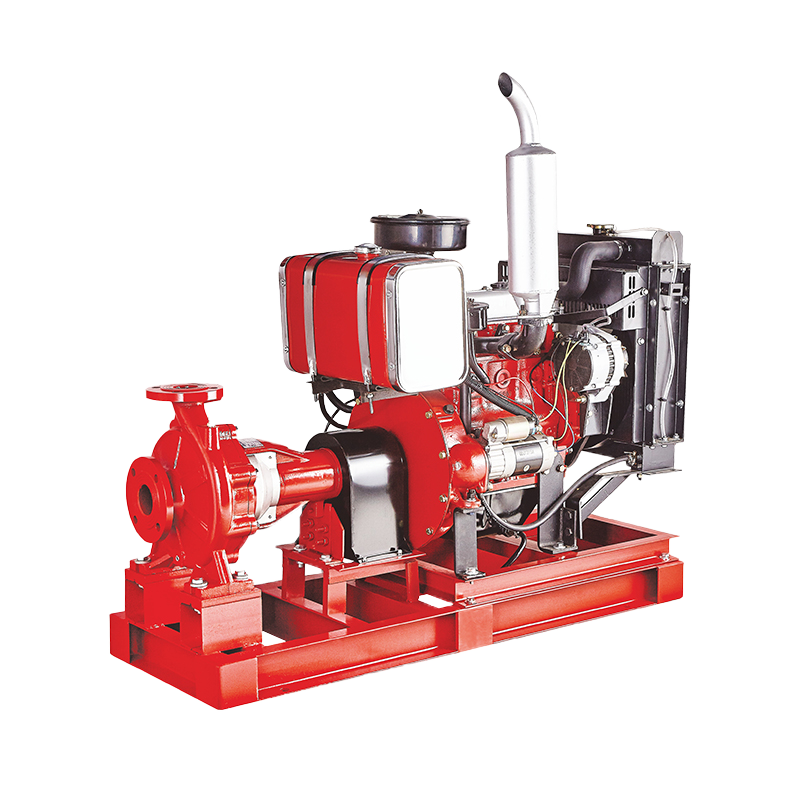
7. Fire Pumps
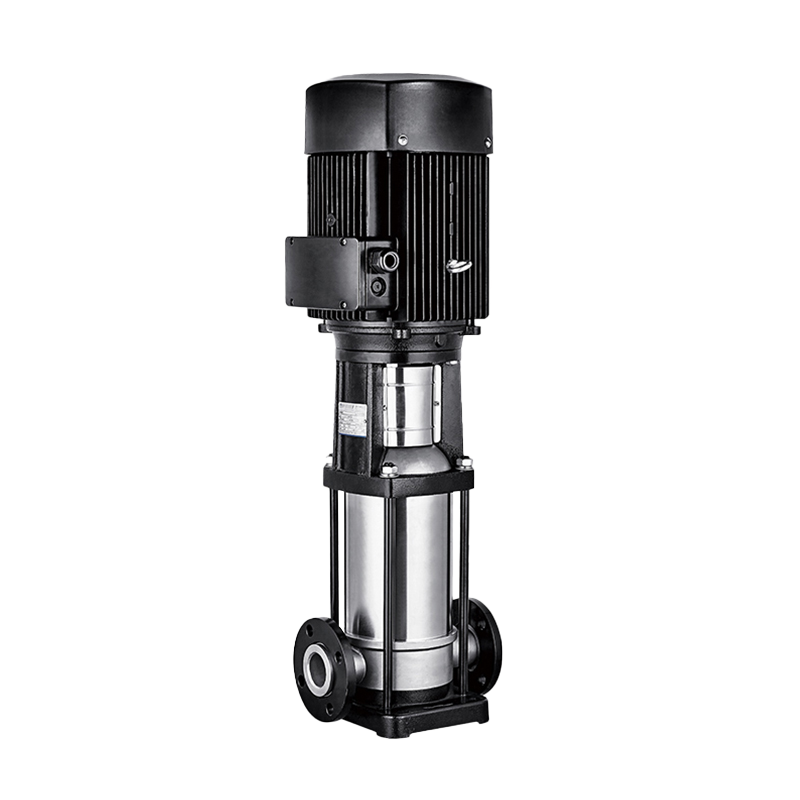
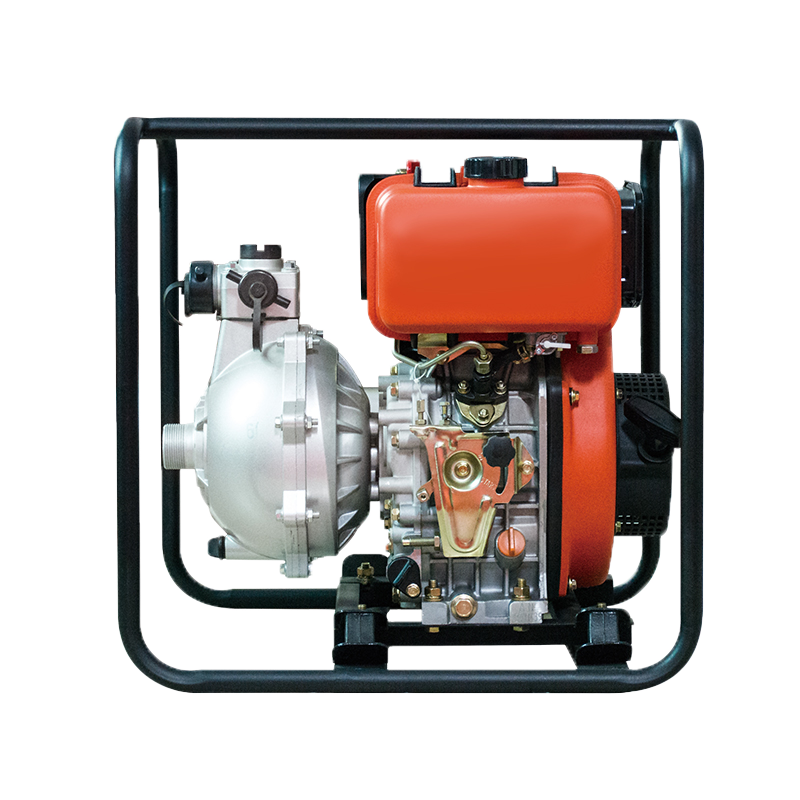
Electric (primary) with backup diesel.
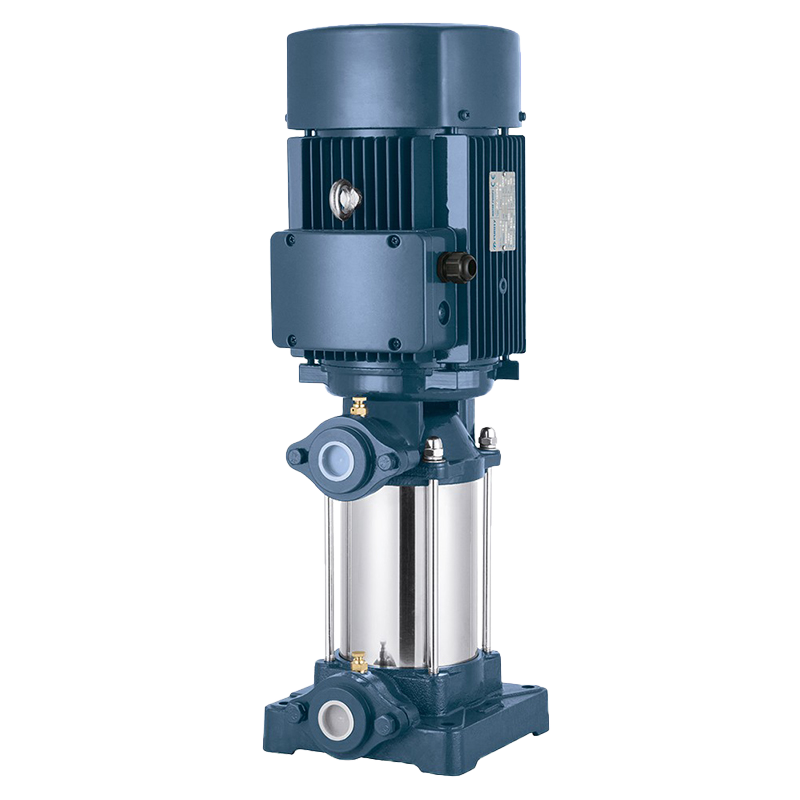
Jockey pump (maintains pressure, avoids main pump short‑cycling).
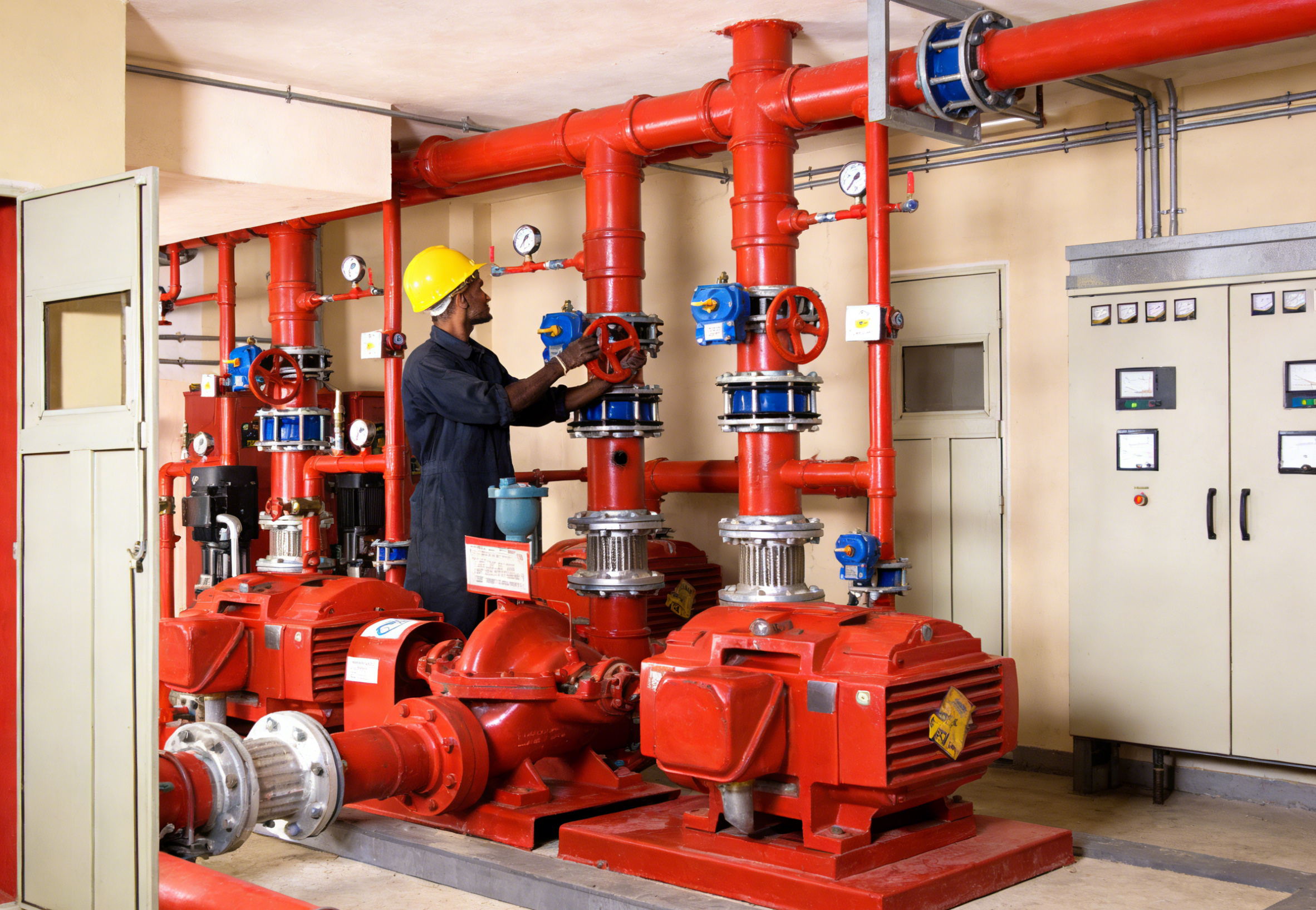
Essential Maintenance Checks:
Weekly Pump Runs:
Ensure diesel and electric pumps start automatically.
Valve Inspections:
Verify that control valves are open and accessible.
Alarm Testing:
Test smoke detectors and heat sensors for responsiveness.
Hydrostatic Testing:
Check pipes for leaks and structural integrity.
A well‑designed fire fighting system is not an expense—it’s an investment in safety, compliance, and business resilience. Start with a professional hazard analysis, adhere to NFPA standards, and commit to a documented inspection/maintenance schedule. Whether you need a simple wet pipe system for an office or a deluge/foam system for a chemical plant, the right solution will protect what matters most.
 5th Floor, Comprehensive Building No. 5, Dongqiao, Dong'an Village, Daxi Town,Wenling City,Zhejiang,China
 +86 576 86090666
 +86 18667600006
 +86 18667600006
 24 Hours Online