 3D ROOM
 (0)
(0) English
 عربى
عربى
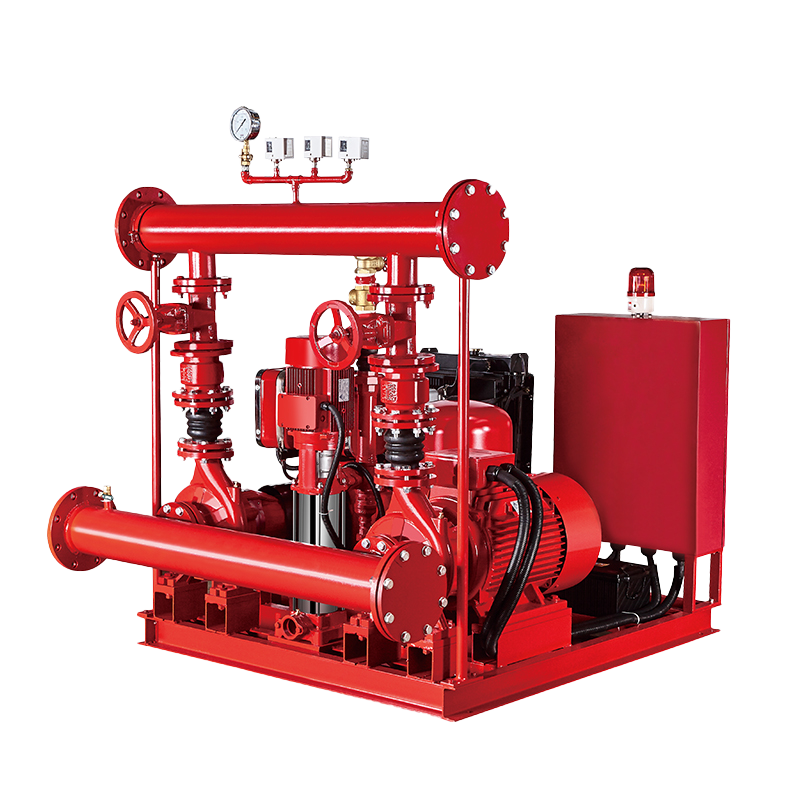 Fire Pump and System
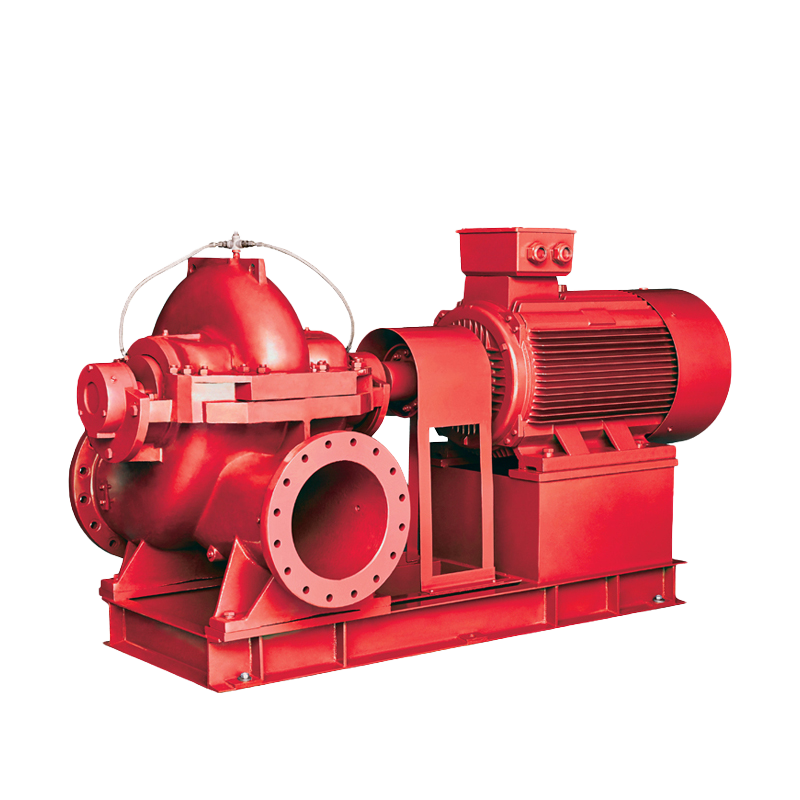 Split Case Pump
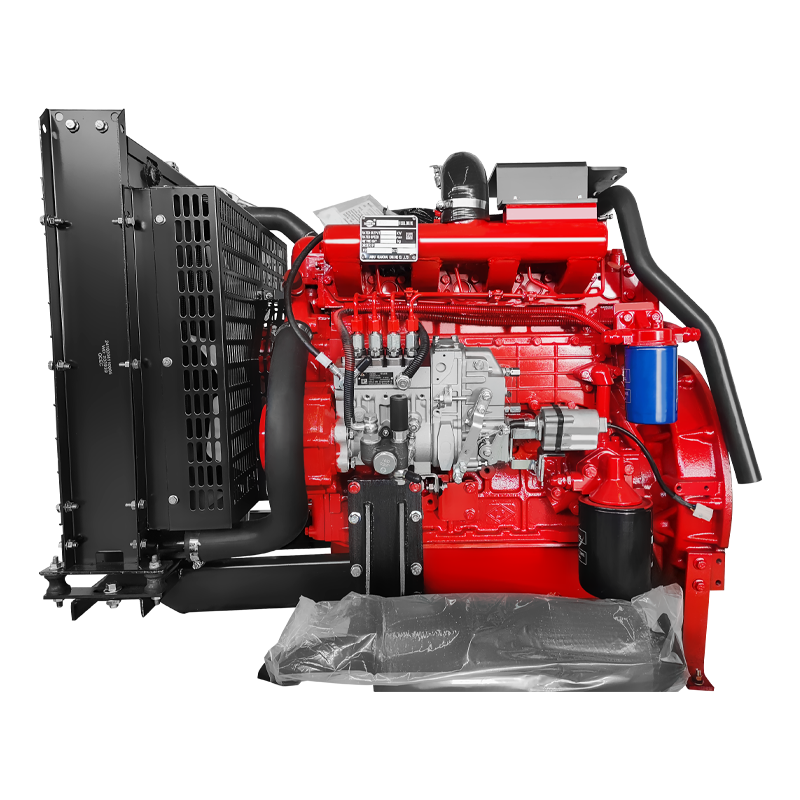 Engine and Pump
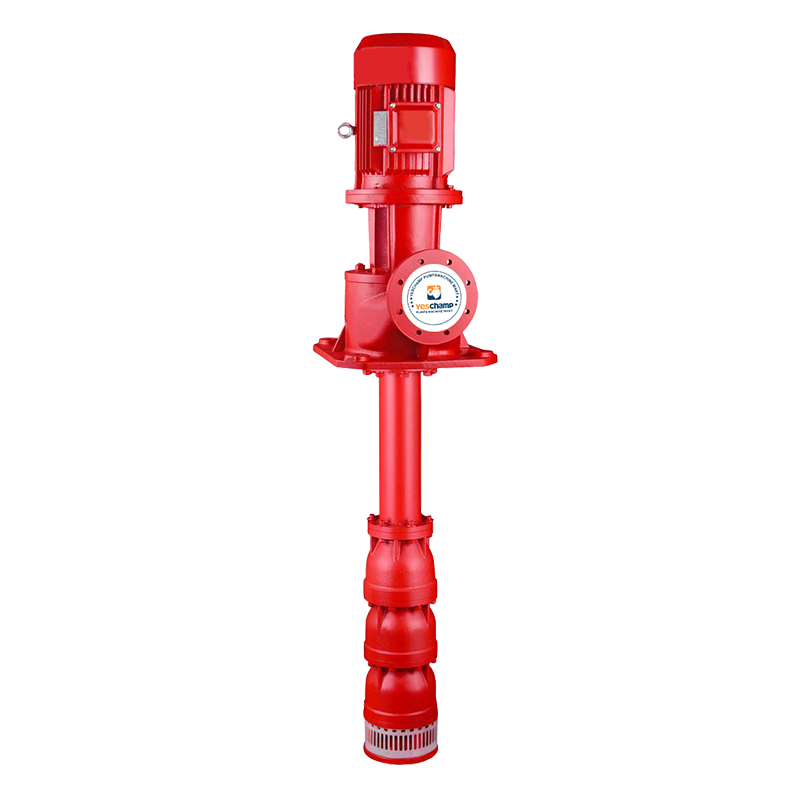 Long Shaft Pump
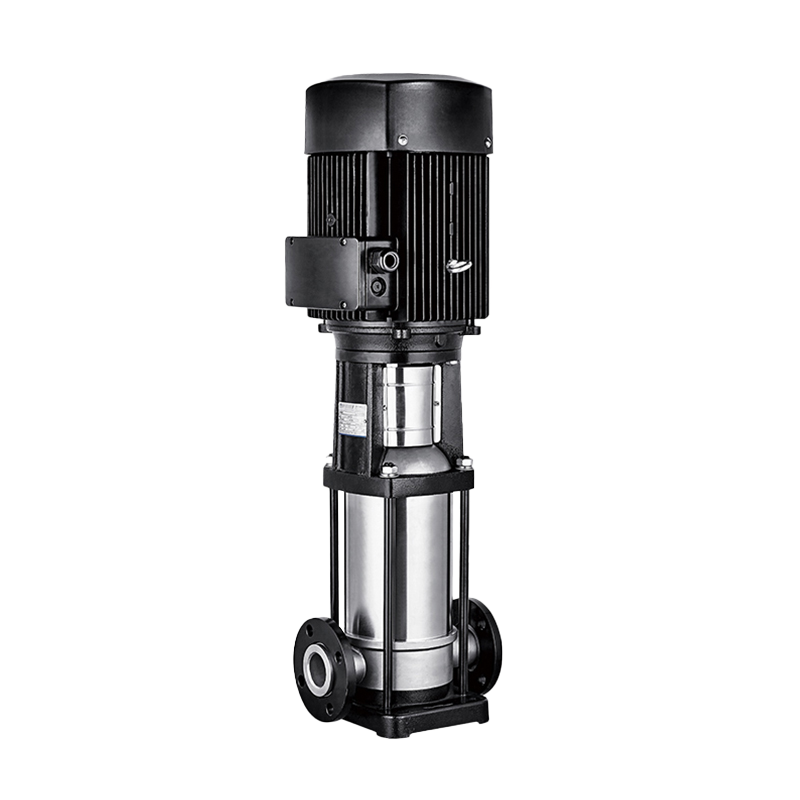 Multistage pump
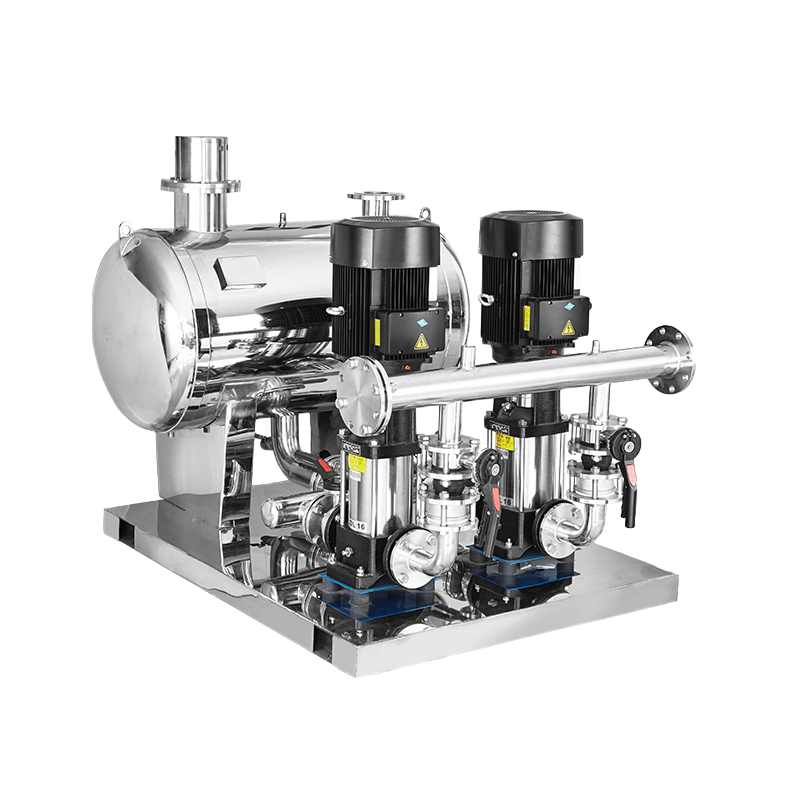 Water Supplier System
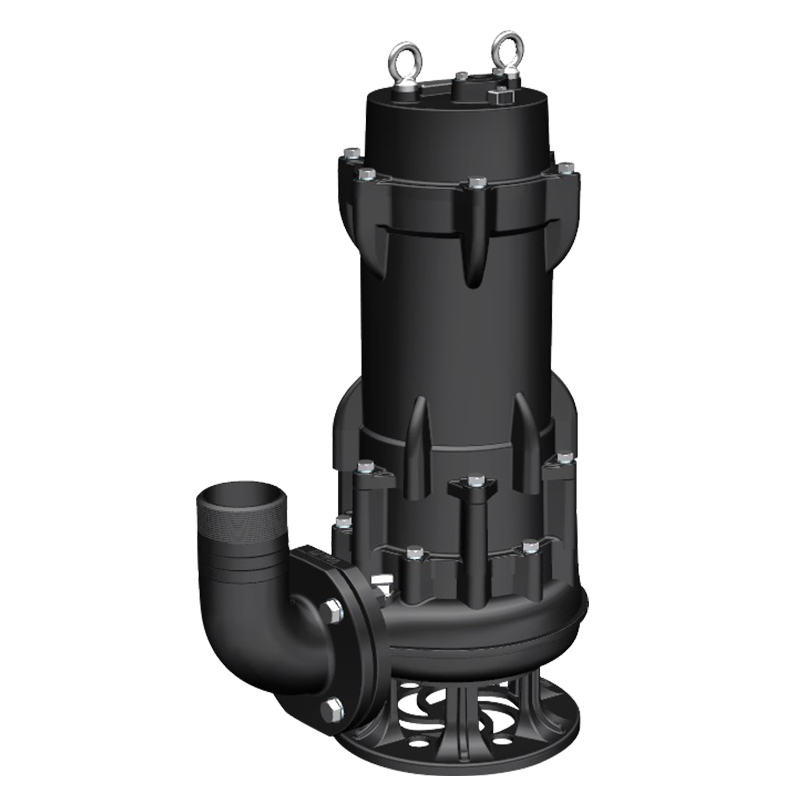 Sewage Pump
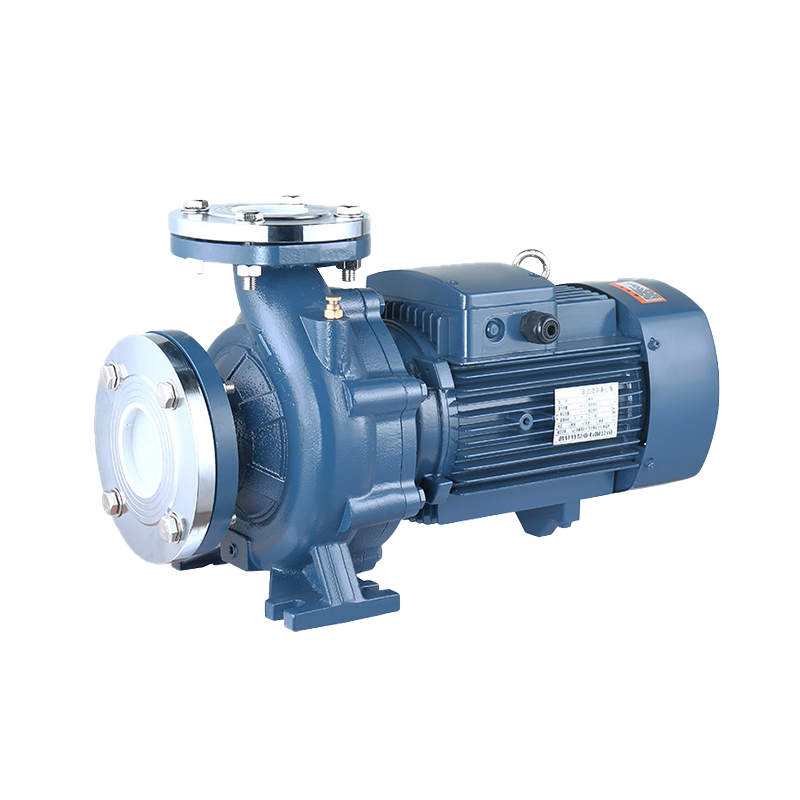 Industrial Pump
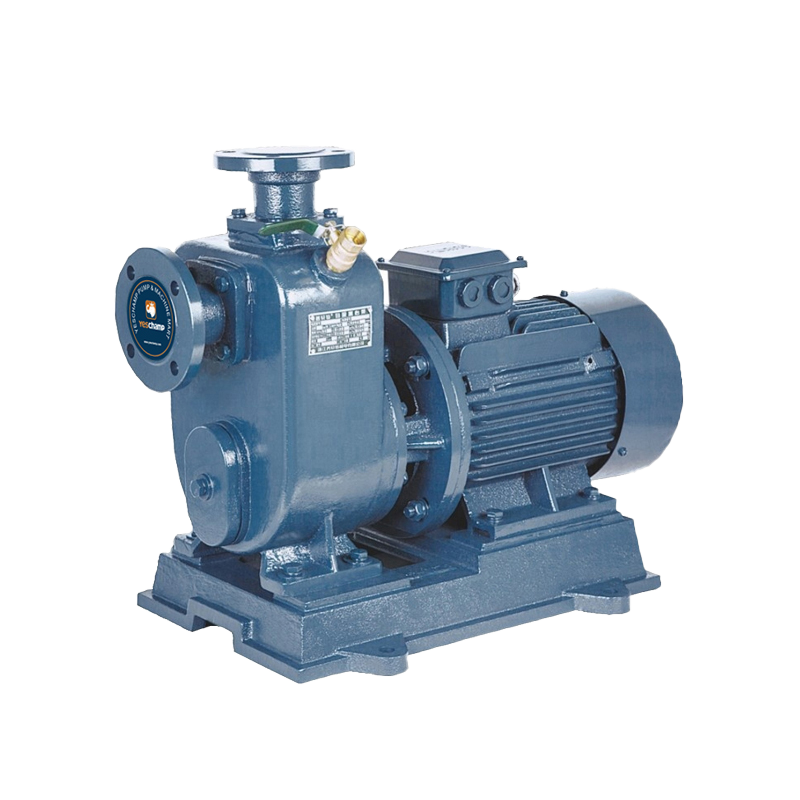 Self-Priming Pump
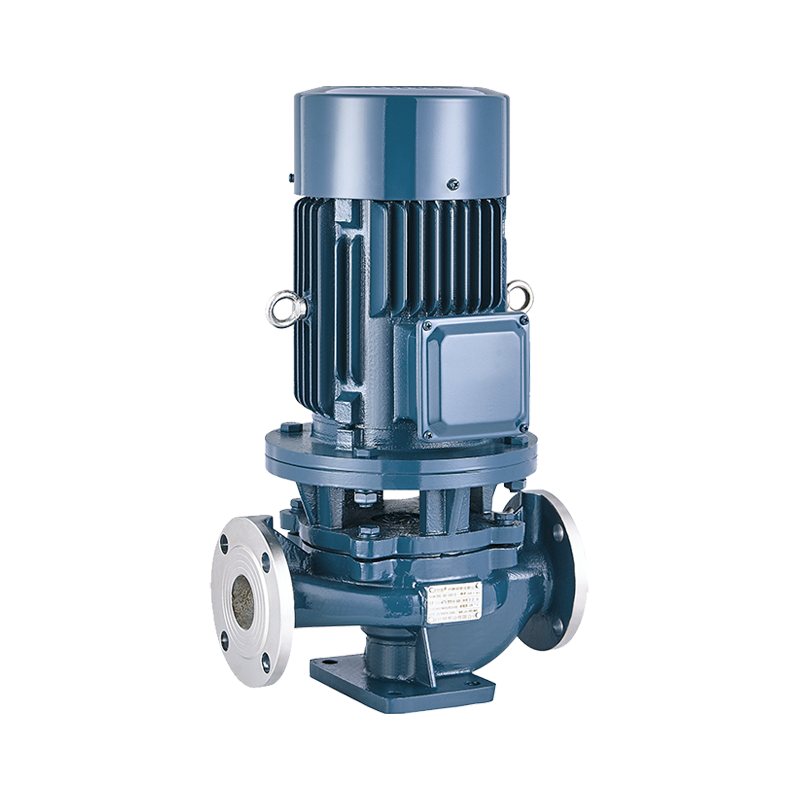 Inline Pump
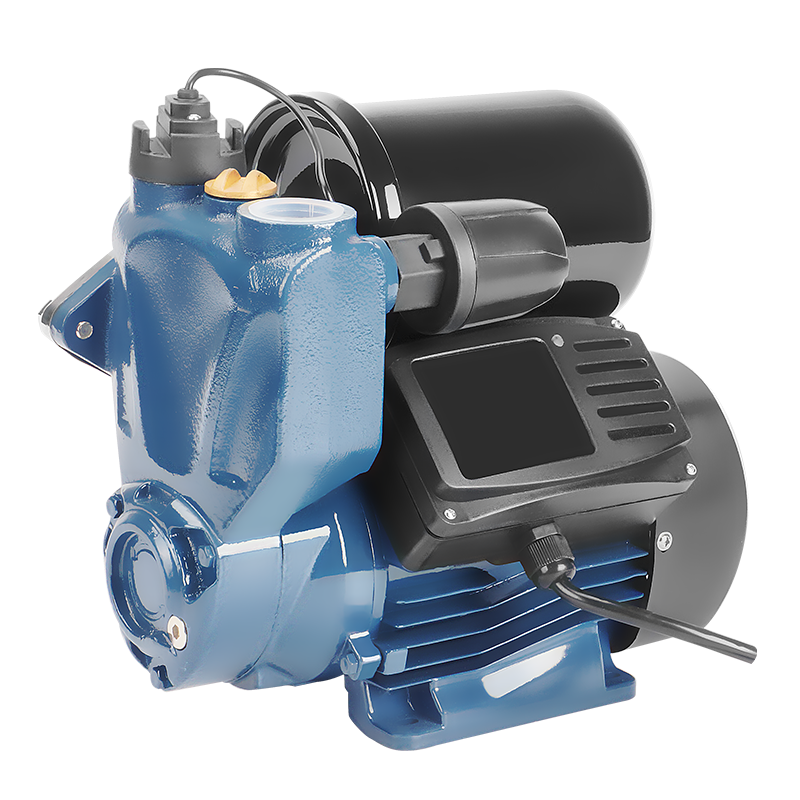 Domestic Pump
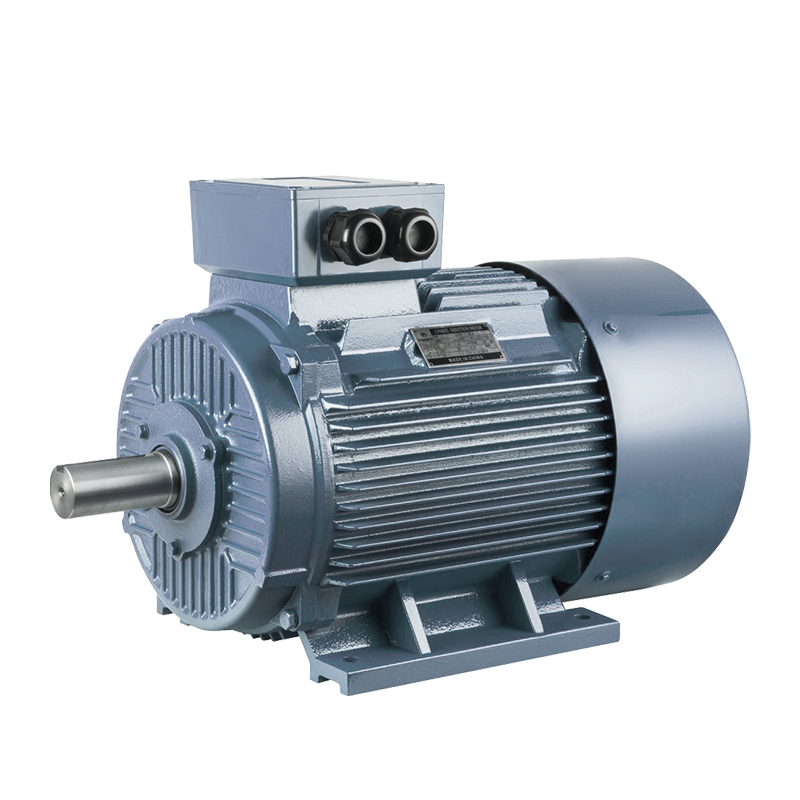 Electric Motor
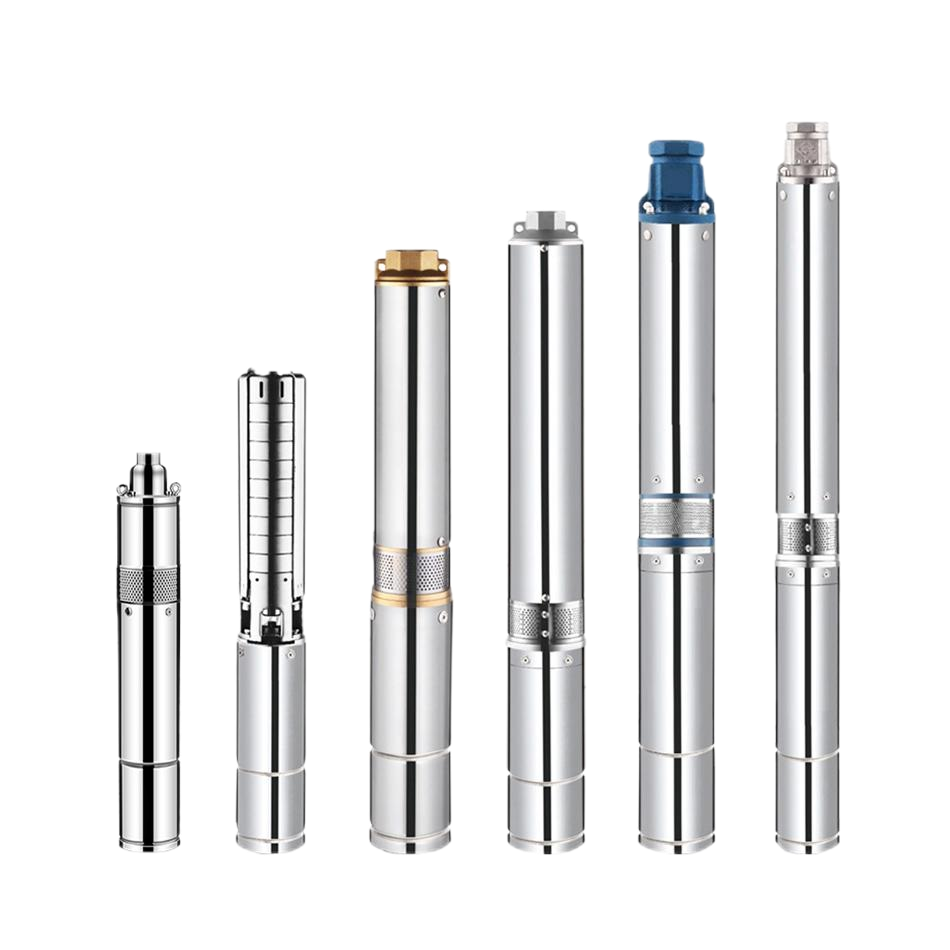 Borehole Pump
The Critical Role of Sewage Pumps
Effective wastewater management is the backbone of modern sanitation and public health. Whether dealing with residential basement drainage or heavy-duty municipal waste transport, a reliable sewage pump is essential for moving liquids and solids from lower elevations to higher ones.
What is a Sewage Pump?
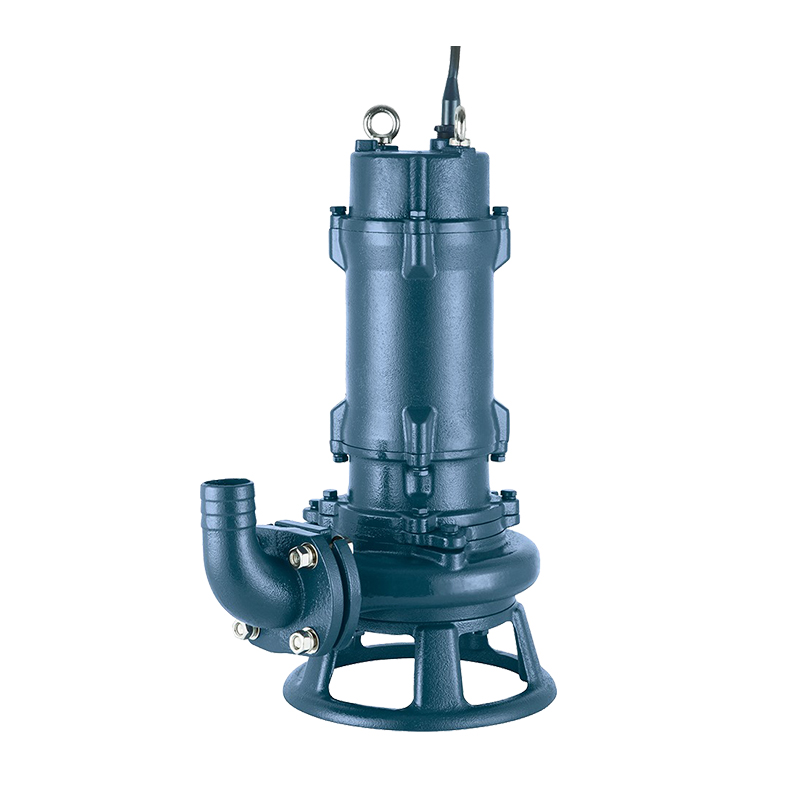
A sewage pump is a specialized submersible pump designed to move raw or treated sewage and wastewater. Unlike standard water pumps, these units are engineered with larger impellers and robust motors to handle solids, debris, and corrosive environments without clogging.
They are typically installed in a sewage ejector pit or sump basin, where they automatically activate via a float switch when the liquid level reaches a certain point.
Types of Sewage Pumps
Choosing the right pump depends on the nature of the waste and the specific requirements of the facility.
Submersible Sewage Pumps
These are the most common type for residential and commercial applications. The motor and pump are hermetically sealed and submerged in the wastewater.
Advantages:
Quieter operation, cooler running temperatures, and less prone to corrosion.
Best For:
Basements, hotels, and municipal lift stations.
Grinder Pumps
Designed for pressure sewer systems, grinder pumps macerate solids into a slurry before pumping them through small-diameter pipes.
Advantages:
Prevents clogging in long-distance piping; allows for smaller pipe sizes.
Best For:
Rural areas or locations where gravity flow is not possible.
Effluent Pumps
While similar to sewage pumps, effluent pumps are designed for "greywater"—wastewater that does not contain human waste (e.g., from washing machines or sinks).
Advantages:
Handles smaller solids (usually up to 3/4 inch).
Best For:
Septic tank drainage fields and laundry discharge.

Key Features of High-Performance Sewage Pumps
When sourcing or installing a sewage pump, technical specifications determine longevity and efficiency.
Solids Handling Capability
A high-quality sewage pump must be able to pass solids without jamming. Look for pumps rated to handle spherical solids ranging from 2 inches (residential) to larger diameters for industrial use.
Durable Construction Materials
Sewage is corrosive. Pumps constructed from cast iron, stainless steel, or heavy-duty thermoplastic offer the best resistance against rust and chemical degradation.
Reliable Float Switches
The float switch is the brain of the operation. It triggers the pump to turn on and off.
Tethered Floats: Common in wider pits.
Vertical Floats: Ideal for narrow basins.
Electronic Sensors: A modern alternative that reduces mechanical failure.
A properly sized and maintained sewage pump is an investment in hygiene and property protection. By understanding the differences between grinder, submersible, and effluent pumps, facility managers and homeowners can ensure efficient wastewater removal and avoid the hazards of system failure.
 5th Floor, Comprehensive Building No. 5, Dongqiao, Dong'an Village, Daxi Town,Wenling City,Zhejiang,China
 +86 576 86090666
 +86 18667600006
 +86 18667600006
 24 Hours Online