 3D ROOM
 (0)
(0) English
 عربى
عربى
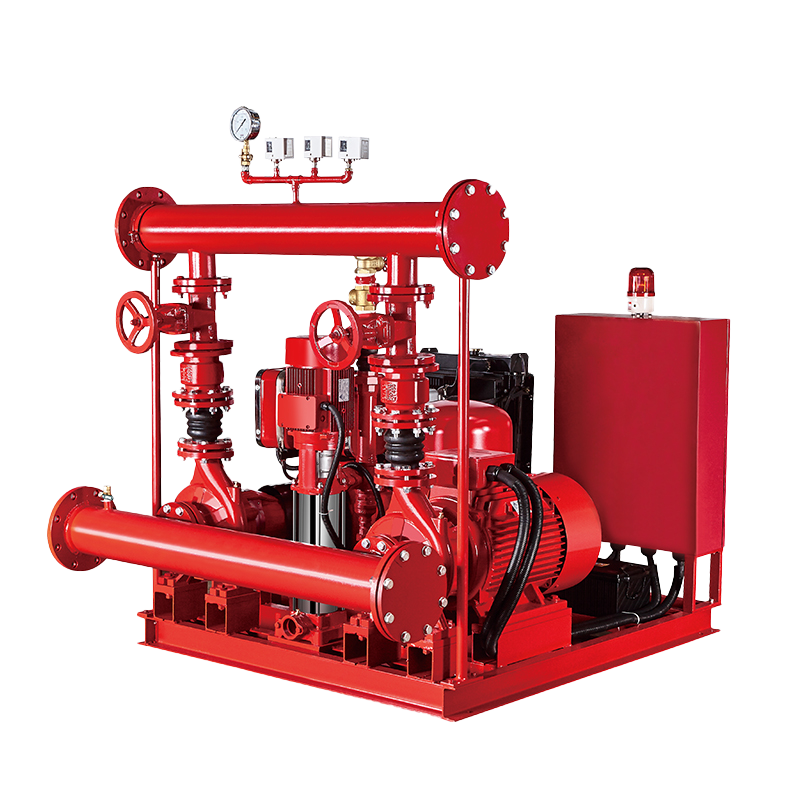 Fire Pump and System
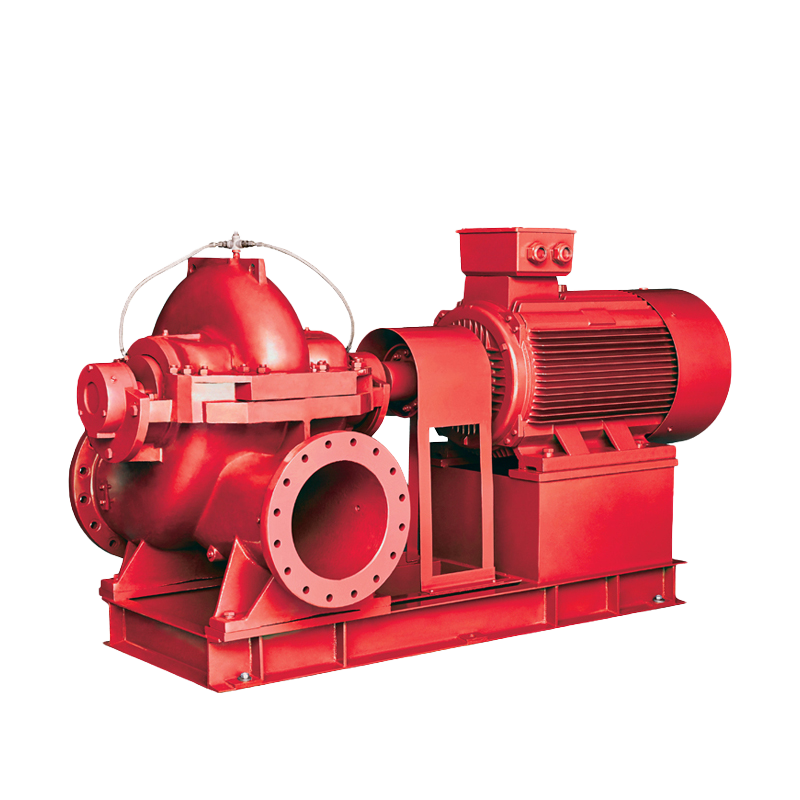 Split Case Pump
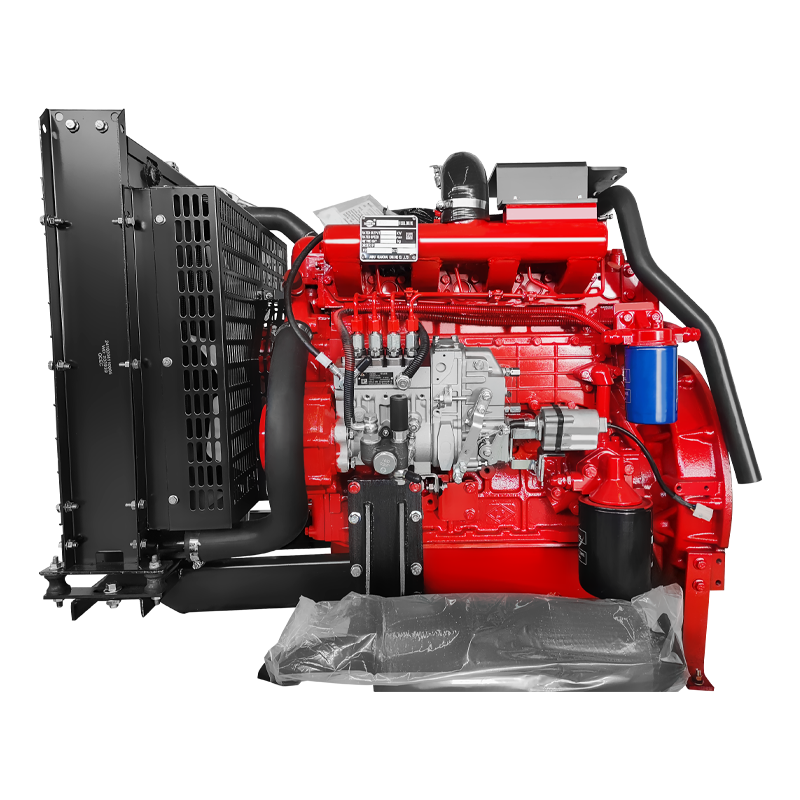 Engine and Pump
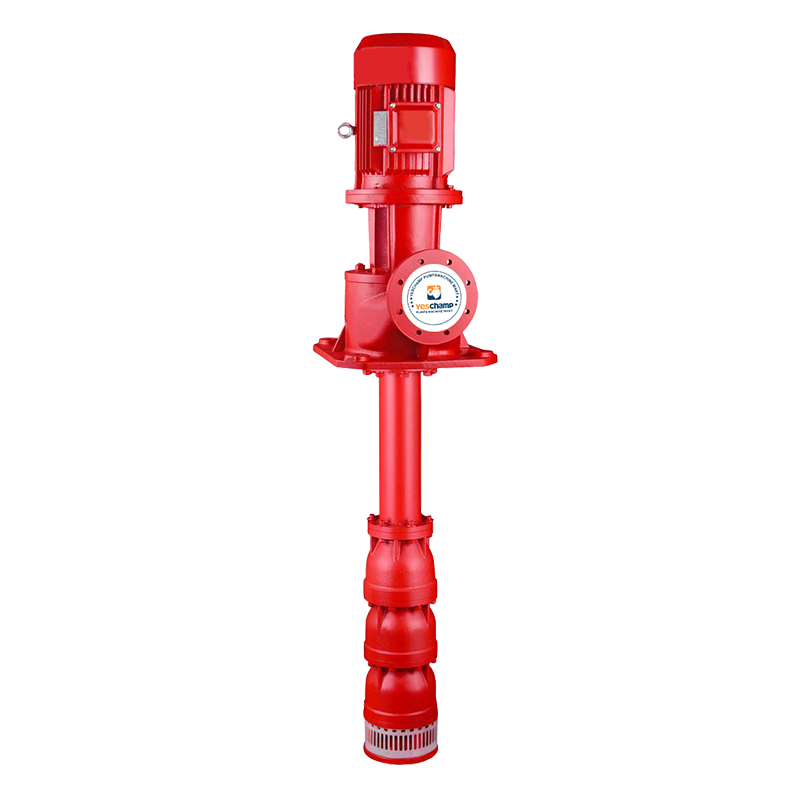 Long Shaft Pump
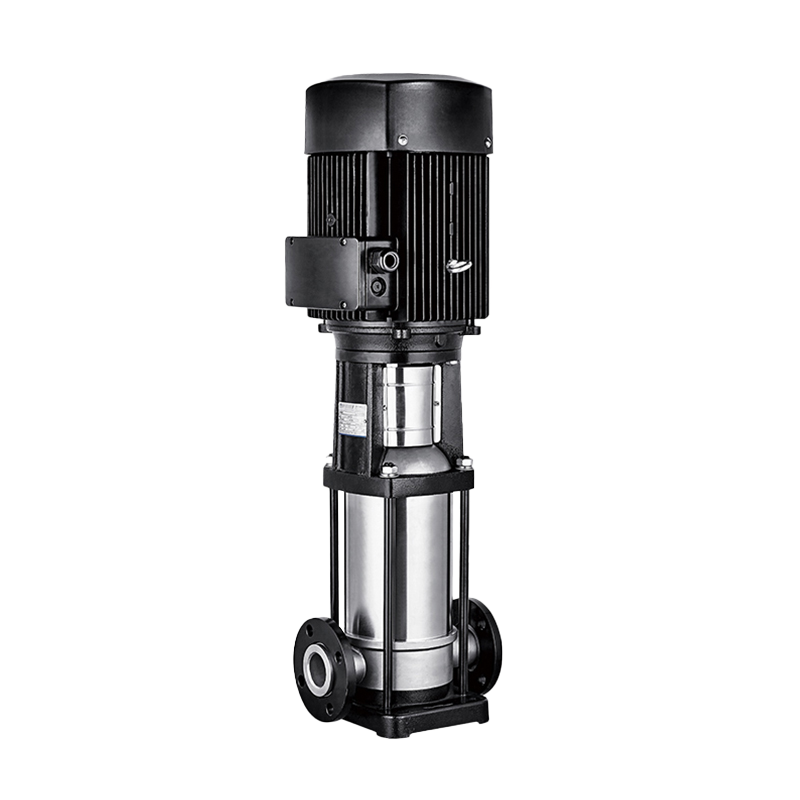 Multistage pump
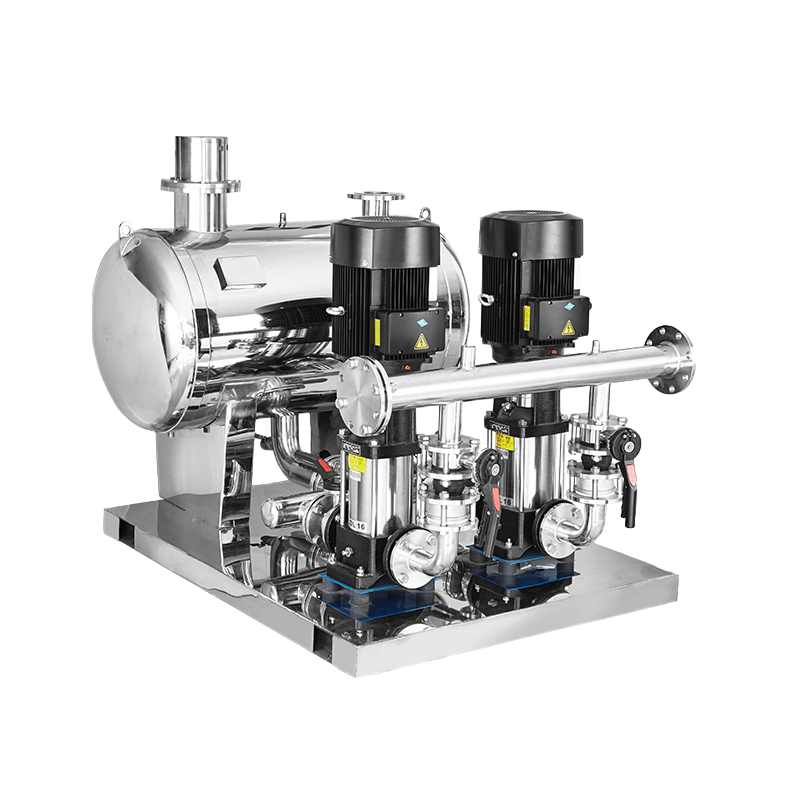 Water Supplier System
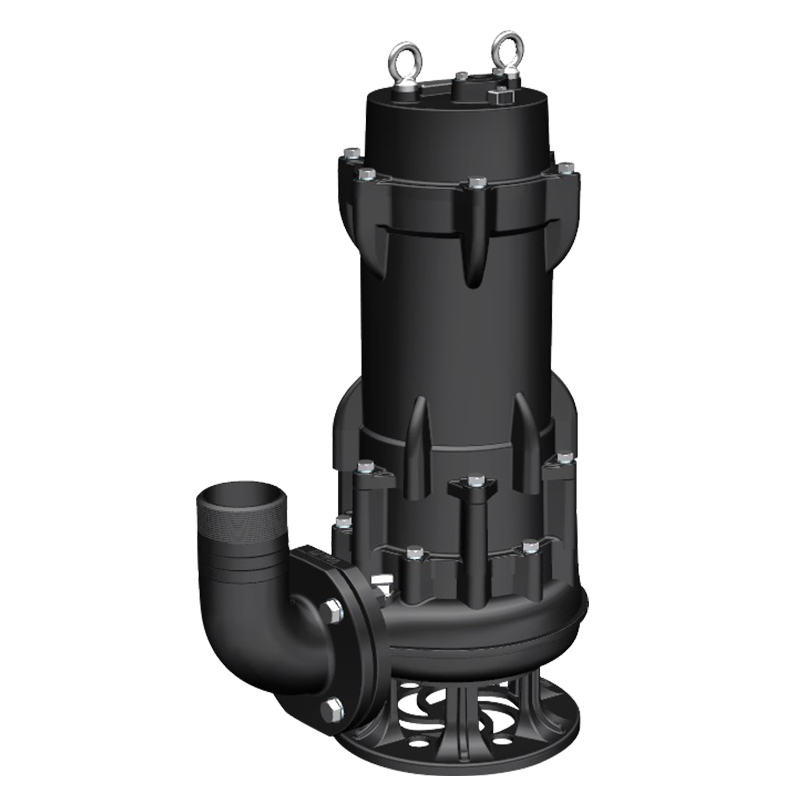 Sewage Pump
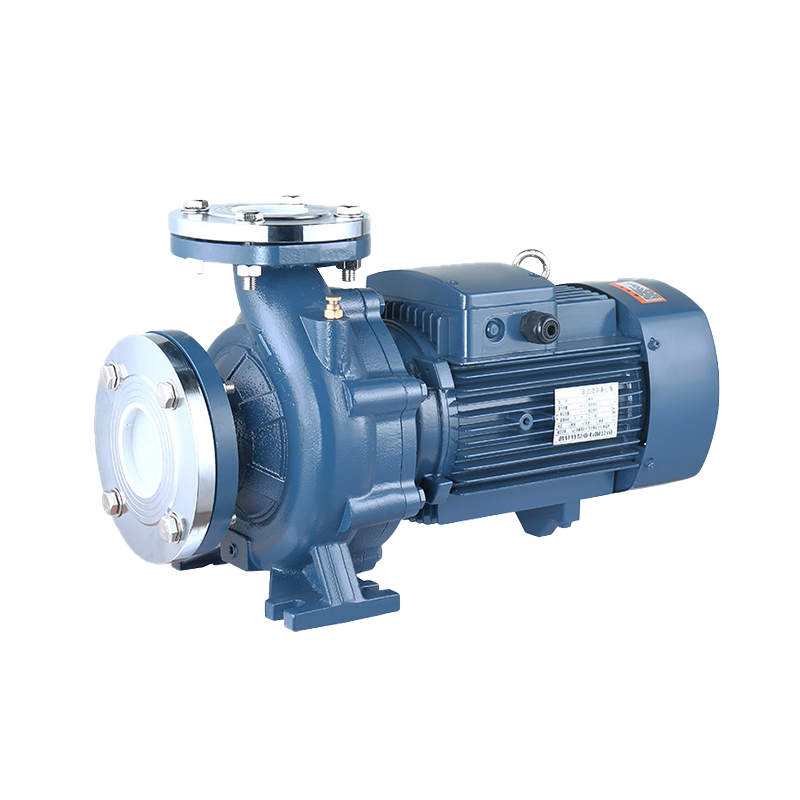 Industrial Pump
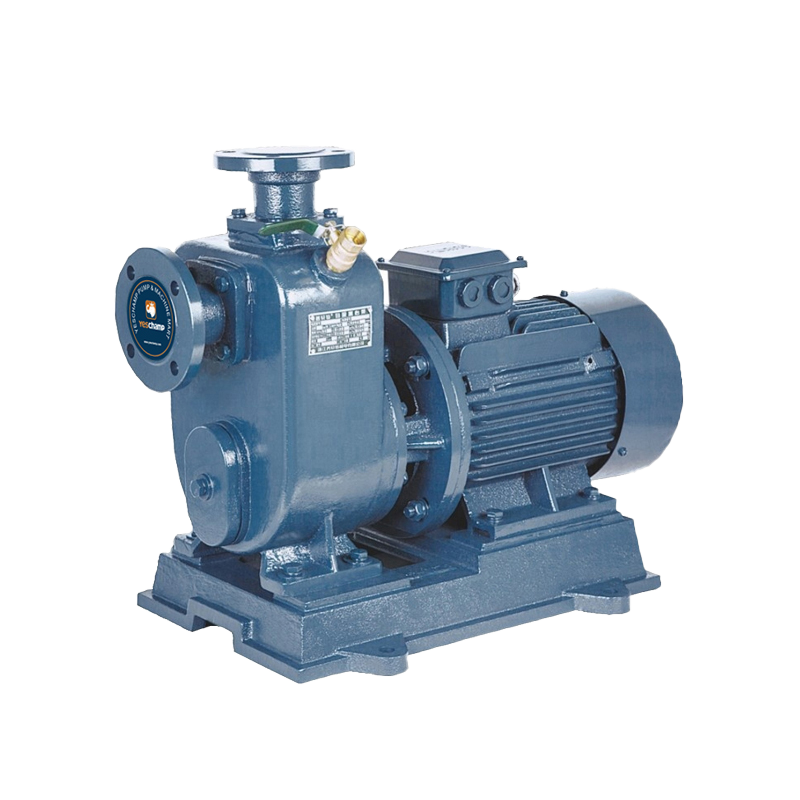 Self-Priming Pump
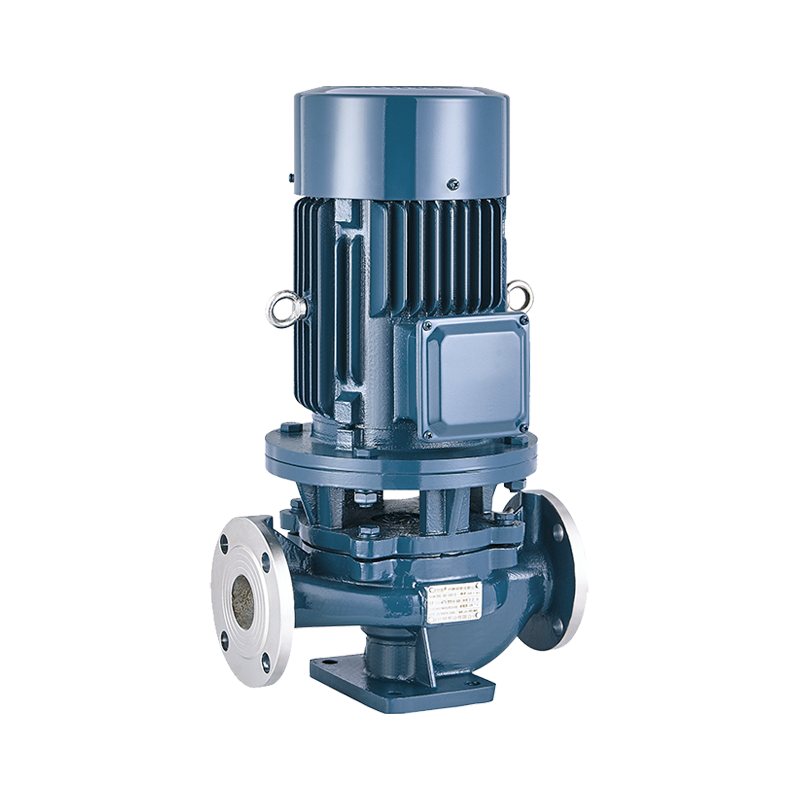 Inline Pump
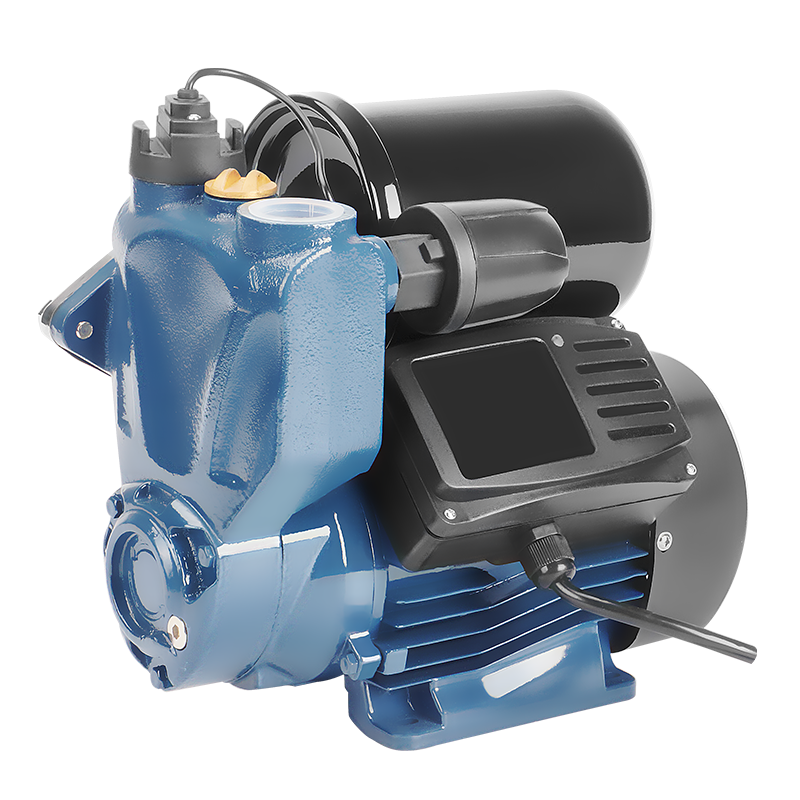 Domestic Pump
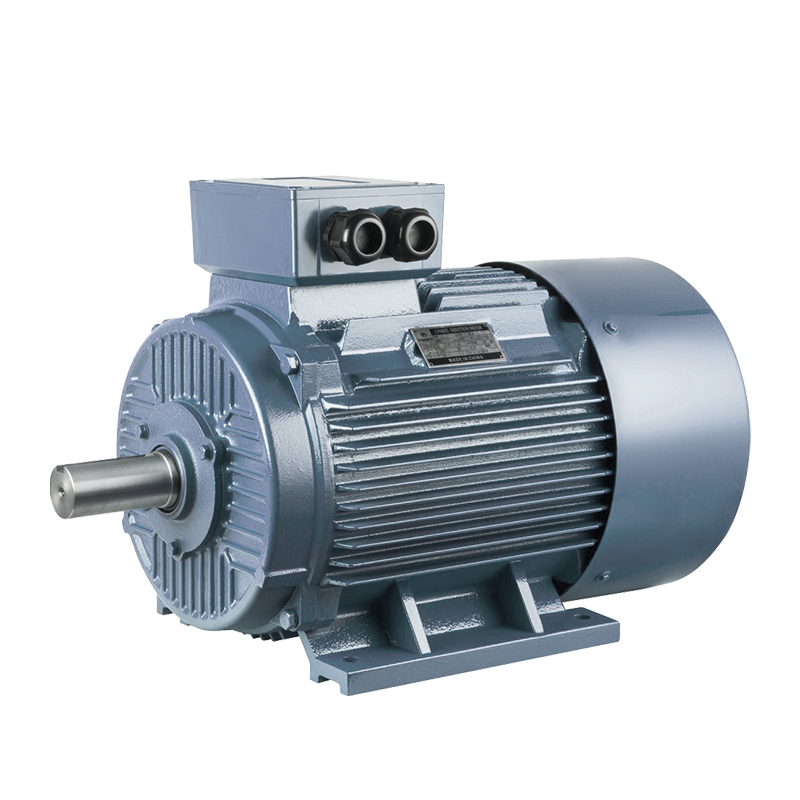 Electric Motor
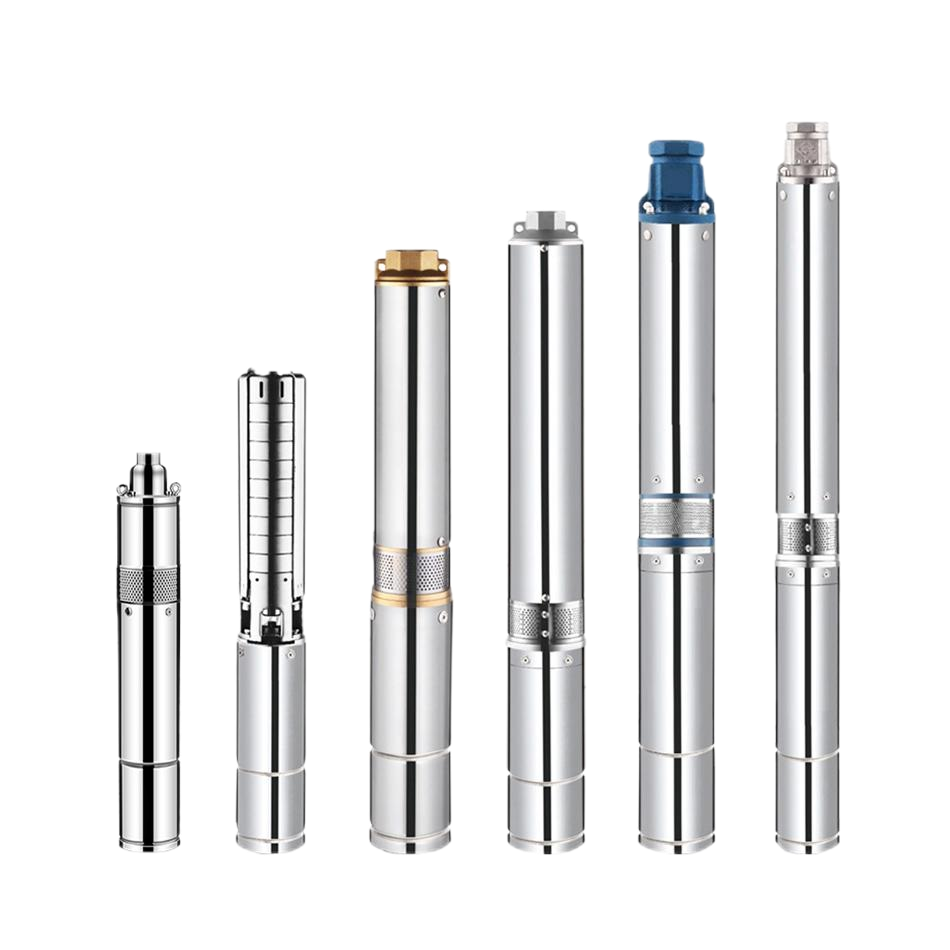 Borehole Pump
Commercial FIRE Systems Guide: Protection, Suppression & NFPA Compliance
In commercial real estate, industrial manufacturing, and high-density infrastructure, a robust F.I.R.E. (Fire Infrastructure, Protection & Engineering) system is essential for life safety, asset protection, and regulatory compliance.
From automated detection and alarm networks to high-pressure fire pump suppression skids, modern building fire protection requires a multi-layered engineering approach compliant with global standards such as NFPA (National Fire Protection Association) and UL/FM certifications.
1. The 4 Pillars of Modern Commercial FIRE Infrastructure
A complete building fire protection architecture relies on four interconnected operational layers working in sequence:
[Detection] ──> [Alarm & Notification] ──> [Suppression & Extinguishment] ──> [Passive Containment]
-
Fire Detection (Early Warning): Optical smoke detectors, ionization sensors, linear heat sensing cables, and aspirating smoke detection systems (VESDA) that identify combustion before visible flames emerge.
-
Alarm & Life Safety Notification: Main Fire Alarm Control Panels (FACP), localized horn-strobes, voice evacuation systems, and automated signal transmission to municipal fire departments.
-
Active Fire Suppression: Automated water sprinkler networks, high-pressure fire pump packages (electric and diesel-driven), deluges, foam systems, and gaseous clean agents.
-
Passive Containment: Fire-rated walls, smoke dampers, fire doors, and intumescent penetration seals designed to stop smoke and flame propagation between building zones.
2. Water-Based vs. Gaseous Fire Suppression Systems
Selecting the correct suppression technology depends on the occupancy hazard classification, asset sensitivity, and structural environment.
| Feature / Criteria | Water Sprinkler Systems (NFPA 13) | Clean Agent / Gas Systems (NFPA 2001) |
| Primary Suppression Agent | Pressurized Water (via Fire Pump Skid) | FK-5-1-12, Novec 1230, FM-200, Inergen |
| Primary Application | Commercial offices, warehouses, high-rises | Data centers, server rooms, cleanrooms, archives |
| Mechanism of Action | Heat absorption & fuel surface wetting | Thermal heat absorption & oxygen displacement |
| Post-Discharge Cleanup | Requires water extraction & drying | Zero residue; immediate equipment re-entry |
| Key Equipment | Electric/Diesel Fire Pump, Jockey Pump, Pipes | High-pressure gas cylinders, discharge nozzles |
3. Essential NFPA Regulatory Compliance Standards
Building owners and EPC contractors must strictly align fire protection design with recognized international codes:
-
NFPA 13: Standard for the Installation of Sprinkler Systems (Hydraulic calculations, pipe sizing, hazard density mapping).
-
NFPA 20: Standard for the Installation of Stationary Pumps for Fire Protection (Mandates electric and diesel backup redundant pumps, jockey pressure maintenance).
-
NFPA 25: Standard for the Inspection, Testing, and Maintenance of Water-Based Fire Protection Systems.
-
NFPA 72: National Fire Alarm and Signaling Code.
4. Fire Pump System Architecture: The Heart of Water Suppression
For mid-to-high-rise commercial towers and sprawling industrial warehouses, municipal water pressure alone is insufficient. A standardized NFPA 20 Fire Pump Set includes:
-
Primary Electric Motor Pump: Main pressure producer during utility power availability.
-
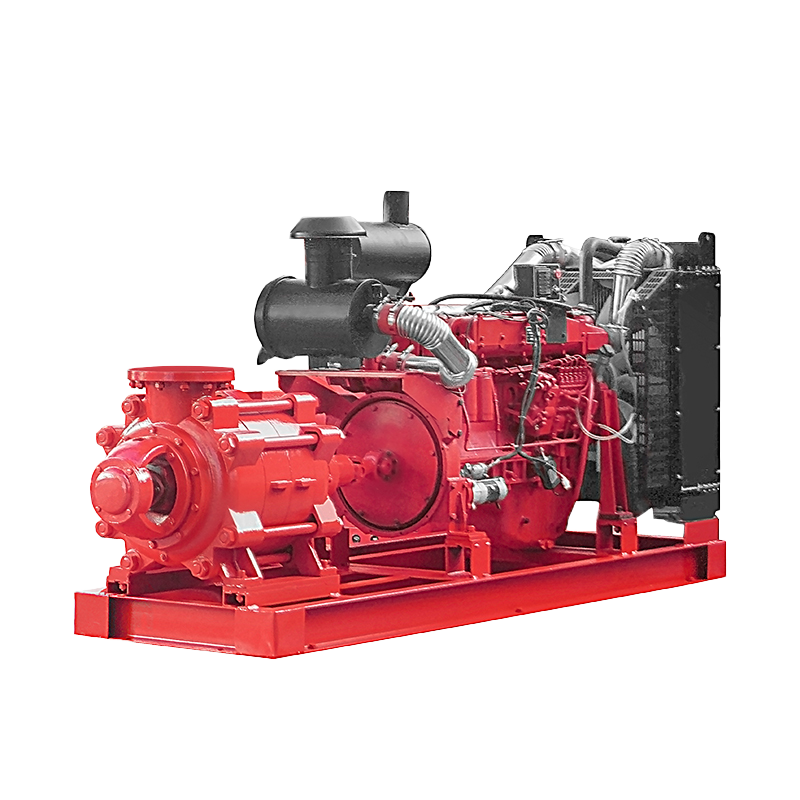
Secondary Diesel Engine Pump: 100% redundant emergency backup pump operational during grid power failures.
-
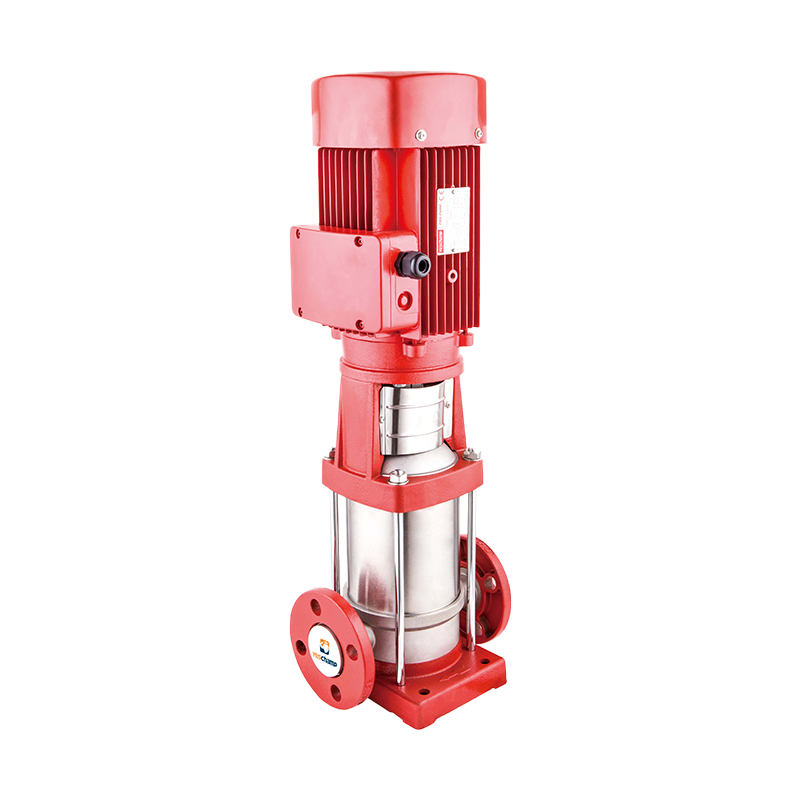
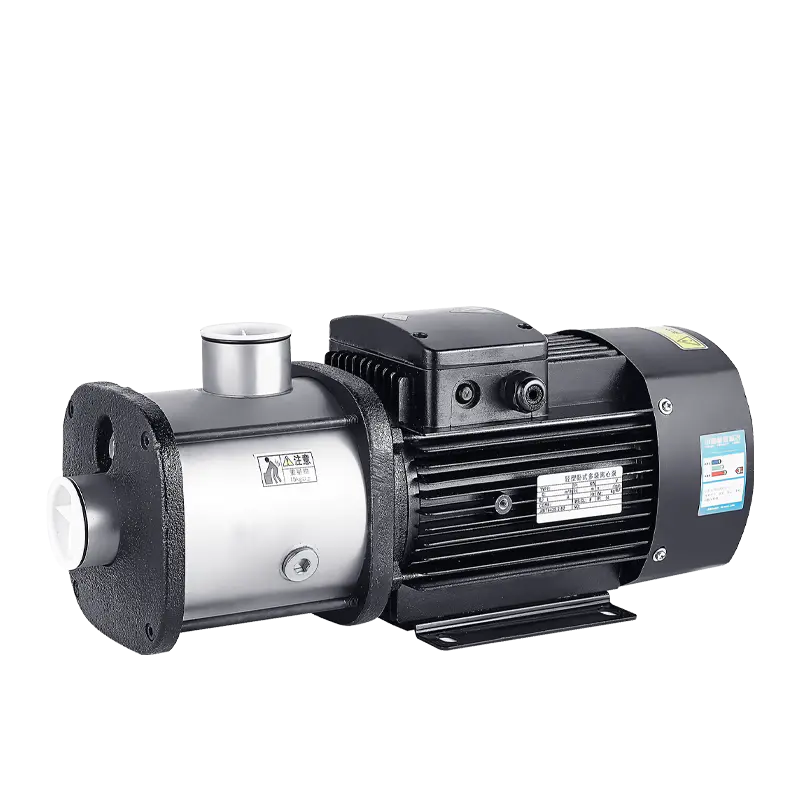
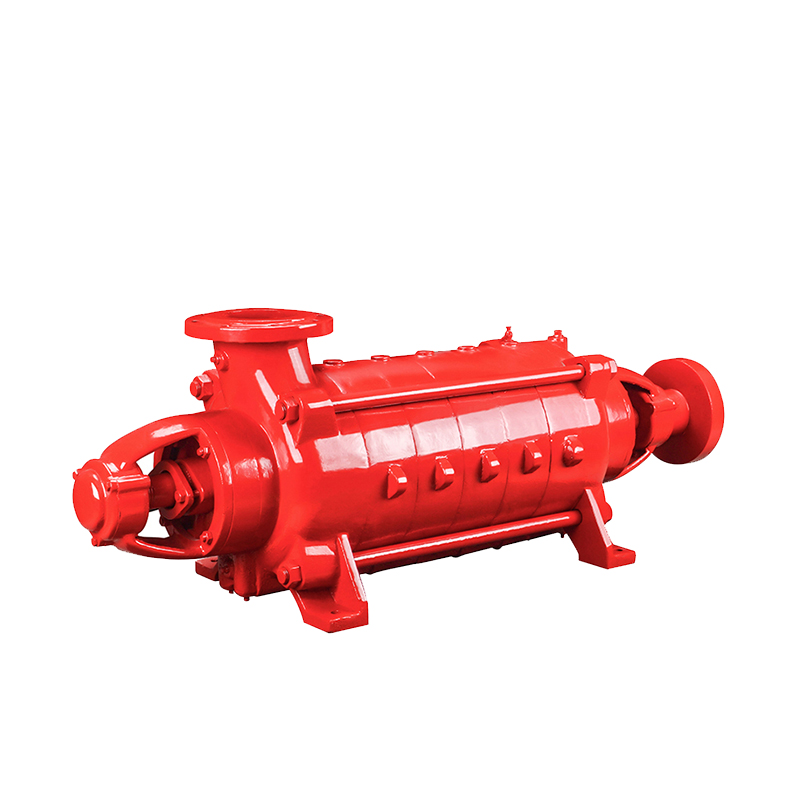
Jockey (Pressure Maintenance) Pump: Small-capacity vertical multistage pump maintaining static pressure to prevent false main pump starts.
 5th Floor, Comprehensive Building No. 5, Dongqiao, Dong'an Village, Daxi Town,Wenling City,Zhejiang,China
 +86 576 86090666
 +86 18667600006
 +86 18667600006
 24 Hours Online