 3D ROOM
 (0)
(0) English
 عربى
عربى
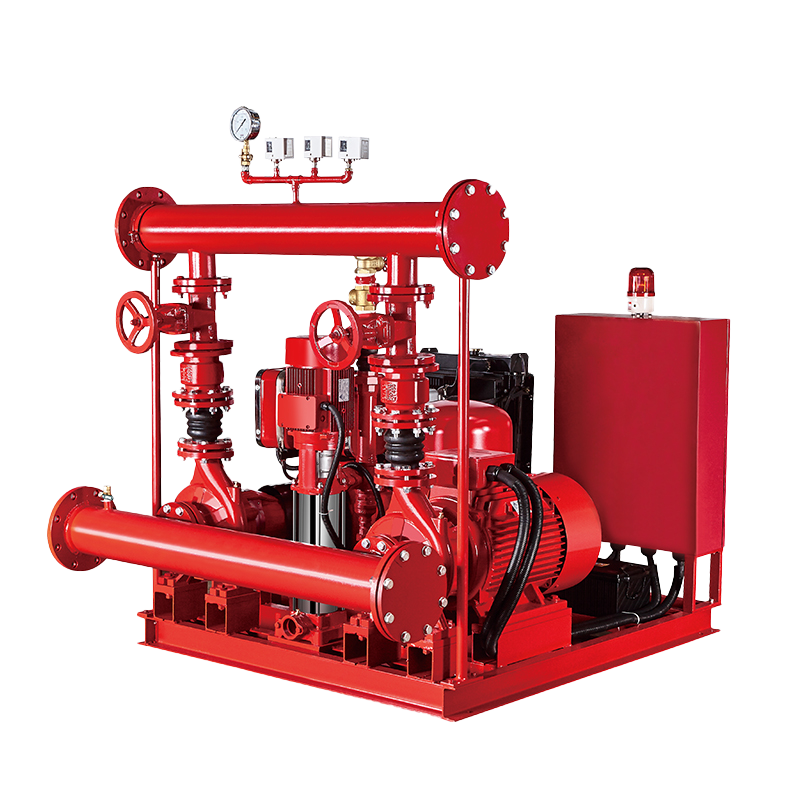 Fire Pump and System
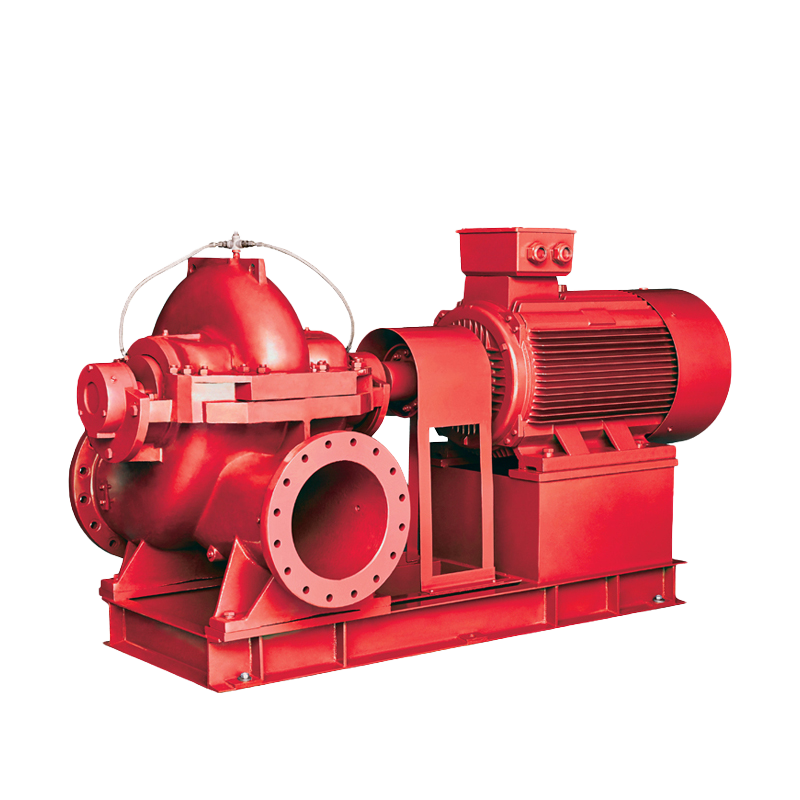 Split Case Pump
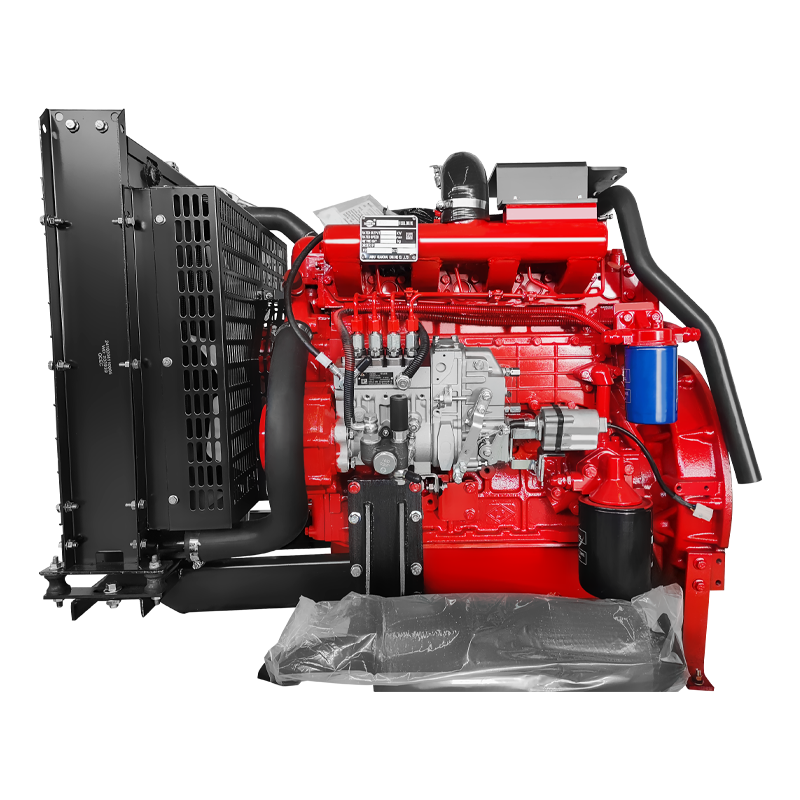 Engine and Pump
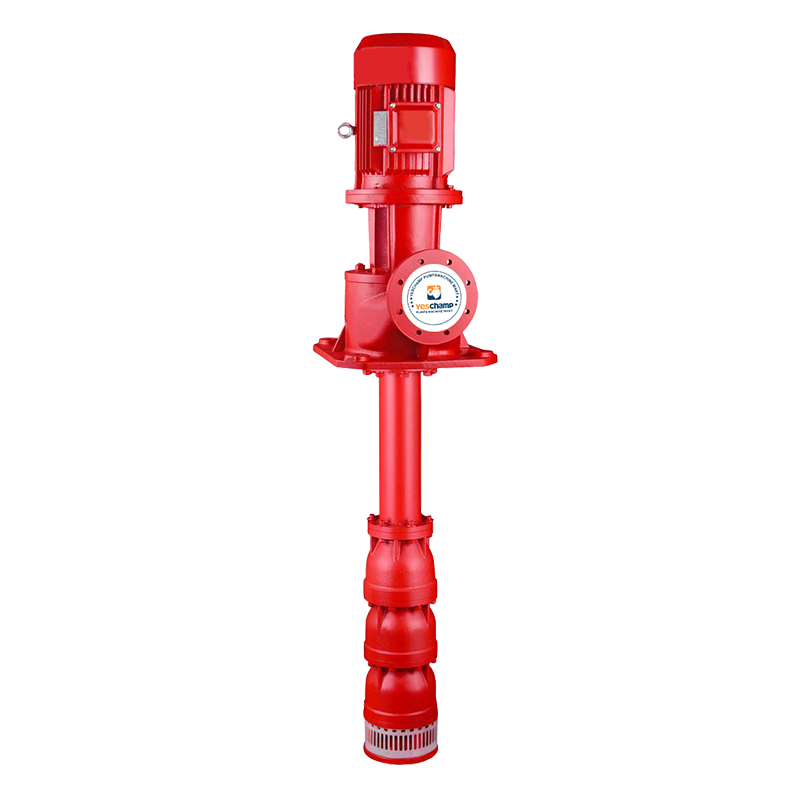 Long Shaft Pump
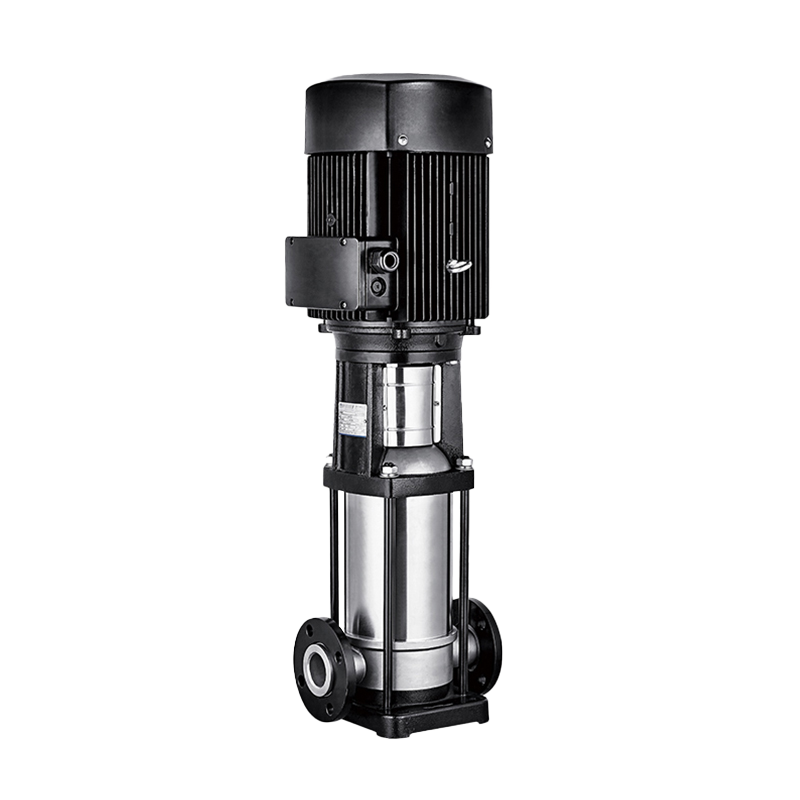 Multistage pump
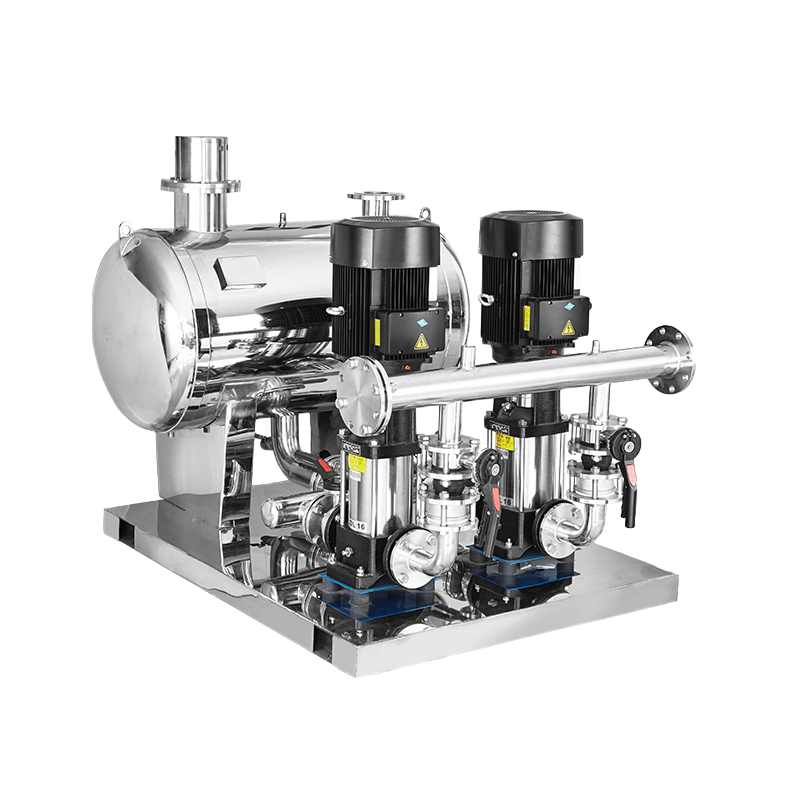 Water Supplier System
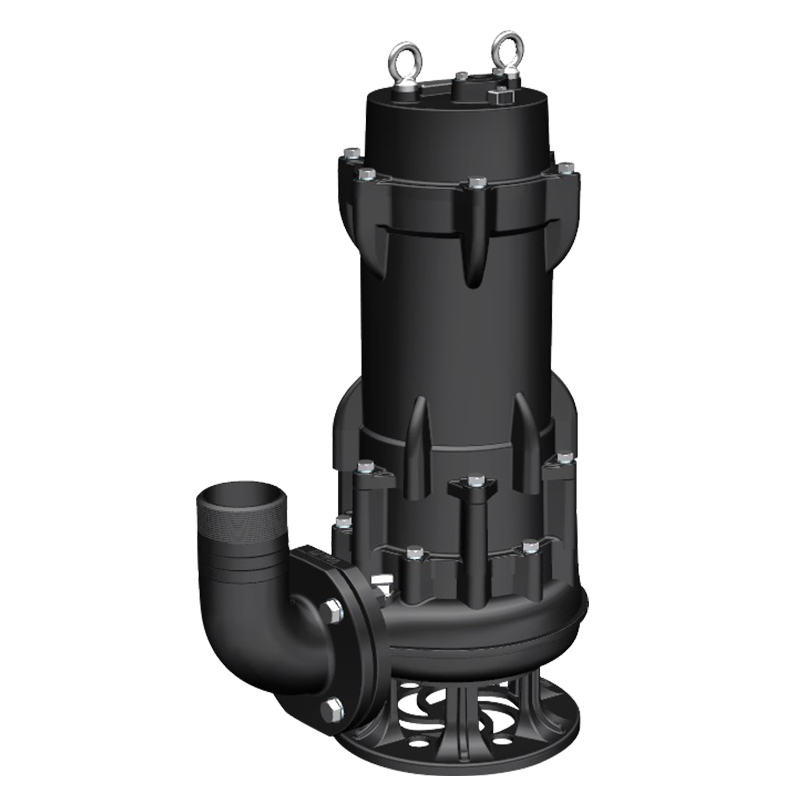 Sewage Pump
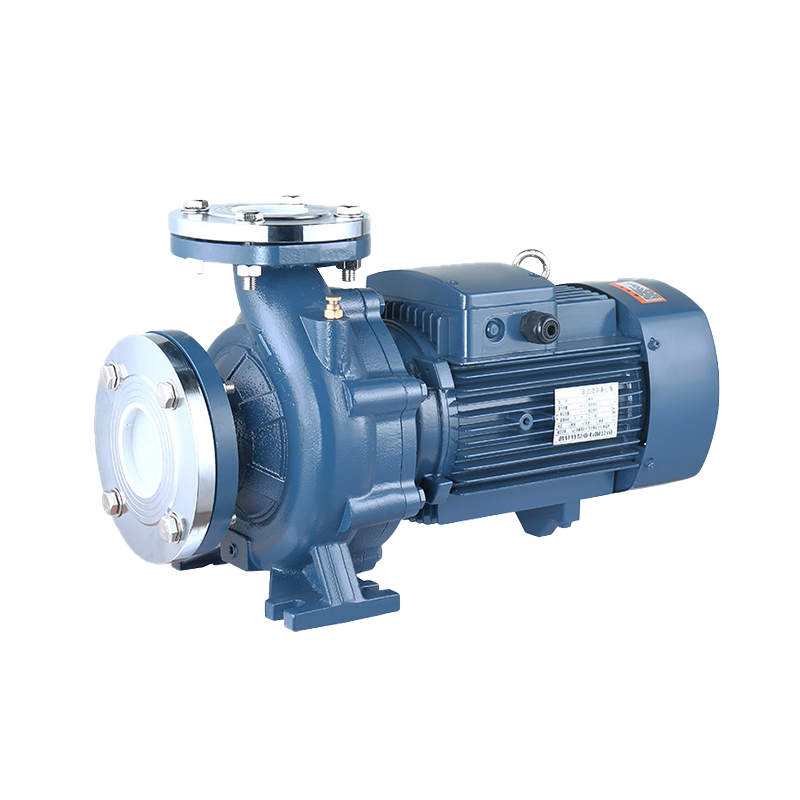 Industrial Pump
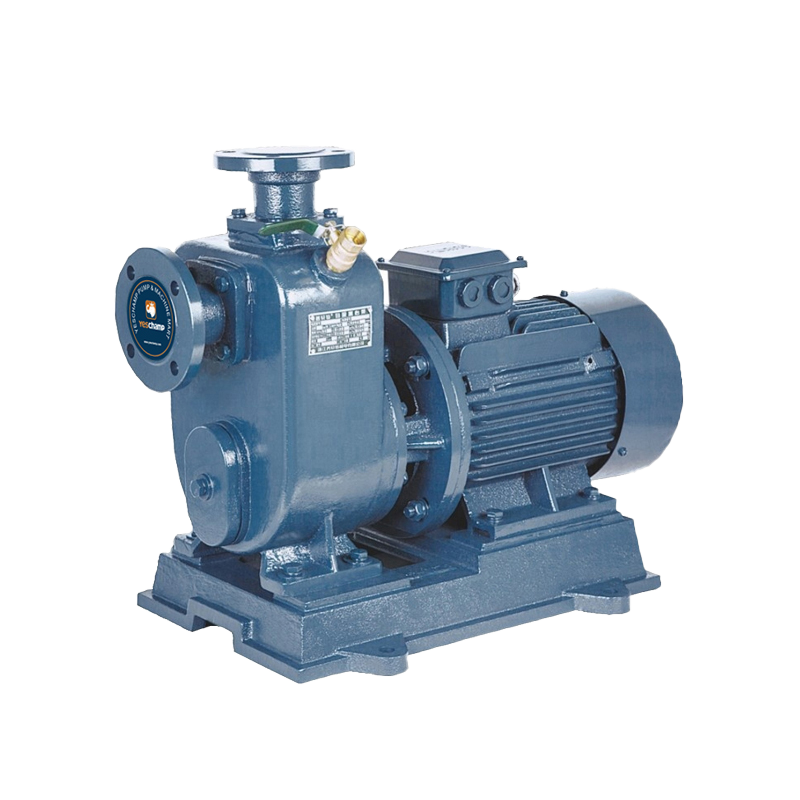 Self-Priming Pump
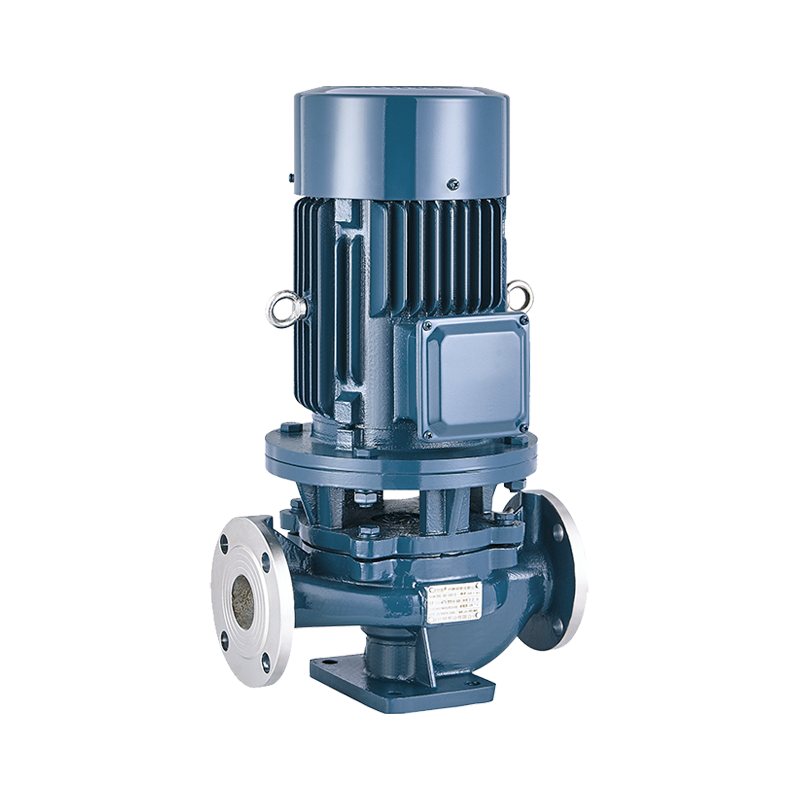 Inline Pump
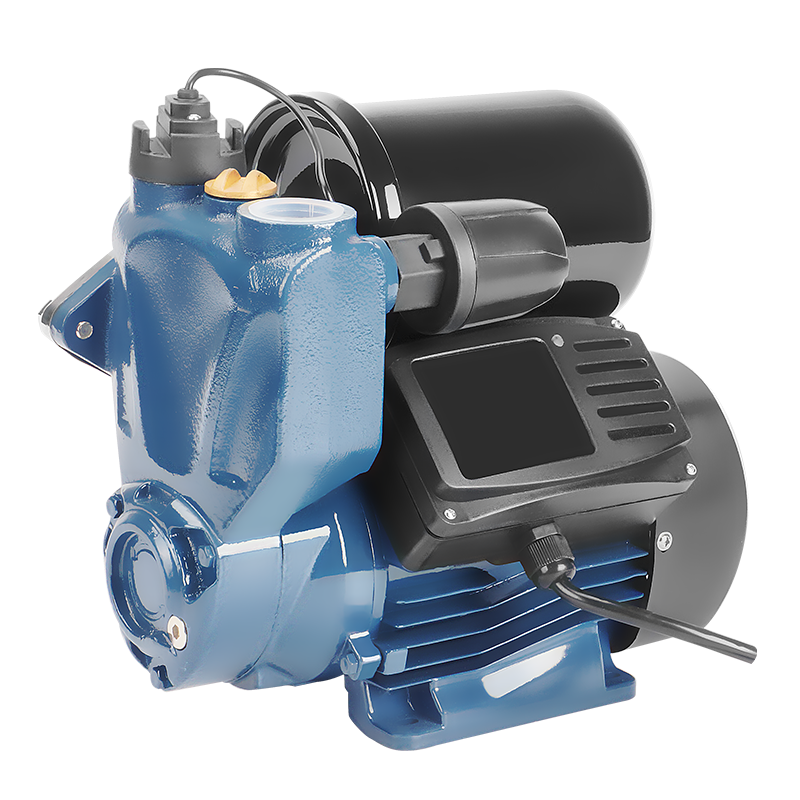 Domestic Pump
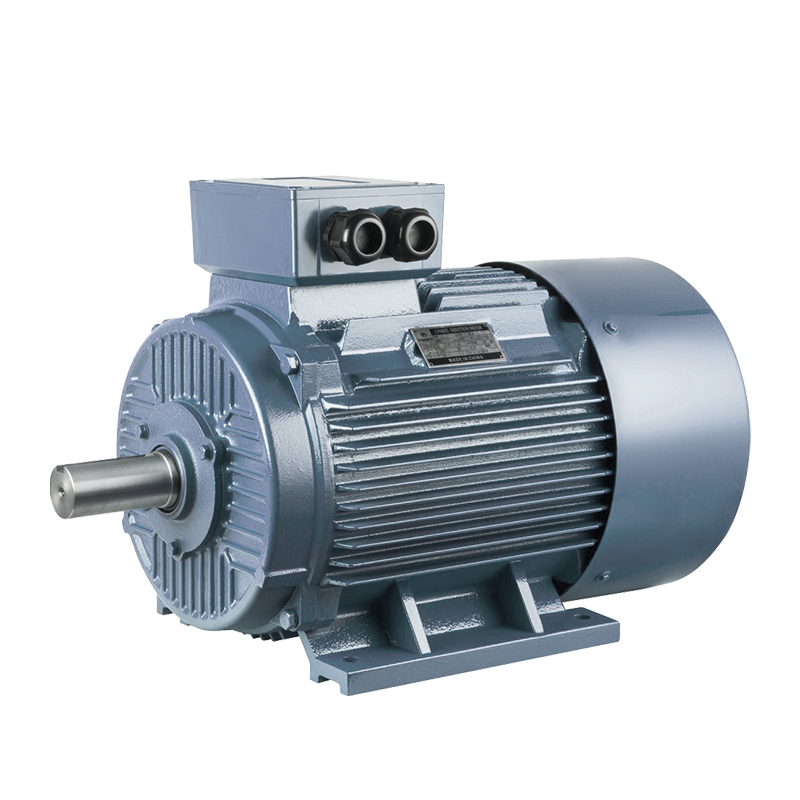 Electric Motor
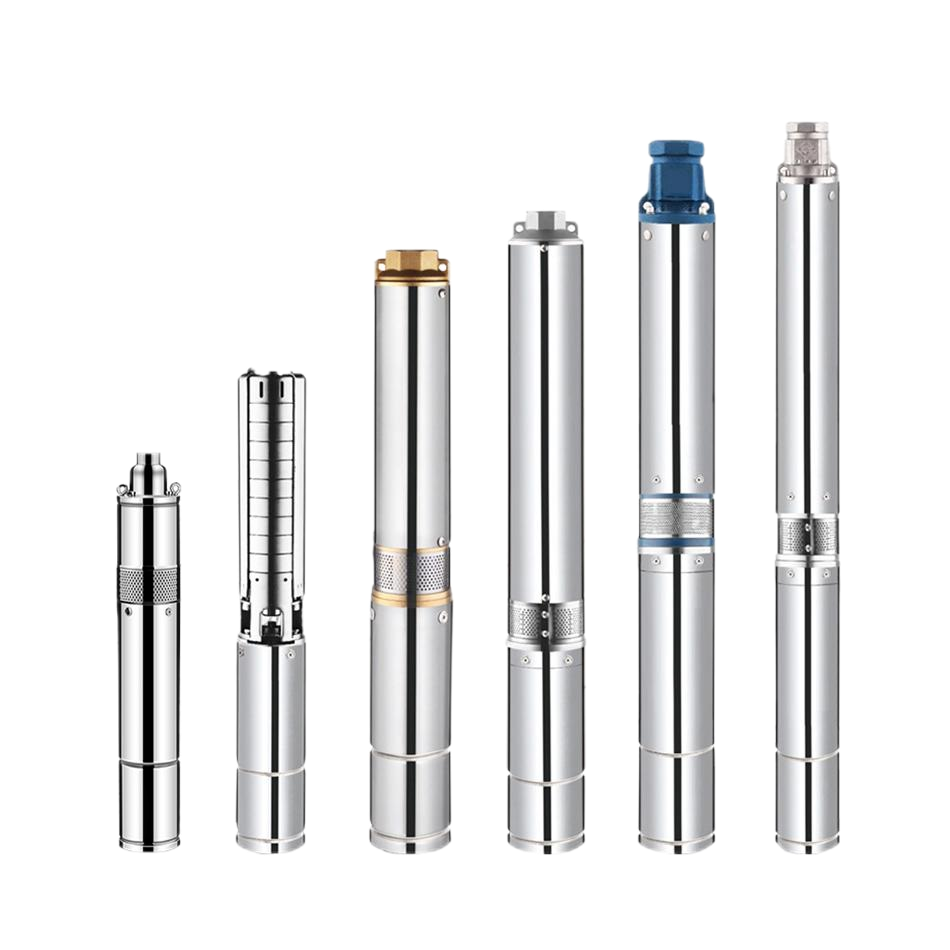 Borehole Pump
Clogging Prevention: WQV Vortex Cutting Submersible Pump Engineering & Selection Guide
In municipal sewage handling, commercial wastewater treatment, and industrial drainage systems, raw wastewater containing long fibers, plastic bags, wipes, and stringy debris presents a constant threat of pump clogging and motor burnout. The WQV Vortex Cutting Submersible Pump provides an engineered solution designed to eliminate blockages before they reach the discharge pipe.
By combining a recessed vortex (vortex/torque-flow) impeller architecture with a high-hardness integrated cutting/grinding mechanism, WQV pumps shred solid waste while maintaining an unobstructed internal hydraulic passage.
1. Dual-Action Hydraulics: How the WQV Cutting Mechanism Works
Unlike standard sewage pumps that force solid waste directly through impeller vanes, the WQV series utilizes a two-stage hydraulic and mechanical action to handle aggressive slurries:
[Incoming Debris & Fibers] ──► [Stage 1: Shredding/Cutting System] ──► [Stage 2: Recessed Vortex Liquid Passage] ──► [Non-Clog Discharge]
Stage 1: Active Cutter Mechanism
Positioned at the suction inlet, a rotating cutter head made of high-chromium alloy (or hardened tungsten carbide) works in tandem with a stationary serrated cutting ring. Before entering the pump casing, long fibers, rags, plastics, and organic solids are chopped into fine particles.
Stage 2: Recessed Vortex Impeller Chamber
The impeller is mounted back inside the pump volute (recessed design). As it rotates, it creates a powerful swirling fluid vortex inside the pump casing. Over 80% of the pumped liquid and shredded solids pass directly through the volute without making direct physical contact with the impeller vanes, virtually eliminating ragging and binding.
2. Technical Comparison: WQV Vortex Cutter vs. Standard Channel Sewage Pumps
| Engineering Parameter | WQV Vortex Cutting Submersible Pump | Standard Non-Clog Channel Pump |
| Impeller Design | Recessed Vortex / Torque-Flow | Single/Double Vane Enclosed Channel |
| Solid Handling Method | Shreds & Liquefies Solids at Suction Inlet | Passes solids intact up to sphere size limit |
| Ragging & Clogging Risk | Near Zero (Fibrous waste chopped before entry) | High risk when handling wipes, fibers, and plastics |
| Solid Particle Size | Handles long stringy debris & solids up to 100% suction diameter | Limited to maximum sphere passage size ($25-50\text{ mm}$) |
| Impeller Wear Profile | Low (Vortex design reduces solid-to-impeller impact) | High (Abrasive solids scrape directly along vanes) |
3. Primary Application Scenarios
-
Commercial Building Wastewater: Basements, shopping malls, hotels, and hospitals handling raw municipal sewage containing sanitary wipes, latex, and hygiene products.
-
Municipal Pumping Stations: Raw sewage lift stations and rainwater collection sumps with high stringy debris concentrations.
-
Food Processing & Abattoirs: Meat processing plants, slaughterhouses, and poultry facilities handling animal fat, feathers, and organic sludge.
-
Biogas & Agricultural Slurry: Pumping livestock manure, straw slurry, and agricultural waste into anaerobic digester tanks.
4. Key Construction & Motor Safety Features
When sourcing WQV submersible pumps for continuous heavy-duty service, verify these factory manufacturing specifications:
-
Heavy-Duty Casing Metallurgy: Cast Iron (HT250 / Ductile Iron) or Precision Cast Stainless Steel (SS304 / SS316) for corrosive industrial fluids.
-
Dual Mechanical Seals: Silicon Carbide vs. Silicon Carbide (SiC/SiC) seals housed in an isolated oil chamber to prevent fluid ingress into motor windings.
-
Thermal & Moisture Protection: Built-in auto-cut thermal protectors inside motor stator windings and leak-detection probes in the oil chamber.
-
Submersible Motor Rating: IP68 enclosure protection class with Class F or Class H insulation, suitable for continuous submerged operation ($S1$ duty).
Partner with an Industrial Submersible Pump Manufacturer
Configuring the correct WQV vortex cutting pump requires evaluating total dynamic head ($H$), flow capacity ($Q$), liquid viscosity, and solids concentration to prevent line settling velocities.
Ready to stop wastewater pump clogging? Contact an authorized submersible pump application engineer today to request CAD layout drawings, hydraulic performance curves, or a direct commercial package quote.
 5th Floor, Comprehensive Building No. 5, Dongqiao, Dong'an Village, Daxi Town,Wenling City,Zhejiang,China
 +86 576 86090666
 +86 18667600006
 +86 18667600006
 24 Hours Online