 3D ROOM
 (0)
(0) English
 عربى
عربى
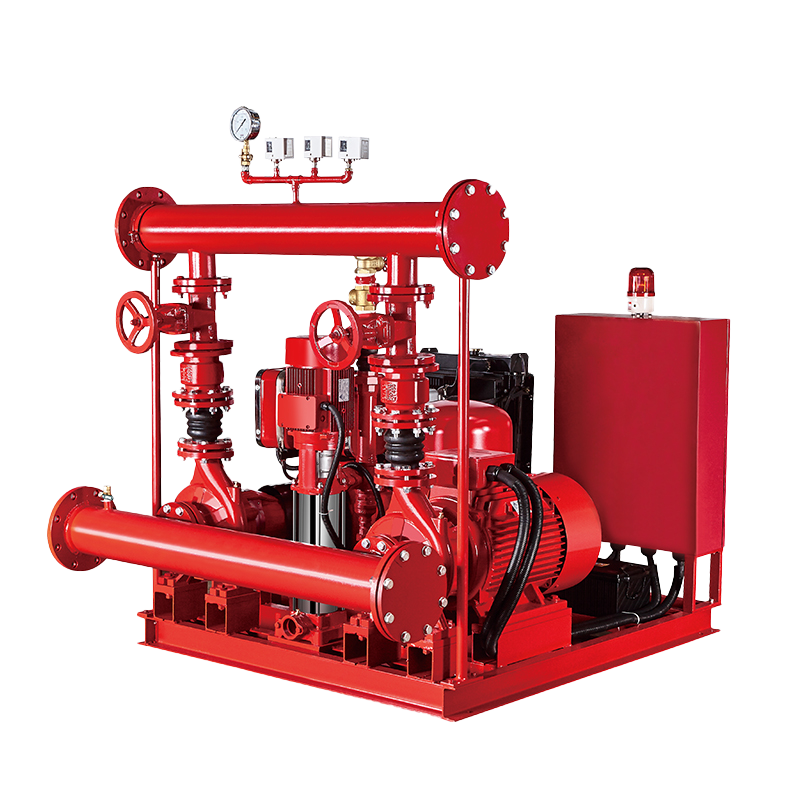 Fire Pump and System
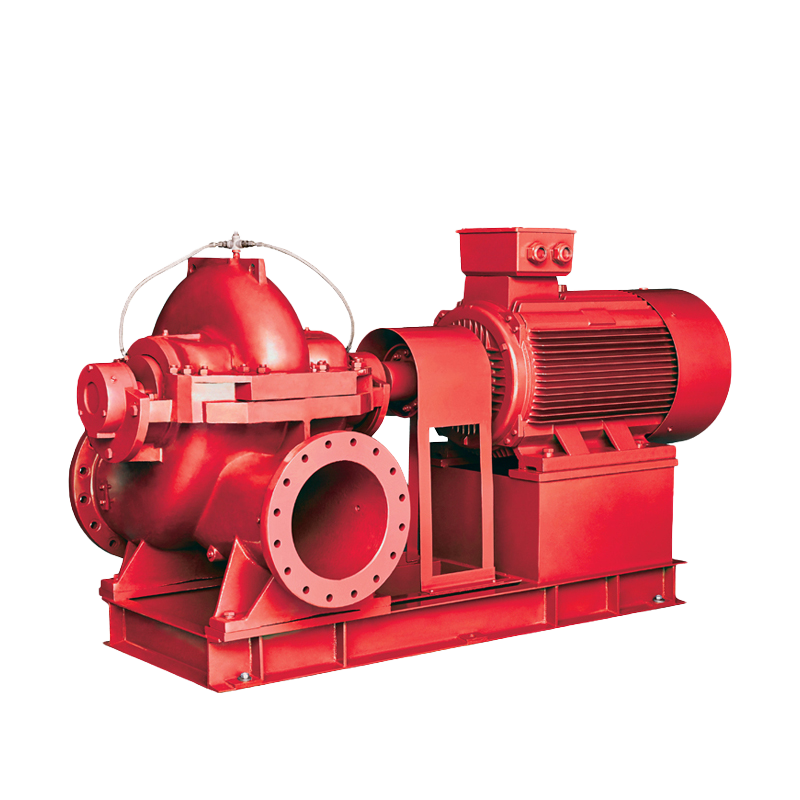 Split Case Pump
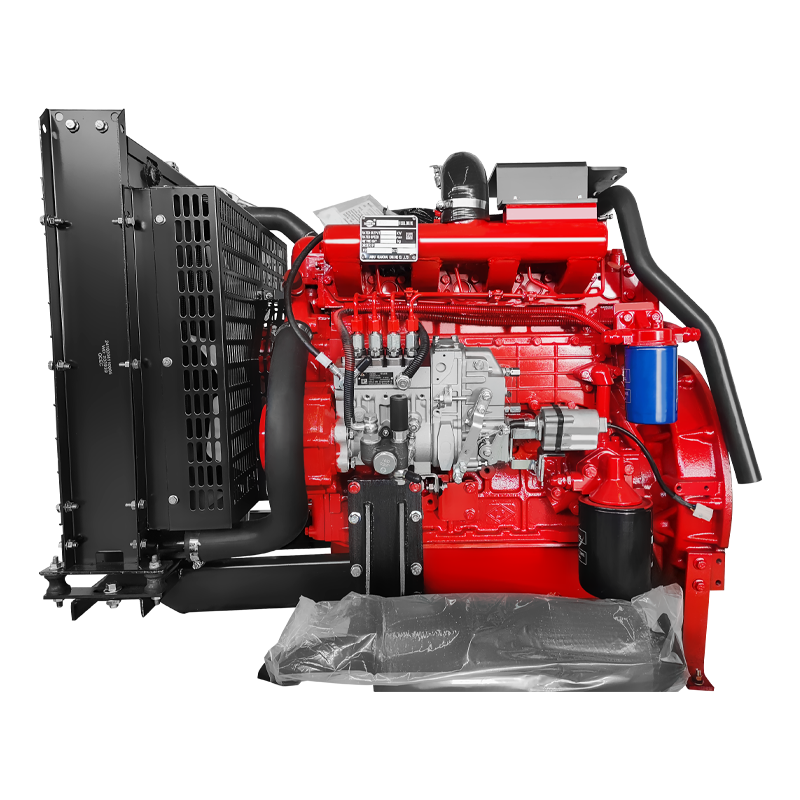 Engine and Pump
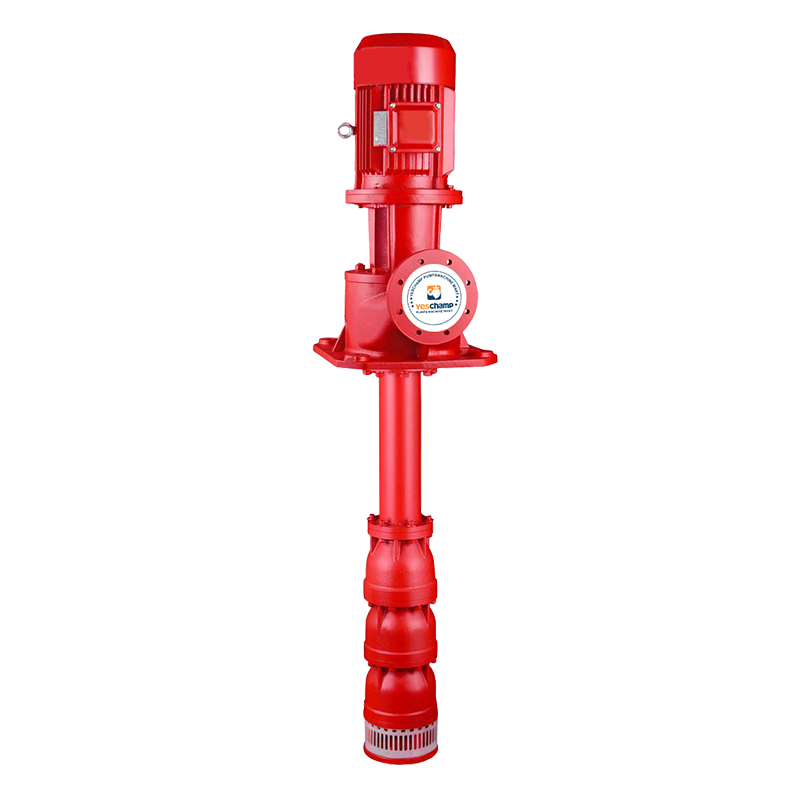 Long Shaft Pump
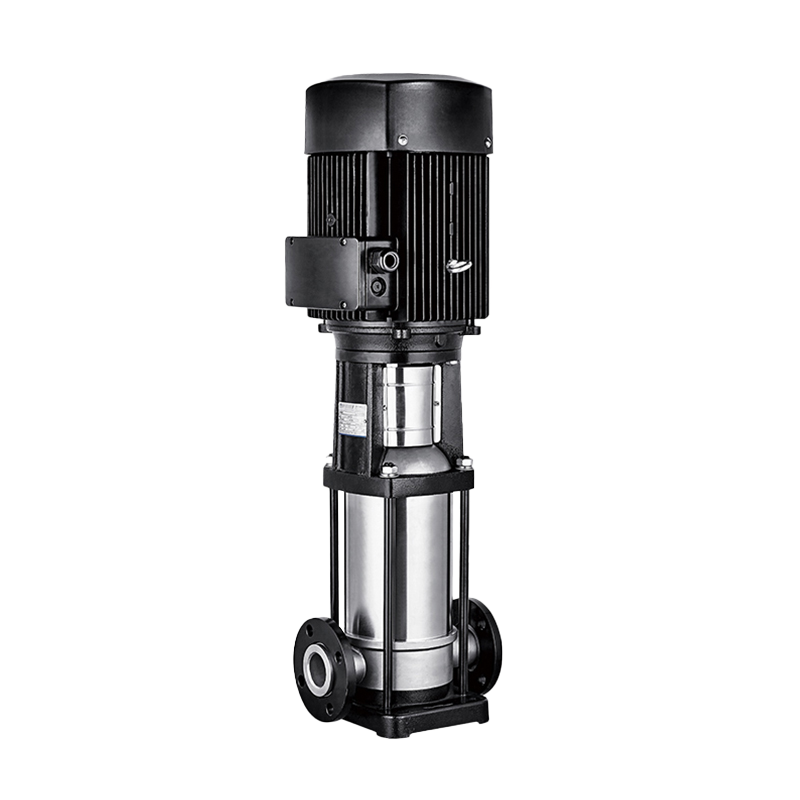 Multistage pump
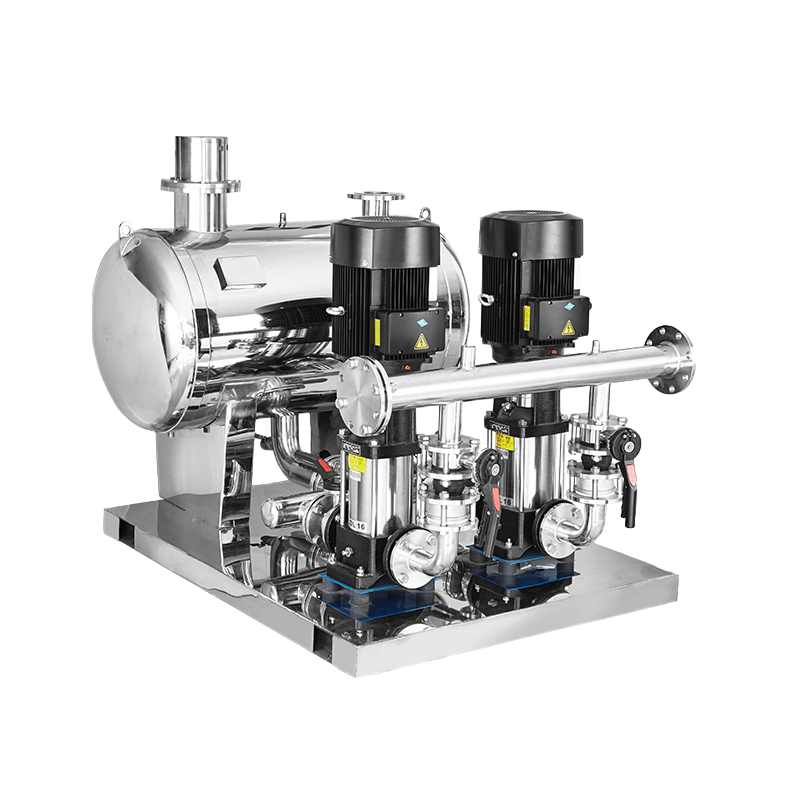 Water Supplier System
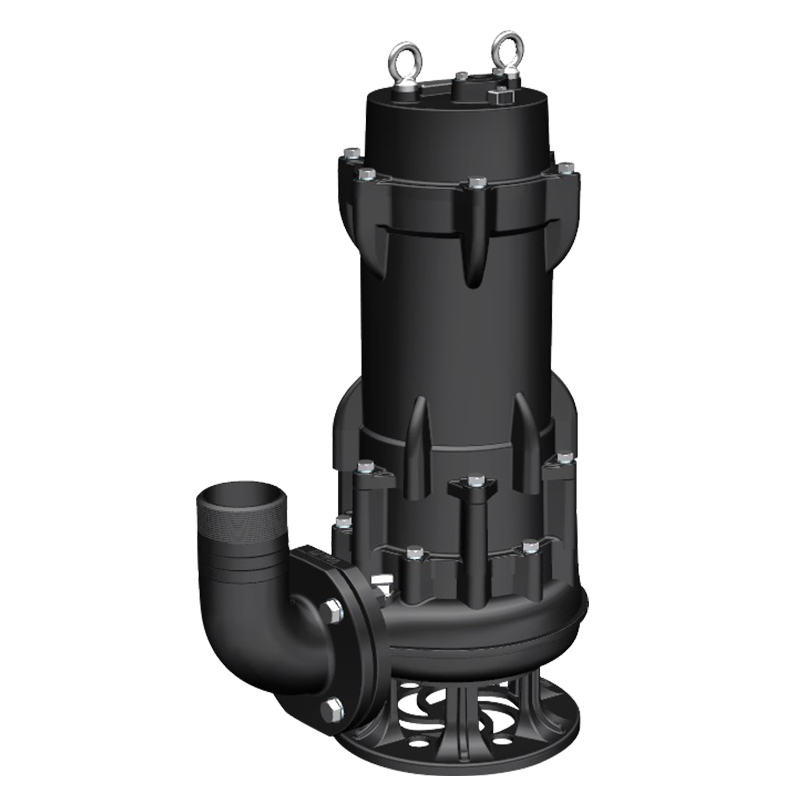 Sewage Pump
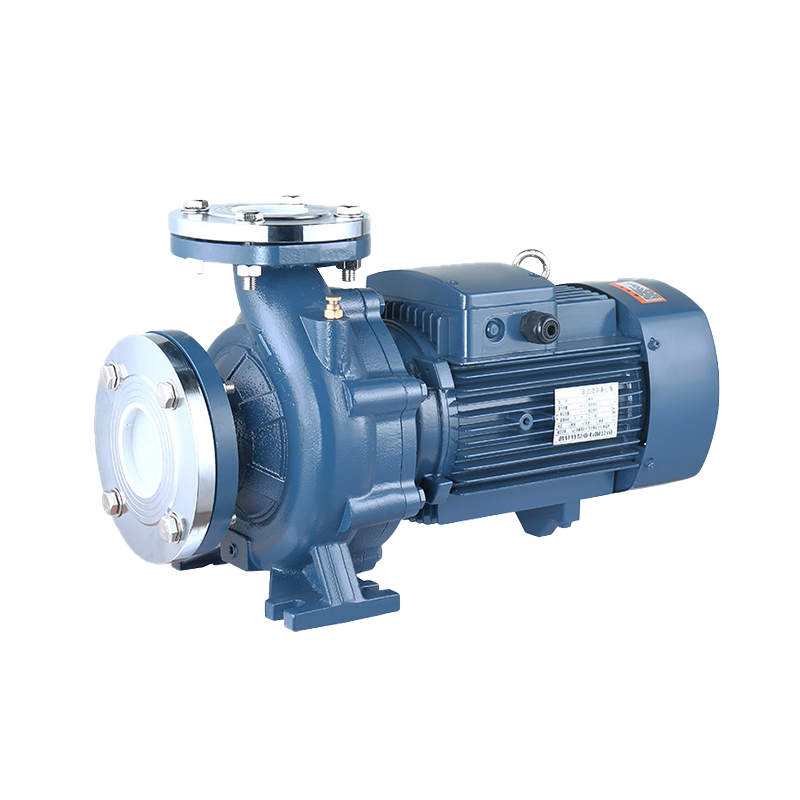 Industrial Pump
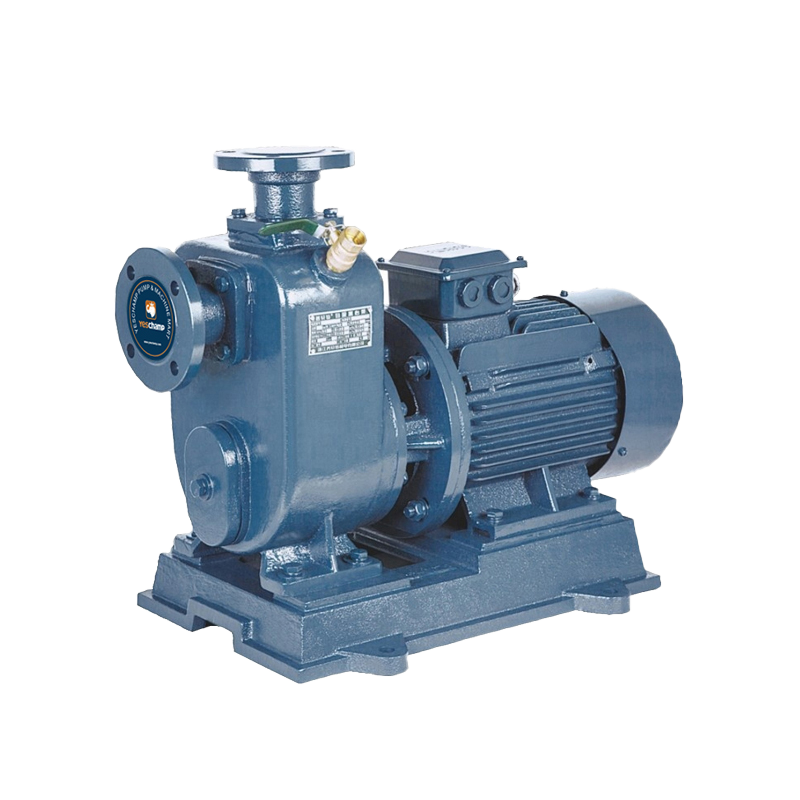 Self-Priming Pump
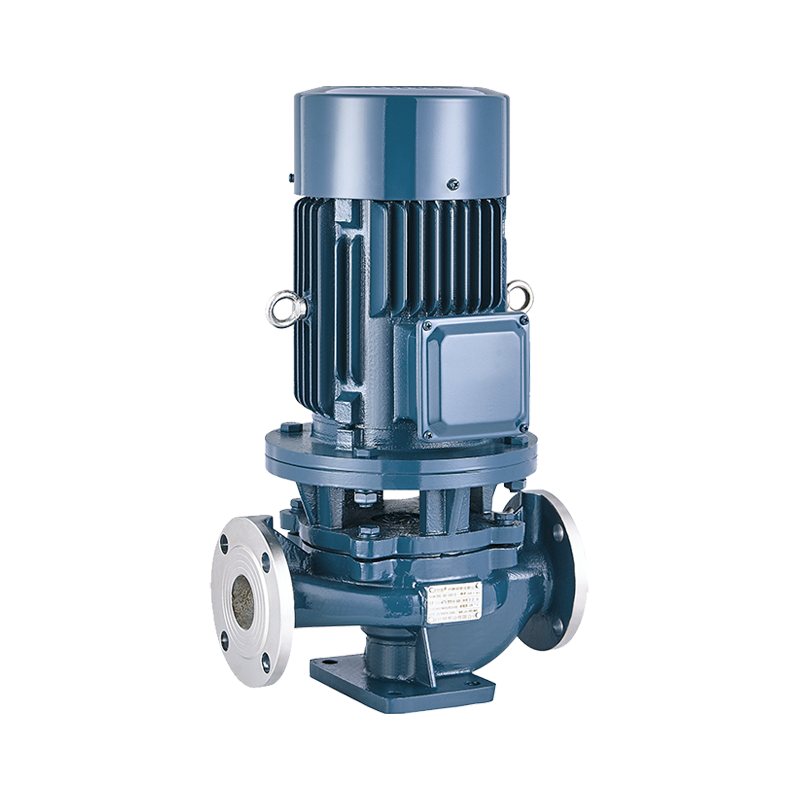 Inline Pump
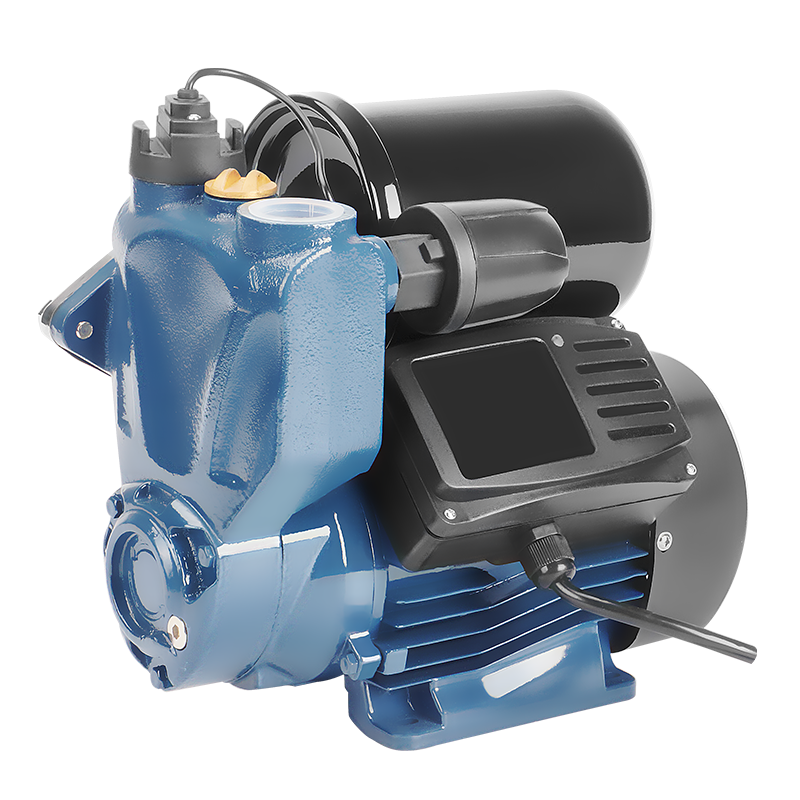 Domestic Pump
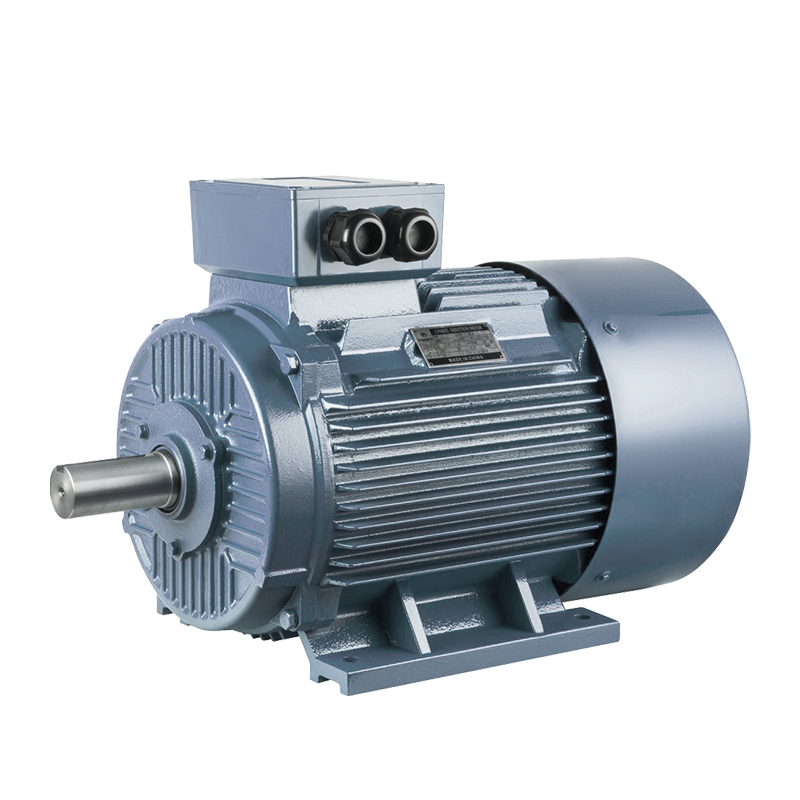 Electric Motor
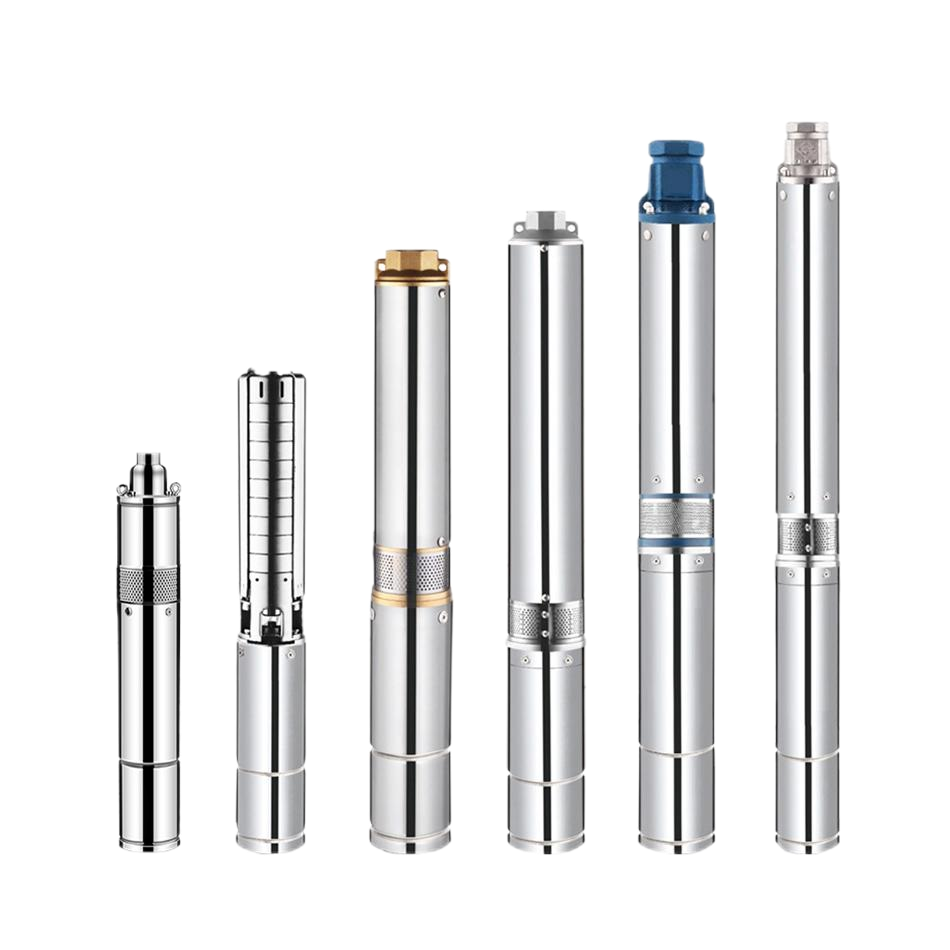 Borehole Pump
The Heart of Building Safety: Understanding the Integrated Fire Pump System
When a fire emergency strikes a commercial high-rise or a sprawling logistics warehouse, standard municipal water pressure is rarely enough to feed the suppression infrastructure. To protect lives and property, facilities rely on an integrated fire pump system to supply the massive water pressure required the instant a sprinkler head activates.
The Anatomy of a Fire Defense System
A modern fire pump system is a highly sophisticated, interconnected assembly engineered to act as a building's primary fire defense line. A standard heavy-duty setup consists of four core components working in unison:
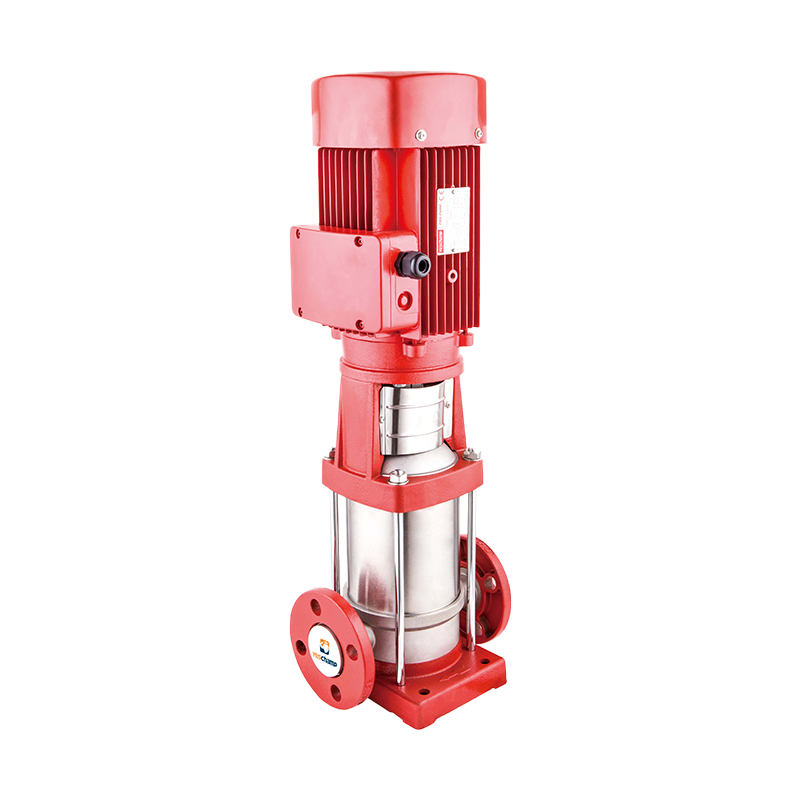
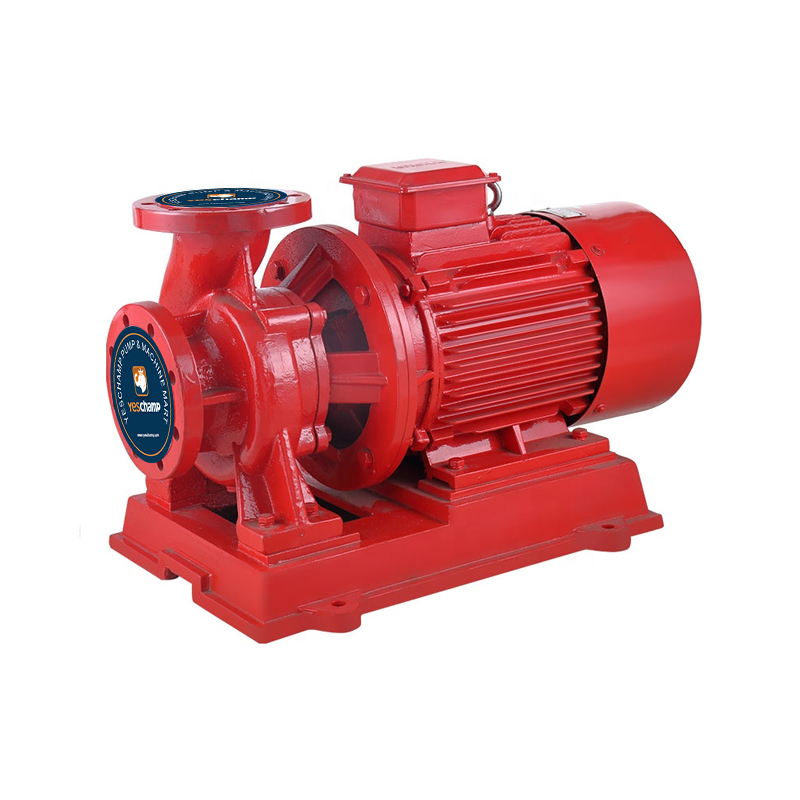
The Primary Driver: A high-torque electric motor or a heavy-duty industrial diesel engine engineered to deliver immediate, raw mechanical power.
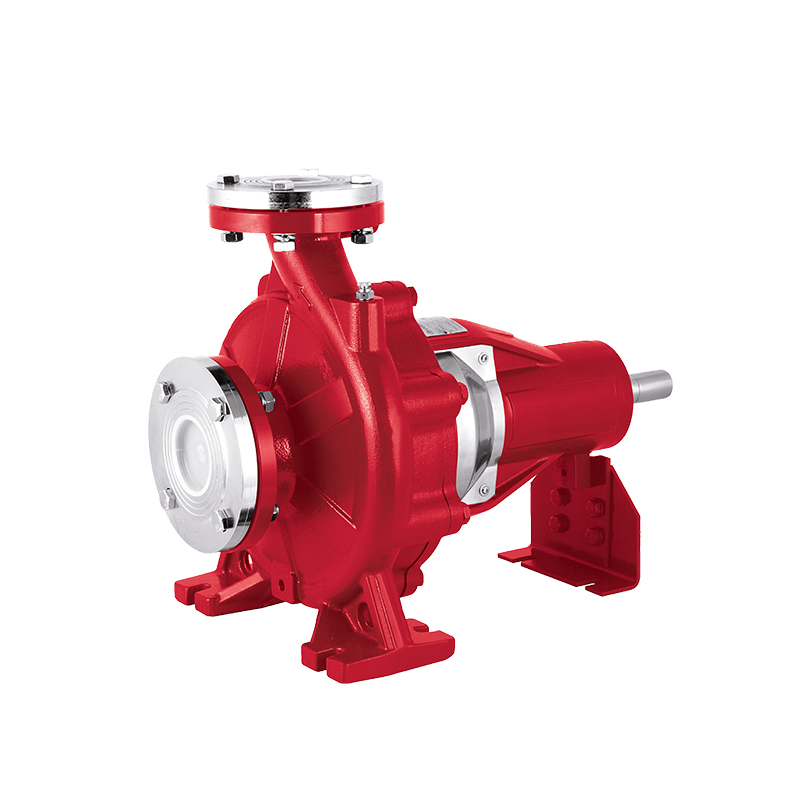
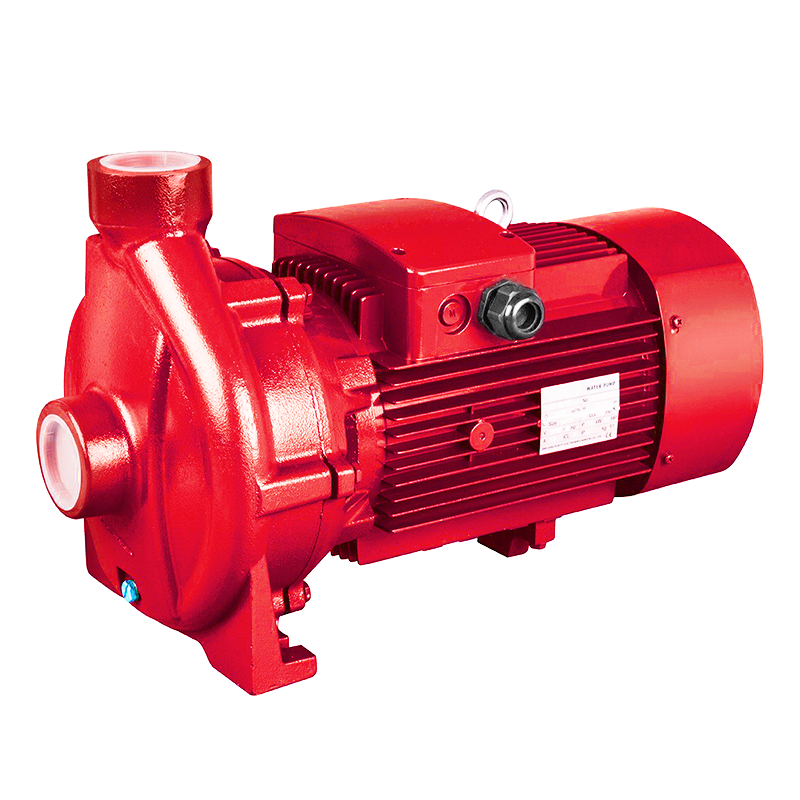
The Main Pump: Typically using a horizontal split-case or a vertical turbine design, these are built to move massive volumes of water at high velocity.
The Controller: The intelligent "brain" of the system. It continuously monitors pipeline pressure and automatically triggers the main pump the moment it detects a drop in system pressure.
The Jockey Pump: A small, auxiliary pressure-maintenance pump. It handles minor, everyday pressure fluctuations or slow leaks in the pipeline, preventing the main pump from unnecessarily starting and experiencing premature wear.
The Packaged Skid Shift
A major trend in modern facility design is the transition to factory-assembled, pre-engineered fire pump skids. Rather than sourcing individual components and assembling them on-site, entire systems are delivered pre-piped, pre-wired, and factory-tested on a structural steel base. This eliminates field alignment errors and slashes construction commissioning times by up to 50%.
 5th Floor, Comprehensive Building No. 5, Dongqiao, Dong'an Village, Daxi Town,Wenling City,Zhejiang,China
 +86 576 86090666
 +86 18667600006
 +86 18667600006
 24 Hours Online