 3D ROOM
 (0)
(0) English
 عربى
عربى
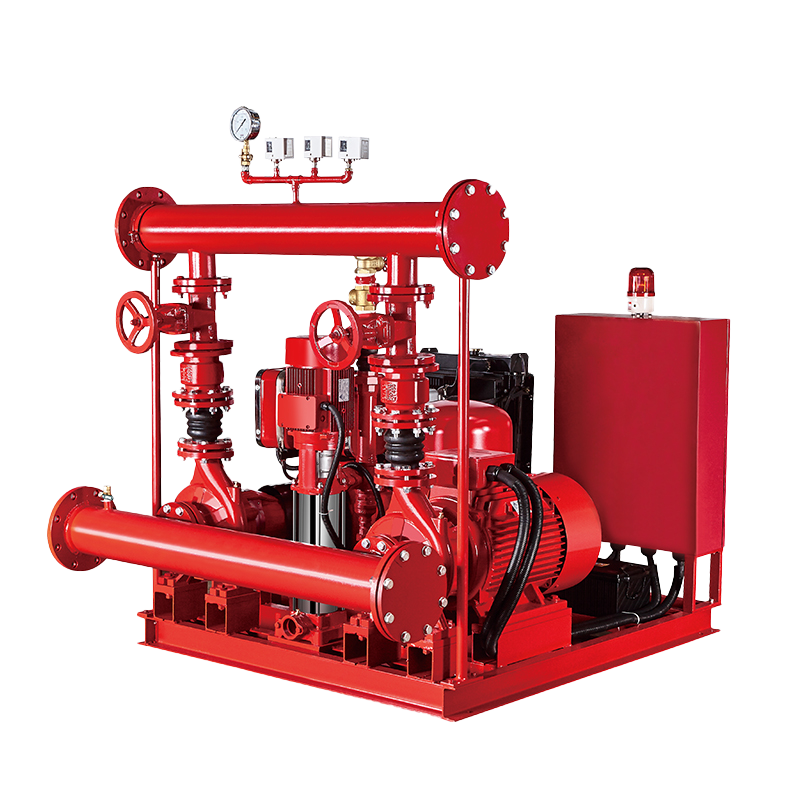 Fire Pump and System
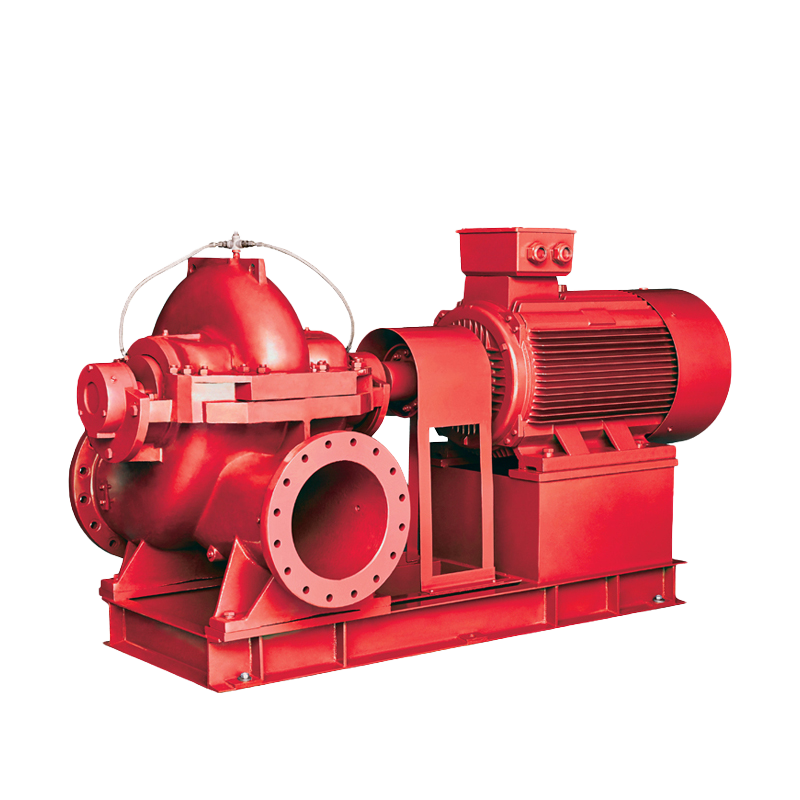 Split Case Pump
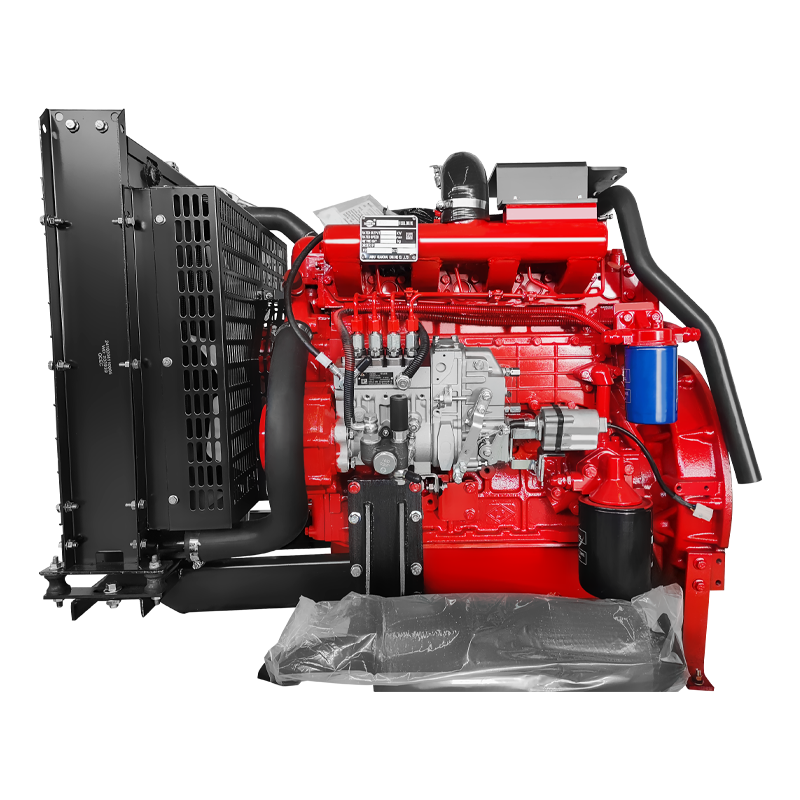 Engine and Pump
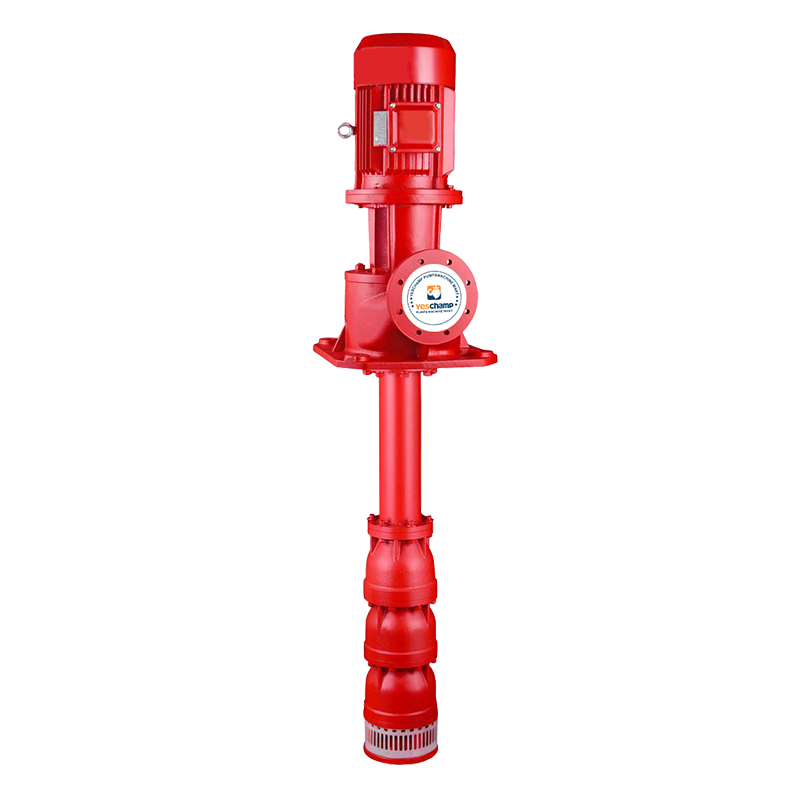 Long Shaft Pump
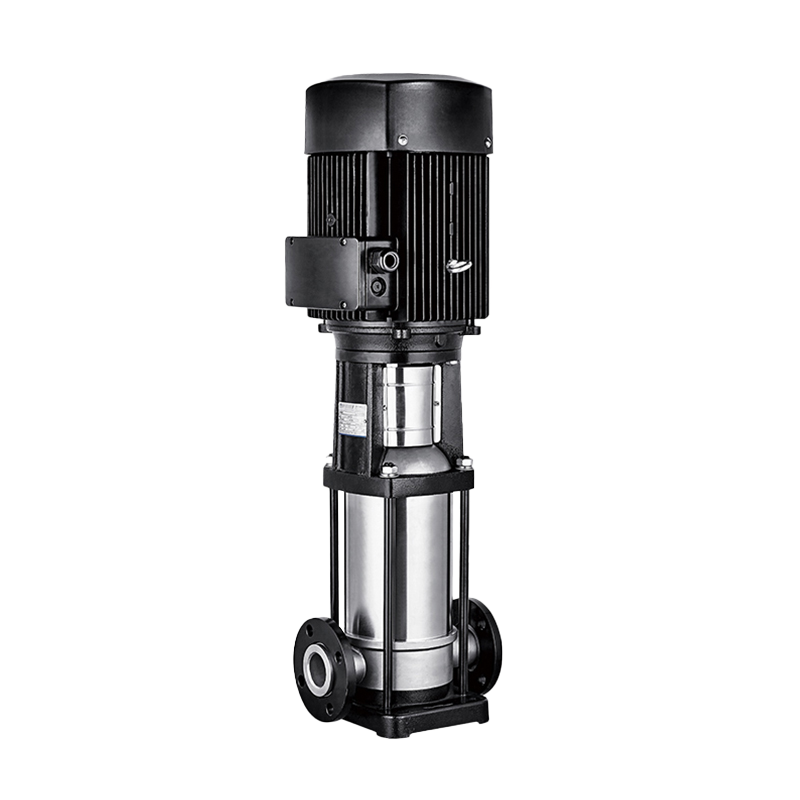 Multistage pump
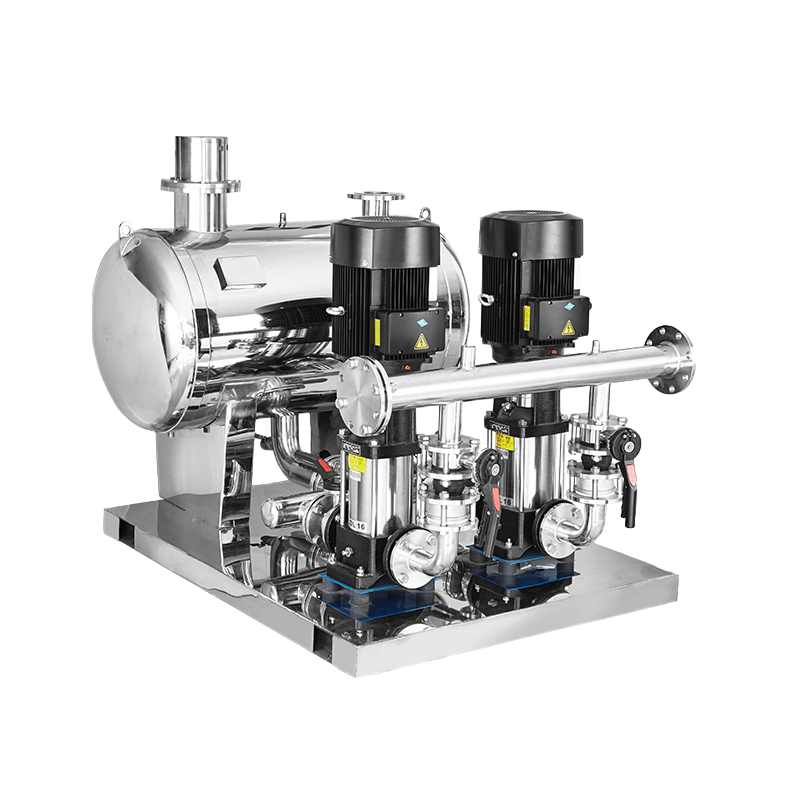 Water Supplier System
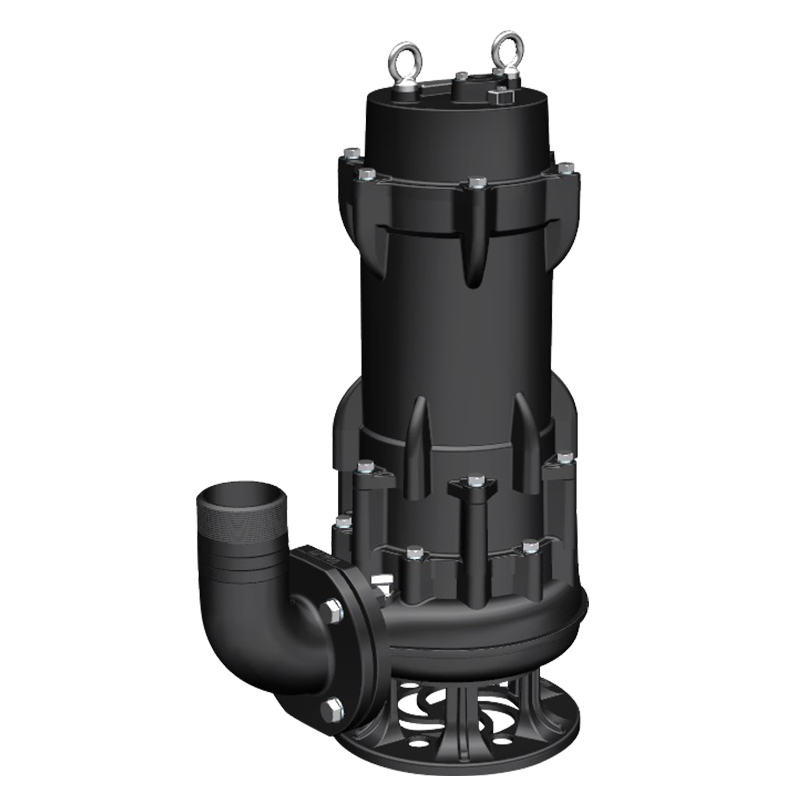 Sewage Pump
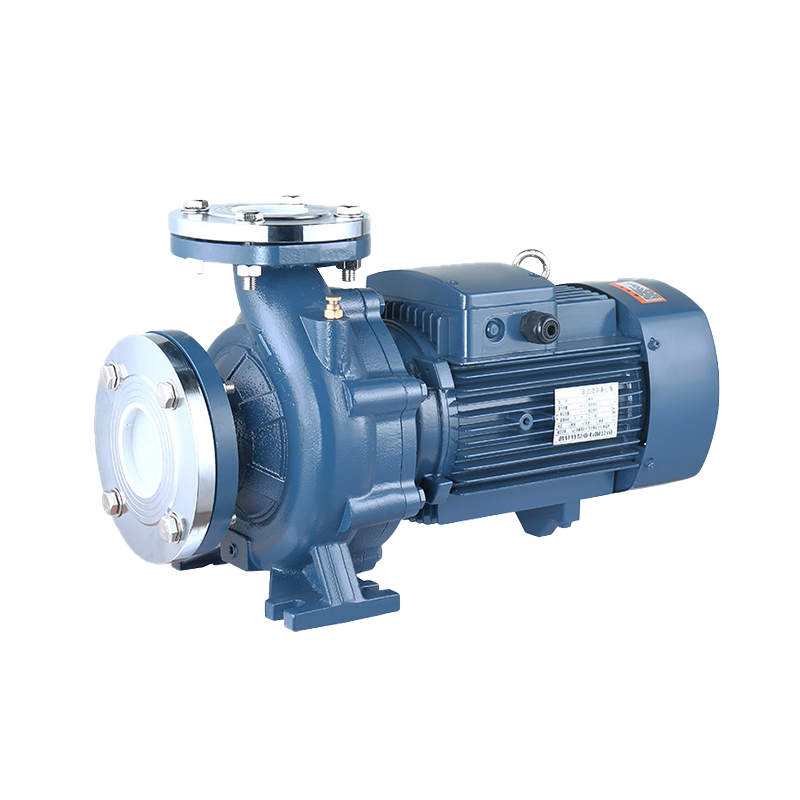 Industrial Pump
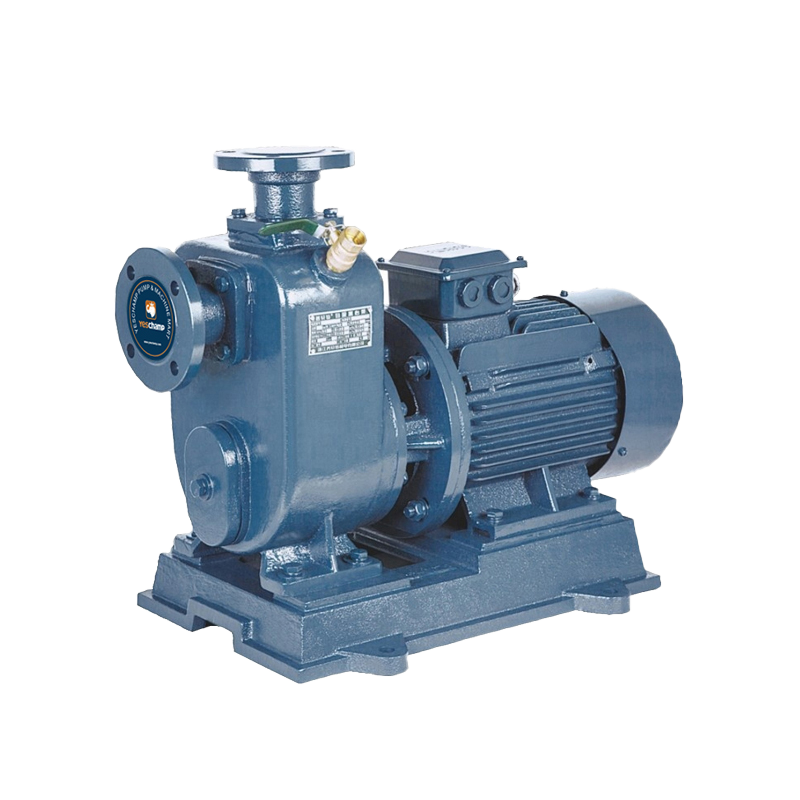 Self-Priming Pump
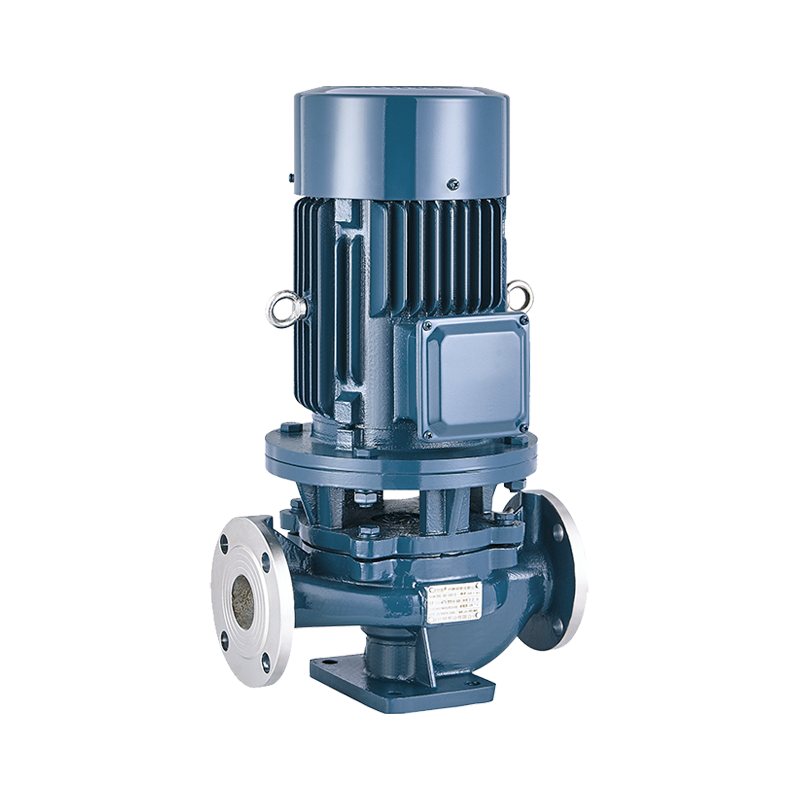 Inline Pump
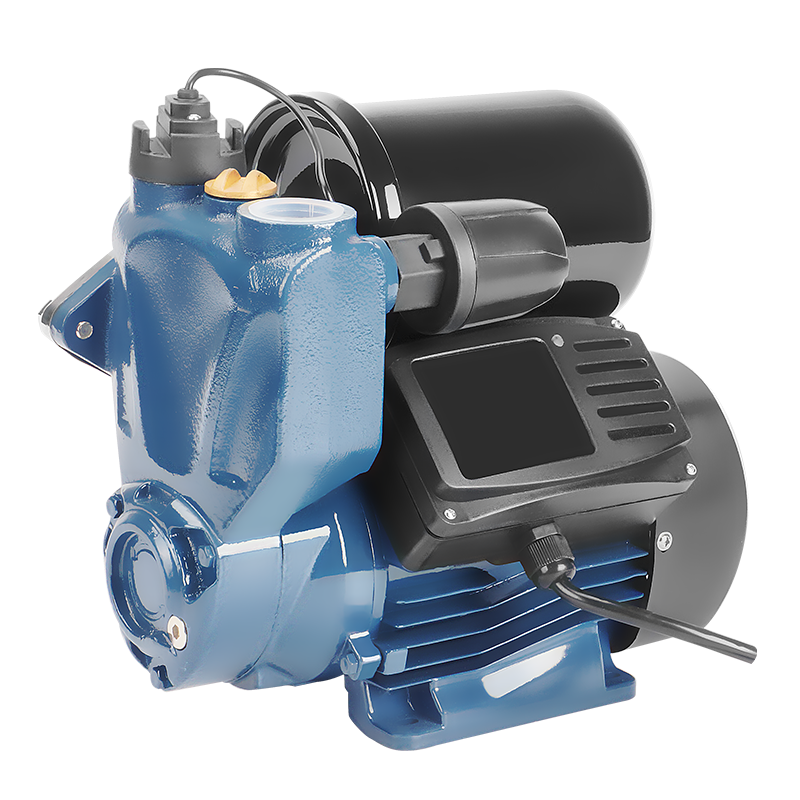 Domestic Pump
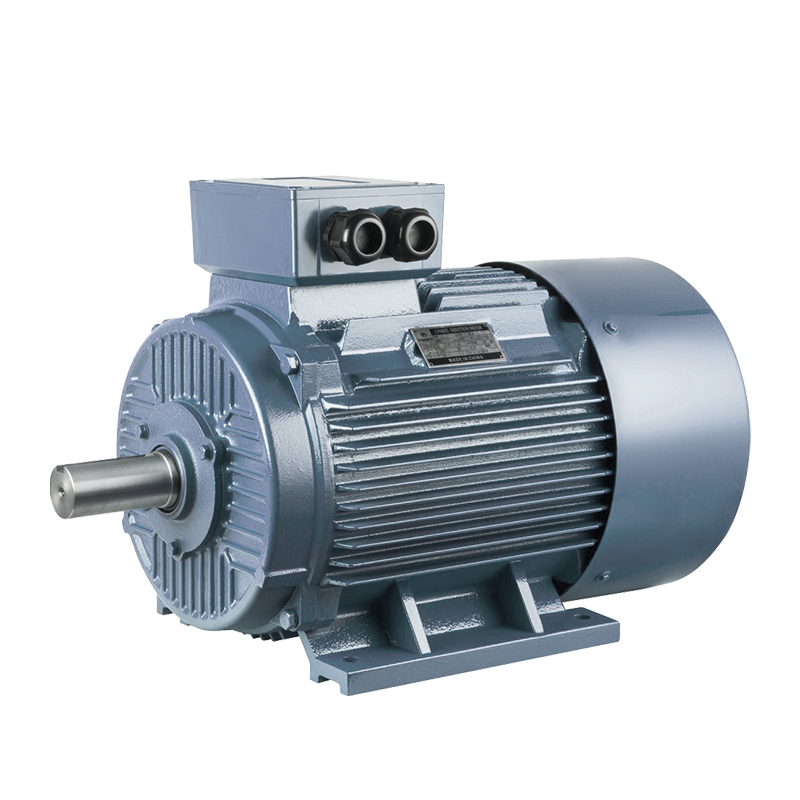 Electric Motor
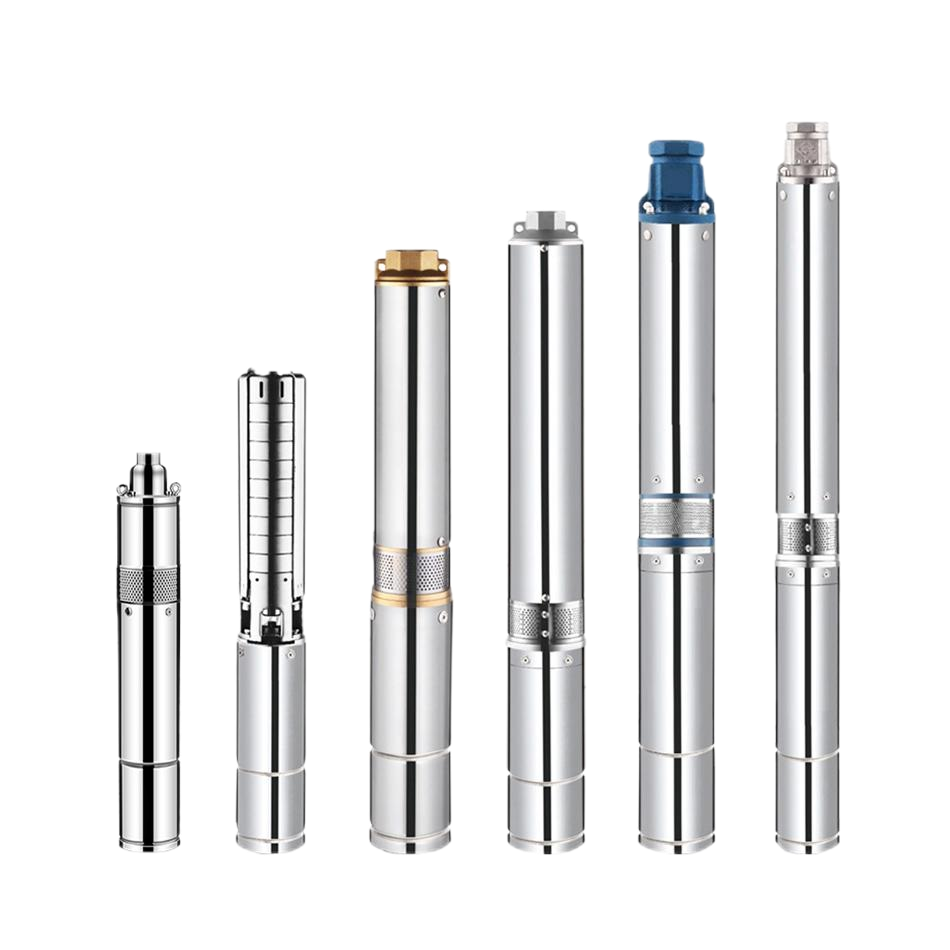 Borehole Pump
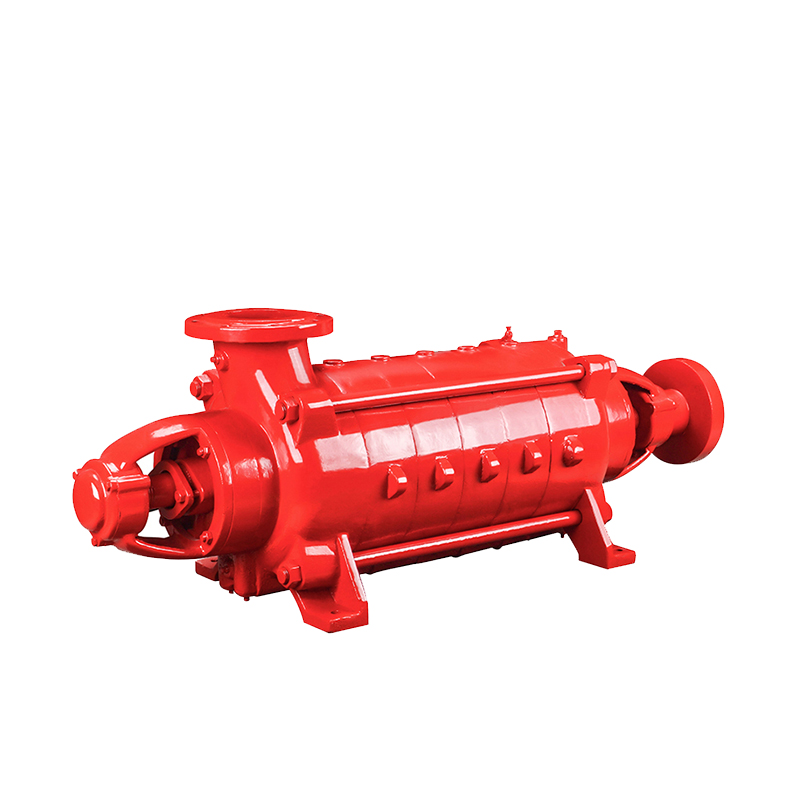
The Workhorse of Fire Safety: The End Suction Centrifugal Fire Pump Explained
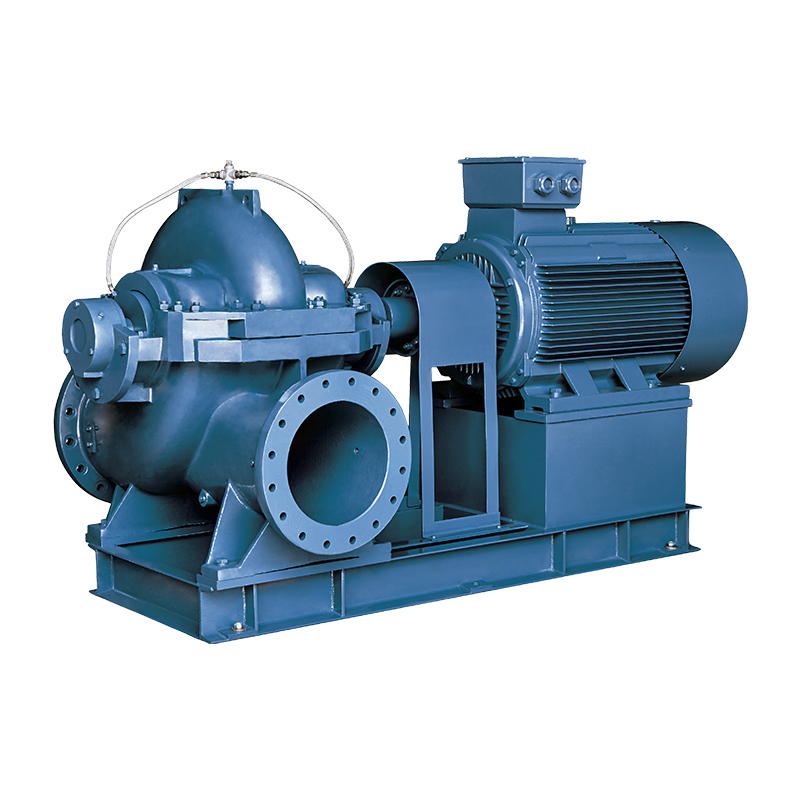
When designing automatic sprinkler networks for light-to-medium hazard commercial properties, mechanical designers often face a budget dilemma. While massive horizontal split-case pumps are highly capable, they are often overkill for systems requiring moderate flow rates. The end suction centrifugal fire pump serves as the industry's most reliable, cost-effective alternative.
Defining the End Suction Geometry
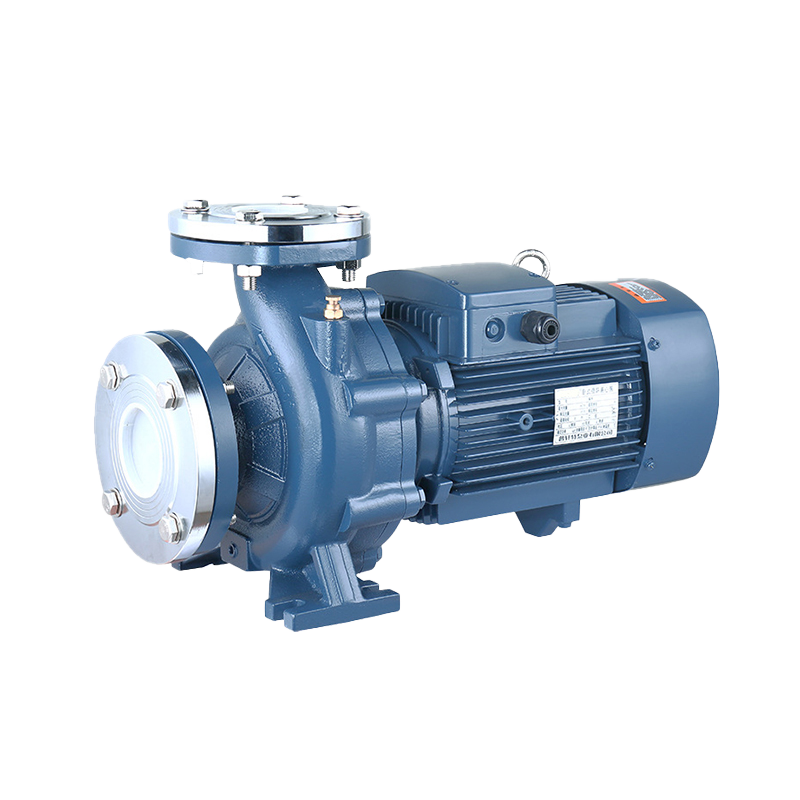
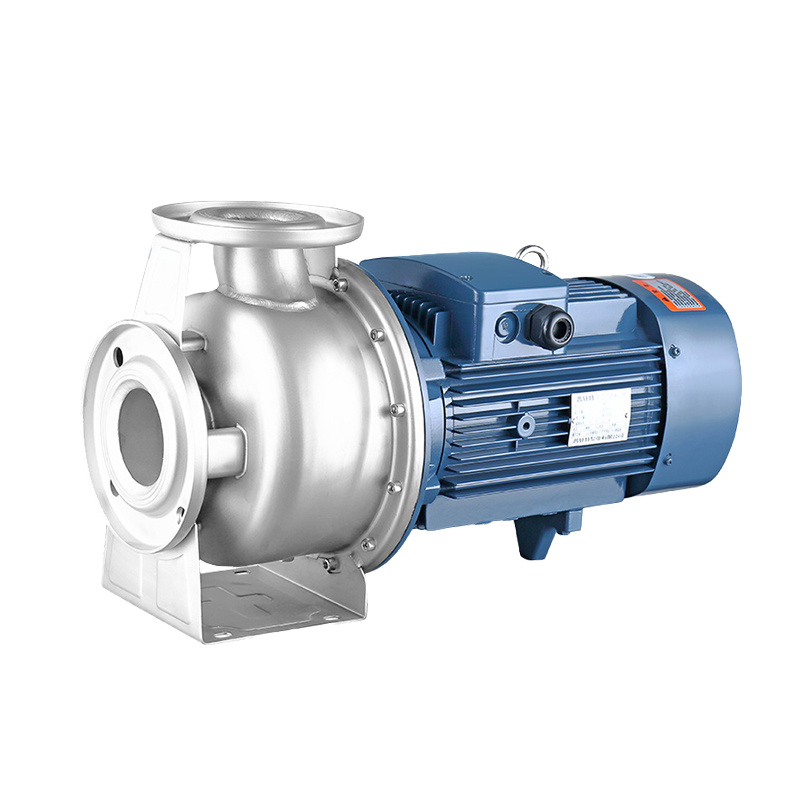
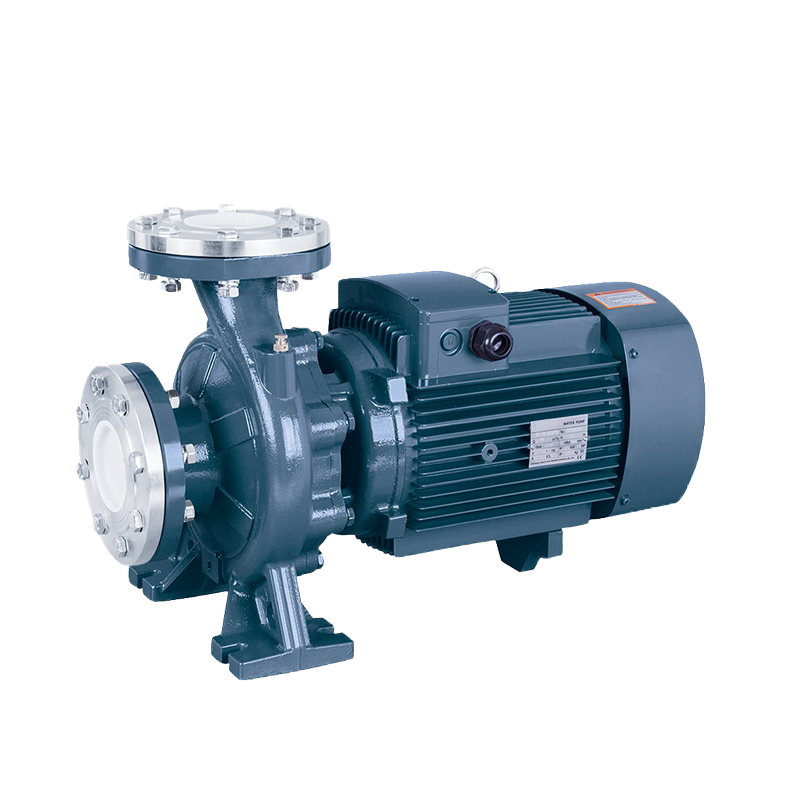
As the most common type of centrifugal pump design, "end suction" describes the fluid's physical flow path through the casing.
-
The Flow Path: Liquid enters the pump horizontally through the "end" (center of the impeller) and is discharged vertically upward at a 90-degree angle through the top nozzle.
-
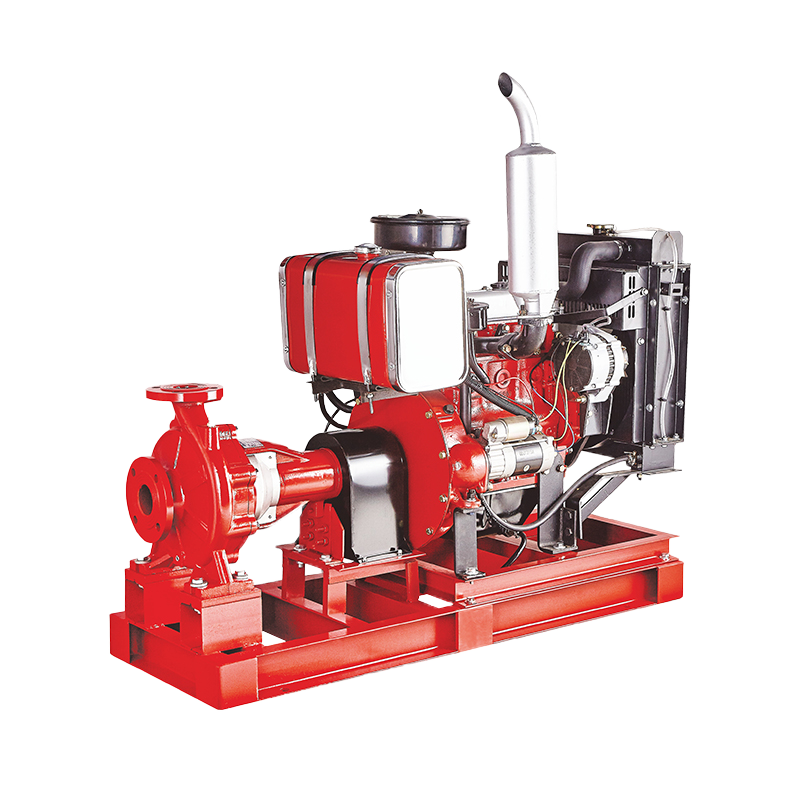
The Direct Drive Setup: The pump is typically close-coupled or frame-mounted directly to an electric motor or a compact diesel engine.
-
Streamlined Maintenance: High-quality end suction fire pumps utilize a back pull-out design. This allows engineers to service the impeller, shaft, and mechanical packing without disconnecting the suction or discharge piping.
The Space Advantage: By combining a compact inline design with high-velocity discharge, these pumps pack immense hydraulic pressure into a fraction of the floor space required by split-case setups.
 5th Floor, Comprehensive Building No. 5, Dongqiao, Dong'an Village, Daxi Town,Wenling City,Zhejiang,China
 +86 576 86090666
 +86 18667600006
 +86 18667600006
 24 Hours Online