 3D ROOM
 (0)
(0) English
 عربى
عربى
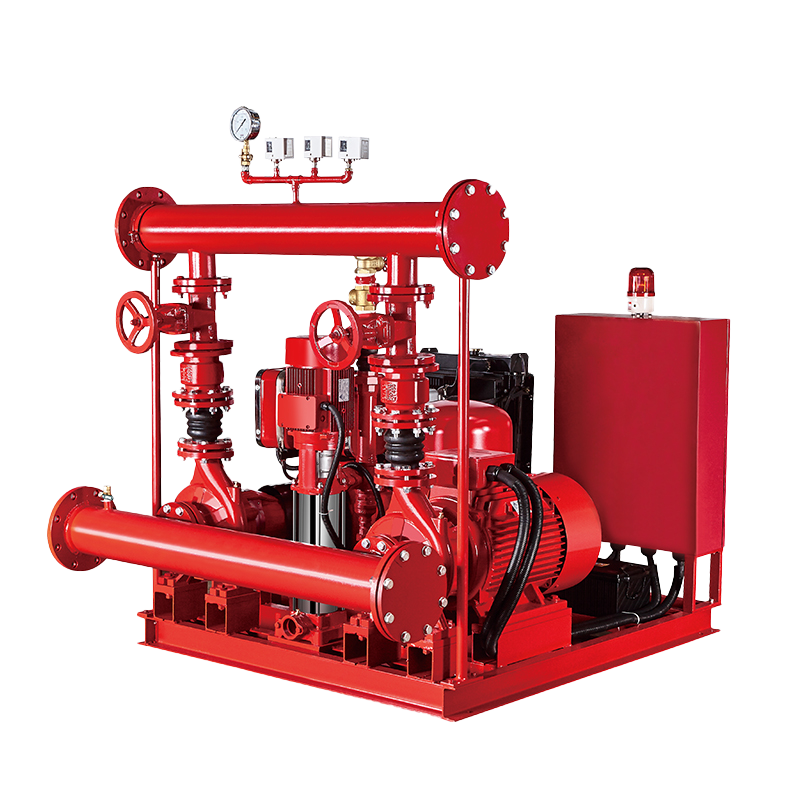 Fire Pump and System
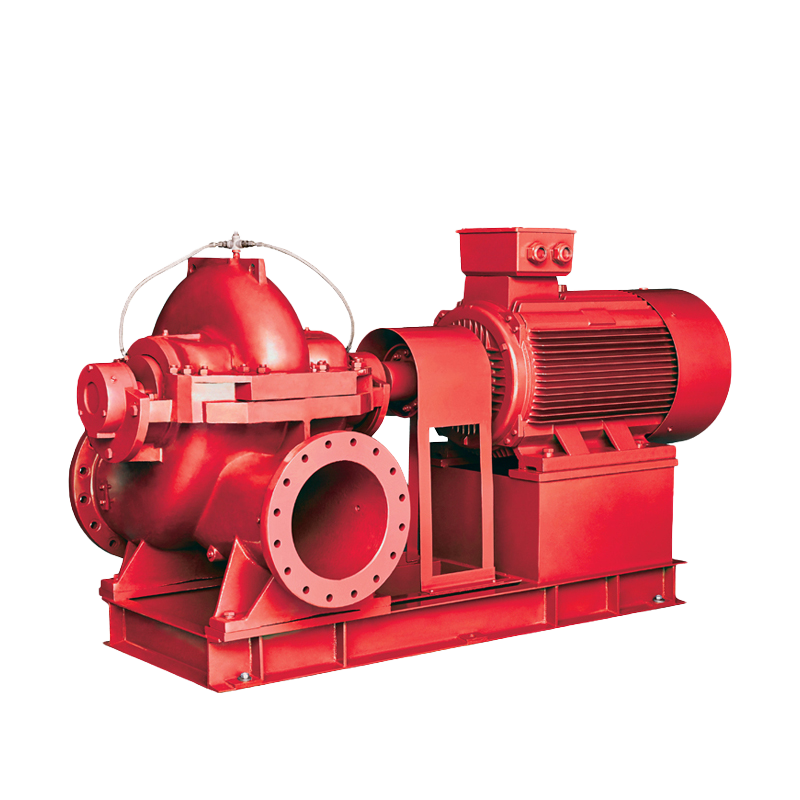 Split Case Pump
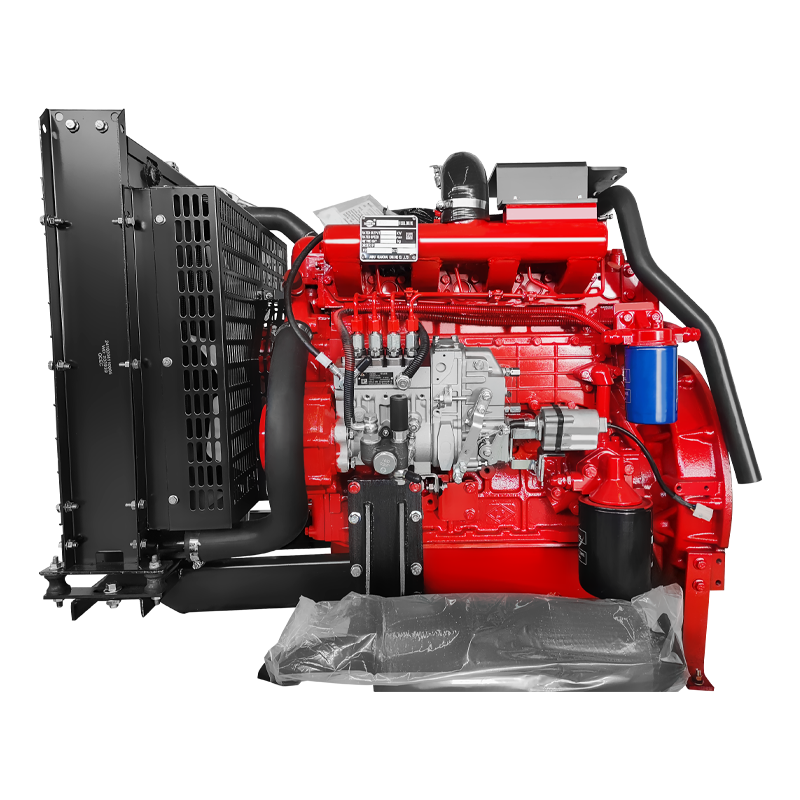 Engine and Pump
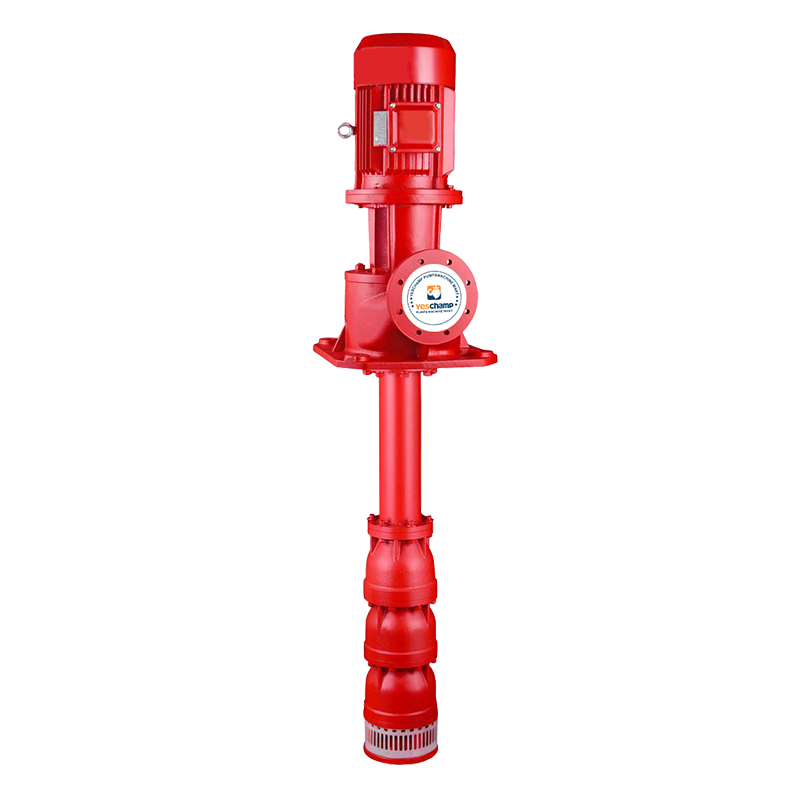 Long Shaft Pump
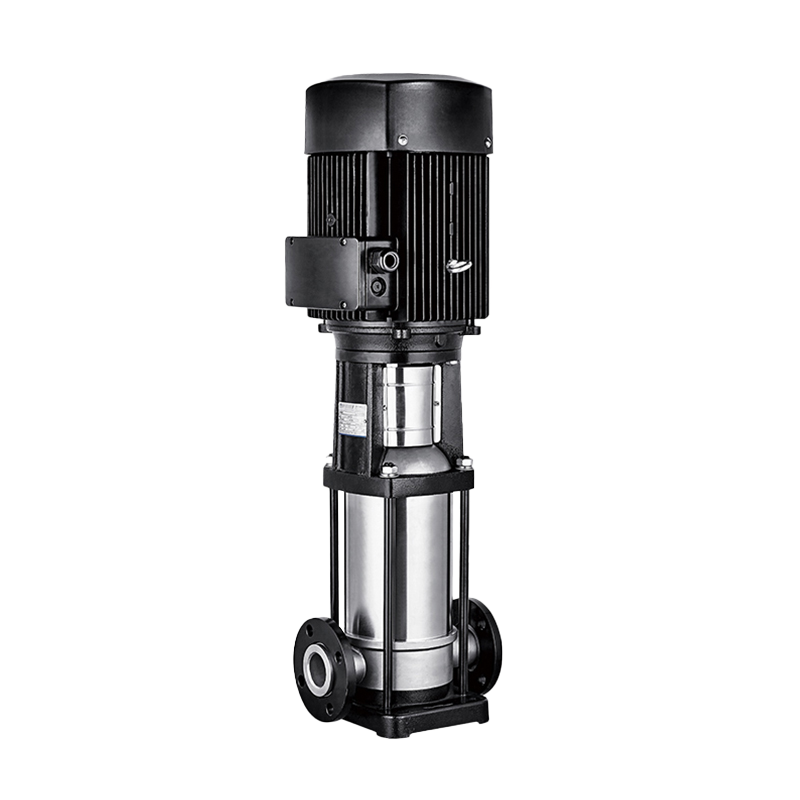 Multistage pump
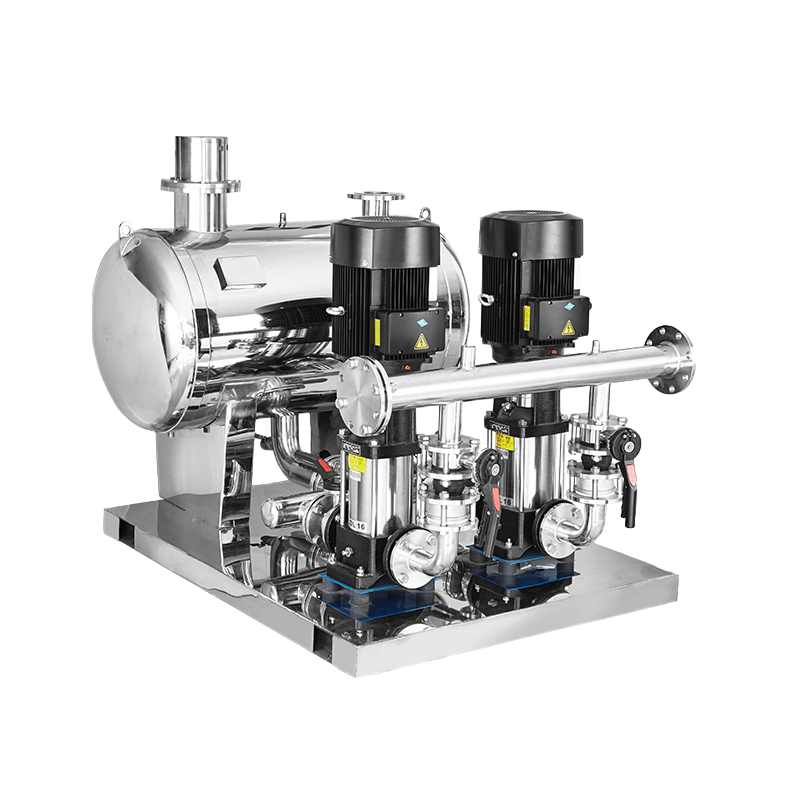 Water Supplier System
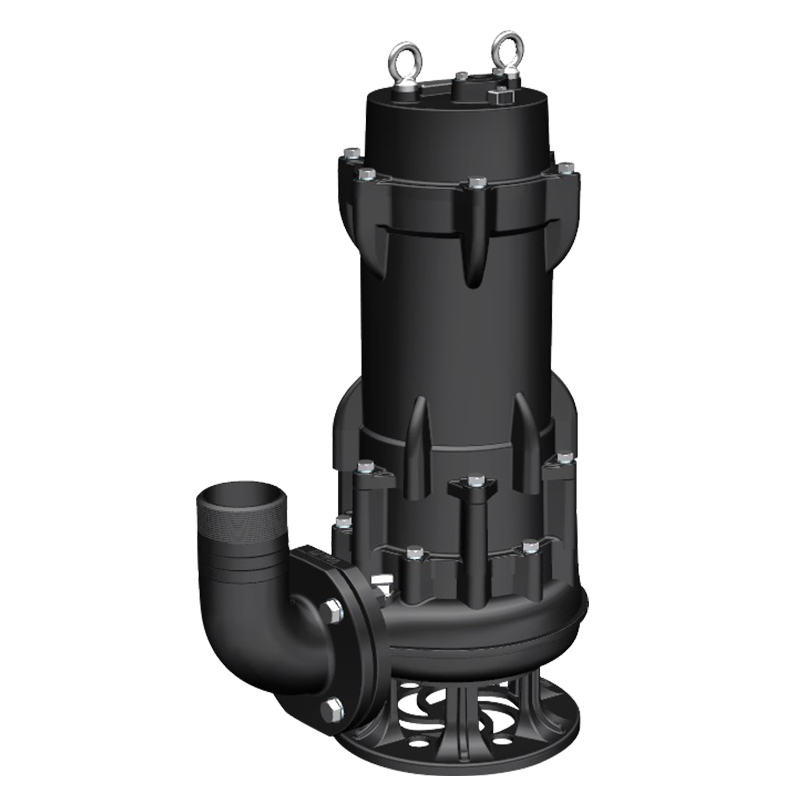 Sewage Pump
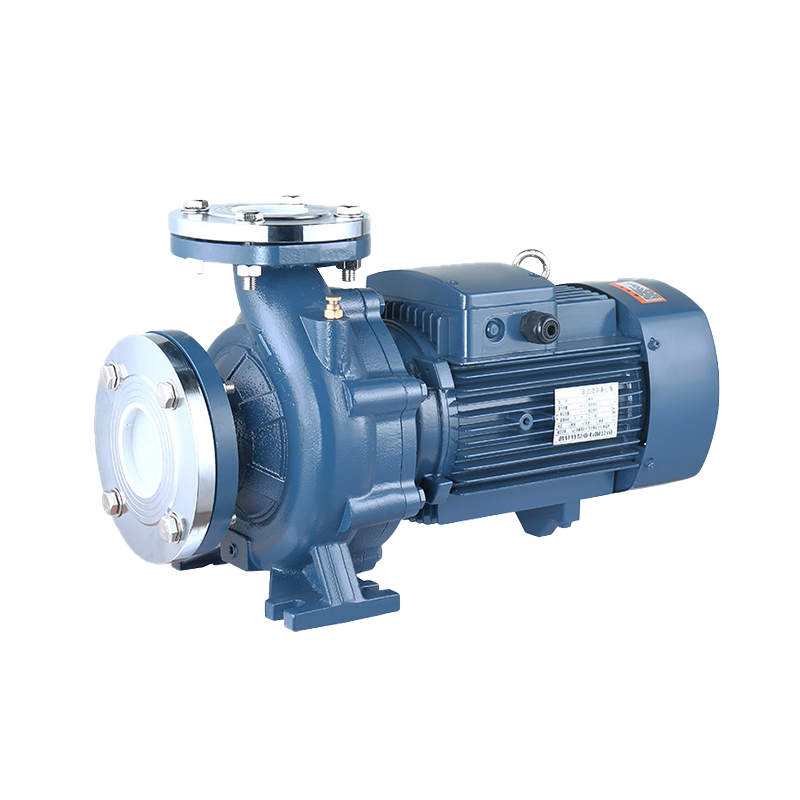 Industrial Pump
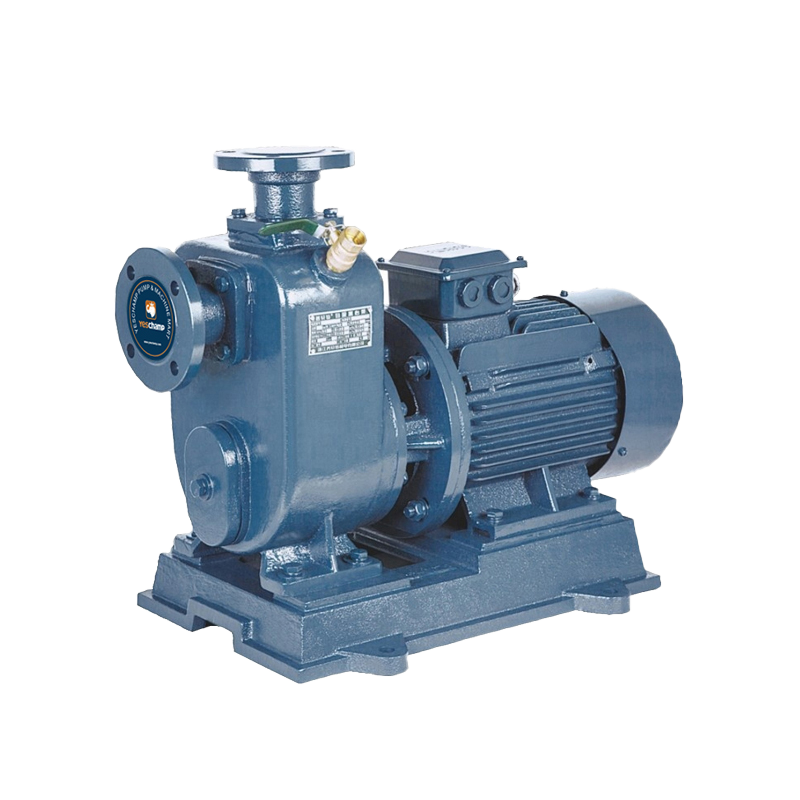 Self-Priming Pump
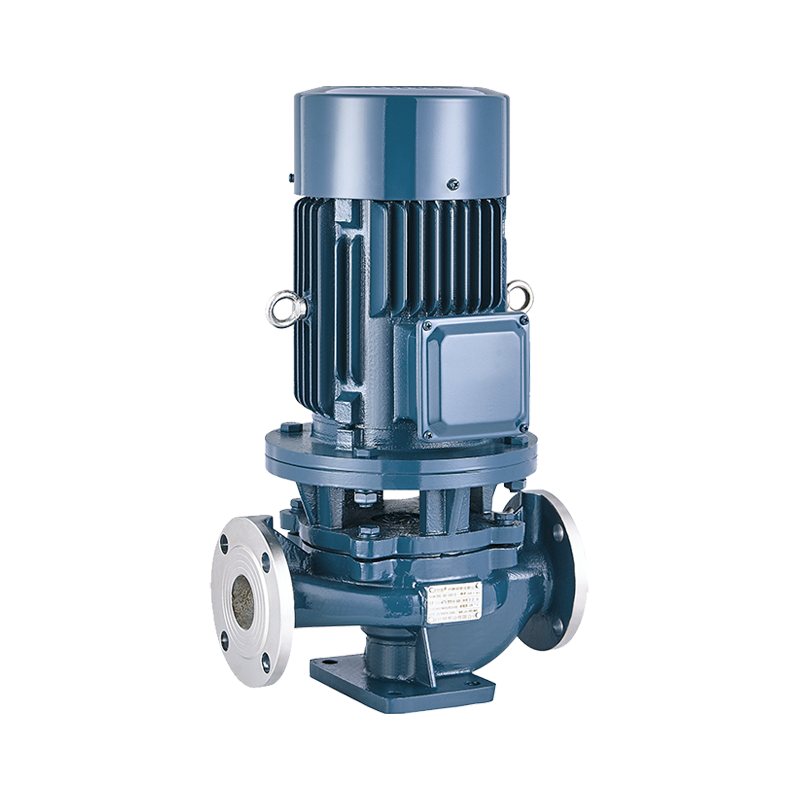 Inline Pump
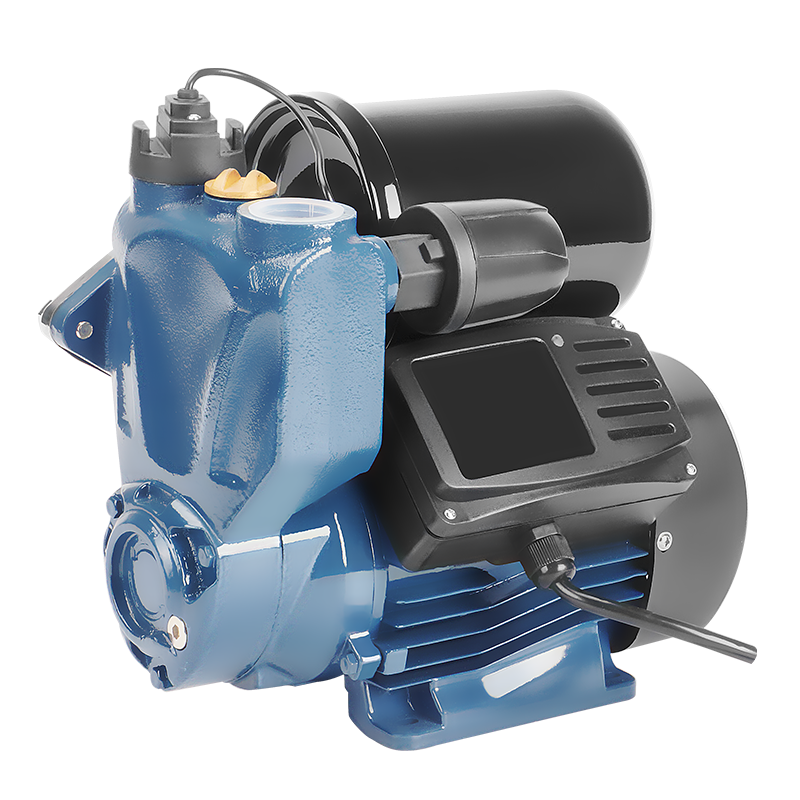 Domestic Pump
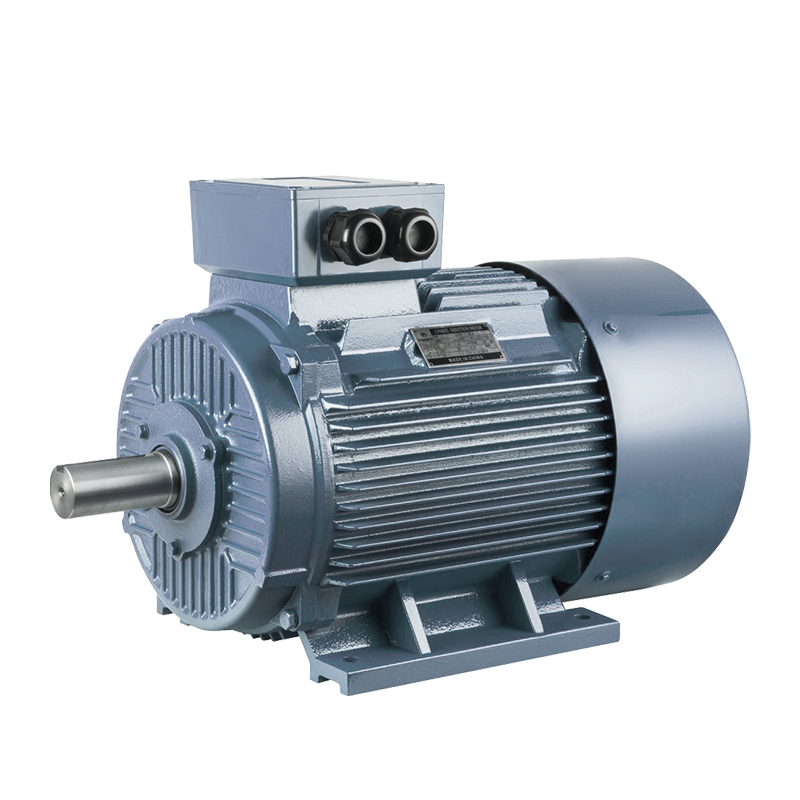 Electric Motor
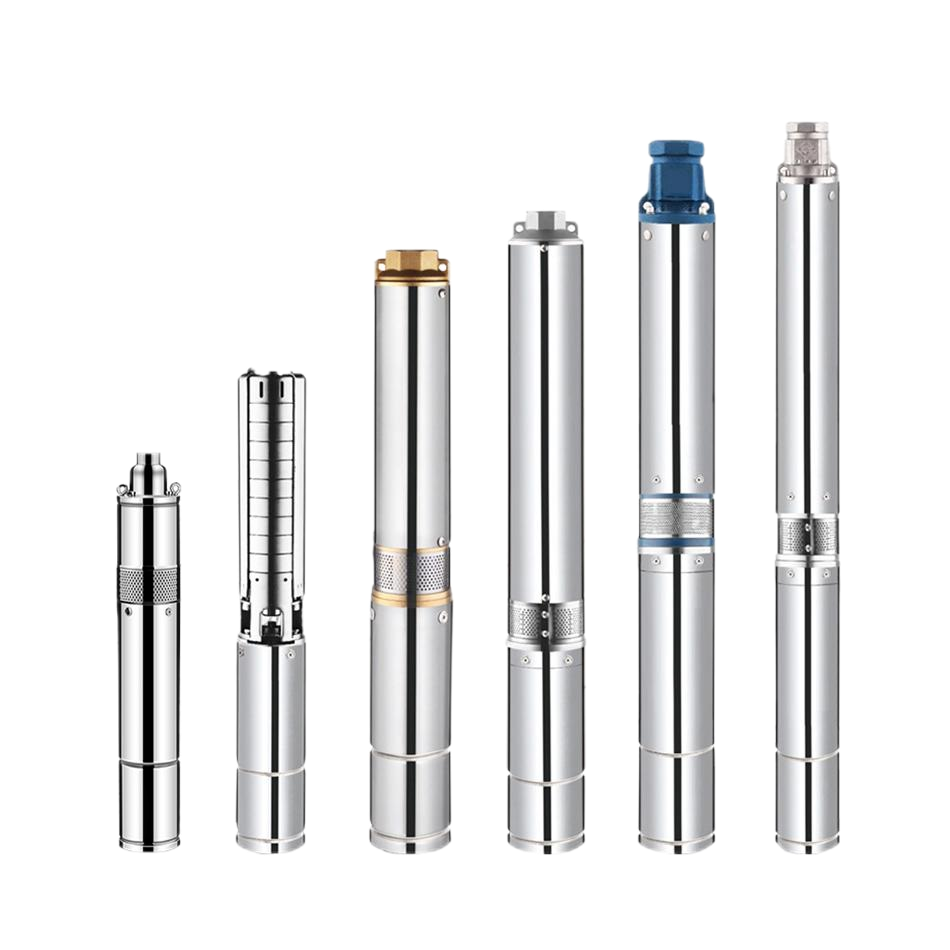 Borehole Pump
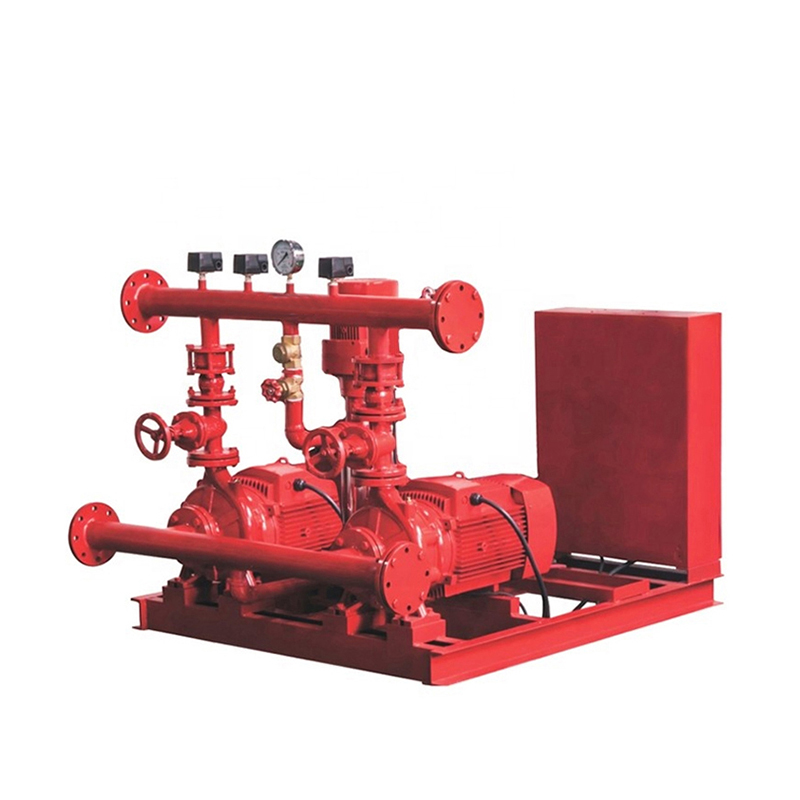
Engineering Peace of Mind: The Mechanical Architecture of a Packaged Fire Pump System
When a catastrophic fire strikes a high-rise commercial complex, an industrial facility, or a multi-wing logistics hub, municipal water mains rarely possess the pressure required to feed high-level suppression systems. To protect structural integrity and human lives, modern building blueprints rely on a packaged fire pump system to boost pipeline pressures the precise second a sprinkler head activates.
The Emergency Triad: Components in Unison
A professional fire protection system is not a singular piece of hardware; it is a meticulously balanced loop of three distinct pump categories working on a unified manifold:
-
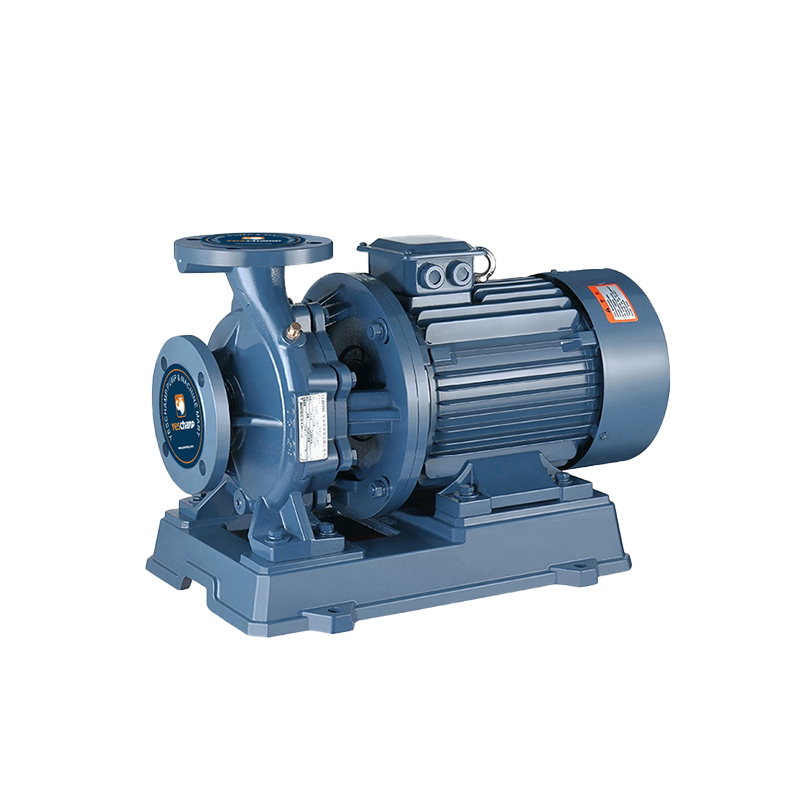
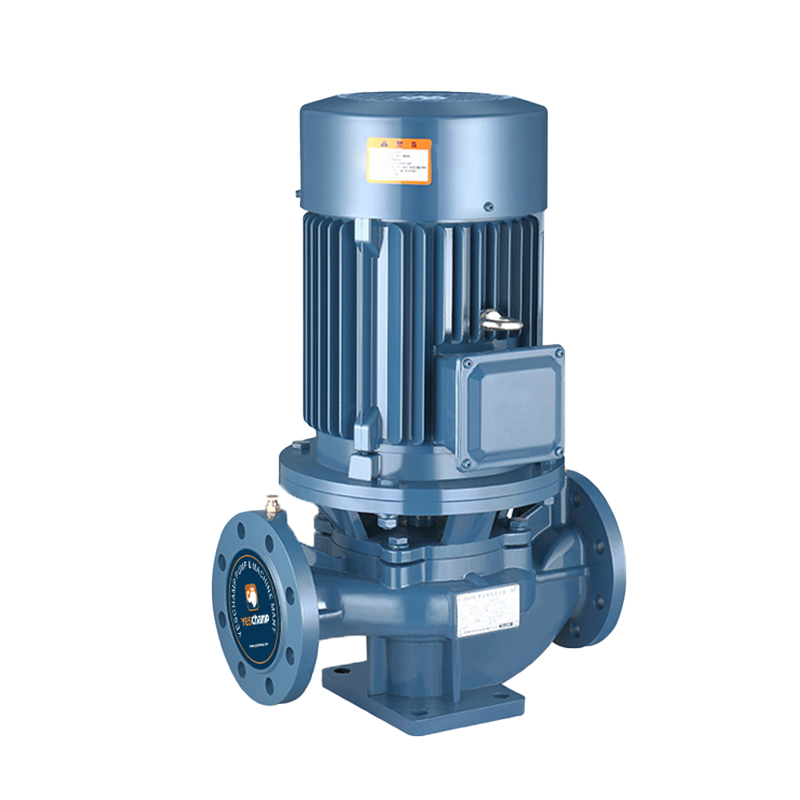
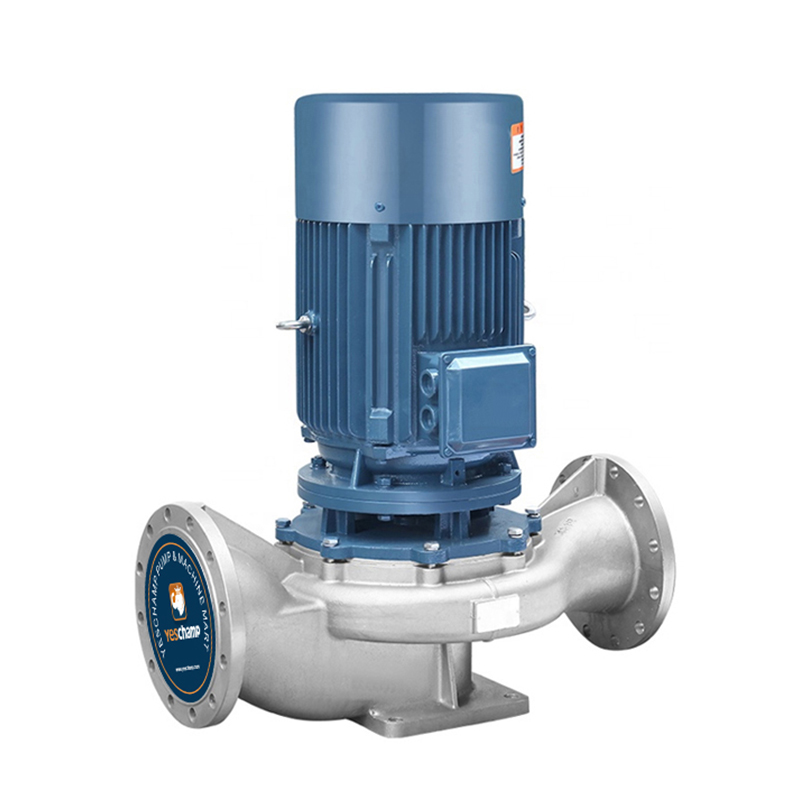
The Primary Electric Driver: Representing the frontline defense, high-efficiency electric motor-driven centrifugal pumps deliver predictable, instant hydraulic flow under normal power grids.
-
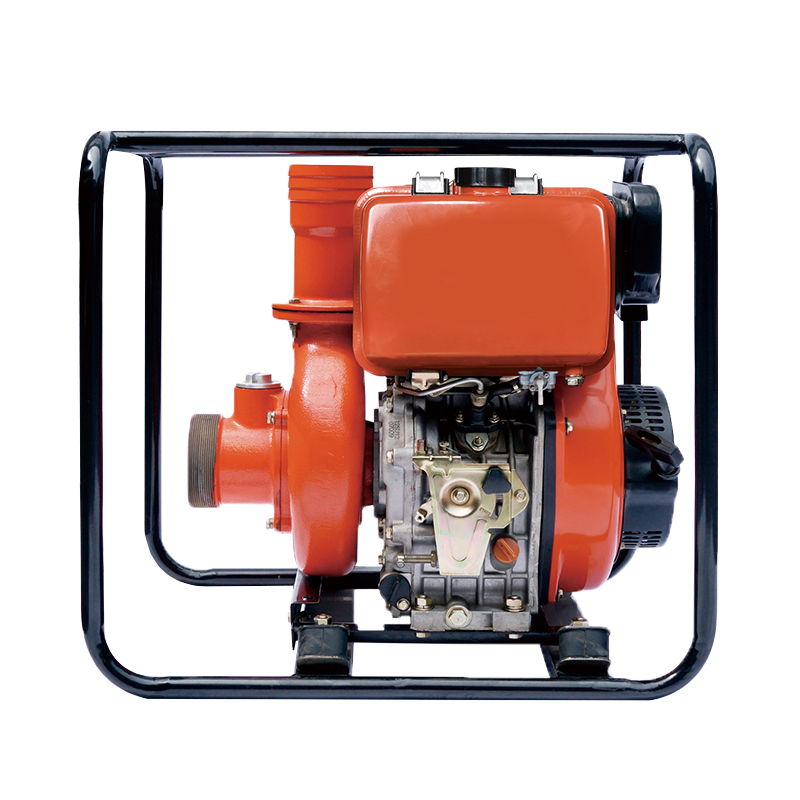
The Diesel Engine Backup: Operating entirely independently of local utilities, a diesel-driven emergency pump serves as the ultimate fail-safe. If fire damages the facility’s transformer or cuts off regional electrical grids, the diesel unit automatically cranks to maintain pressure.
-
The Pressure-Maintenance Jockey Pump: A small, low-flow multi-stage pump designed to manage small pipeline pressure drops caused by ambient temperature changes or minor packing drips. This prevents the massive main drivers from starting unnecessarily, protecting them from costly mechanical fatigue.
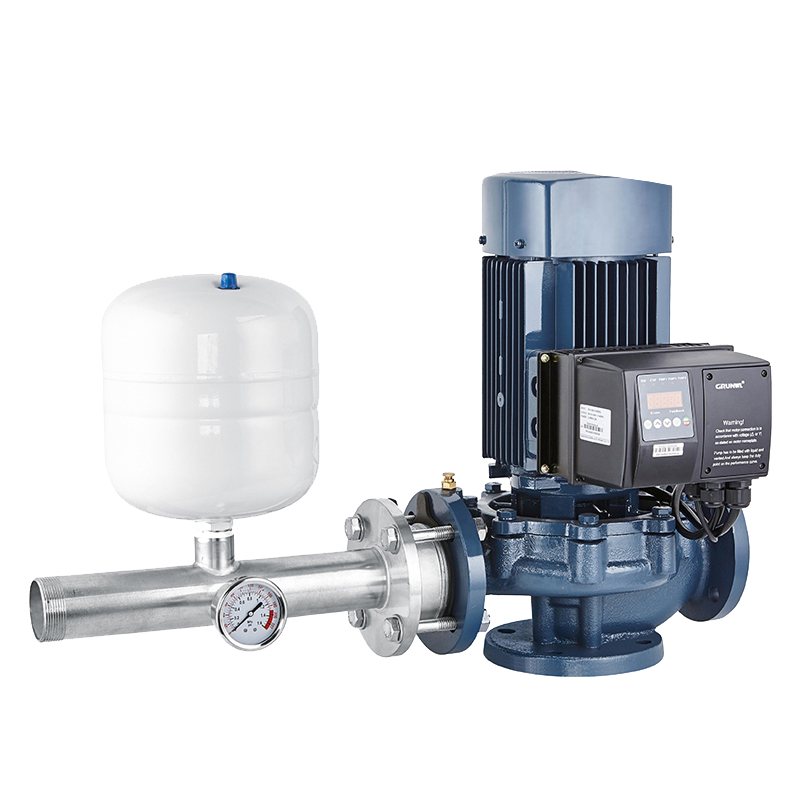
The Efficiency of Skid Integration
Historically, building a fire room required sourcing individual pumps, motors, and control panels from different manufacturers and aligning them by hand on-site.
In 2026, the engineering standard has shifted entirely to factory-packaged fire pump skids. Entire assemblies—including valves, bypass lines, flow meters, and controllers—are pre-piped, wired, and dynamically balanced on a structural steel base frame before shipment. This cuts building commissioning times in half and eliminates field alignment errors.
 5th Floor, Comprehensive Building No. 5, Dongqiao, Dong'an Village, Daxi Town,Wenling City,Zhejiang,China
 +86 576 86090666
 +86 18667600006
 +86 18667600006
 24 Hours Online