 3D ROOM
 (0)
(0) English
 عربى
عربى
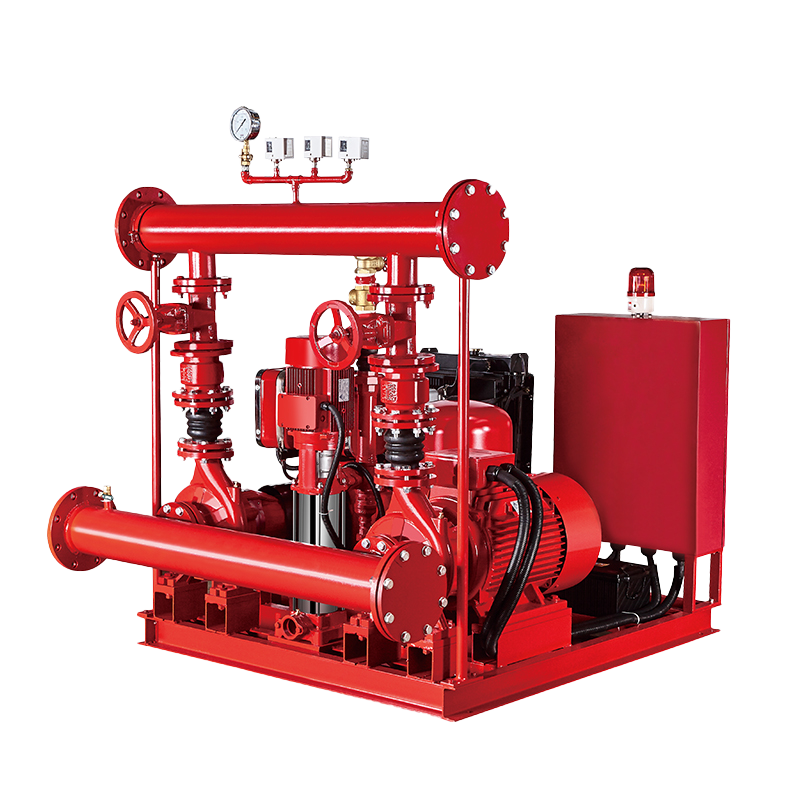 Fire Pump and System
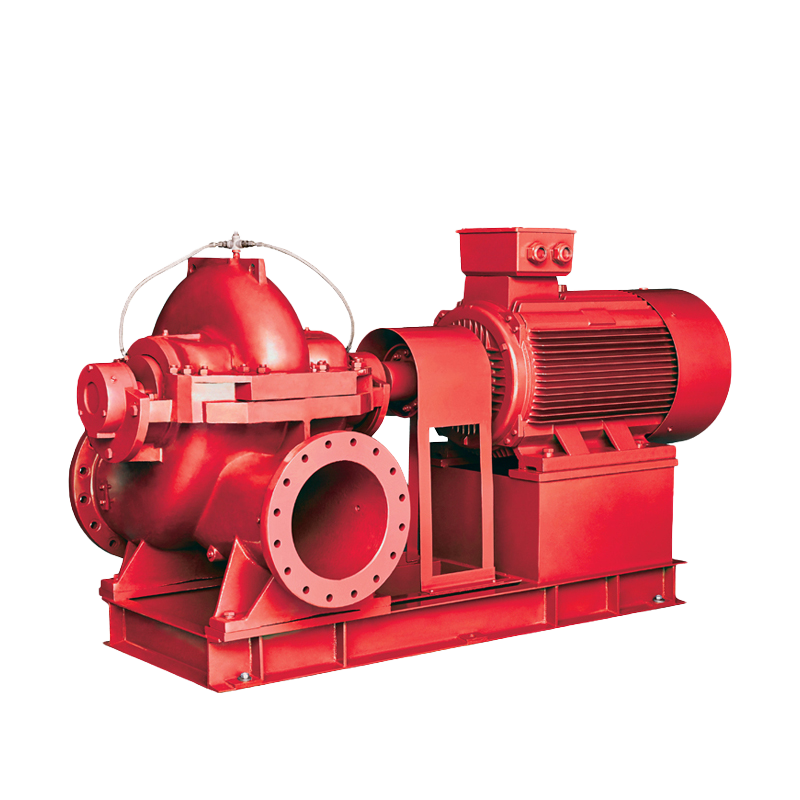 Split Case Pump
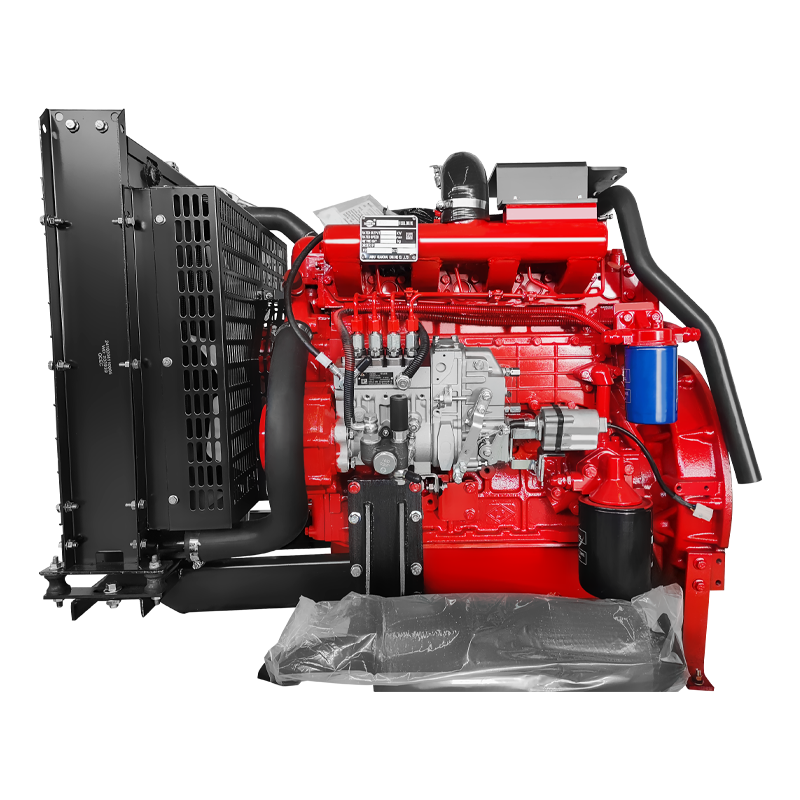 Engine and Pump
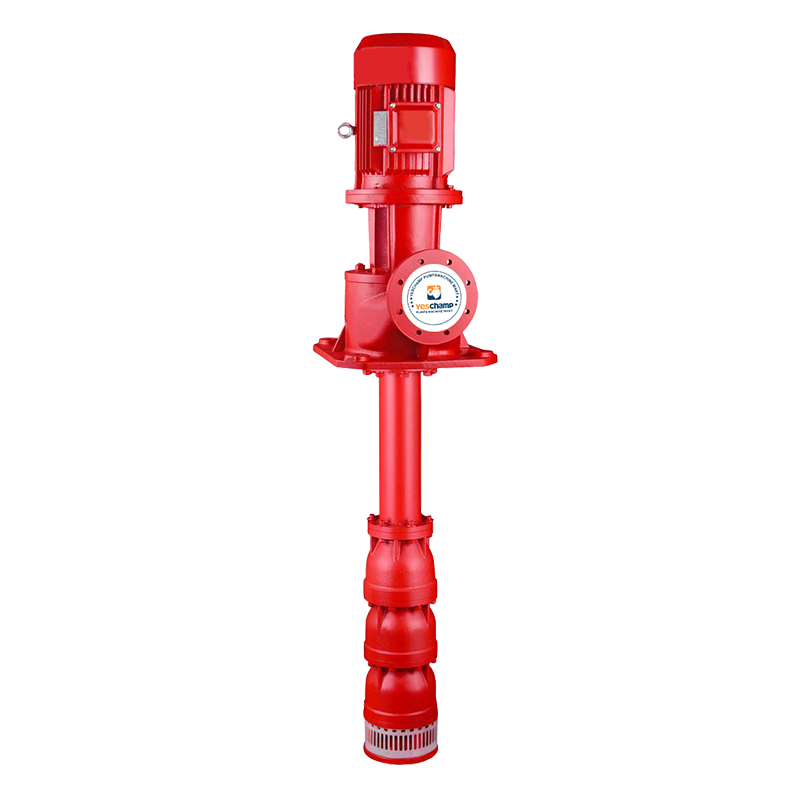 Long Shaft Pump
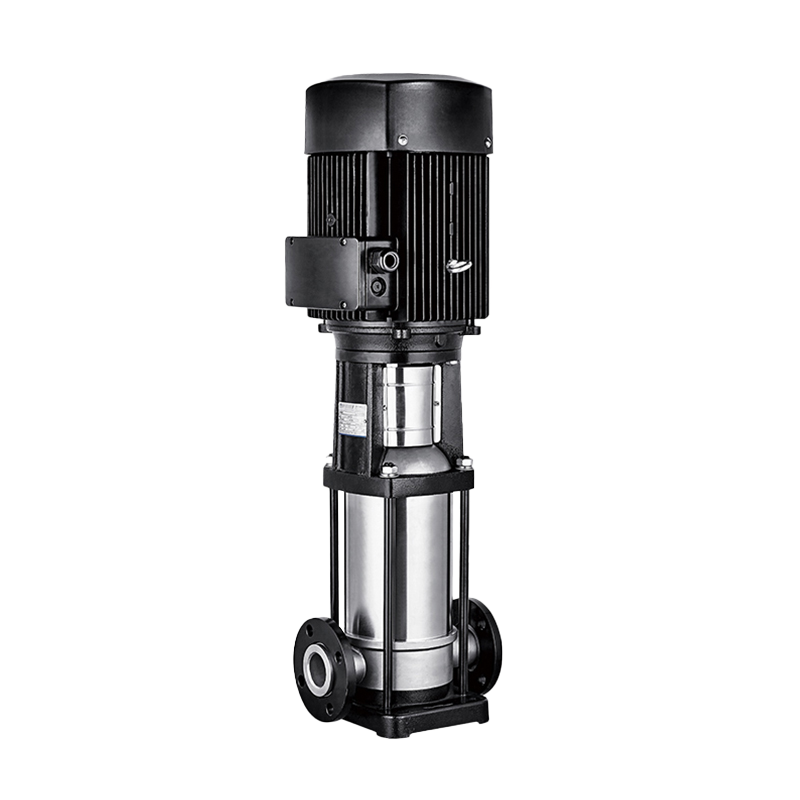 Multistage pump
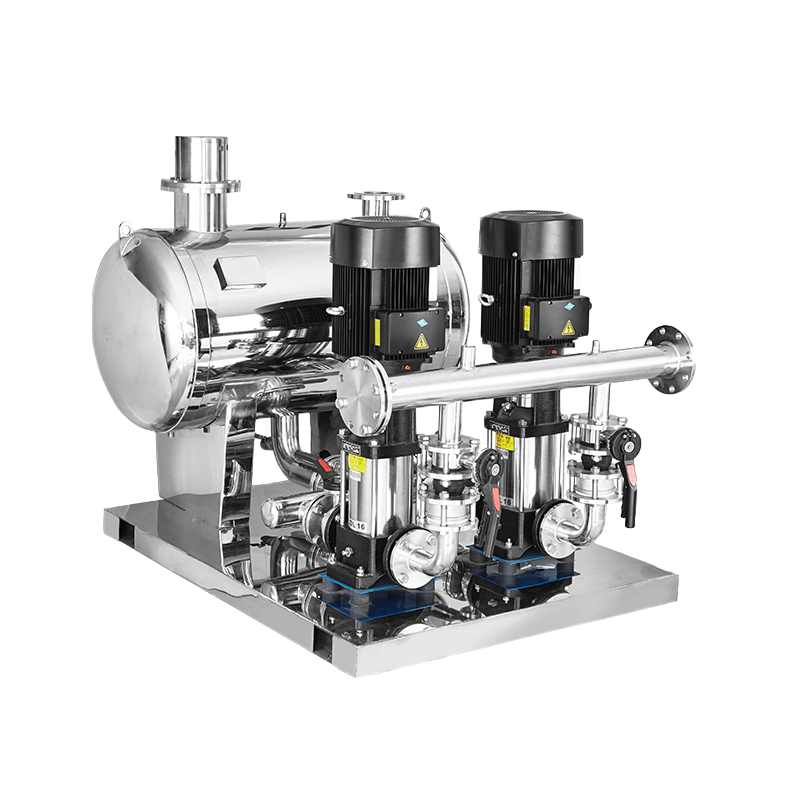 Water Supplier System
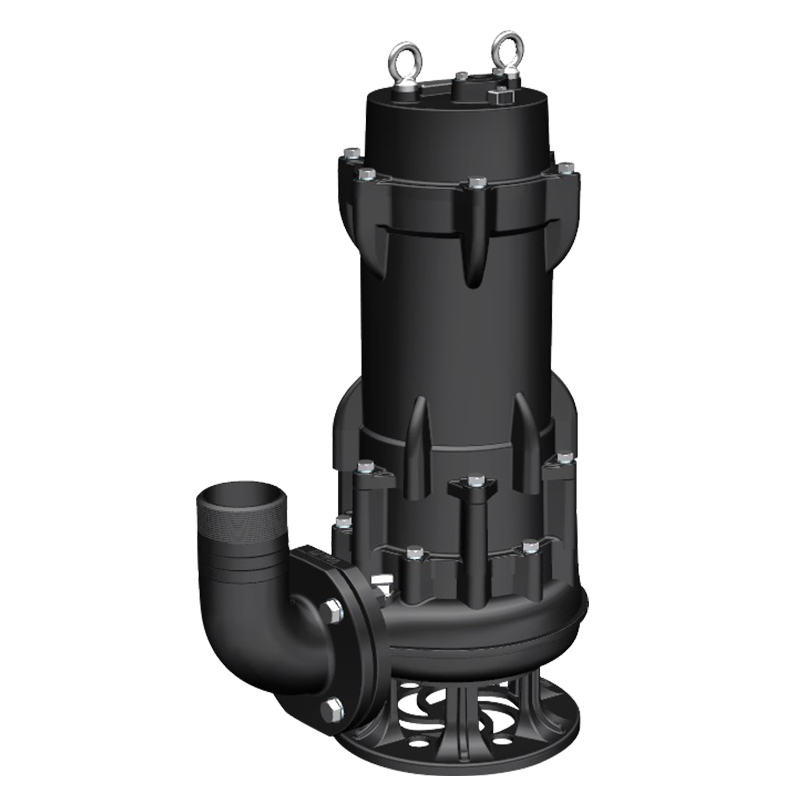 Sewage Pump
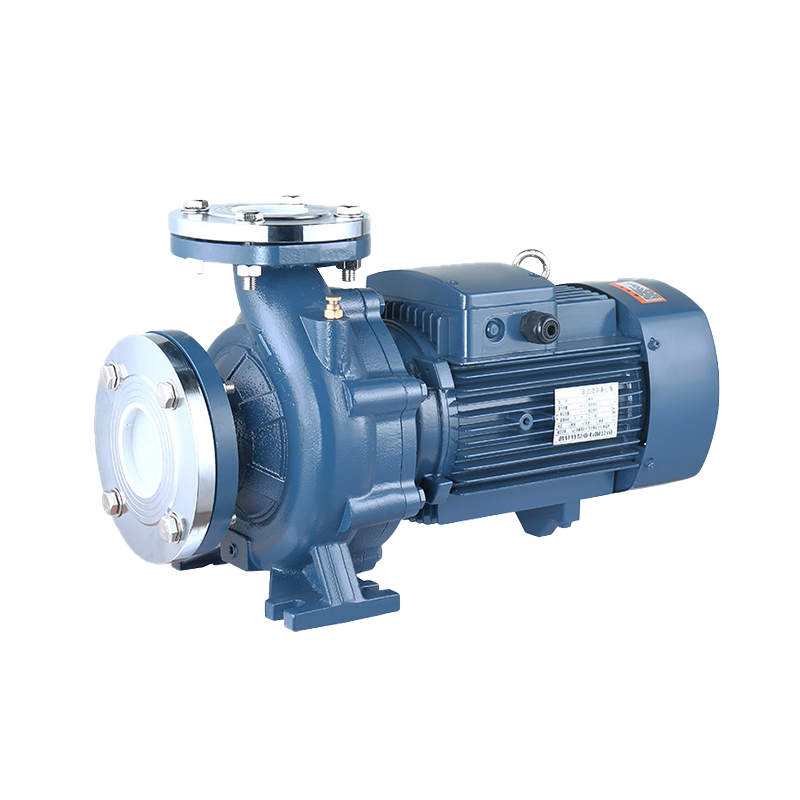 Industrial Pump
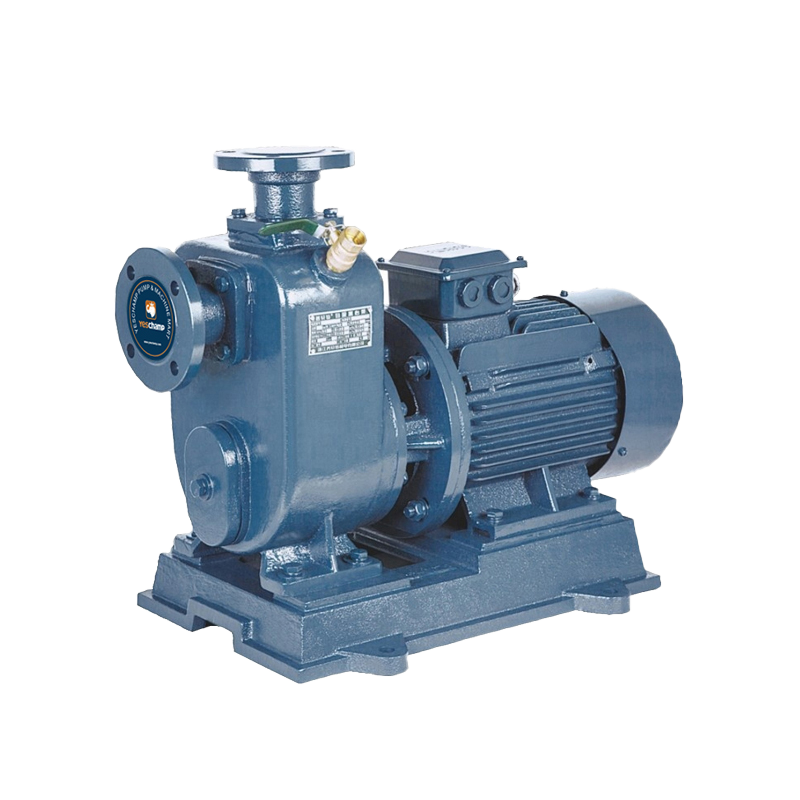 Self-Priming Pump
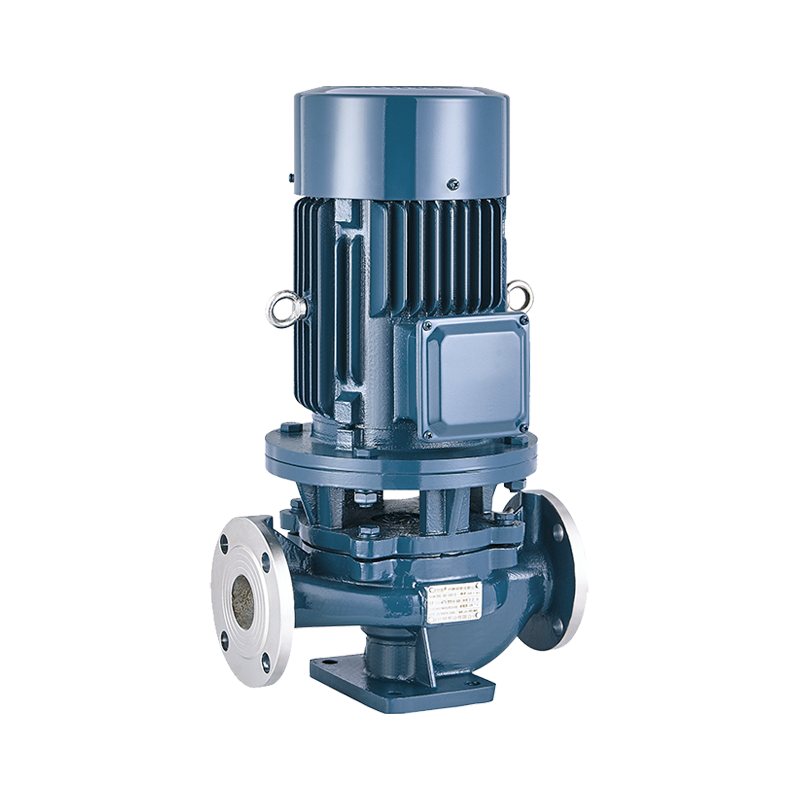 Inline Pump
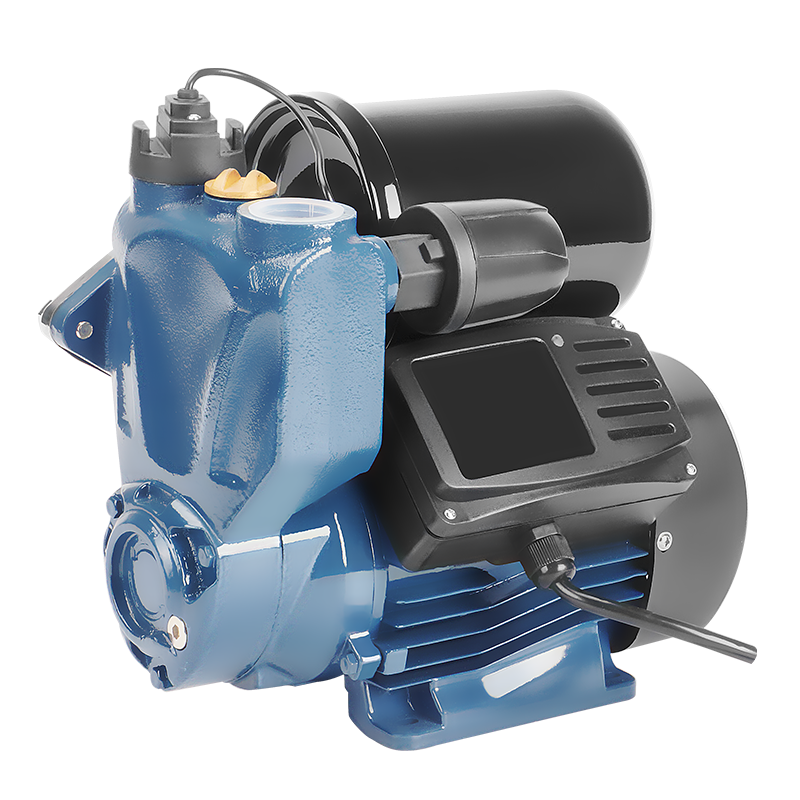 Domestic Pump
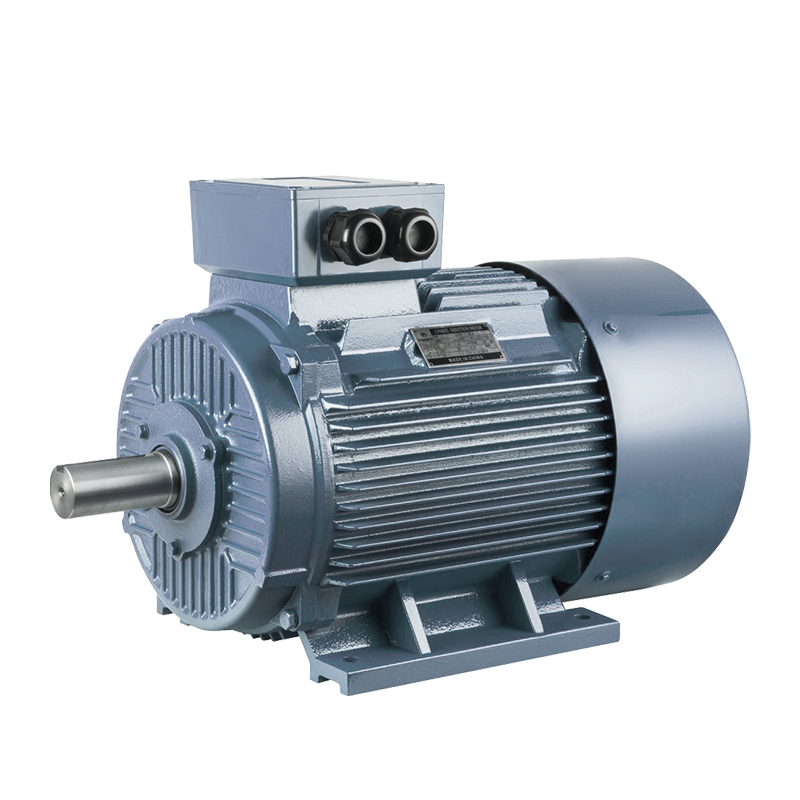 Electric Motor
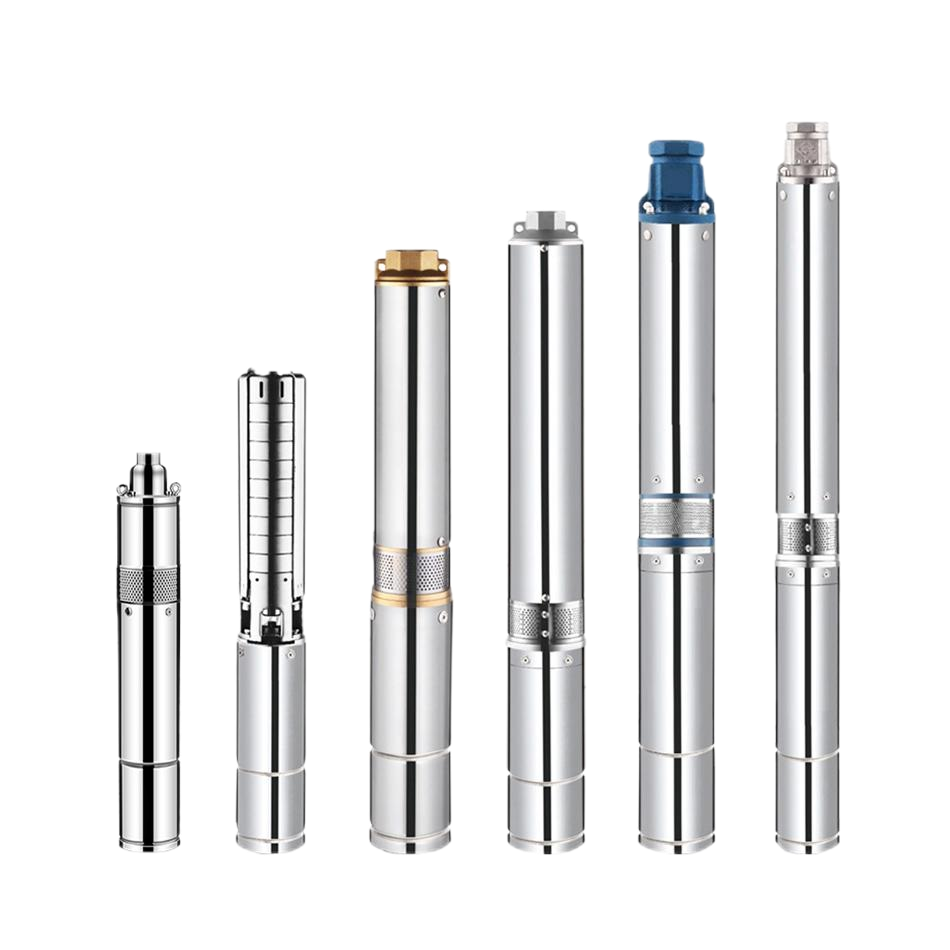 Borehole Pump
The Baseline of Industrial Purity: The Advantages of a Stainless Steel Standard Pump
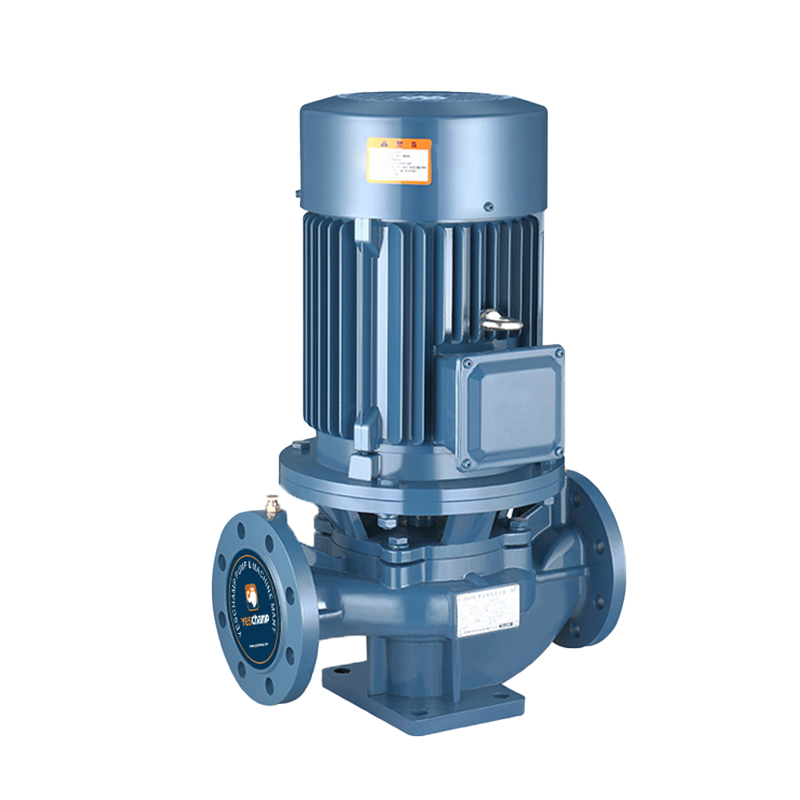
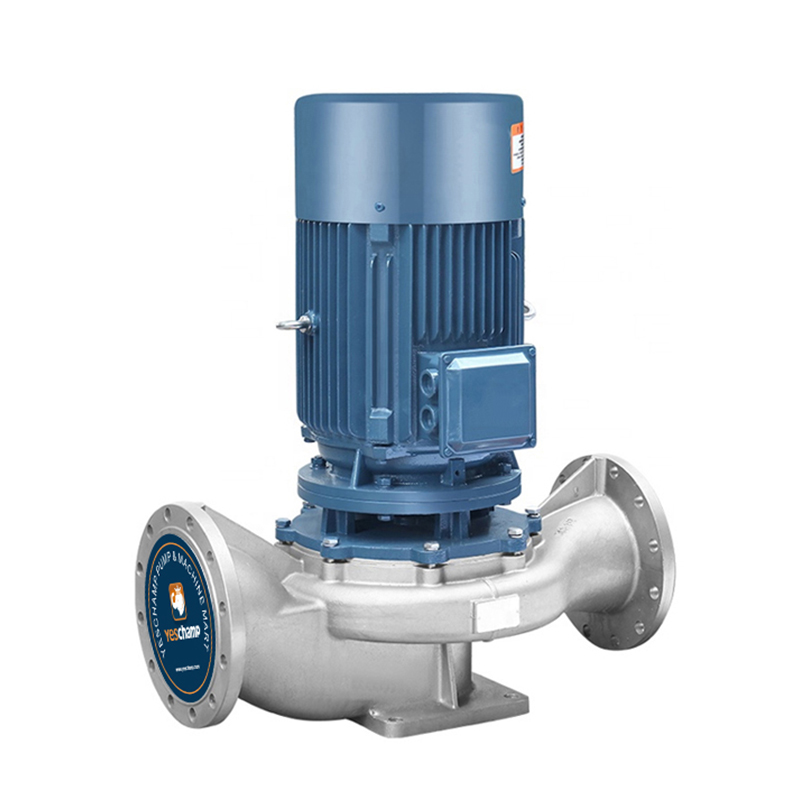
In the chemical, pharmaceutical, and water treatment industries, fluid handling equipment must face two relentless enemies: chemical corrosion and physical wear. For facilities seeking a versatile, highly reliable workhorse, the stainless steel standard pump has become the universal baseline for safe fluid transport.
What Makes a Pump "Standard"?
When engineers refer to a "standard pump," they are pointing to dimensional standardization—specifically compliance with international frameworks like ISO 2858 or ASME B73.1.
This means that regardless of the manufacturer, the centerline dimensions, suction and discharge nozzle sizes, and bolt hole configurations are identical. This makes drop-in replacements seamless, eliminating the need to re-pipe an entire facility when swapping out an old unit.
The Stainless Steel Advantage
-
Broad Chemical Compatibility: Whether moving mild acids, caustic cleaning solutions, or deionized water, stainless steel (typically 304 or 316L grade) resists the pitting and oxidation that quickly degrades cast iron or bronze pumps.
-
Structural Integrity at High Temperatures: Unlike plastic or lined pumps that warp under extreme thermal stress, stainless steel maintains its structural strength in high-temperature applications like boiler feed lines or industrial washdown loops.
-
Contamination Prevention: Stainless steel does not leach trace metals into the process media, making it the non-negotiable standard for food, beverage, and ultra-pure water systems.
 5th Floor, Comprehensive Building No. 5, Dongqiao, Dong'an Village, Daxi Town,Wenling City,Zhejiang,China
 +86 576 86090666
 +86 18667600006
 +86 18667600006
 24 Hours Online