 3D ROOM
 (0)
(0) English
 عربى
عربى
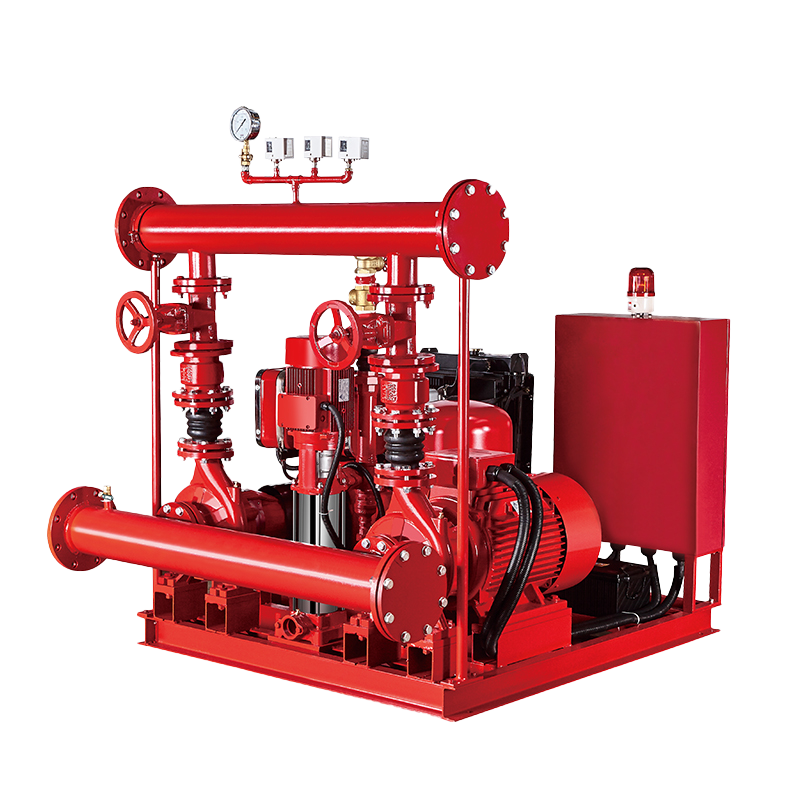 Fire Pump and System
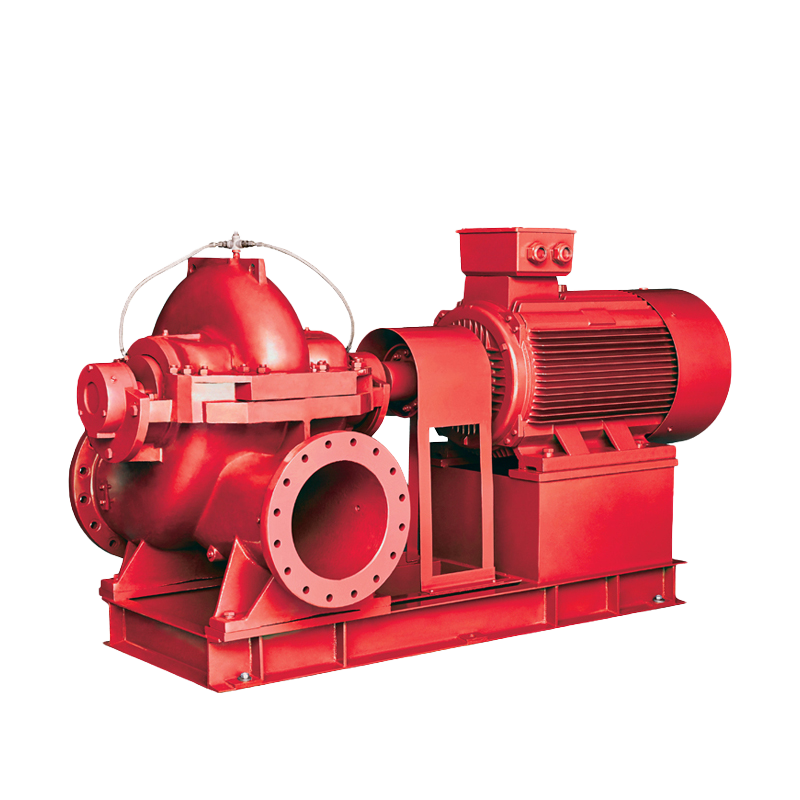 Split Case Pump
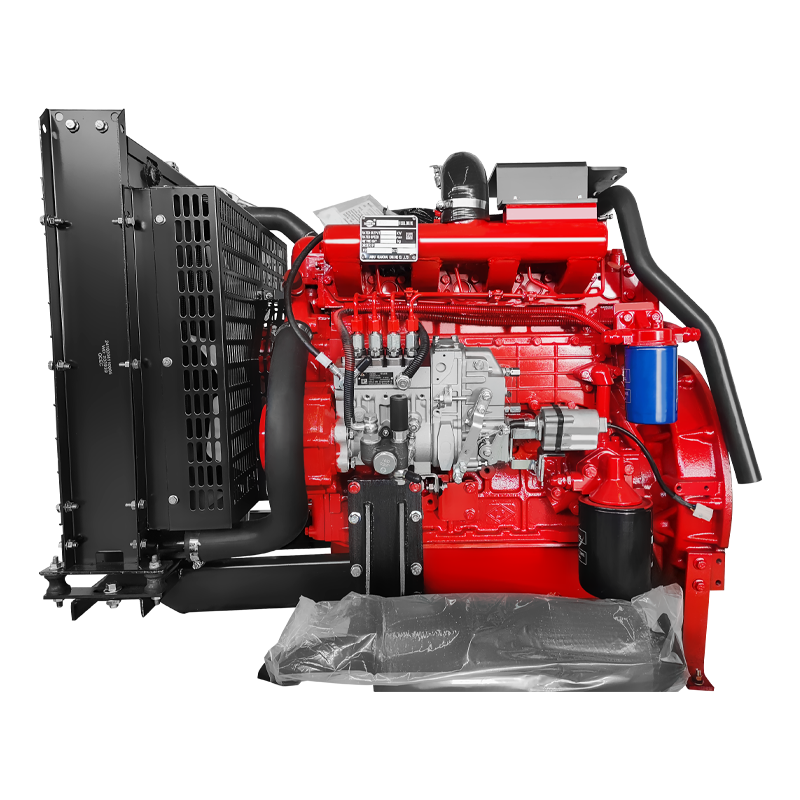 Engine and Pump
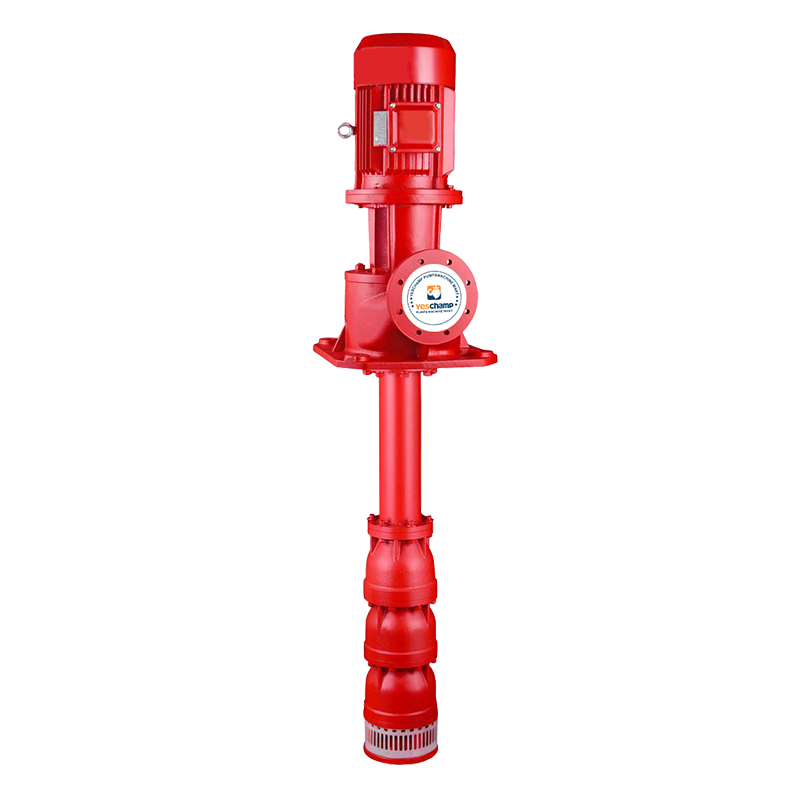 Long Shaft Pump
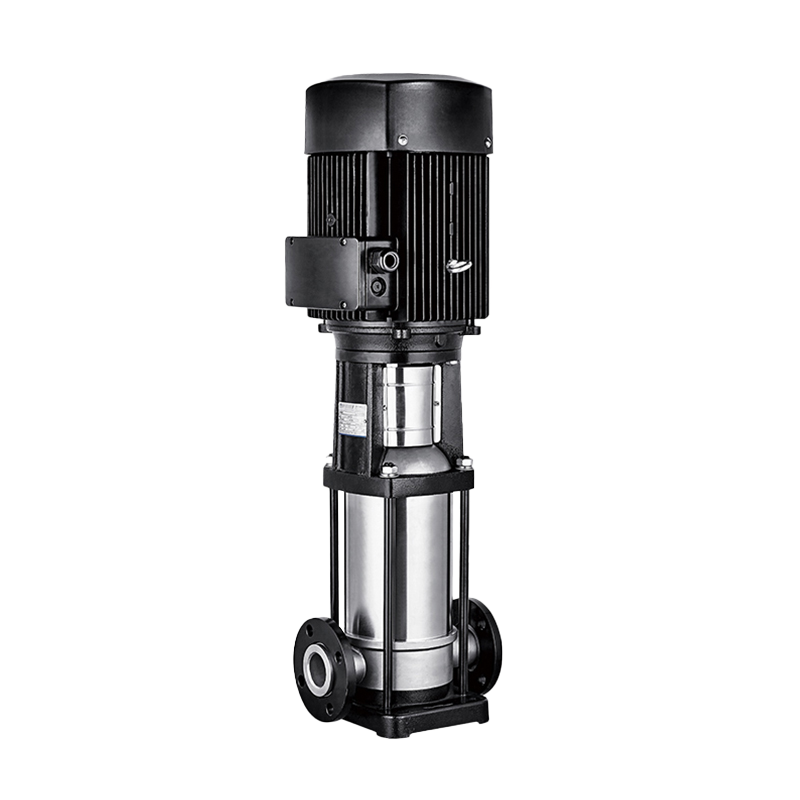 Multistage pump
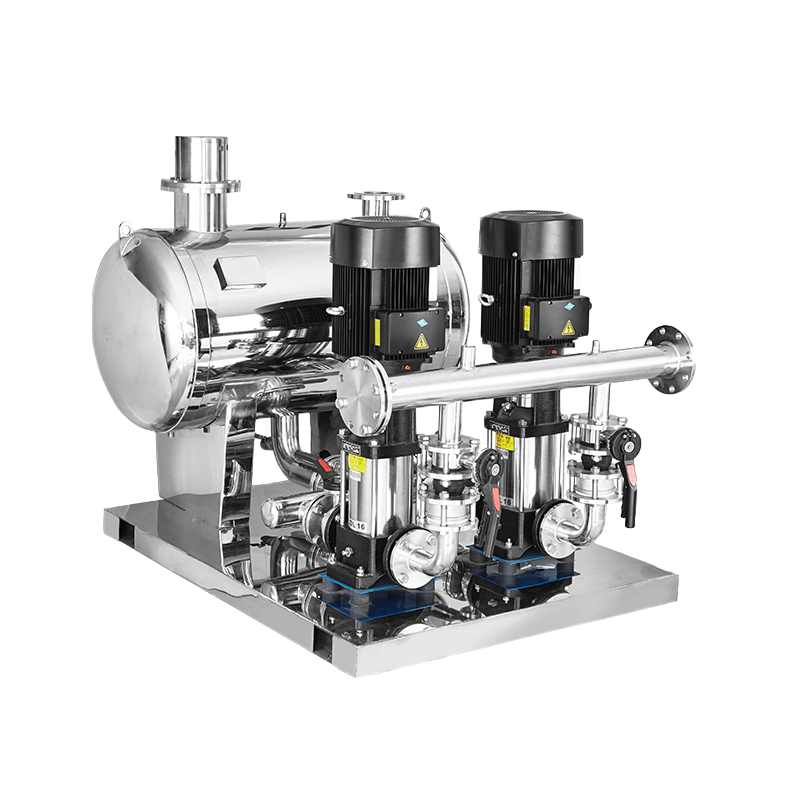 Water Supplier System
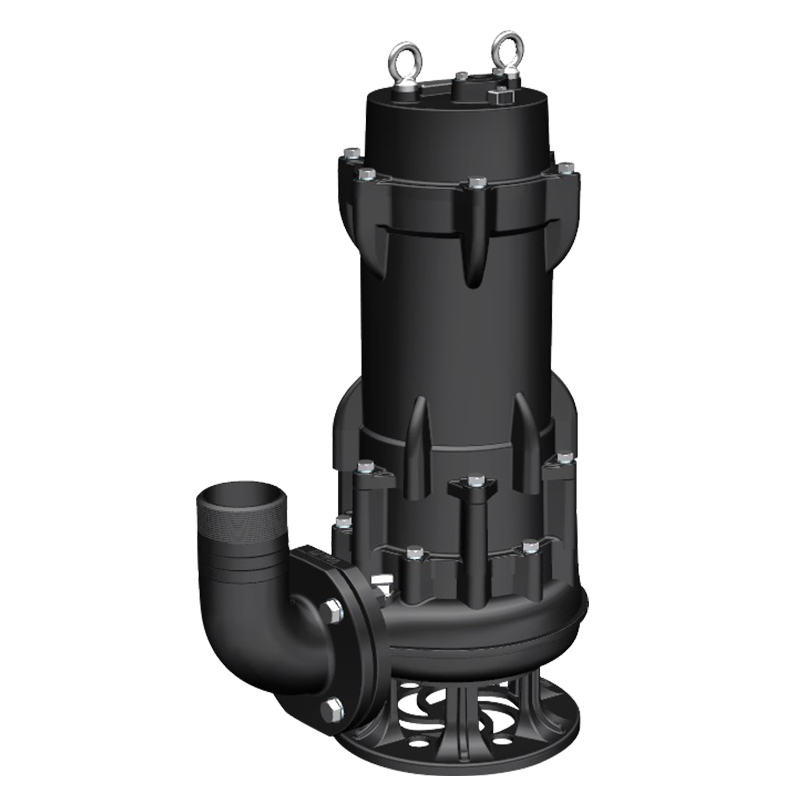 Sewage Pump
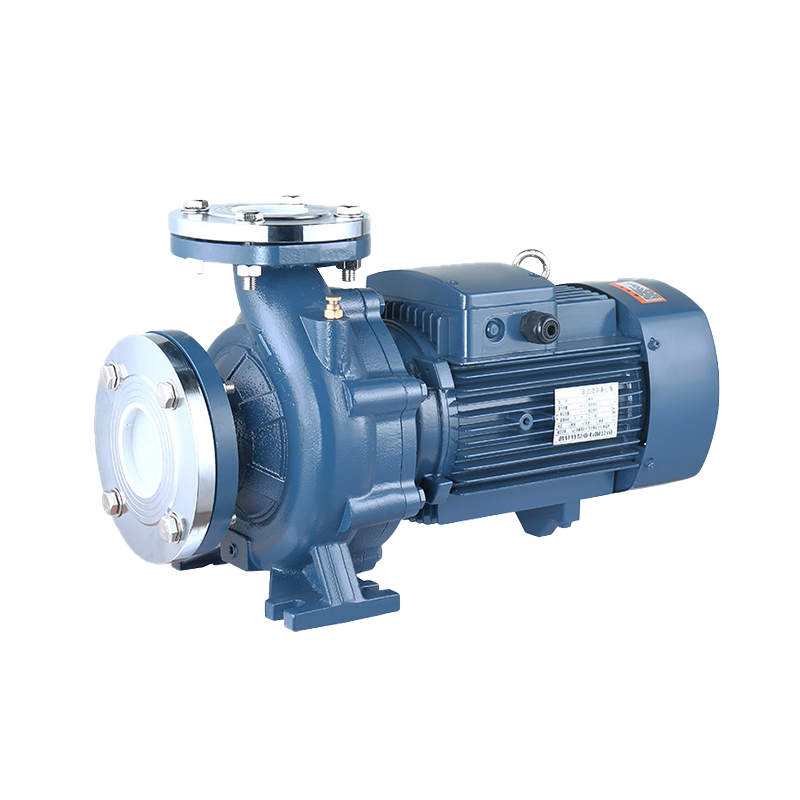 Industrial Pump
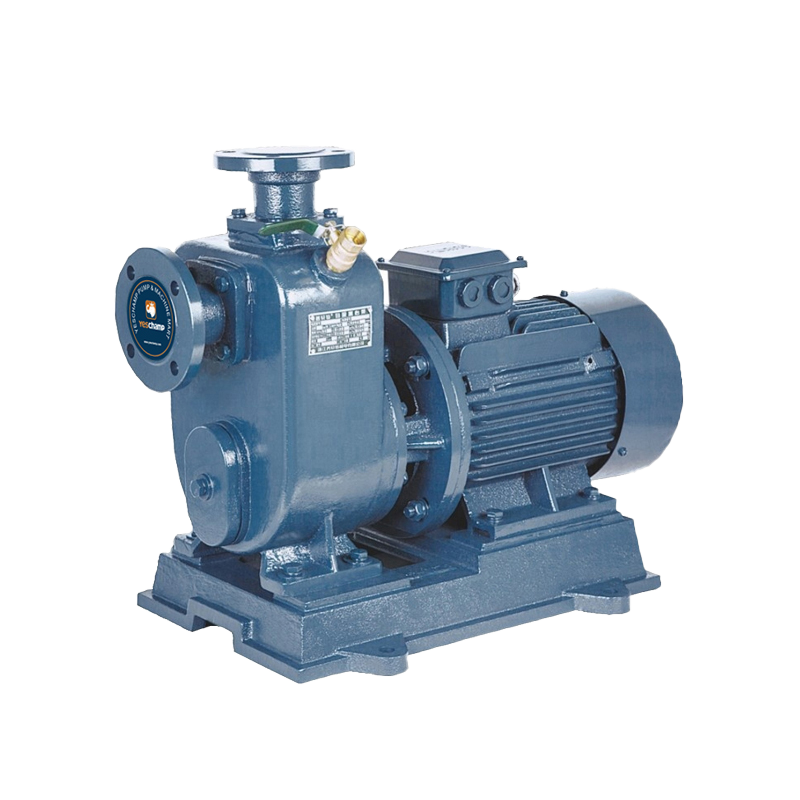 Self-Priming Pump
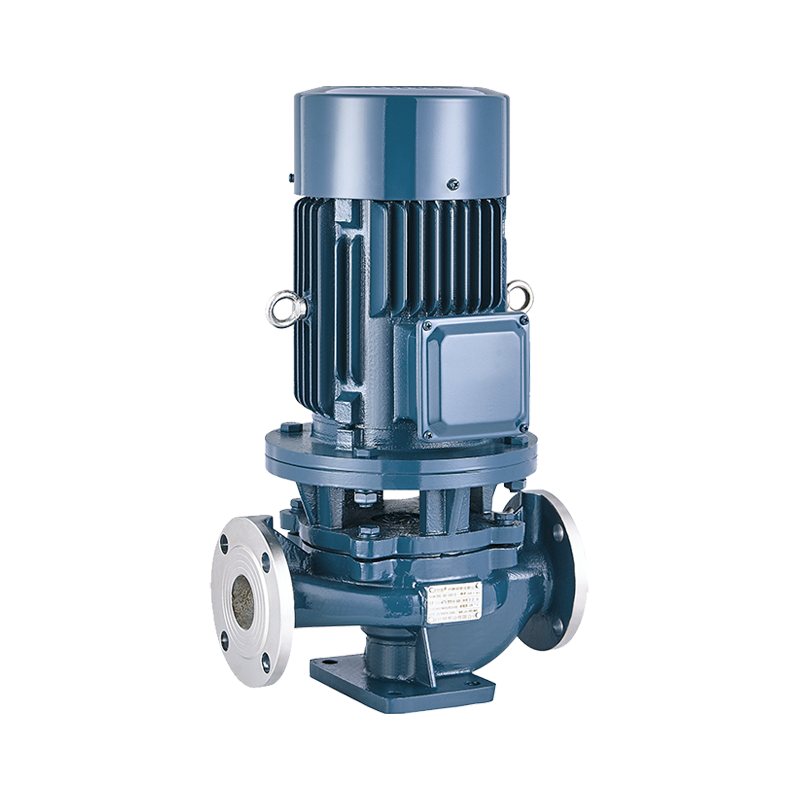 Inline Pump
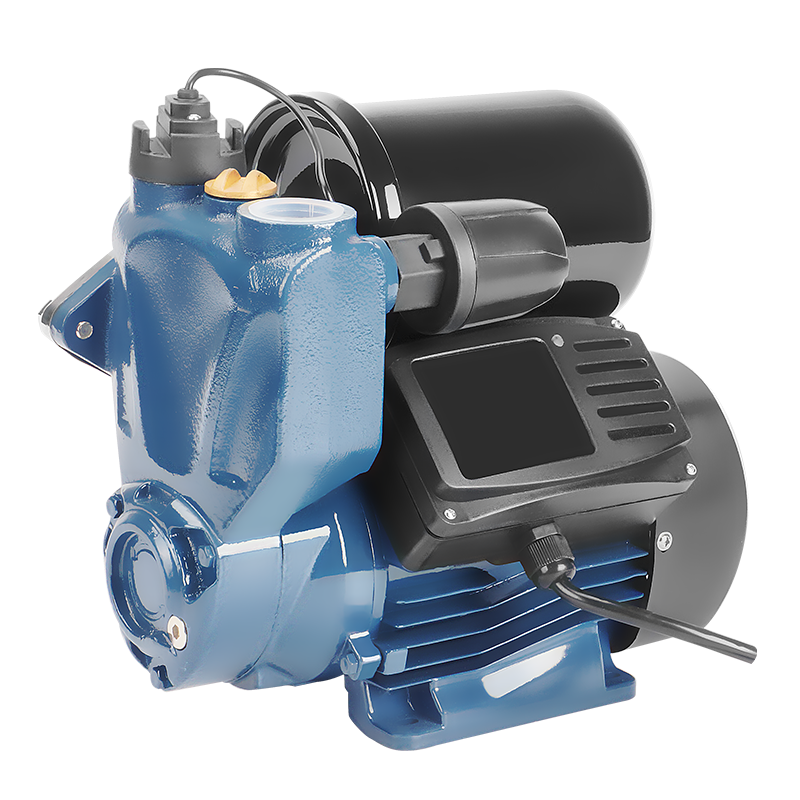 Domestic Pump
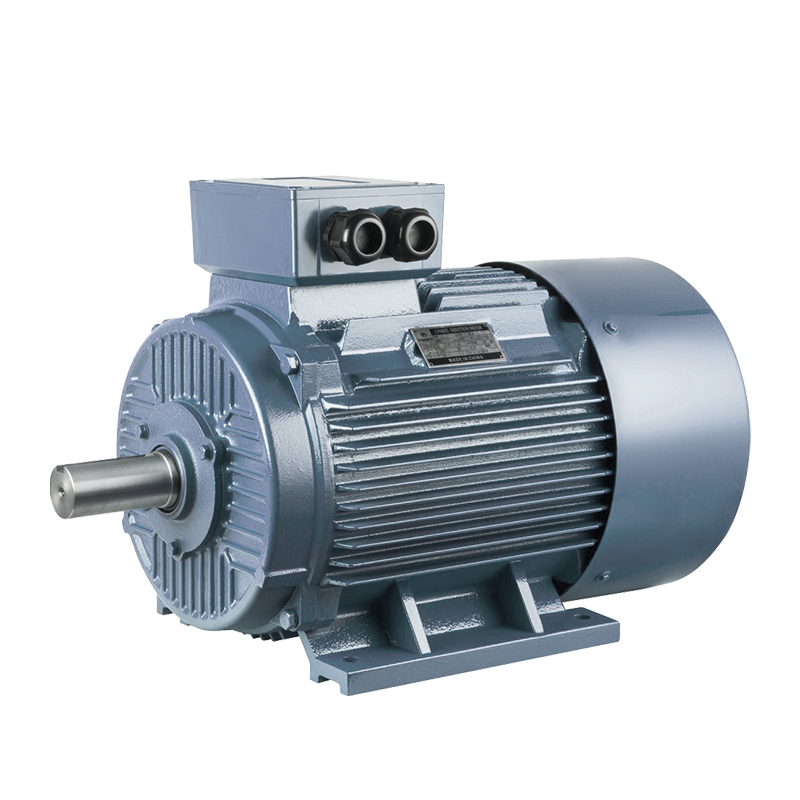 Electric Motor
 Borehole Pump
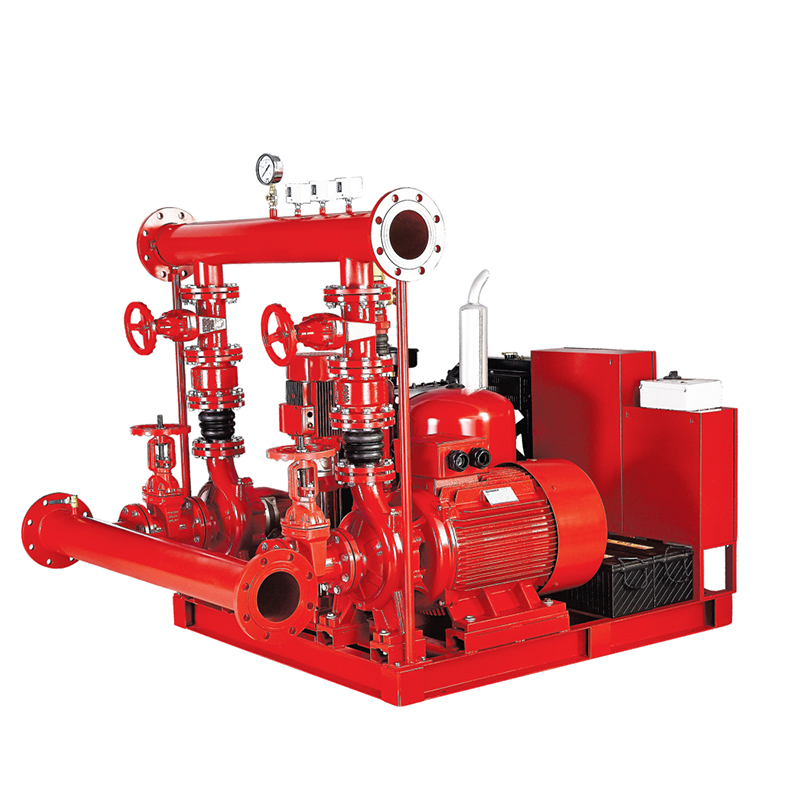
In the critical realm of fire protection, system reliability isn't just a goal—it's an absolute necessity. For commercial, industrial, and large residential complexes, a fire fighting system with two electric pumps and a jockey pump represents the gold standard for ensuring uninterrupted water supply and pressure. This configuration maximizes safety, meets stringent codes, and provides unparalleled peace of mind. This guide explores how this system works, its key benefits, and why it's essential for robust fire protection.
How This Advanced Fire Pump System Works
A fire fighting system with dual electric pumps and a jockey pump is designed for 100% redundancy and precise pressure maintenance. Here’s a breakdown of each component's role:
Primary & Backup Electric Fire Pumps (Dual Electric Pumps):
This is the heart of the system. Two identical, high-capacity electric pumps are installed in parallel. One acts as the primary duty pump, and the other serves as a full-capacity backup. In the event of a fire, the primary pump activates to meet the massive water demand. If it fails to start or malfunctions, the backup pump automatically takes over, ensuring the fire suppression system (like sprinklers or hydrants) remains fully operational without interruption.
The Jockey Pump:
This is a small, auxiliary pump that works continuously in the background. Its sole purpose is to maintain constant pressure within the fire protection piping network. It compensates for minor, normal pressure losses caused by small leaks, temperature changes, or air bubbles. By keeping the system at an optimal "standby" pressure, it prevents the main electric fire pumps from short-cycling (frequently turning on and off for minor losses), which reduces wear and tear and ensures they are ready for a major fire event.
Key Advantages of a Dual Electric Pump with Jockey Pump System
Exceptional Redundancy & Reliability: The core benefit. A single pump failure does not disable the entire fire protection system. This is often required by insurance companies and local fire codes (like NFPA 20) for life safety and high-value property protection.
Superior Pressure Stability:
The jockey pump ensures the system is always "primed" and ready, leading to faster main pump activation and consistent performance for sprinklers.
Reduced Main Pump Wear:
By handling minor pressure fluctuations, the jockey pump significantly extends the operational life of the larger, more expensive electric fire pumps.
Energy Efficiency:
Jockey pumps are low horsepower, consuming minimal energy compared to the main pumps. Preventing unnecessary main pump starts saves energy and costs.
Code Compliance & Insurance Benefits:
This configuration frequently exceeds minimum code requirements, which can lead to lower insurance premiums due to reduced risk.
Case Study: Ensuring Uninterrupted Protection
Consider a mid-rise apartment building. Without a jockey pump, everyday minor pressure drops could trigger the main fire pump, causing unnecessary noise, wear, and potential water hammer. With a single main pump, a mechanical failure during a fire would be catastrophic. Implementing the dual electric pump and jockey pump system eliminates both risks, providing silent, continuous pressure maintenance and a guaranteed backup, thereby safeguarding residents and property 24/7.
A fire fighting system equipped with two electric pumps and a jockey pump is not an extravagance; it is a strategic investment in ultimate safety, reliability, and operational efficiency. It represents a proactive approach to fire protection that prioritizes continuous readiness and system integrity.
 5th Floor, Comprehensive Building No. 5, Dongqiao, Dong'an Village, Daxi Town,Wenling City,Zhejiang,China
 +86 576 86090666
 +86 18667600006
 +86 18667600006
 24 Hours Online